


Vitamin Jars





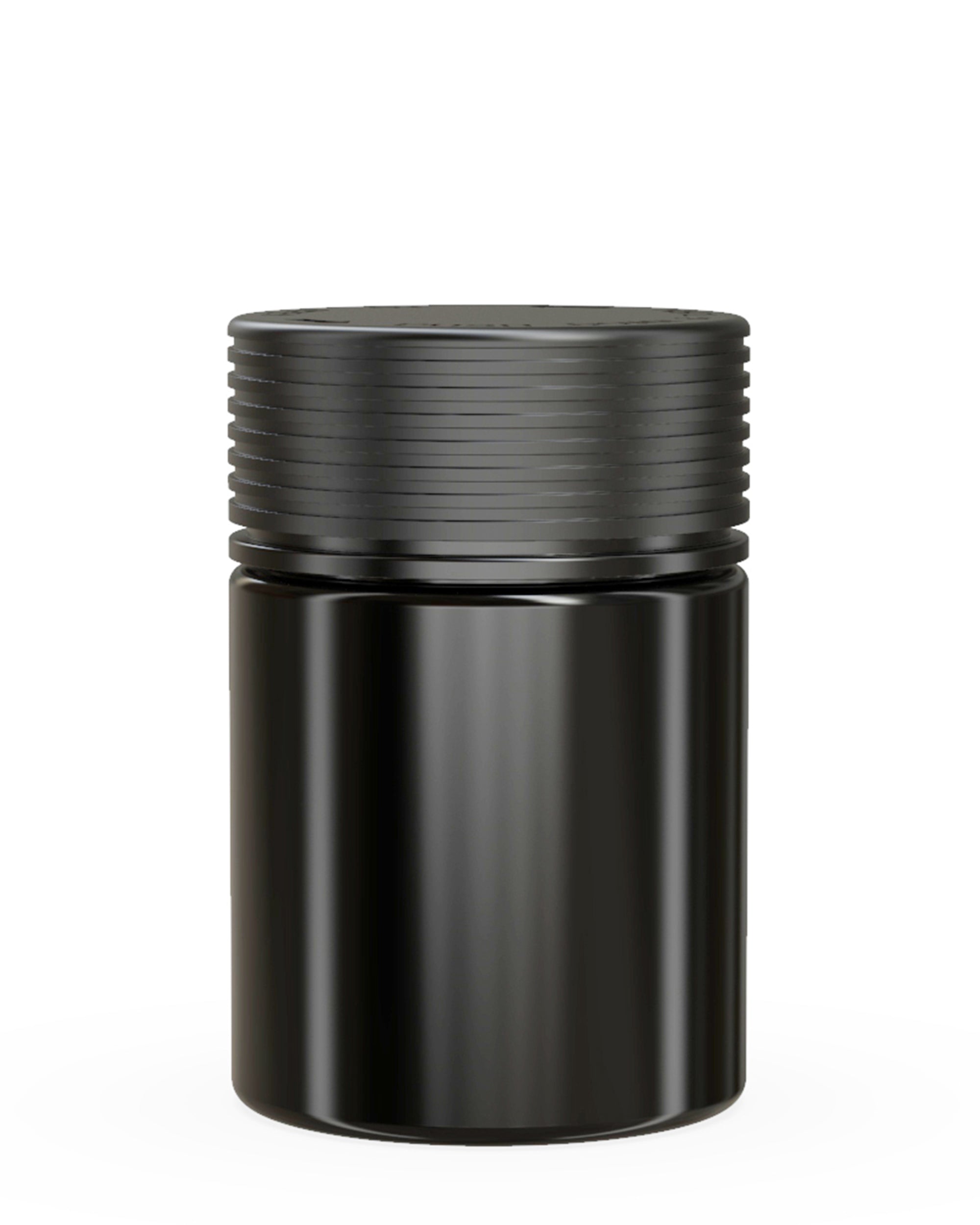
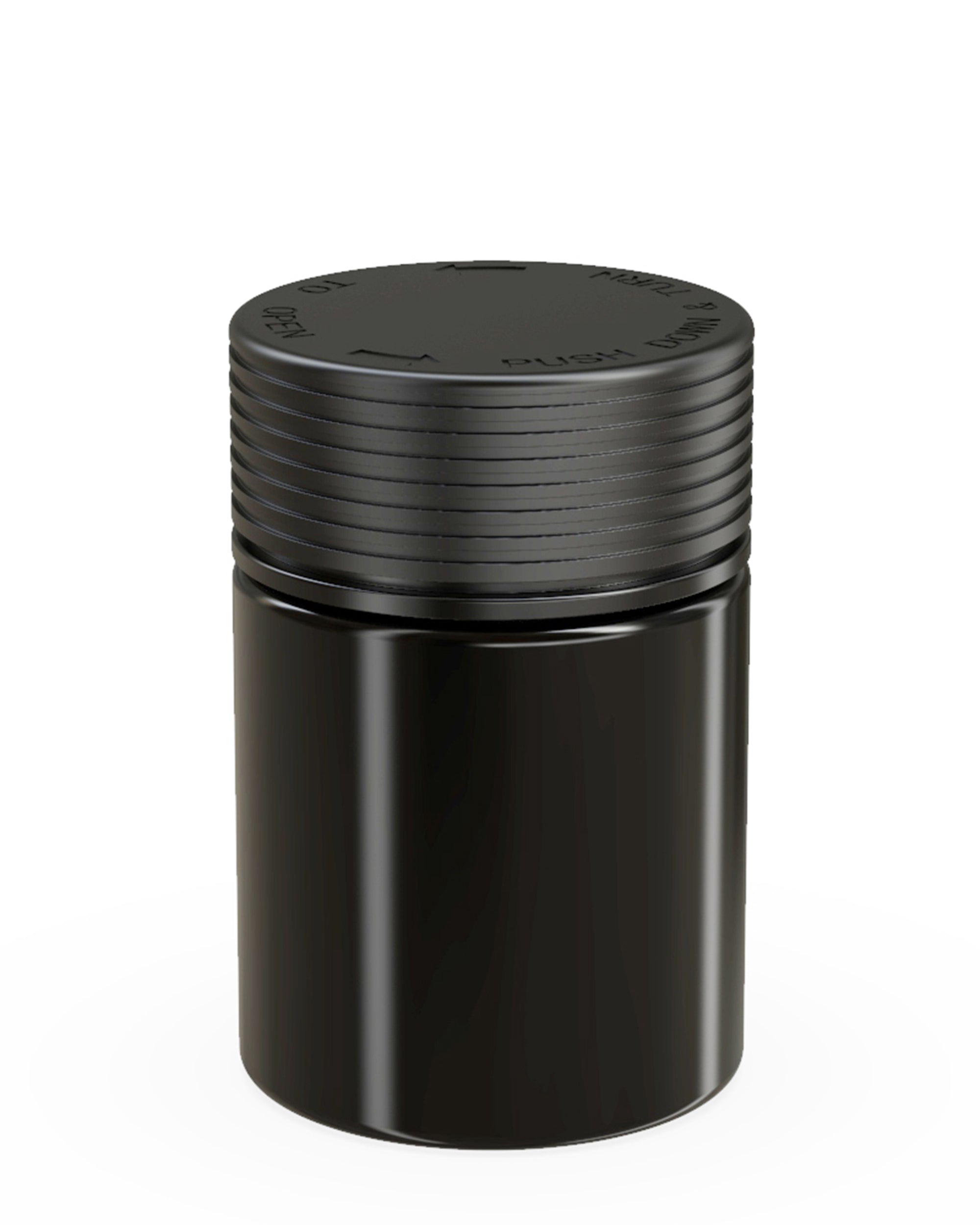
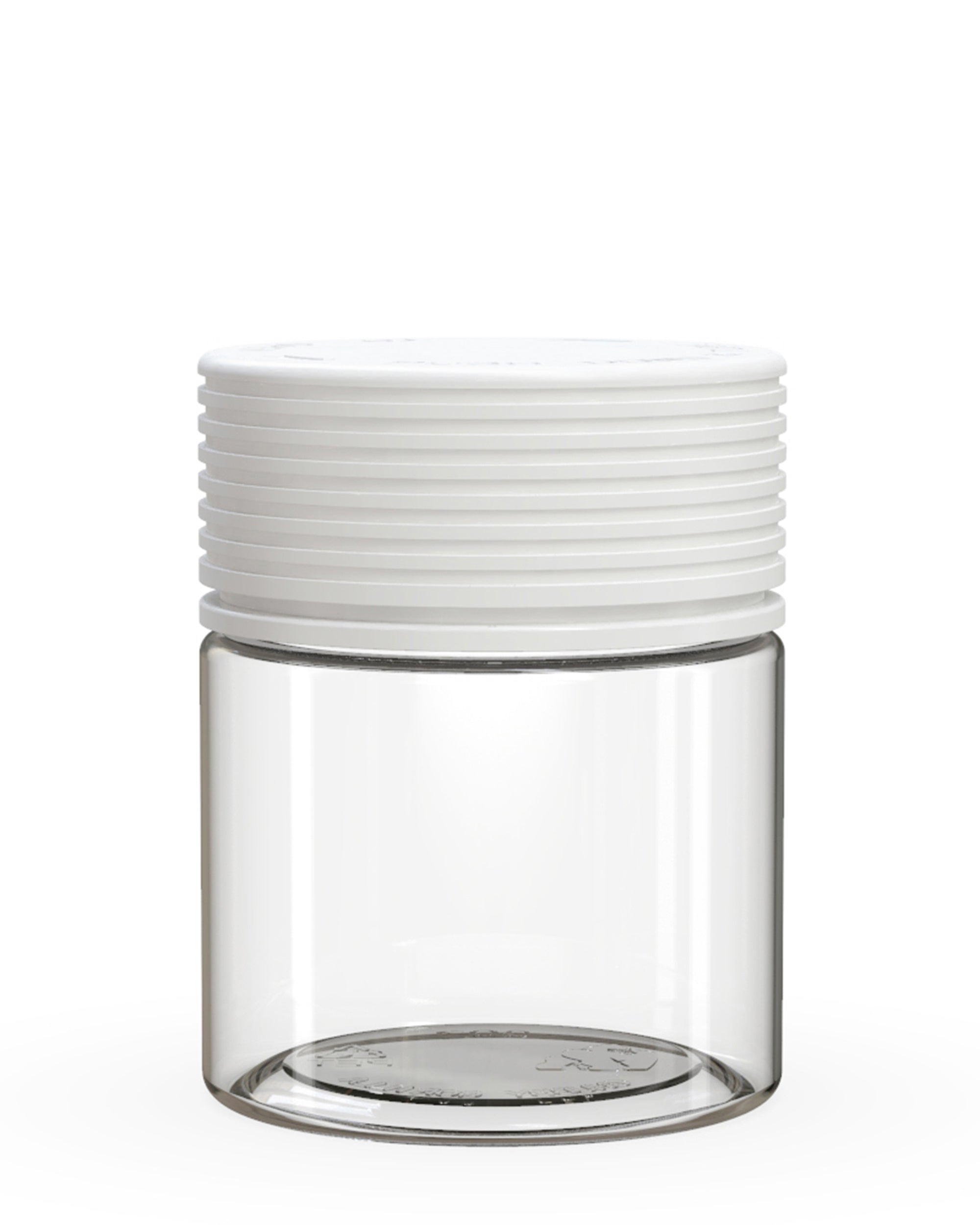
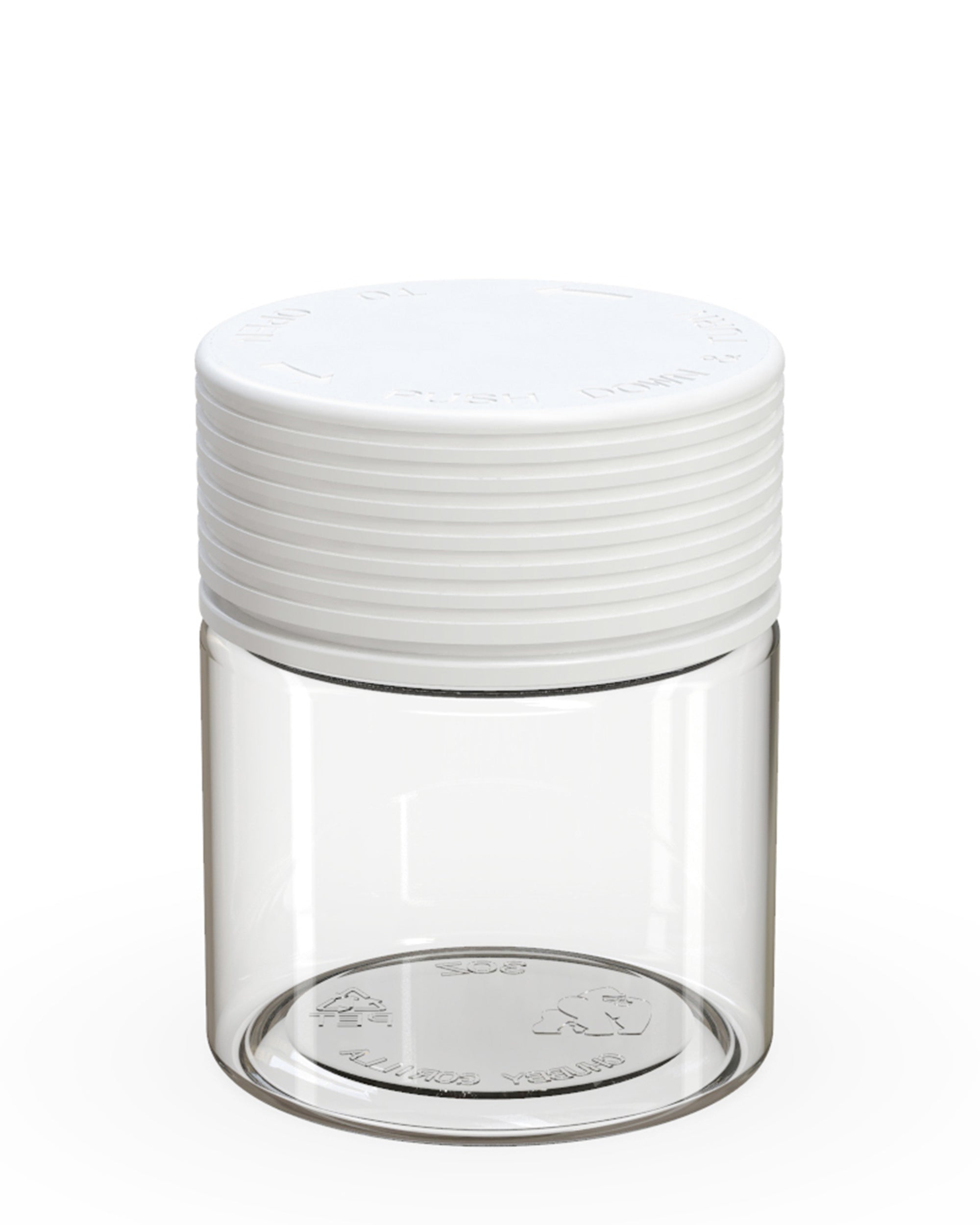
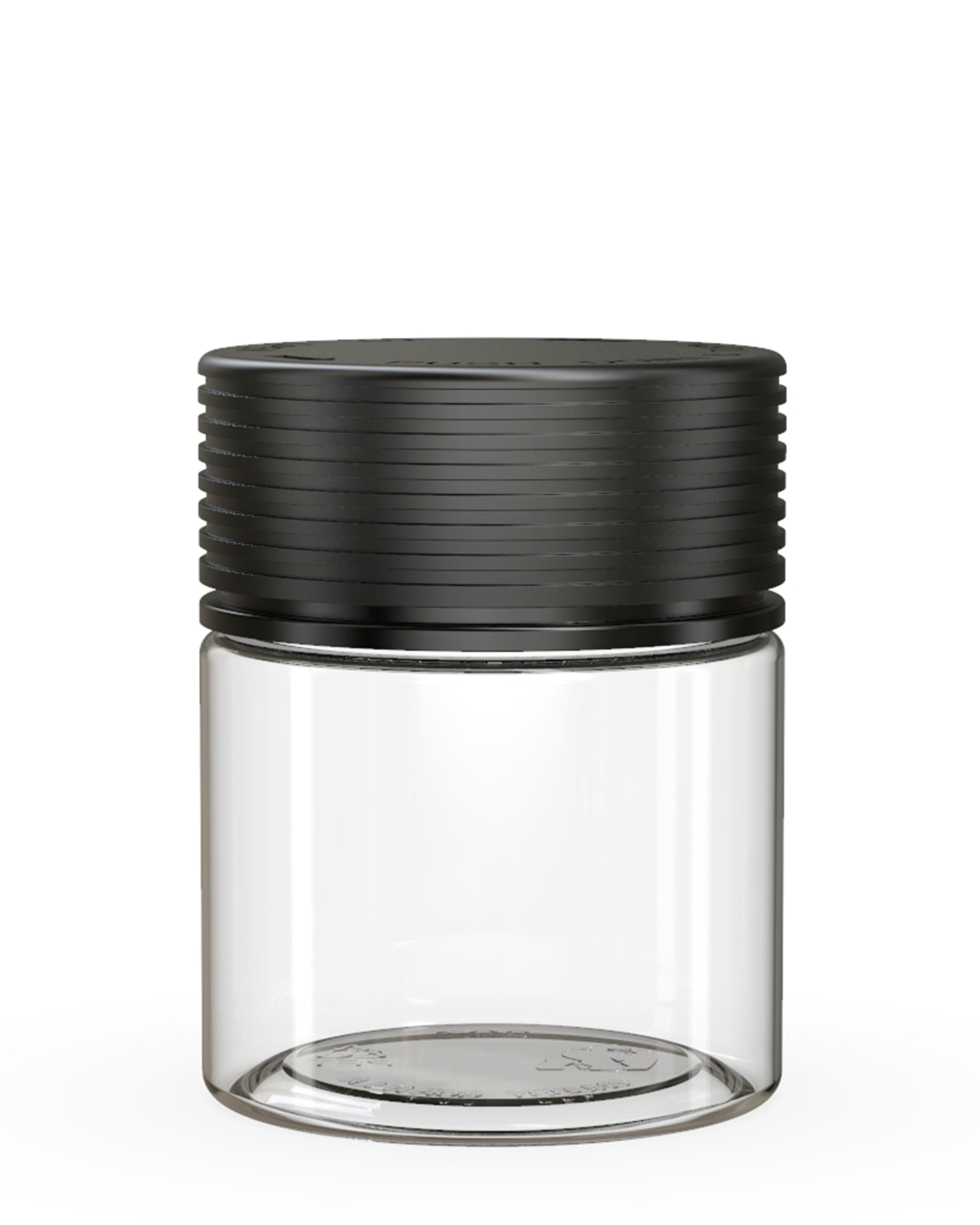
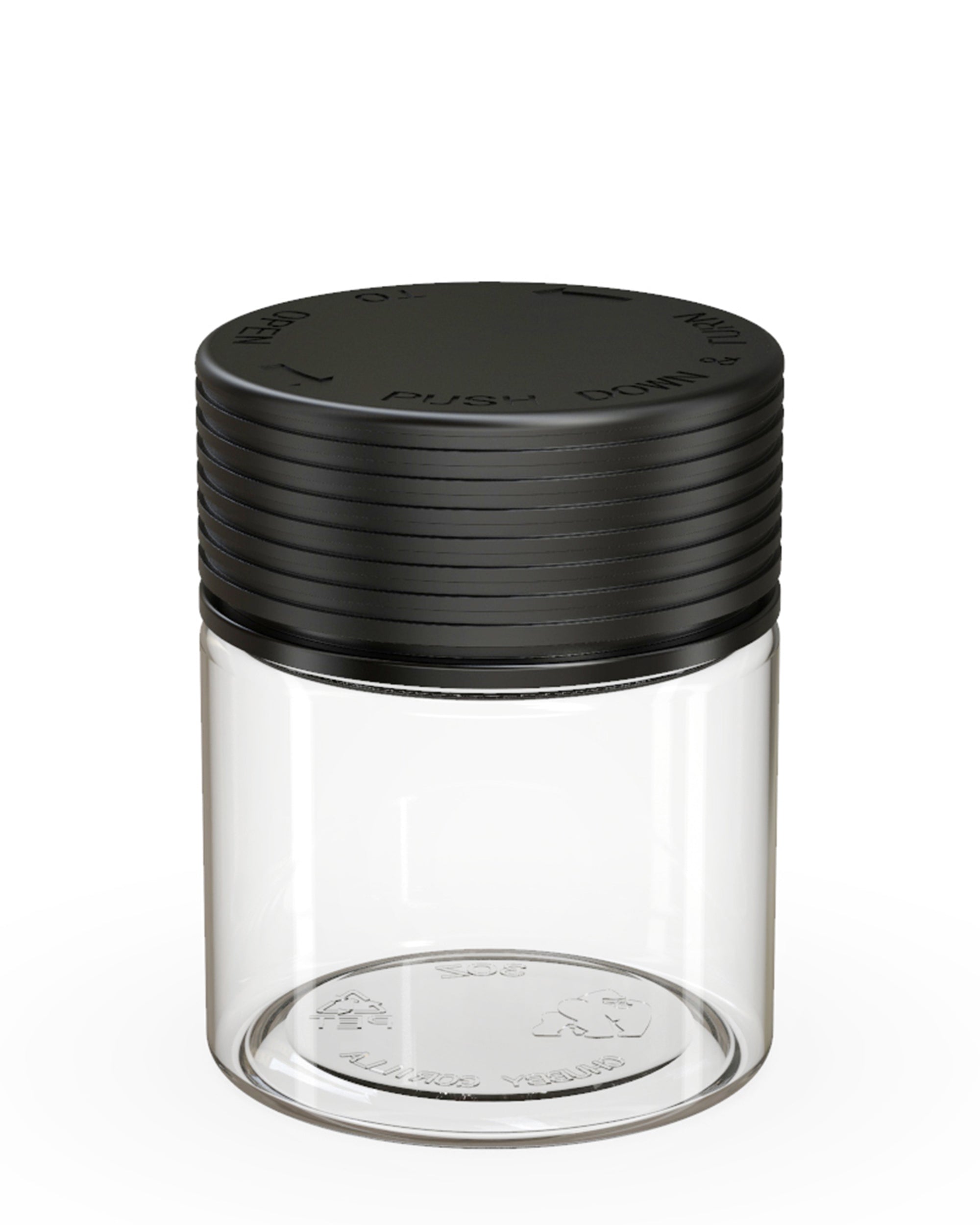
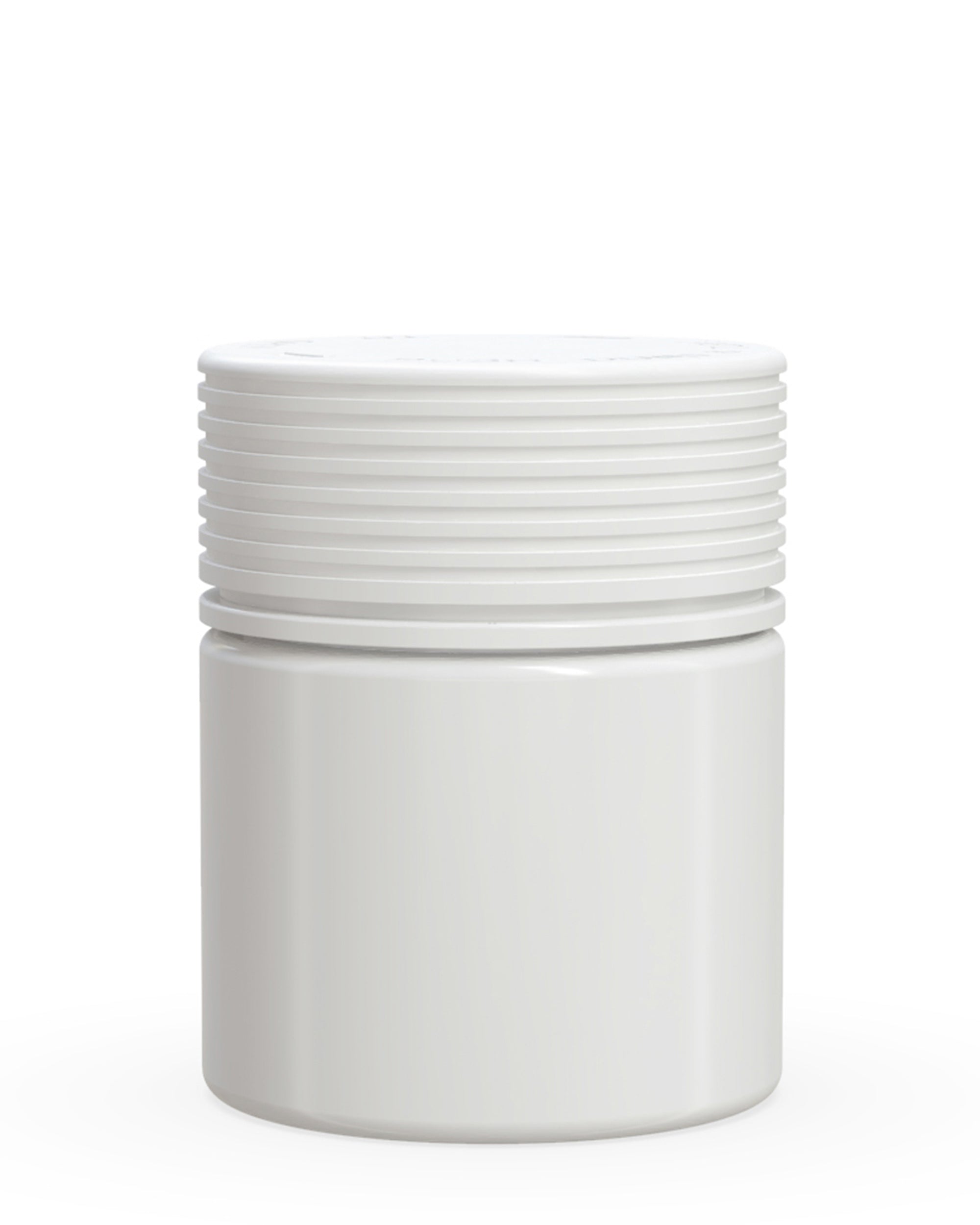
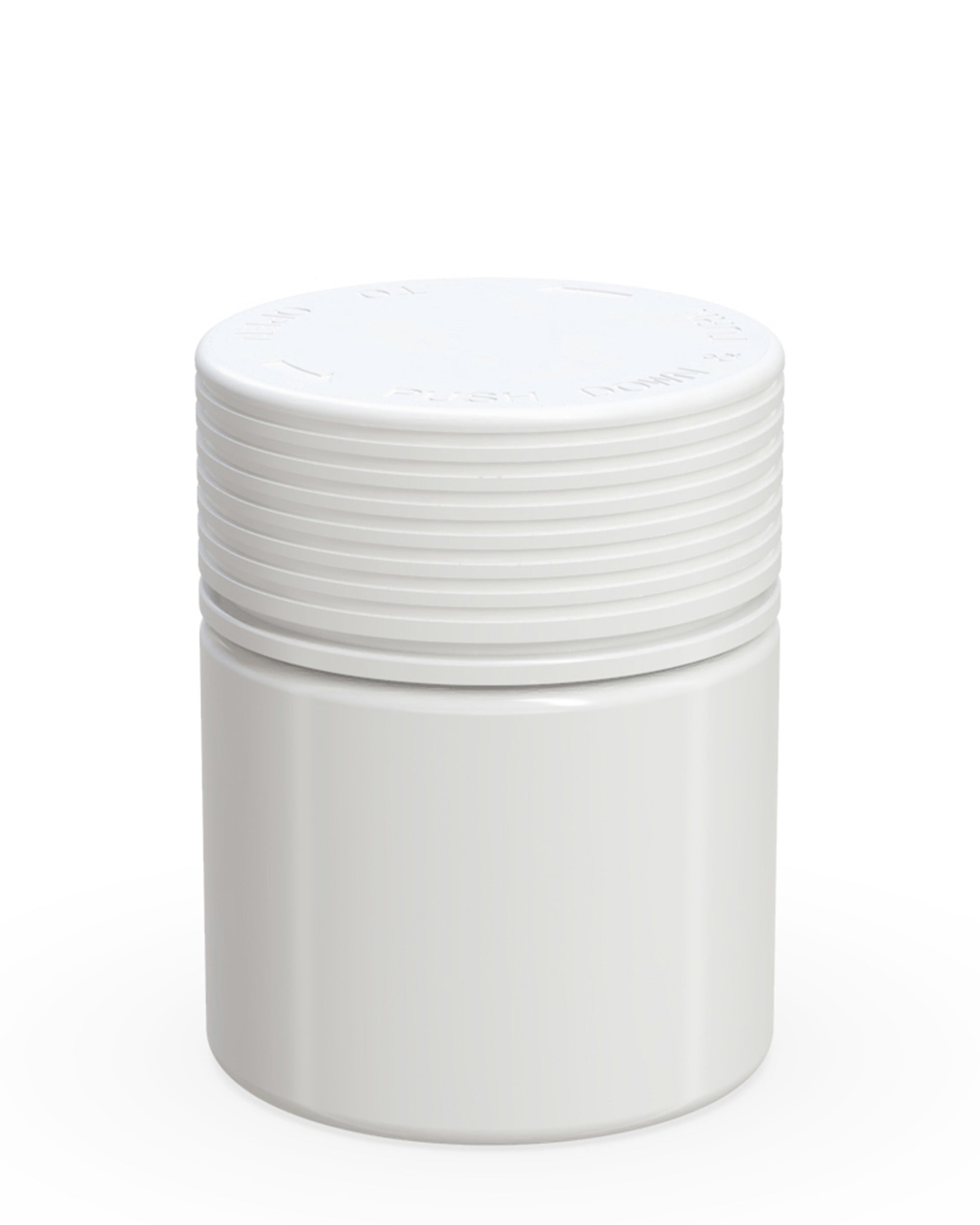
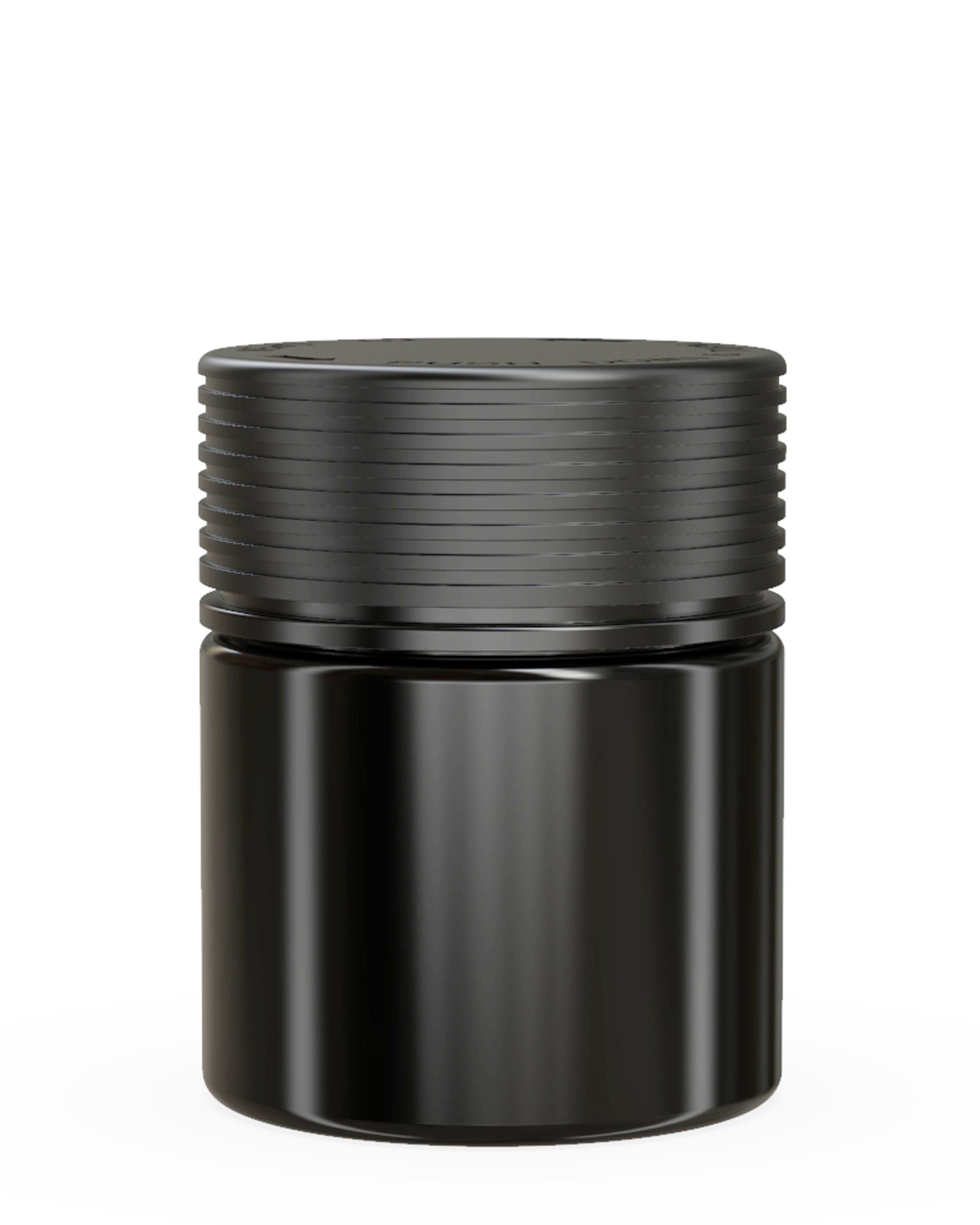
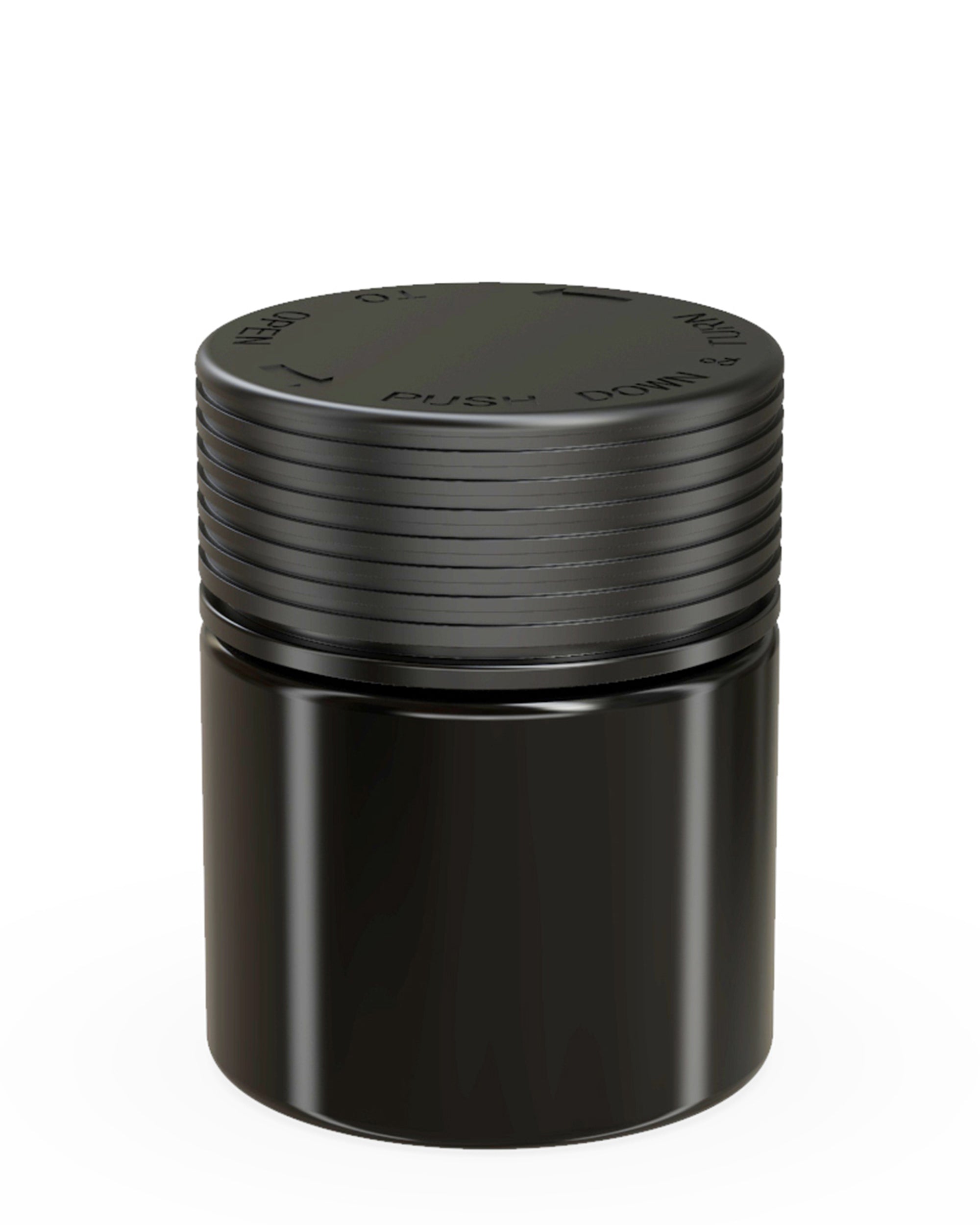
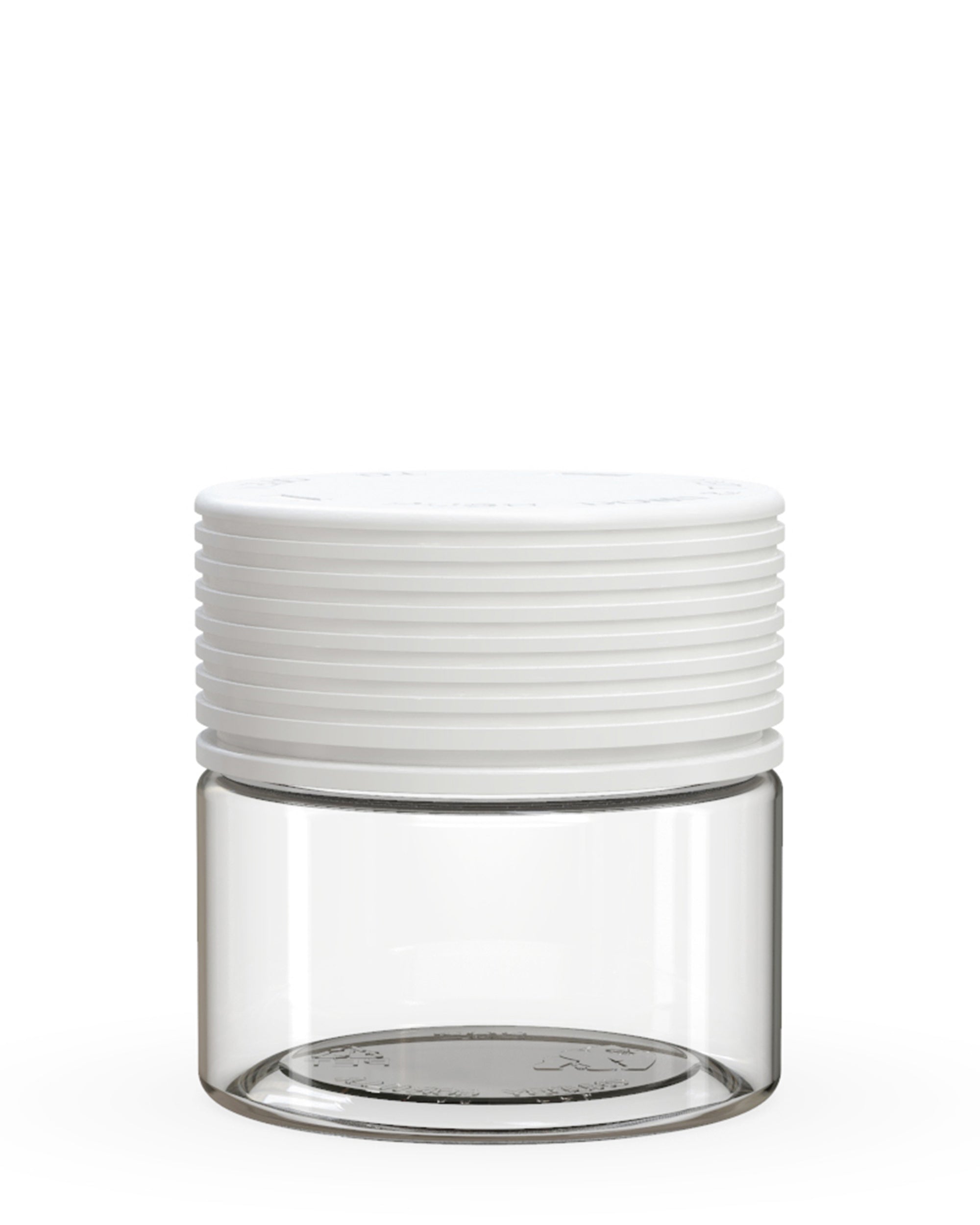
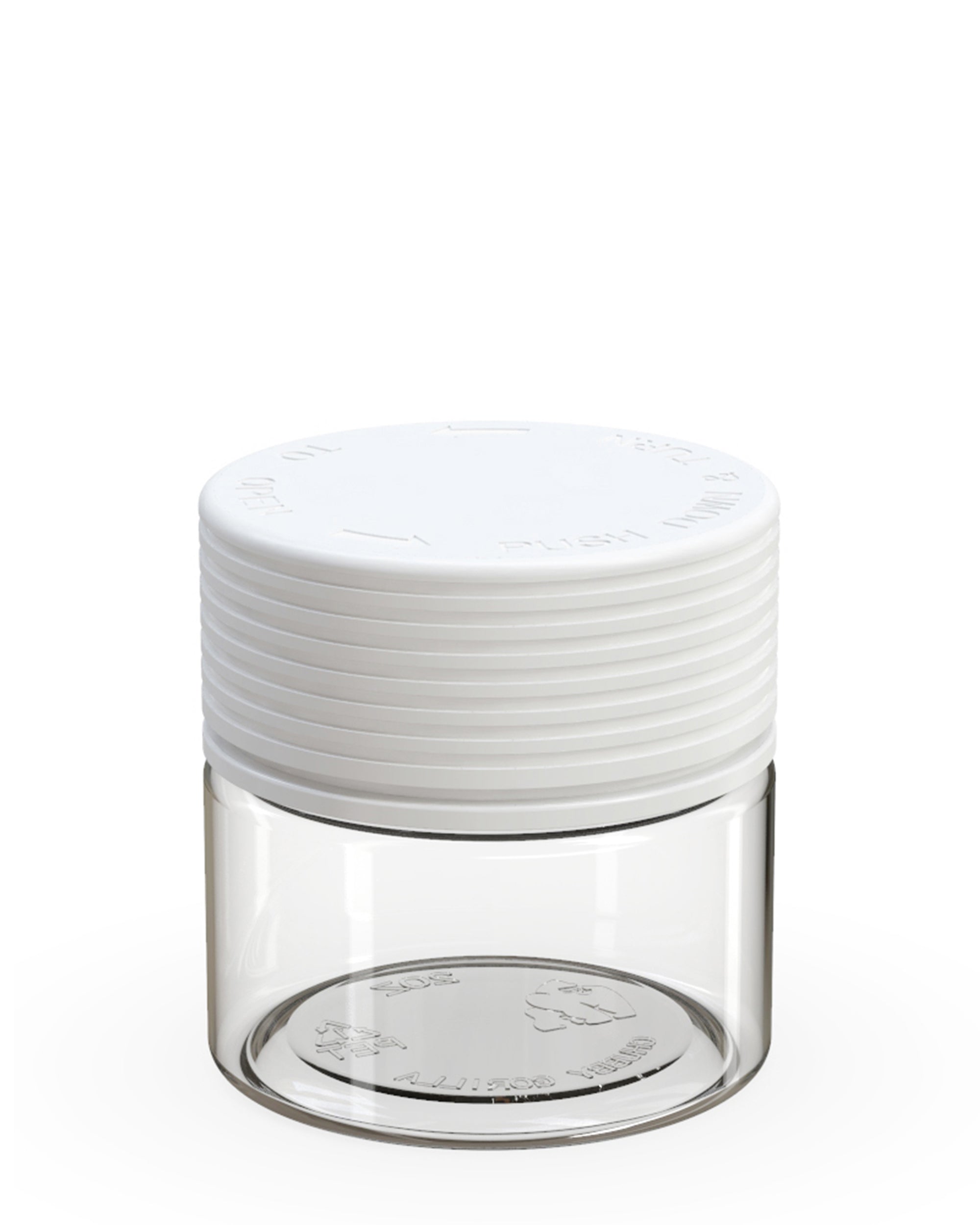
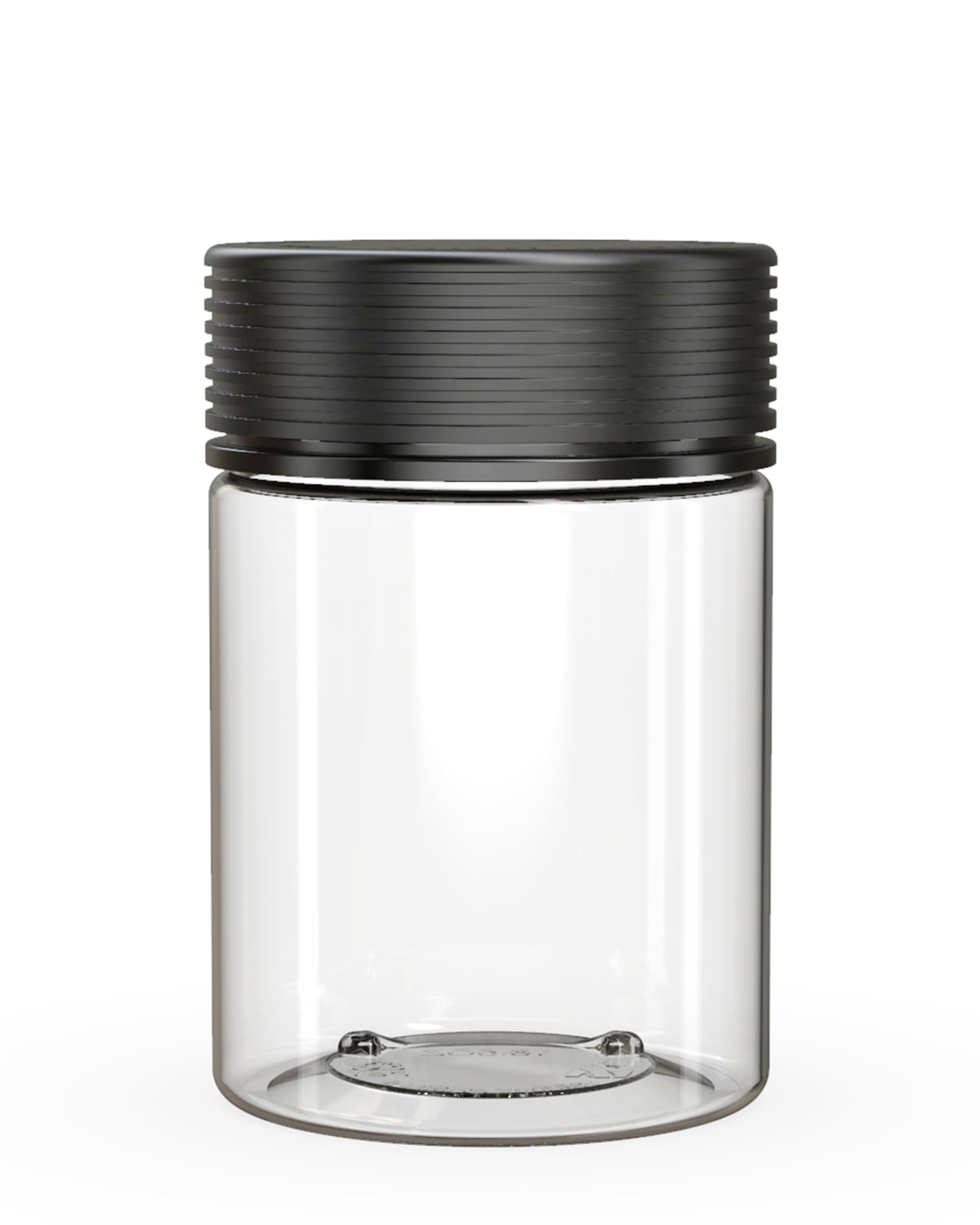
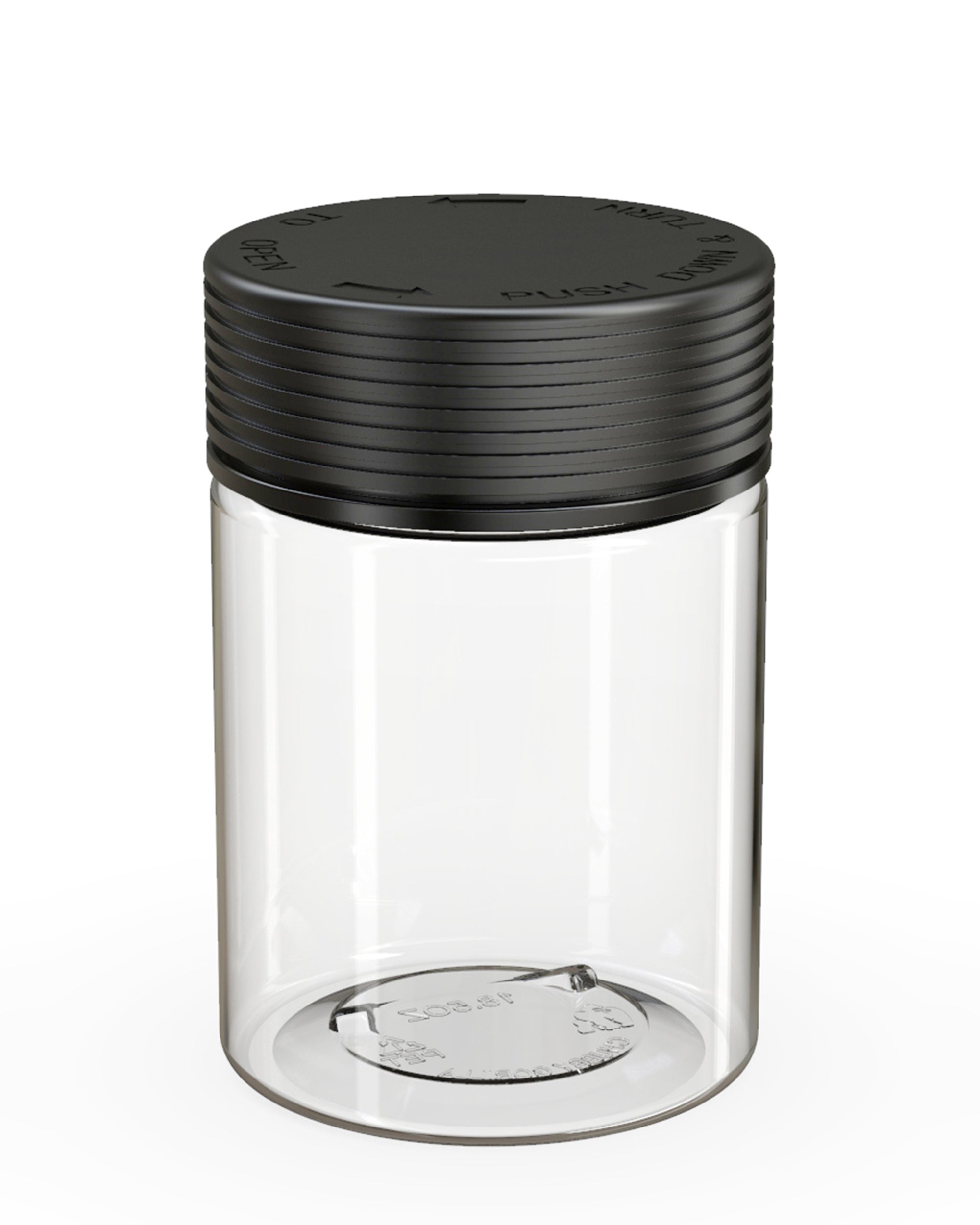
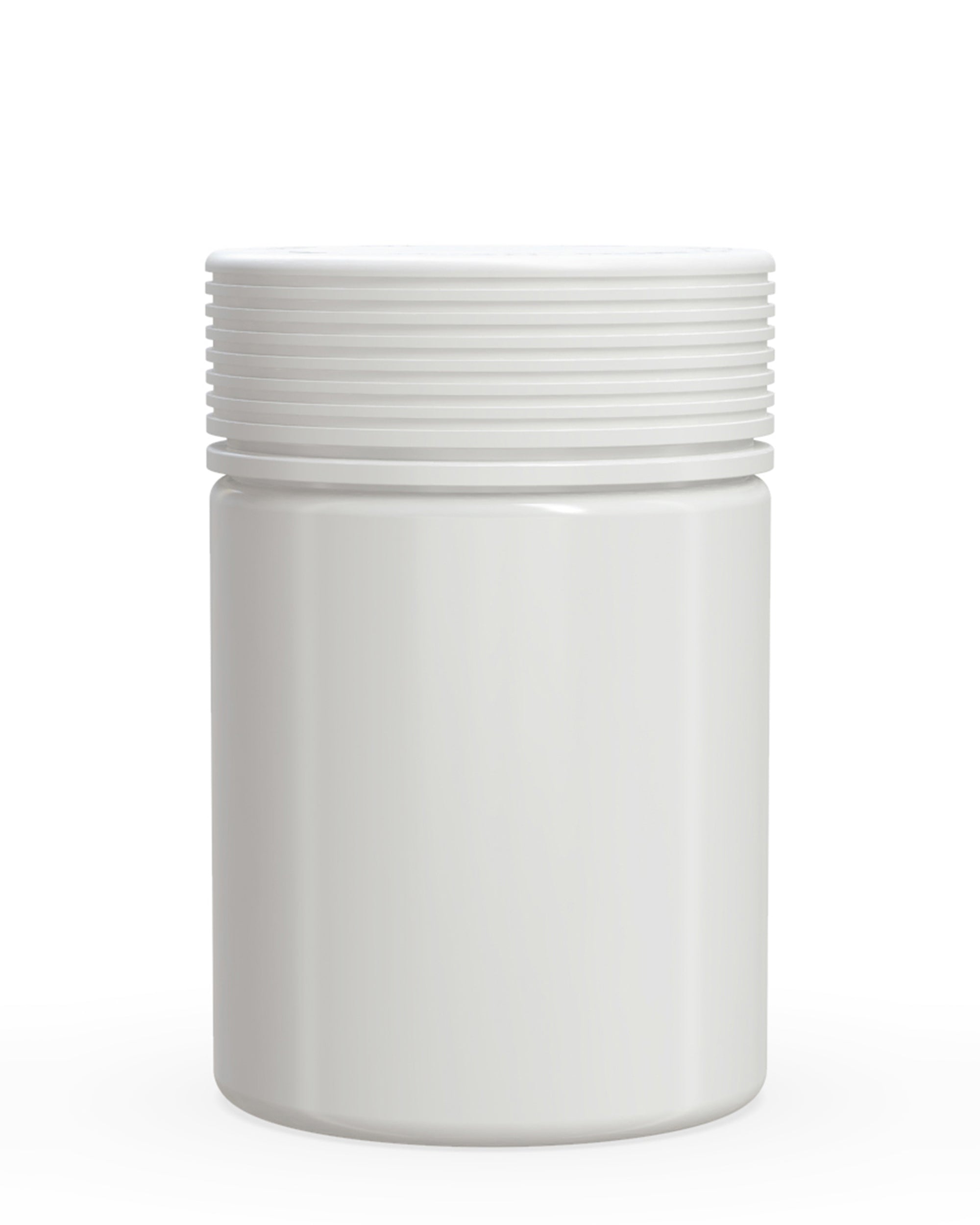
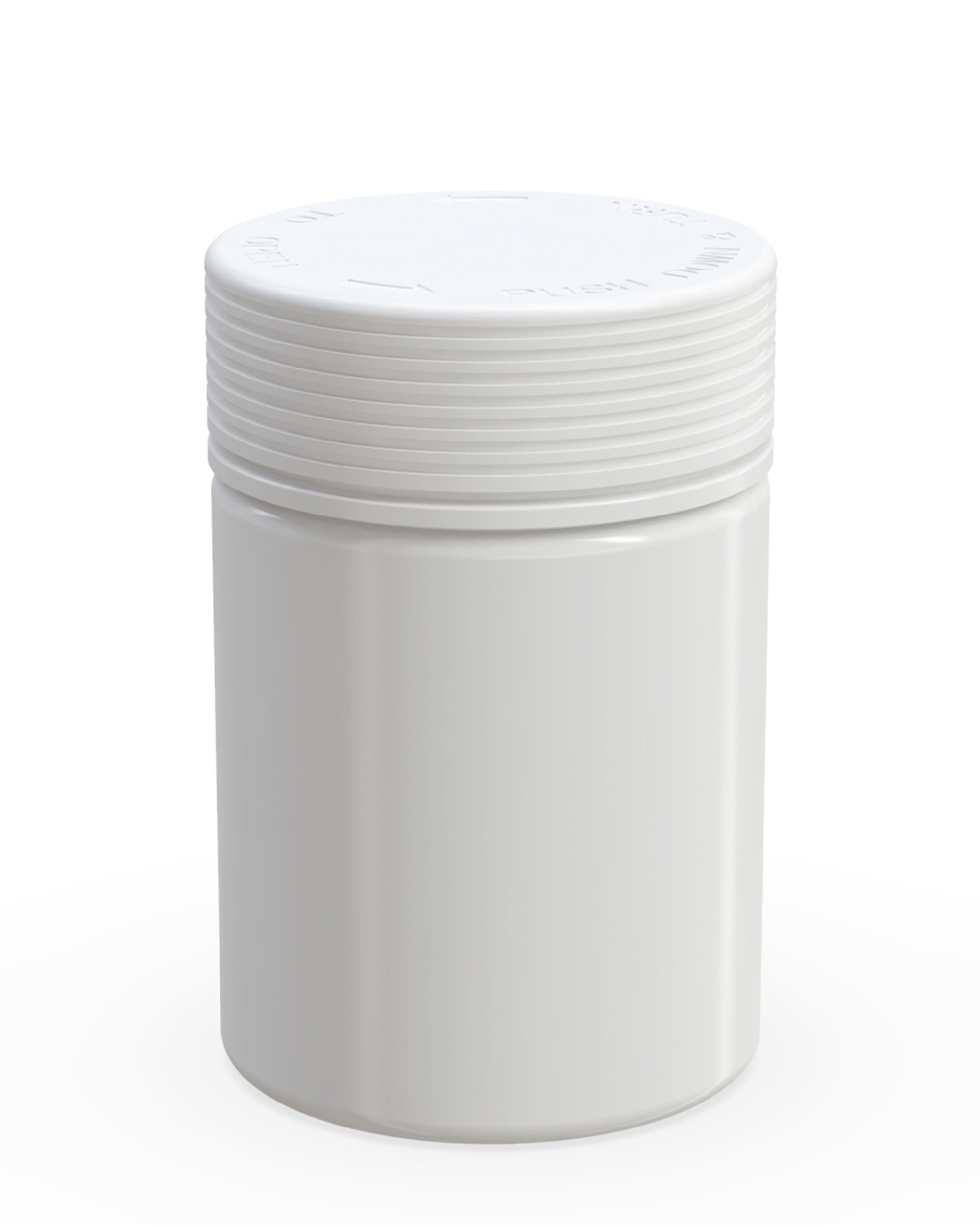
Learn About Vitamin Jars
Learn About Vitamin Jars
Table of Contents
Vitamin Jars: Essential Packaging Solutions for Supplement Brands
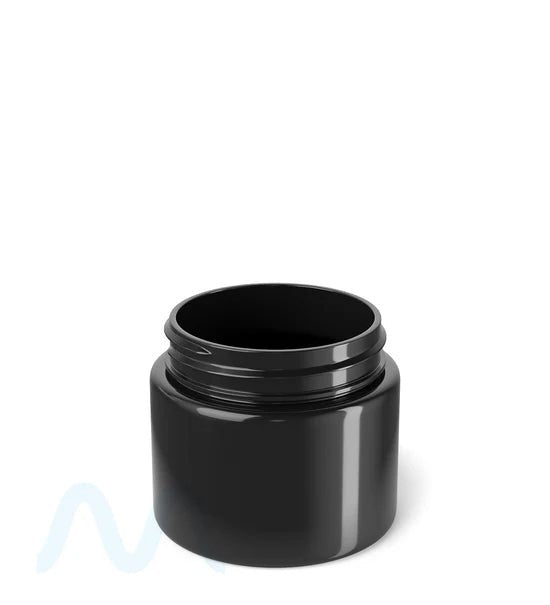
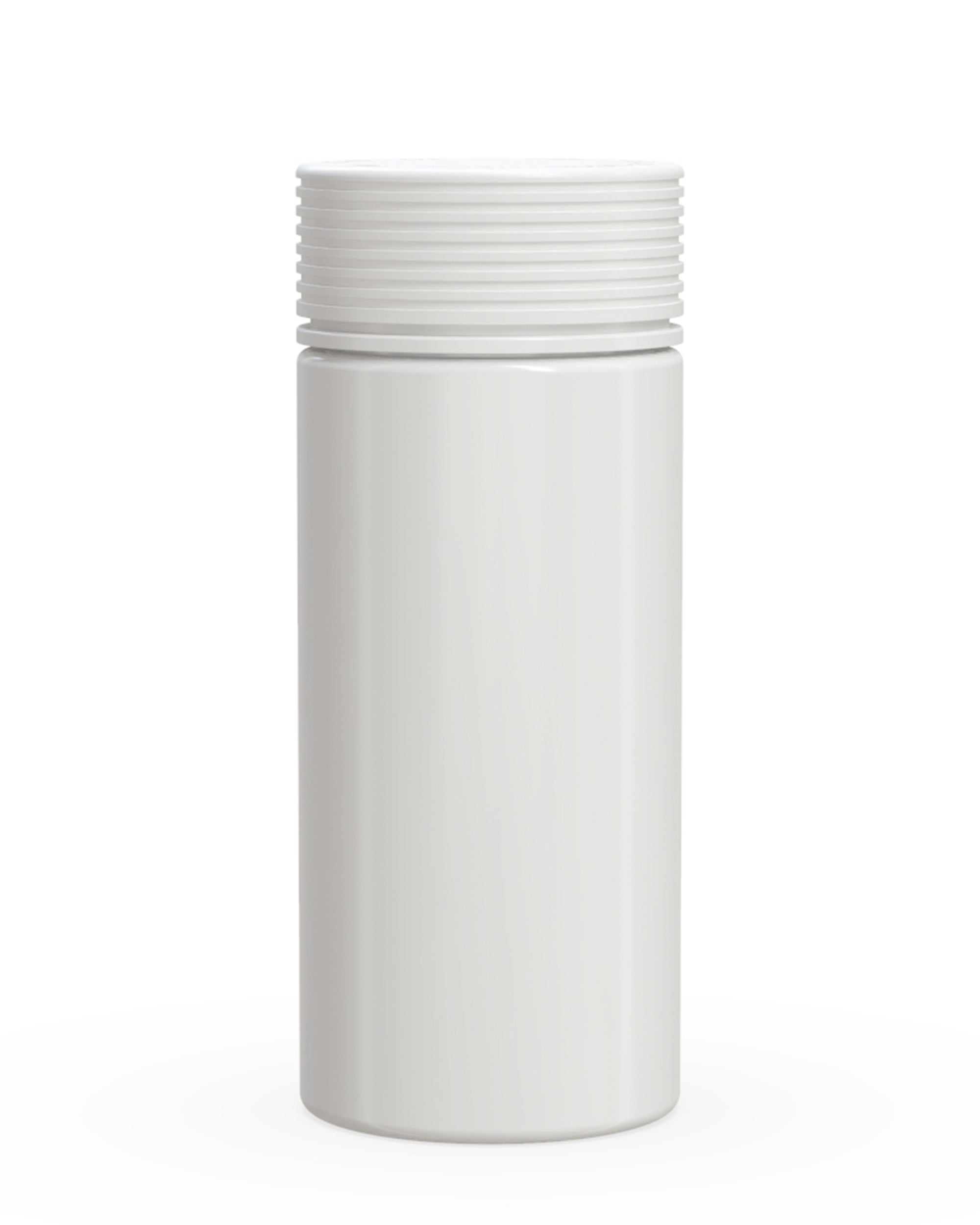
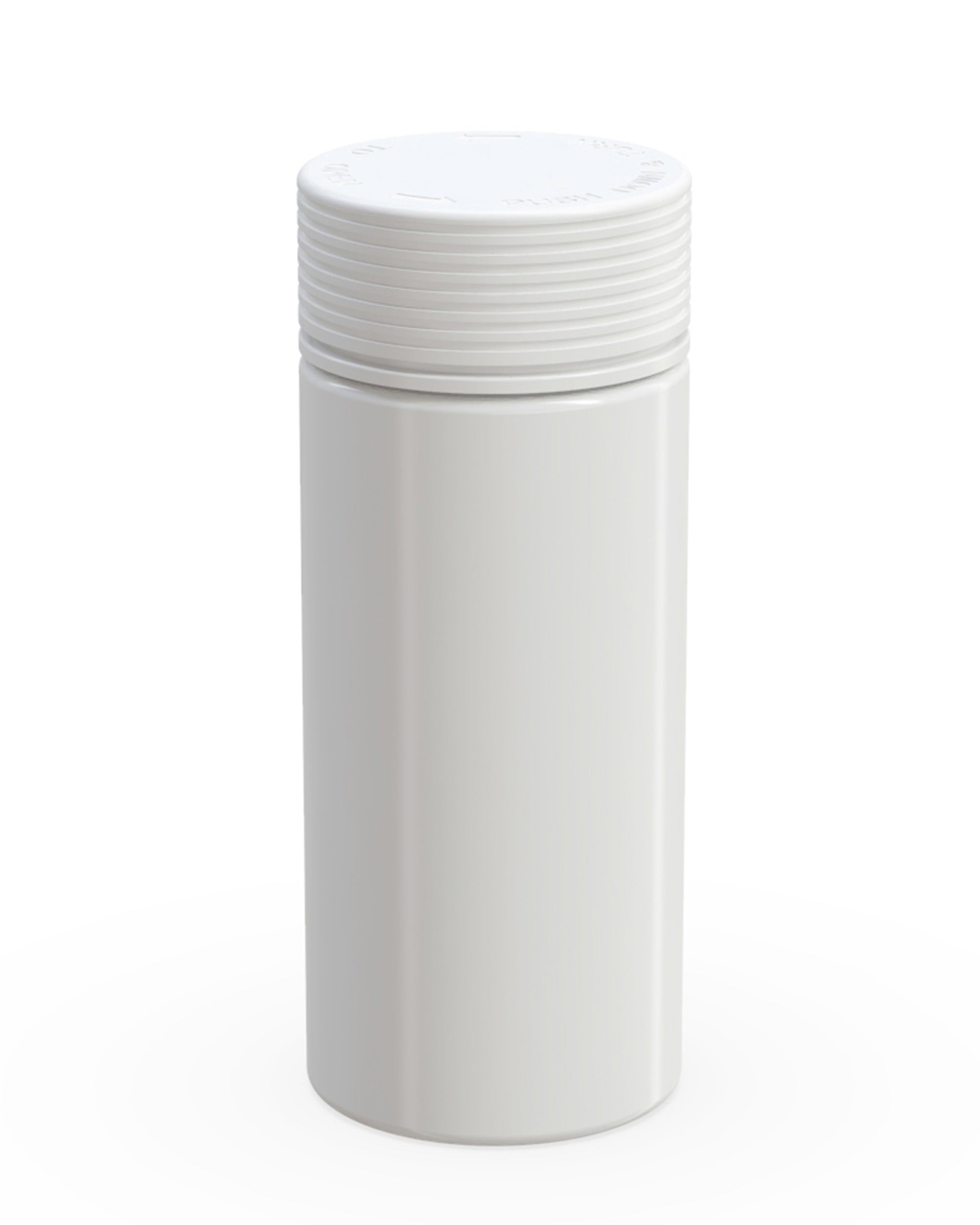
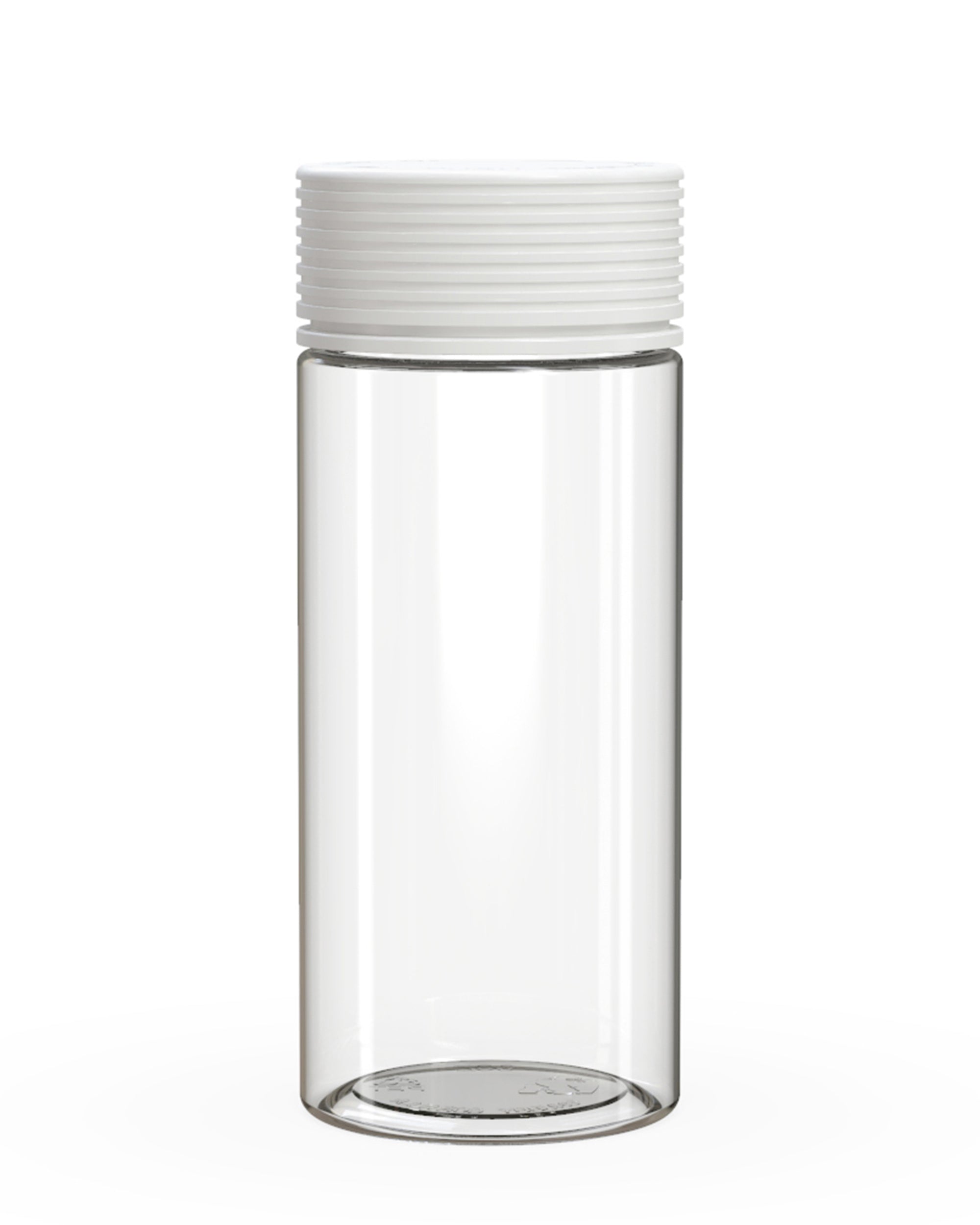
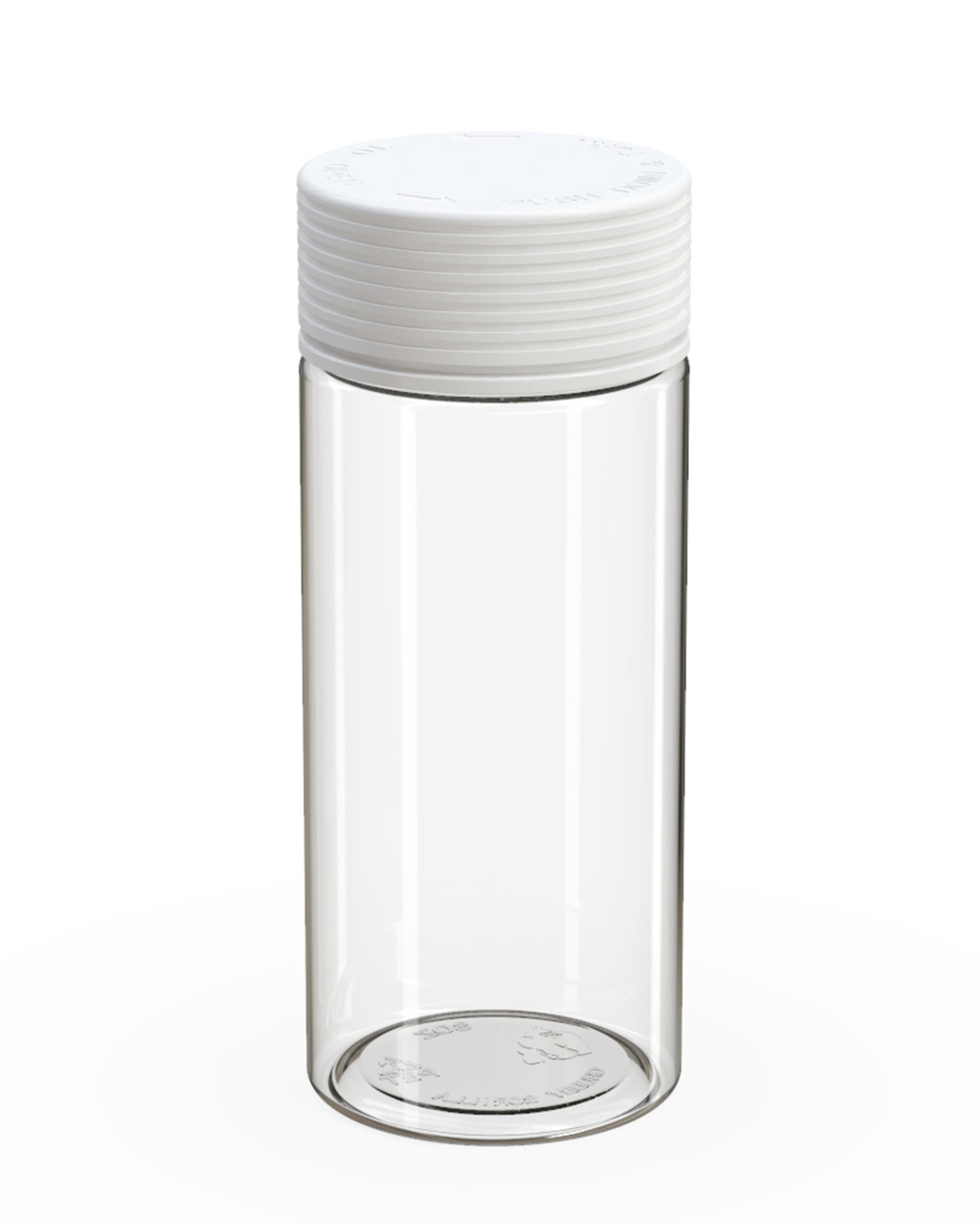
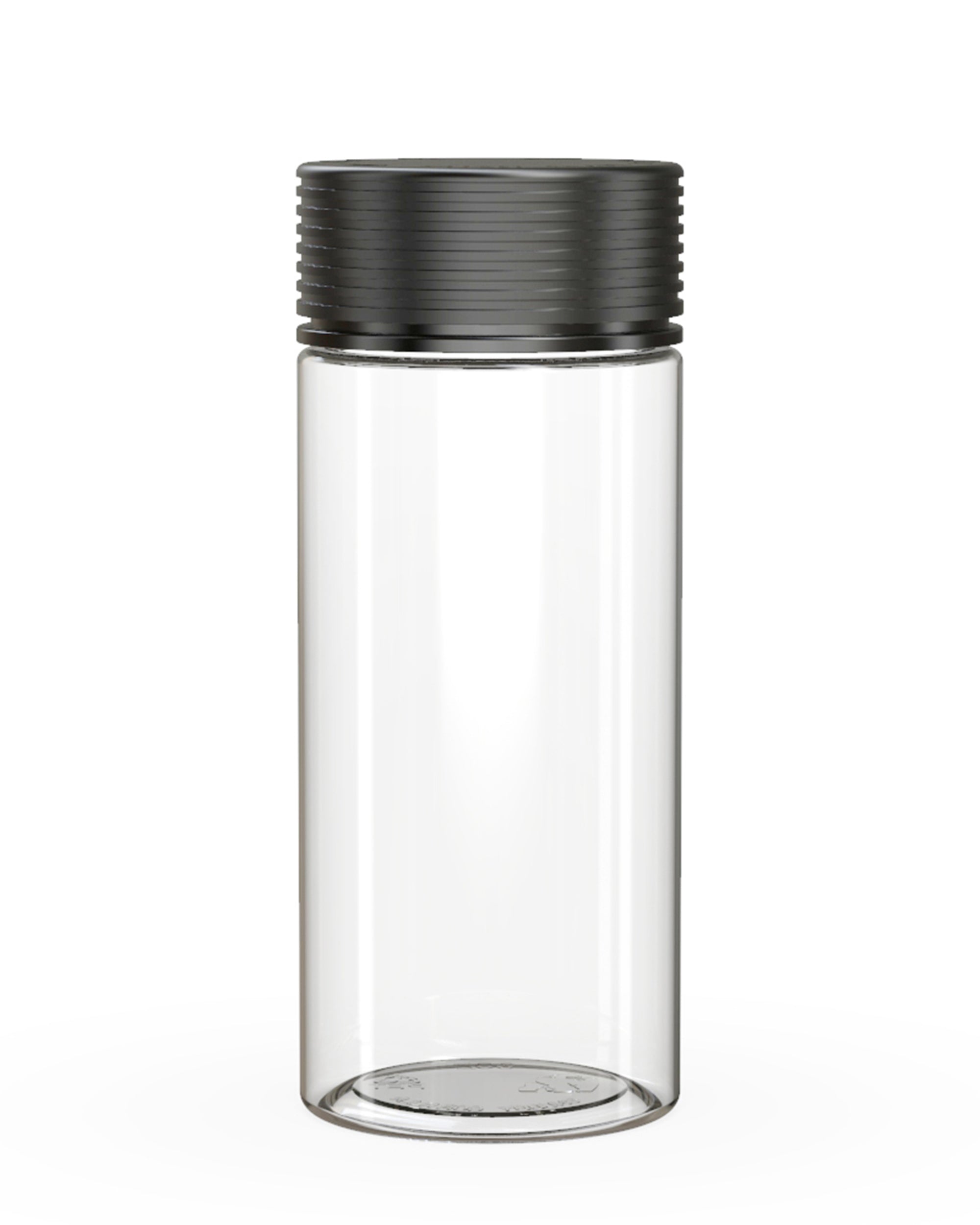
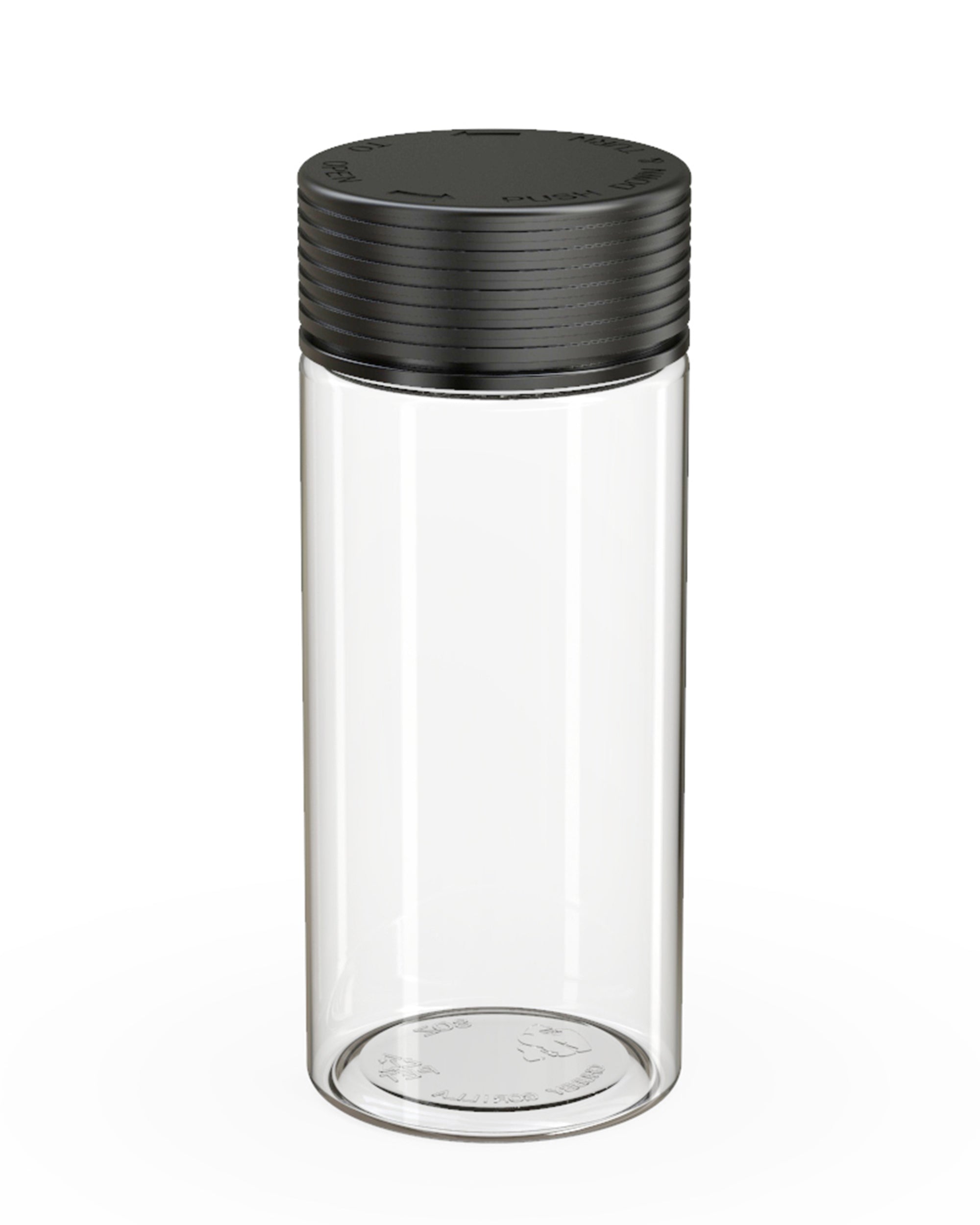
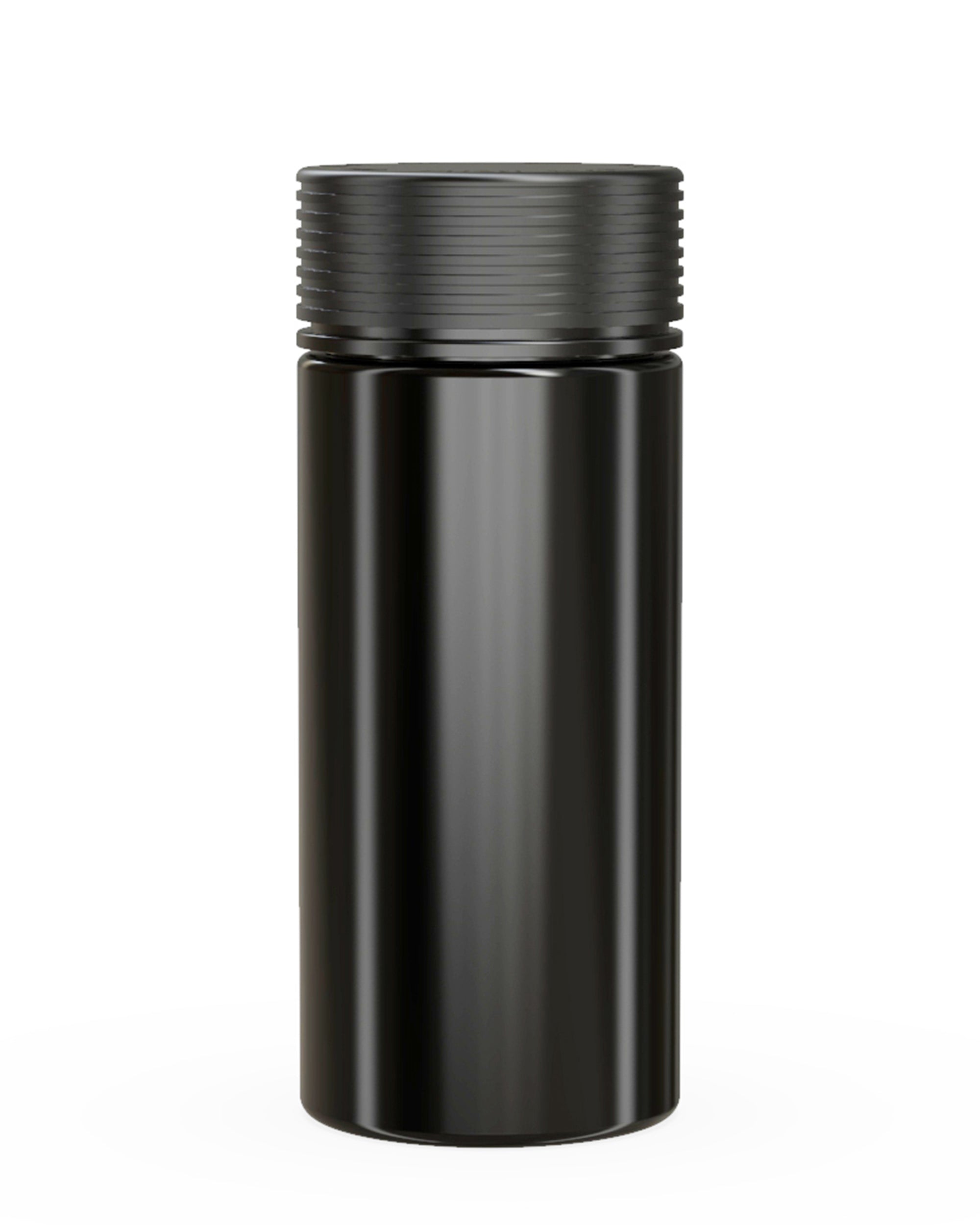
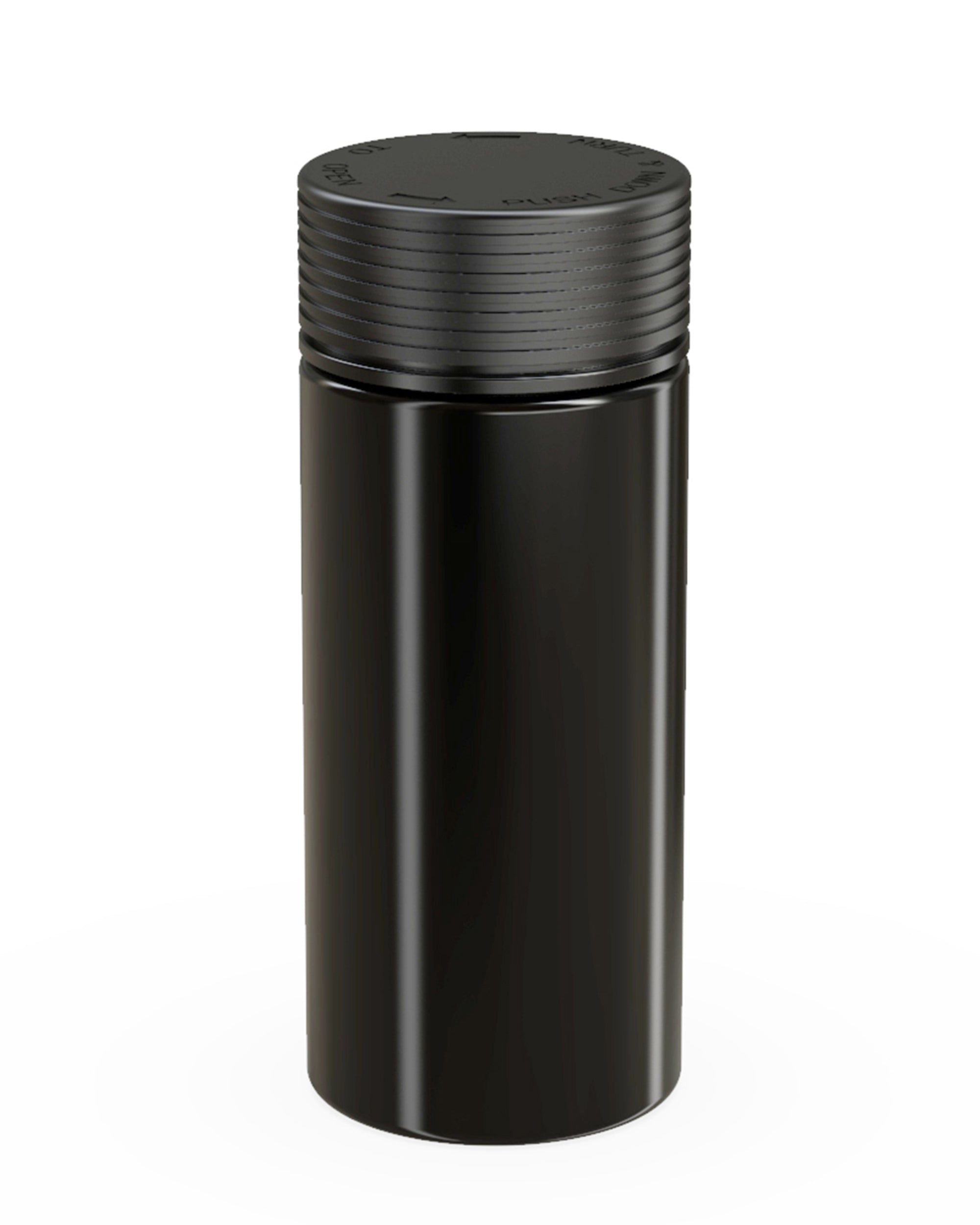
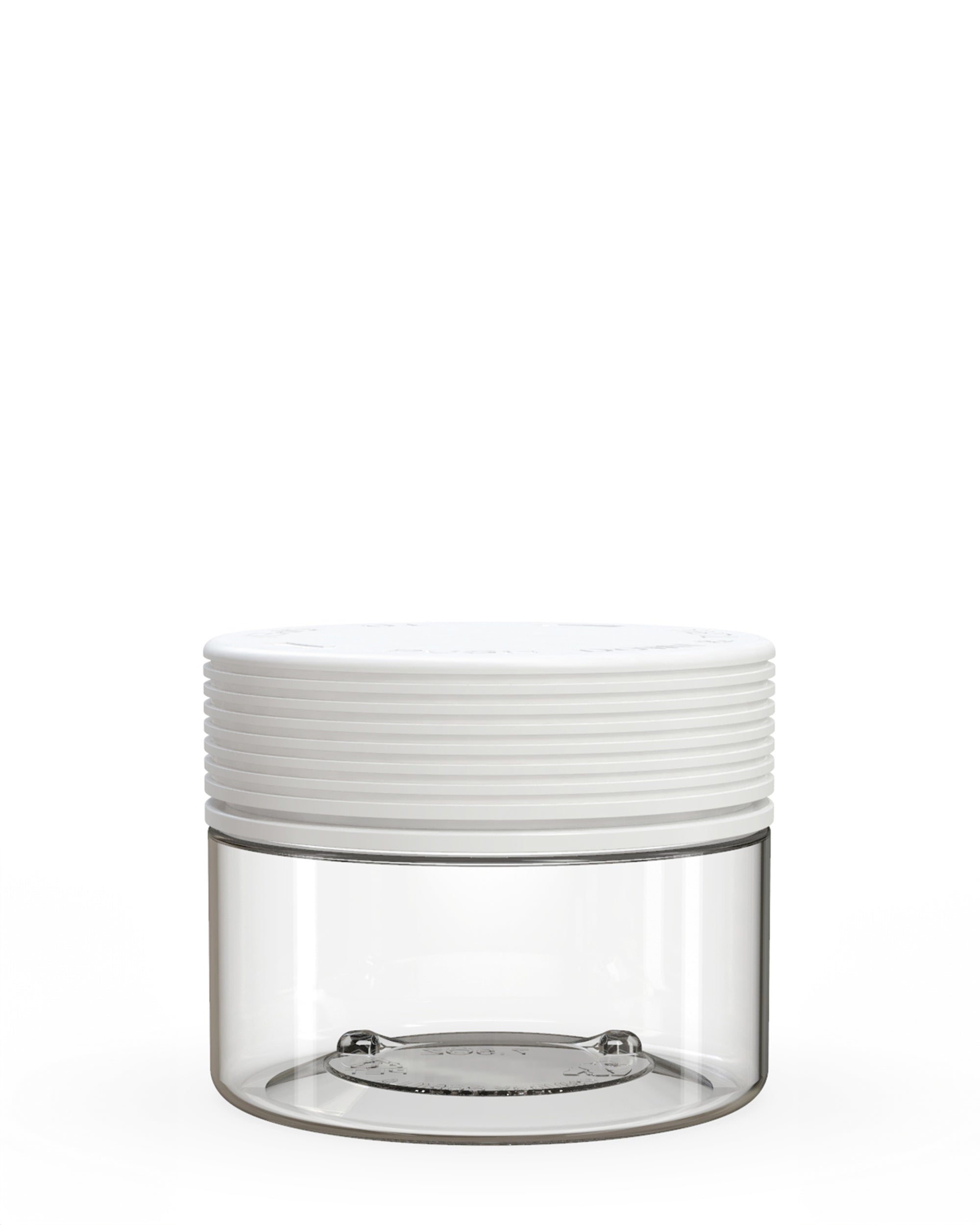
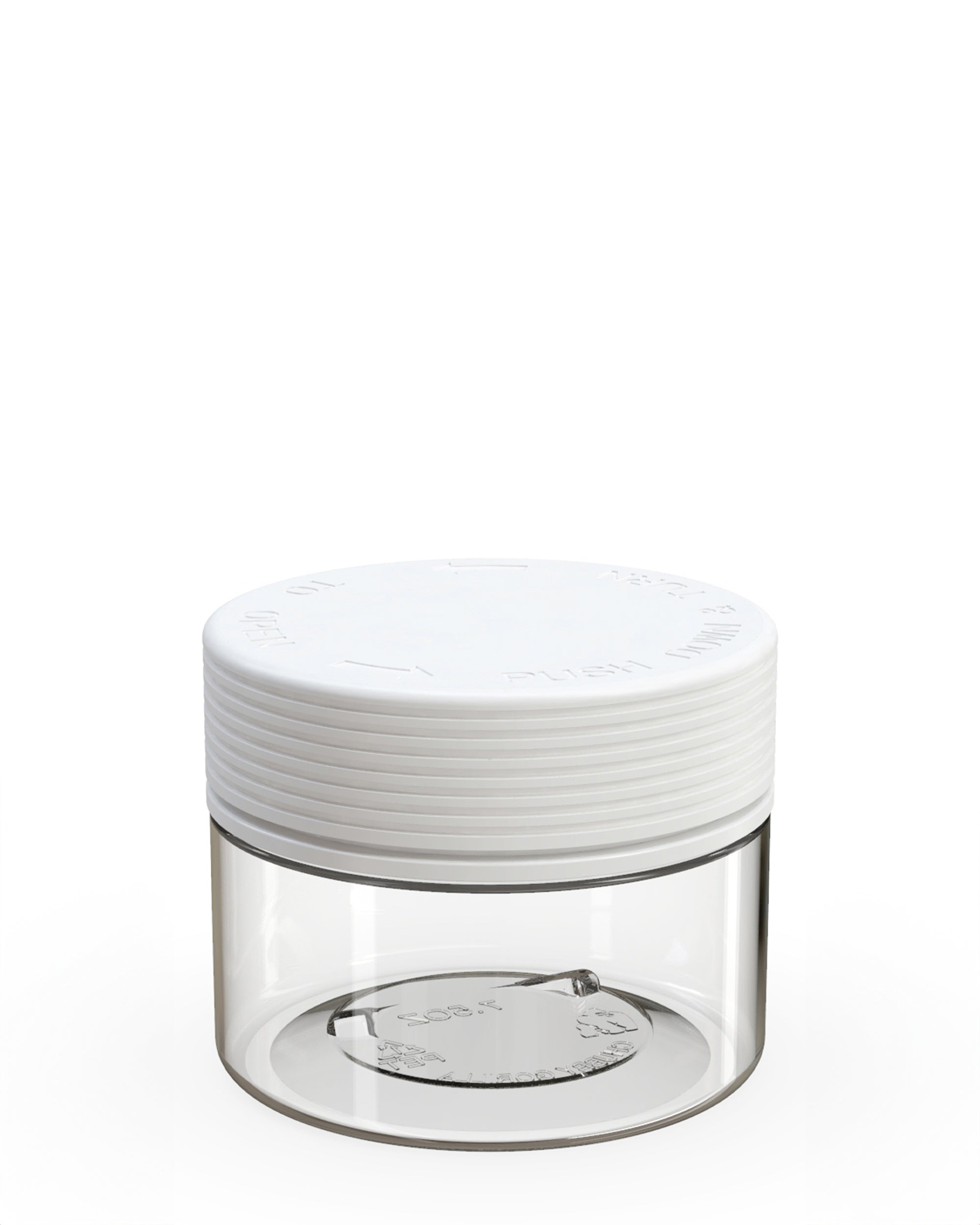
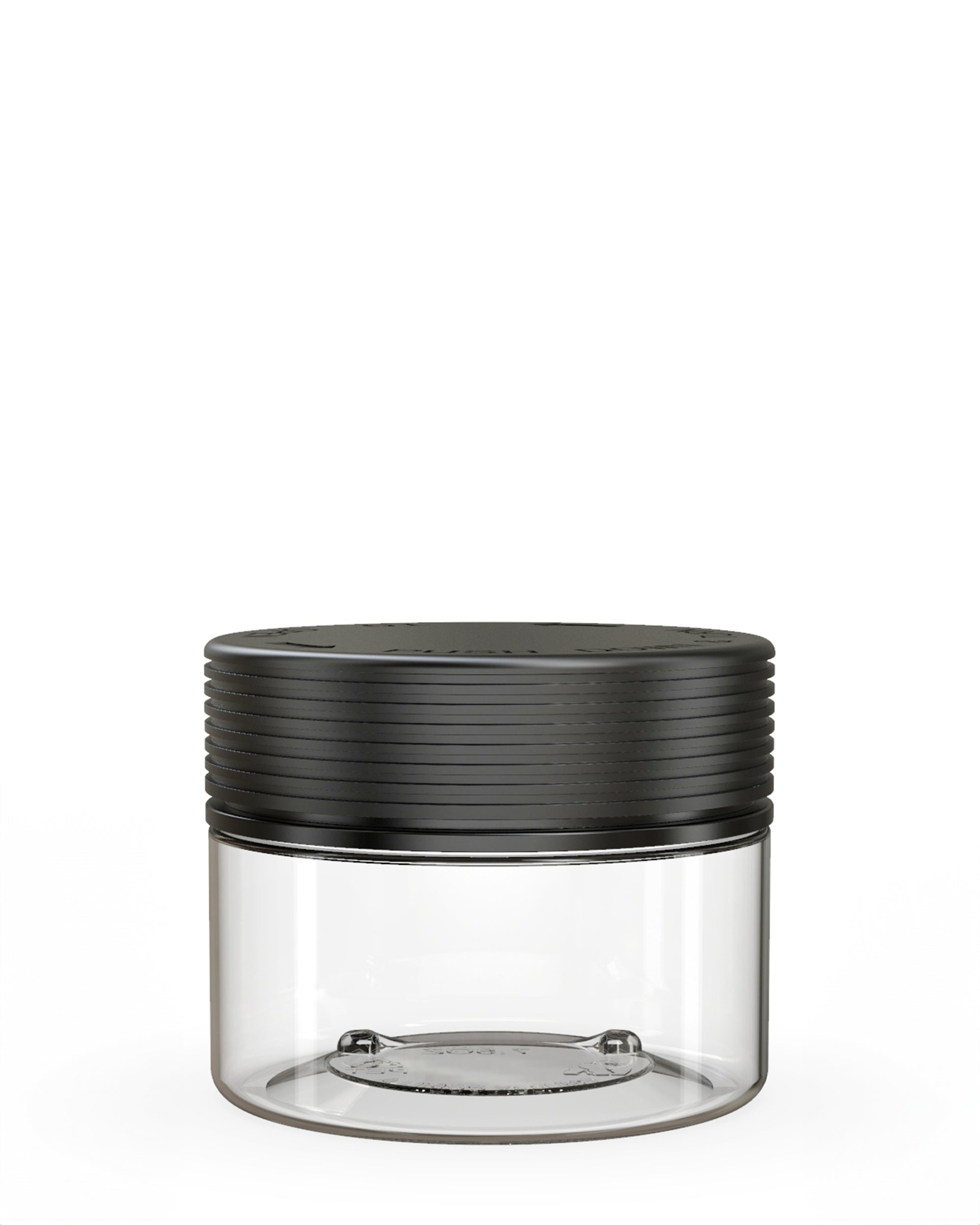
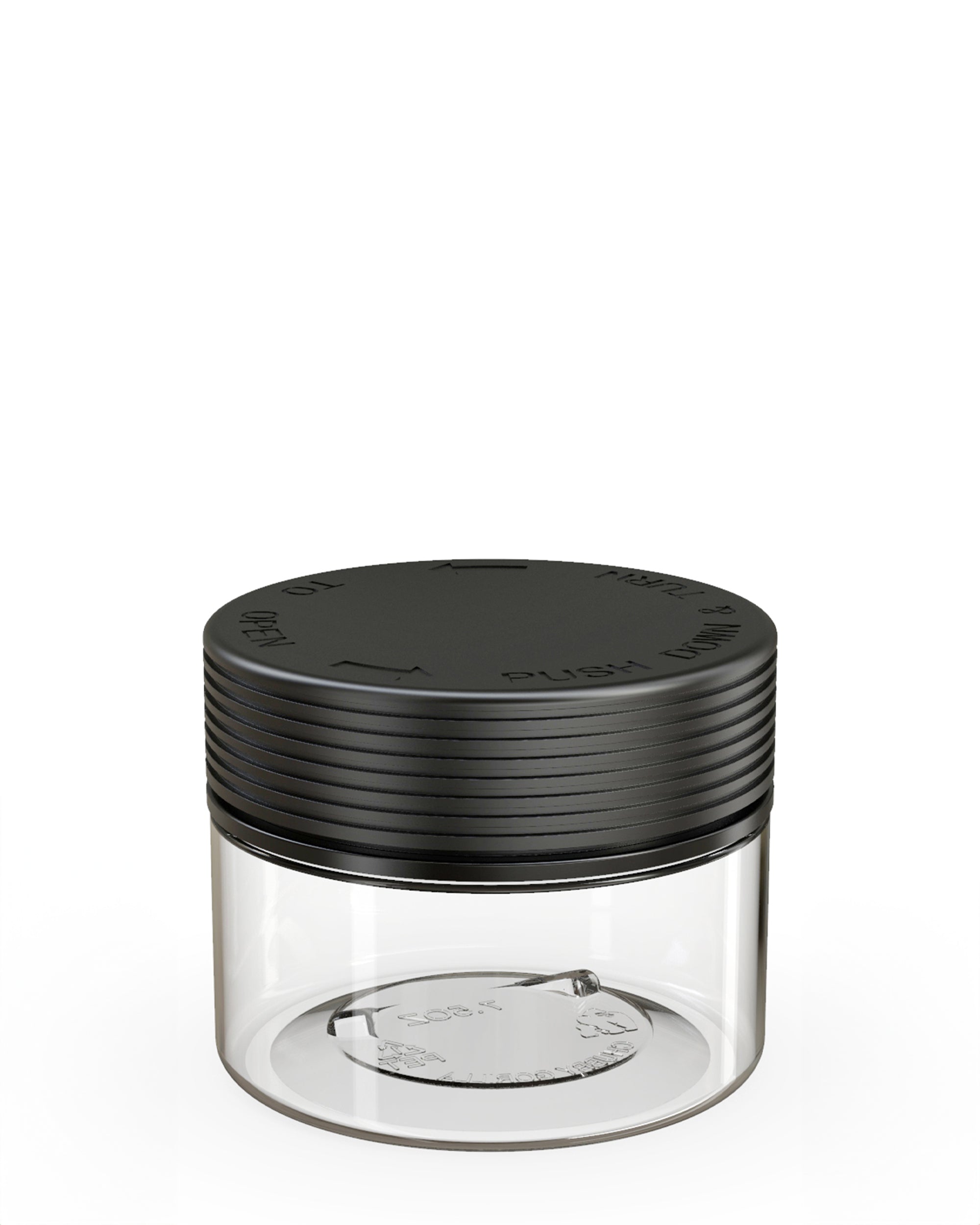
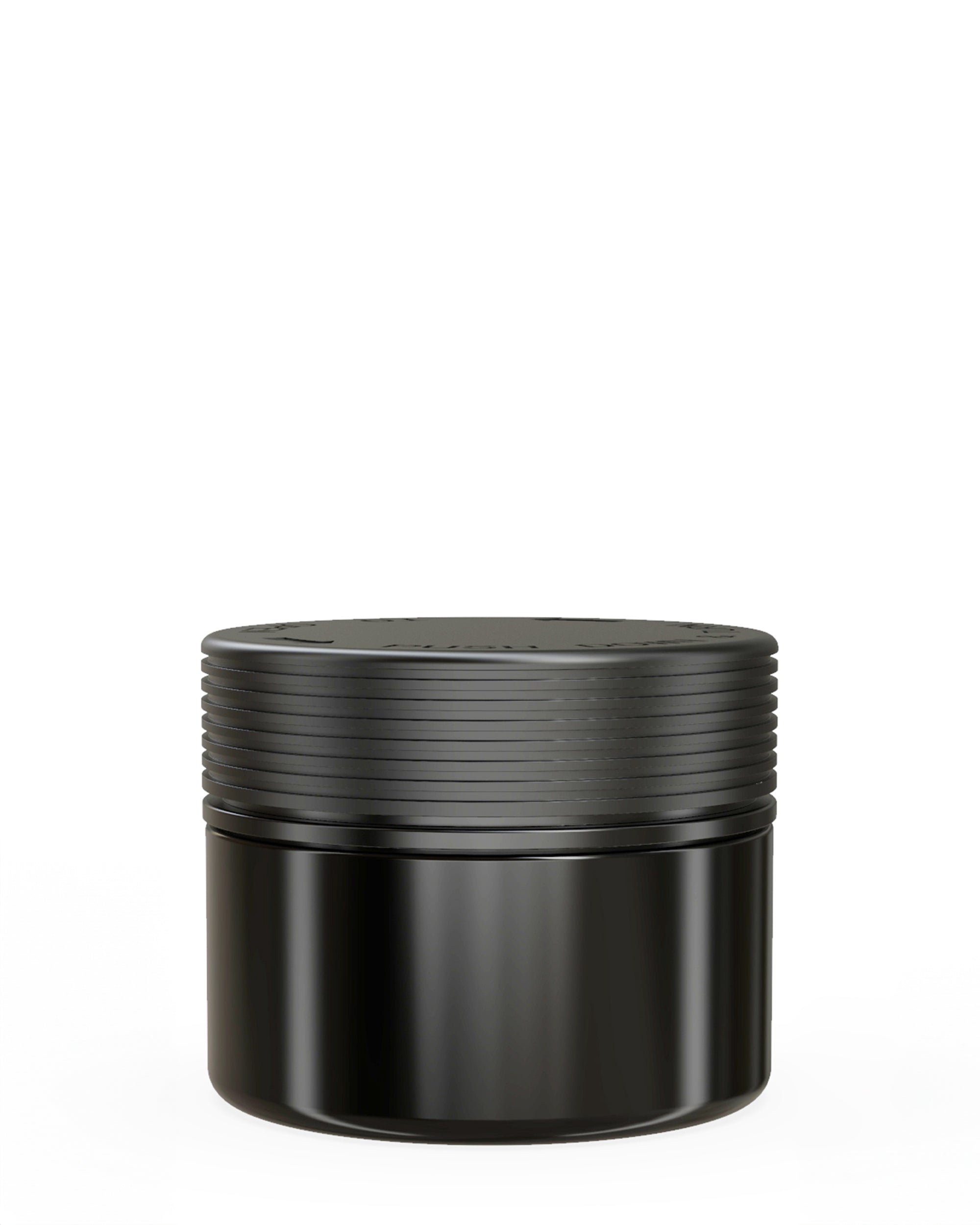
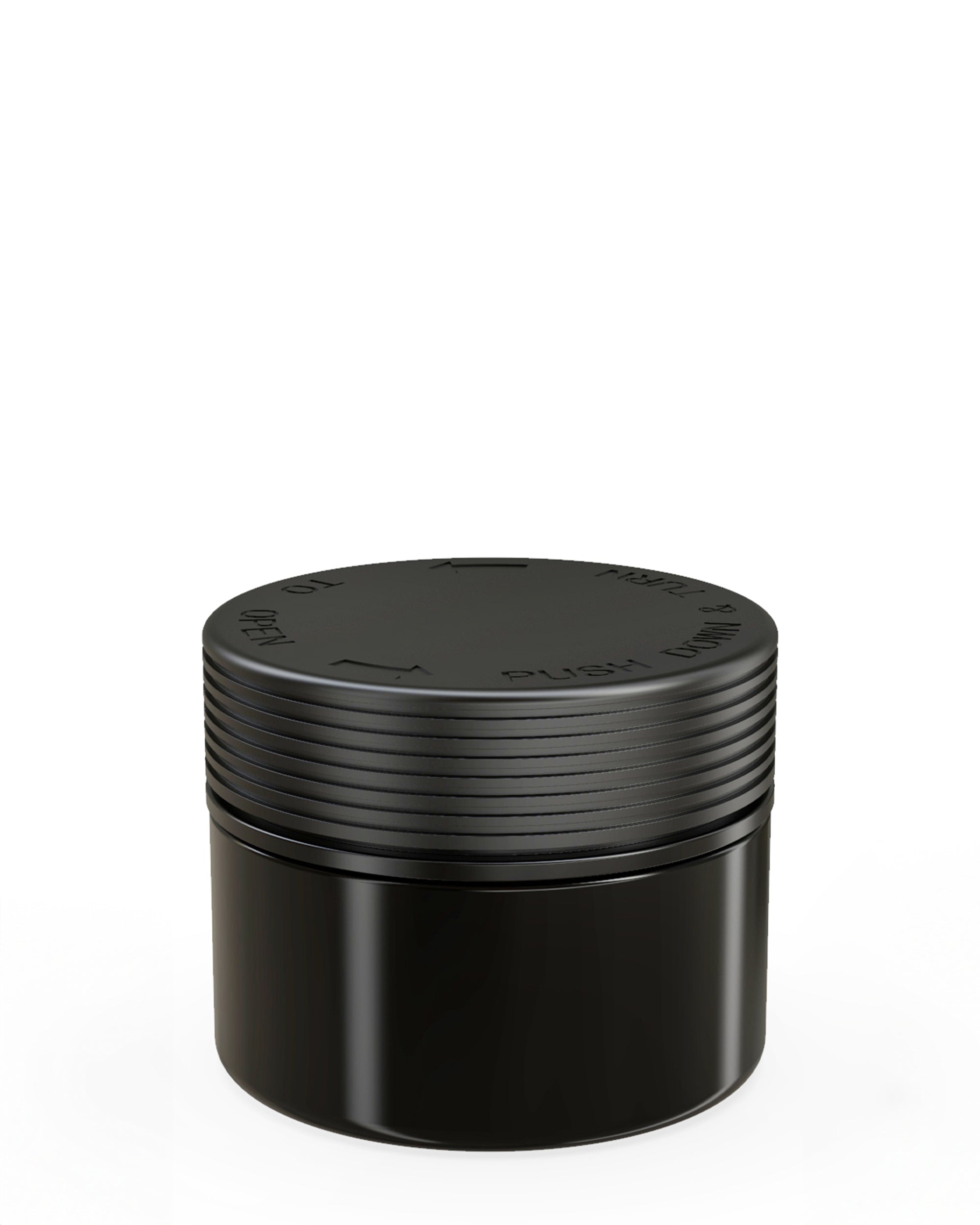
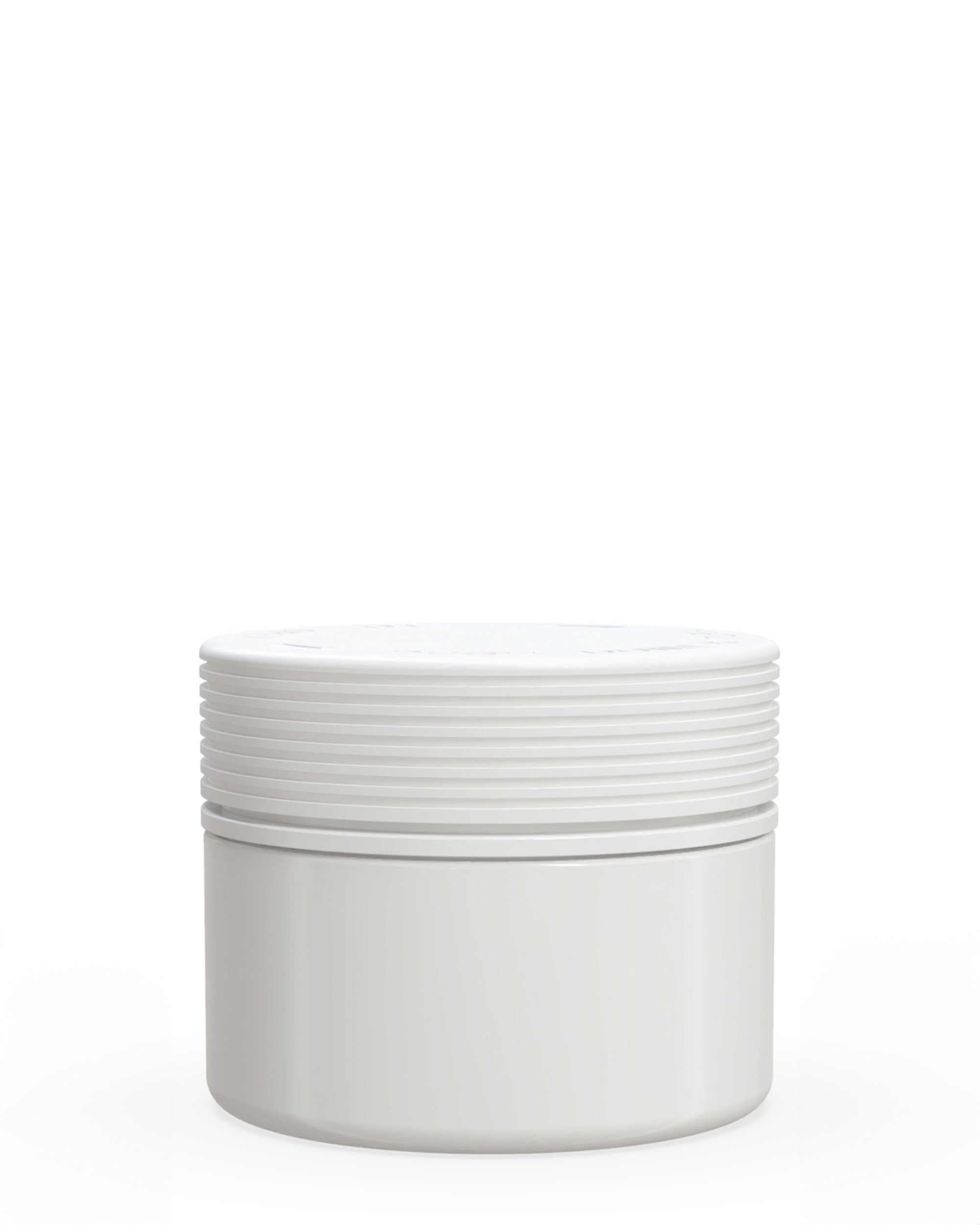
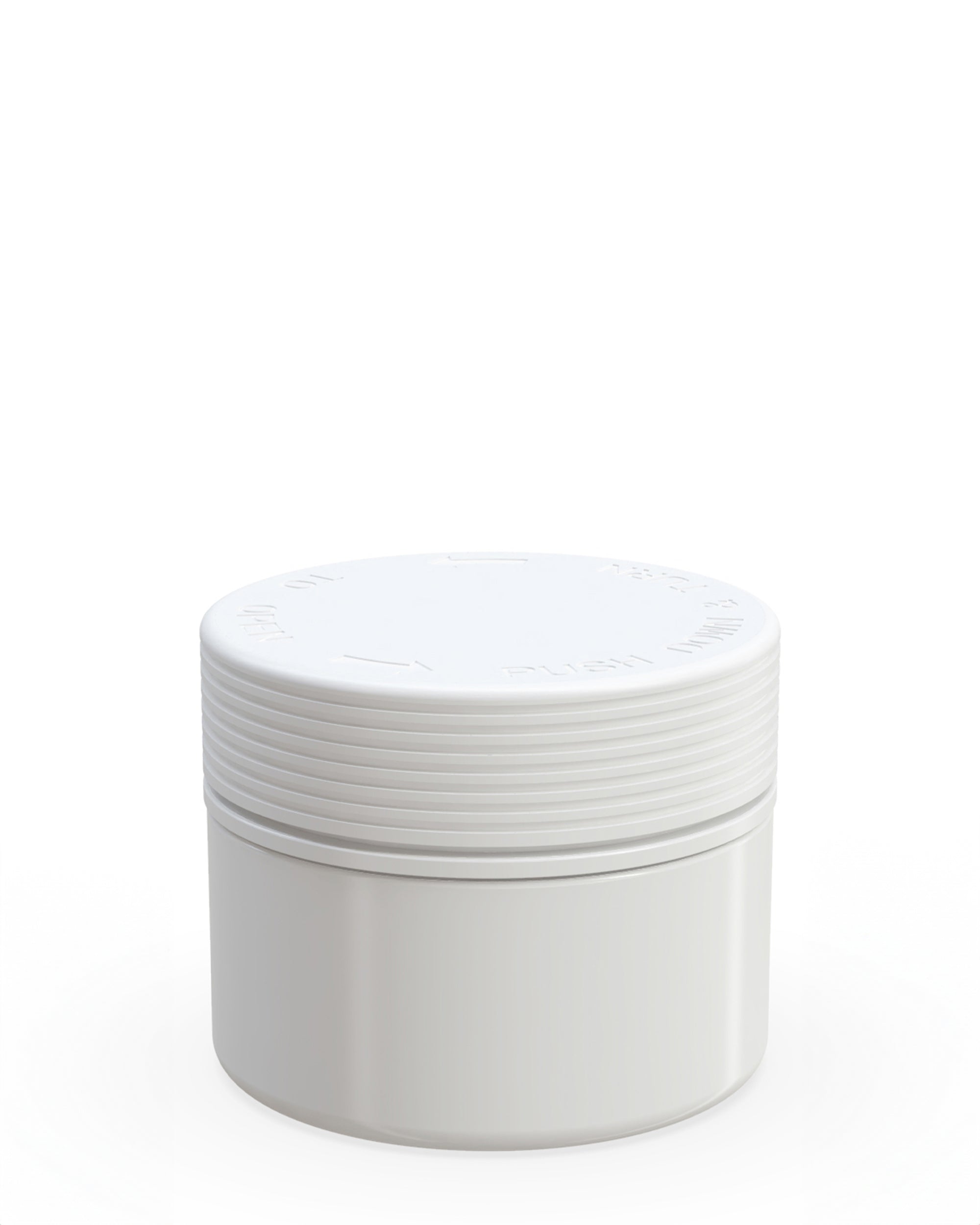
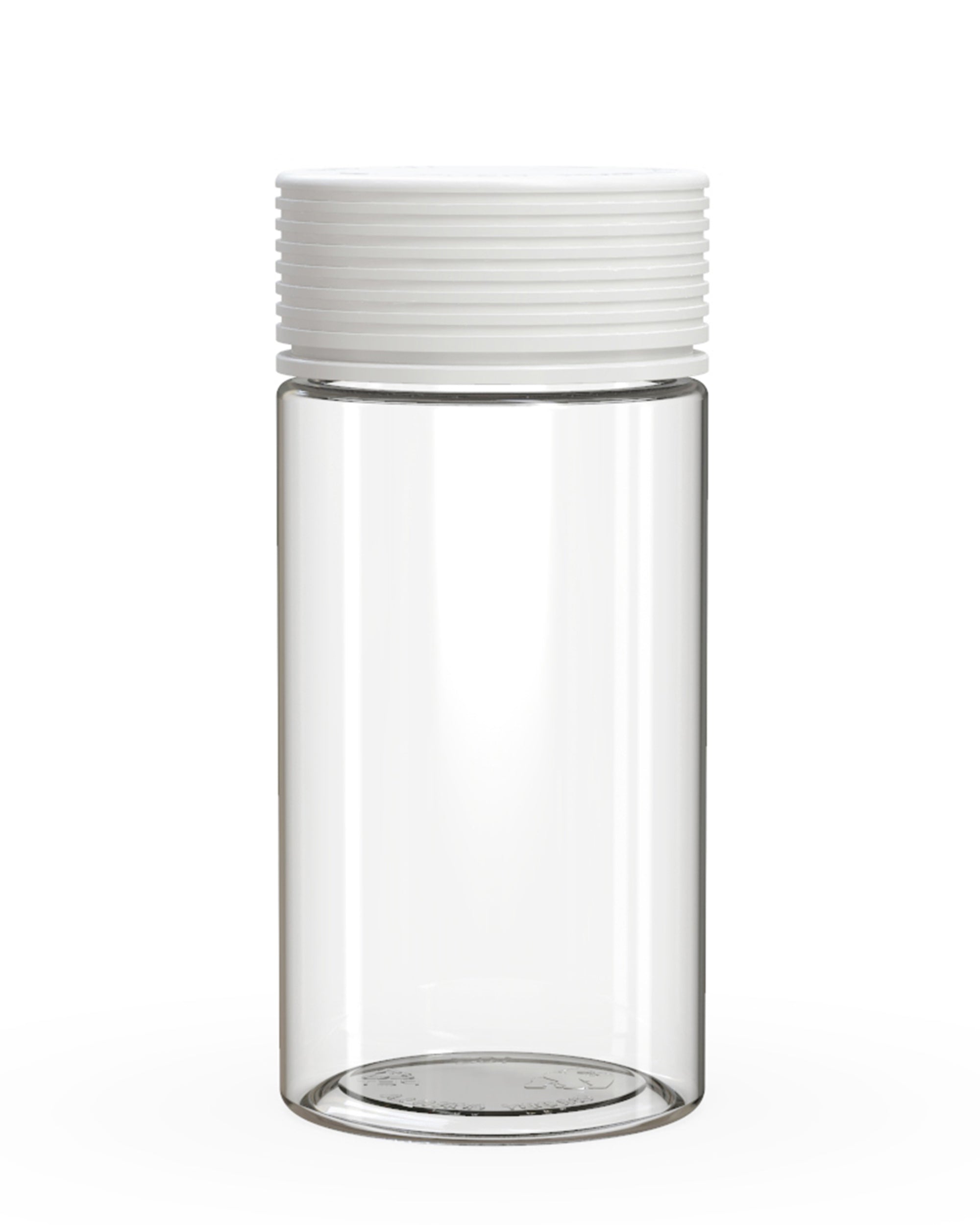
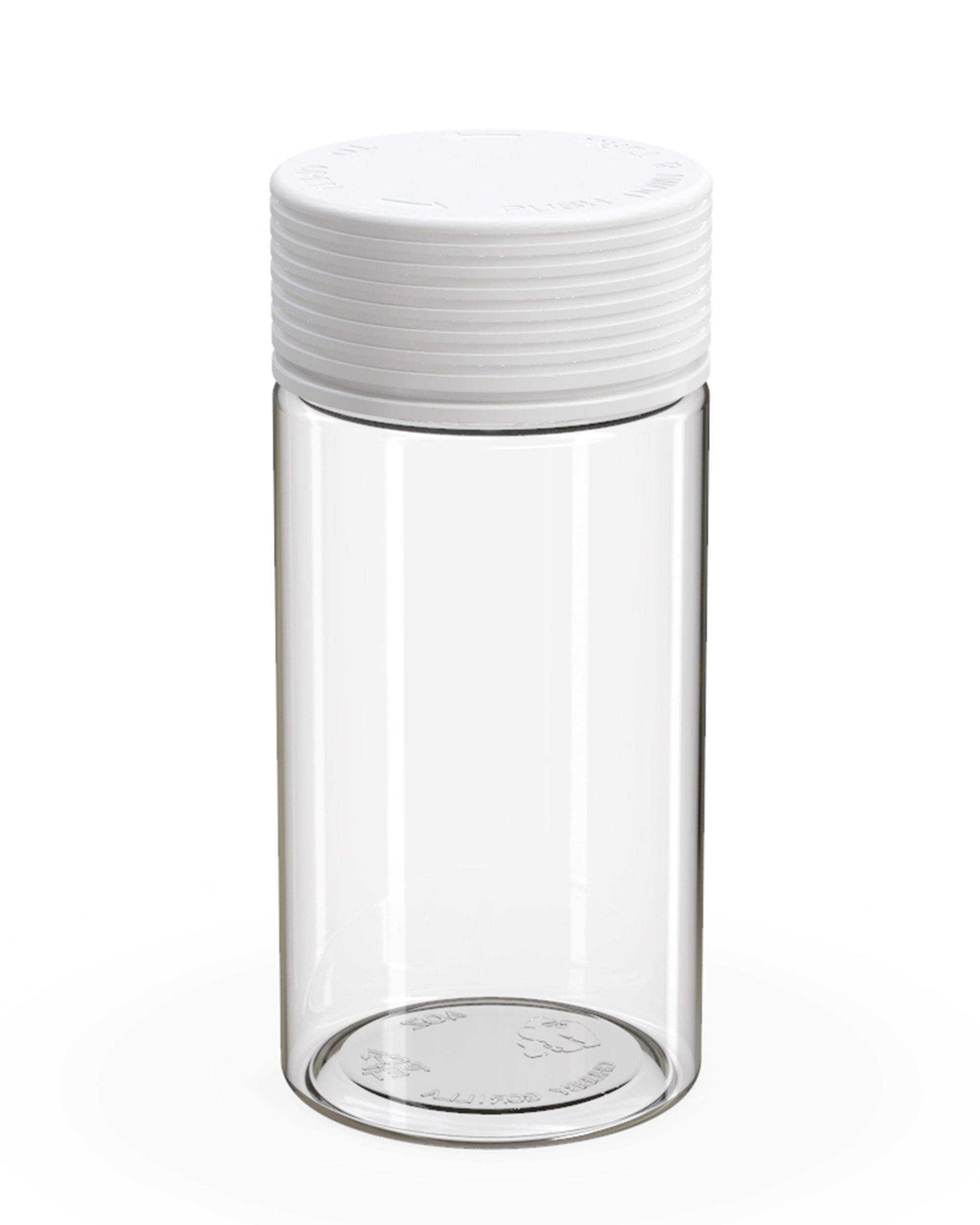
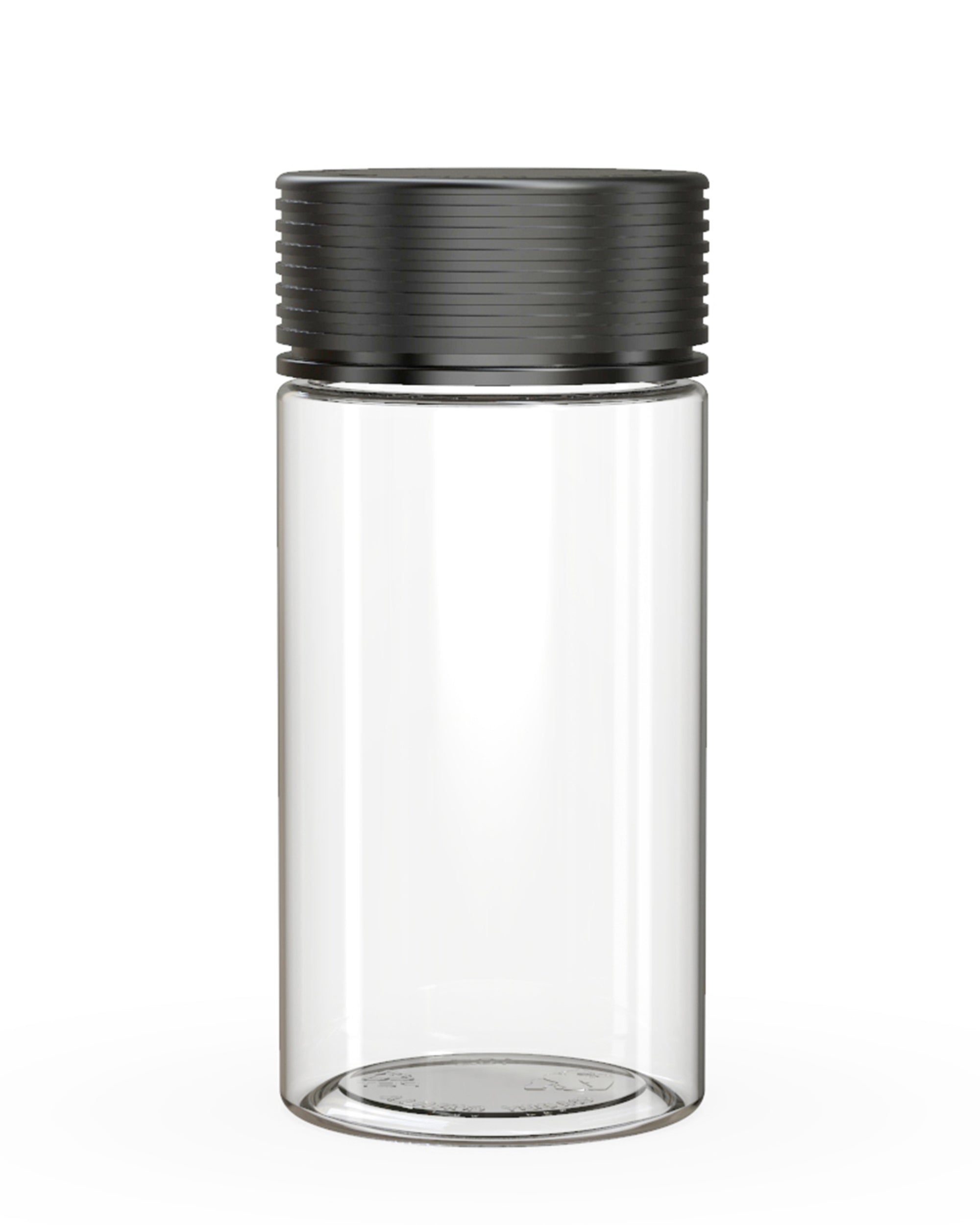
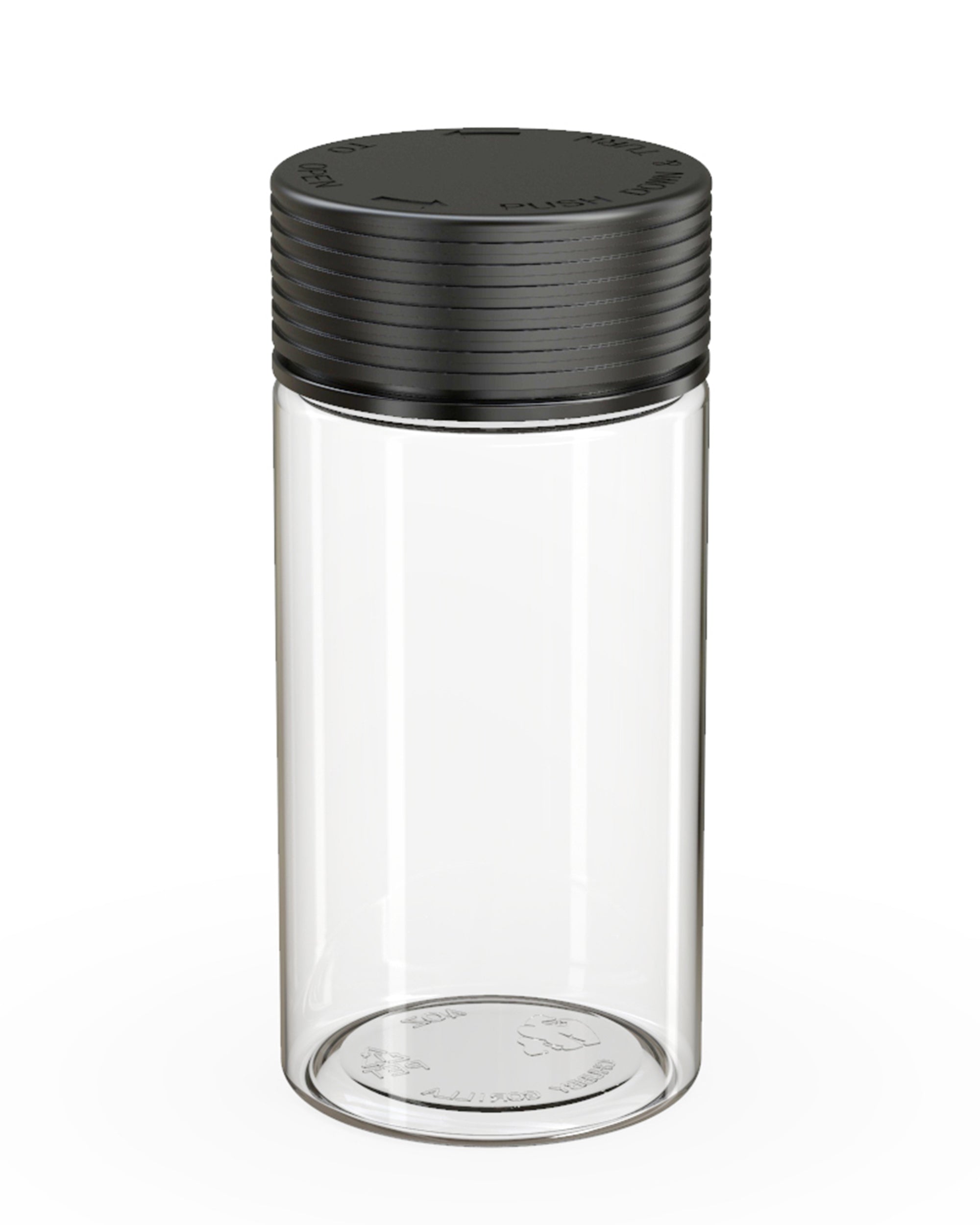
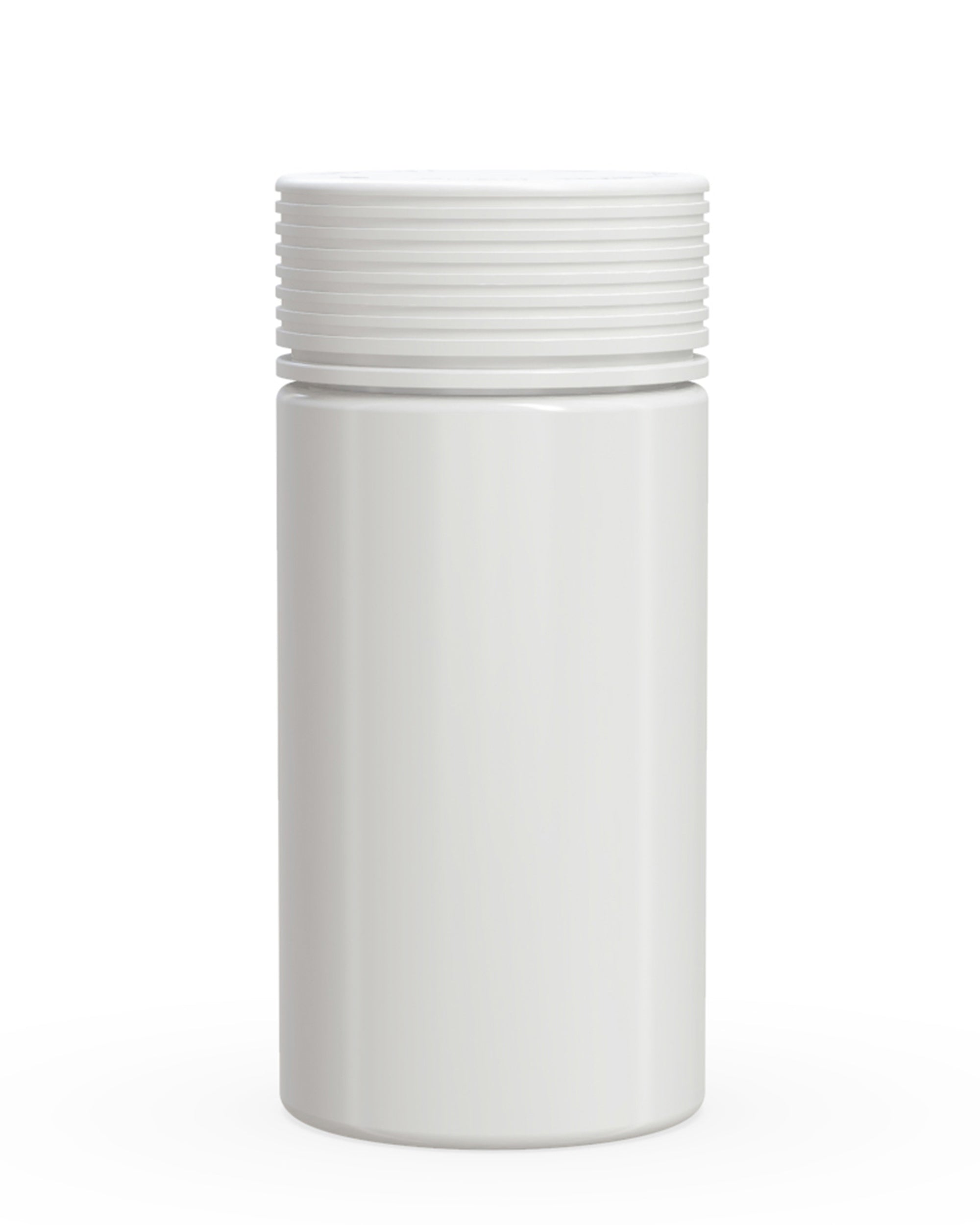
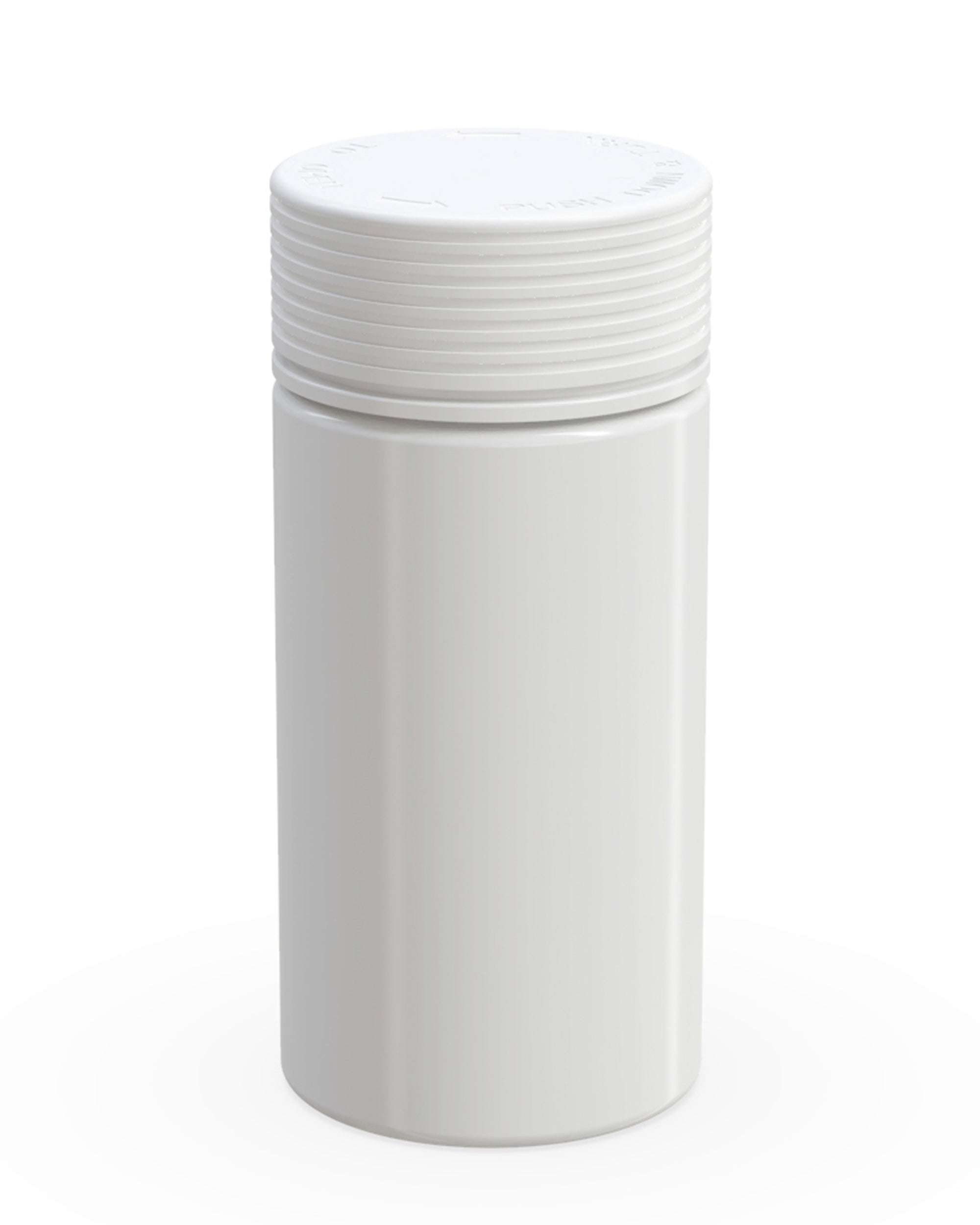
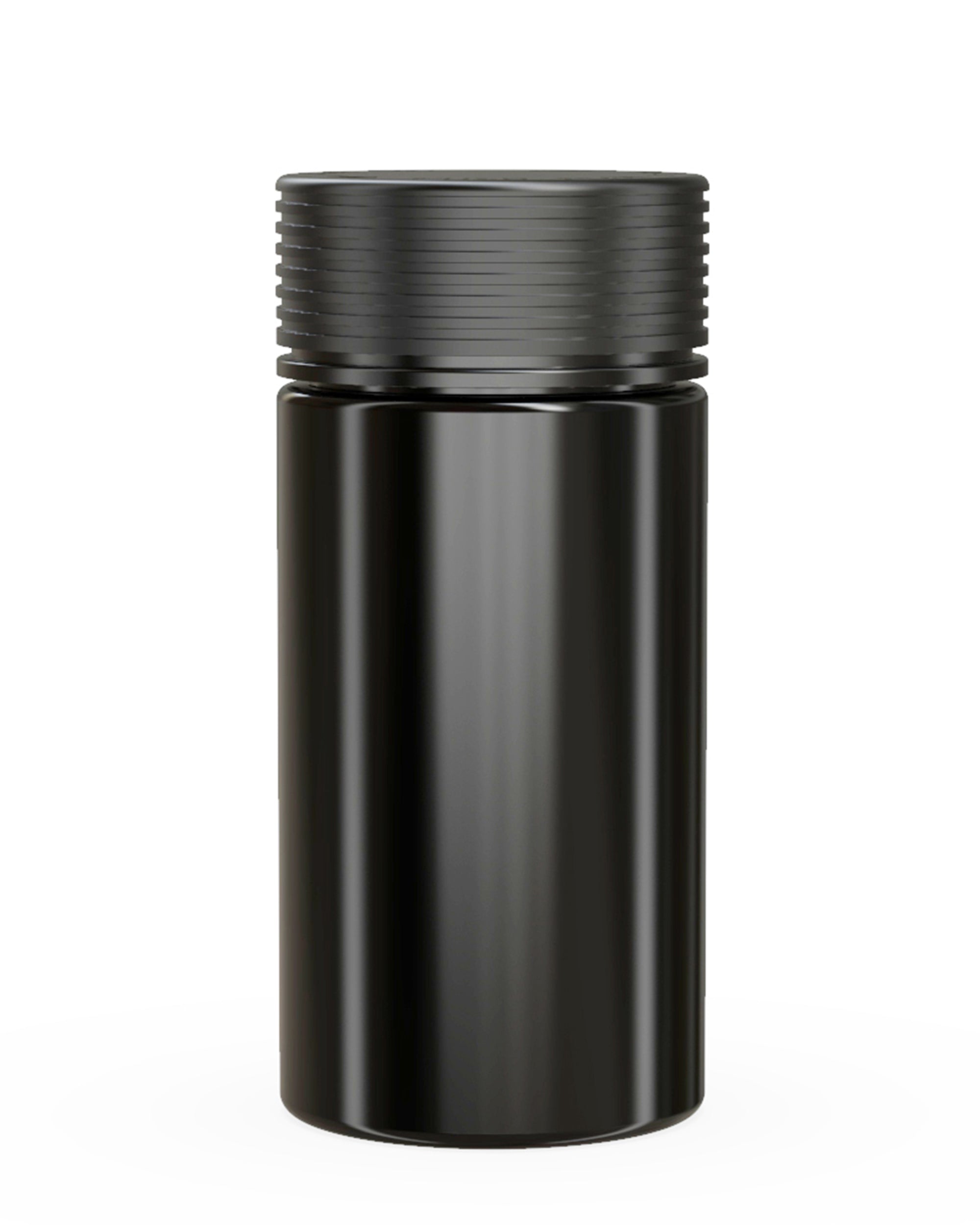
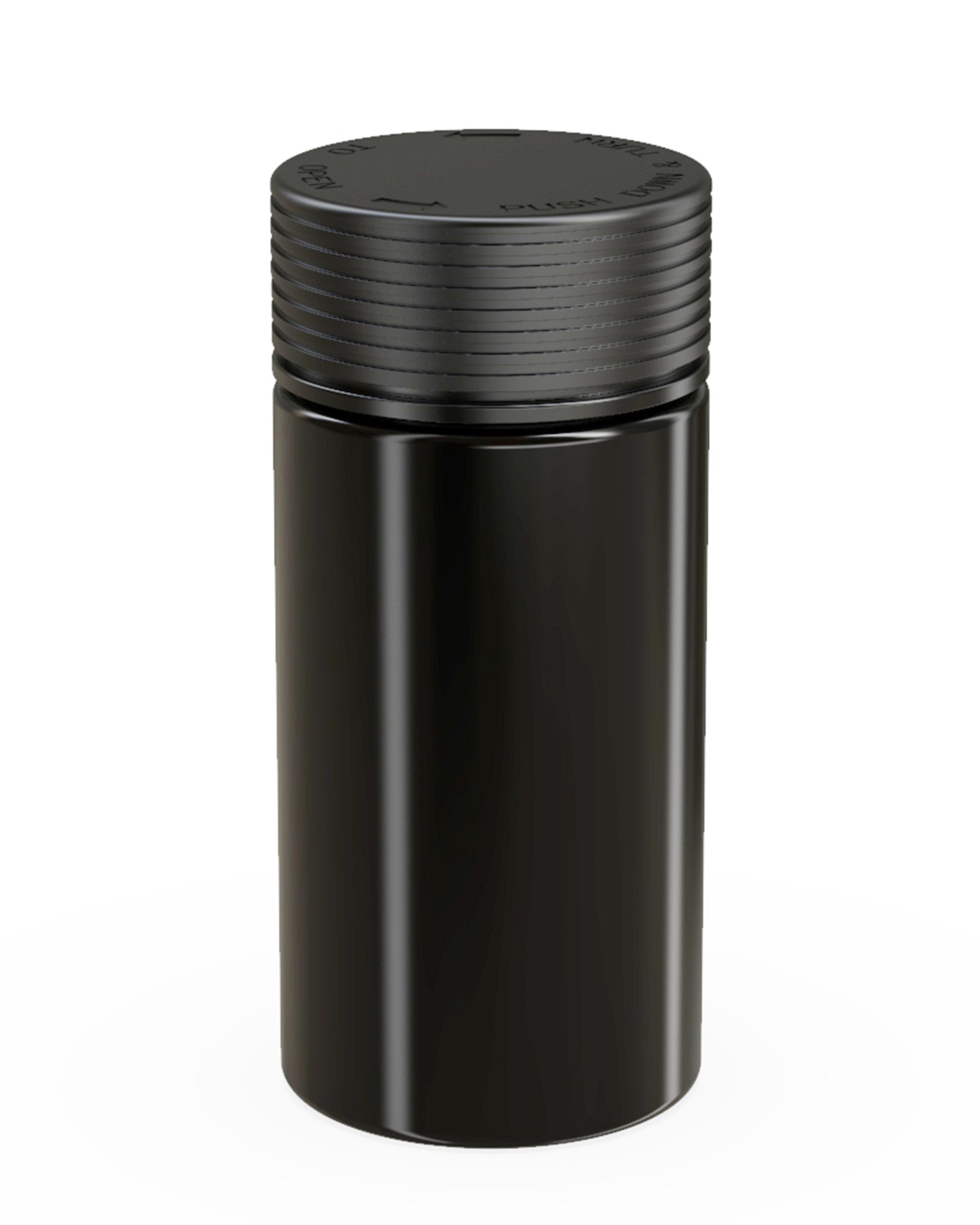
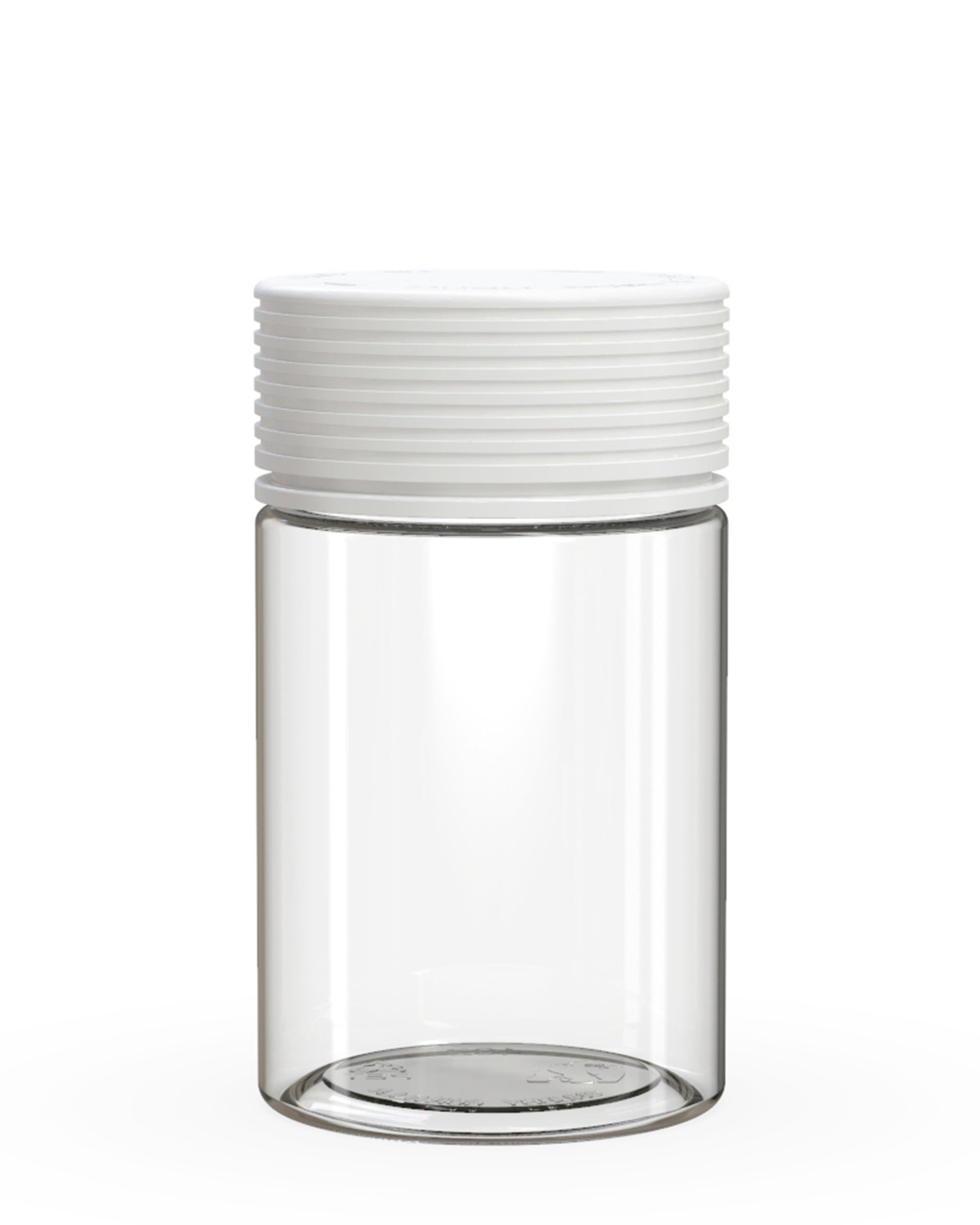
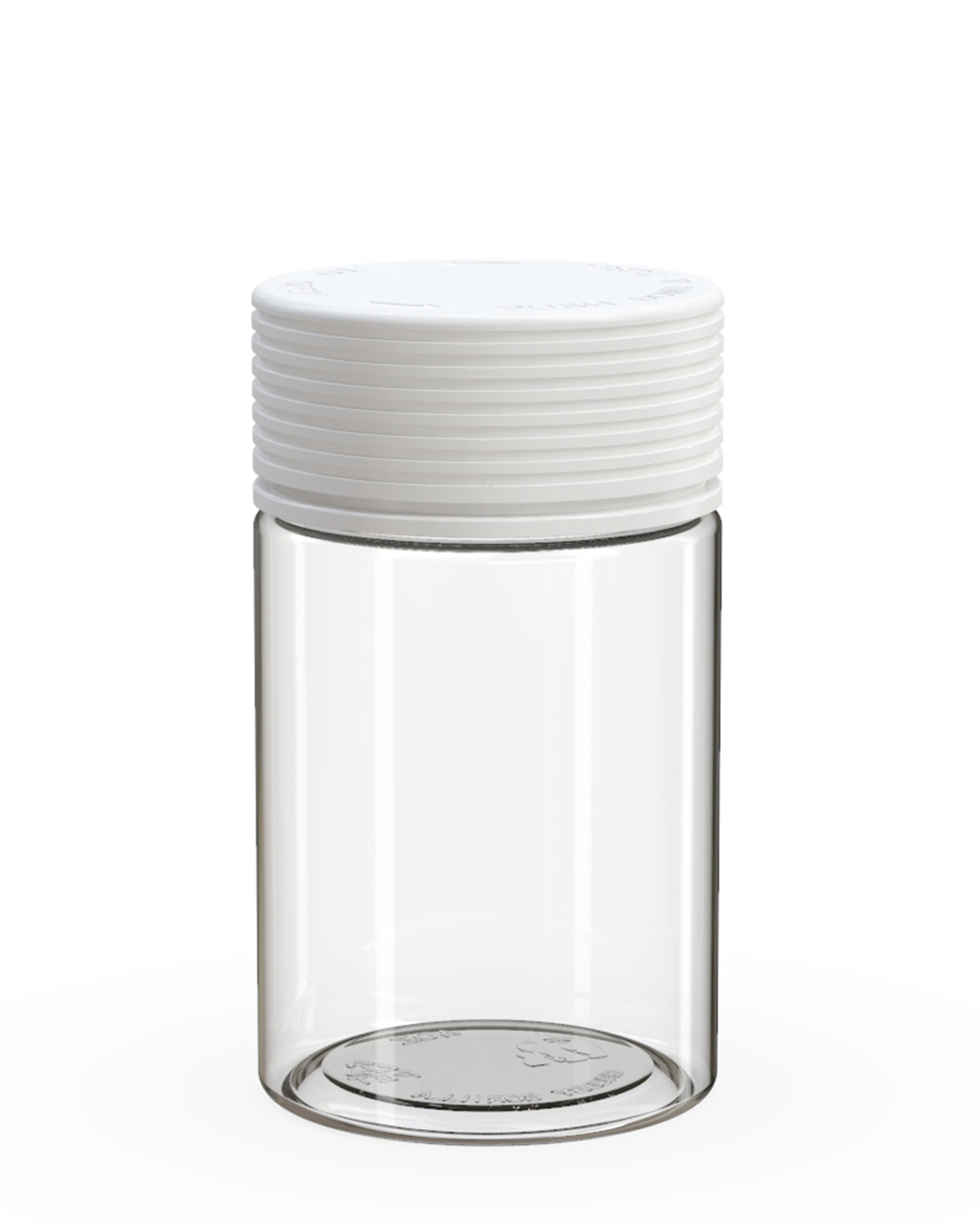
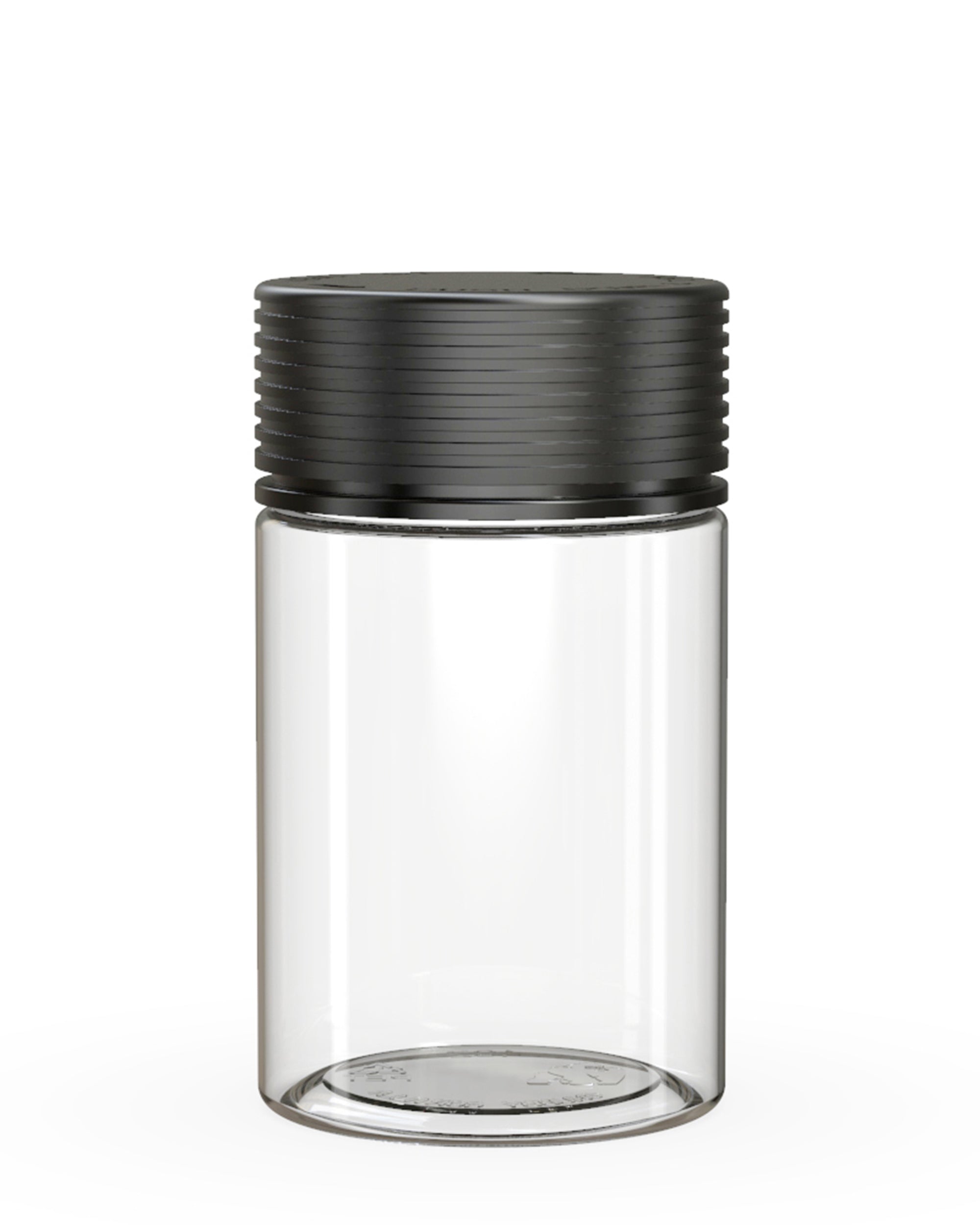
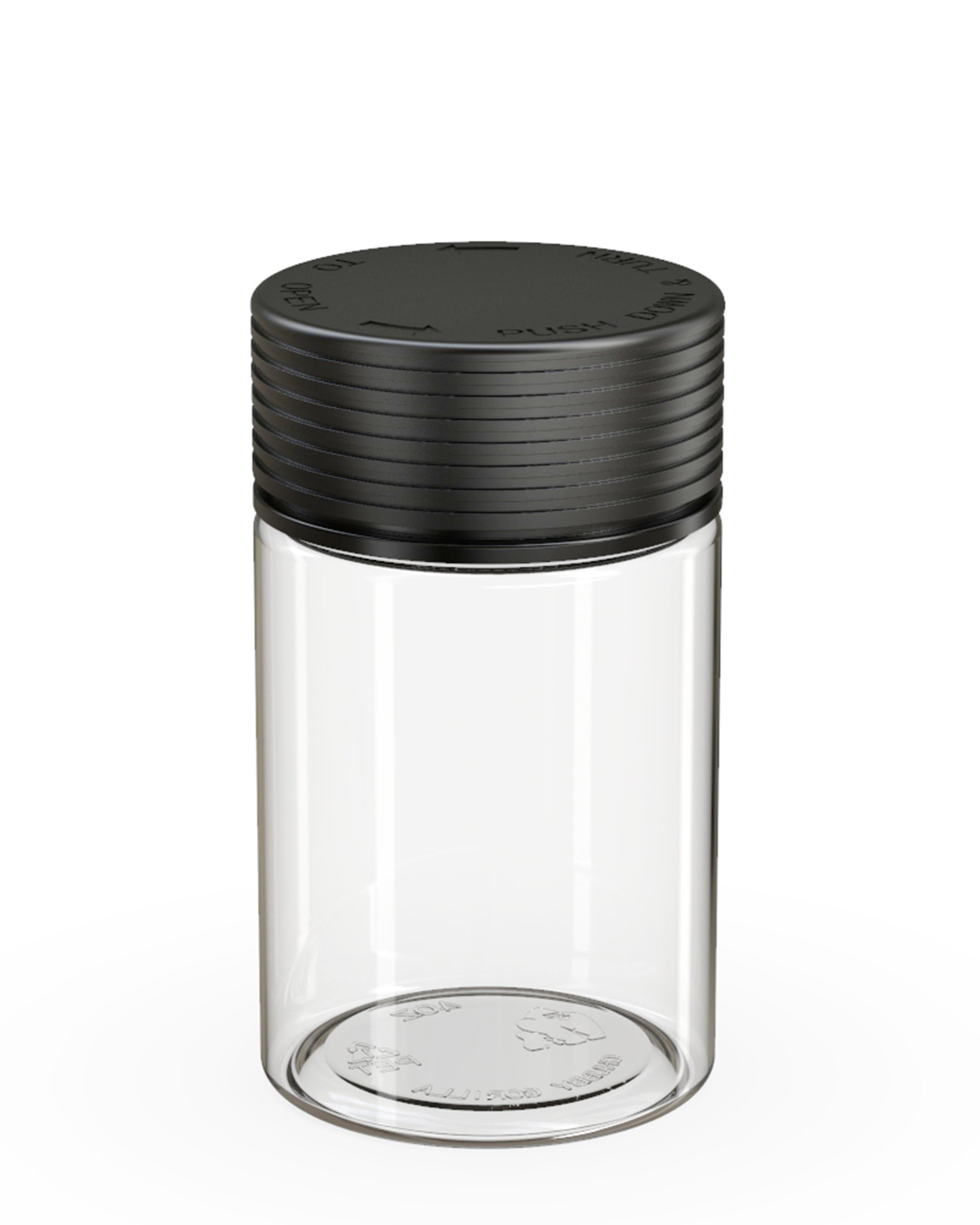
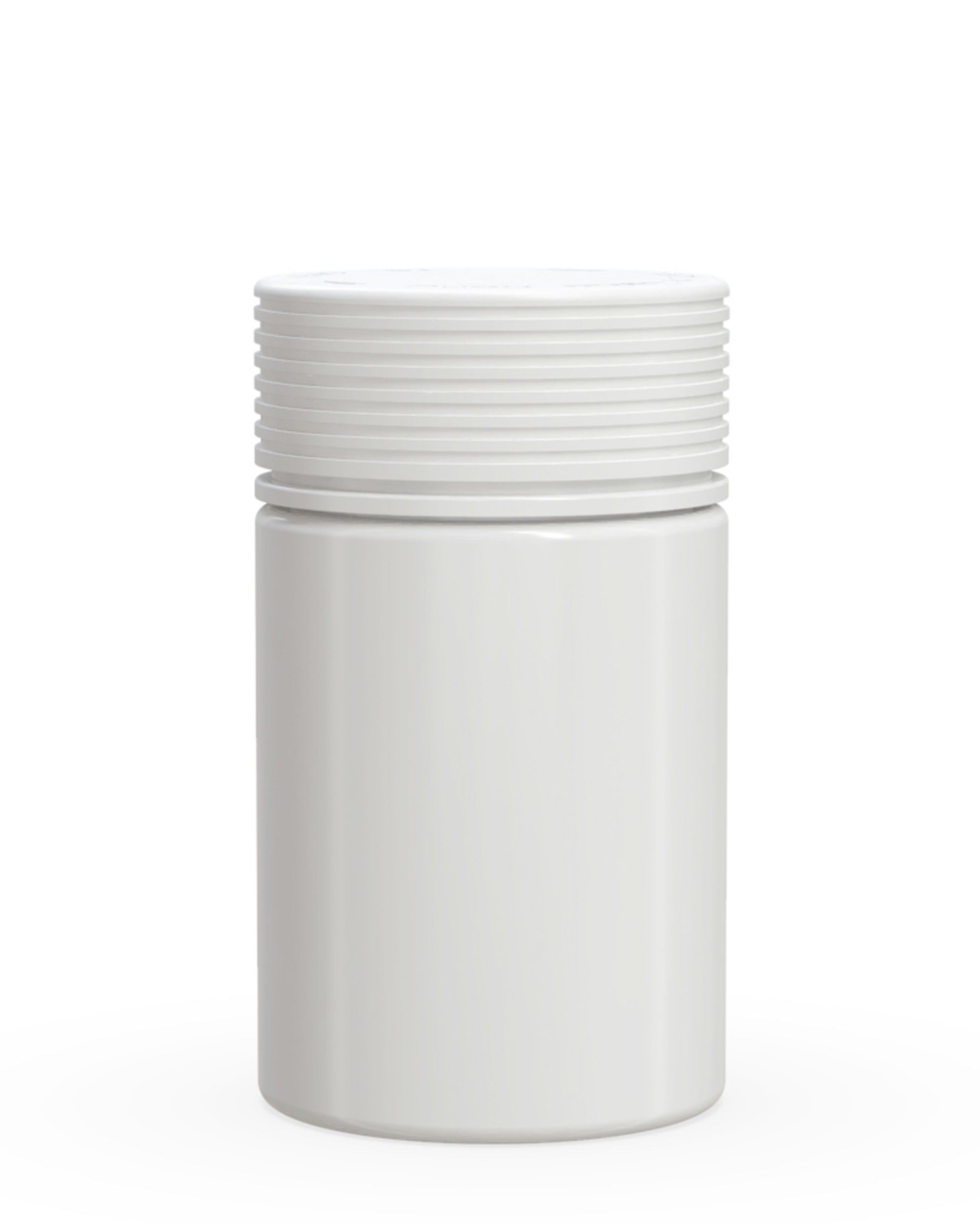
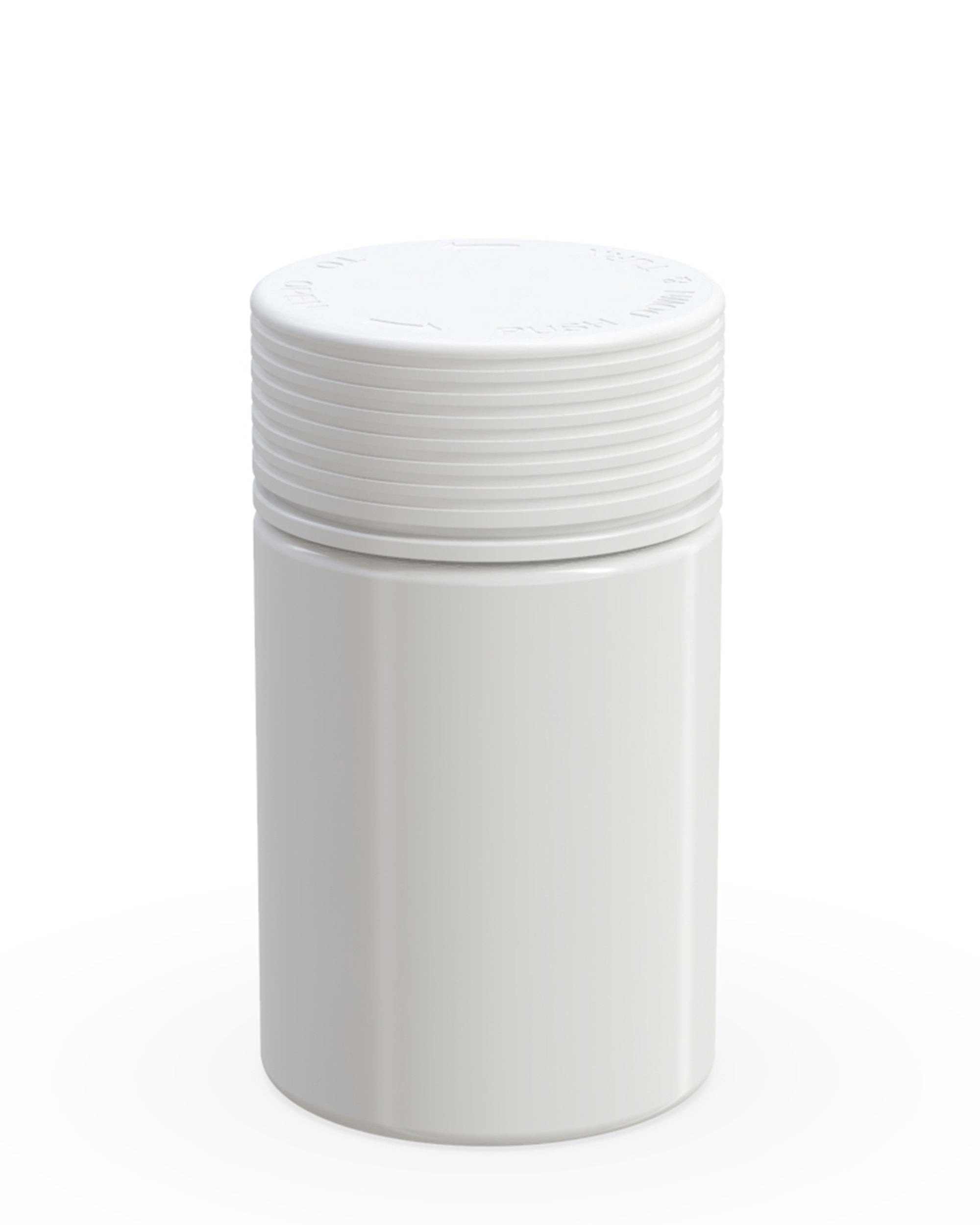
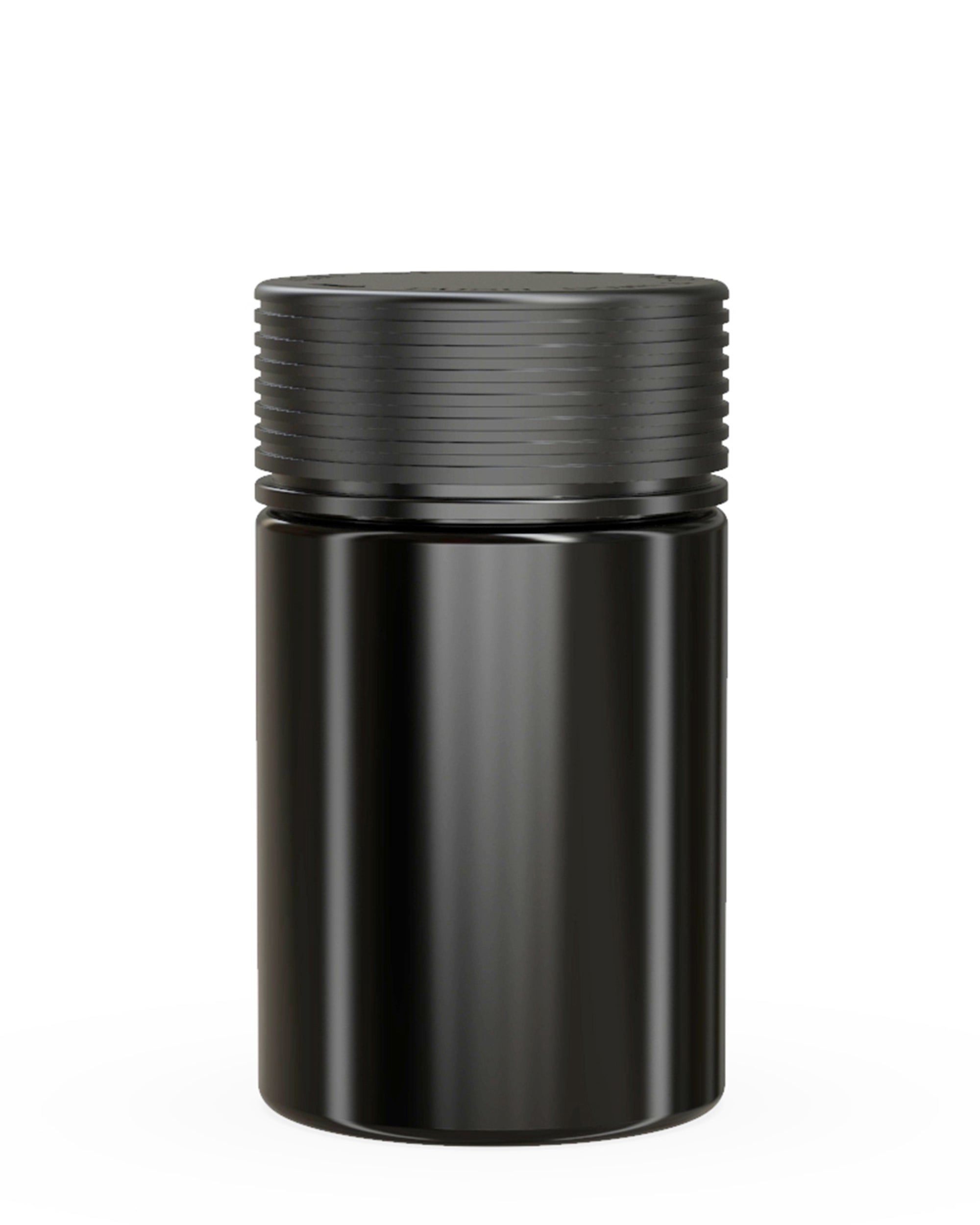
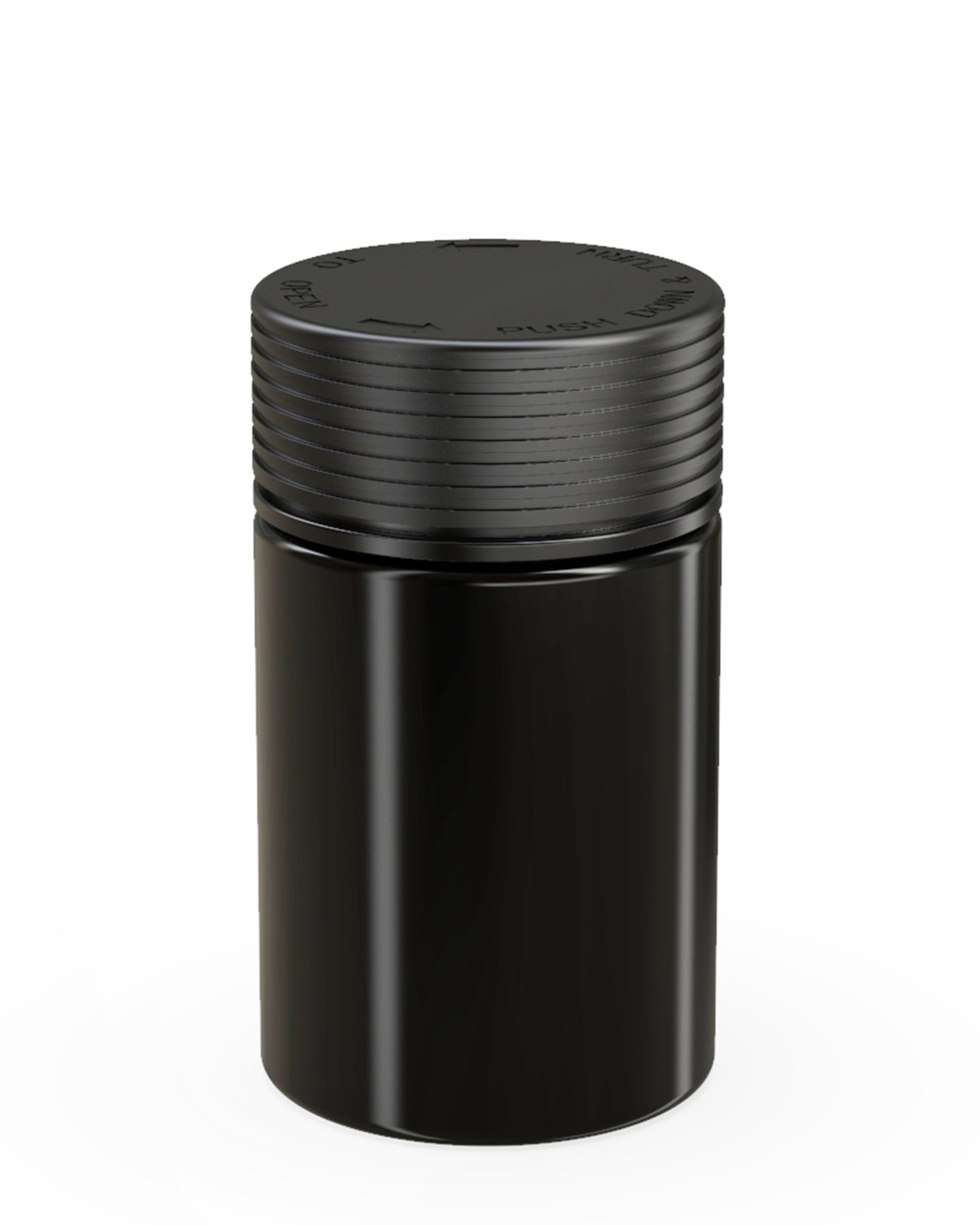
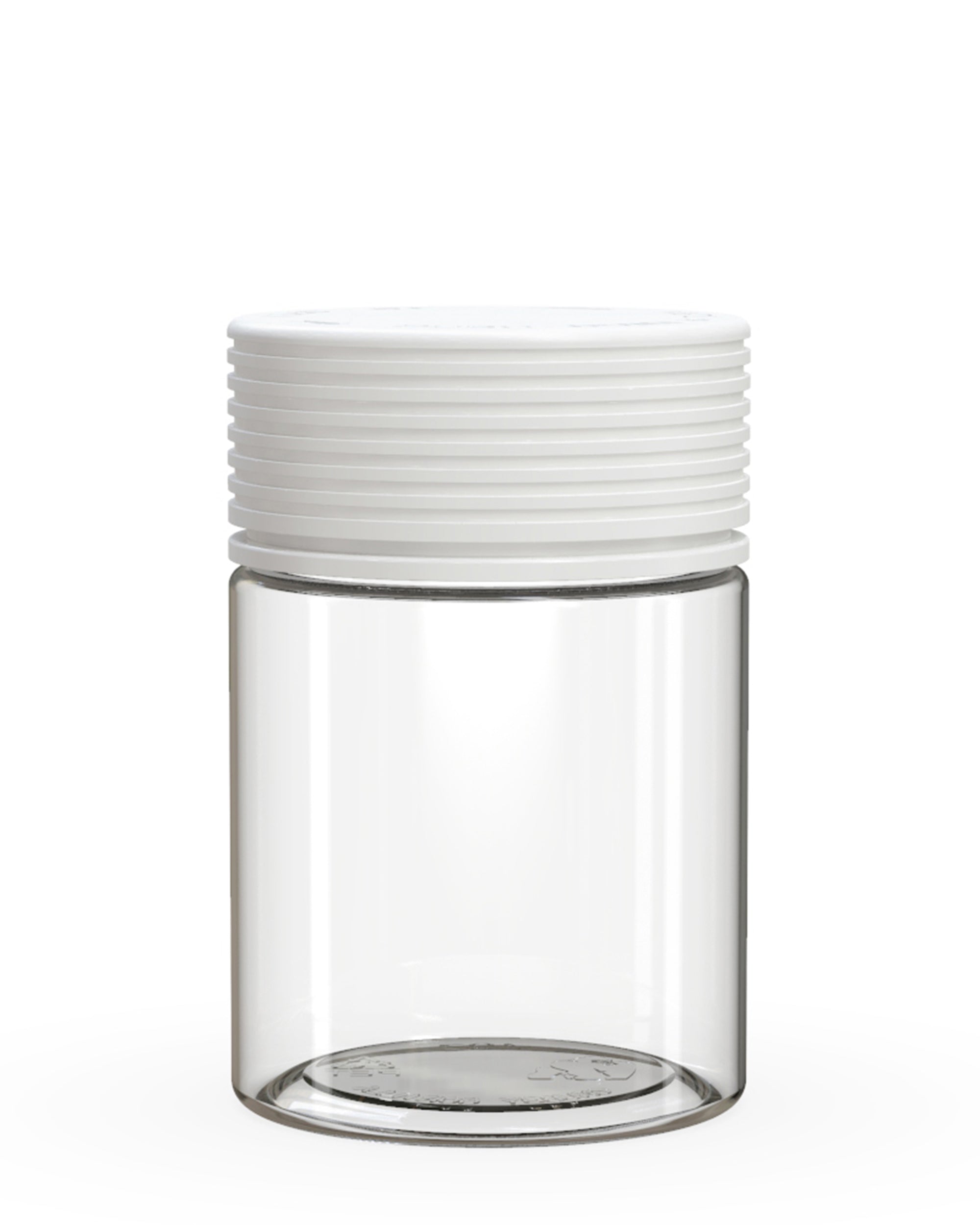
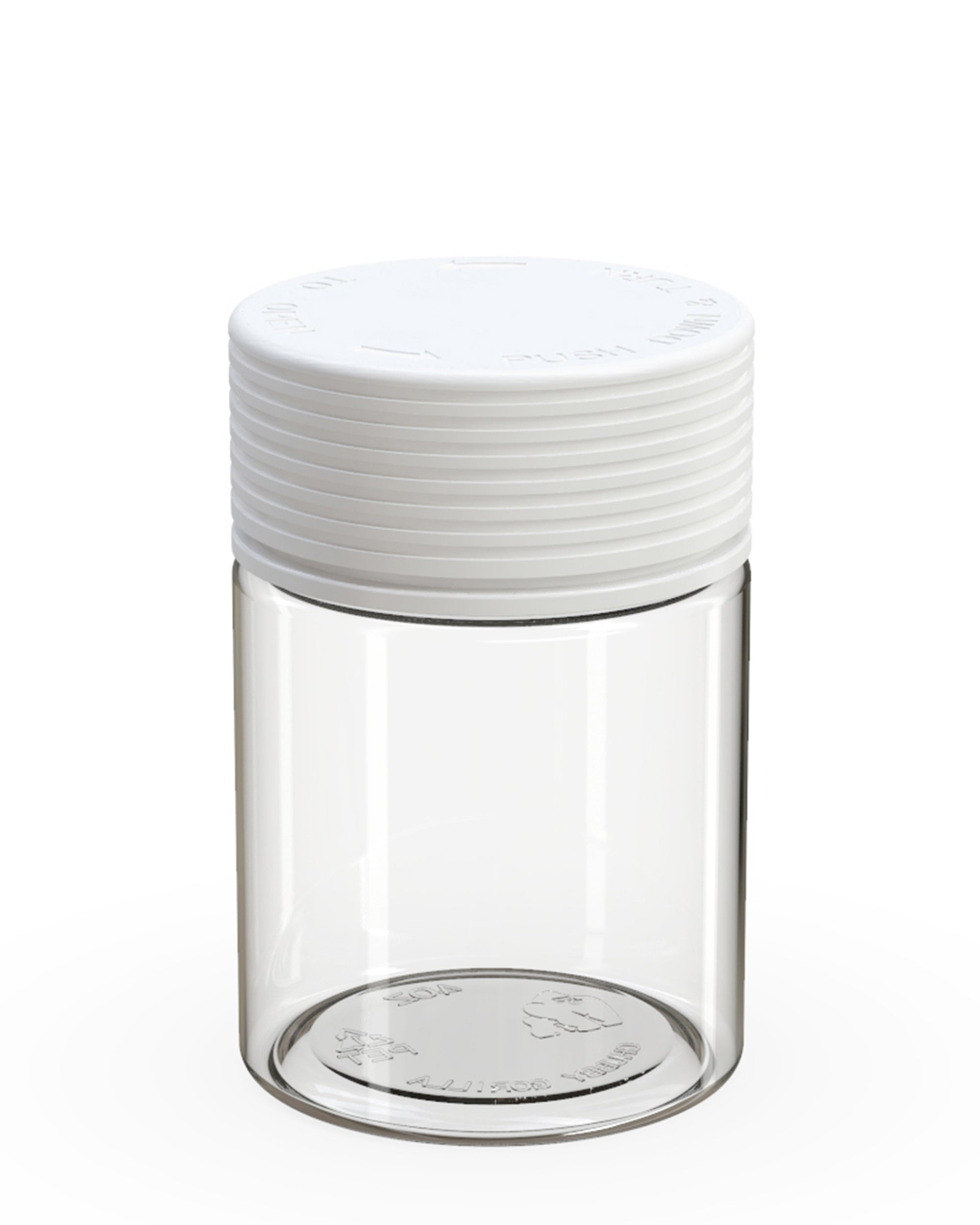
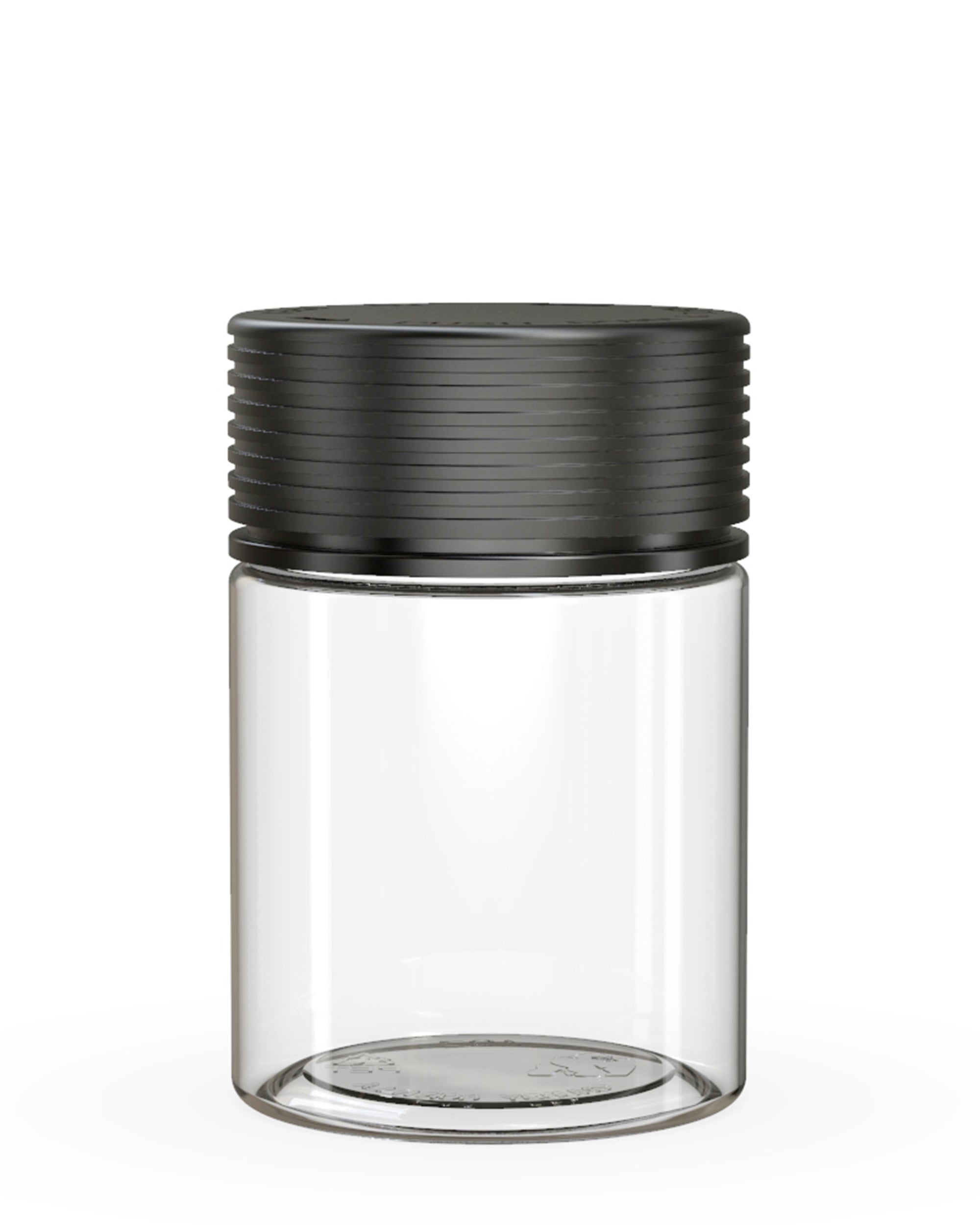
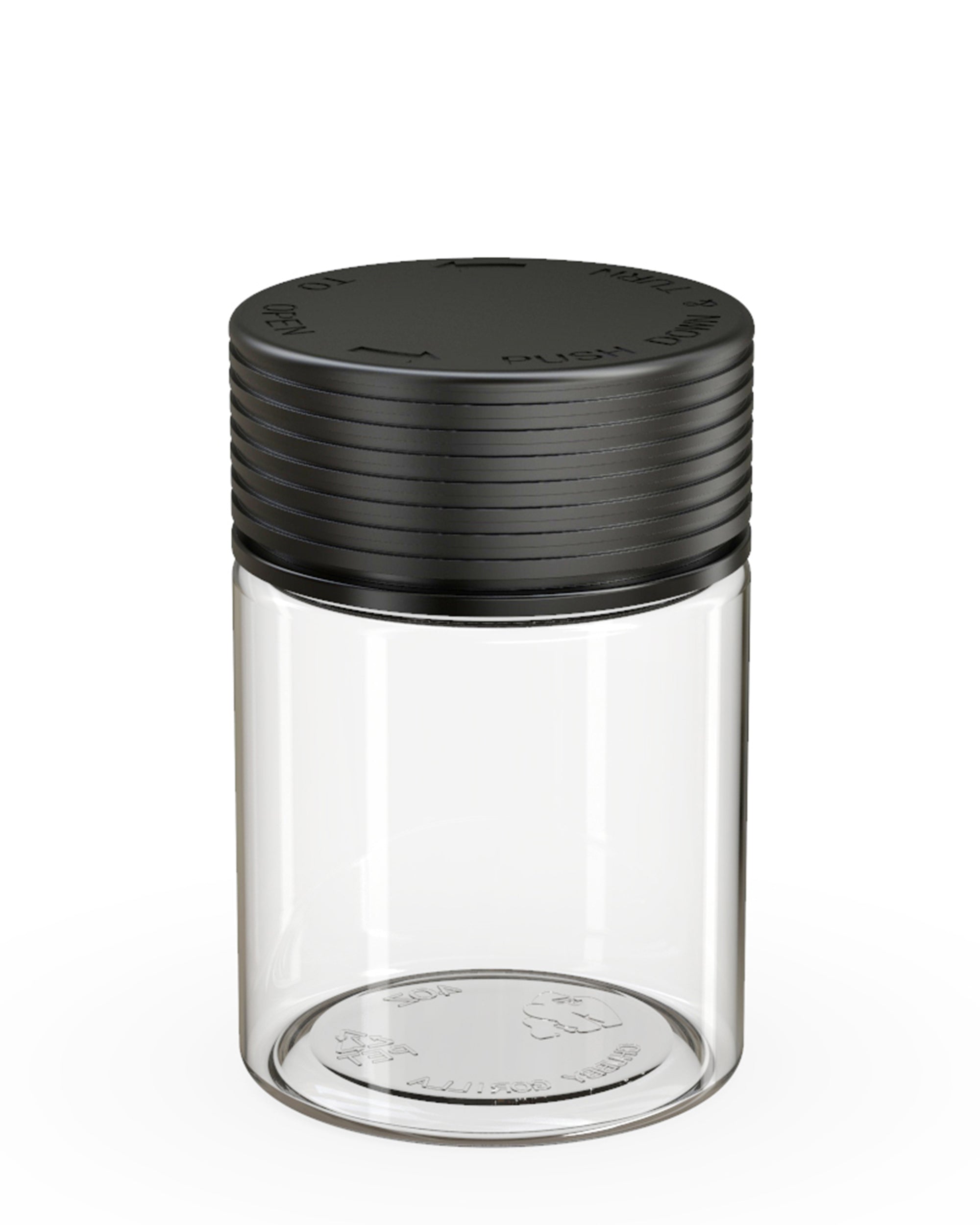
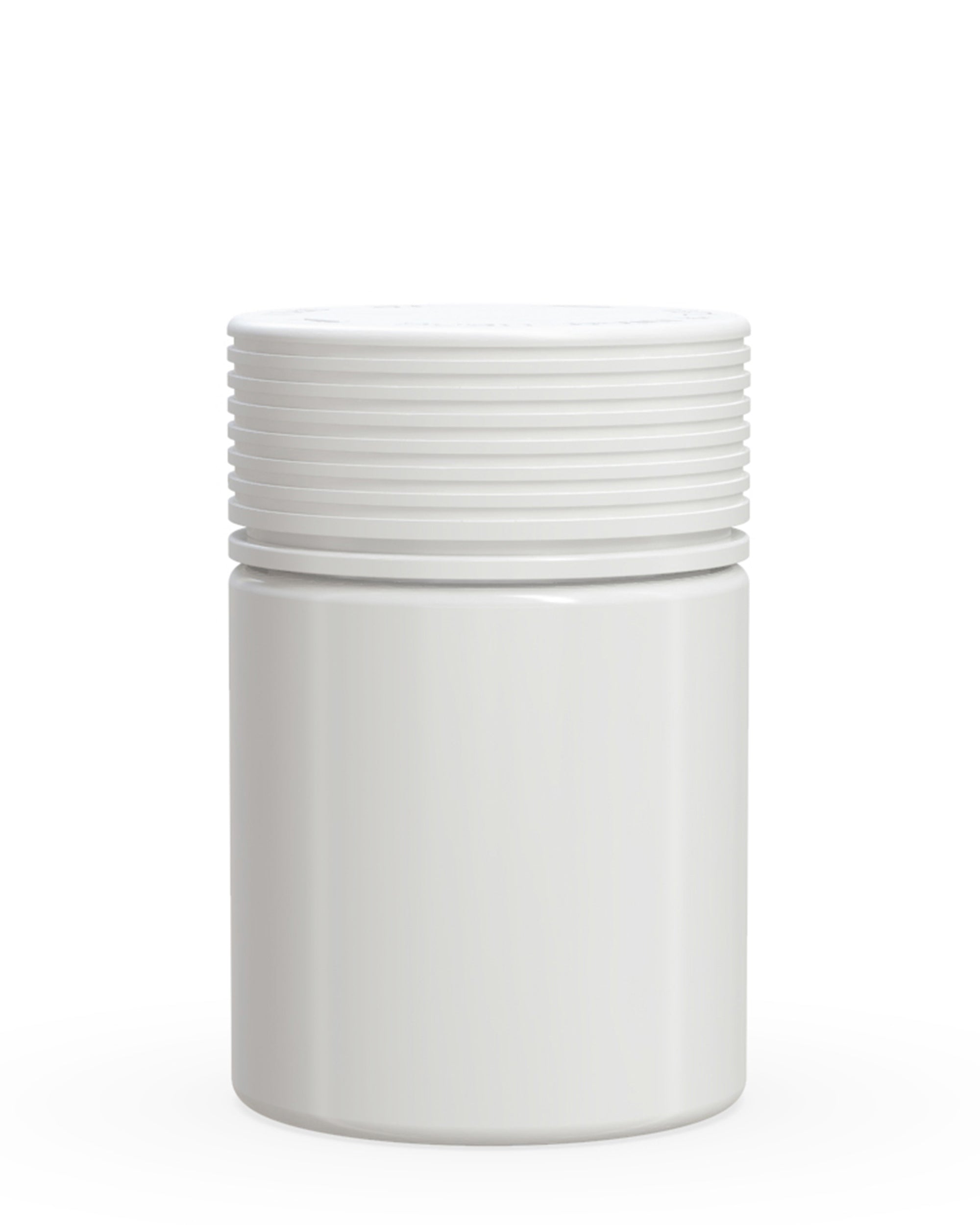
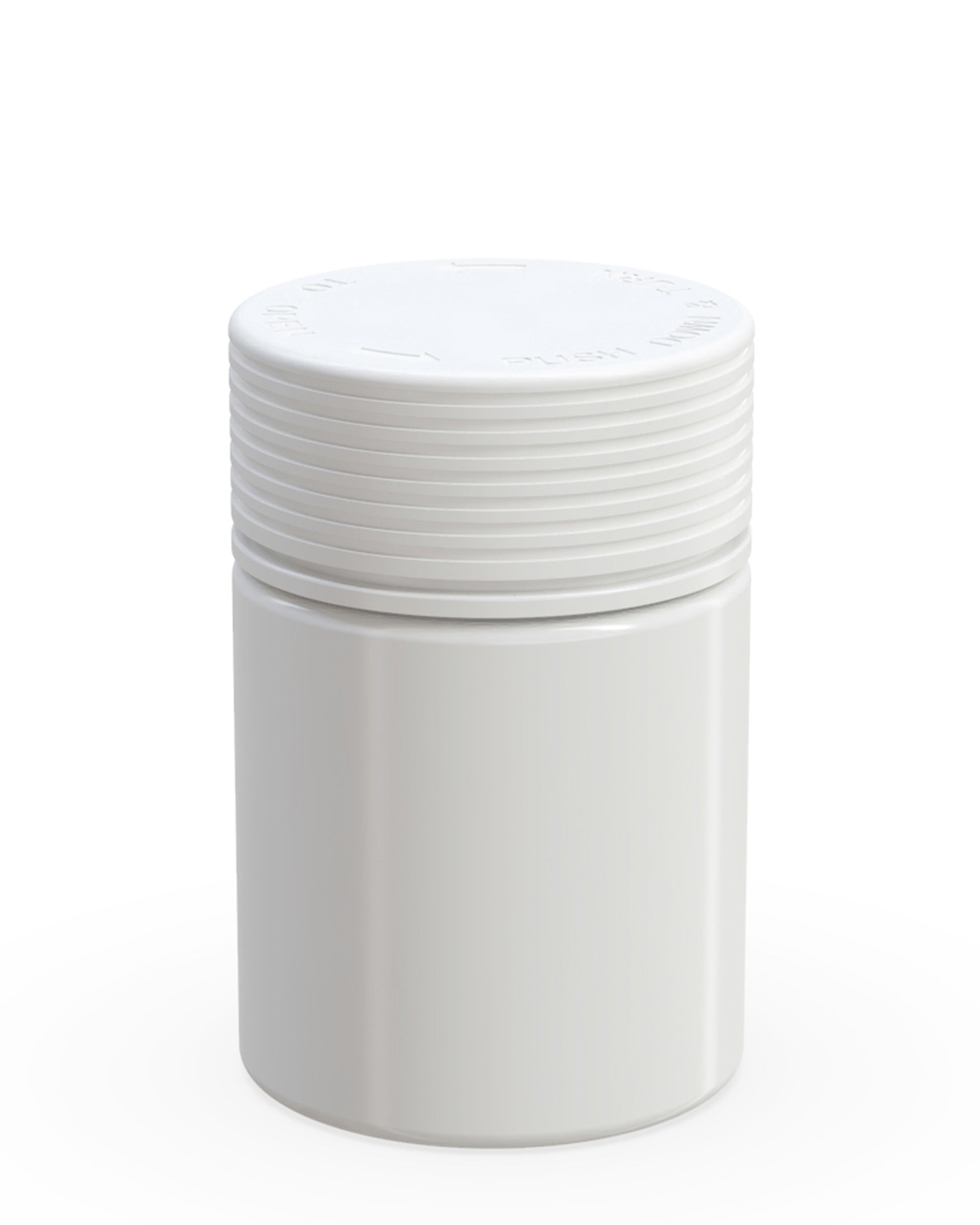
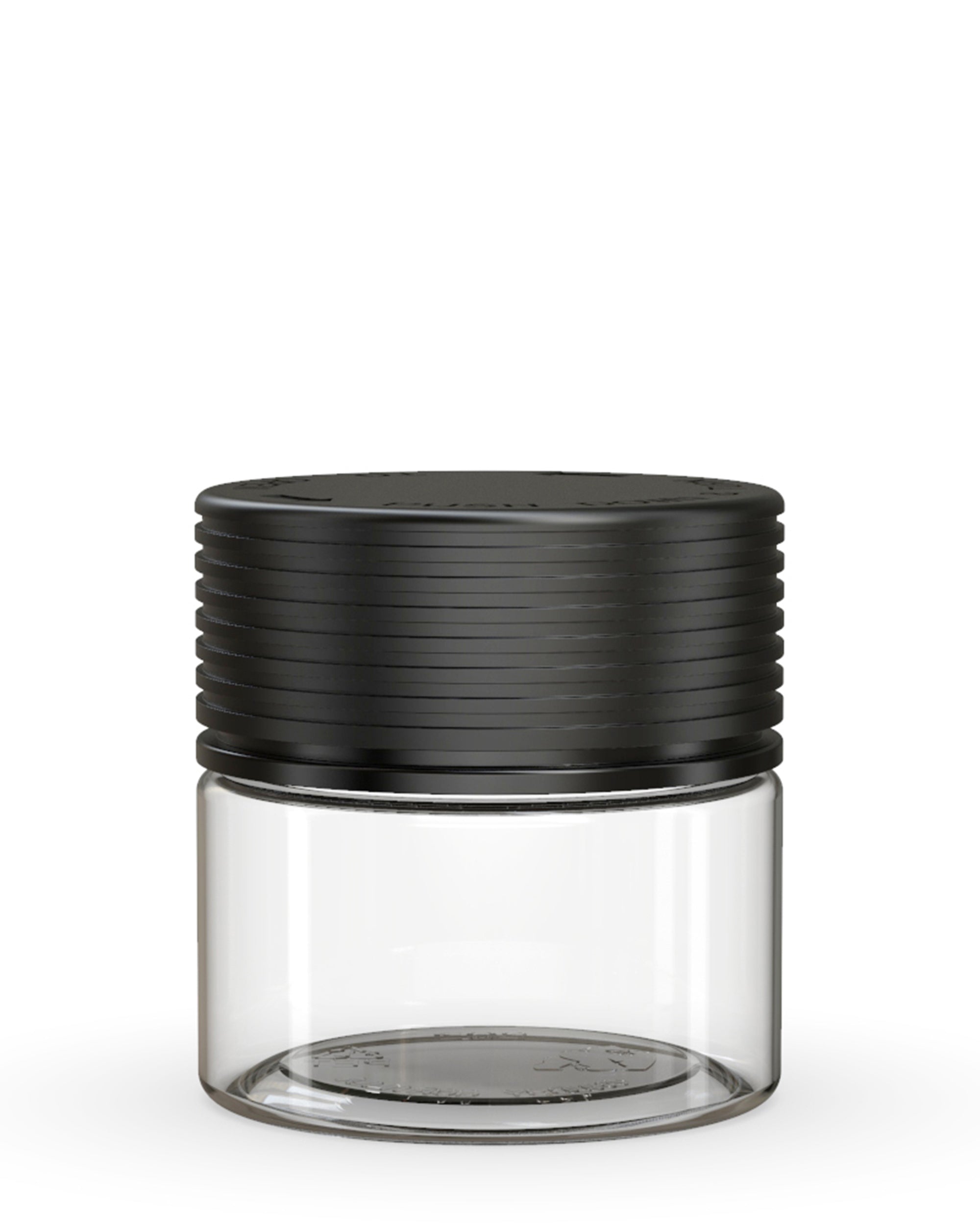
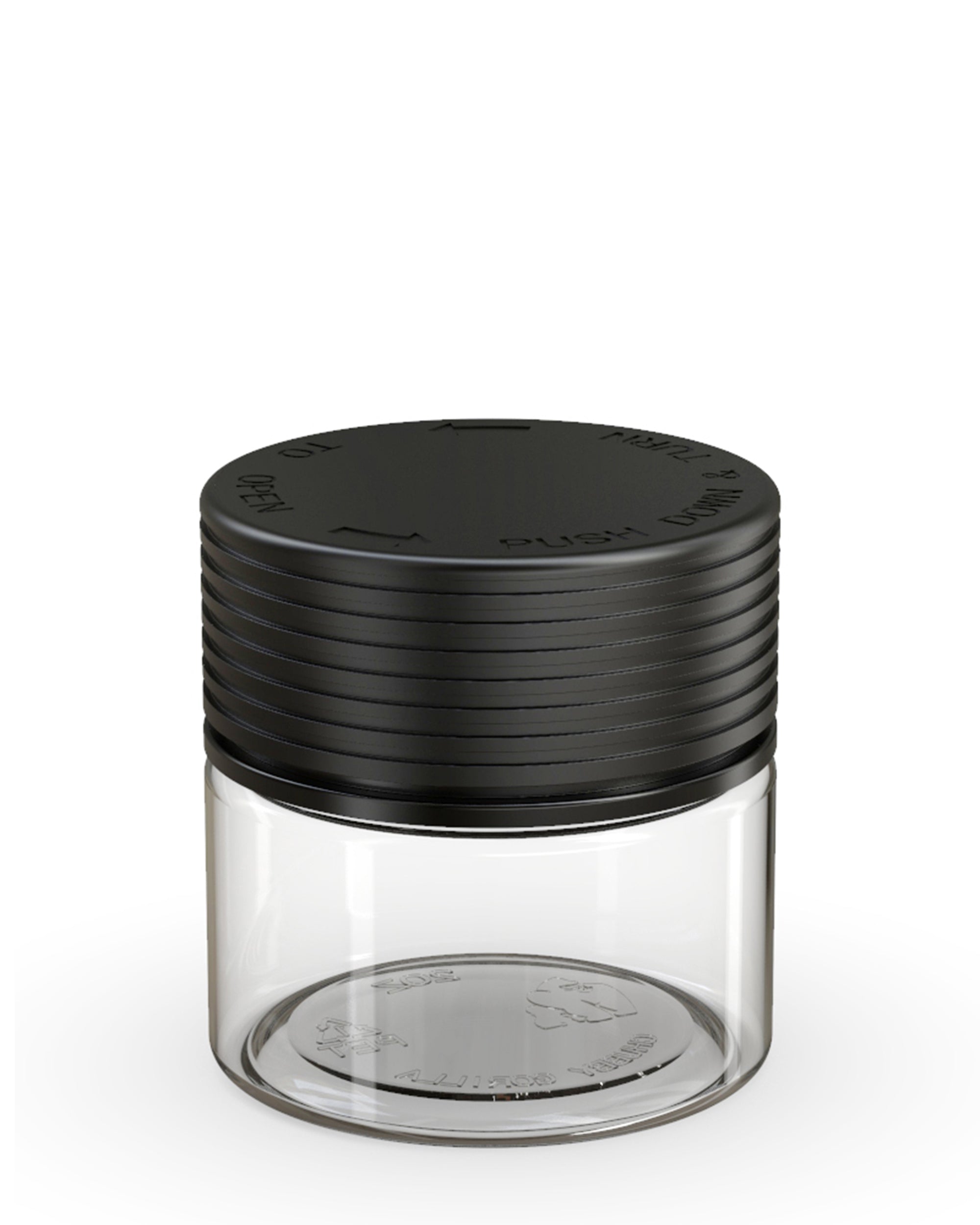
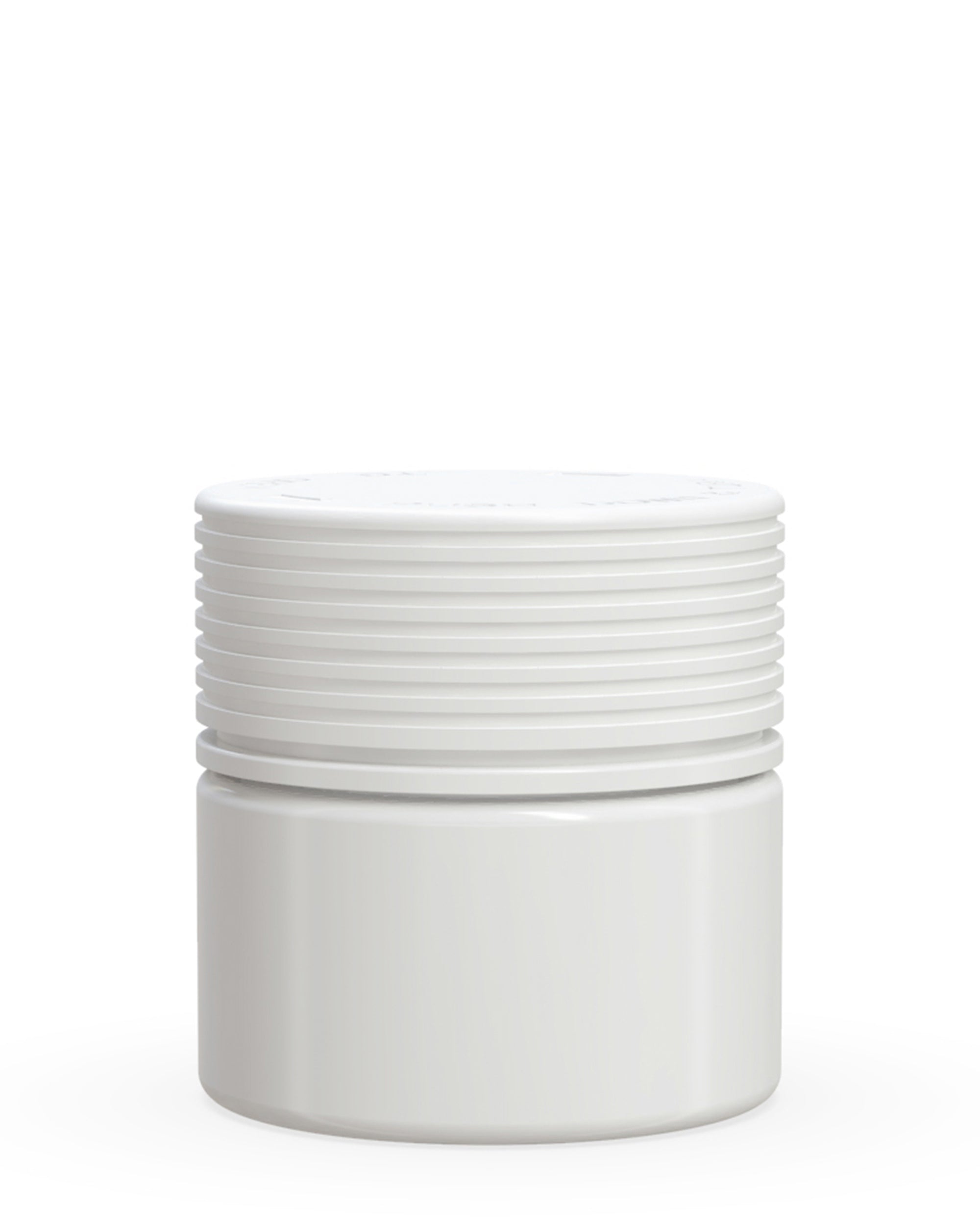
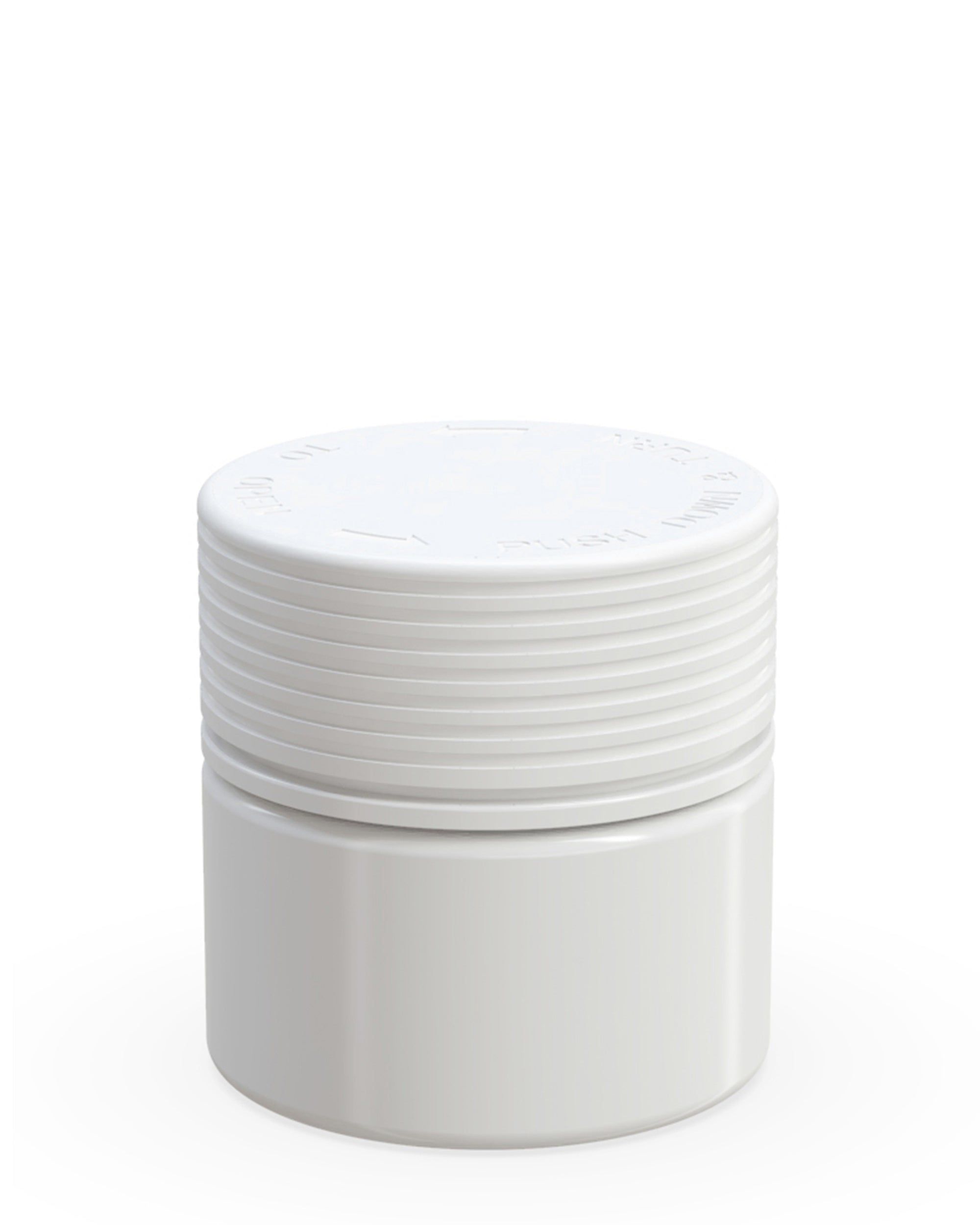
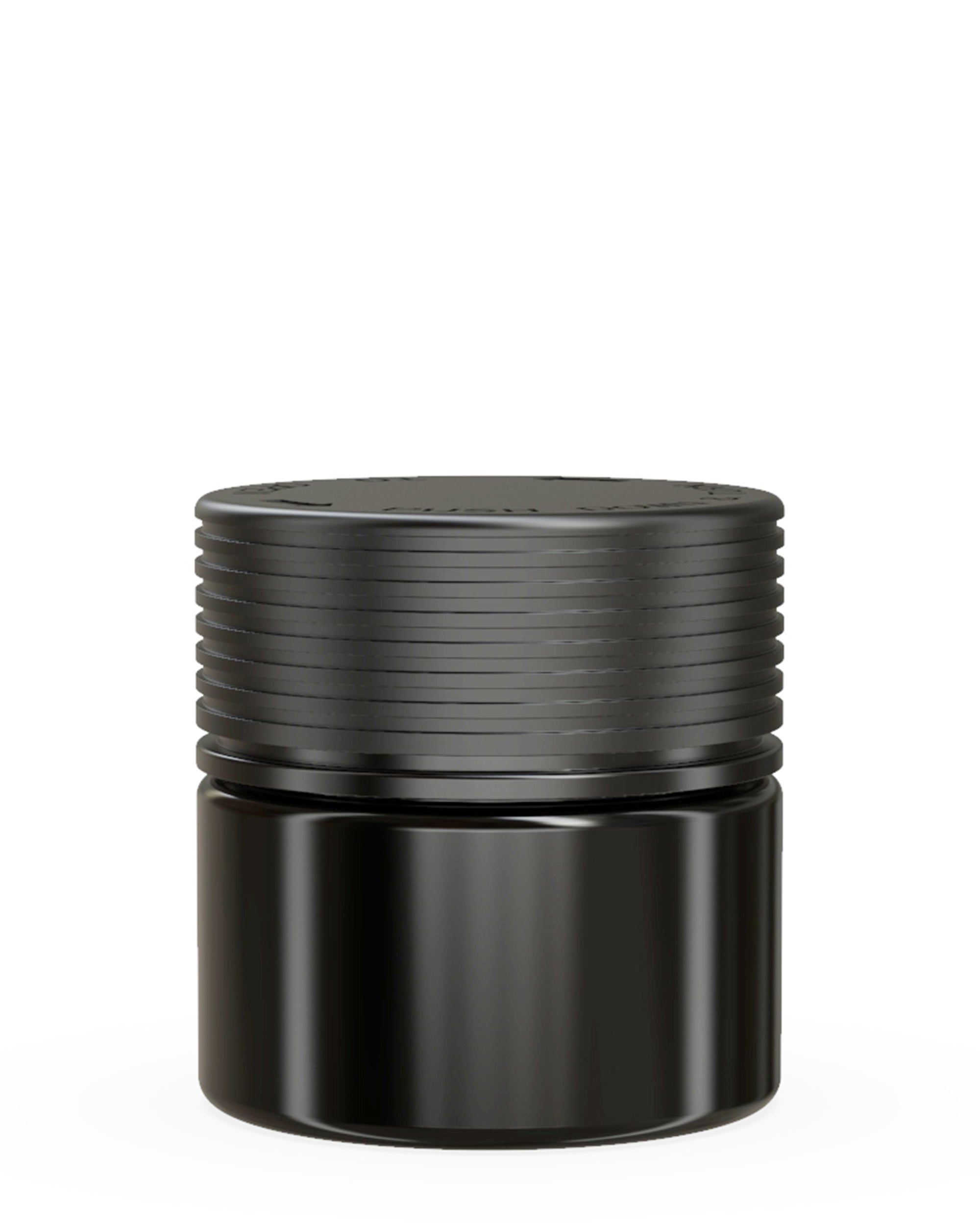
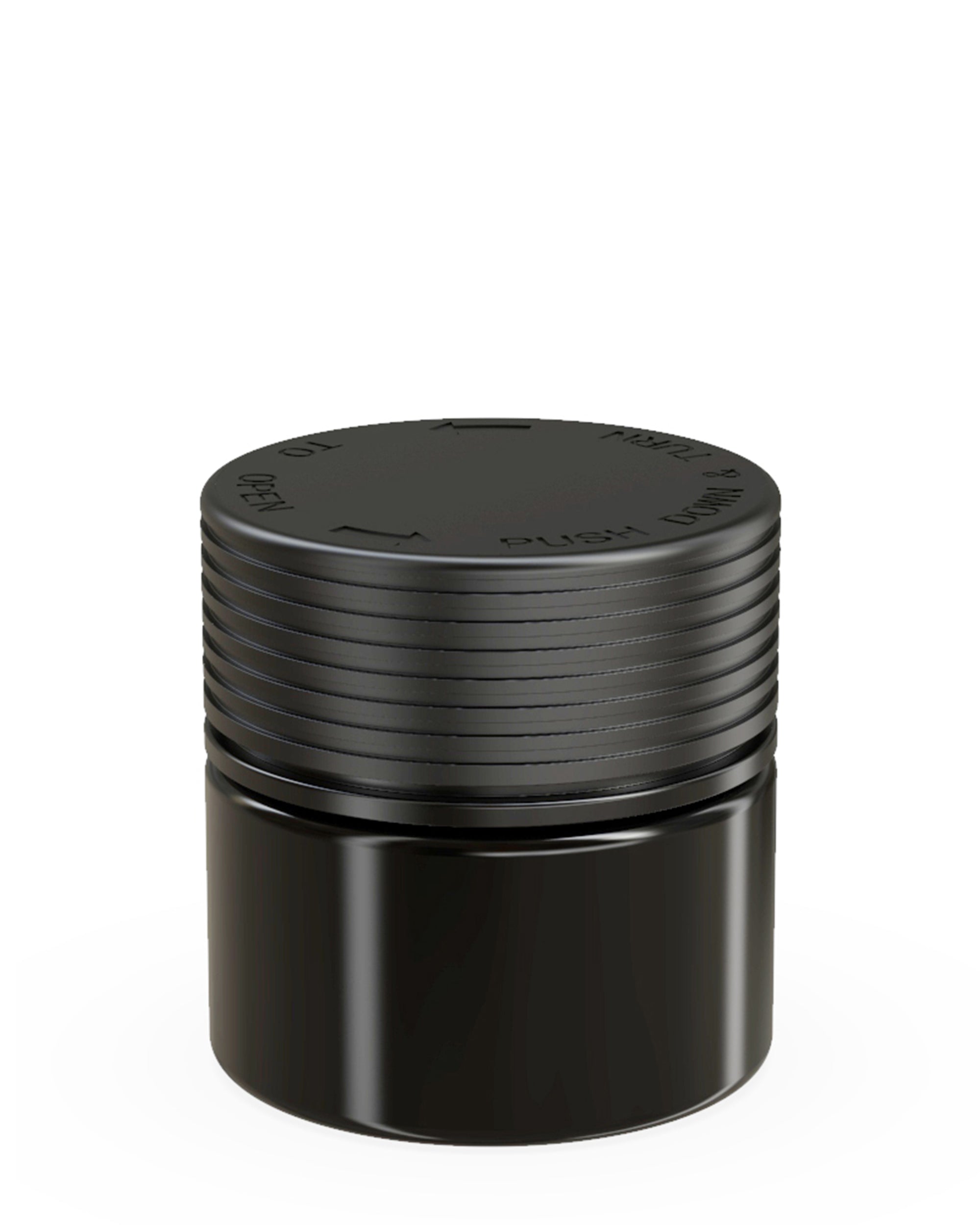
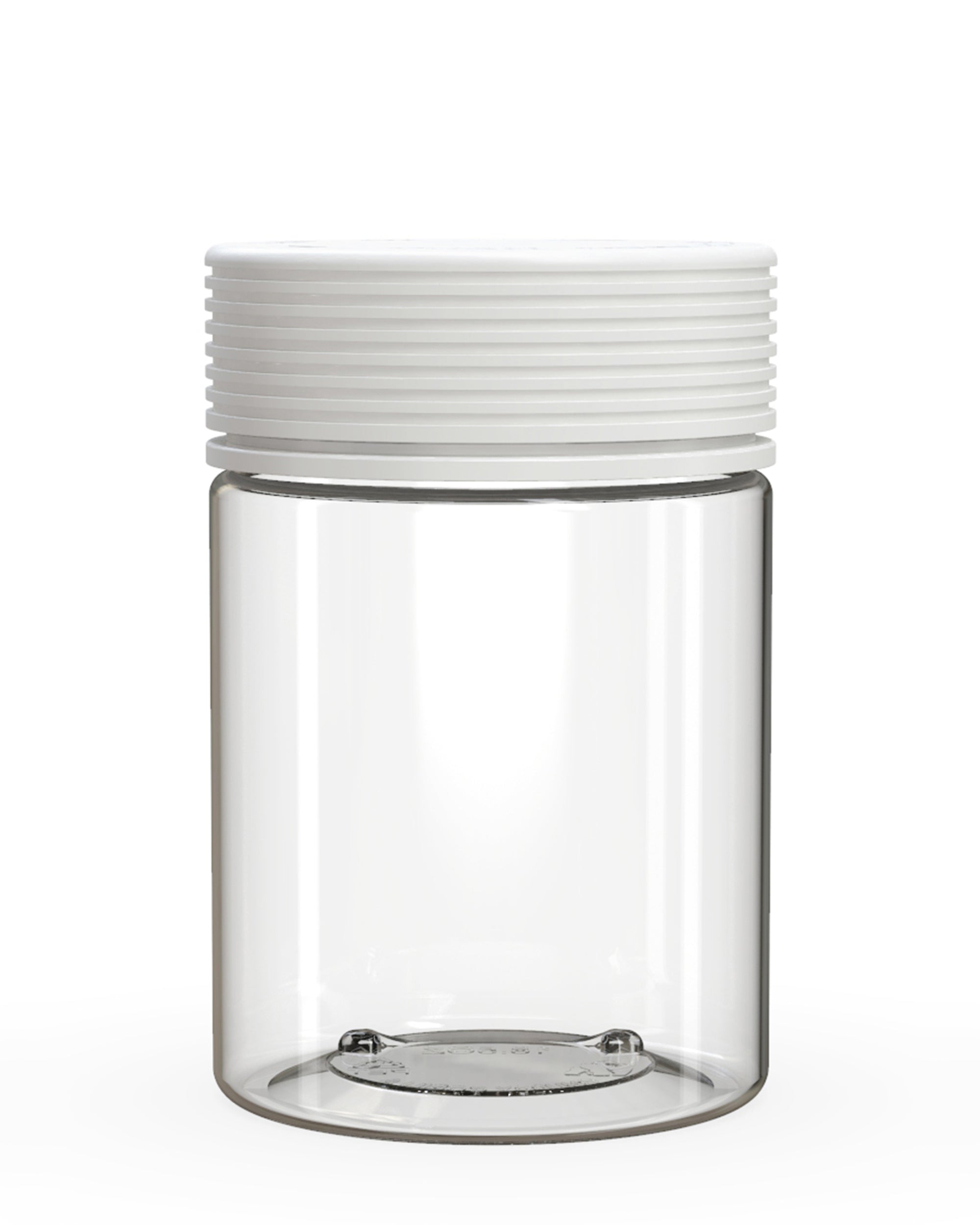
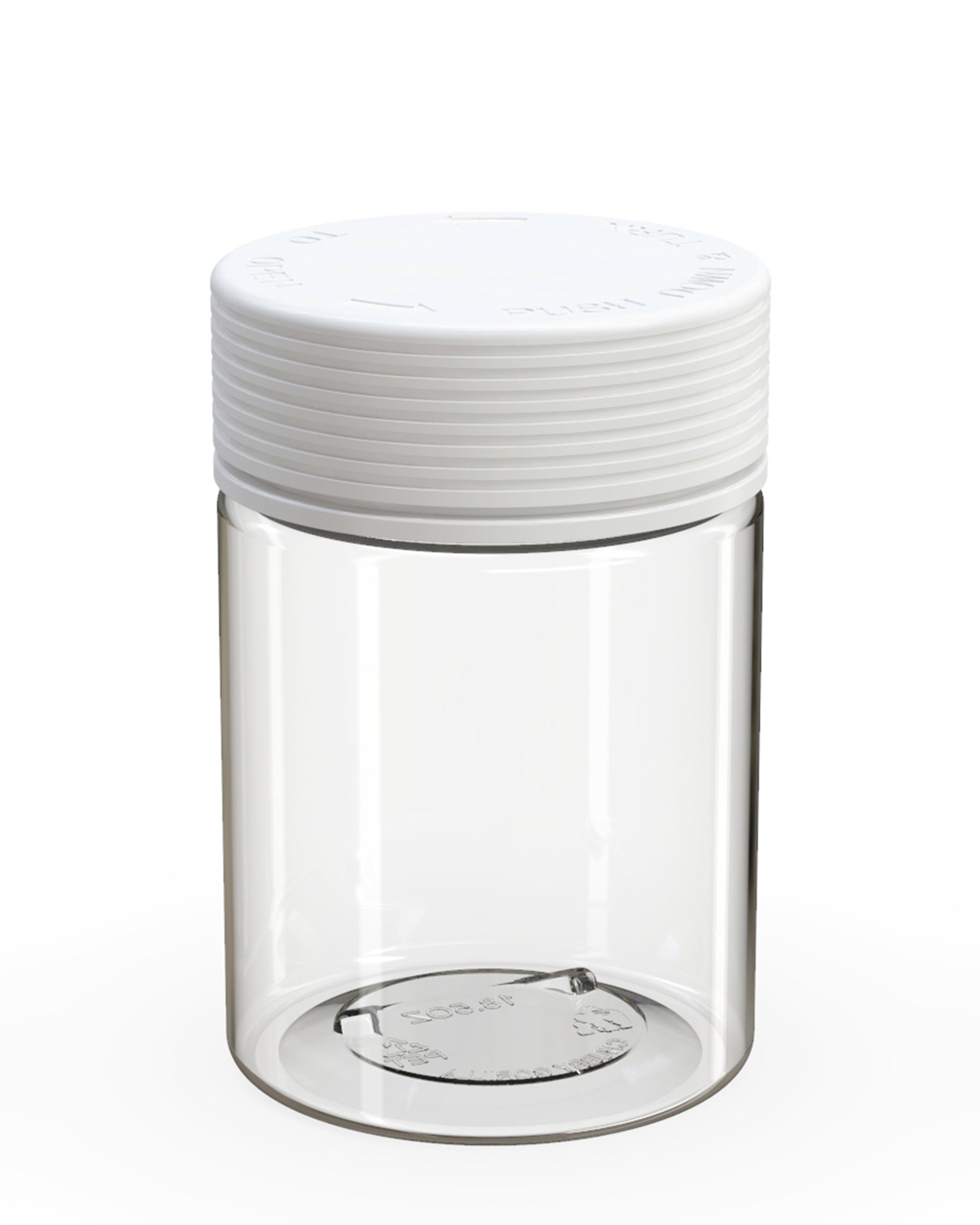
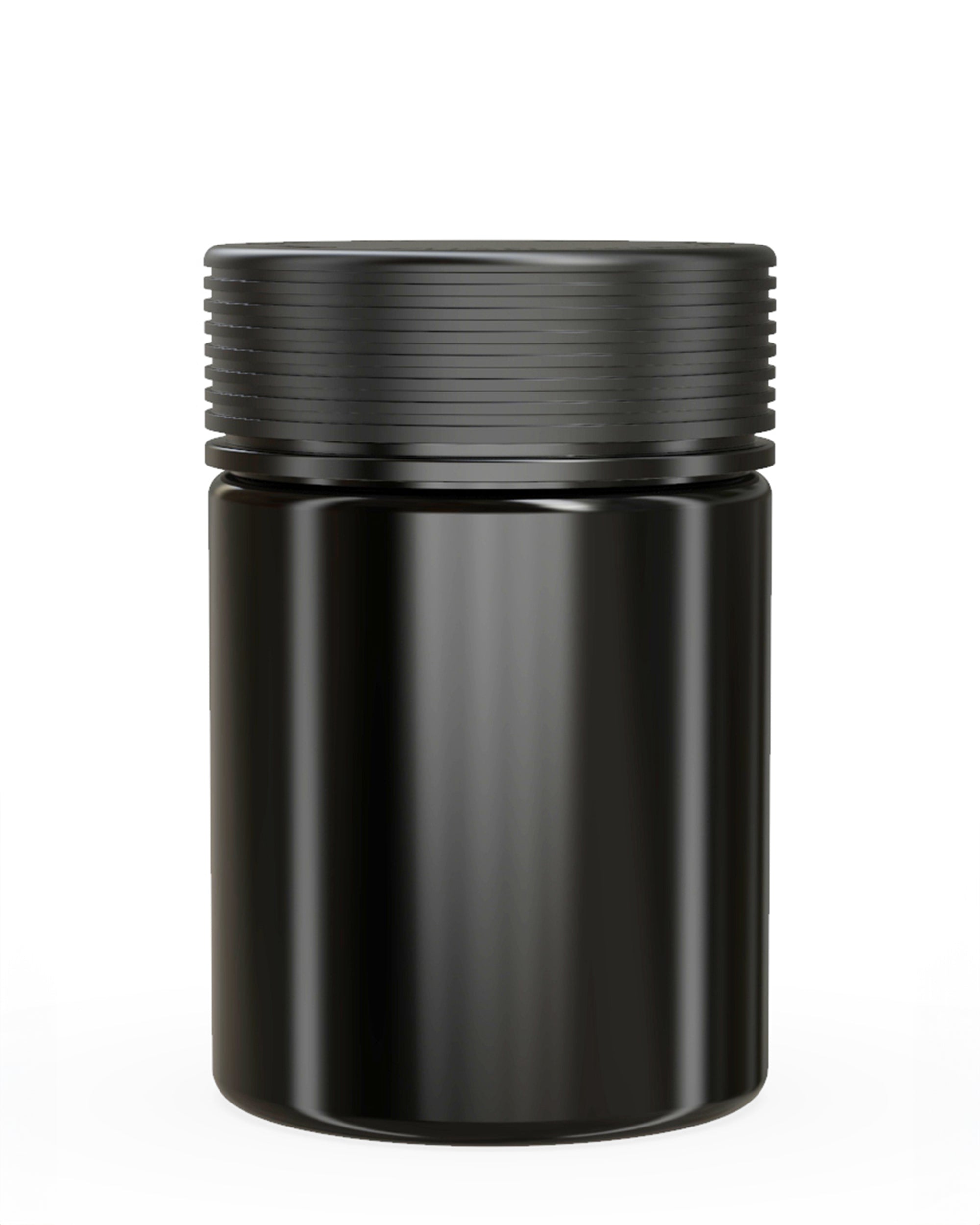
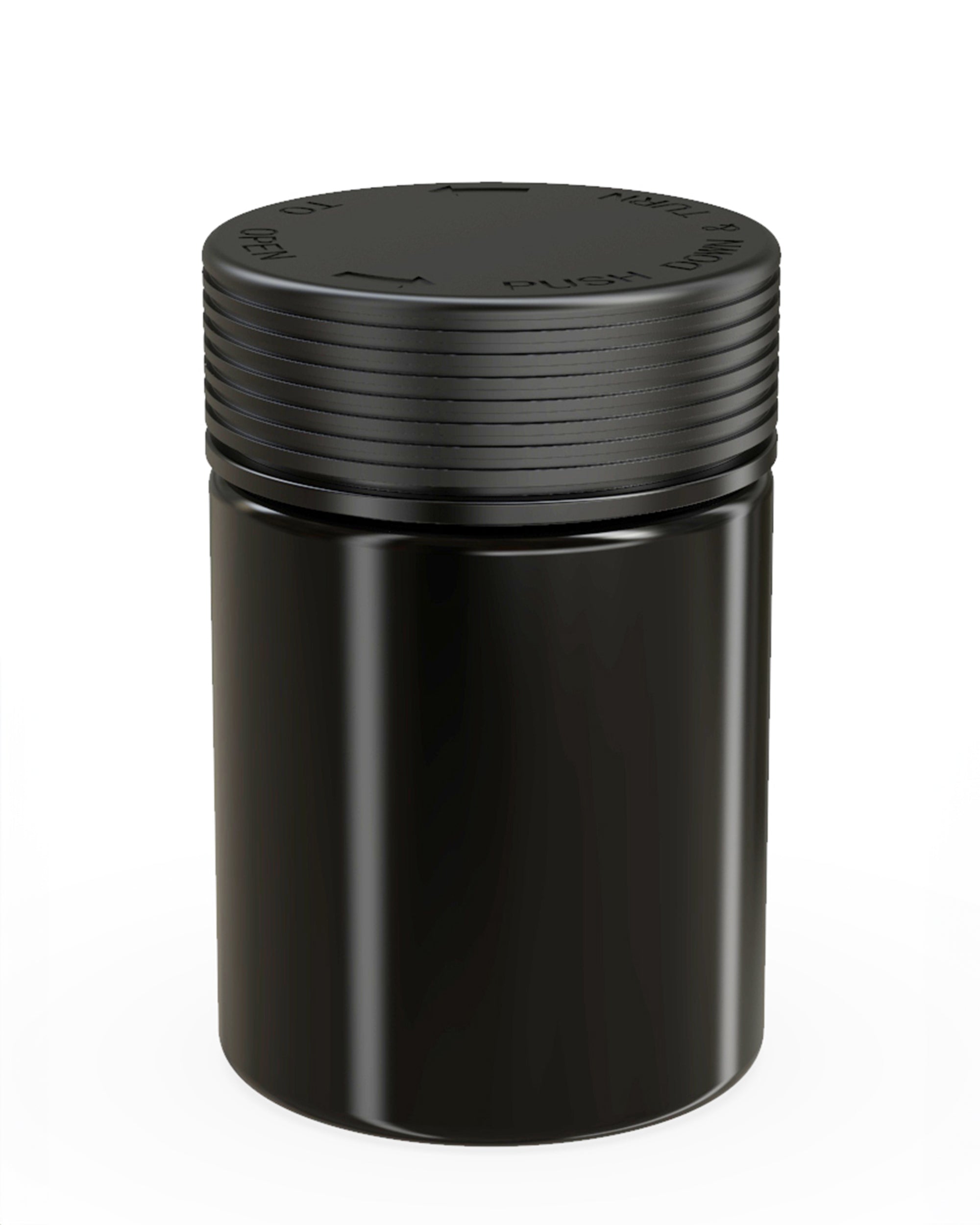
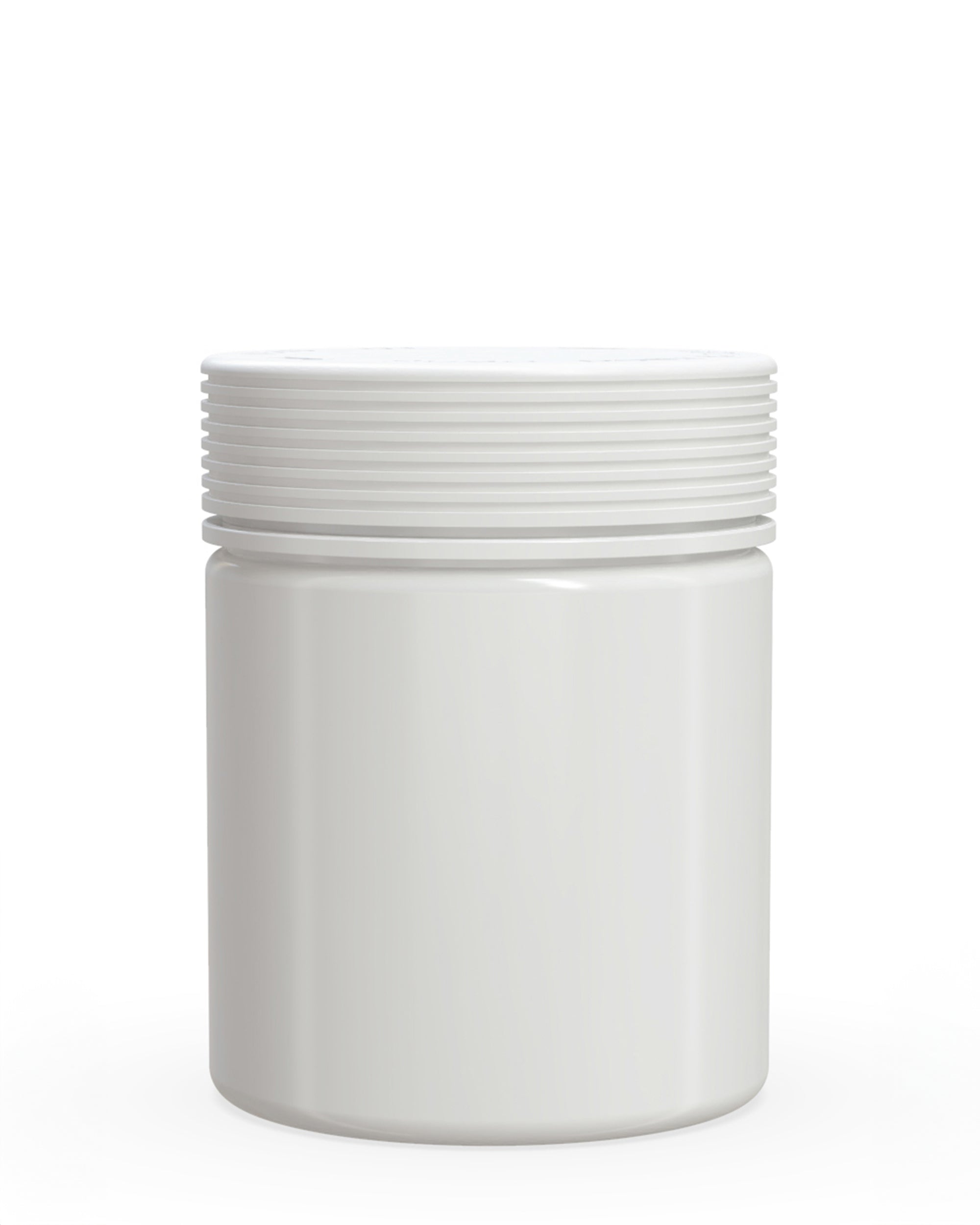
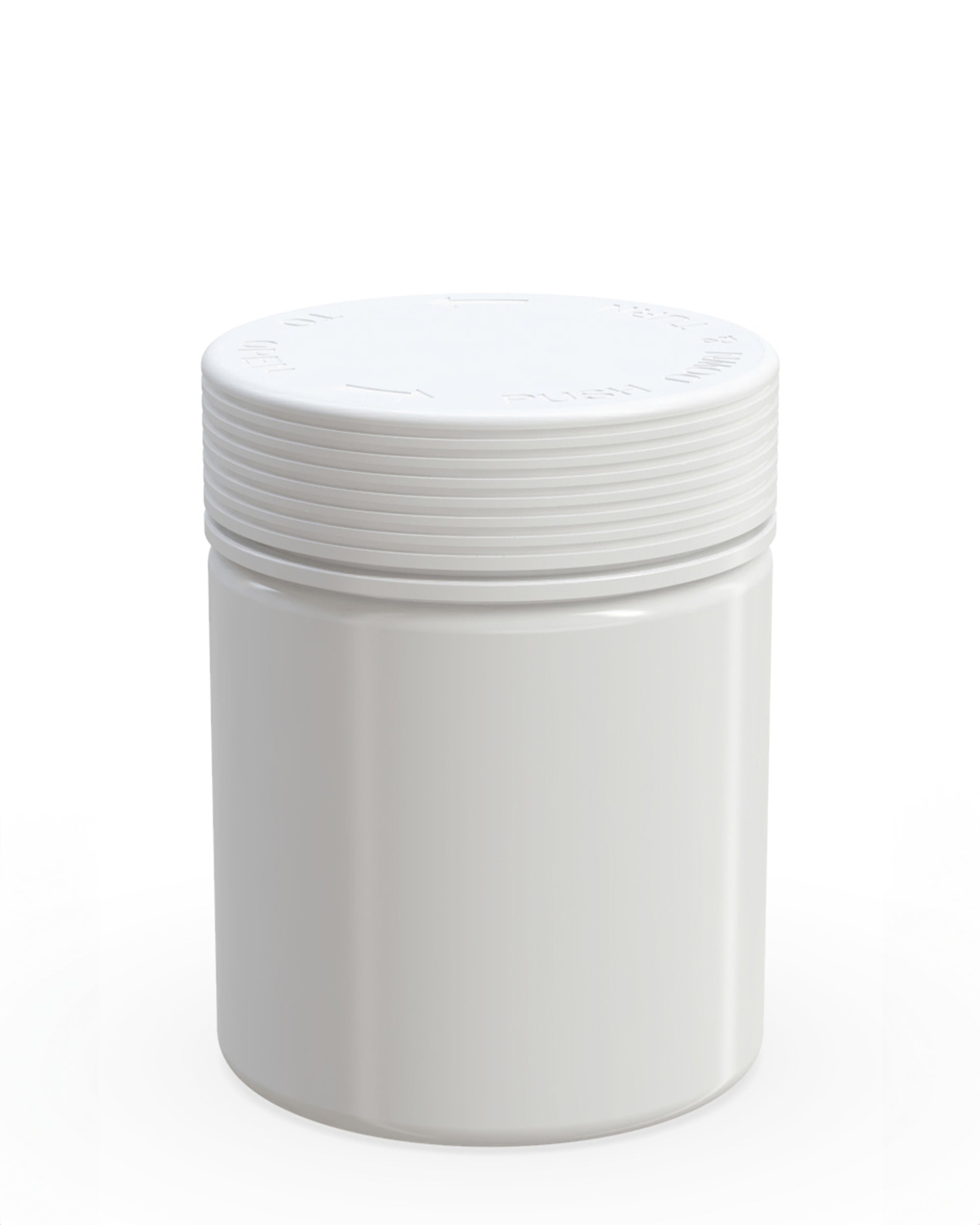
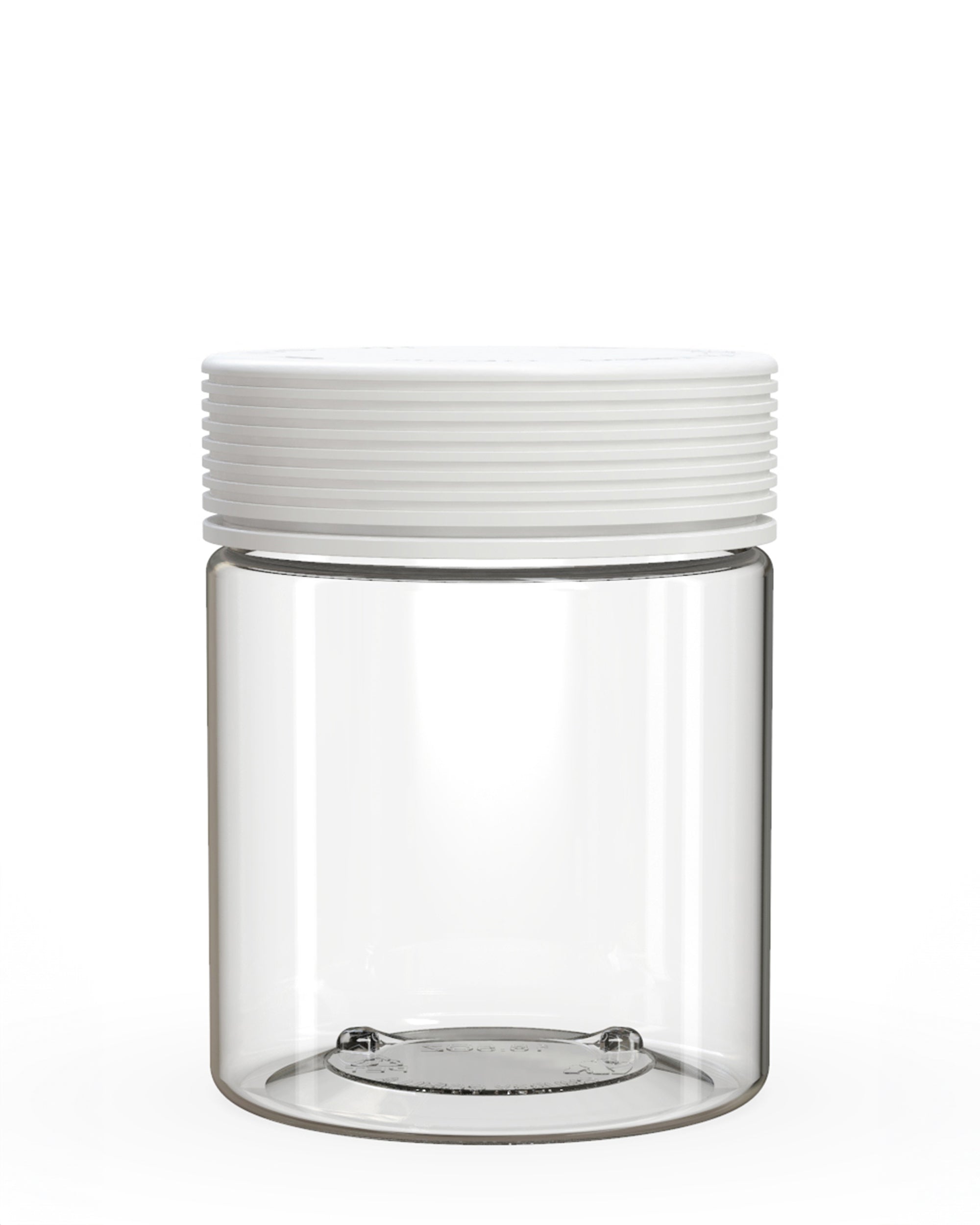
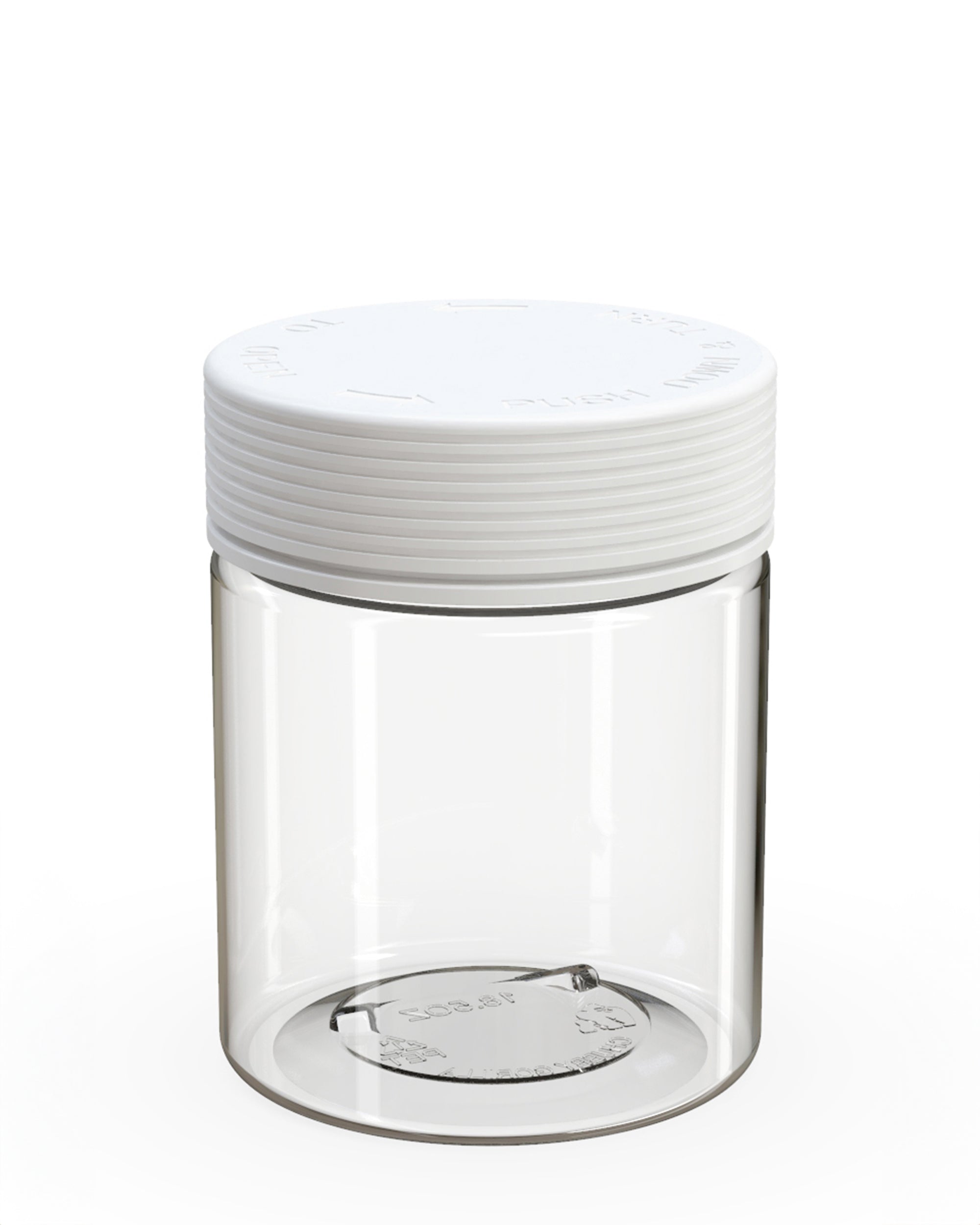
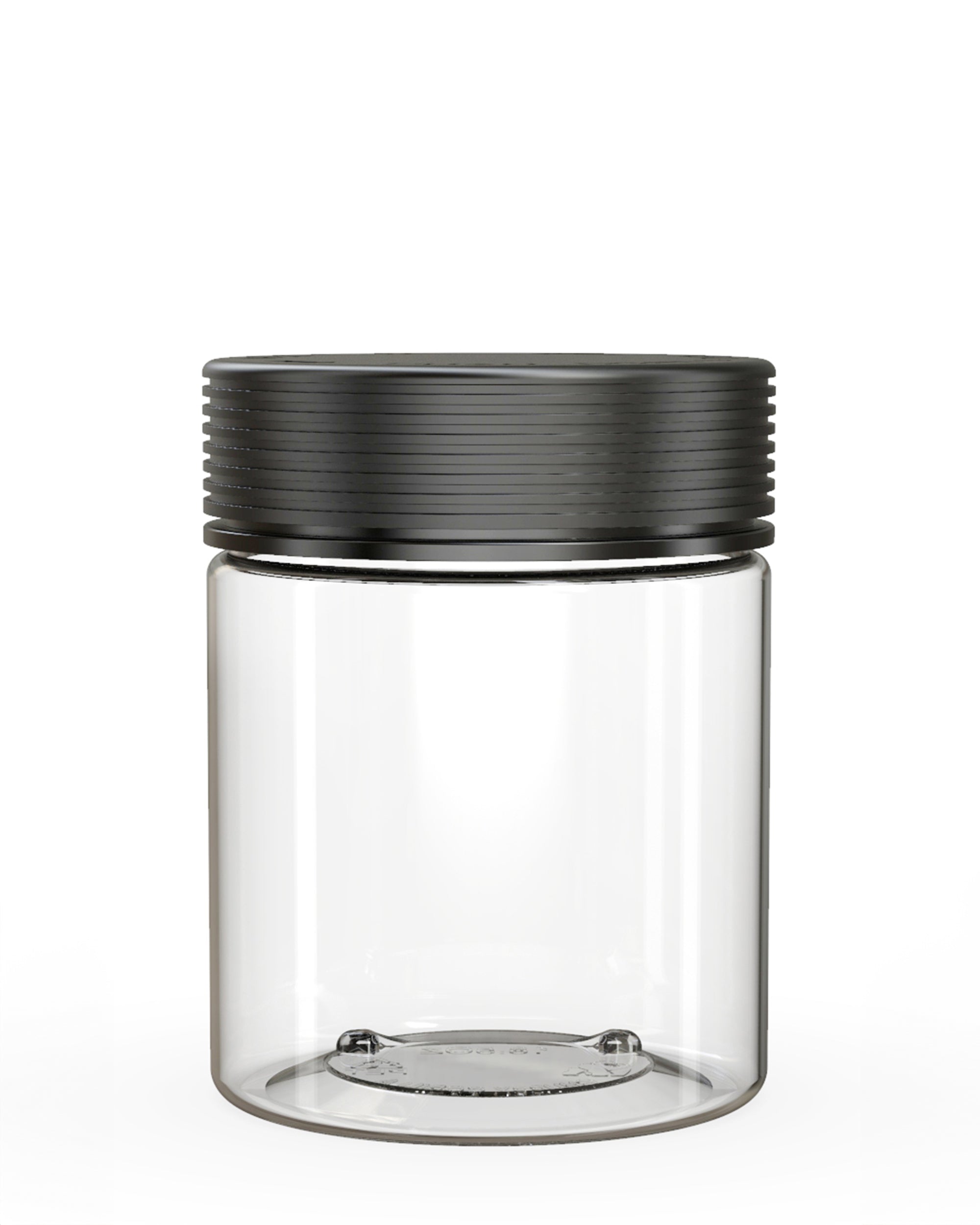
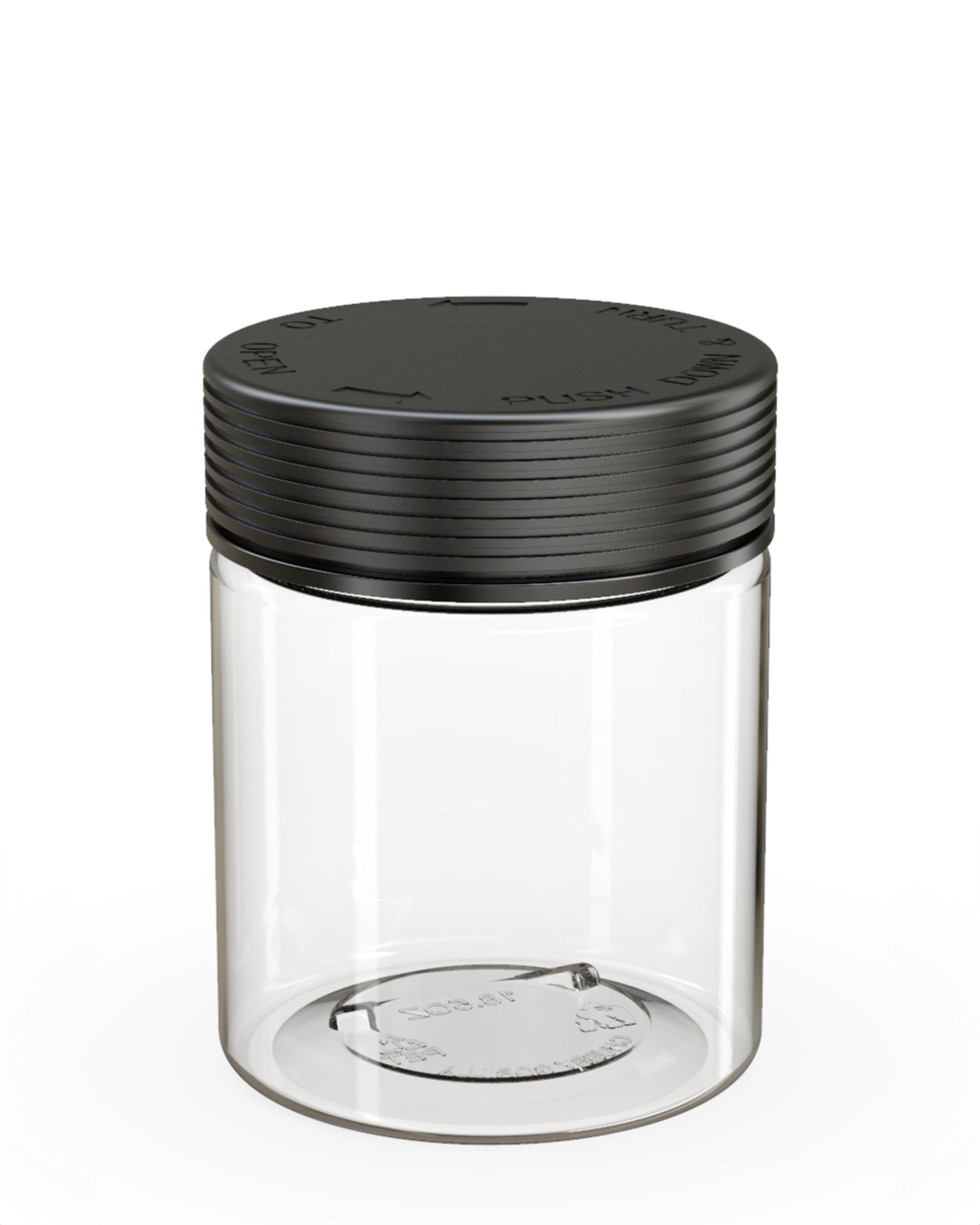
Vitamin jars represent a critical component in the nutraceutical industry, serving as both protective containers and brand ambassadors for supplement products. These specialized containers are designed to maintain product integrity while providing consumers with convenient access to daily health supplements. The right supplement jars can significantly impact brand perception, product shelf life, and consumer experience.
As the health supplement market continues to expand, manufacturers face increasing pressure to select packaging that aligns with both regulatory requirements and consumer preferences. Modern vitamin jars must balance functionality with aesthetic appeal, creating packaging solutions that stand out in competitive retail environments while maintaining product efficacy throughout its shelf life.
The global vitamin packaging market has evolved to address these complex needs, offering a diverse range of materials, closure systems, and design options. From moisture-resistant barriers to tamper-evident features, today's vitamin jars incorporate technological advancements that extend beyond basic containment functions.
Material Options for Vitamin Packaging: Plastic vs. Glass
When selecting containers for vitamin products, manufacturers must carefully consider material properties that affect product stability, consumer perception, and environmental impact. The two primary materials dominating the supplement packaging industry are plastic and glass, each offering distinct advantages for different product formulations.
Plastic Vitamin Jars
- High-density polyethylene (HDPE) provides excellent moisture barrier properties
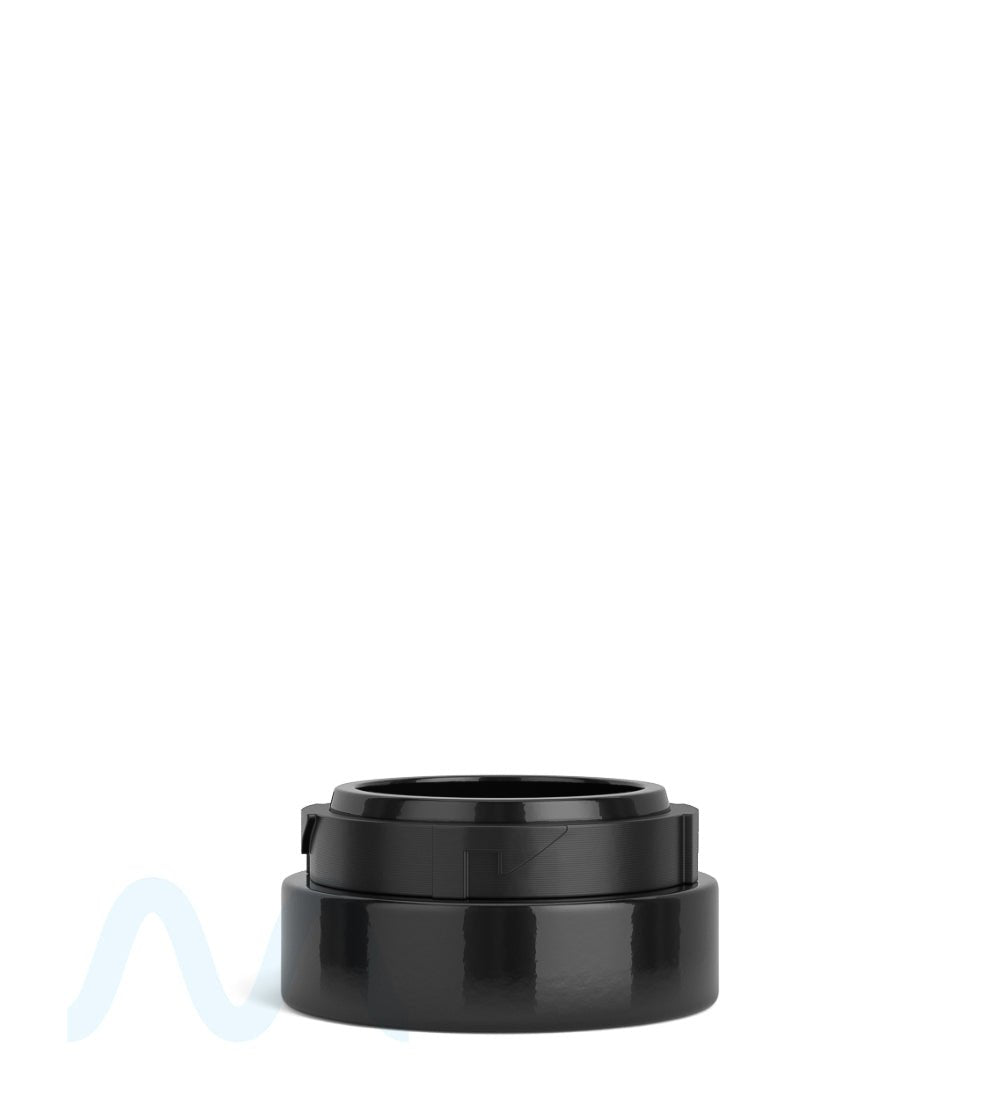
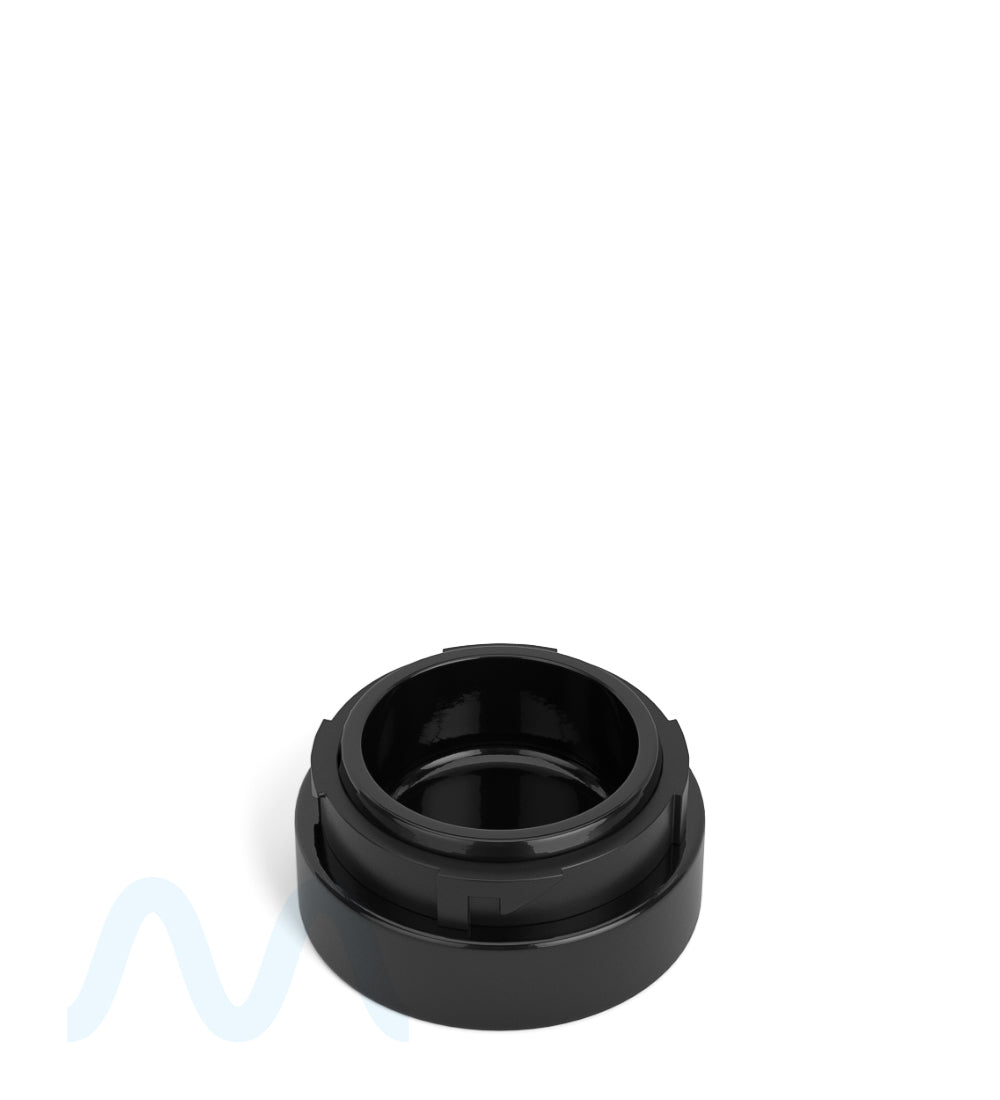
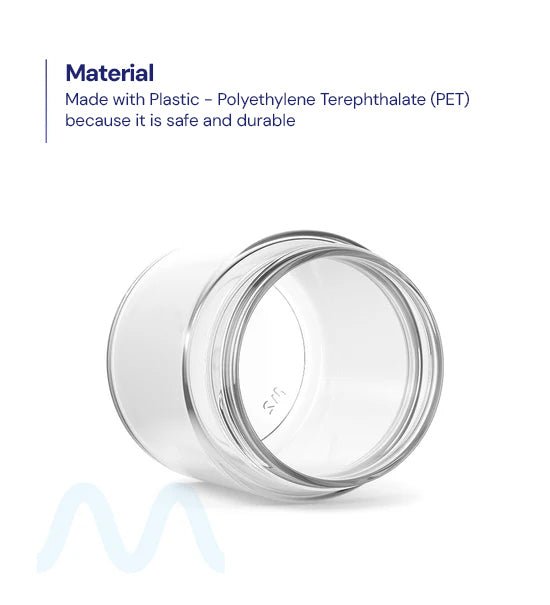
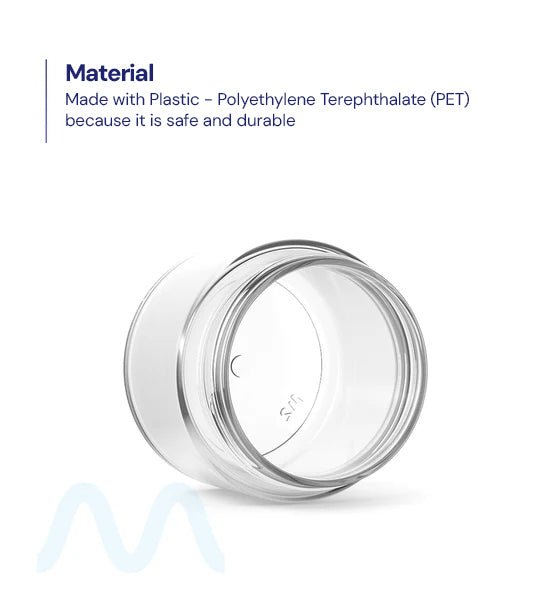
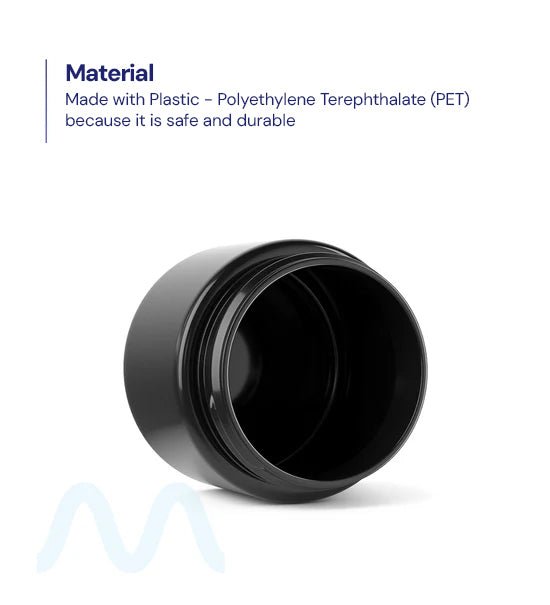
- Polyethylene terephthalate (PET) offers clarity similar to glass with reduced weight
- Polypropylene (PP) delivers chemical resistance ideal for reactive ingredients
- Cost-effective for high-volume production runs
- Lightweight design reduces shipping costs and carbon footprint
- Versatile customization options for shapes, colors, and closures
While plastic dominates the market due to its versatility and cost efficiency, many premium brands are turning to glass containers to convey quality and sustainability. Vitamin bottles made from glass provide superior barrier properties against moisture and oxygen, making them ideal for sensitive formulations that require maximum protection from environmental factors.
Glass Vitamin Containers
- Inert material prevents chemical interactions with active ingredients
- Superior oxygen barrier properties extend product shelf life
- Premium appearance enhances perceived value of the product
- Recyclable material appeals to environmentally conscious consumers
- Heavier weight conveys quality and substance
- Available in clear, amber, blue, and green tints for UV protection
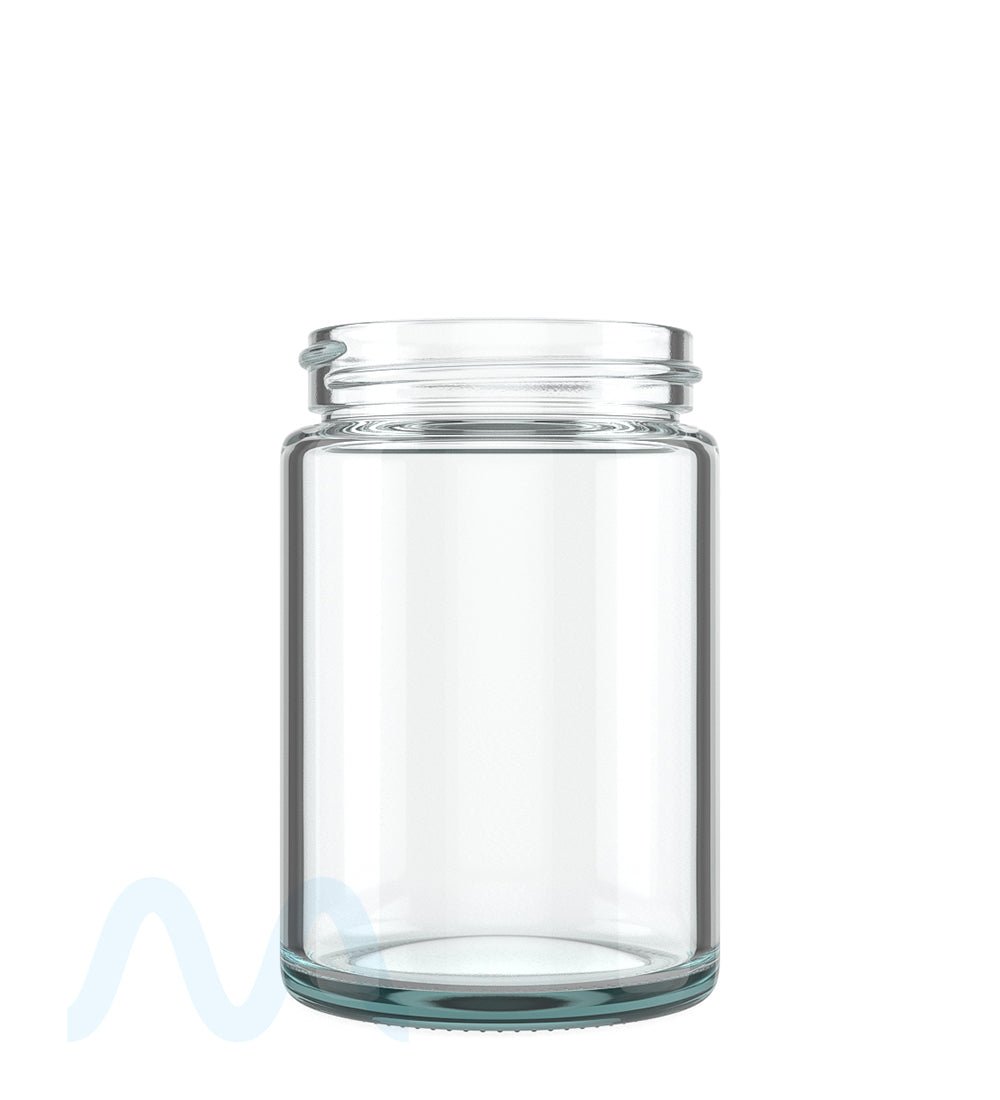
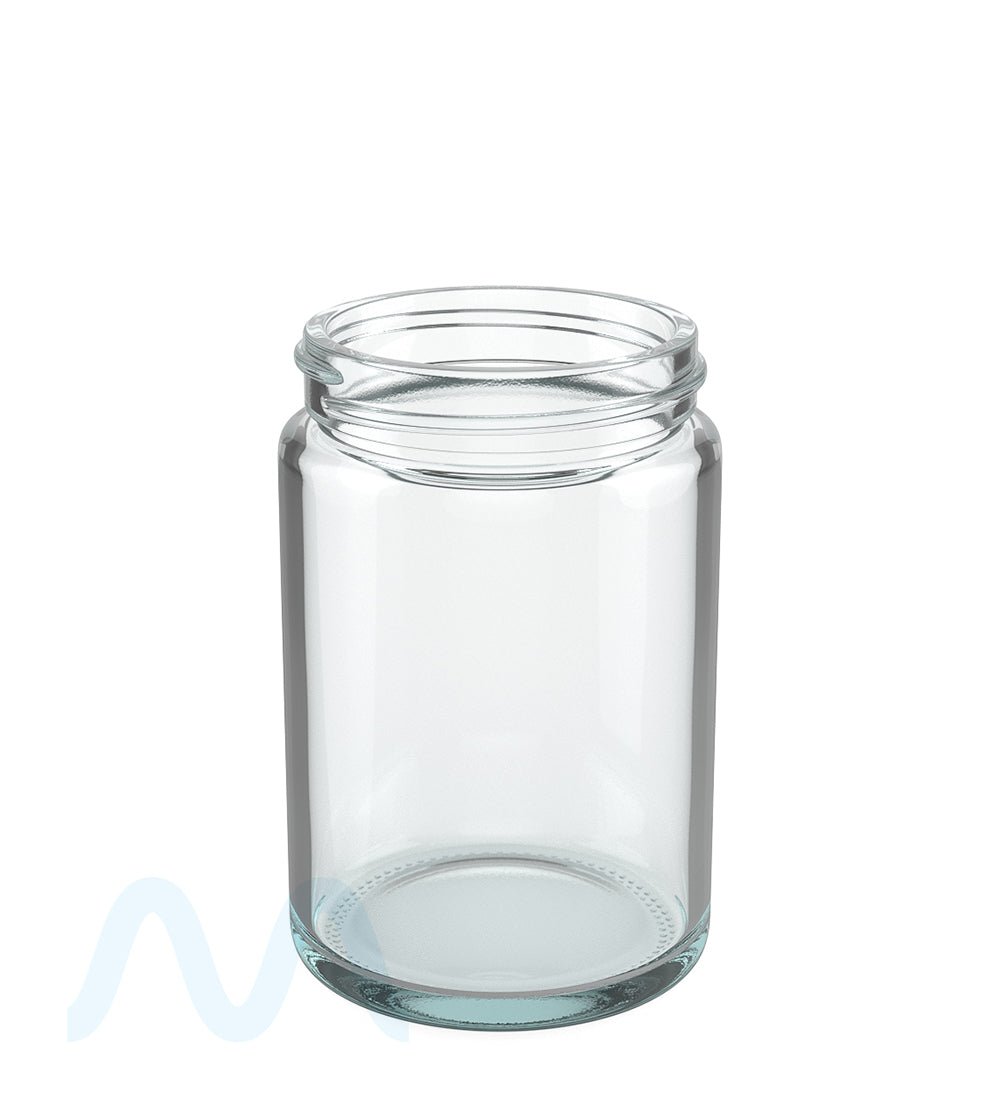
The choice between plastic and glass often depends on the specific requirements of the vitamin formulation. Products containing unstable compounds or those sensitive to light exposure may benefit from amber glass, while vitamins marketed as premium supplements often utilize clear glass to showcase the product. For brands prioritizing sustainability alongside protection, health and wellness packaging solutions now include hybrid options that combine the benefits of multiple materials.
Design Features That Enhance Supplement Jars Functionality
Beyond material selection, vitamin jars incorporate numerous design features that enhance functionality, compliance, and user experience. These engineering elements address specific challenges in the supplement industry while providing brands with opportunities for differentiation.
Closure Systems
The closure system represents one of the most critical components of vitamin jar design. Modern supplement bottles feature various closure options including:
- Child-resistant caps that prevent unauthorized access while remaining accessible for adults
- Induction-sealed liners that provide tamper evidence and moisture protection
- Flip-top caps that facilitate one-handed operation for convenience
- Desiccant-integrated closures that actively control moisture levels
- Dispensing caps that deliver precise dosing for liquid supplements
These closure systems must balance security with accessibility, ensuring that products remain protected during distribution while allowing convenient access for the end user. For brands targeting senior demographics, easy-open features may take precedence, while products marketed to households with children prioritize safety mechanisms.
Size and Shape Considerations
The dimensions of vitamin jars significantly impact shelf presence, perceived value, and practical considerations such as dosage quantity and frequency. Standard sizes in the industry include:
- 30-count containers for monthly supply vitamins
- 60-count jars for bi-monthly supplements
- 90-count bottles for quarterly supply programs
- 120-count and larger containers for high-volume users or families
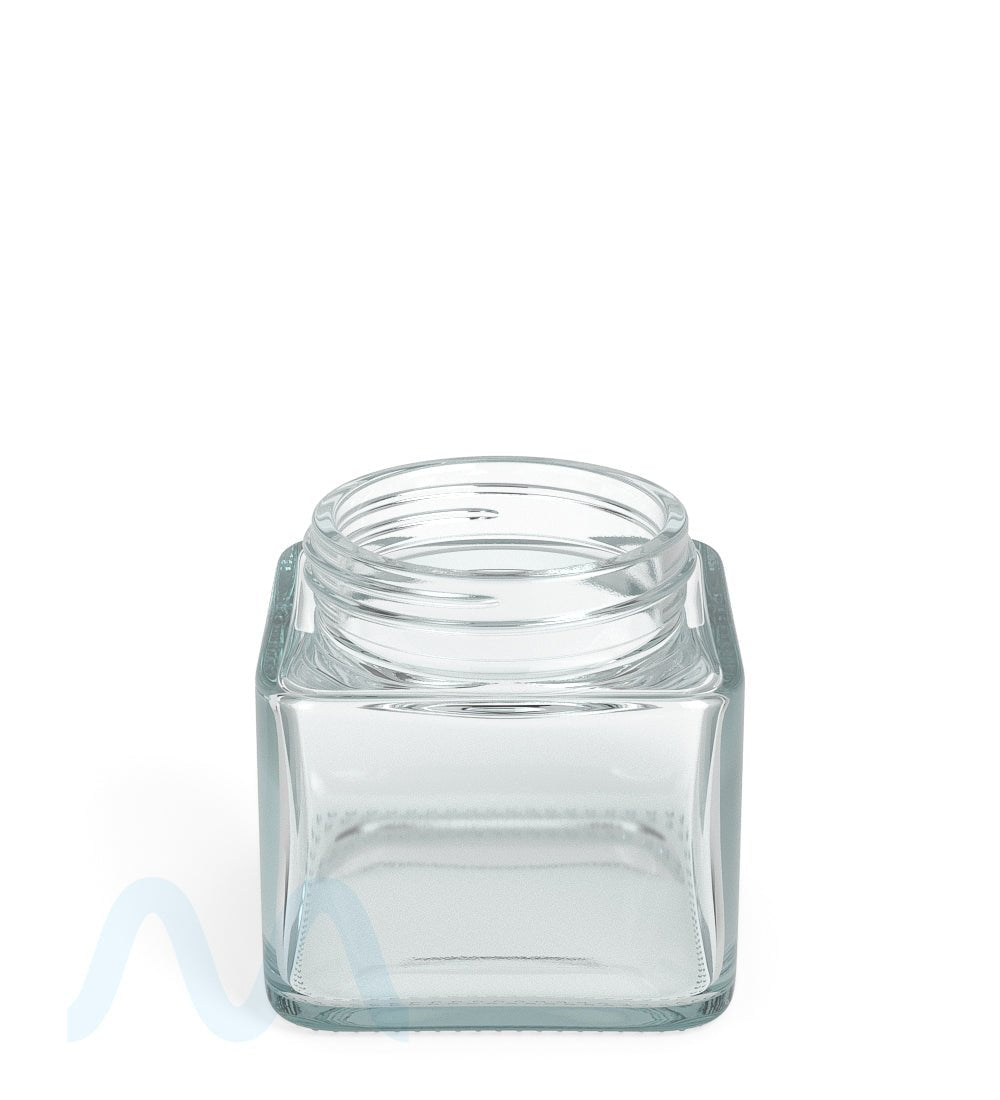
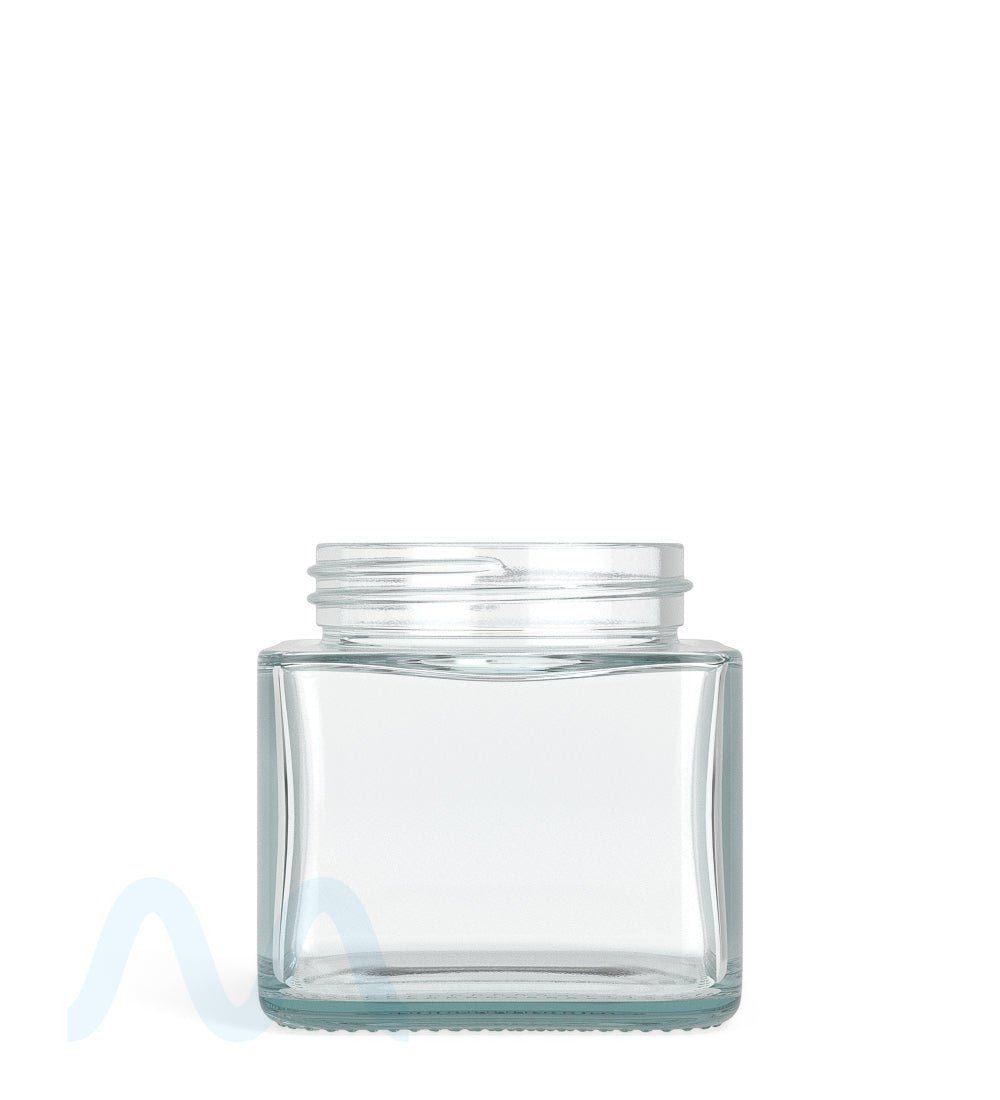
While cylindrical jars remain the industry standard, innovative shapes can create distinctive brand recognition. Square or rectangular containers maximize shelf space efficiency, while custom shapes can become signature elements of brand identity. For brands seeking alternative formats, vitamin pouches provide a flexible packaging option that reduces material usage while maintaining barrier properties.
Compliance Requirements for Vitamin Containers
Vitamin jars must comply with various regulatory standards that govern the packaging of dietary supplements. These requirements vary by region but generally address safety, information disclosure, and product protection. Understanding these regulations is essential for brands entering or expanding in the supplement market.
FDA Compliance for Supplement Packaging
In the United States, the Food and Drug Administration establishes guidelines for supplement packaging through various regulations:
- Current Good Manufacturing Practices (cGMP) requirements for packaging materials
- Labeling regulations specifying information placement and content
- Child-resistant packaging requirements for certain ingredients
- Material safety standards for food-contact surfaces
Compliance with these regulations requires careful selection of nutraceutical packaging materials and design features. Manufacturers must maintain documentation demonstrating that their vitamin jars meet applicable standards, including material certifications and testing results.
International Considerations
For brands distributing globally, vitamin jar designs must accommodate international regulatory requirements, which may include:
- European Union regulations on food contact materials
- Country-specific labeling requirements and languages
- Varying child-resistant closure standards
- Sustainability mandates and extended producer responsibility
Working with packaging suppliers experienced in supplement packaging can help navigate these complex regulatory landscapes. Many manufacturers now offer standardized solutions designed to meet requirements across multiple markets, simplifying compliance for international brands.
Sustainable Packaging Trends Transforming the Vitamin Industry
As environmental concerns increasingly influence consumer purchasing decisions, the vitamin industry is embracing sustainable packaging innovations. These advancements allow brands to reduce environmental impact while maintaining the protective properties essential for supplement preservation.
Eco-Friendly Material Innovations
The latest generation of vitamin jars incorporates various sustainable materials and technologies:
- Post-consumer recycled (PCR) plastic containing up to 100% recycled content
- Bioplastics derived from renewable resources such as sugarcane or corn
- Biodegradable additives that accelerate decomposition in landfill conditions
- Glass containers with increased recycled content percentages
- Lightweight designs that reduce material usage and transportation emissions
These innovations allow brands to maintain product protection while addressing consumer demand for environmentally responsible packaging. For products with specific barrier requirements, hybrid solutions combining sustainable materials with high-performance barriers offer an effective compromise.
Beyond the primary container, brands are also reconsidering secondary packaging elements. Traditional supplement packaging often includes boxes, inserts, and shrink bands that generate additional waste. Progressive brands are eliminating unnecessary components or transitioning to recyclable alternatives, creating streamlined packaging systems that minimize environmental impact while maximizing shelf impact.
The future of vitamin jars will likely see continued innovation in material science, with biodegradable and compostable options becoming increasingly viable for mainstream applications. As supplement pouch bags and flexible packaging formats gain market share, traditional jar manufacturers are responding with hybrid designs and refillable systems that combine the benefits of rigid and flexible packaging.
For brands looking to make a meaningful sustainability impact, partnering with packaging suppliers that offer comprehensive environmental programs can provide valuable guidance. From material selection to end-of-life considerations, these partnerships help create vitamin packaging solutions that protect both products and the planet, positioning brands for success in an increasingly eco-conscious marketplace.