


Supplement Jars












Learn About Supplement Jars
Learn About Supplement Jars
Table of Contents
Supplement Jars for Product Integrity
Supplement jars serve as the first line of defense in preserving product efficacy and shelf appeal in the competitive health and wellness market. These specialized containers are designed to protect sensitive ingredients from environmental factors that can compromise potency and freshness. For brands in the nutraceutical space, selecting the right jars for supplements is a critical decision that impacts both product integrity and consumer perception.
The global dietary supplement market continues to expand rapidly, with packaging solutions evolving to meet increasing demands for functionality and sustainability. Supplement packaging must balance preservation requirements with brand visibility and regulatory compliance, making jar selection a multifaceted consideration for manufacturers.
Modern health supplement jars offer advanced barrier properties that protect against moisture, oxygen, light, and contamination. These protective features are essential for maintaining the efficacy of active ingredients that might otherwise degrade when exposed to environmental factors. For products containing probiotics, enzymes, or certain vitamins, this protection can directly impact therapeutic value and shelf life.
Material Options for Health Supplement Jars
When selecting jars for dietary supplements, manufacturers must consider both functional requirements and brand positioning. The material choice affects everything from preservation capabilities to perceived value and sustainability credentials.
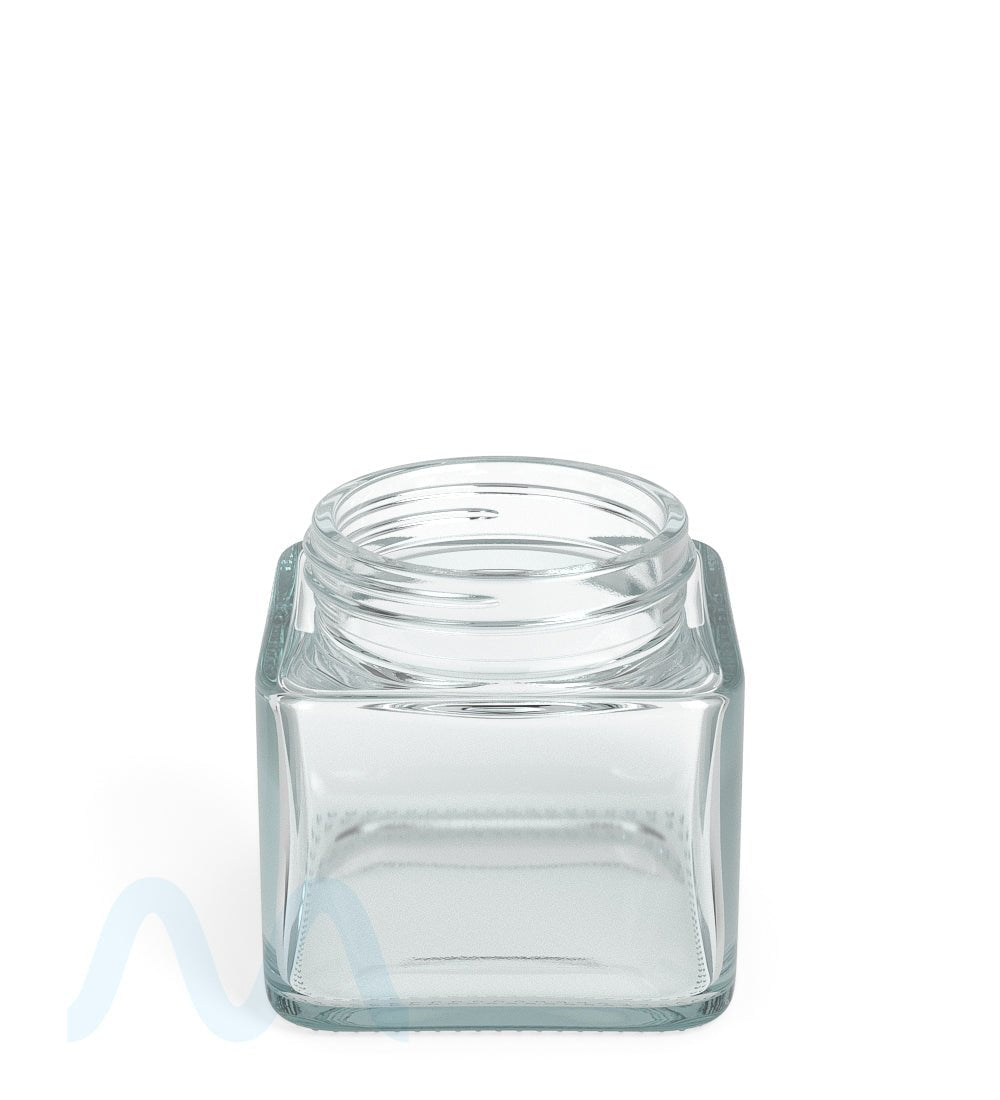
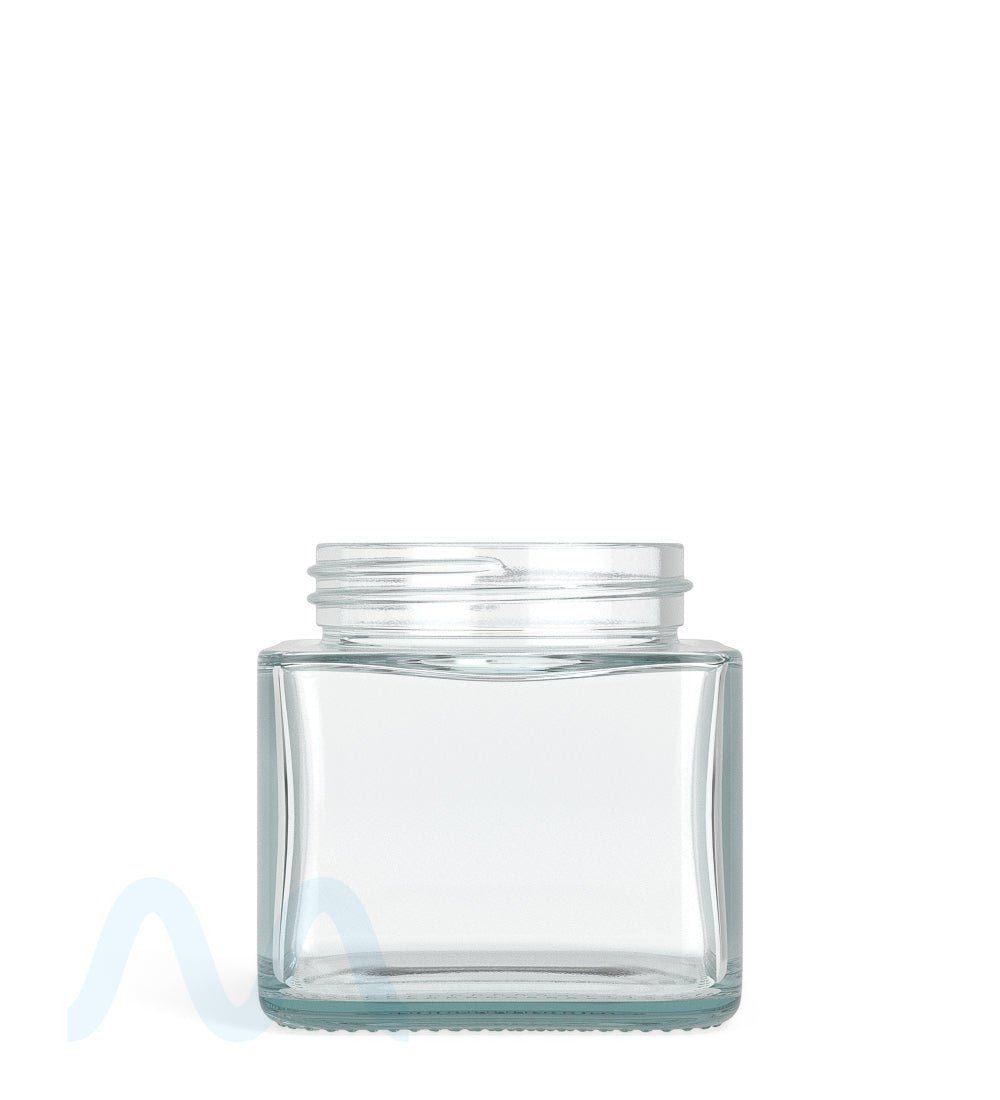
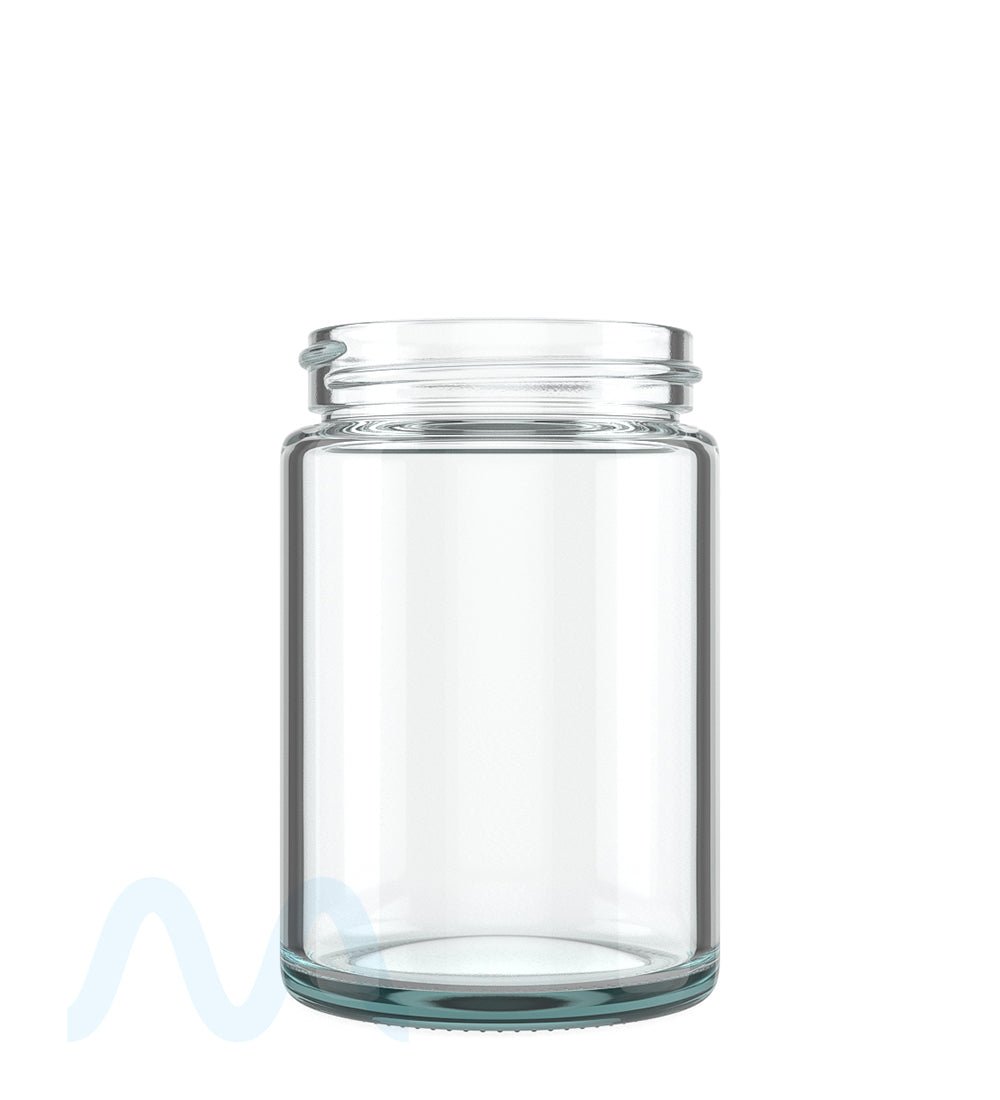
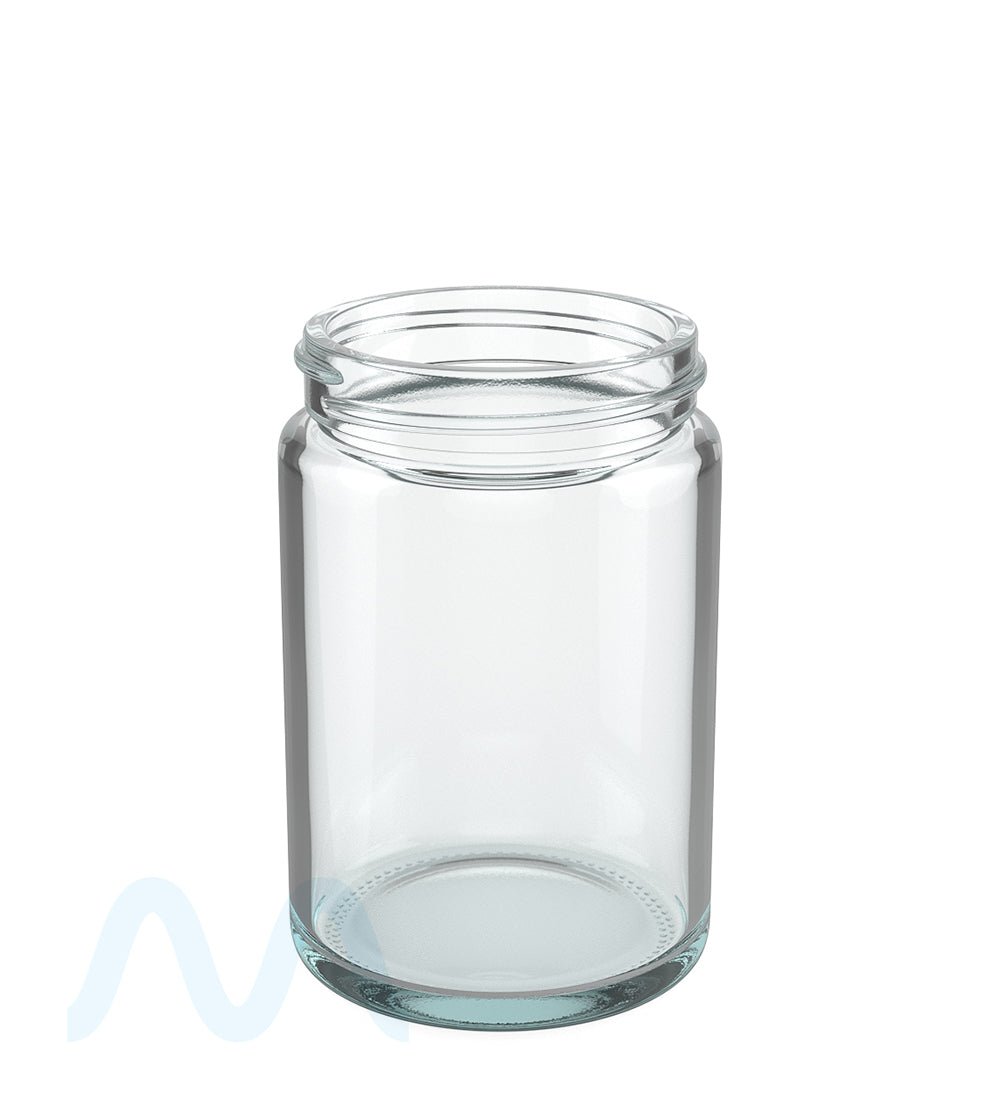
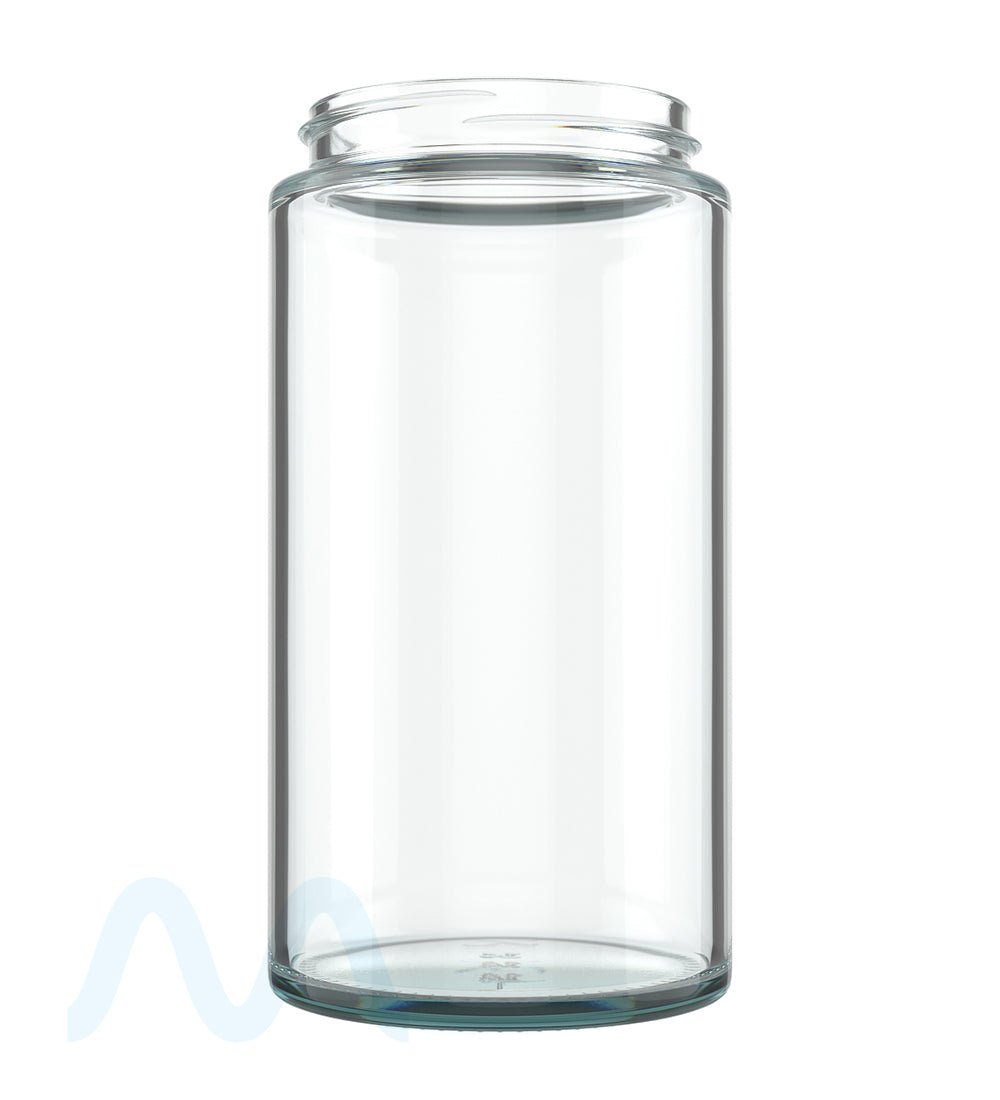
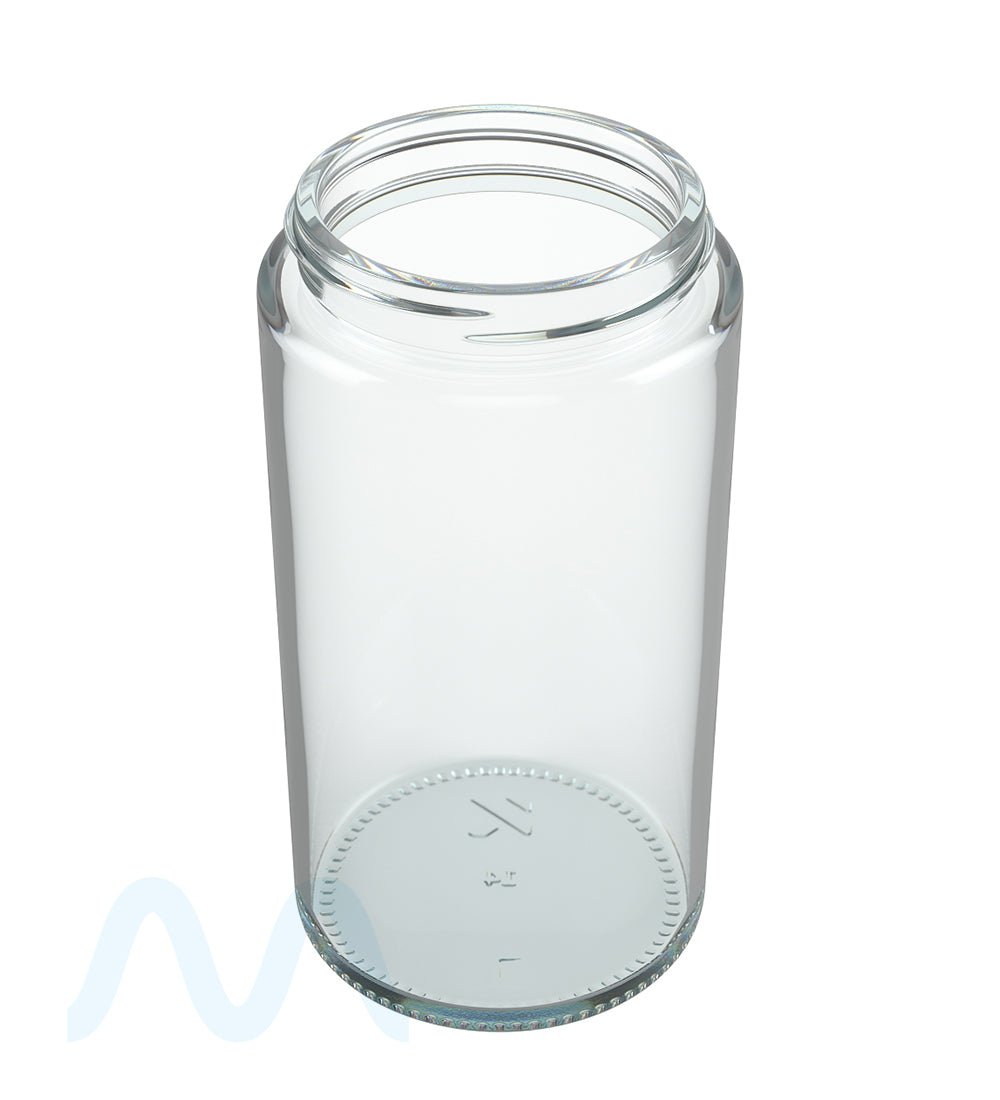
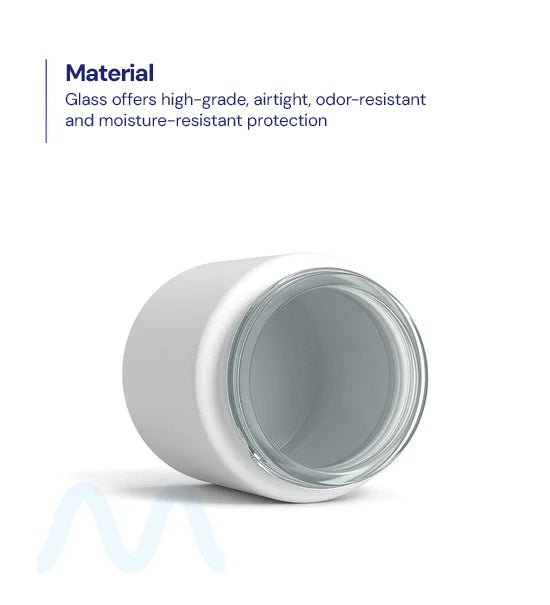
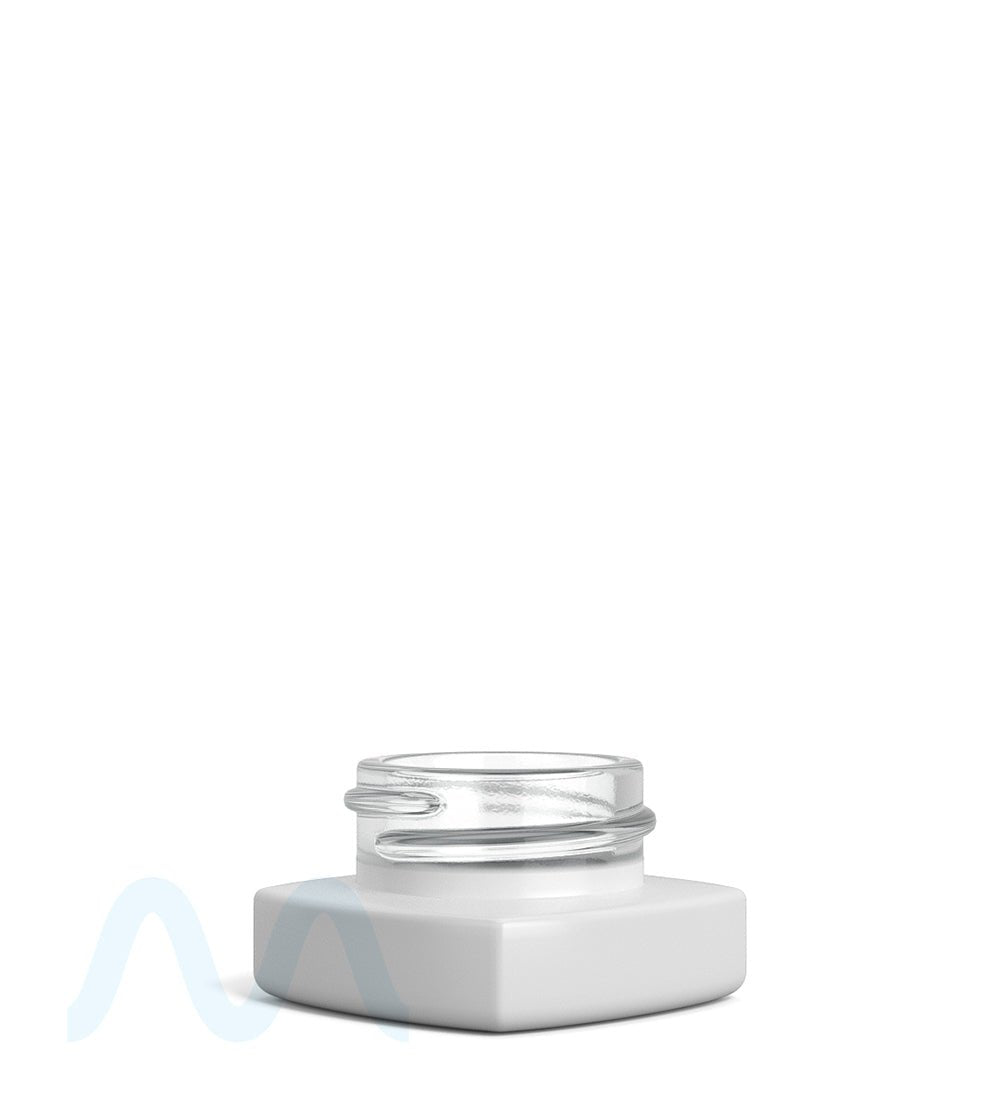
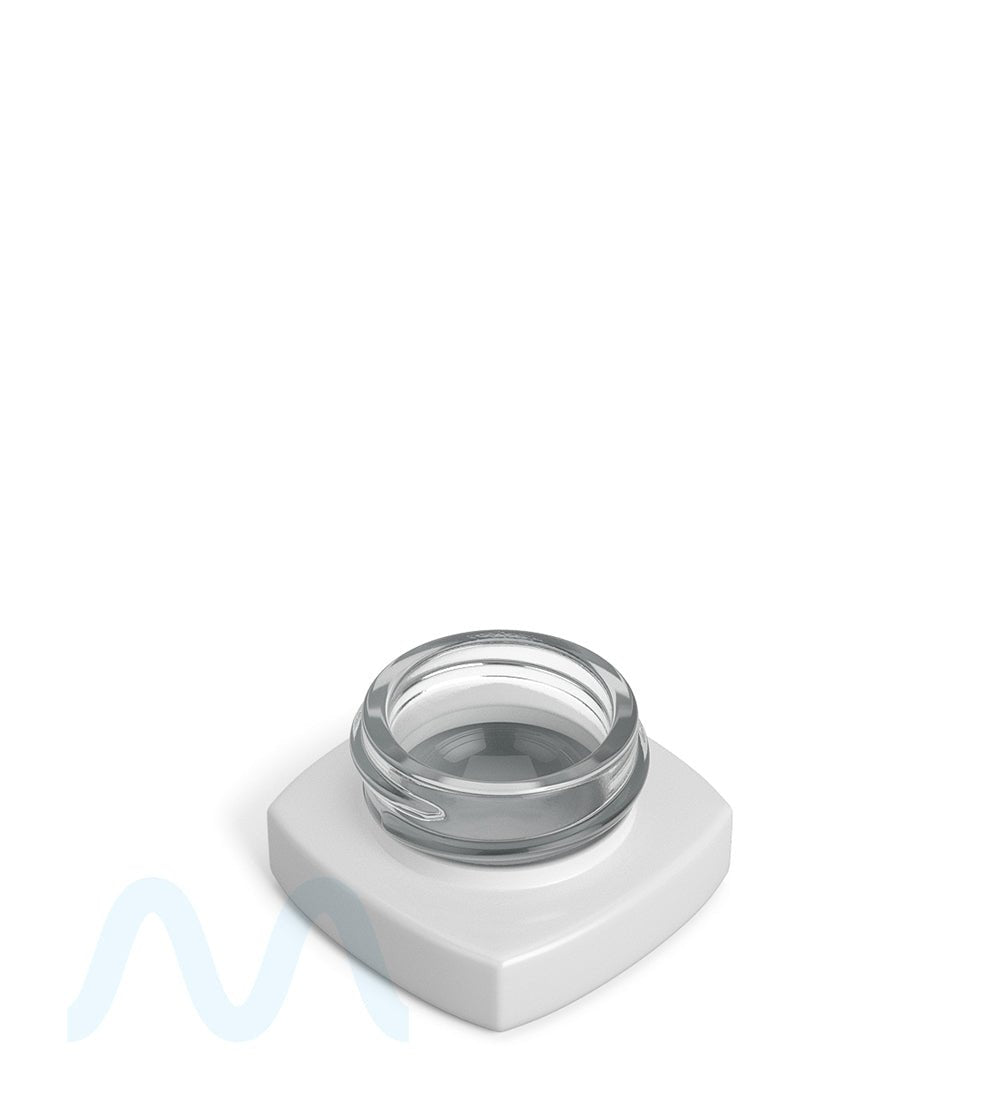
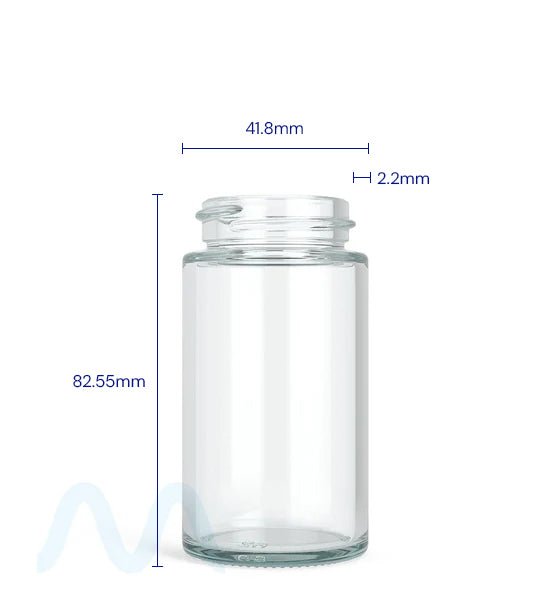
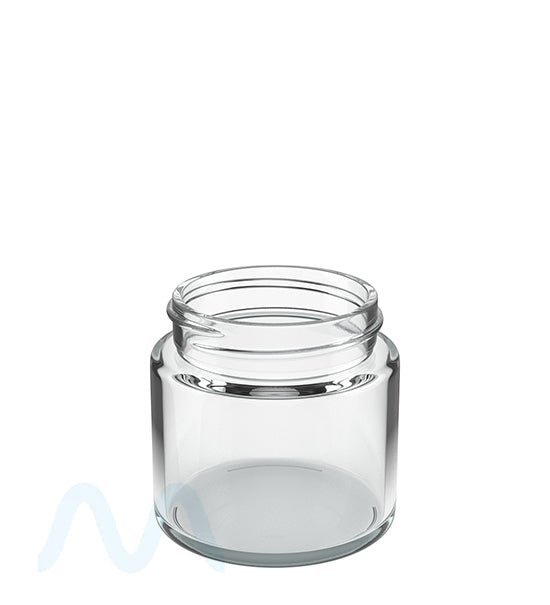
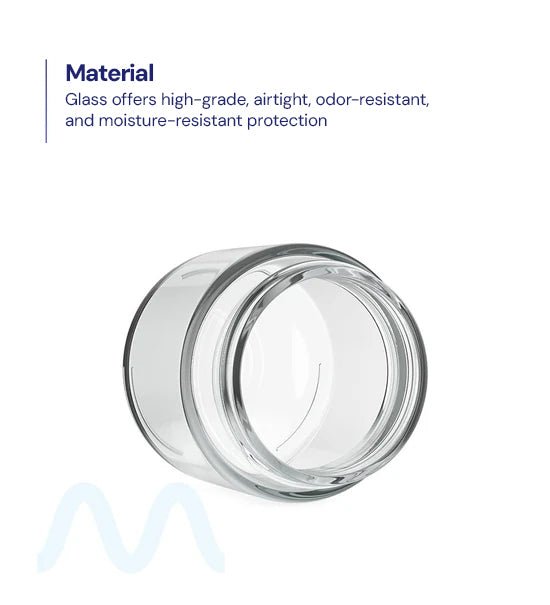
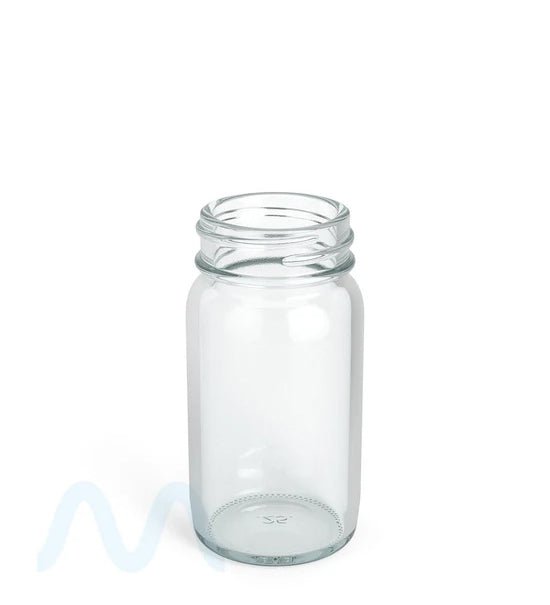
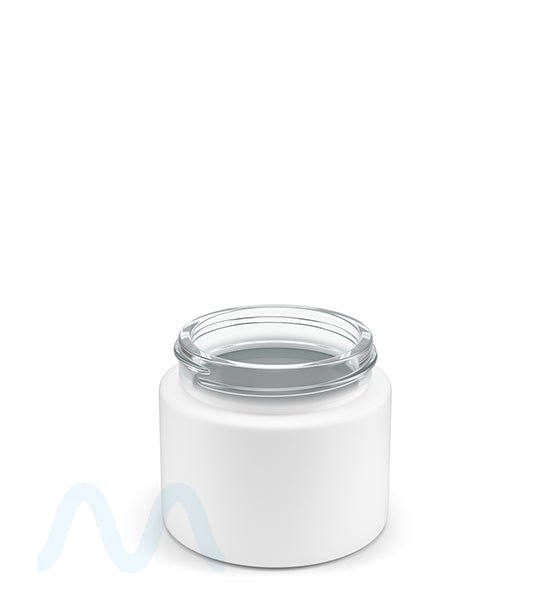
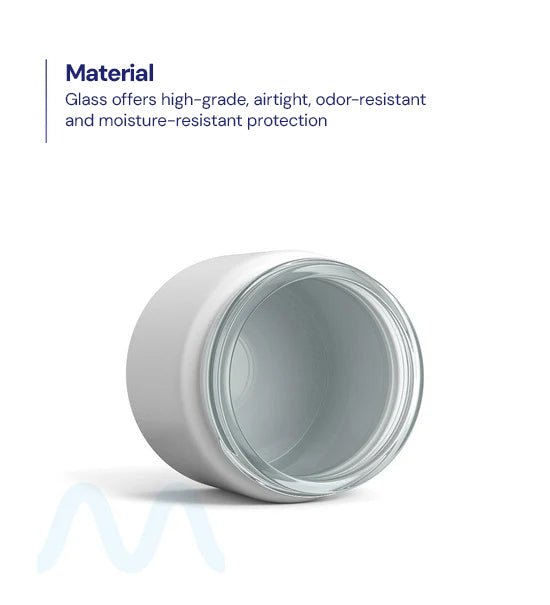
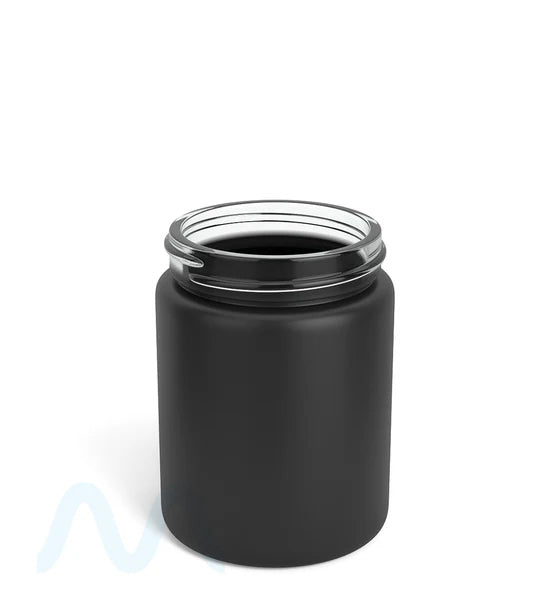
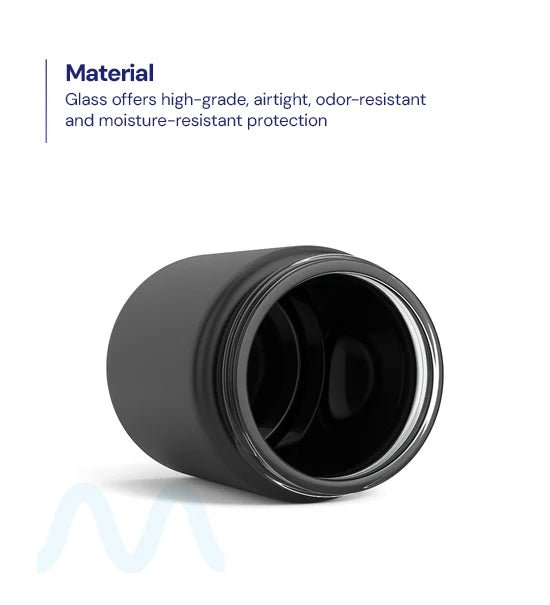
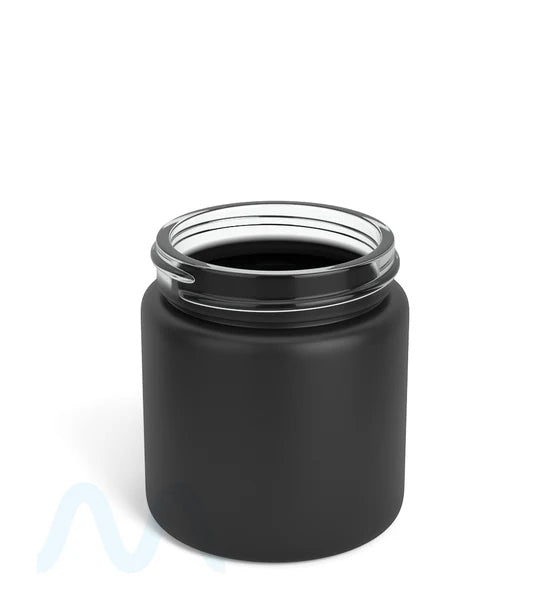
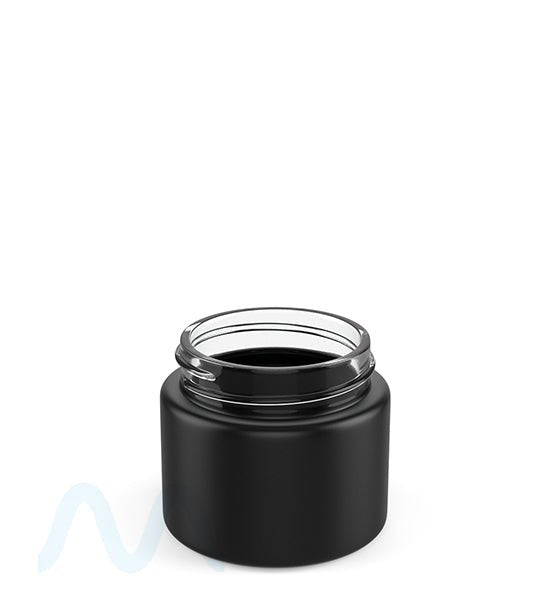
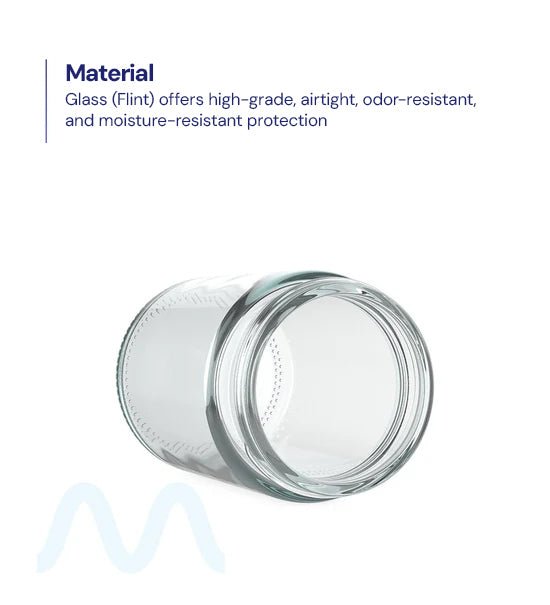
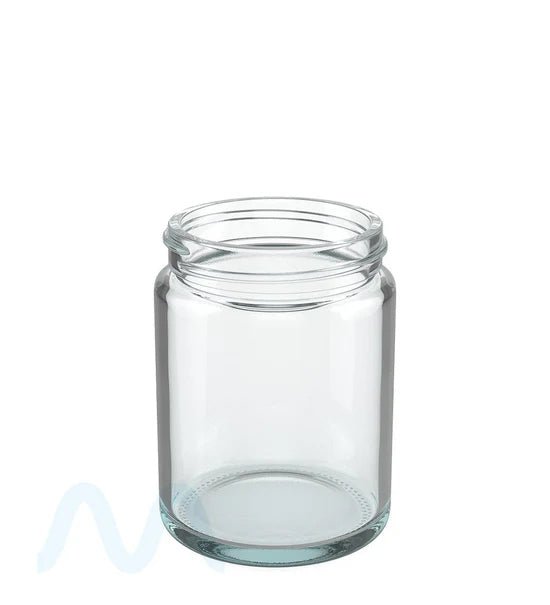
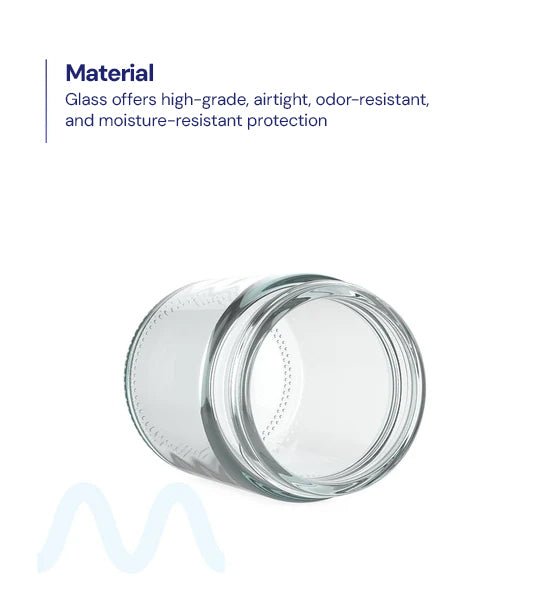
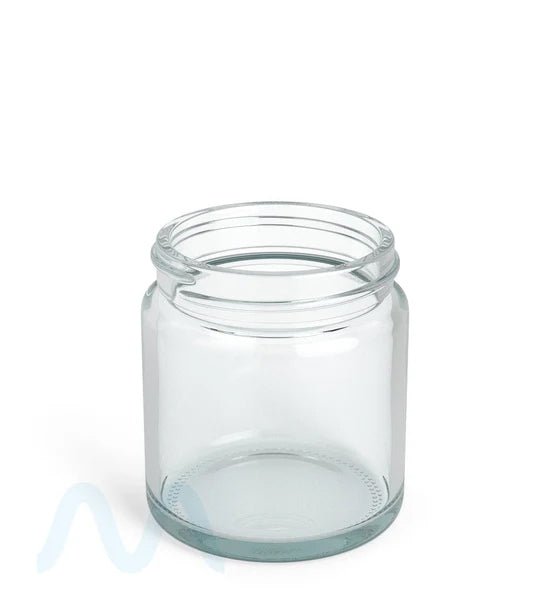
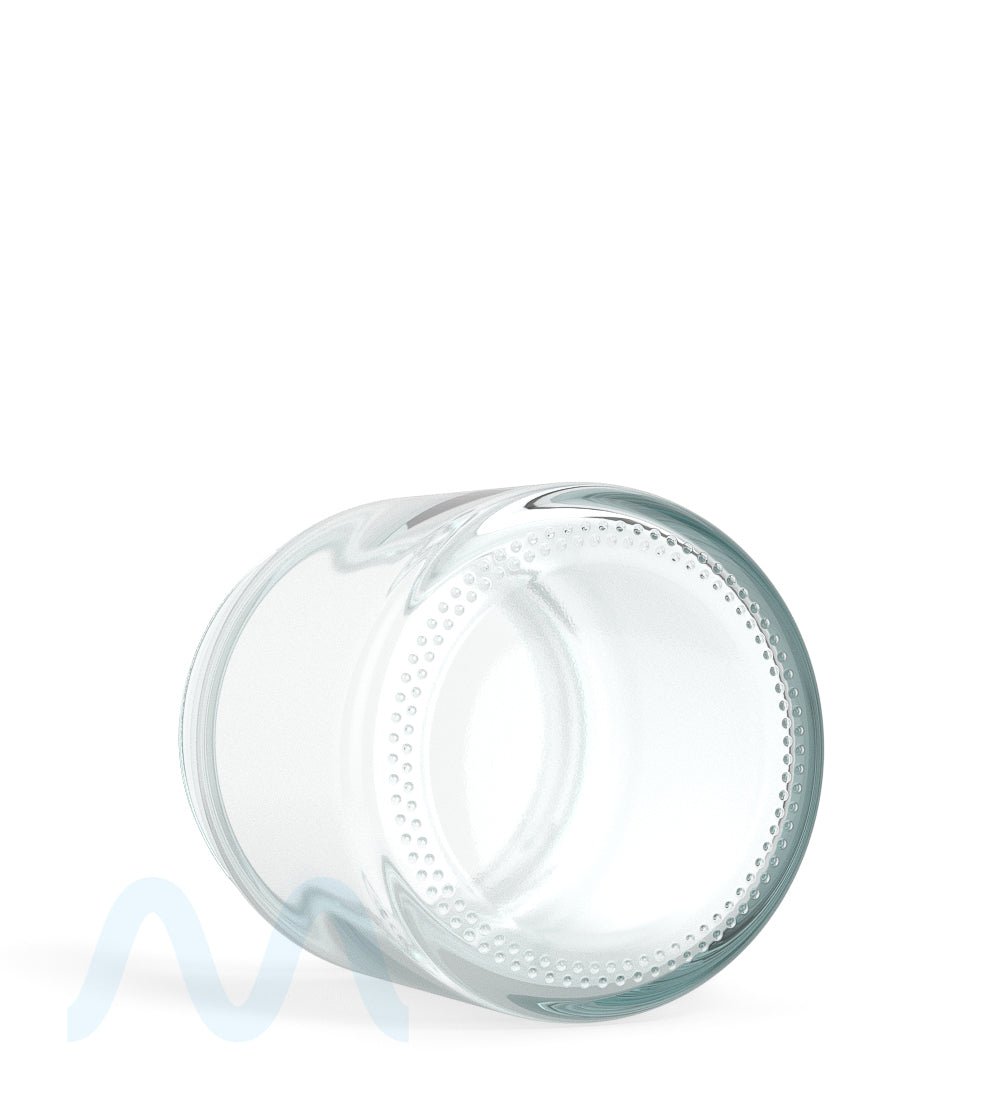
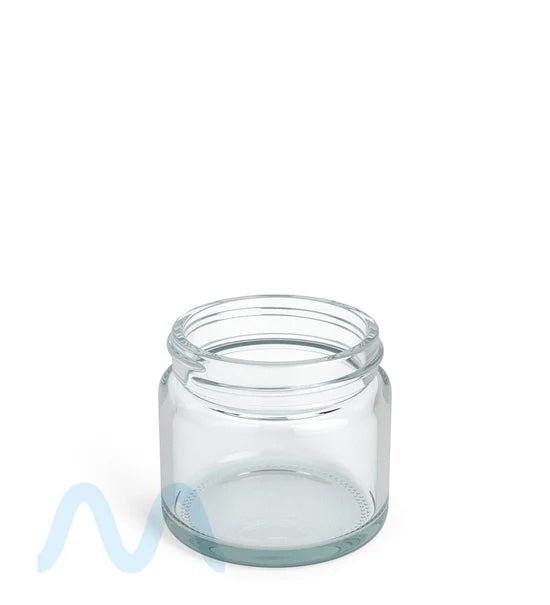
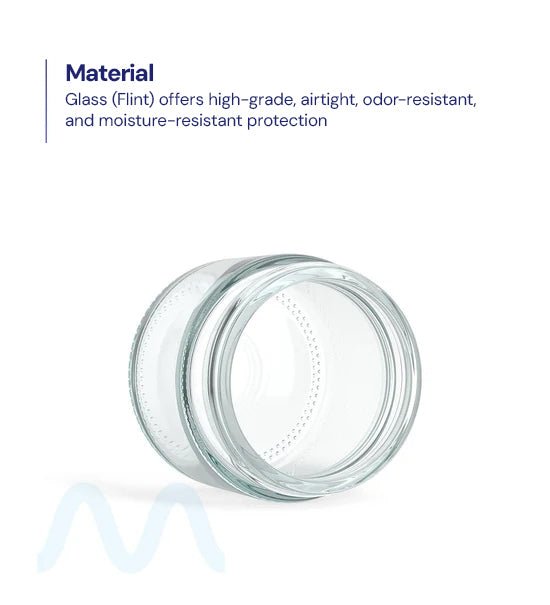
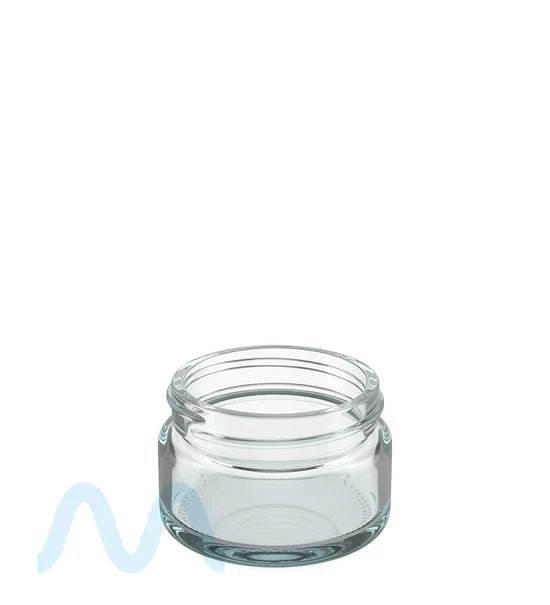
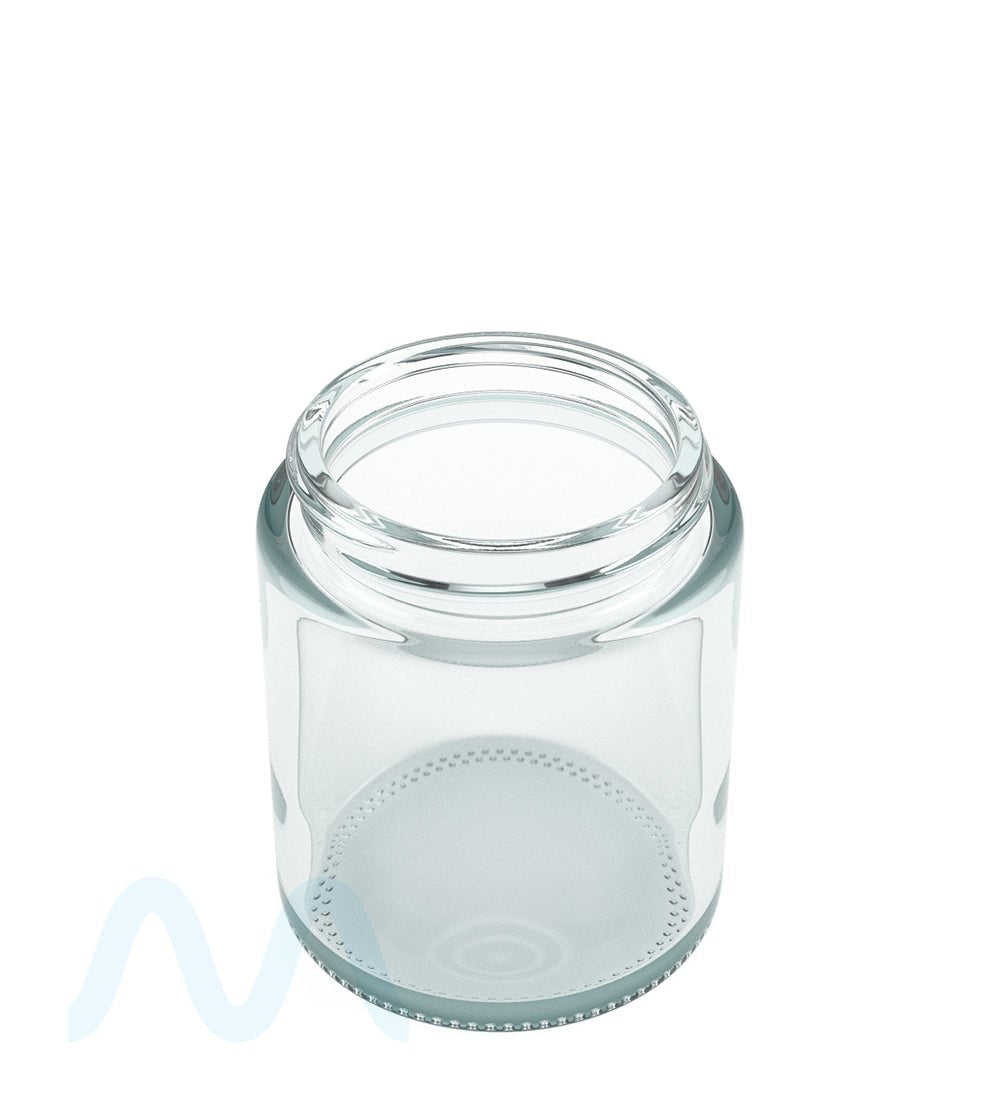
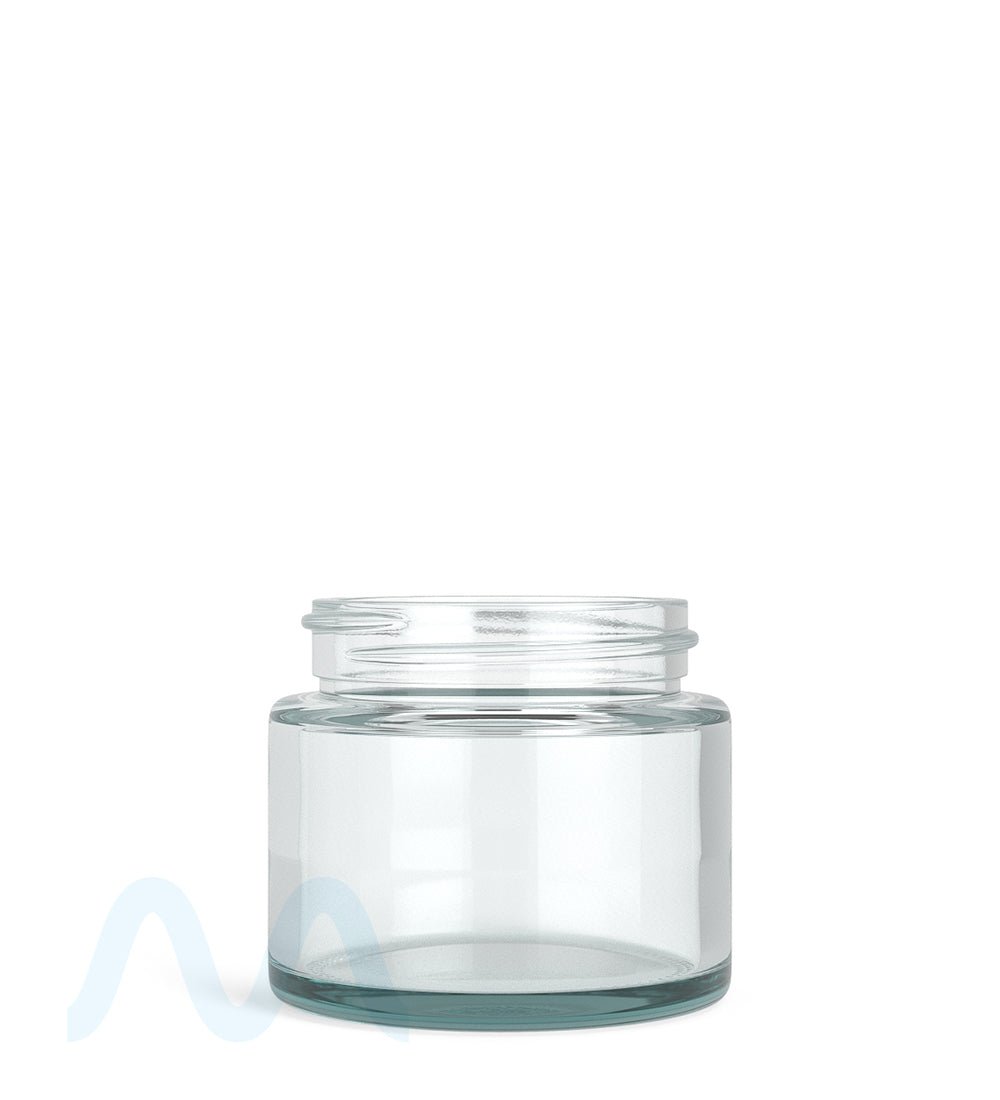
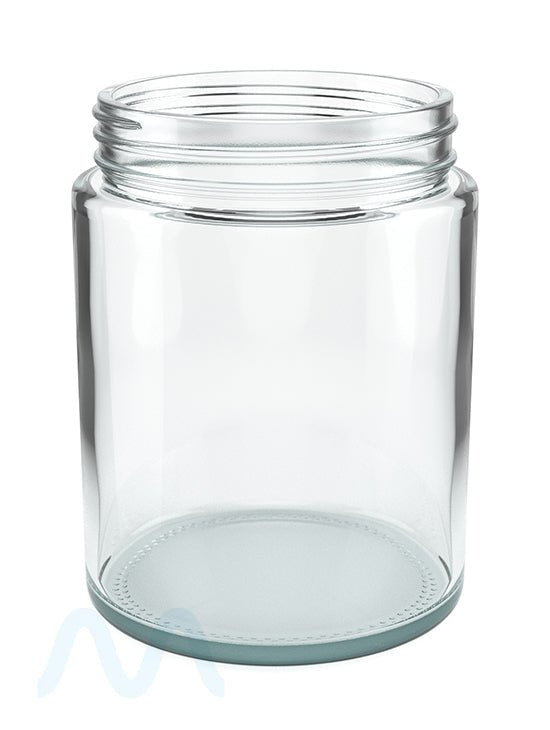
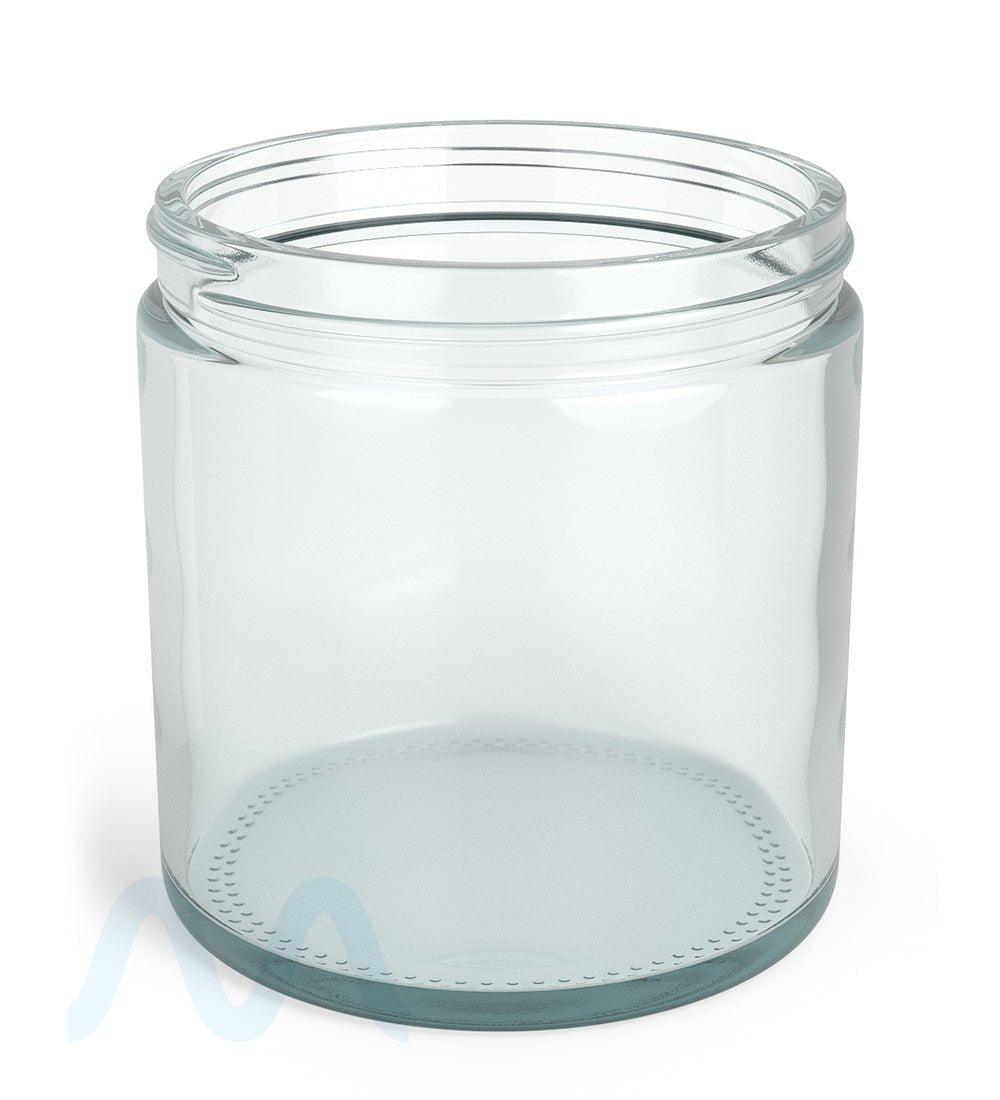
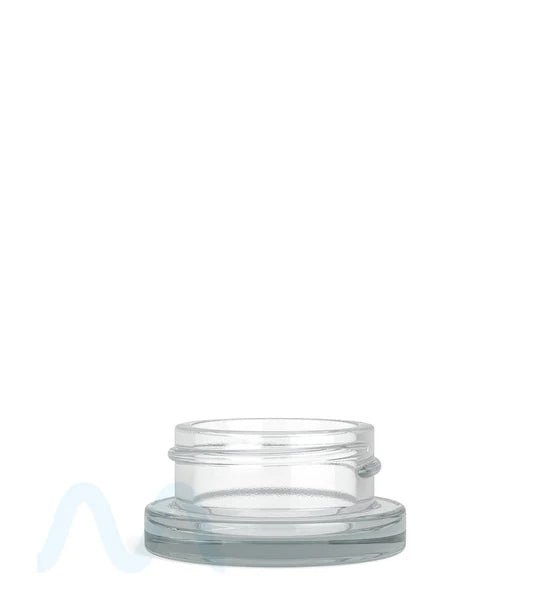
Glass Supplement Jars
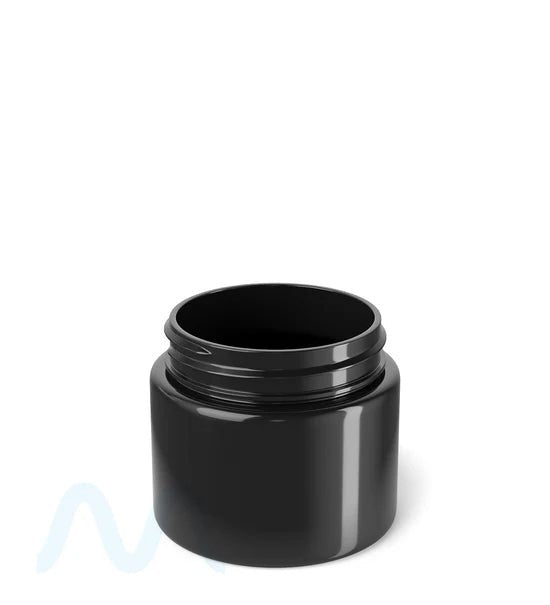
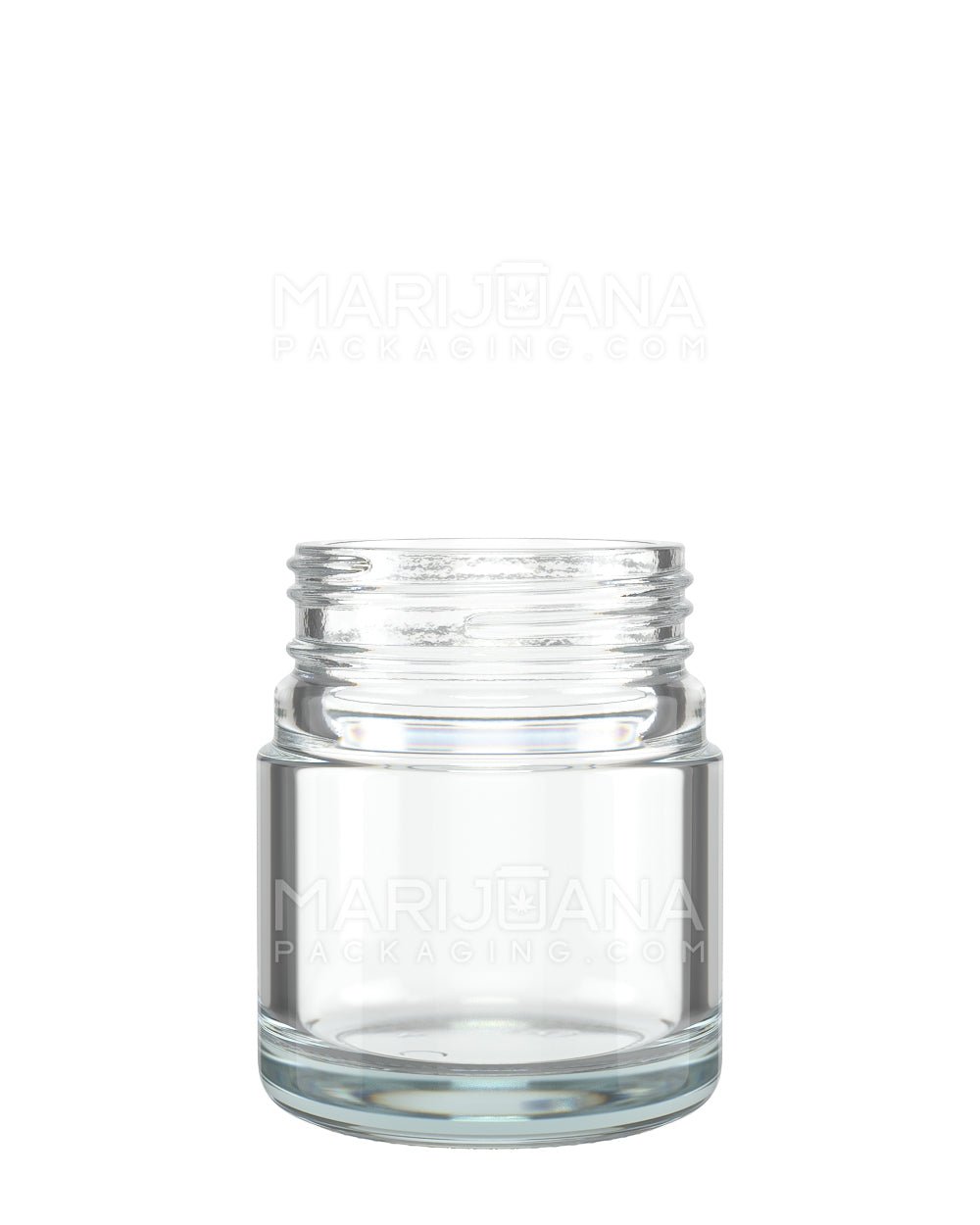
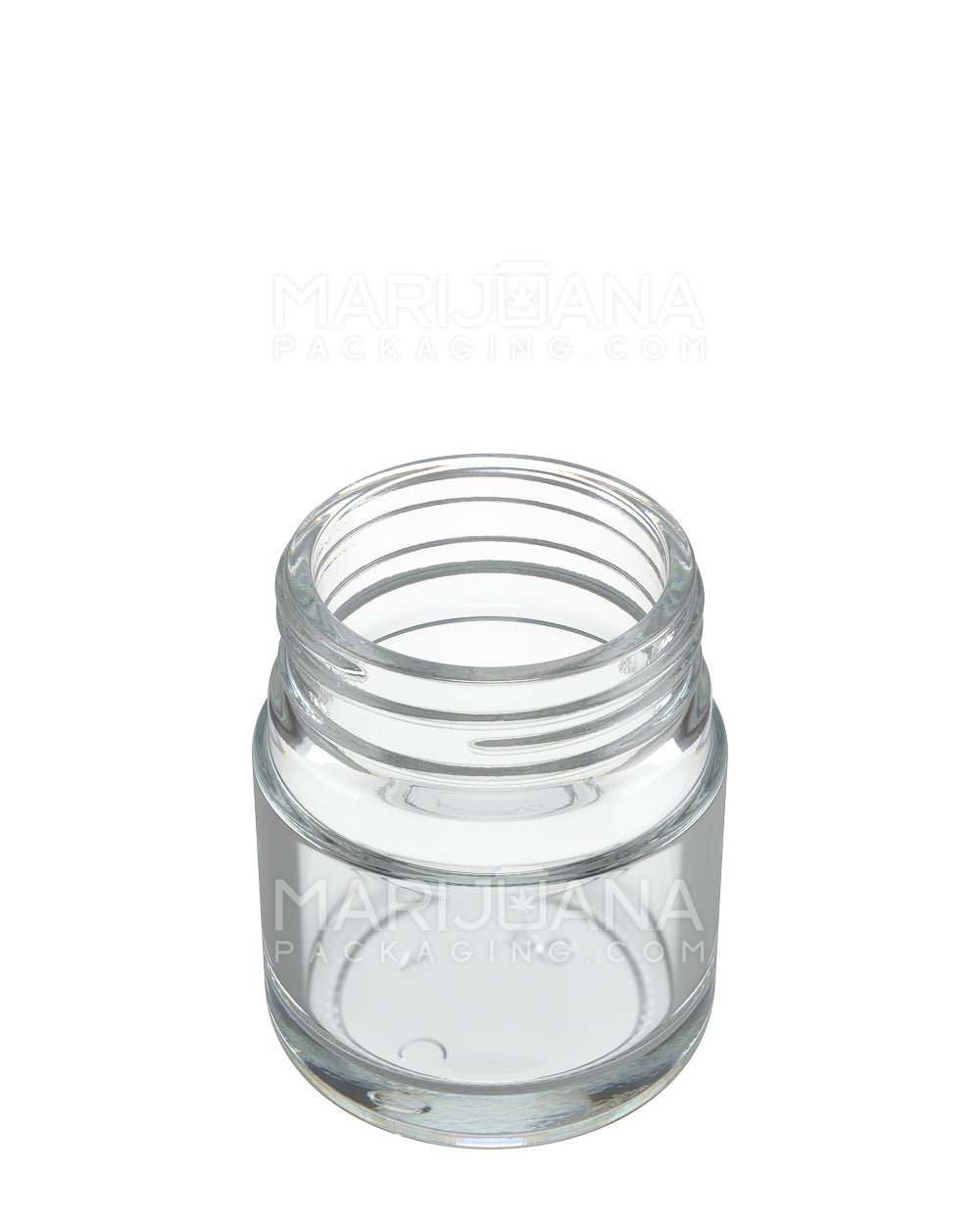
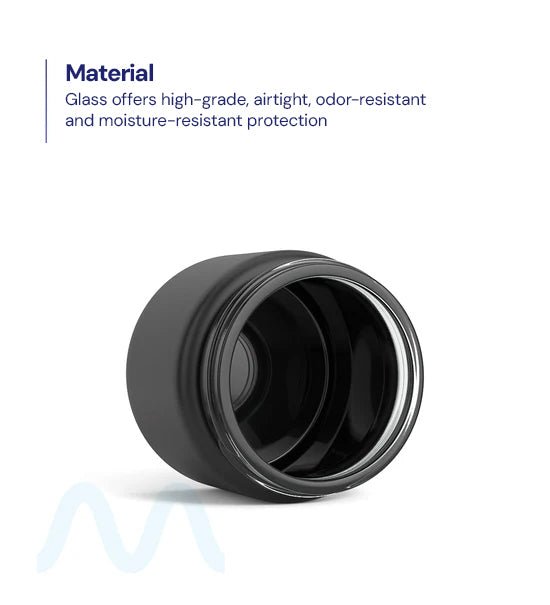
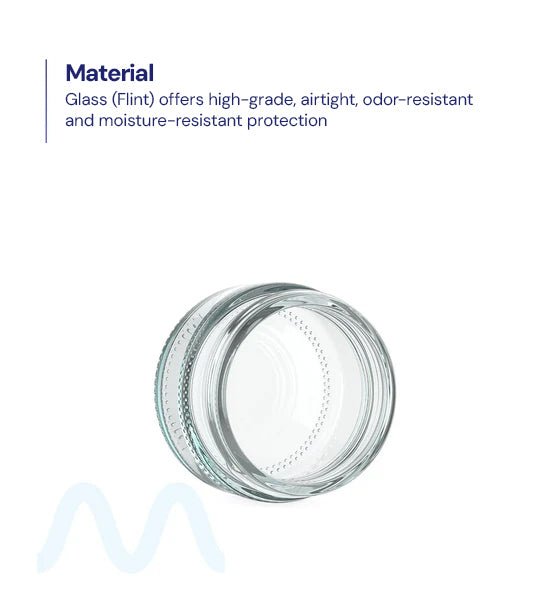
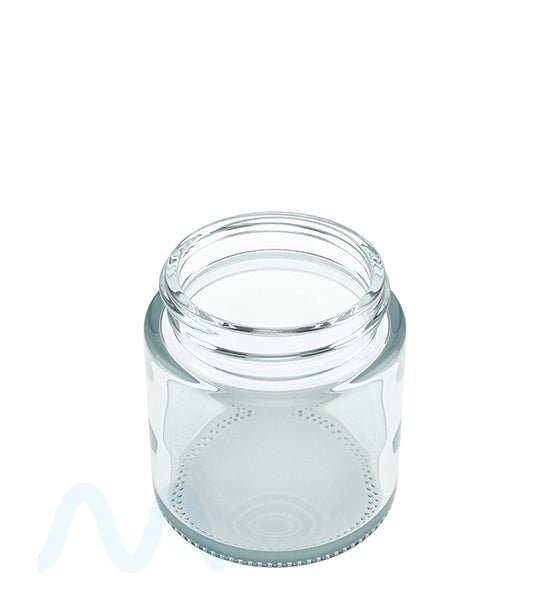
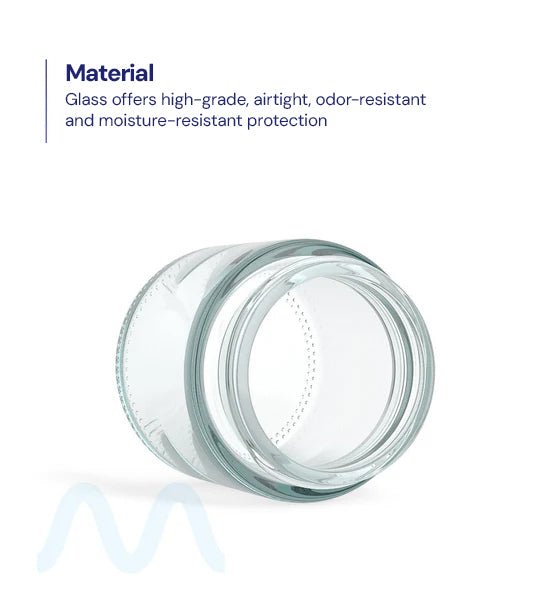
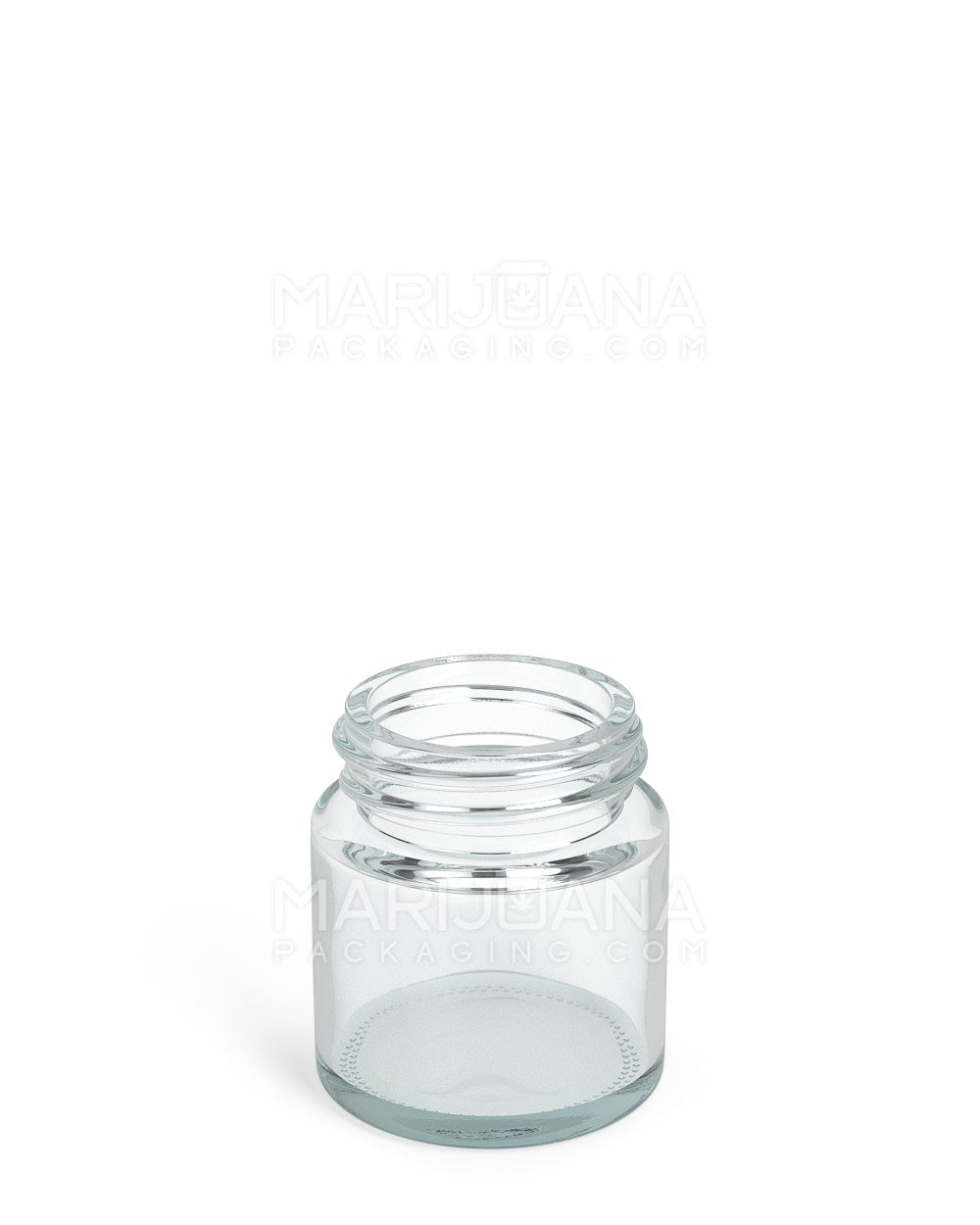
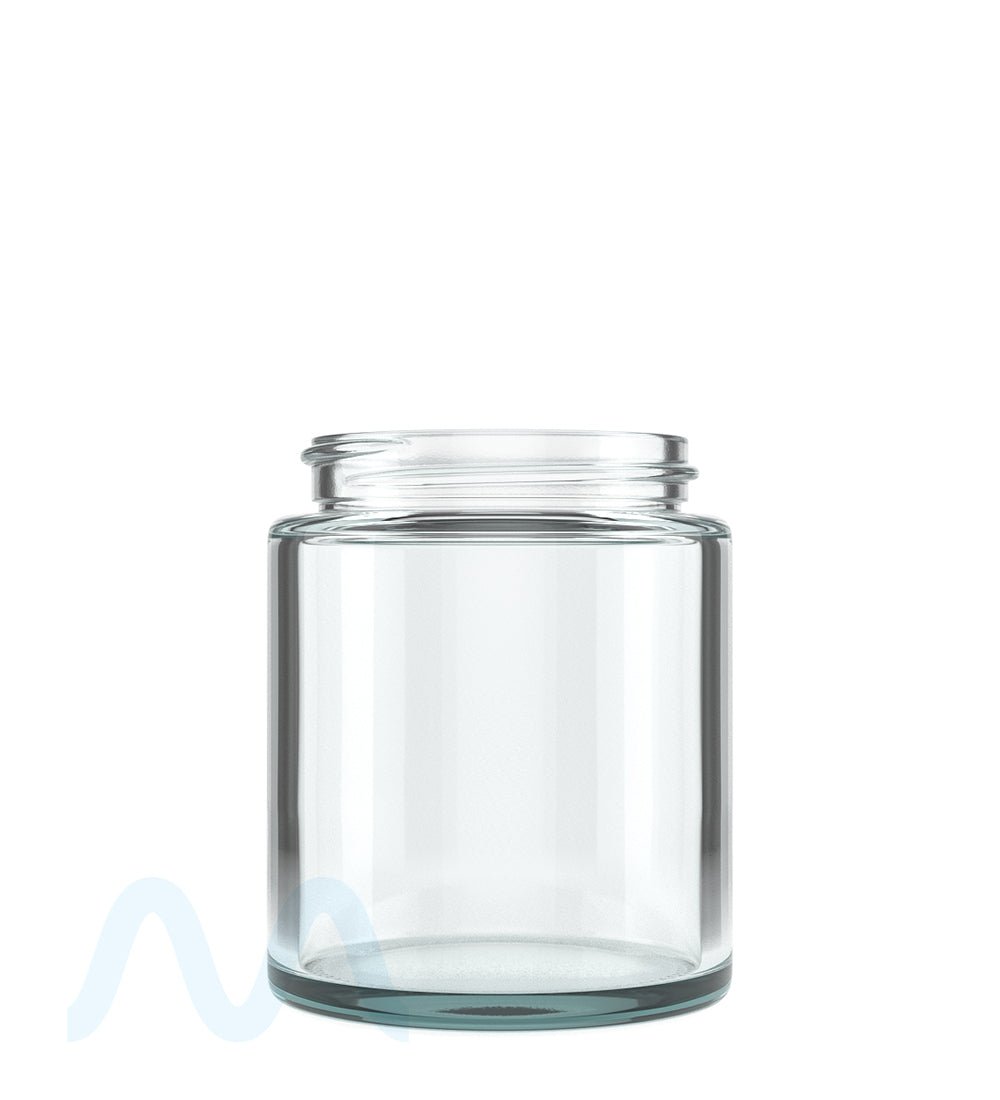
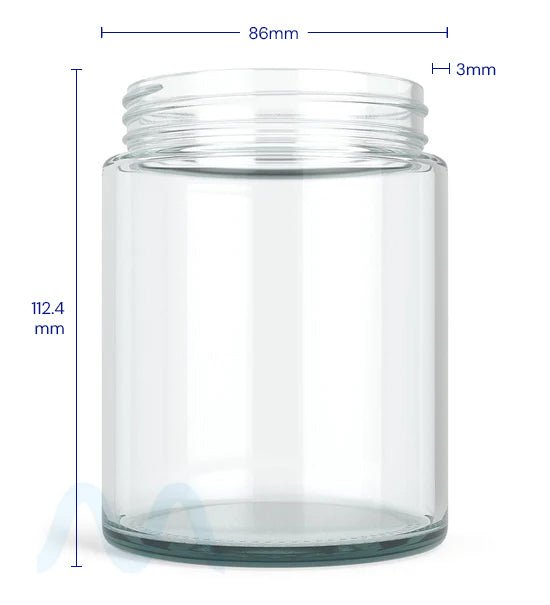
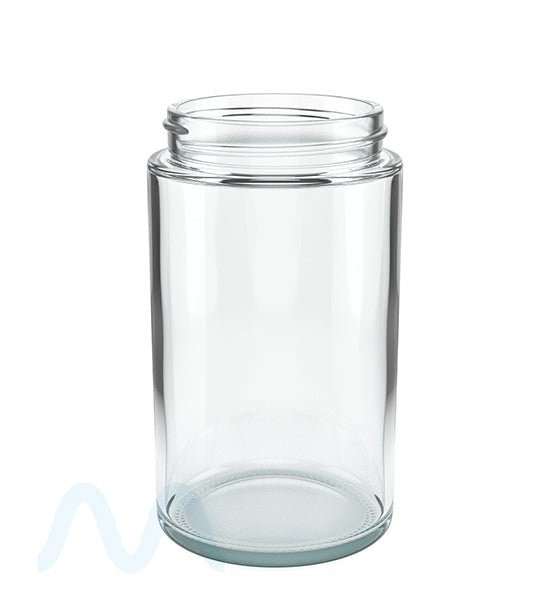
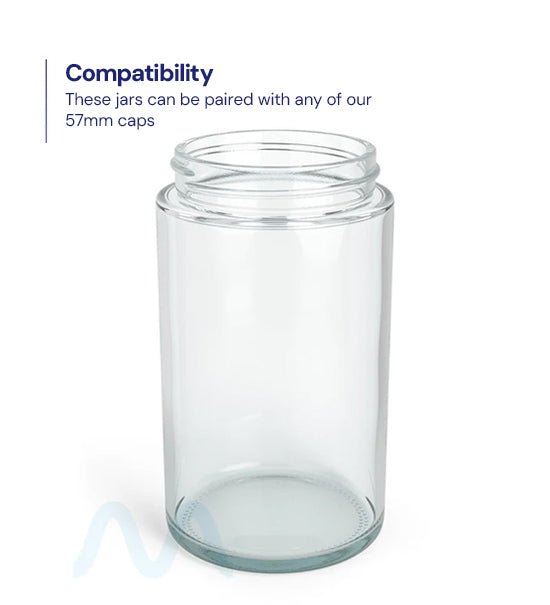
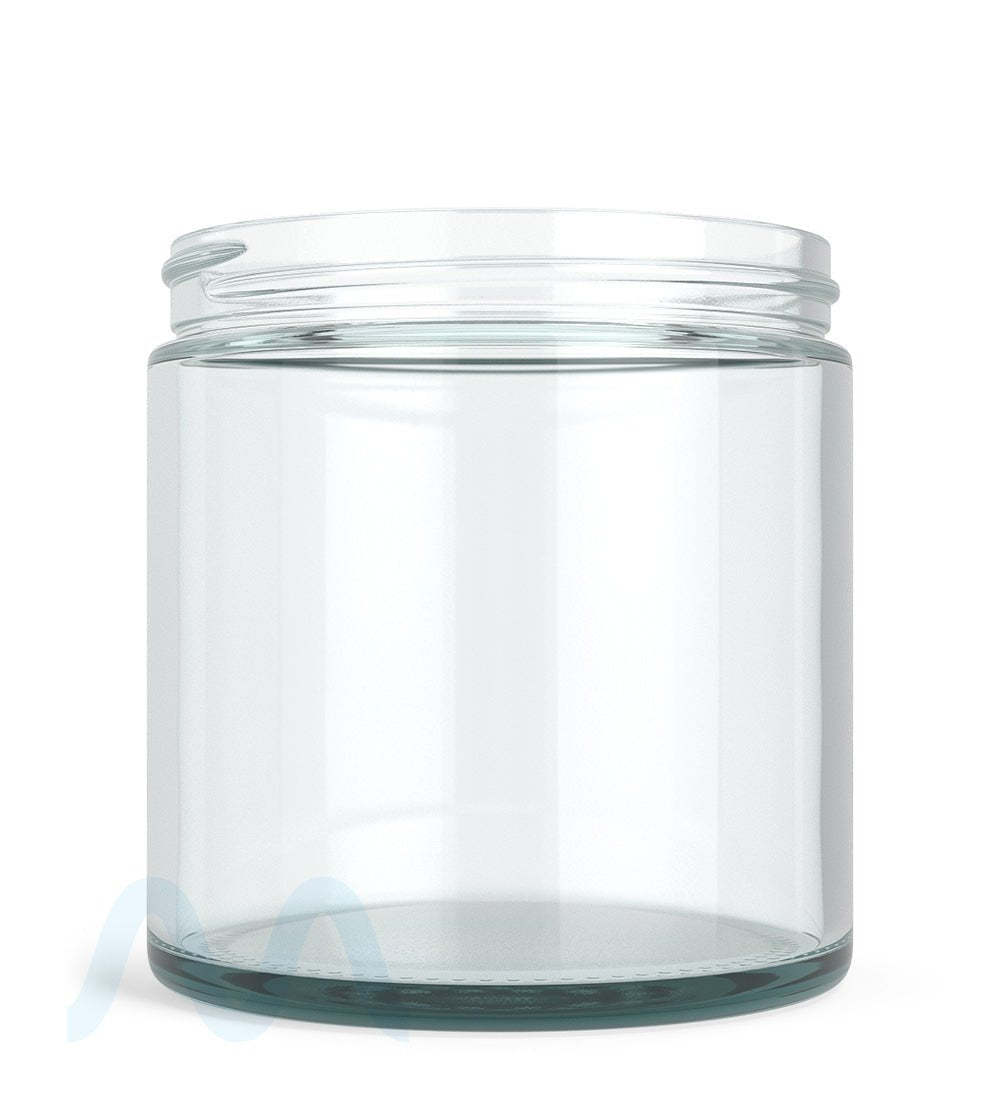
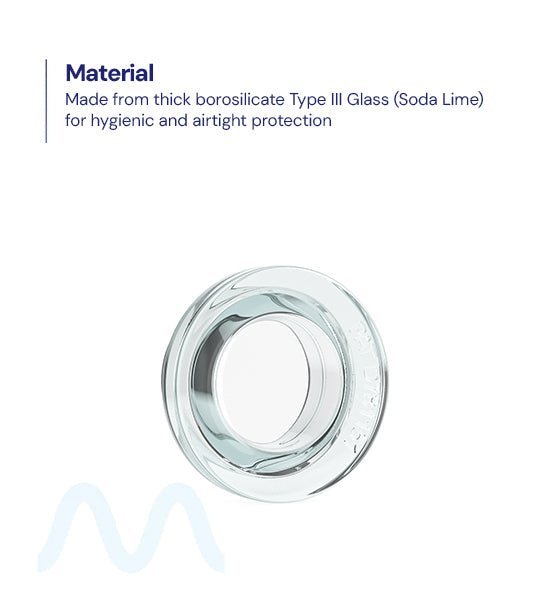
Glass remains a premium option for dietary supplement jars, particularly for brands positioning products in the high-end market segment. Vitamin jars made from glass offer several distinct advantages:
- Superior oxygen barrier properties
- Excellent chemical stability with no leaching concerns
- Premium look and feel with substantial weight
- 100% recyclable composition
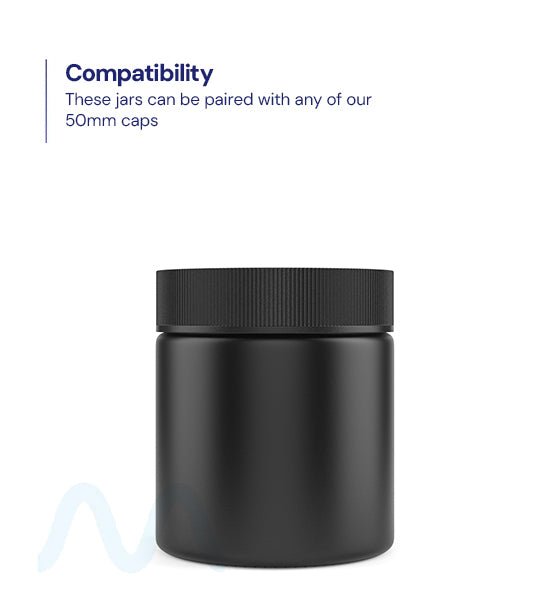
- Compatibility with a wide range of closure systems
Glass jars are particularly suitable for liquid supplements, oils, and products sensitive to plastic interaction. However, they come with higher weight, potential for breakage, and increased shipping costs compared to alternative materials.
Plastic Supplement Containers
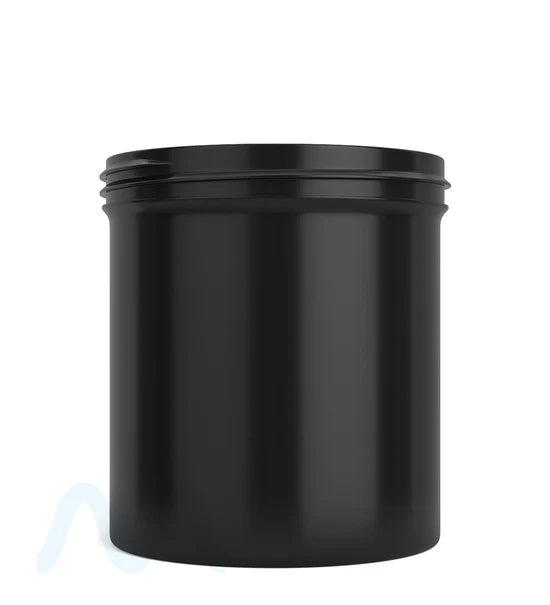
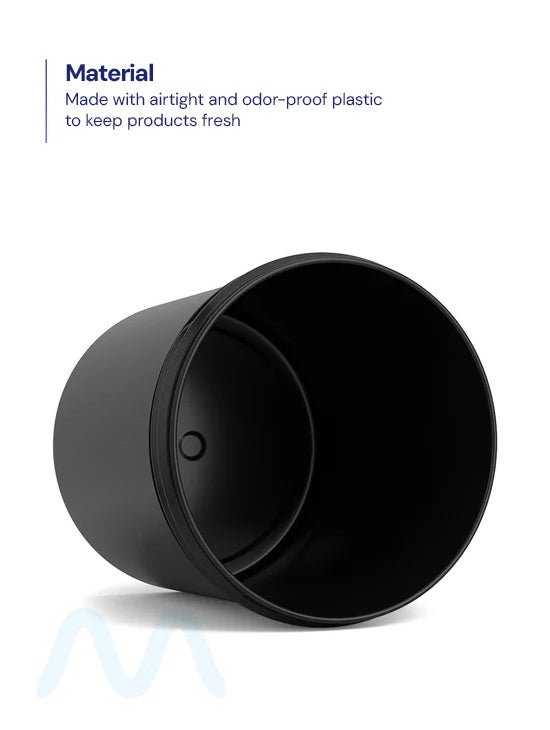
Plastic options dominate the supplement bottles category due to their versatility and cost-effectiveness. Common polymers used include:
- High-density polyethylene (HDPE) for good moisture barrier
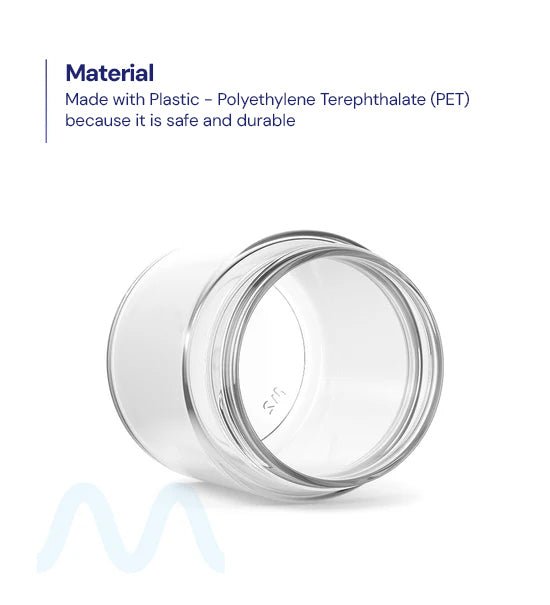
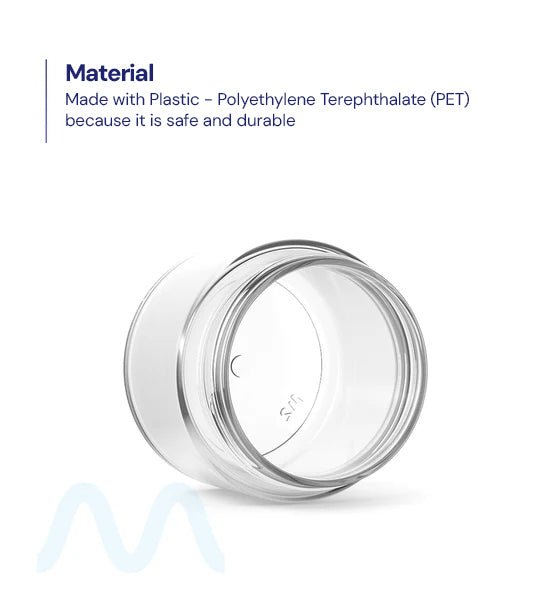
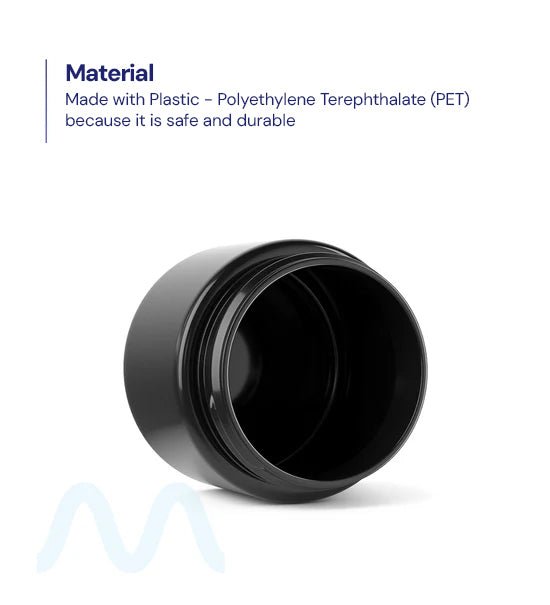
- Polyethylene terephthalate (PET) for clarity and moderate oxygen barrier
- Polypropylene (PP) for chemical resistance and durability
Plastic jars offer lightweight handling, shatter resistance, and compatibility with various dispensing mechanisms. They're available in diverse colors, finishes, and transparency levels to align with specific branding requirements.
For brands emphasizing sustainability, post-consumer recycled (PCR) plastic options are increasingly available in the health and wellness packaging segment, allowing companies to reduce virgin plastic consumption while maintaining necessary barrier properties.
Regulatory Compliance Features
Dietary supplement jars must meet various regulatory requirements depending on the market and product category. In the United States, supplements are regulated differently from pharmaceuticals but still require specific packaging considerations:
Child-Resistant Closures
Many supplements, particularly those containing iron or potentially harmful ingredients in large doses, require child-resistant packaging. These specialized closure systems typically involve push-down-and-turn mechanisms or other designs that meet the standards set by the Consumer Product Safety Commission (CPSC).
Tamper-Evident Features
To comply with FDA requirements, dietary supplement jars often incorporate tamper-evident features such as:
- Shrink bands or sleeves
- Inner seals under caps
- Break-away closures
- Visible indicators of first opening
These features provide consumers with confidence that products have not been compromised before purchase while meeting regulatory obligations for supplement manufacturers.
Labeling Space
Health supplement jars must provide adequate surface area for required regulatory information, including Supplement Facts panels, ingredient lists, warning statements, and batch information. The design must balance branding elements with these mandatory informational requirements.
When developing nutraceutical packaging, manufacturers should work with packaging suppliers familiar with current regulatory requirements to ensure compliance across all target markets.
Size and Closure Considerations
The functionality of jars for supplements extends beyond material selection to include practical considerations around sizing, closure systems, and dispensing mechanisms.
Common Supplement Jar Sizes
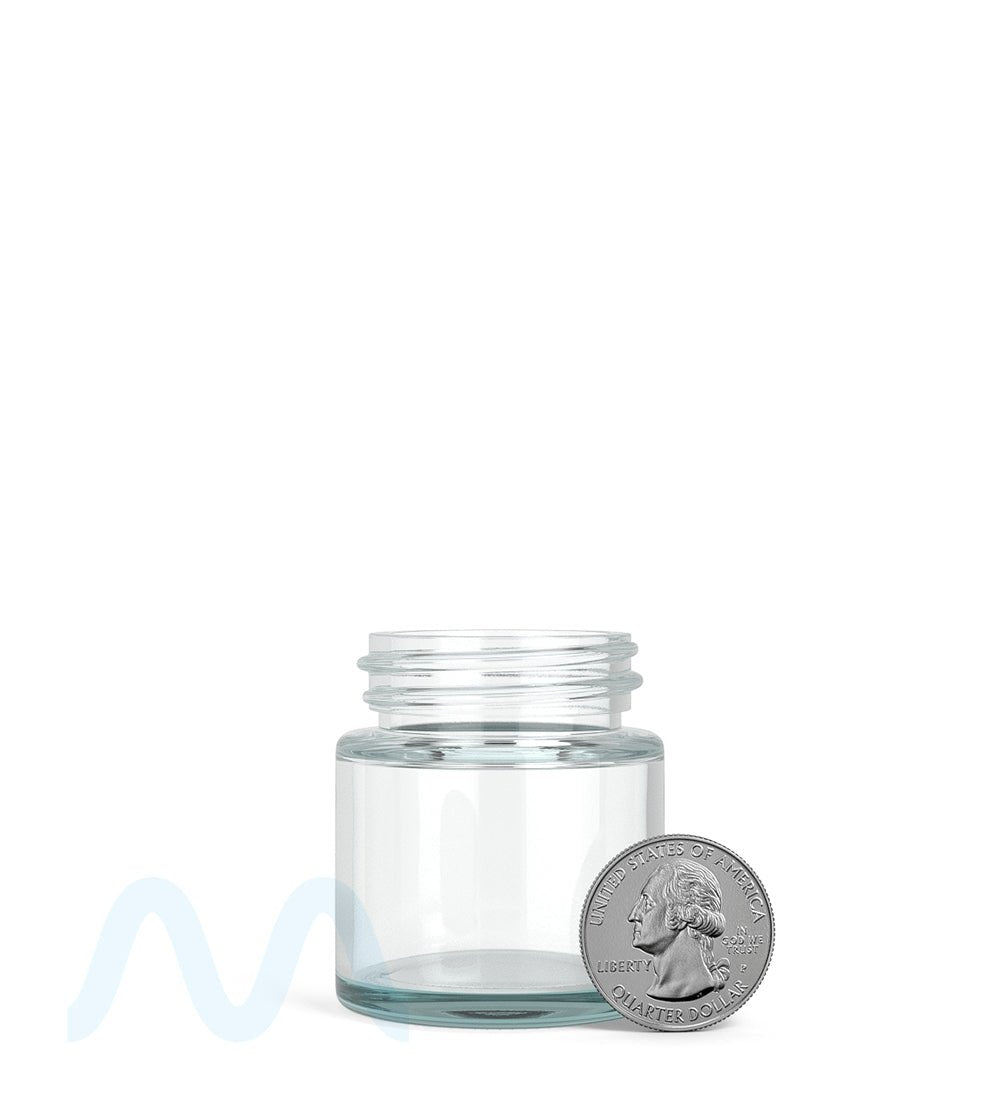
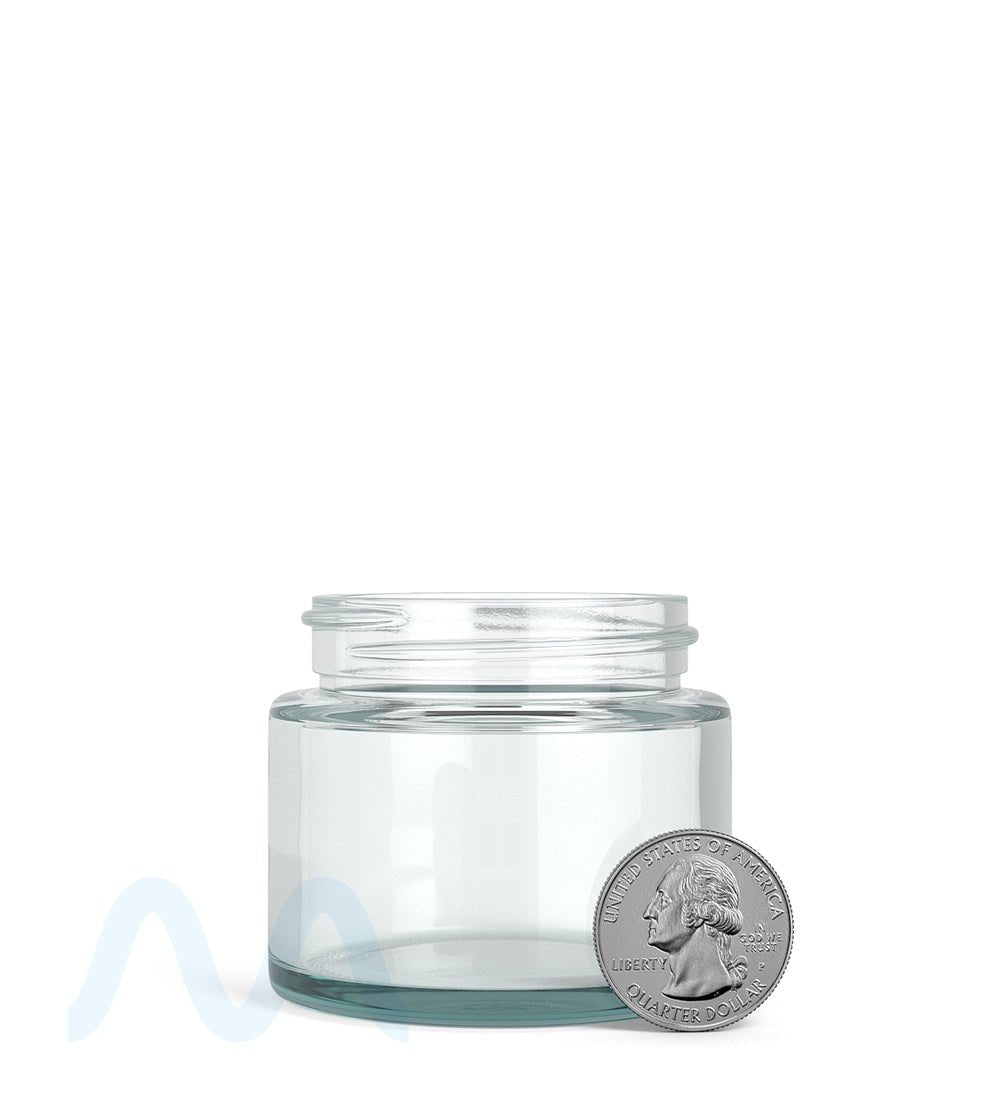
Dietary supplement jars typically range from small 30cc containers for high-value, low-dose supplements to large 1000cc jars for protein powders and bulk supplements. Common sizes include:
- 50-100cc for vitamins and small-dose supplements
- 120-200cc for medium-count supplements
- 250-500cc for larger count bottles or powdered supplements
- 750-1000cc for protein and fitness supplements
For products like protein powders that require larger volumes, manufacturers may consider alternatives like protein packaging in flexible pouch formats with complementary rigid jars for premium lines.
Closure Systems
The closure system significantly impacts user experience and product protection. Options include:
- Screw caps with various thread designs
- Flip-top caps for easy dispensing
- Measuring caps for powder products
- Desiccant-integrated caps for moisture-sensitive formulations
For products requiring additional moisture protection, such as effervescent tablets or hygroscopic powders, vitamin bottles may incorporate desiccant chambers or sachets to maintain optimal internal conditions.
Branding Strategies for Supplement Packaging
In the competitive supplement market, packaging serves as a crucial brand touchpoint and differentiation tool. Effective use of supplement jars as branding vehicles requires consideration of several key elements:
Visual Differentiation
Standout supplement packaging helps products capture attention in crowded retail environments. Brands can achieve differentiation through:
- Distinctive jar shapes and profiles
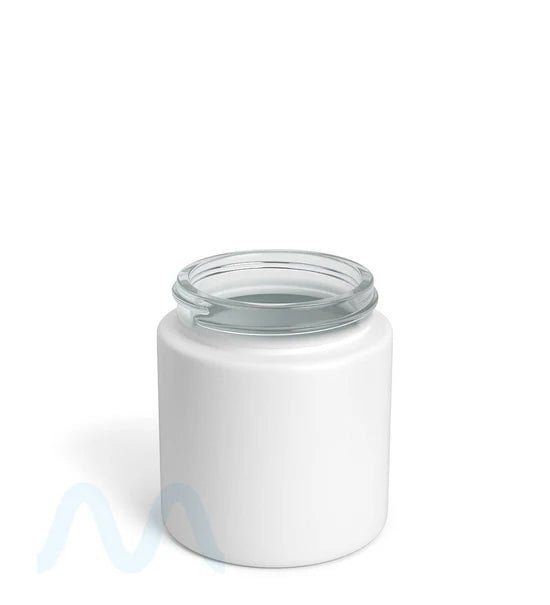
- Custom colors and finishes (matte, gloss, soft-touch)
- Embossing or debossing for tactile branding
- Clear windows to showcase product appearance
For brands seeking alternative formats, supplement pouch bags offer additional visual merchandising options with larger printable surfaces and flexible display capabilities.
Sustainable Positioning
As consumer awareness of environmental issues grows, sustainable packaging becomes increasingly important in purchase decisions. Brands can emphasize sustainability through:
- Recyclable or biodegradable materials
- Refillable jar systems
- Minimalist design using less material
- Post-consumer recycled content
When developing vitamin packaging strategies, brands should consider how sustainability initiatives can be authentically communicated through packaging choices and messaging.
Premium Cues
For high-end supplement lines, packaging must convey quality and justify premium pricing. Premium cues in health supplement jars include:
- Substantial weight and wall thickness
- Precision fit between components
- Metal or wood accent elements
- Multi-layer packaging systems
For brands seeking flexible premium options, vitamin pouches with complementary jar systems can create a comprehensive packaging strategy that balances convenience with premium positioning.
The most successful supplement brands develop cohesive packaging systems that align with their positioning, target audience, and product benefits while ensuring product integrity throughout the distribution chain and consumer use cycle.