


Vitamin Packaging

















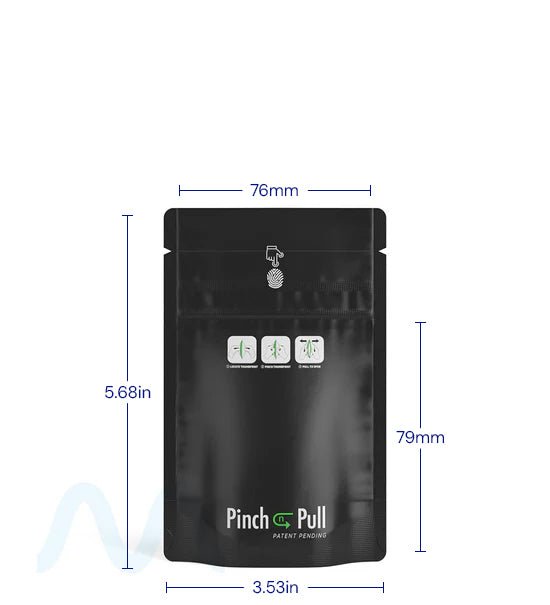


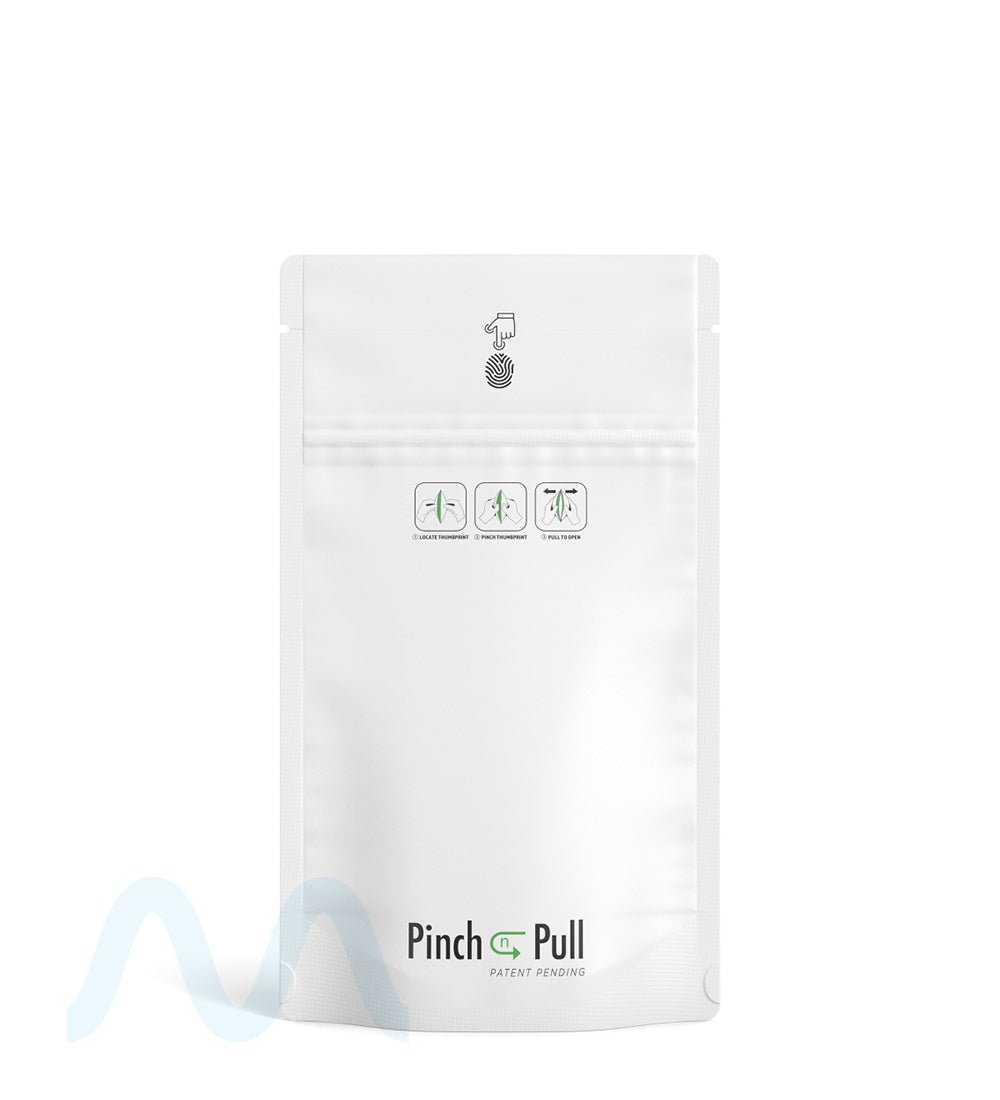
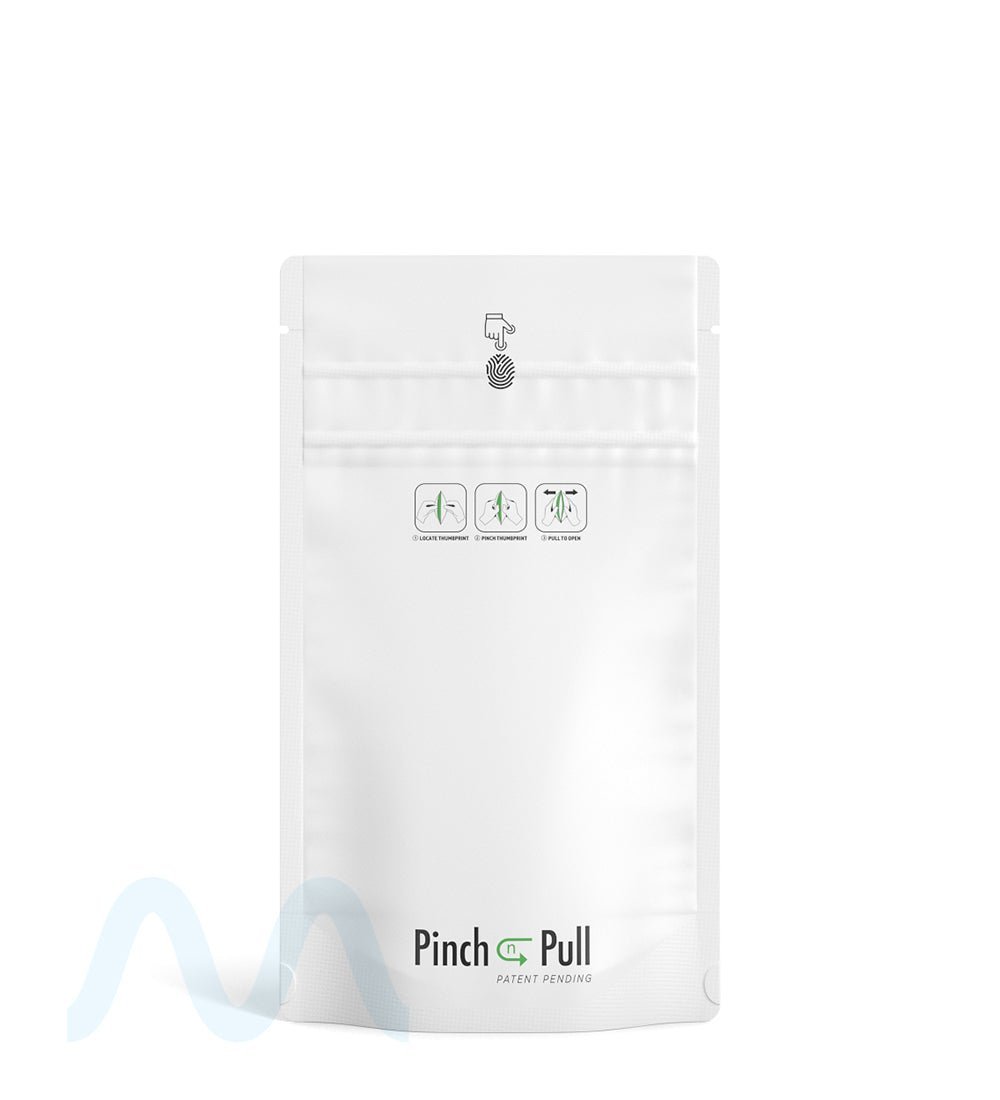
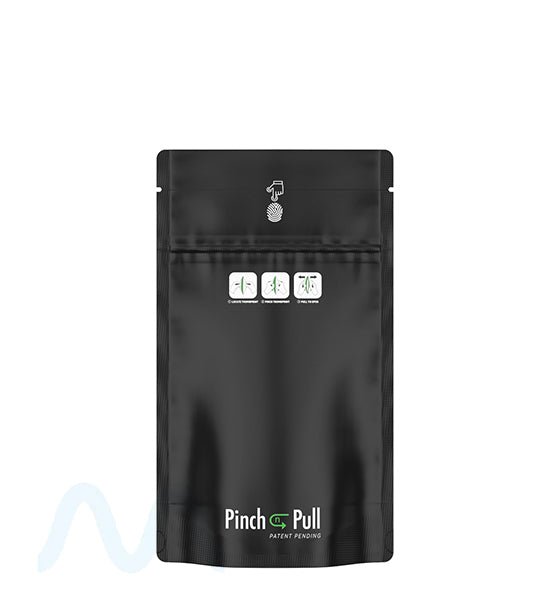
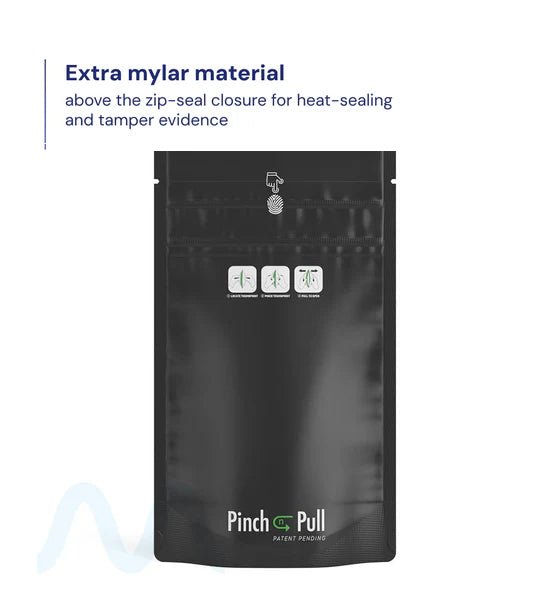
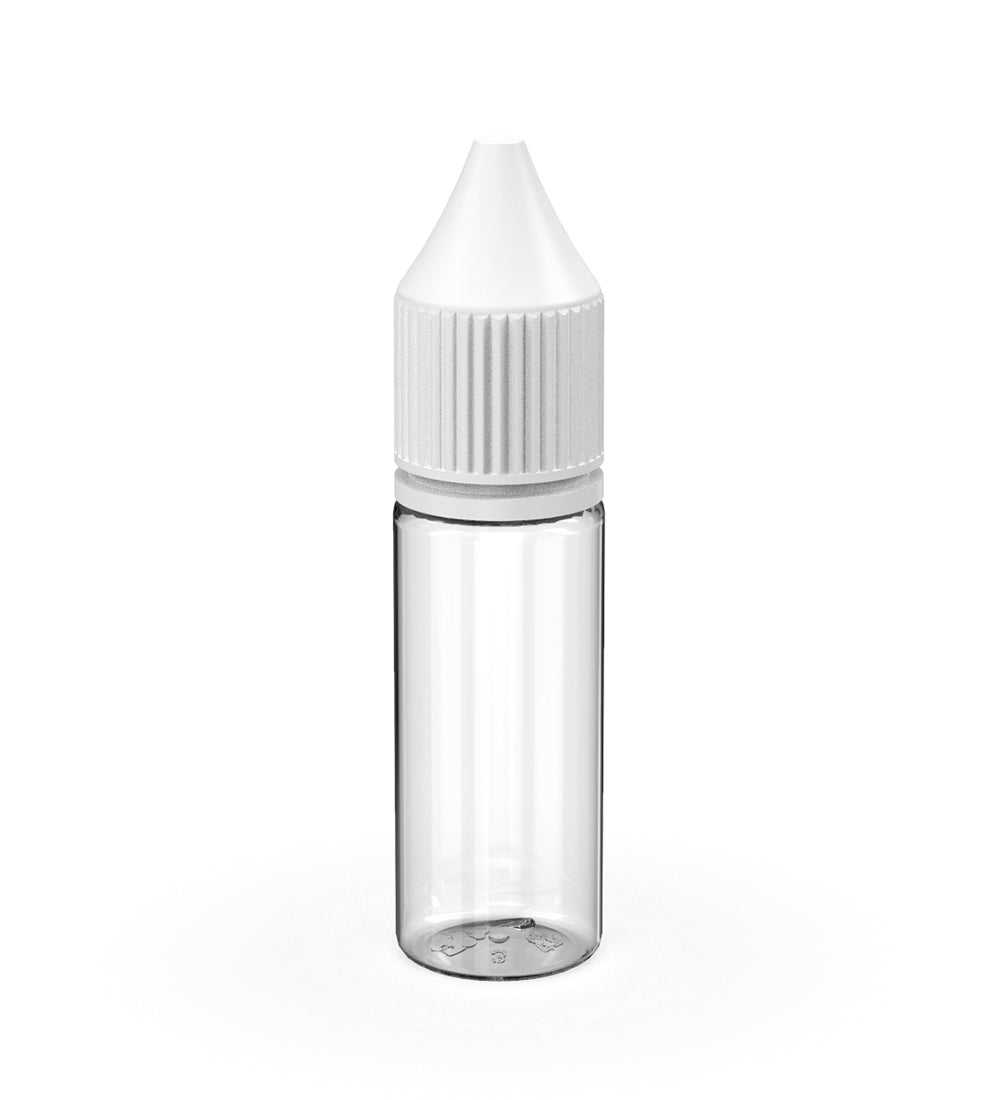
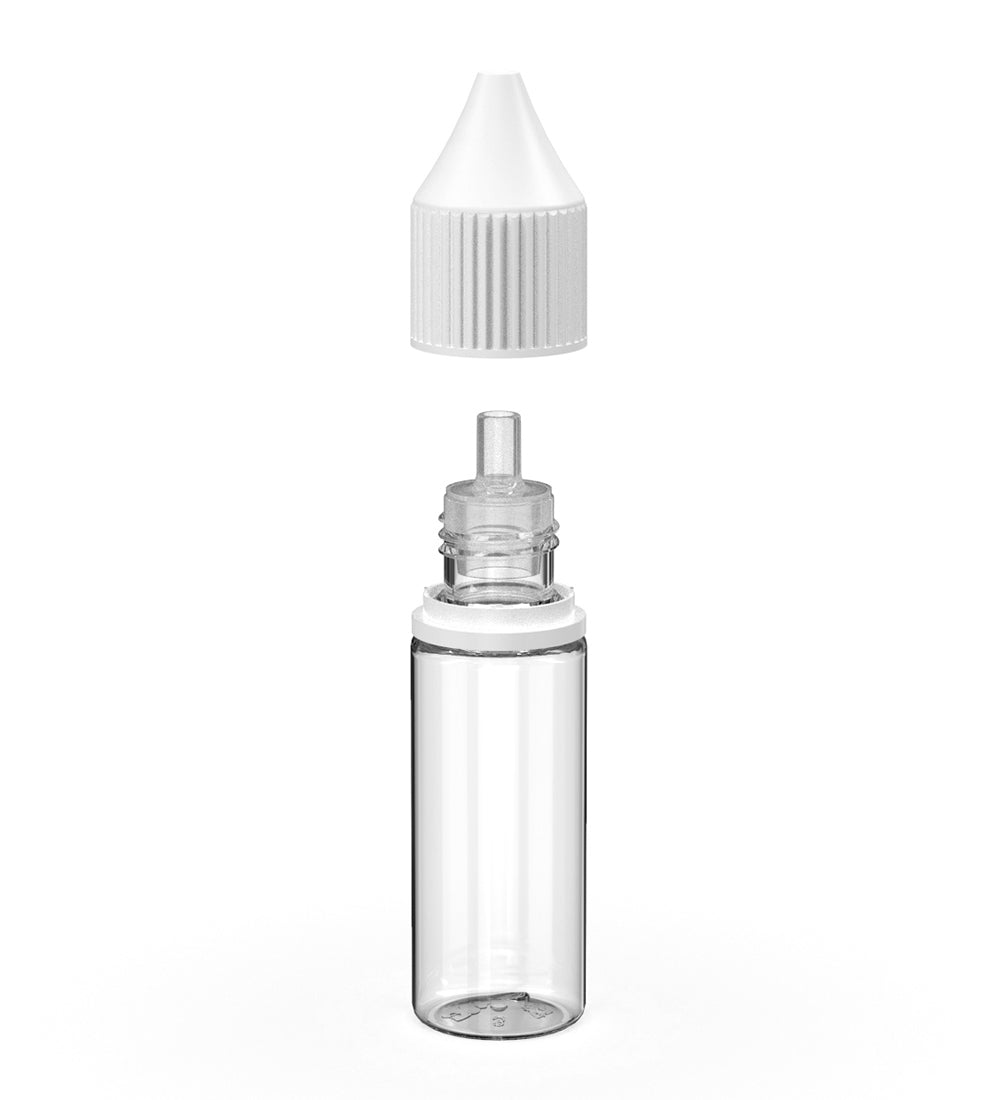
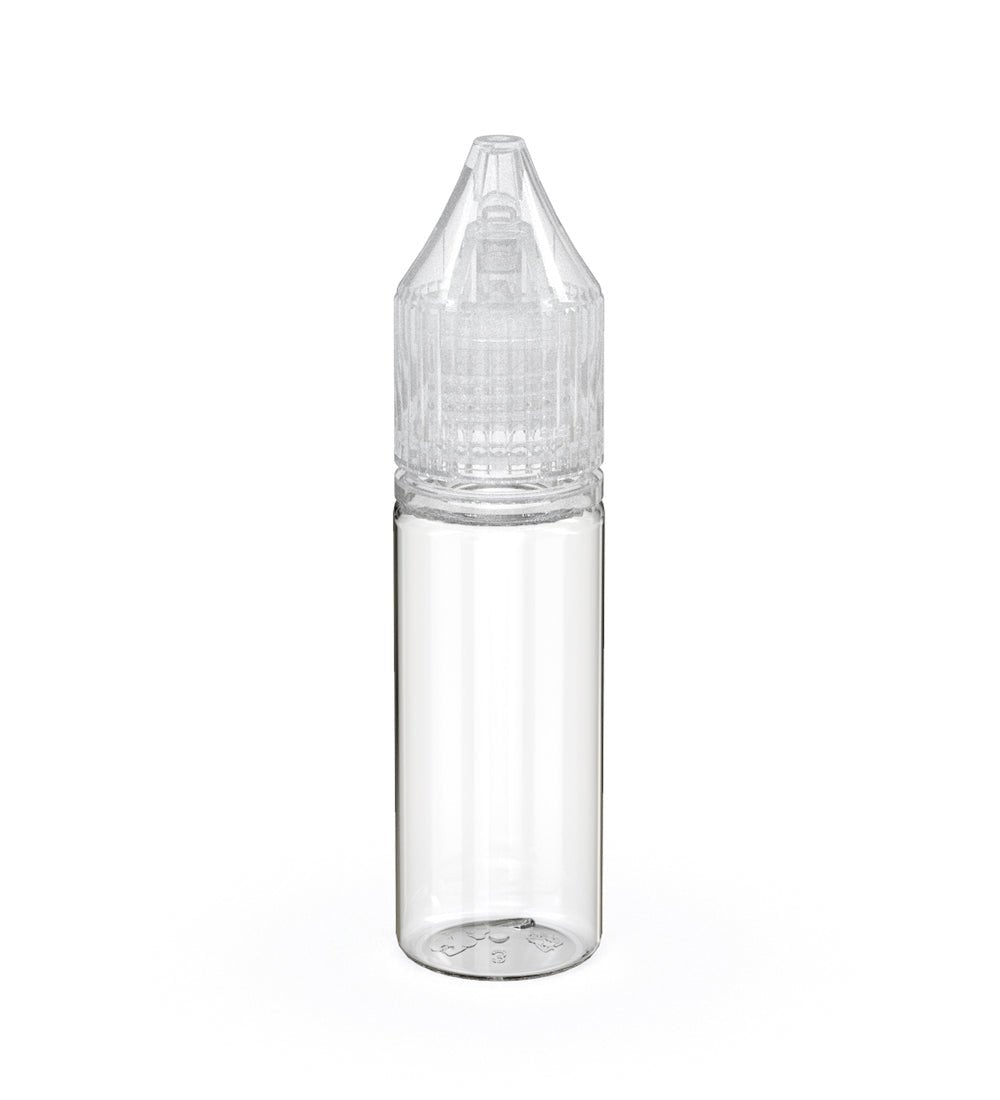
Learn About Vitamin Packaging
Learn About Vitamin Packaging
Table of Contents
Vitamin Packaging: Essential Solutions for Supplement Brands
Vitamin packaging plays a crucial role in preserving product integrity, ensuring regulatory compliance, and communicating brand values to consumers. As the nutraceutical market continues to expand, selecting the right containers for vitamins has become a strategic decision that impacts everything from shelf life to consumer perception. This guide explores the essential considerations for brands seeking wholesale vitamin packaging solutions that balance protection, compliance, and visual appeal.
Vitamin Packaging Industry Overview
The global vitamin and supplement industry continues to experience robust growth, with packaging solutions evolving to meet changing consumer demands and regulatory requirements. Modern vitamin bottles, jars, and pouches must not only protect sensitive ingredients but also communicate brand values and product benefits effectively.
Today's health & wellness packaging market offers diverse solutions for brands of all sizes. From startups launching their first supplement line to established companies refreshing their packaging strategy, the options available through wholesale channels provide flexibility and scalability.
Key Market Drivers
- Increasing consumer focus on preventative health
- Growing demand for sustainable packaging materials
- Rising preference for convenient, portable supplement formats
- Stricter regulations around child safety and tamper evidence
These factors collectively shape the vitamin packaging landscape, influencing material selection, container design, and production methodologies across the industry.
Container Types for Vitamin Products
The variety of containers for vitamins has expanded significantly to accommodate different formulations, serving sizes, and consumer preferences. Each packaging format offers distinct advantages for specific product applications.
Bottle Options
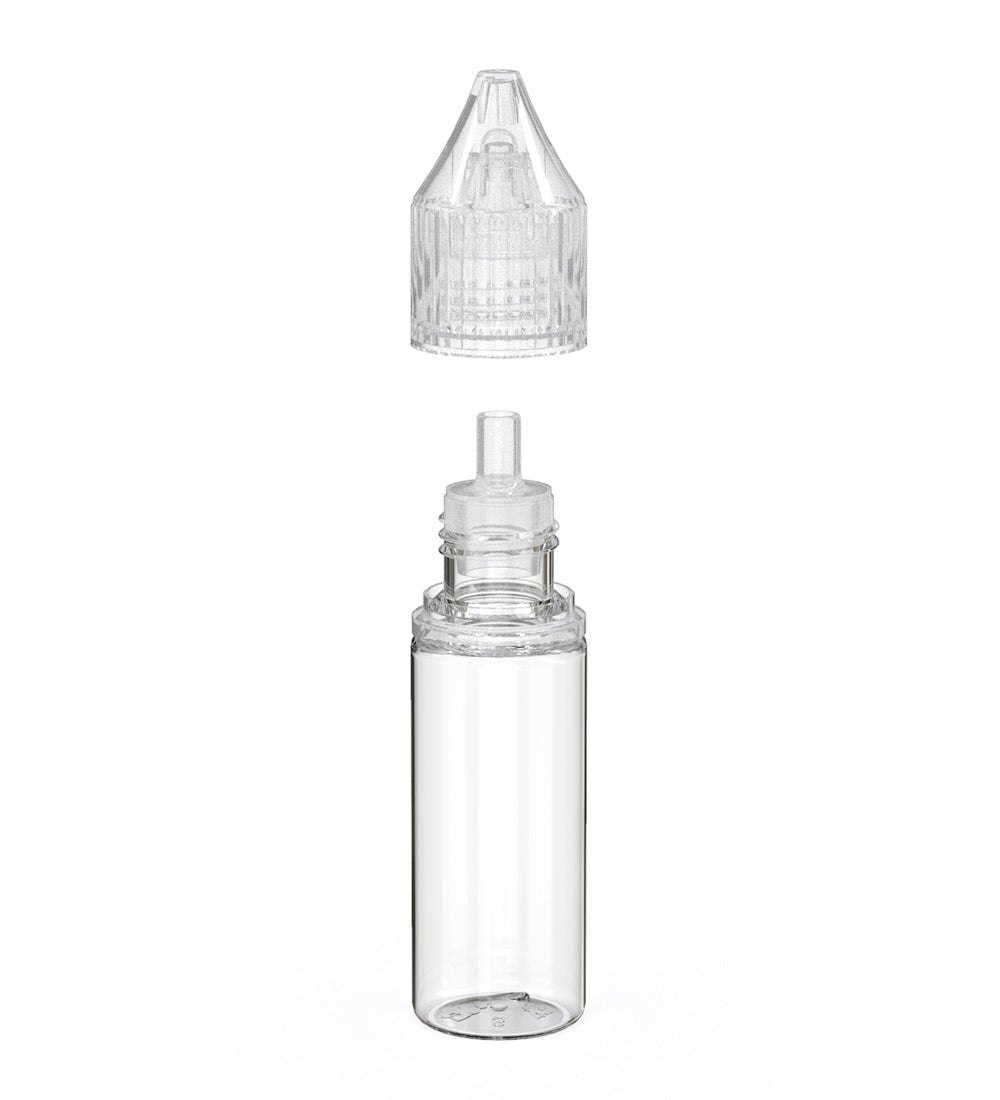
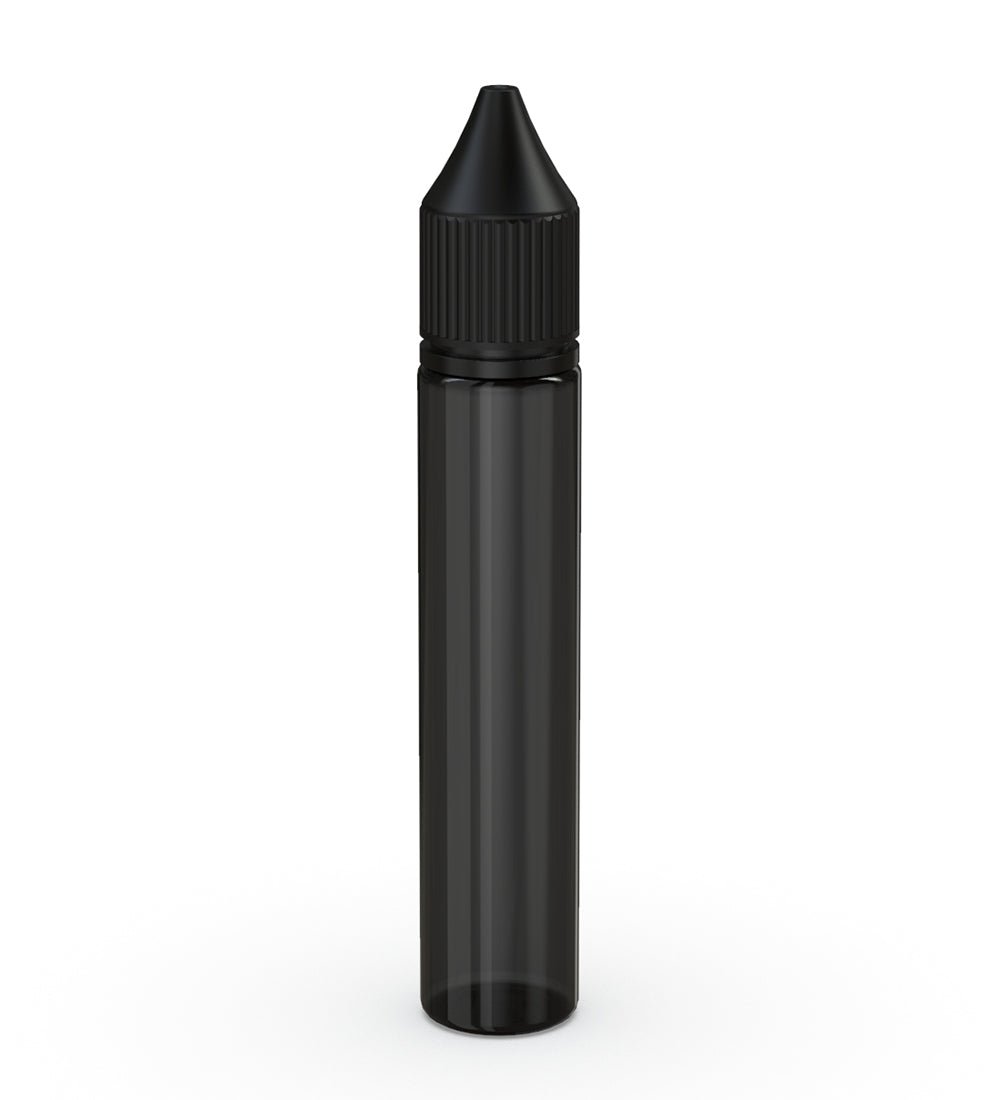
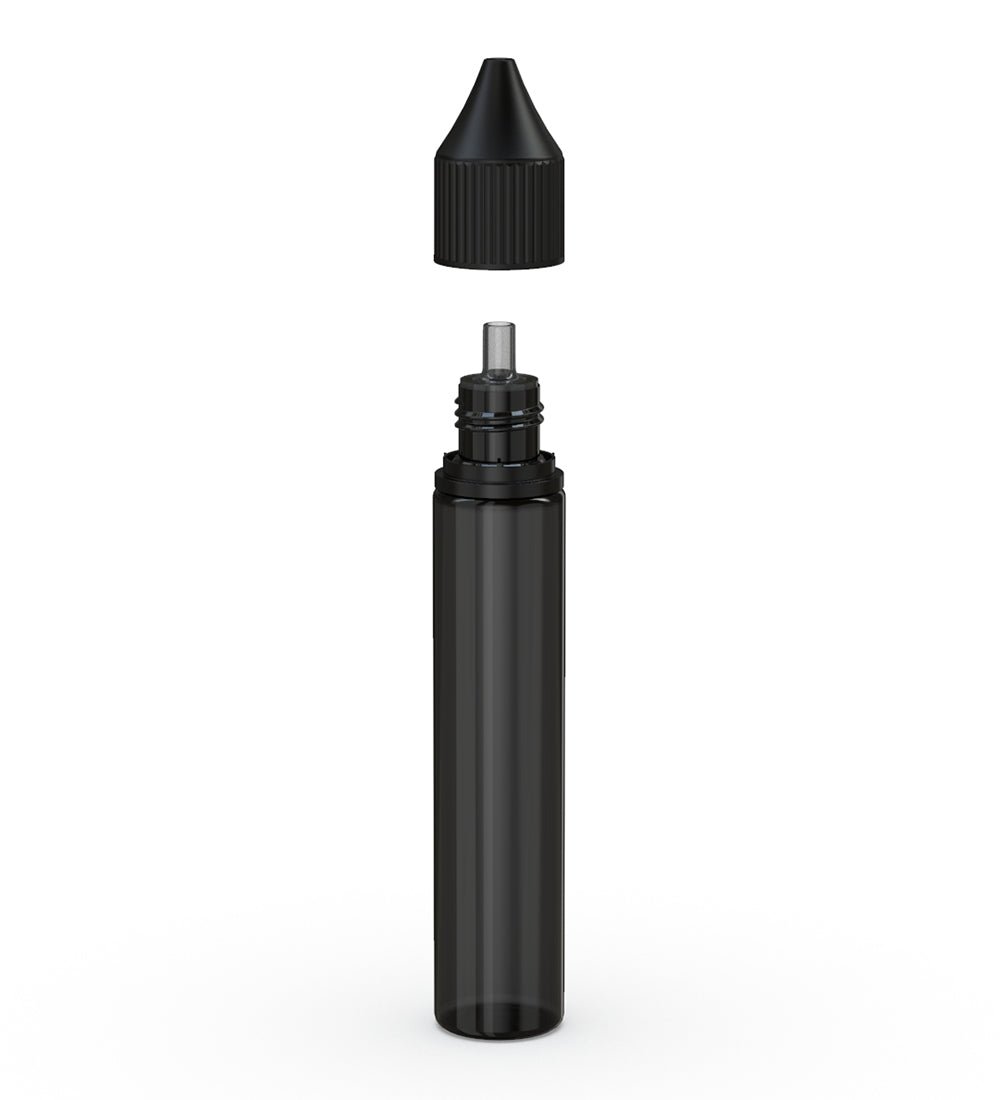
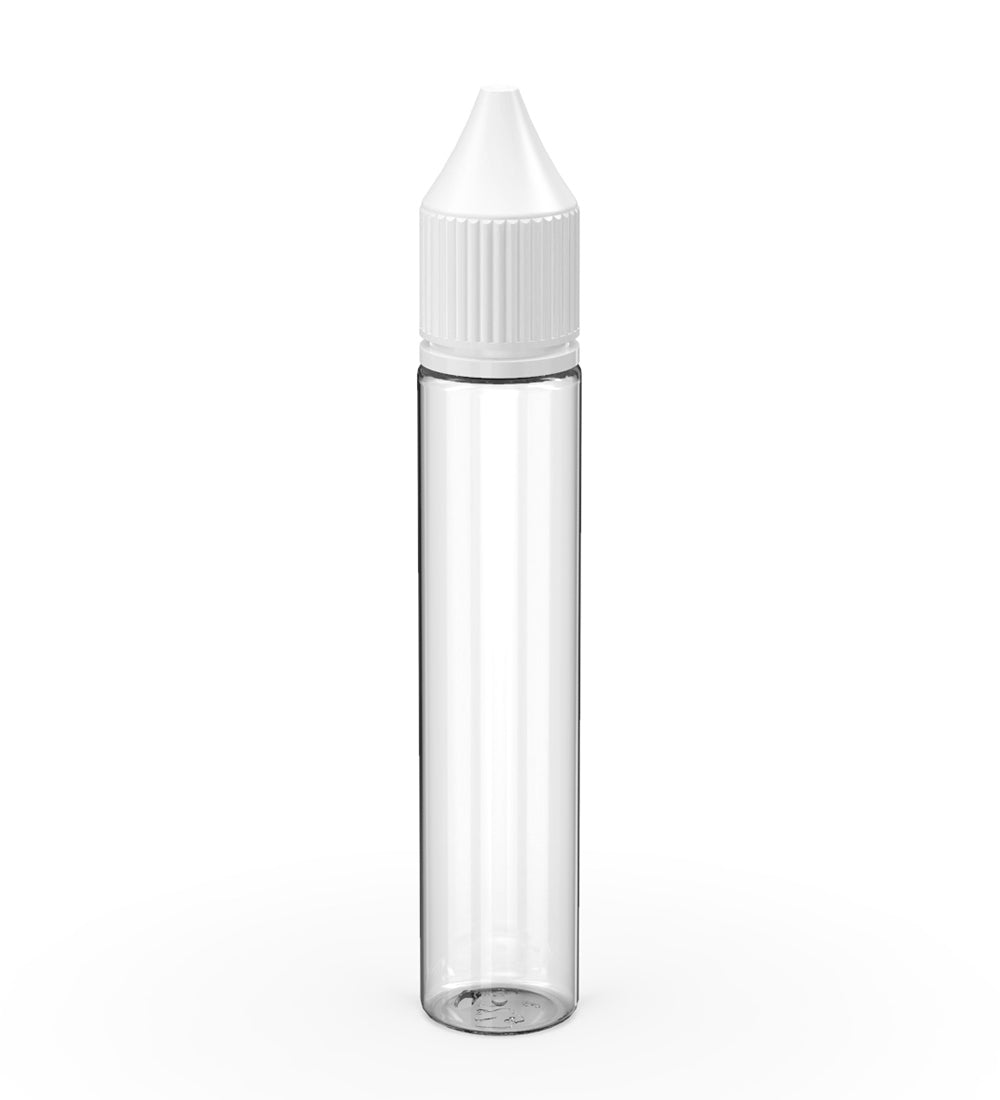
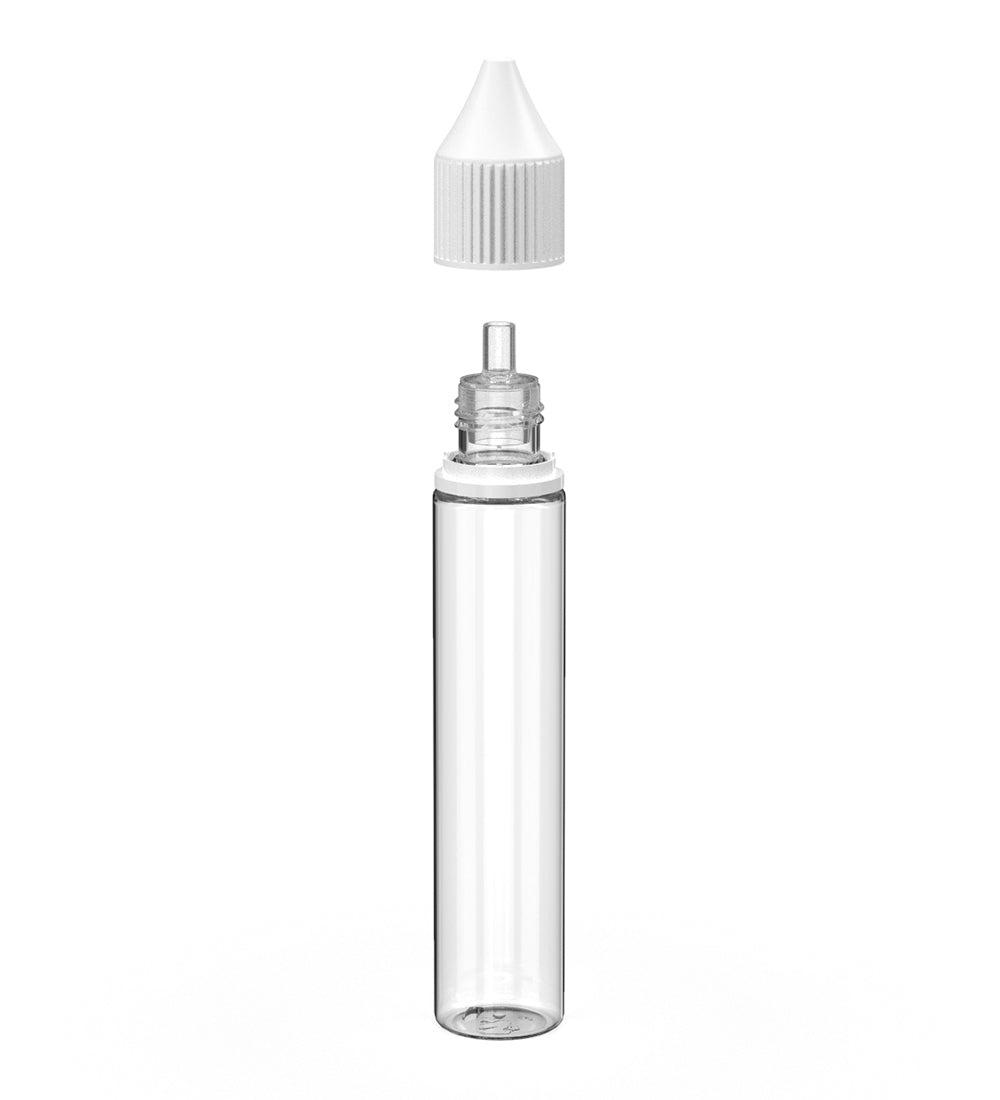
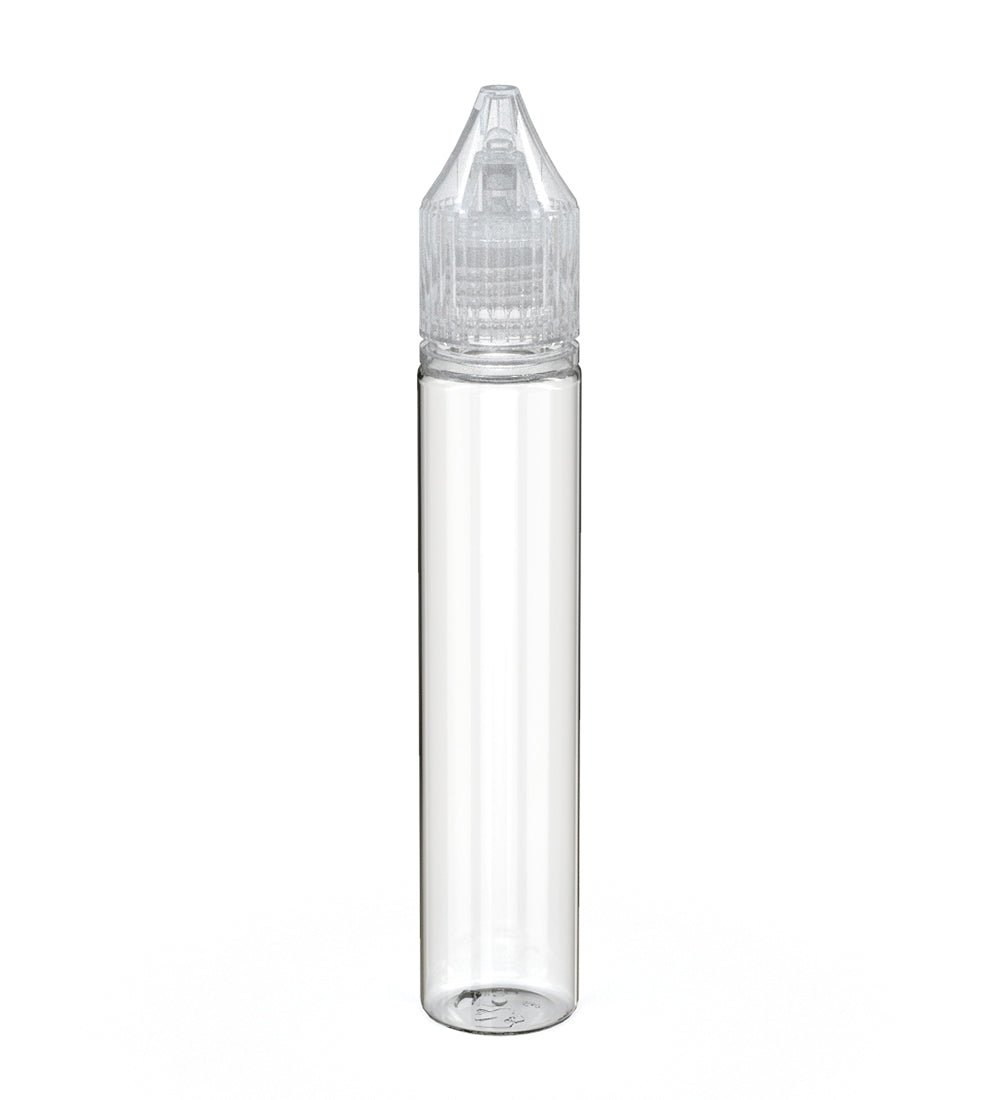
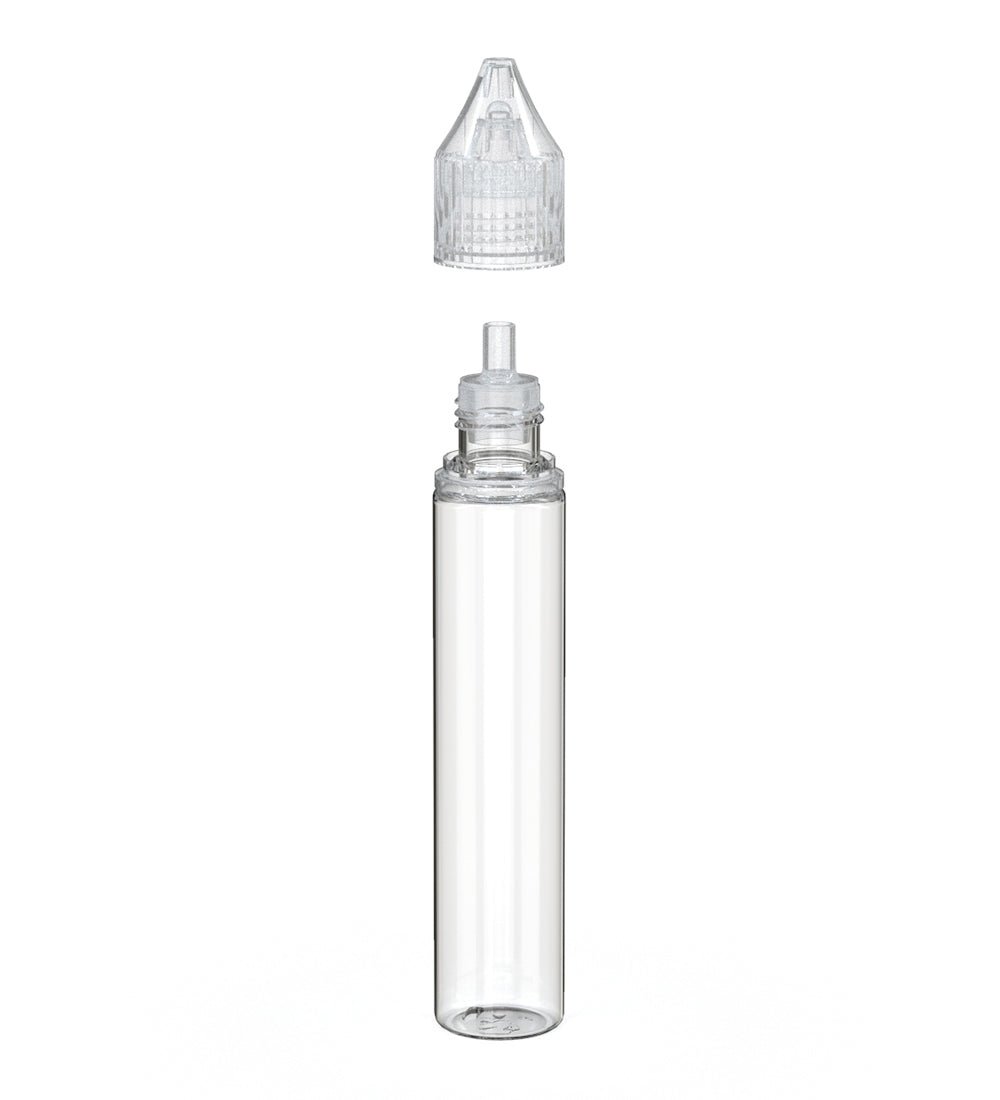
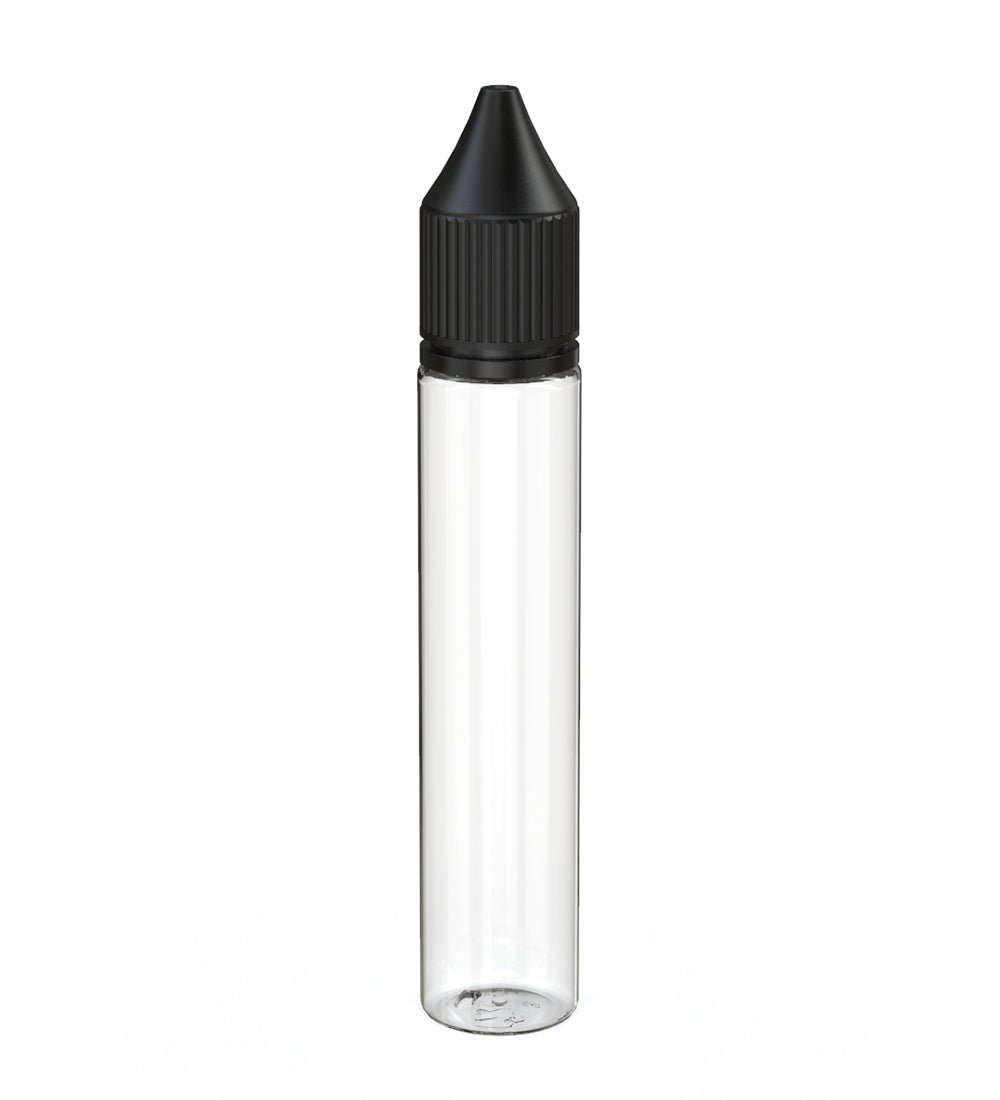
Supplement bottles remain the most common vitamin packaging format, particularly for tablets and capsules. These containers provide excellent protection against moisture and oxygen while offering easy dispensing. Standard features include:
- Child-resistant caps for safety compliance
- Desiccant compartments to control moisture
- Tamper-evident bands or seals
- Cotton inserts to prevent product movement
For brands seeking premium positioning, vitamin bottles with custom shapes, colors, and finishes can help products stand out on crowded retail shelves.
Jar Solutions
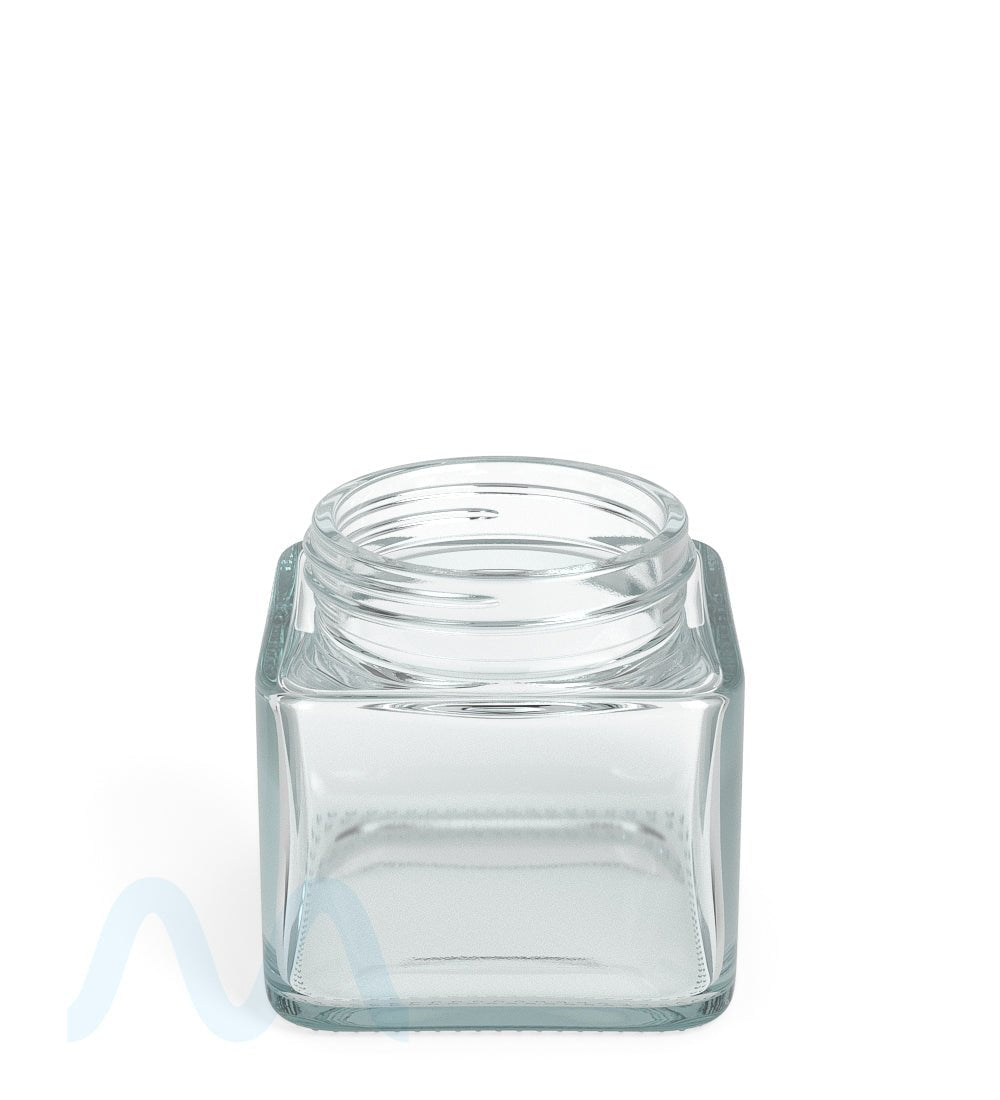
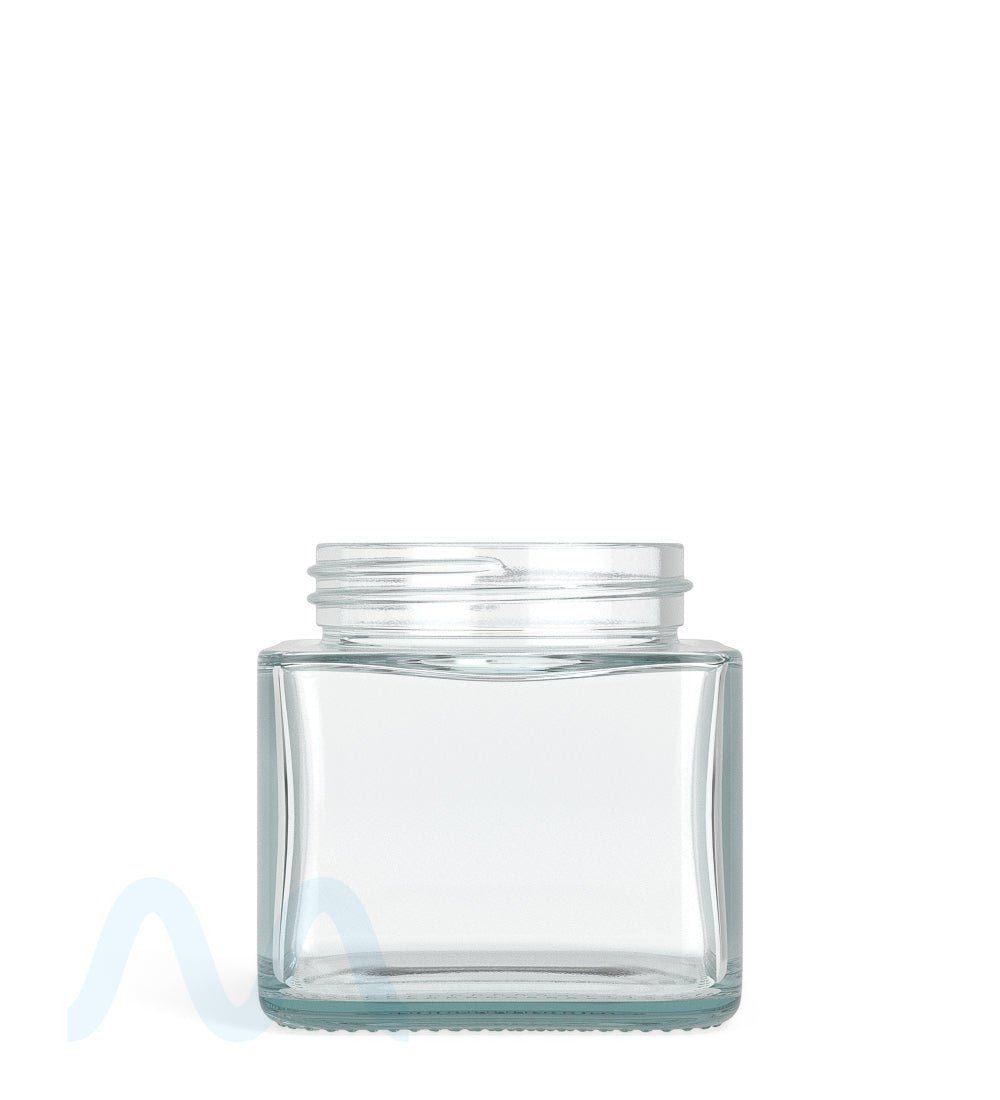
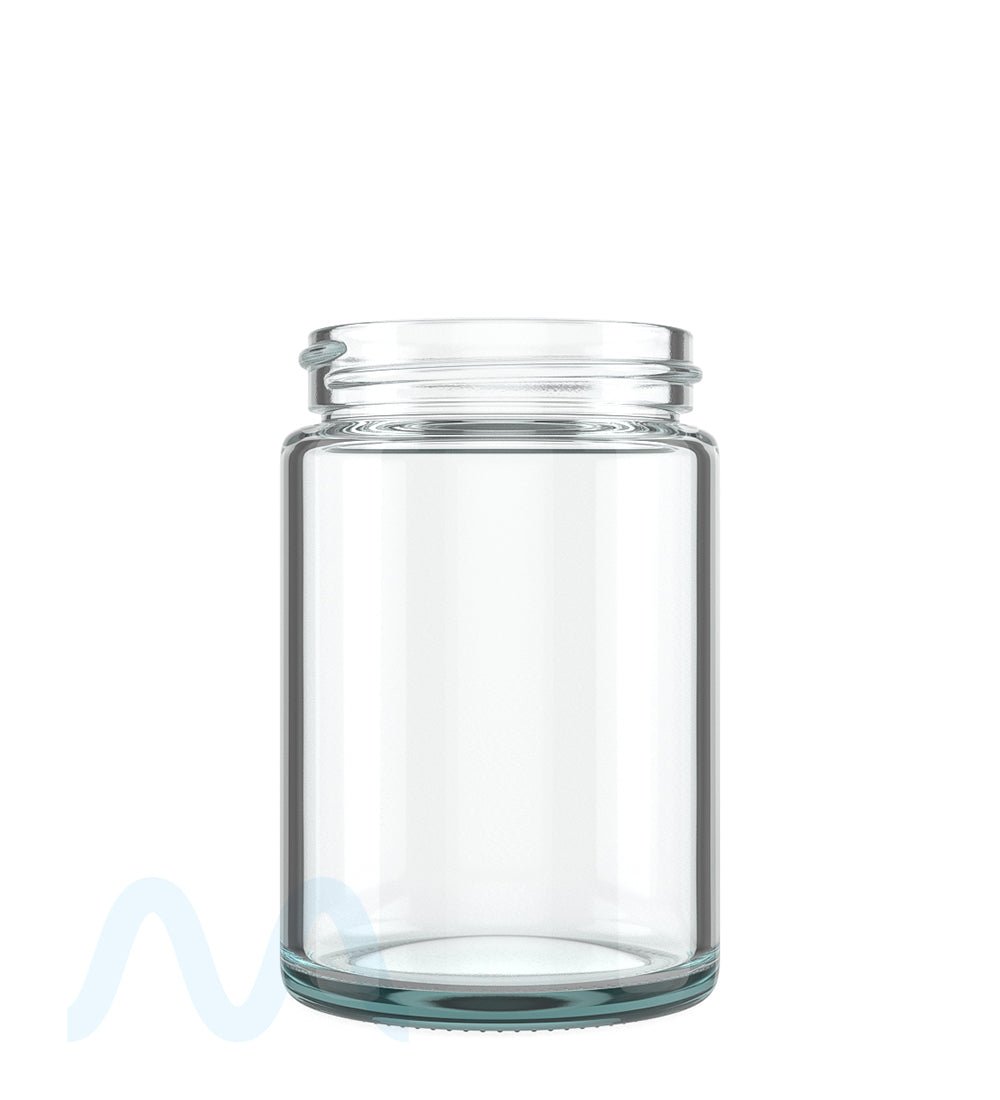
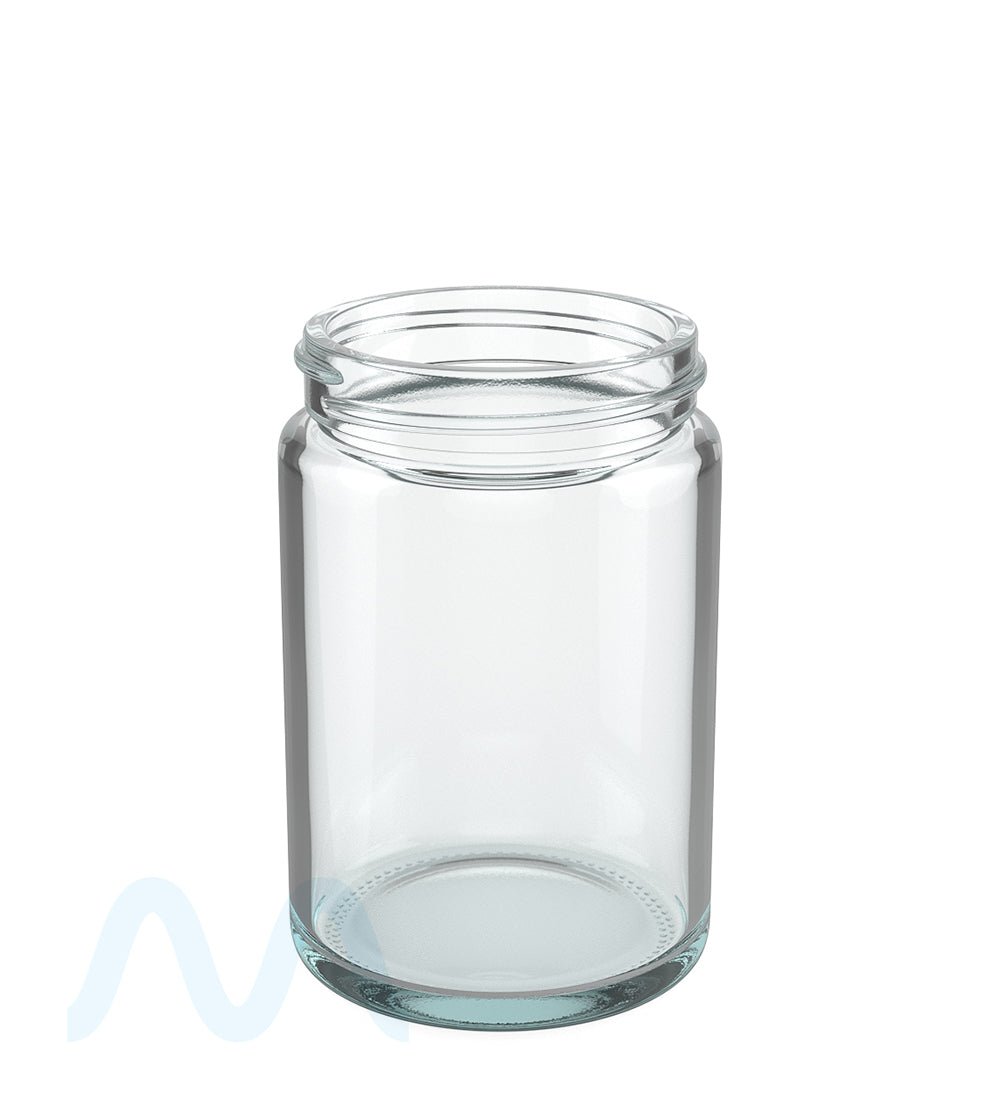
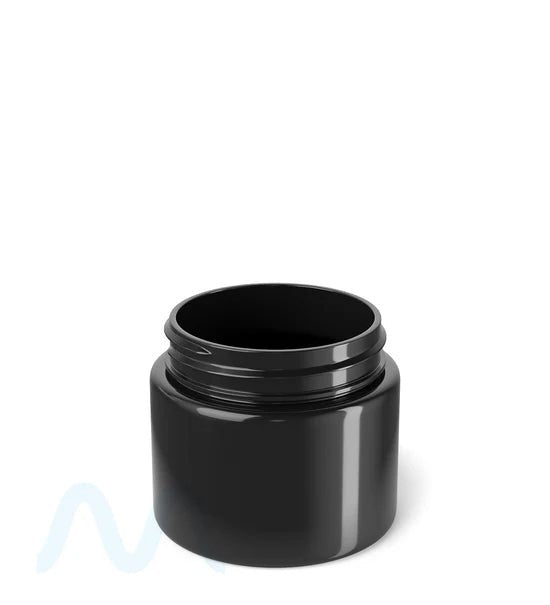
For larger supplement formats or products that benefit from wider openings, vitamin jars provide an effective alternative to traditional bottles. These containers are particularly suitable for:
- Powdered supplements requiring scoops
- Gummy vitamins and larger soft gels
- Products where consumers need to access multiple units quickly
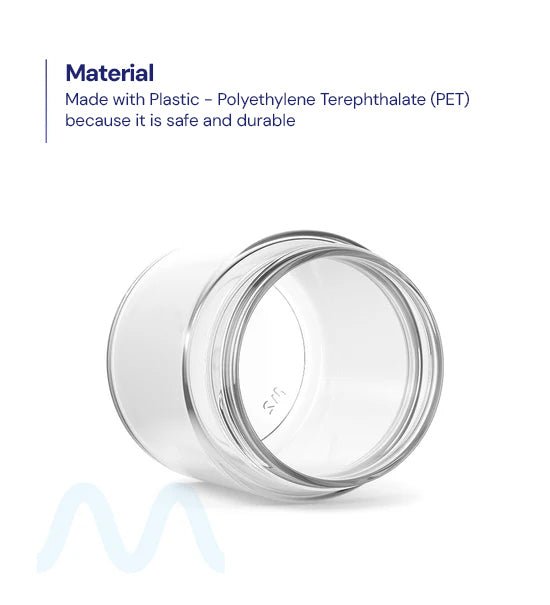
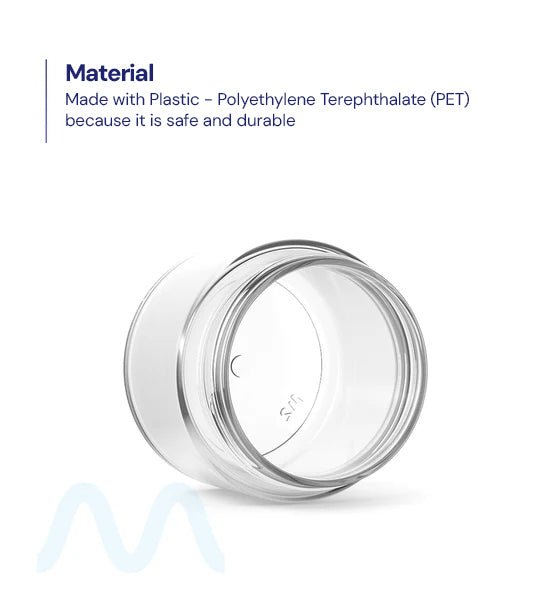
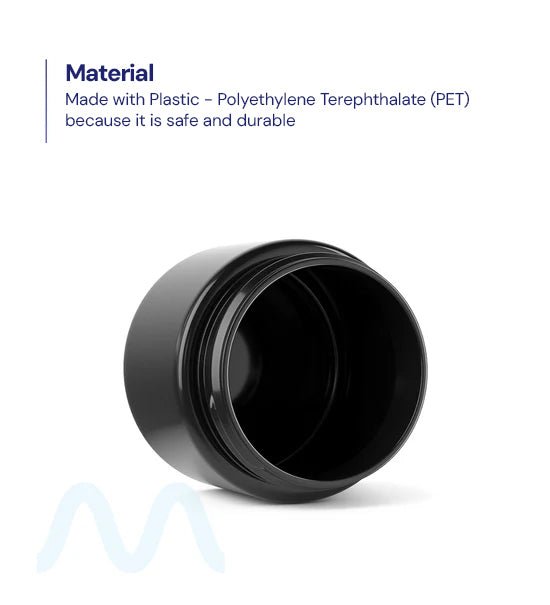
Supplement jars often feature wide-mouth designs and are available in various materials including PET, HDPE, and glass to meet different preservation requirements.
Flexible Pouch Packaging
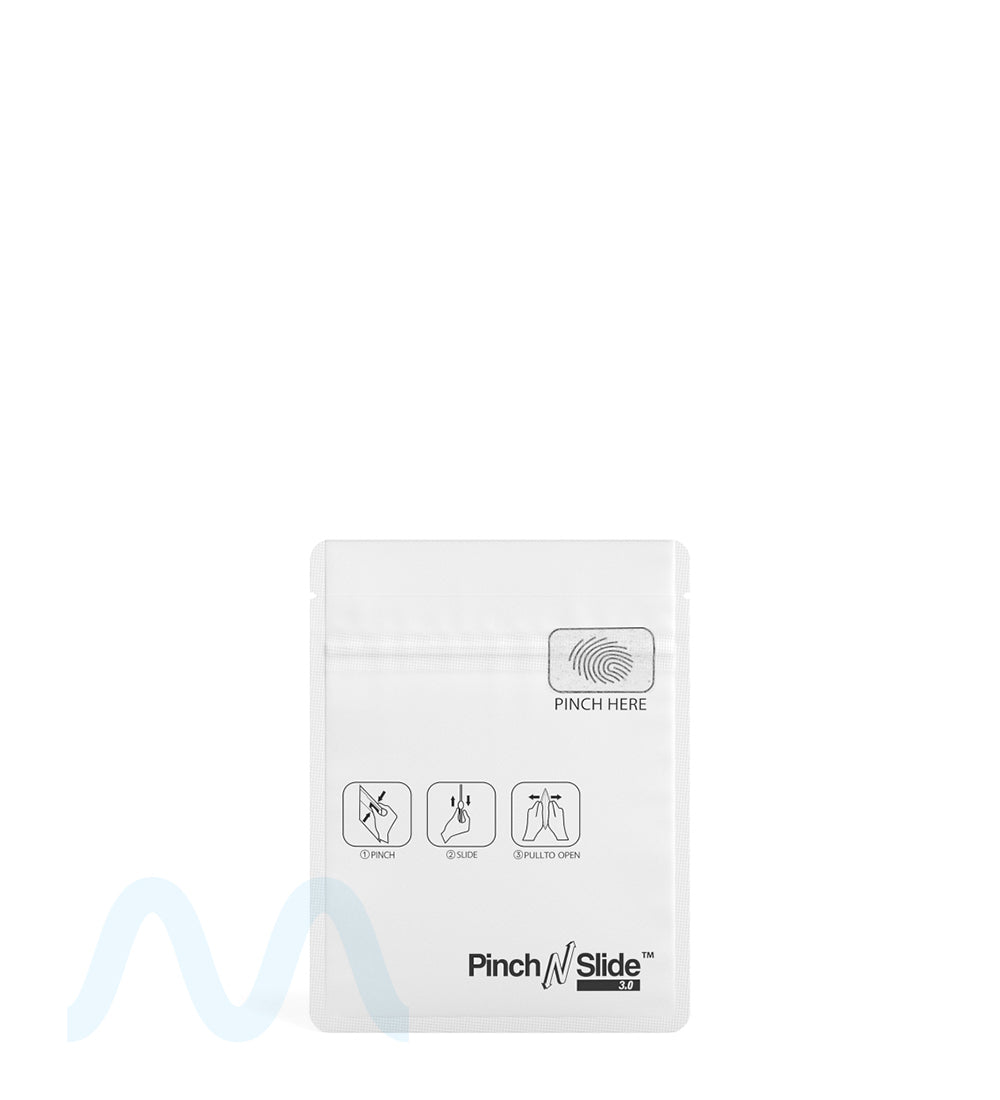
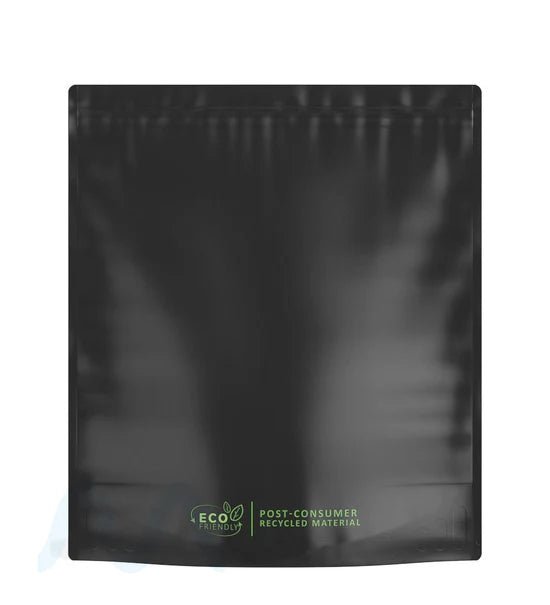
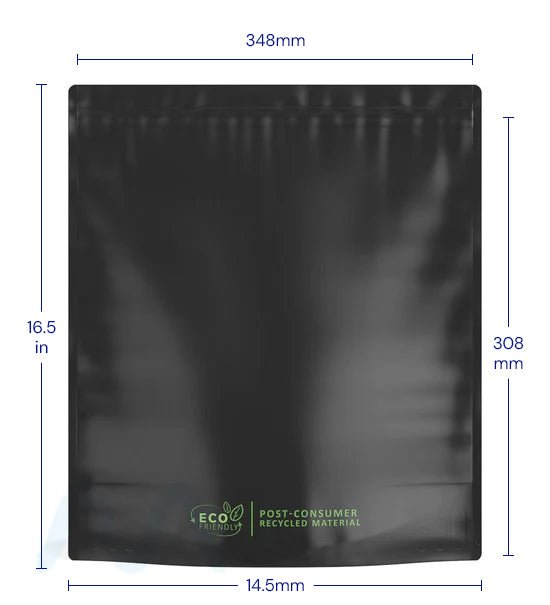
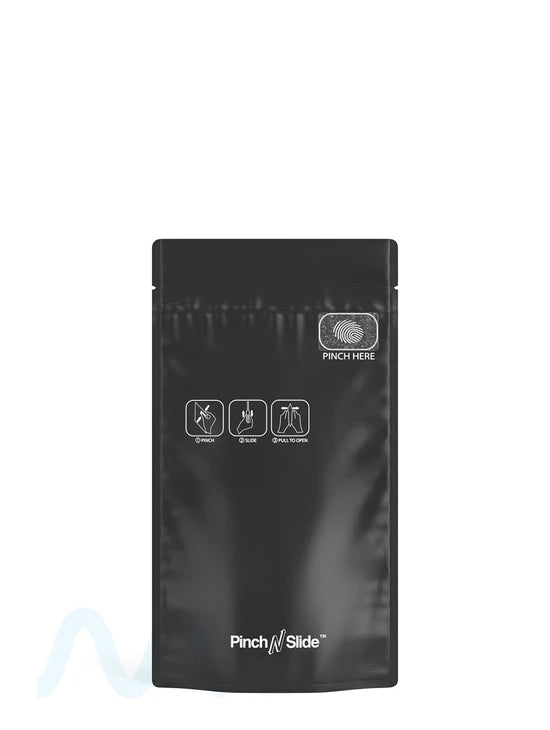
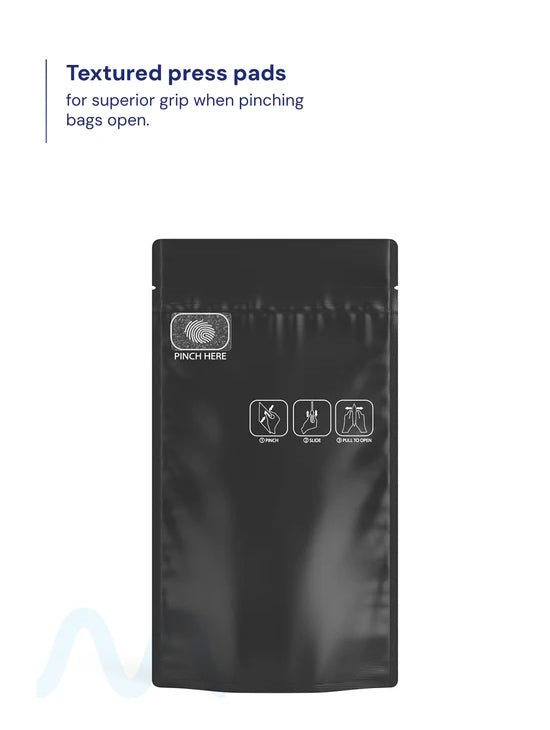
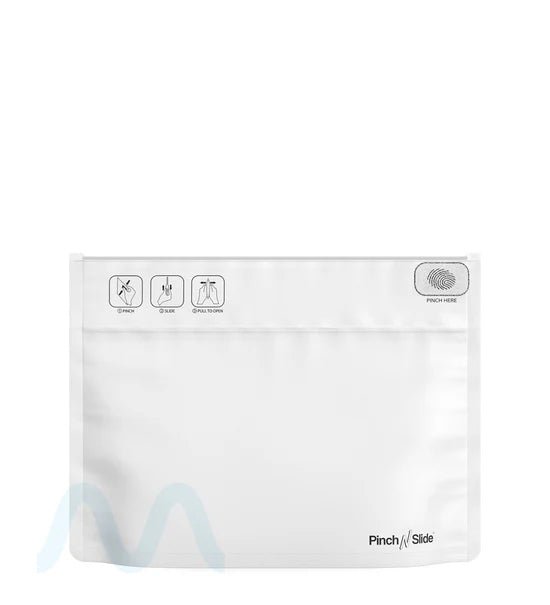
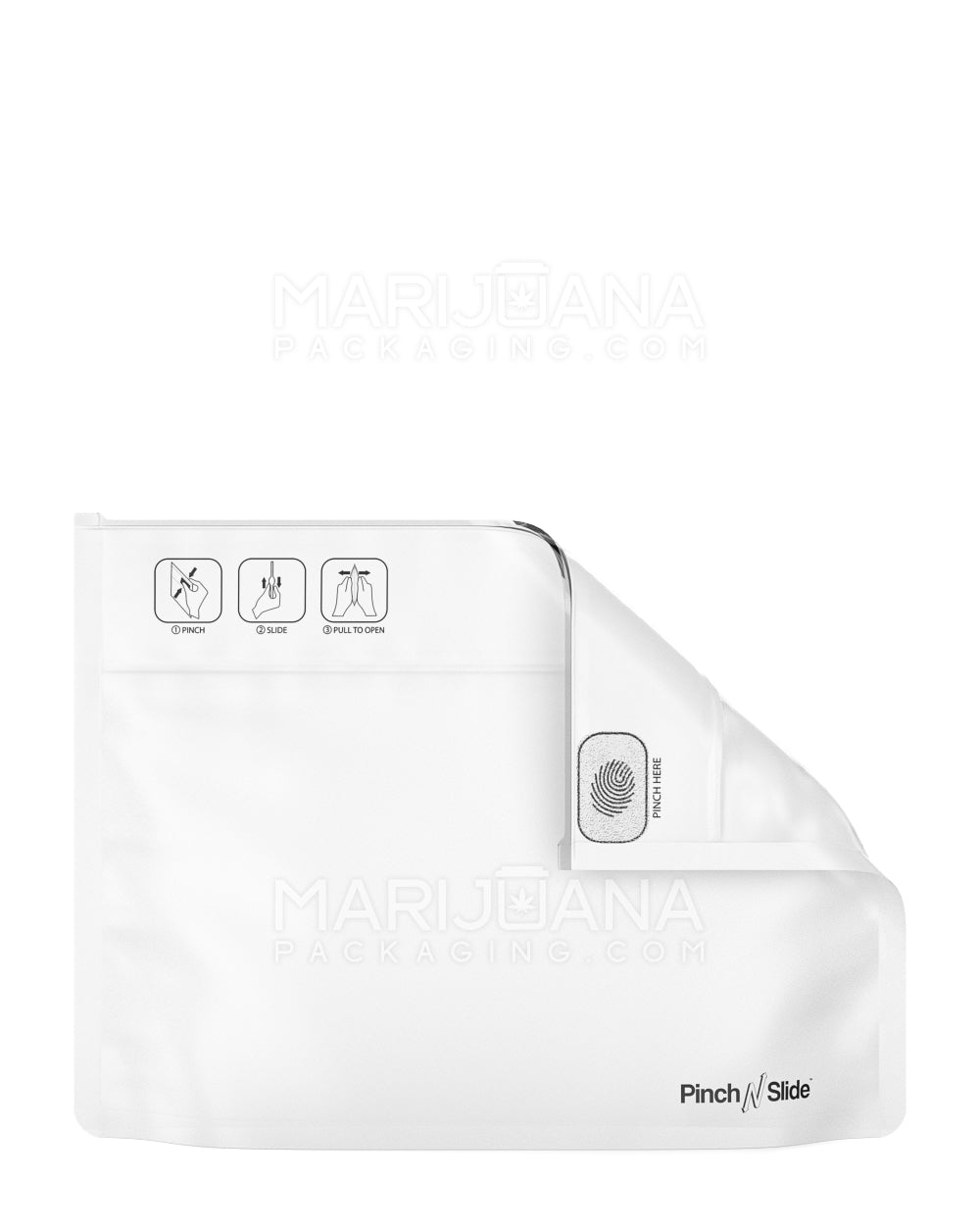
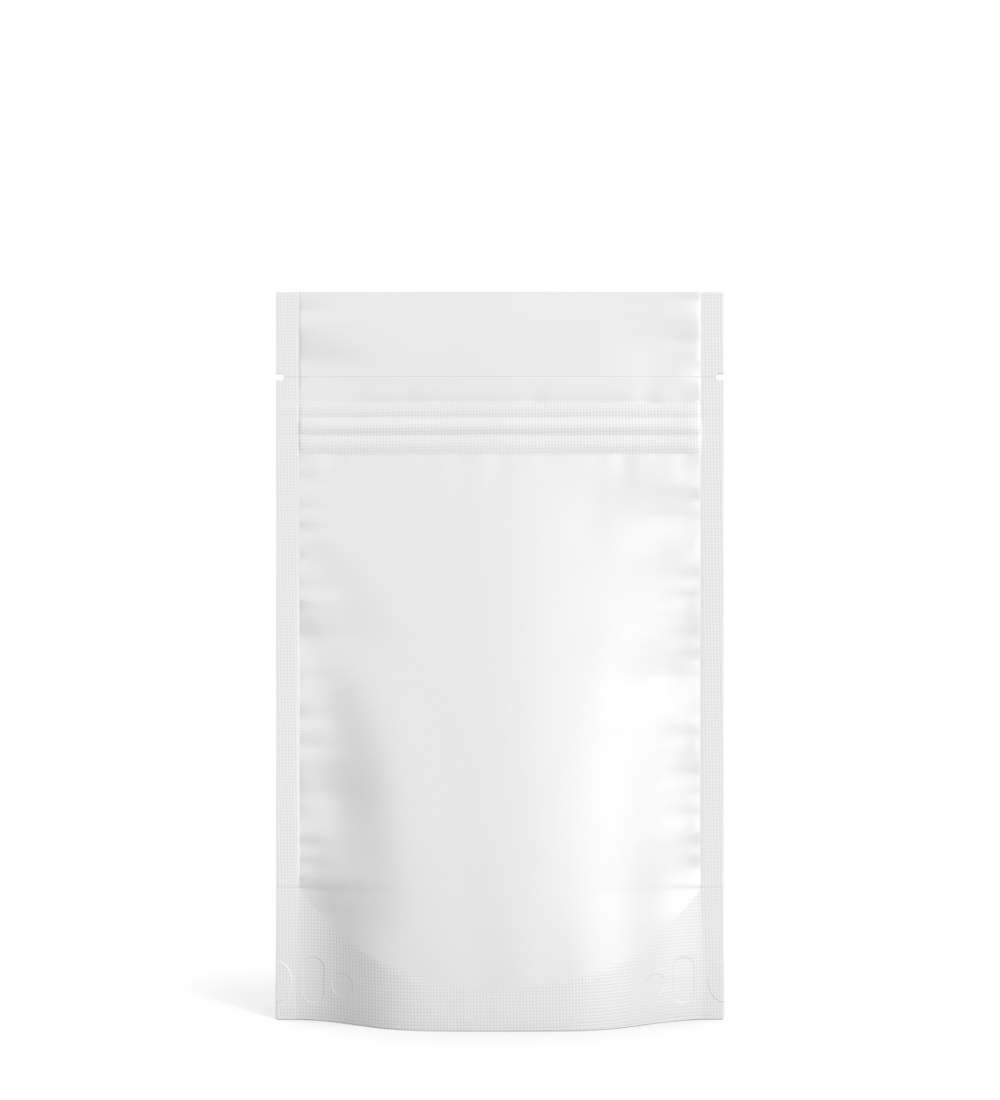
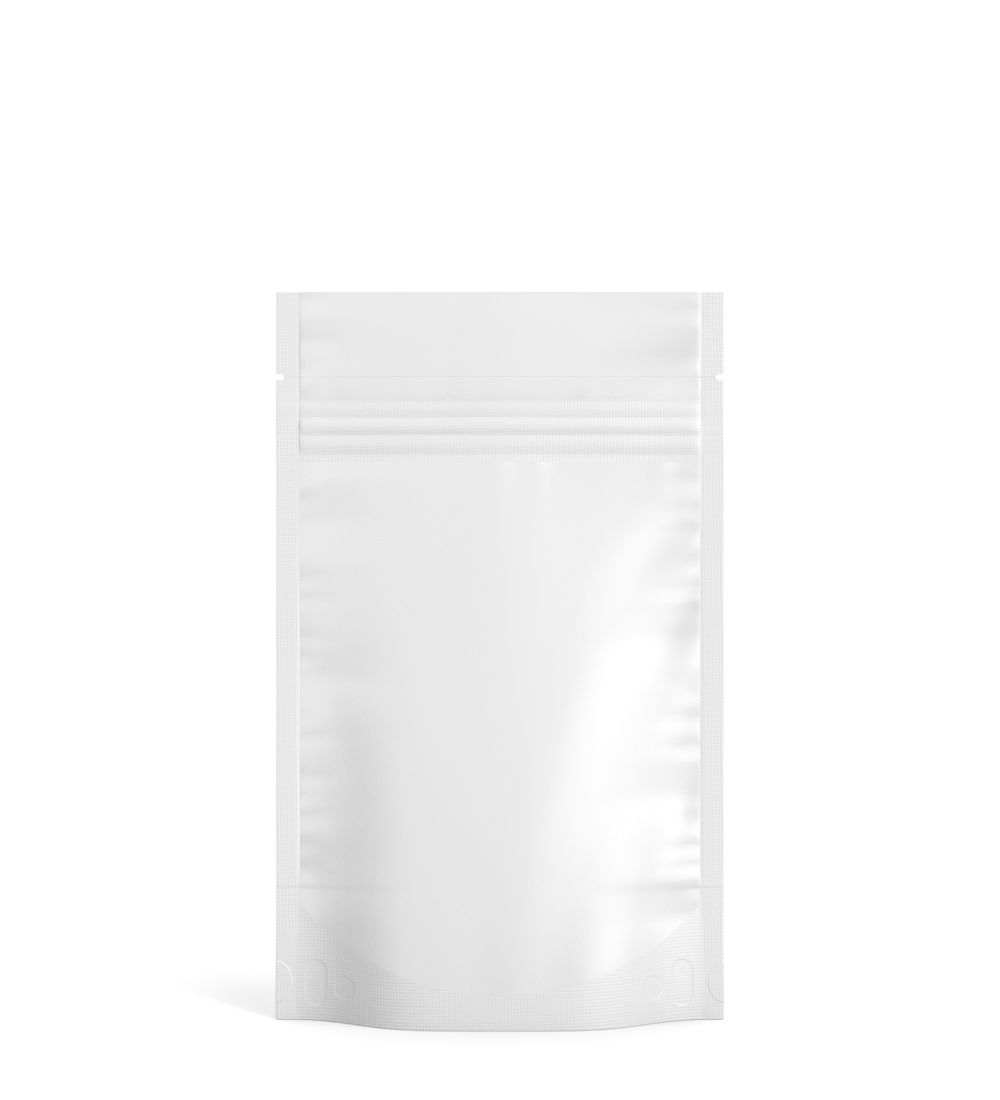
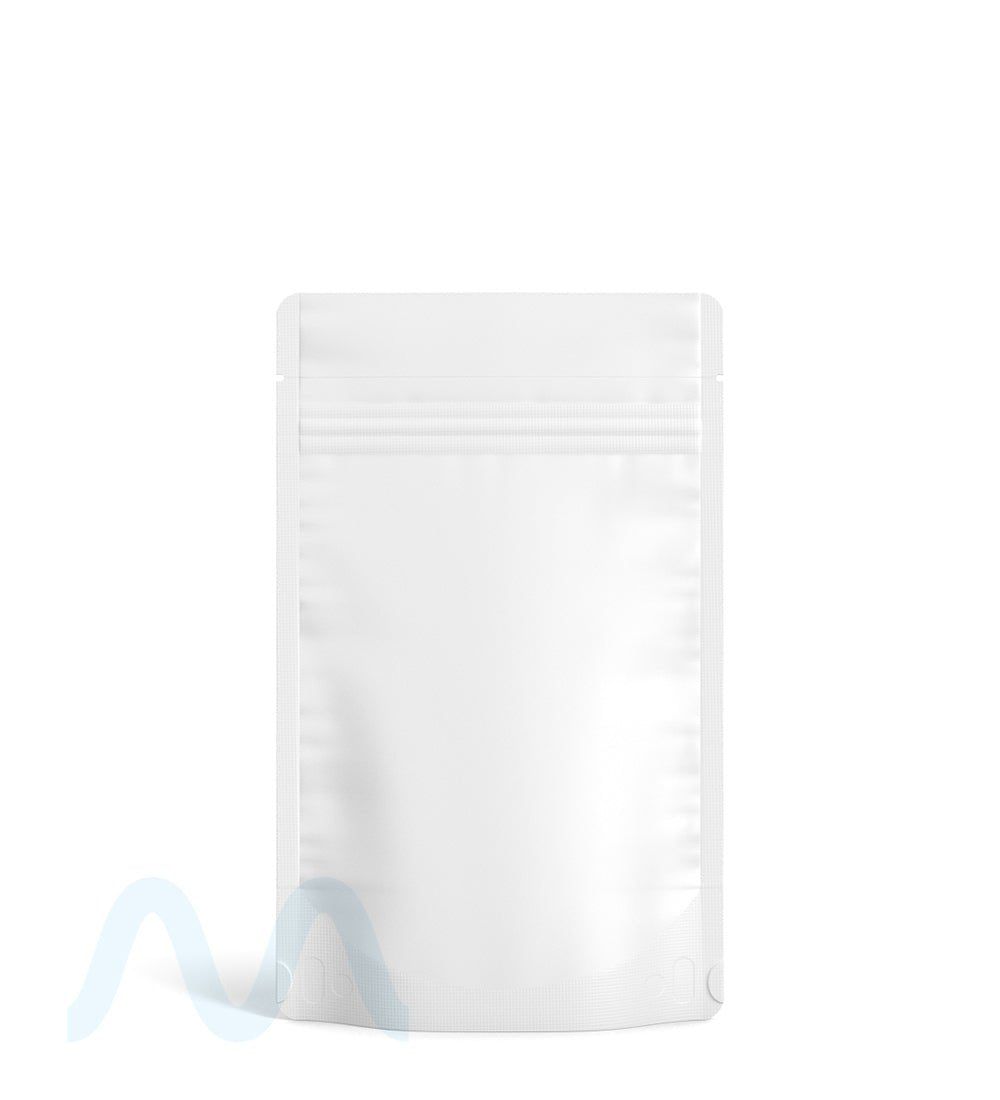
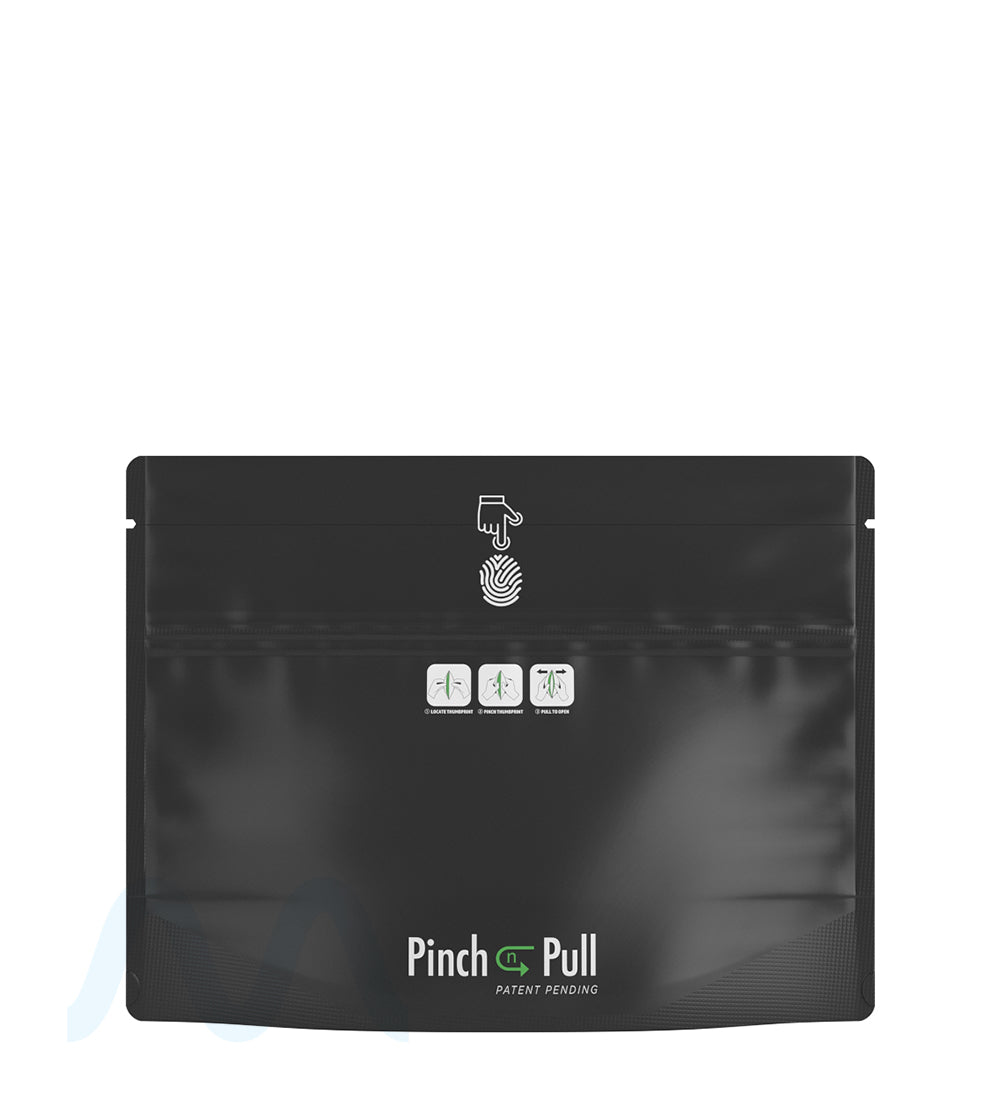
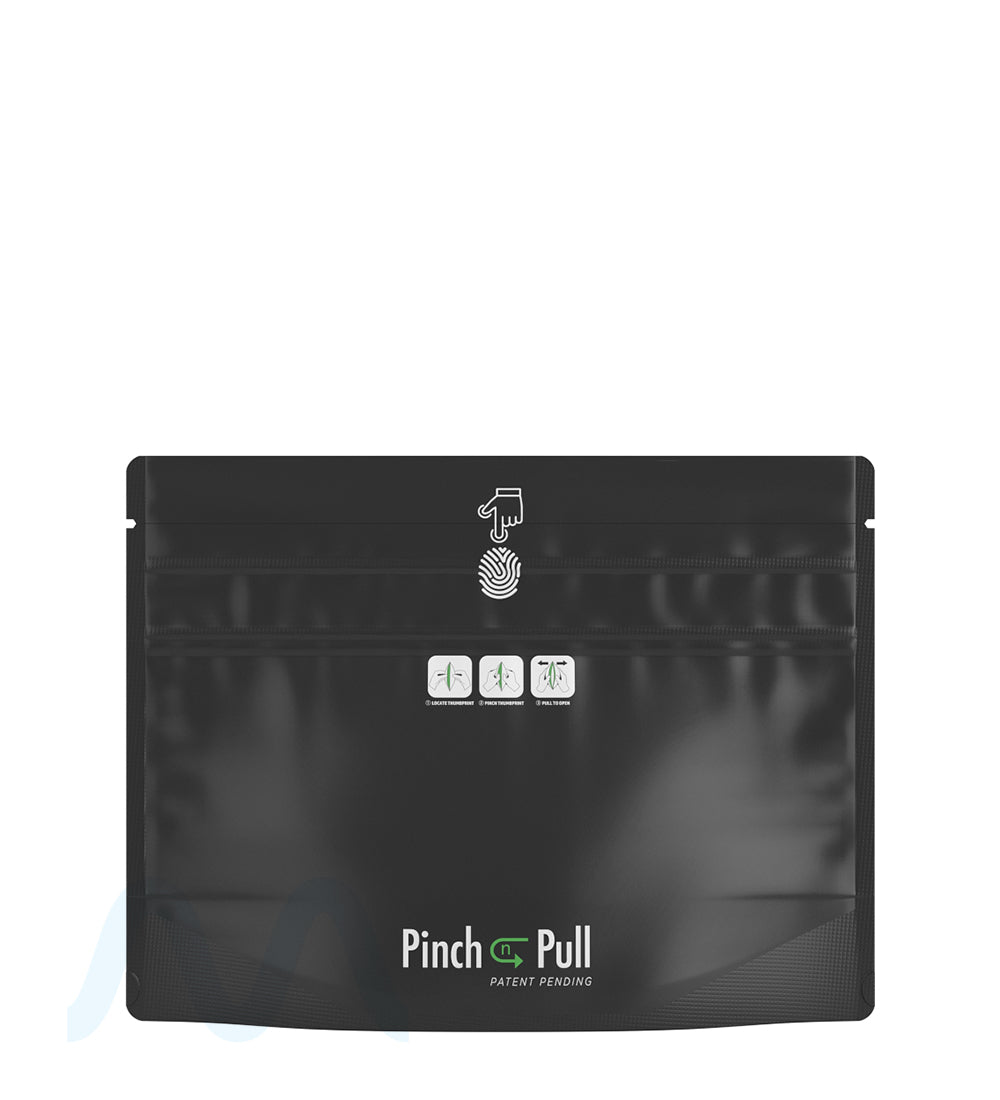
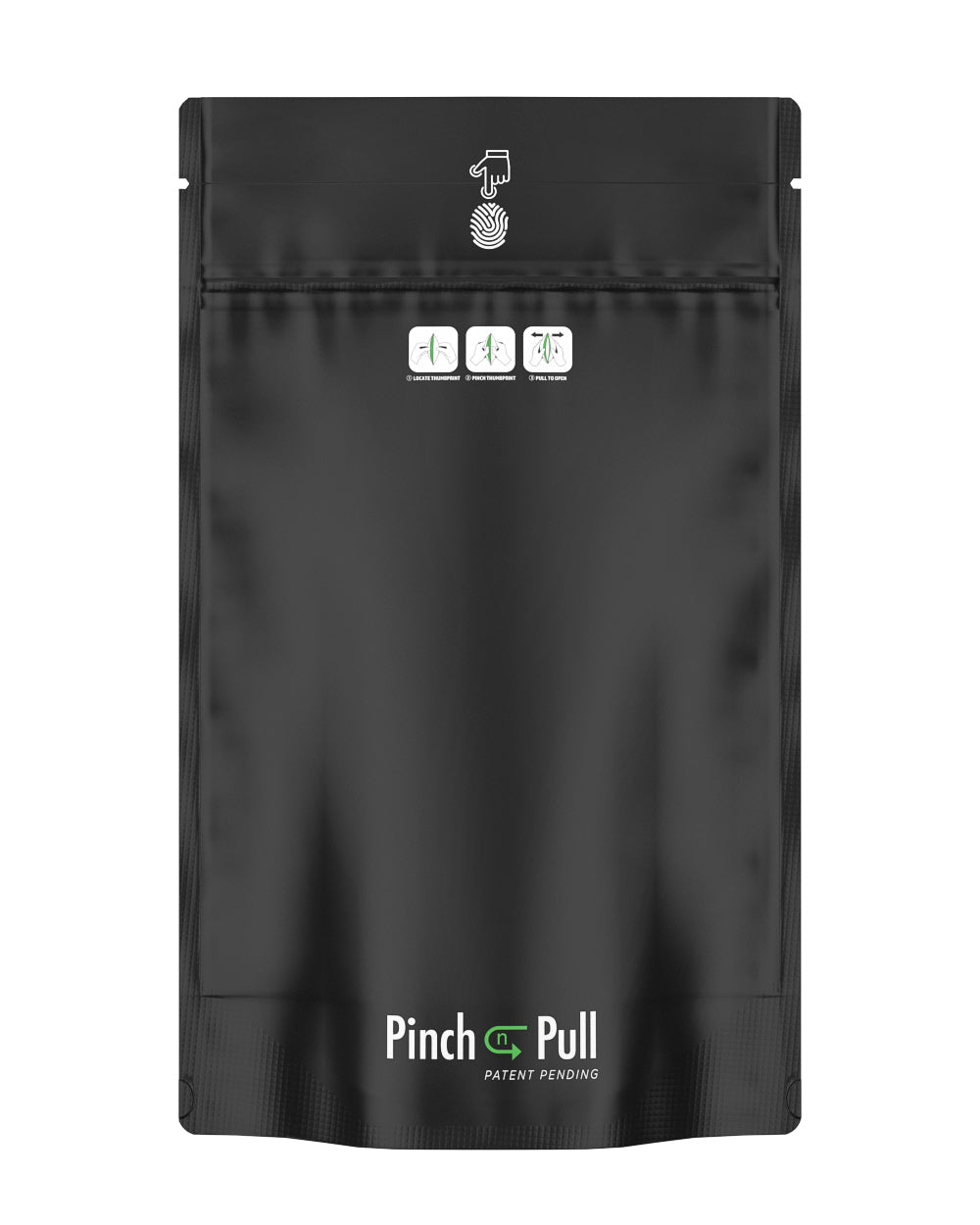
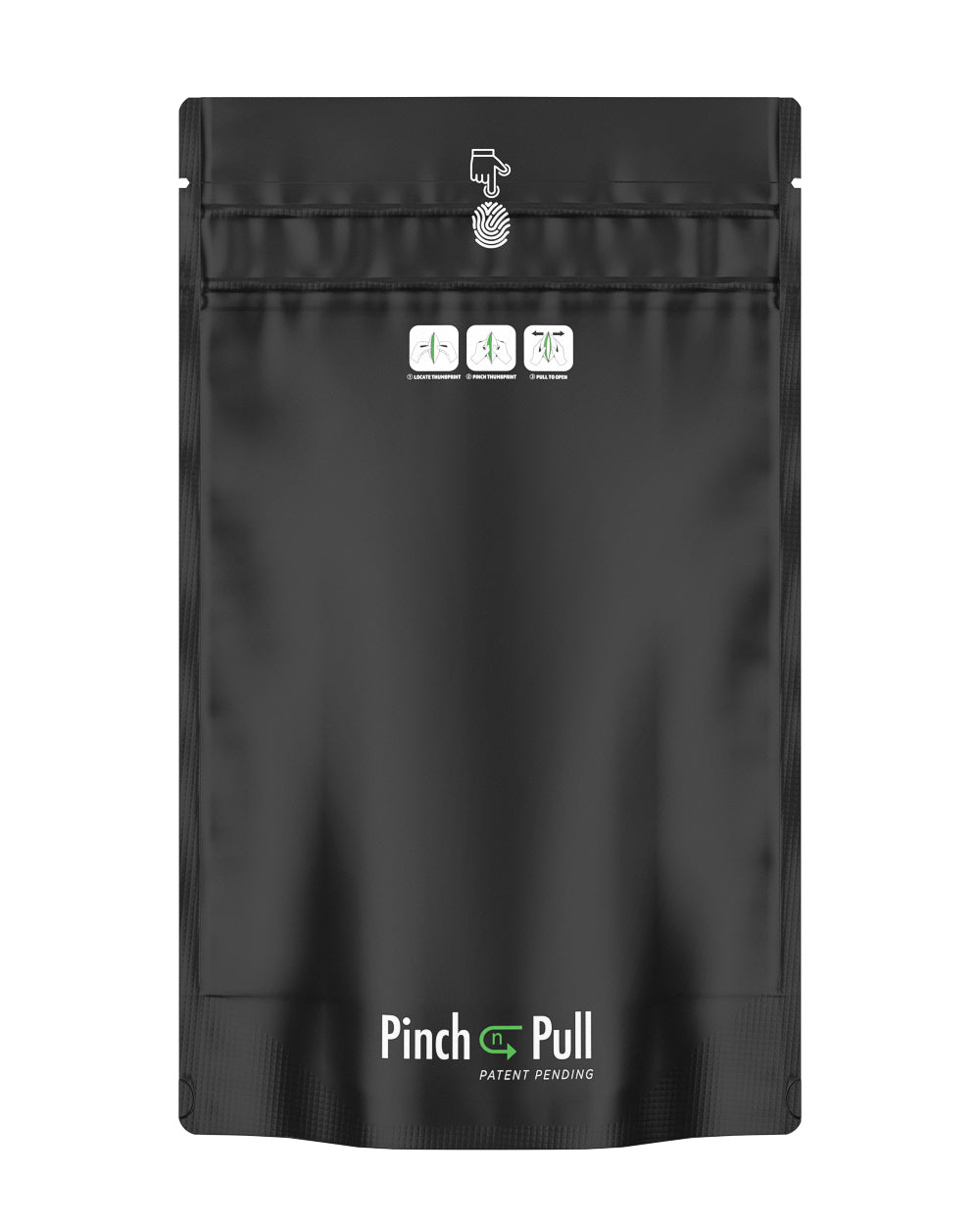
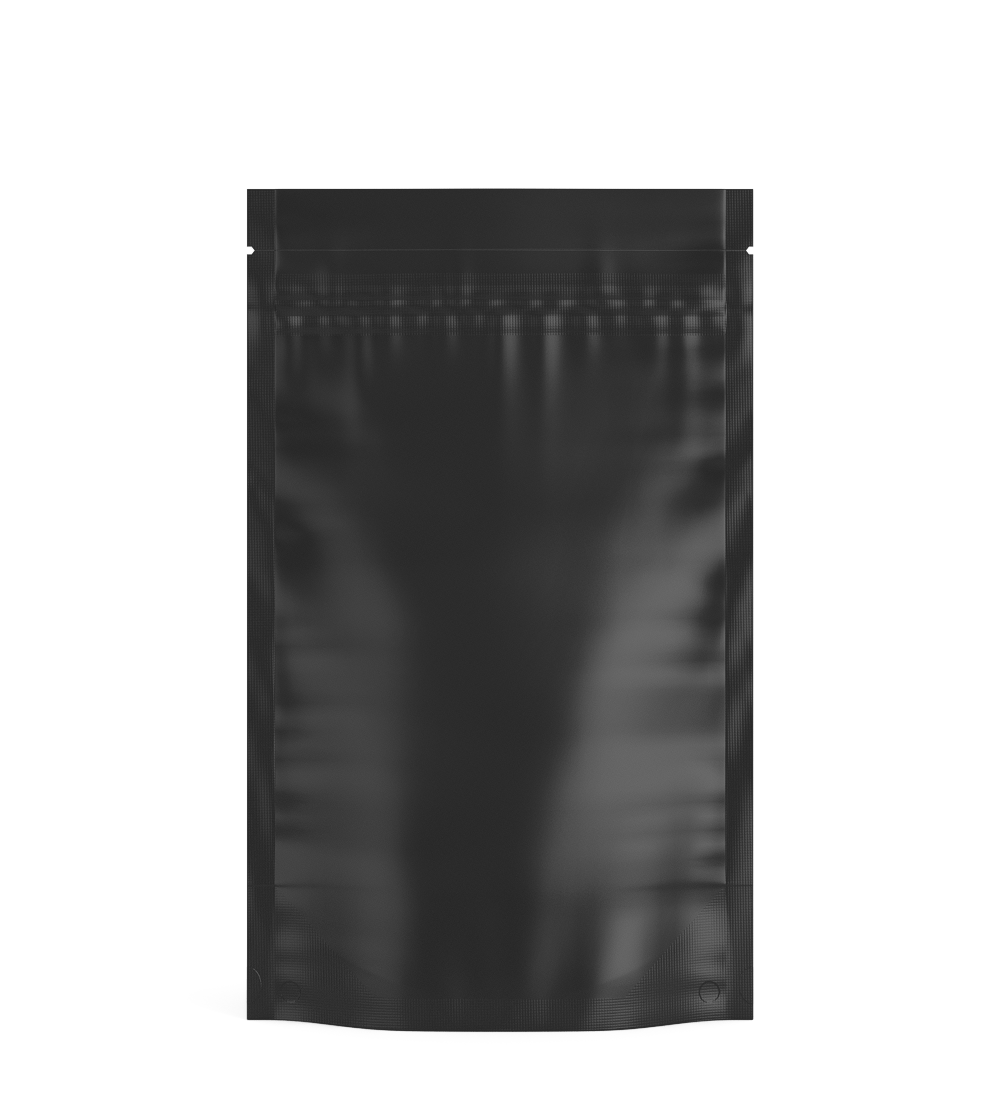
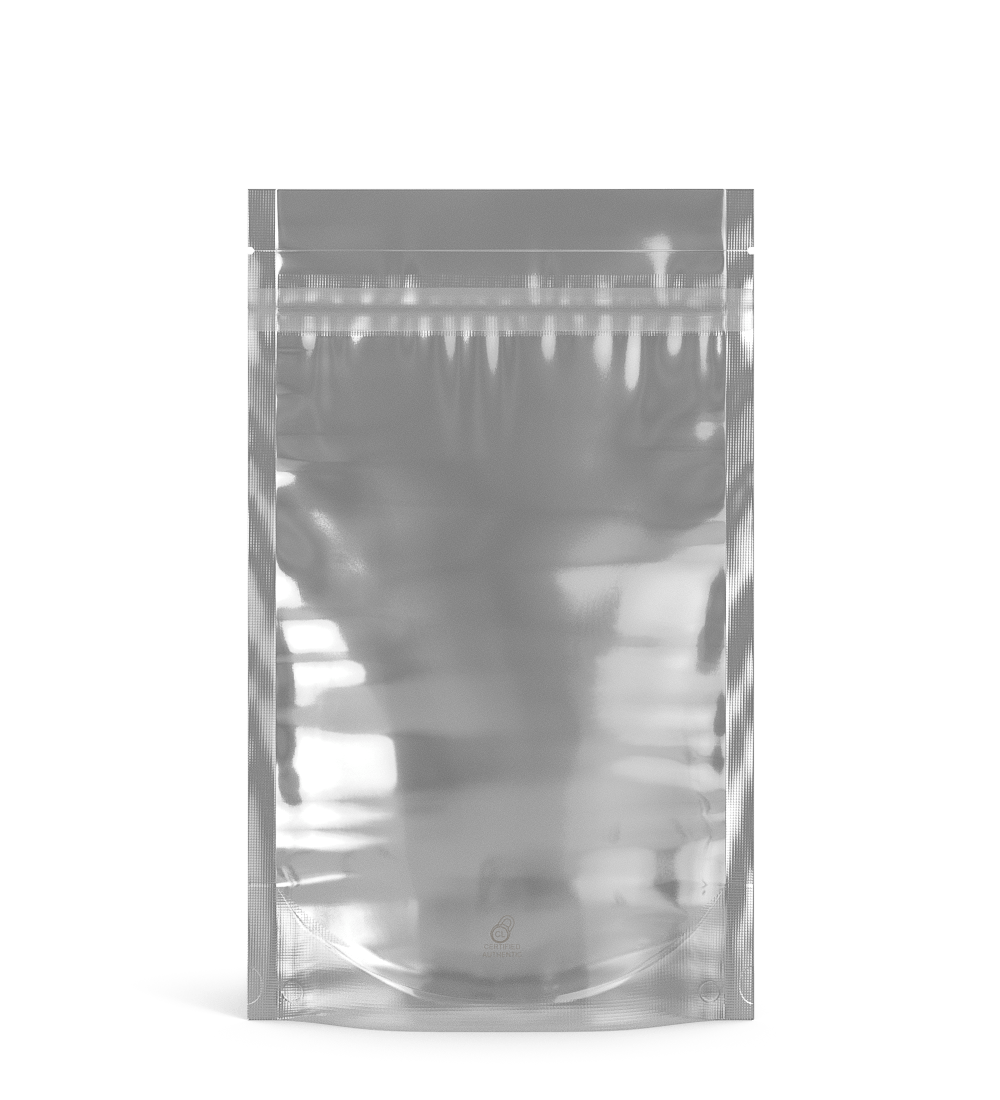
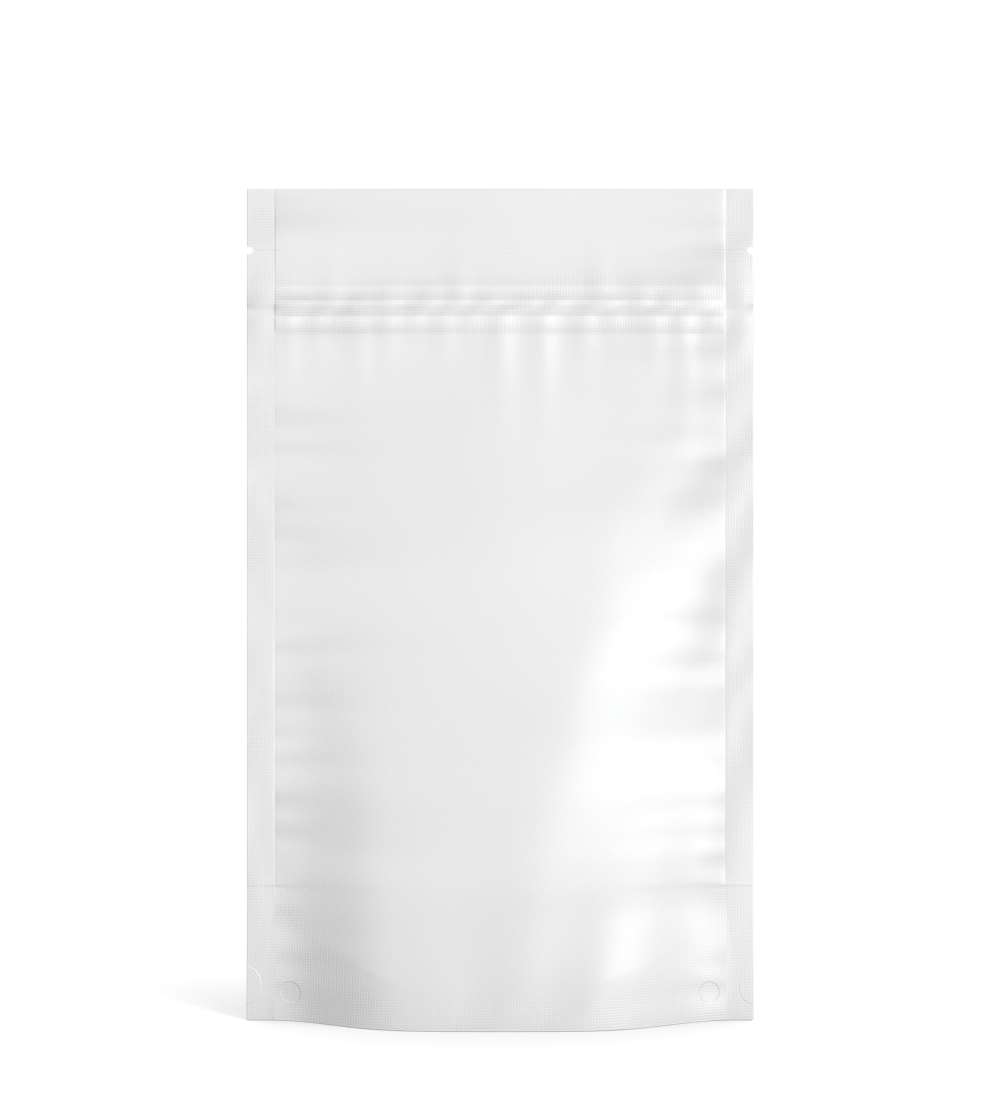
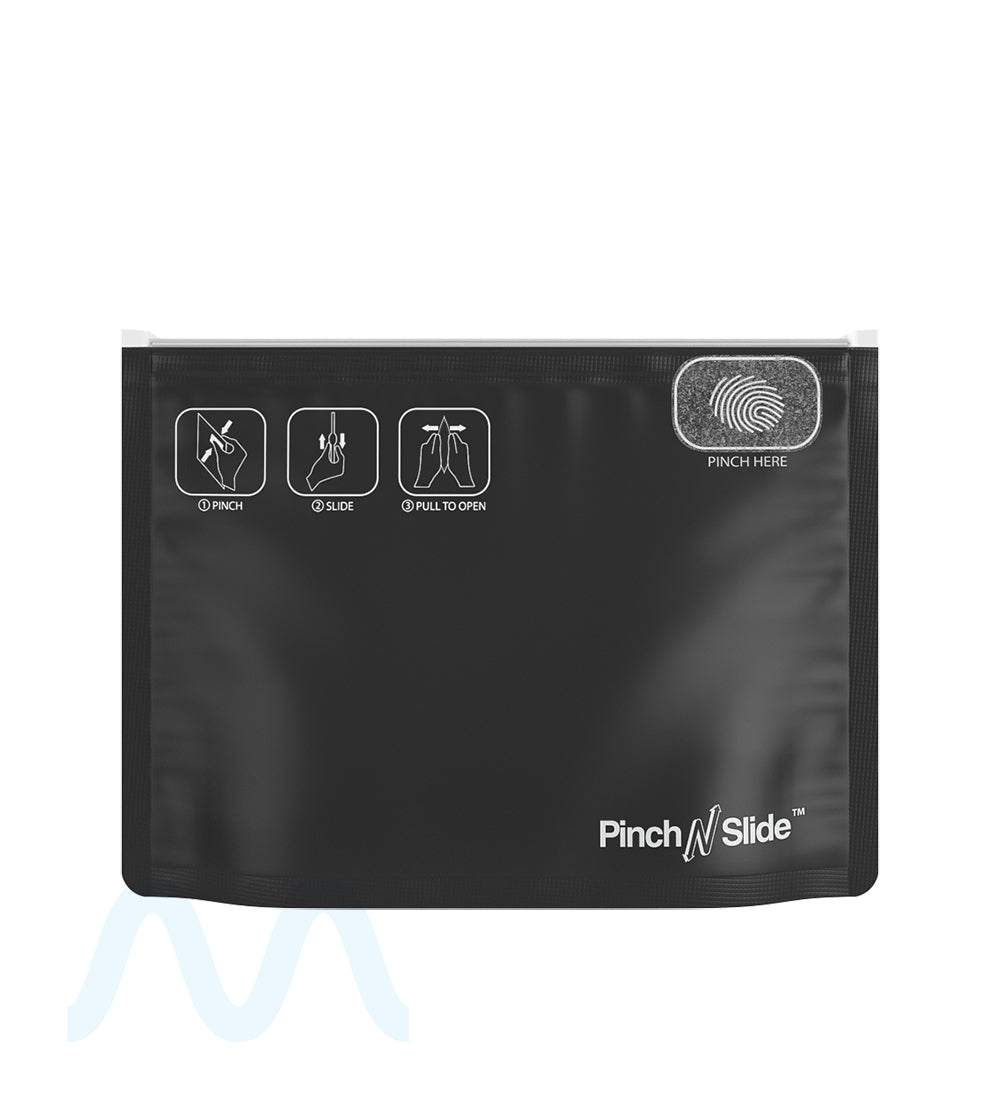
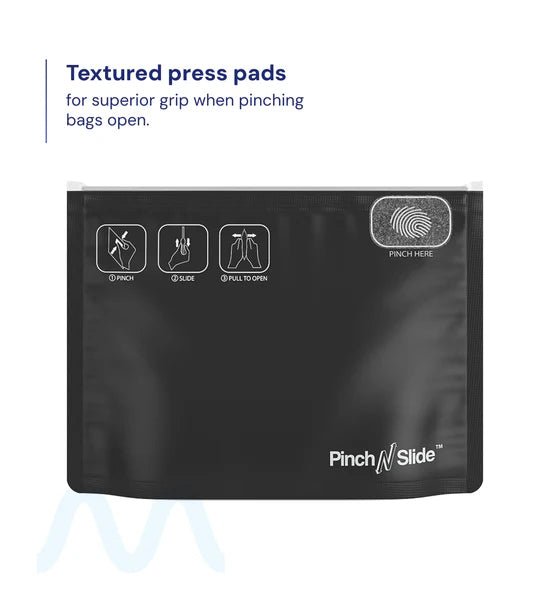
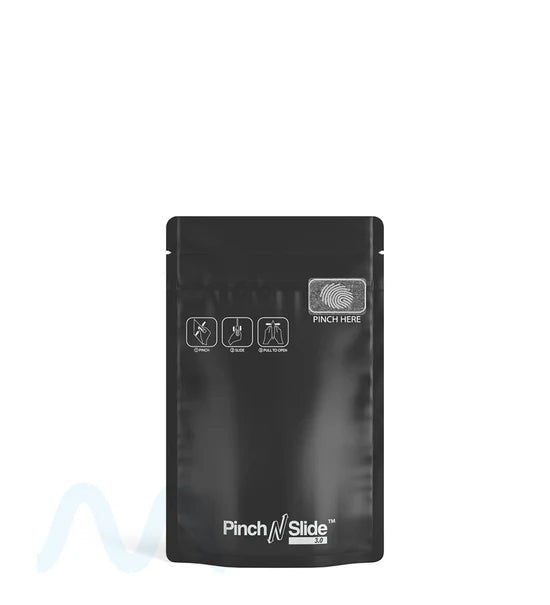
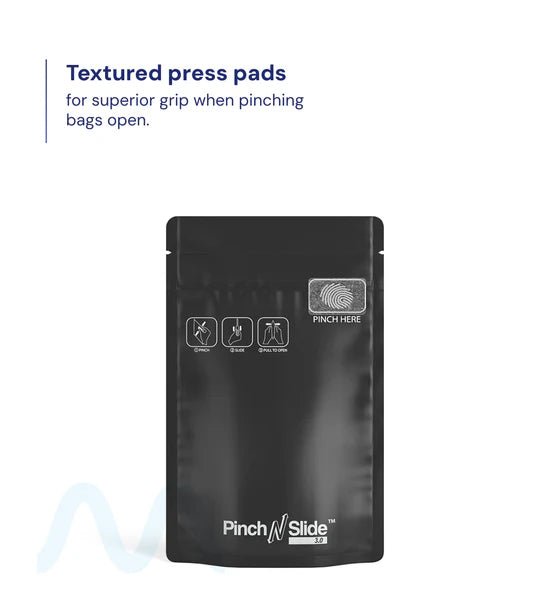
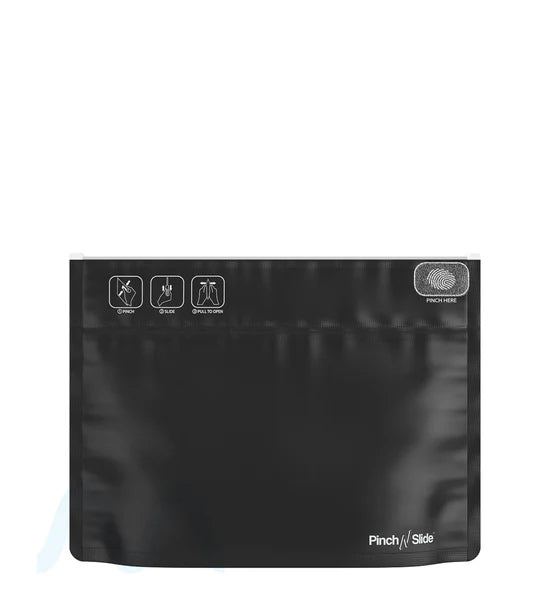
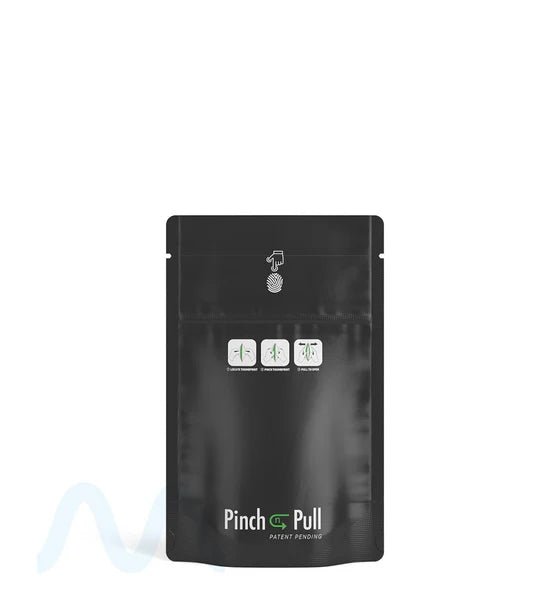
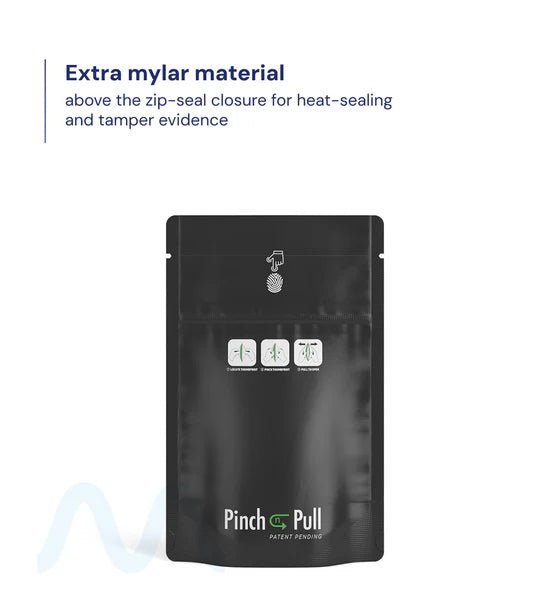
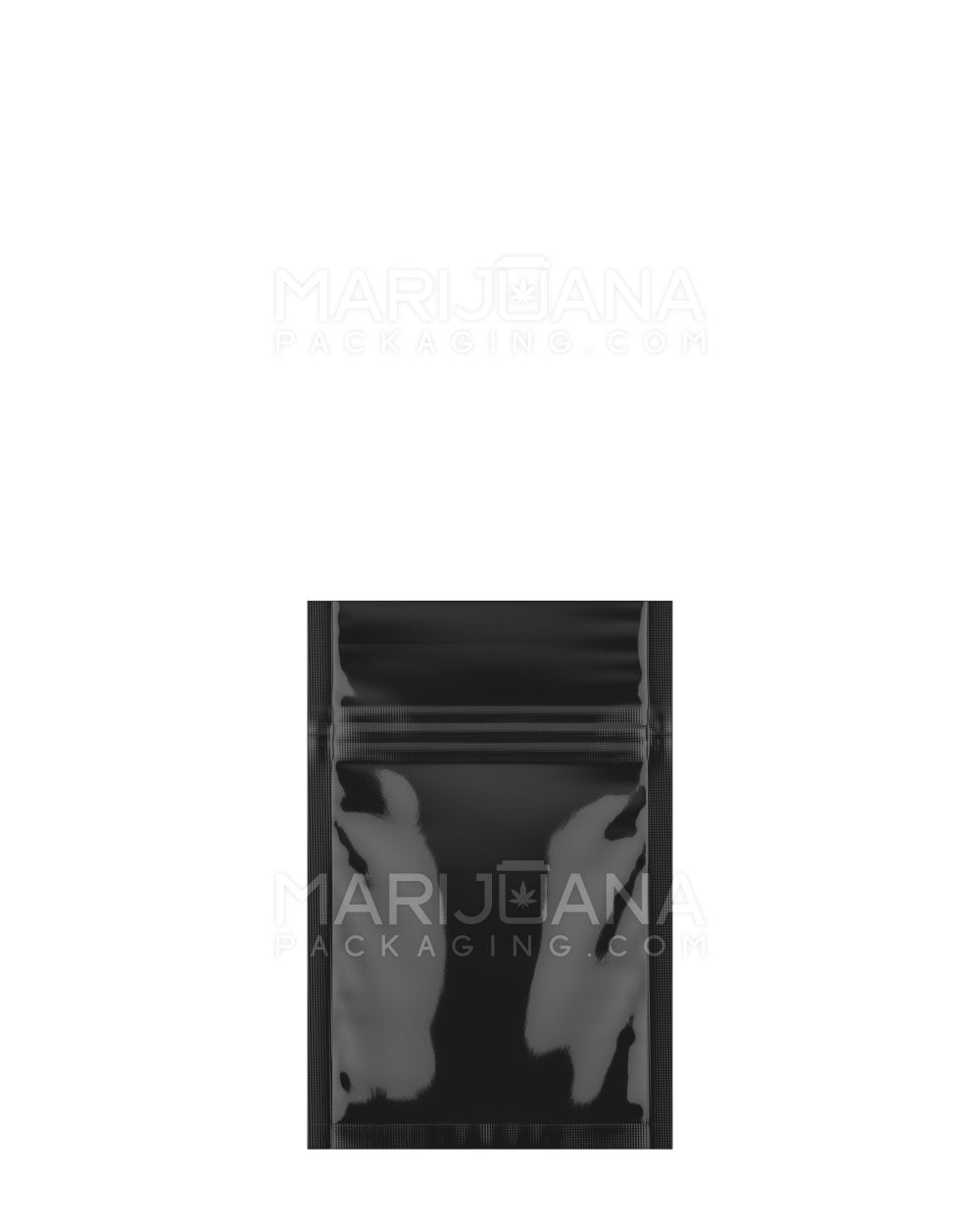
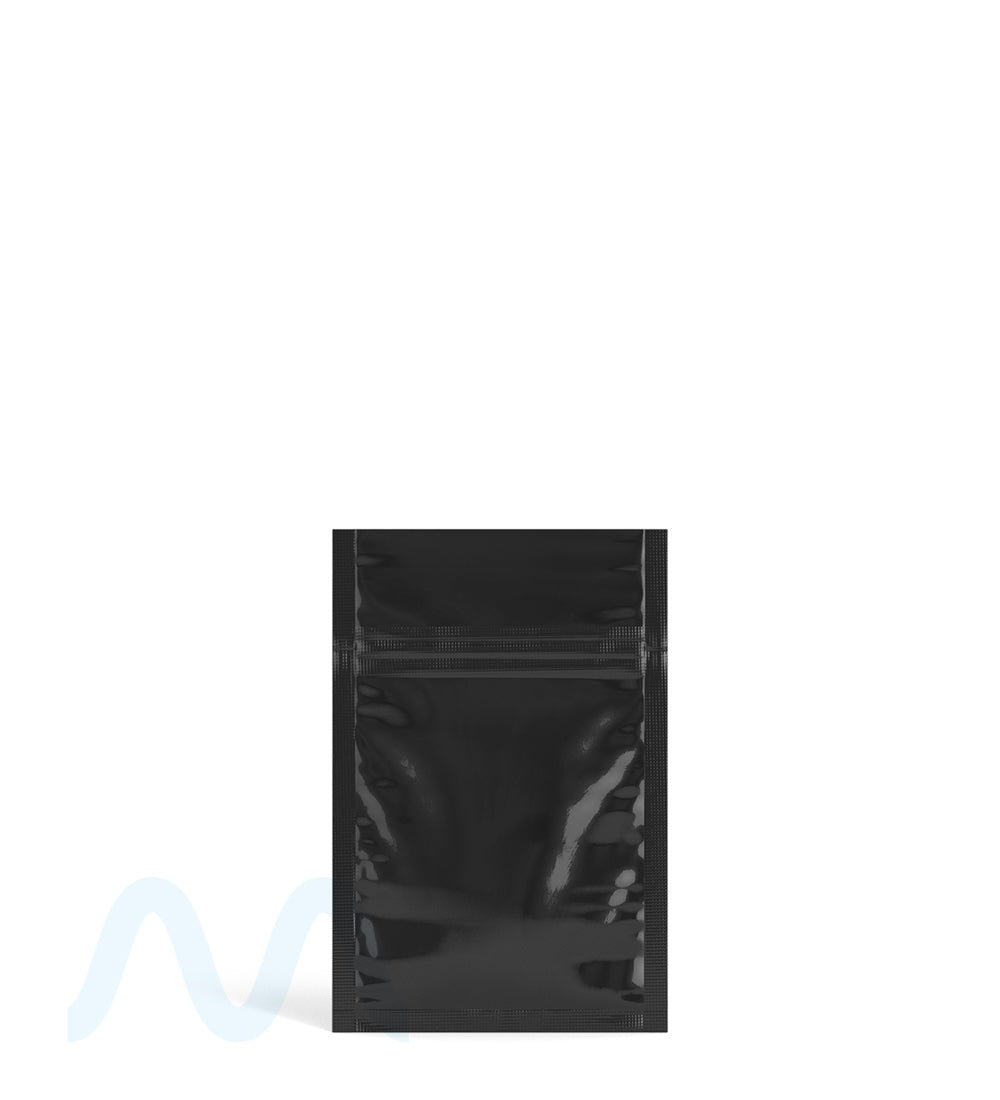
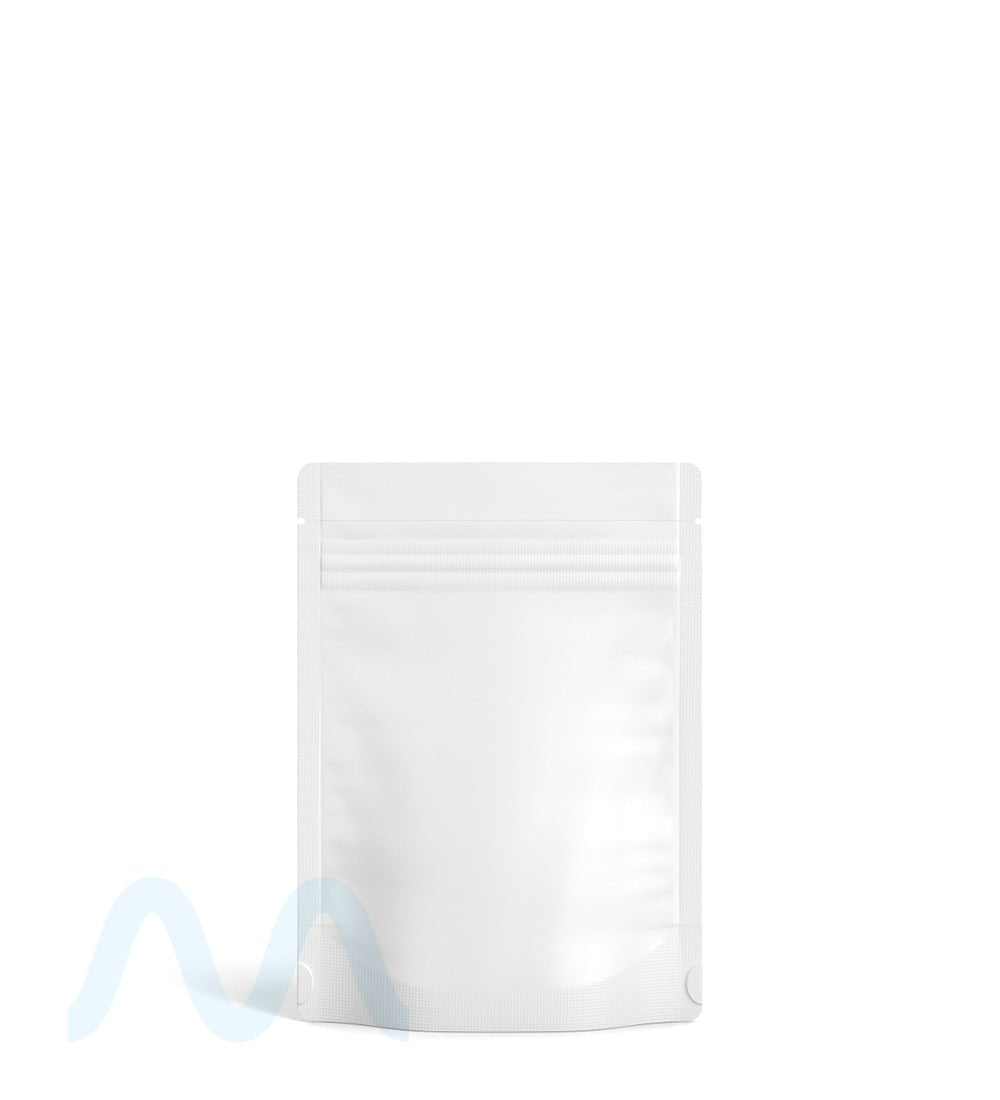
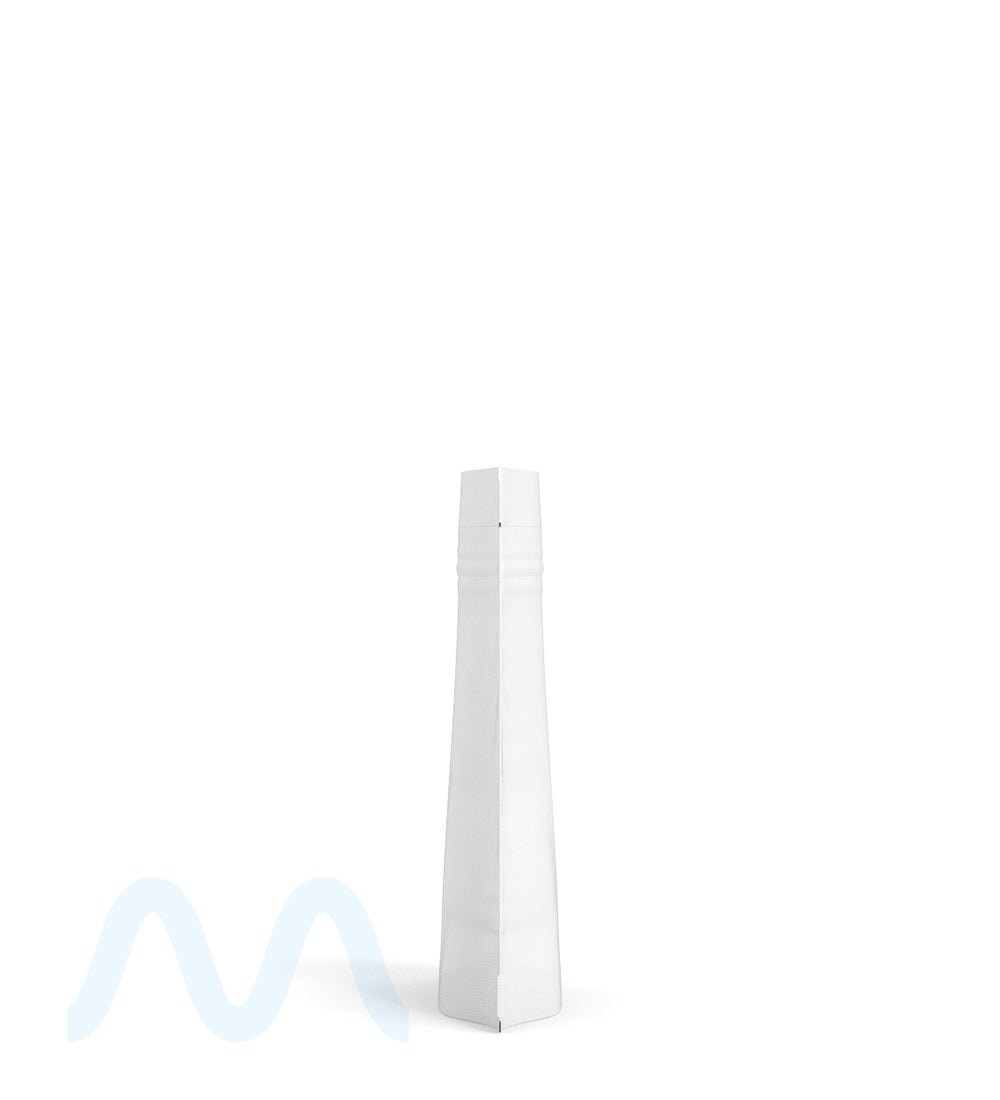
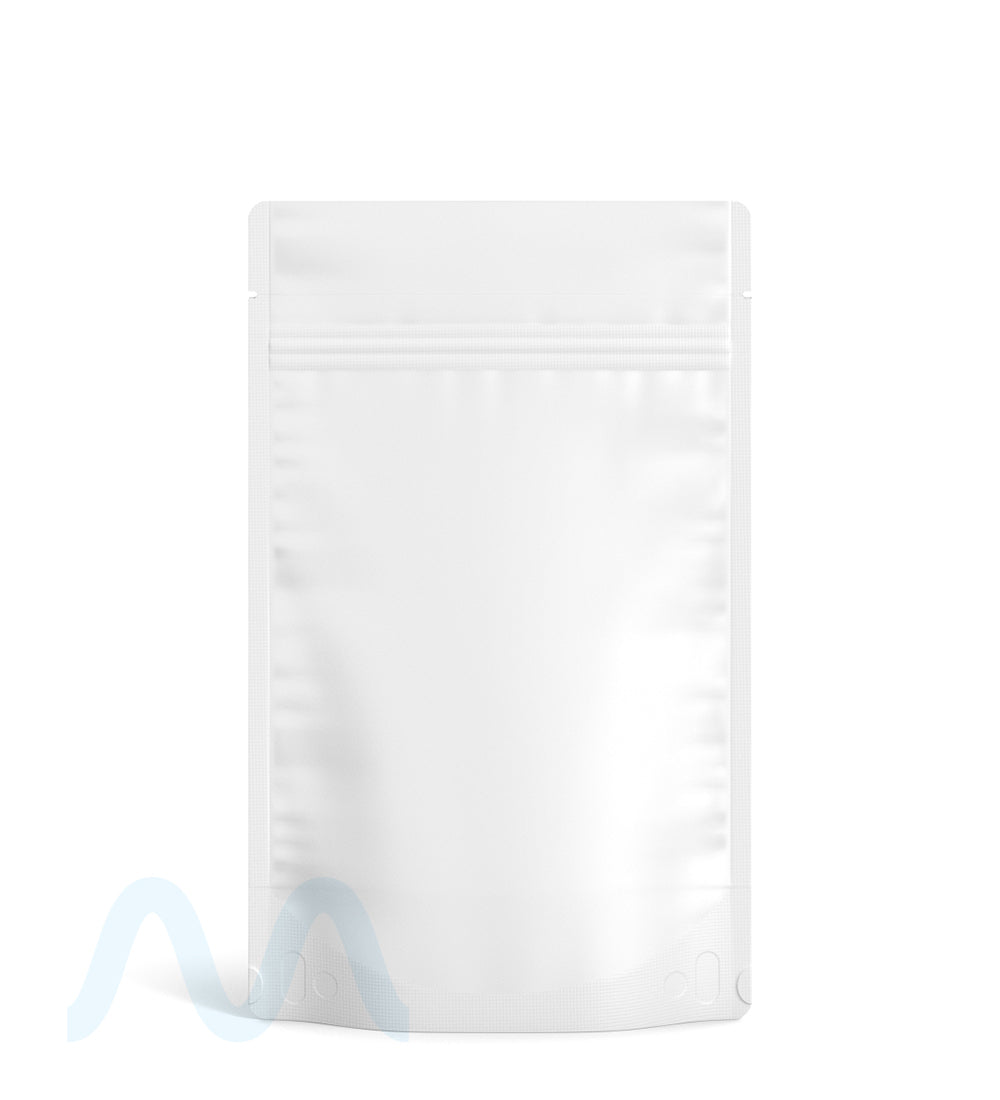
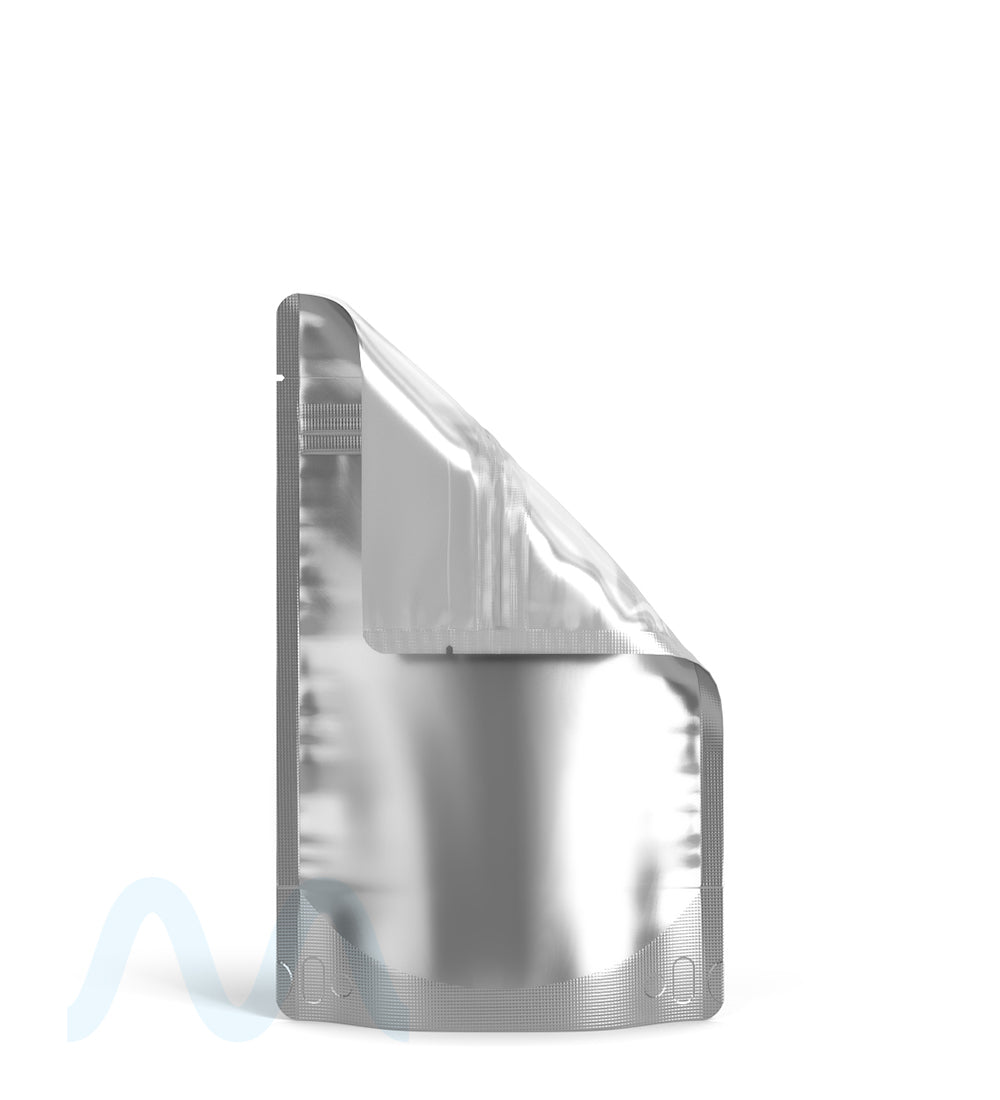
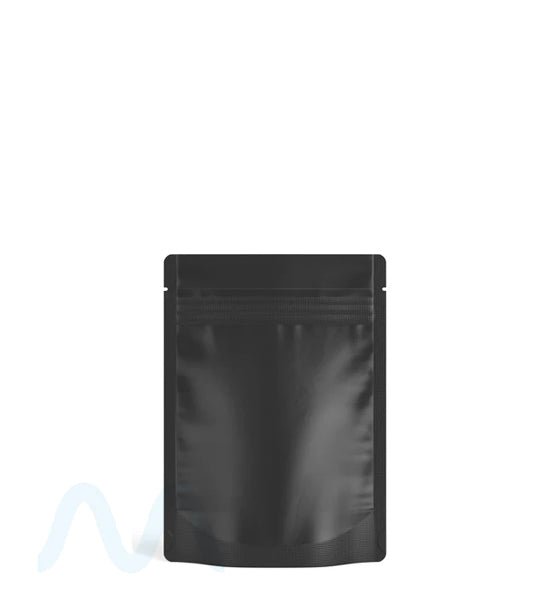
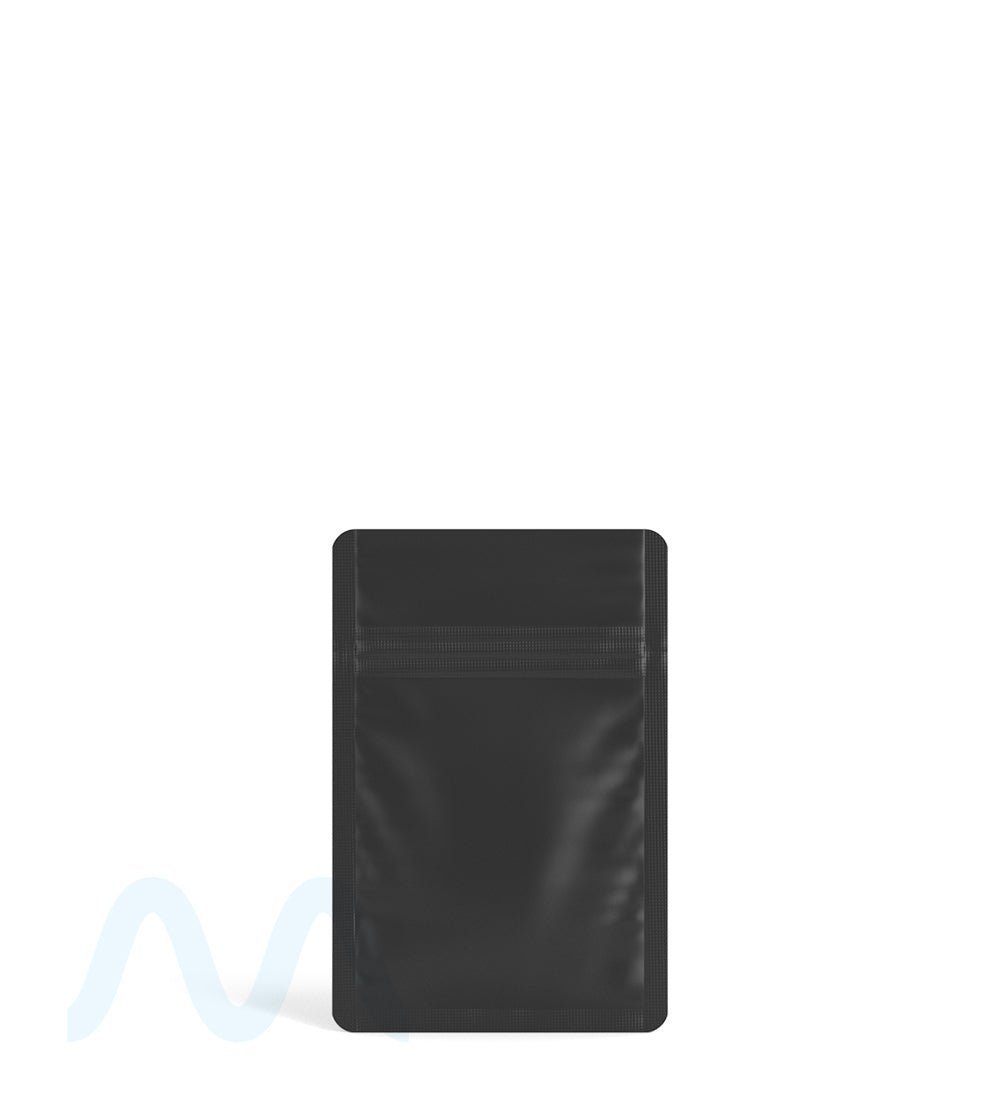
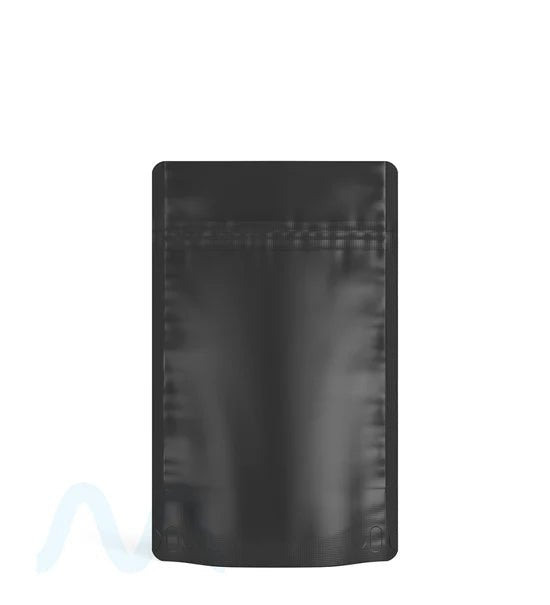
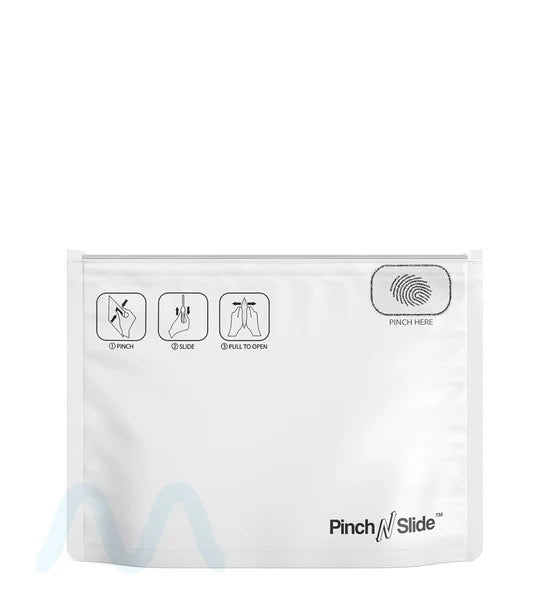
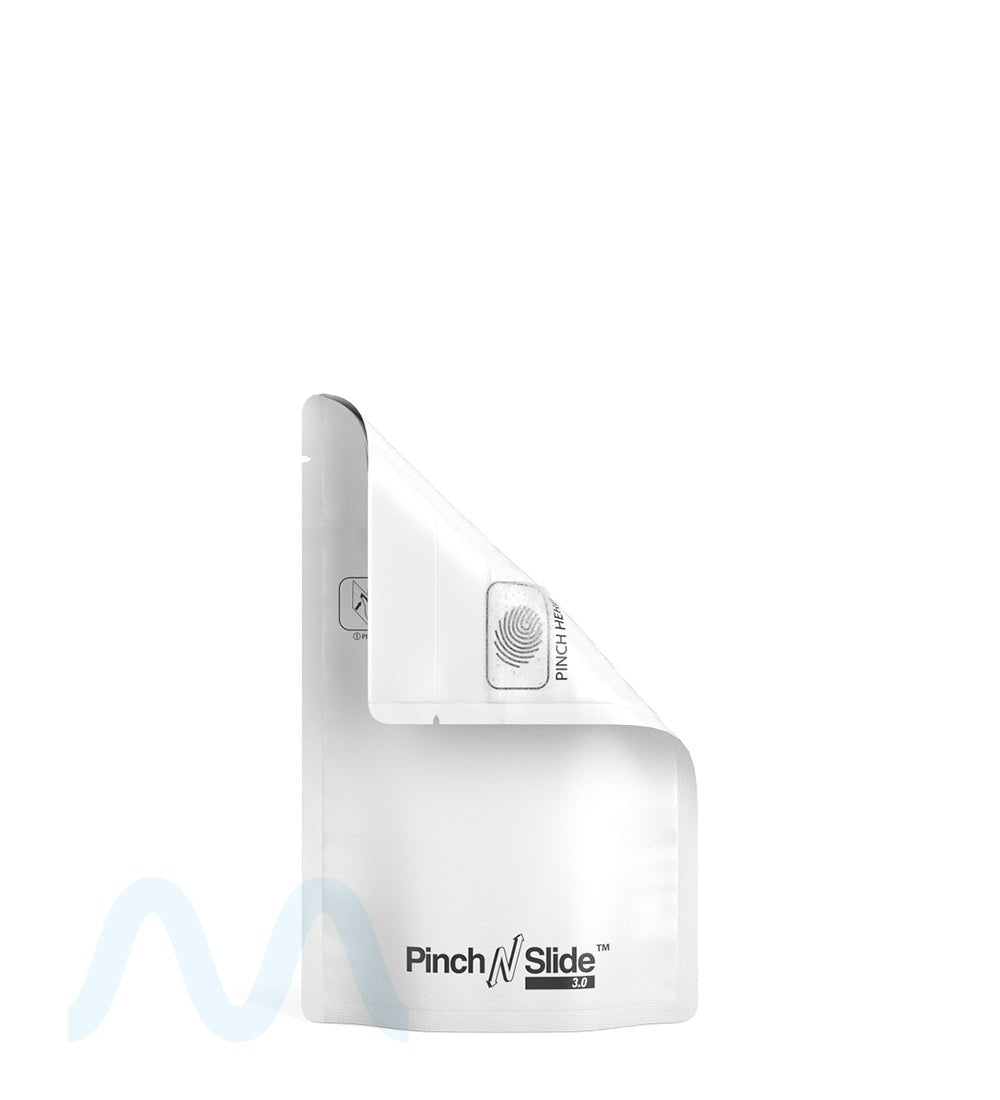
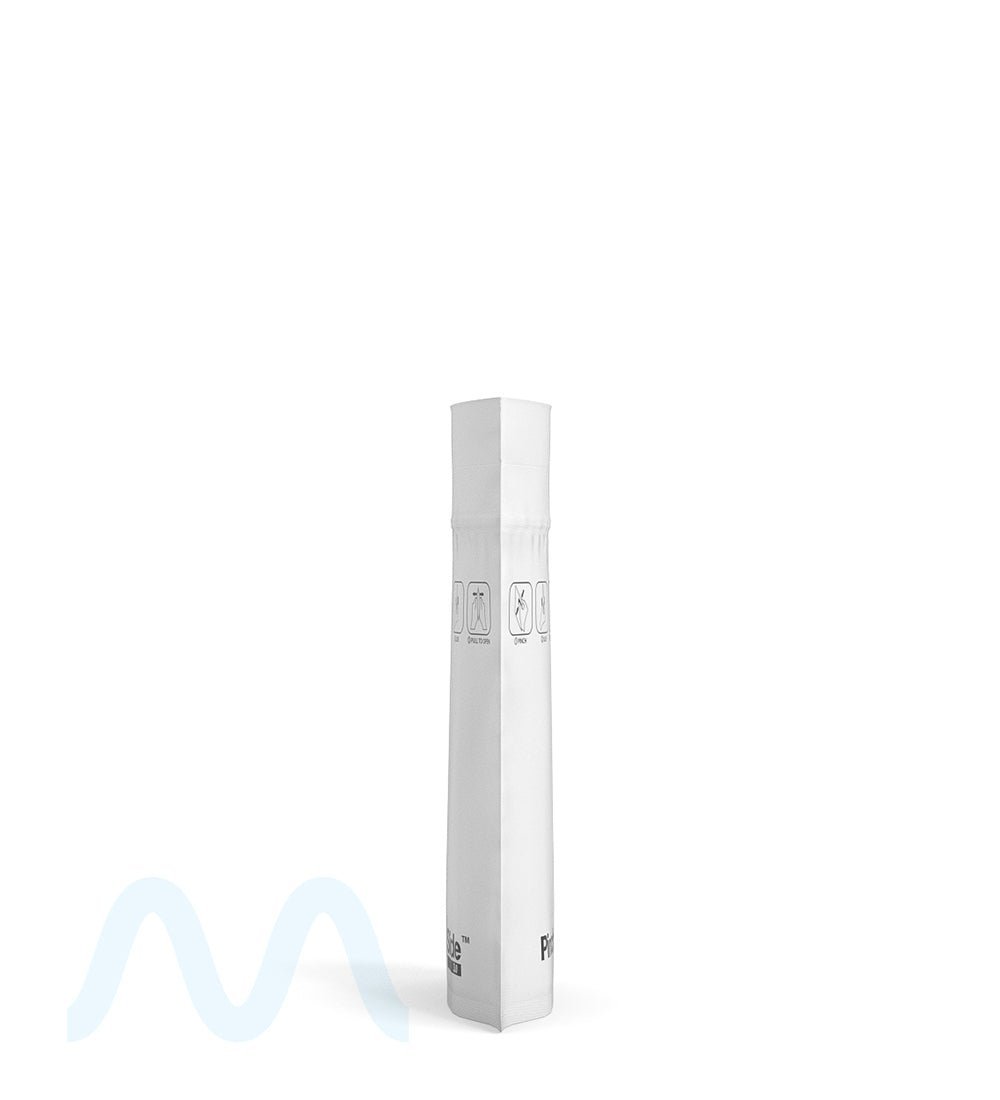
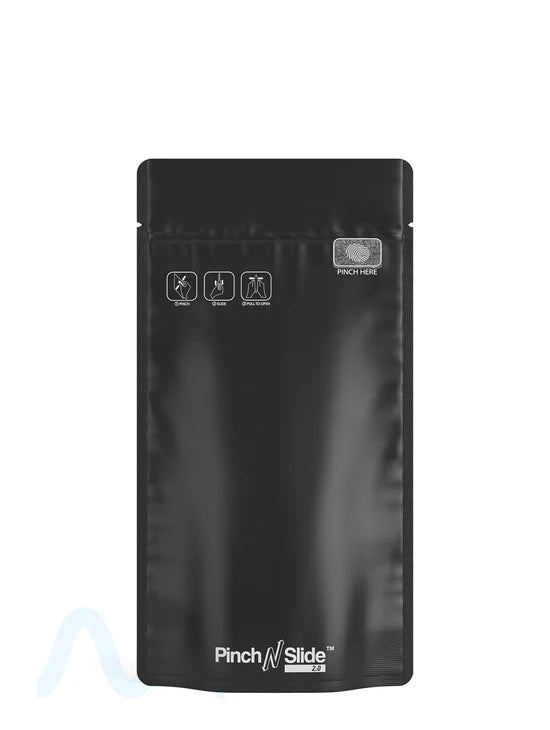
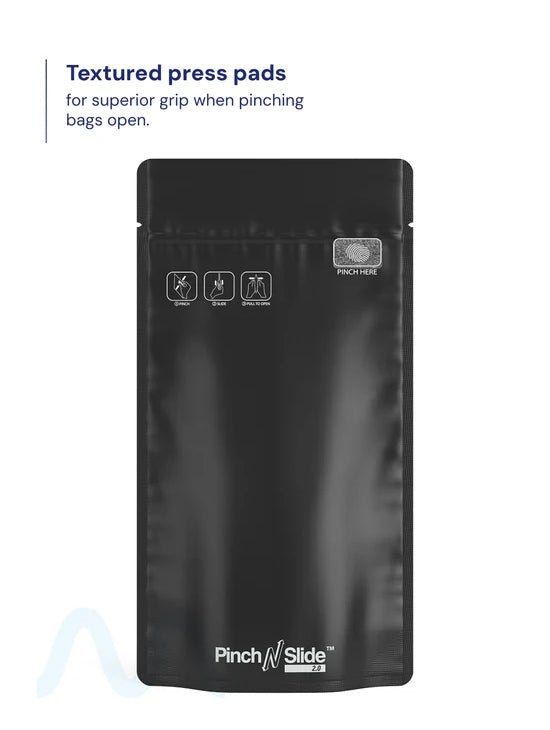
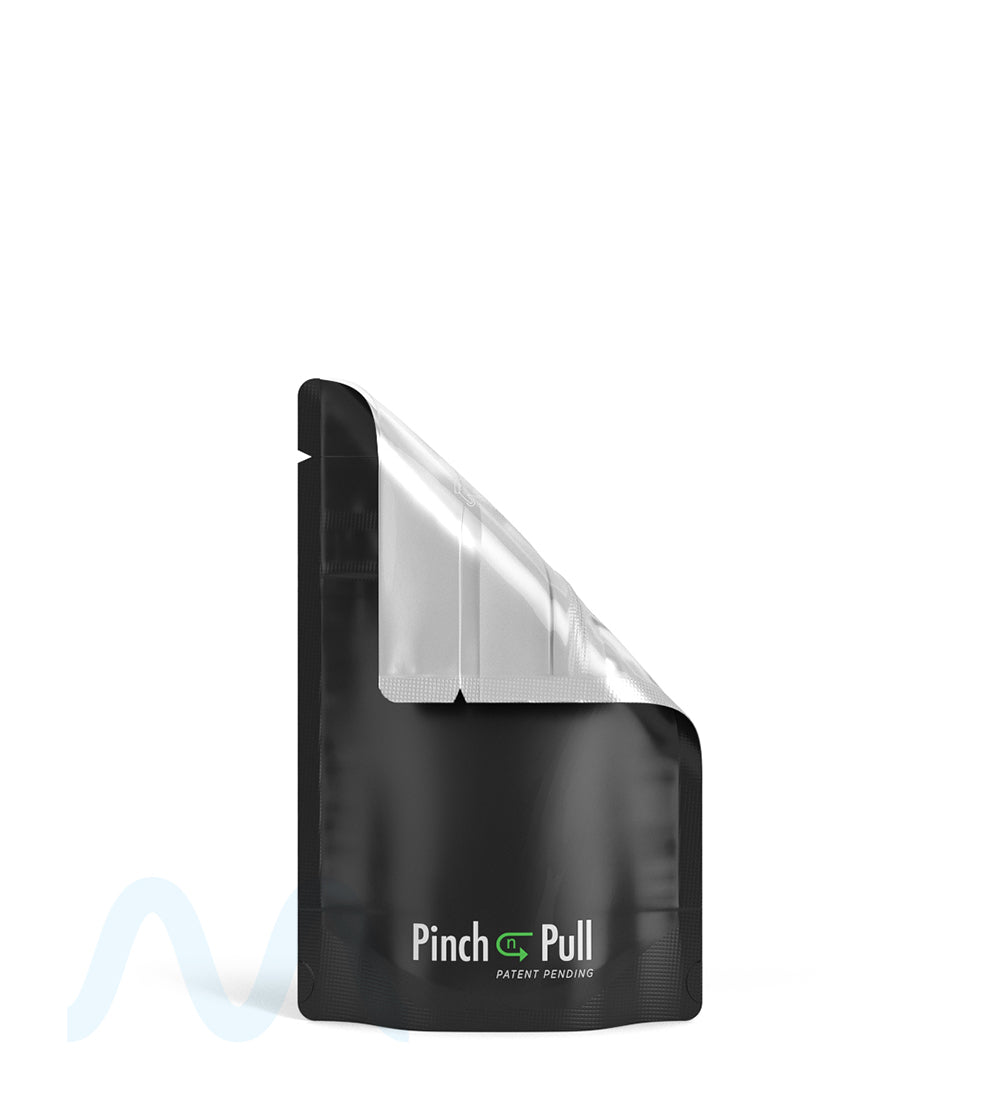
The fastest-growing segment in vitamin packaging is flexible pouches, which offer significant advantages for certain product types. Vitamin pouches are increasingly popular for:
- Powdered drink mixes and dissolvable supplements
- Single-serving vitamin packets
- Portable supplement formats
- Products targeting younger demographics
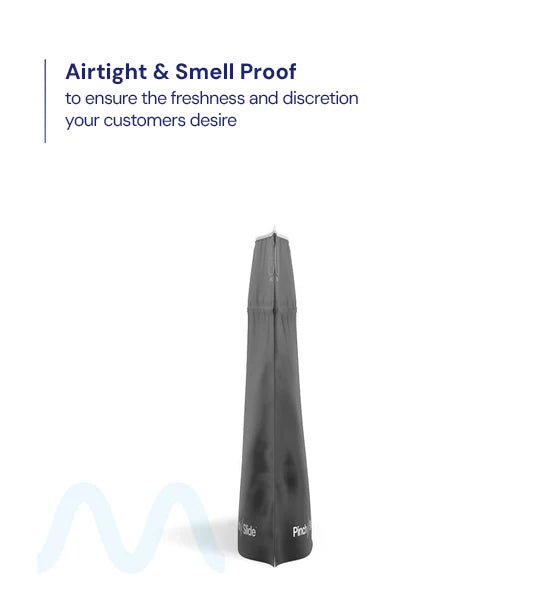
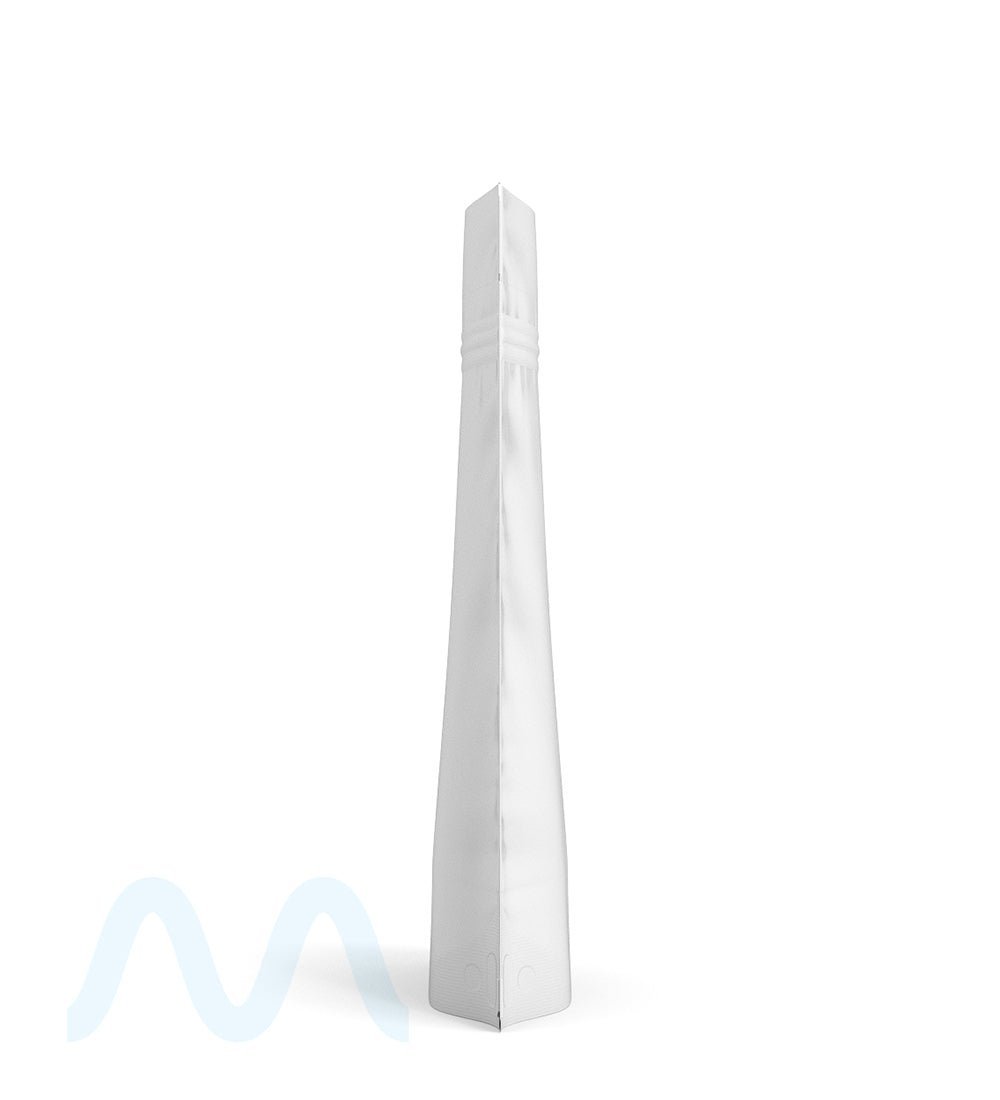
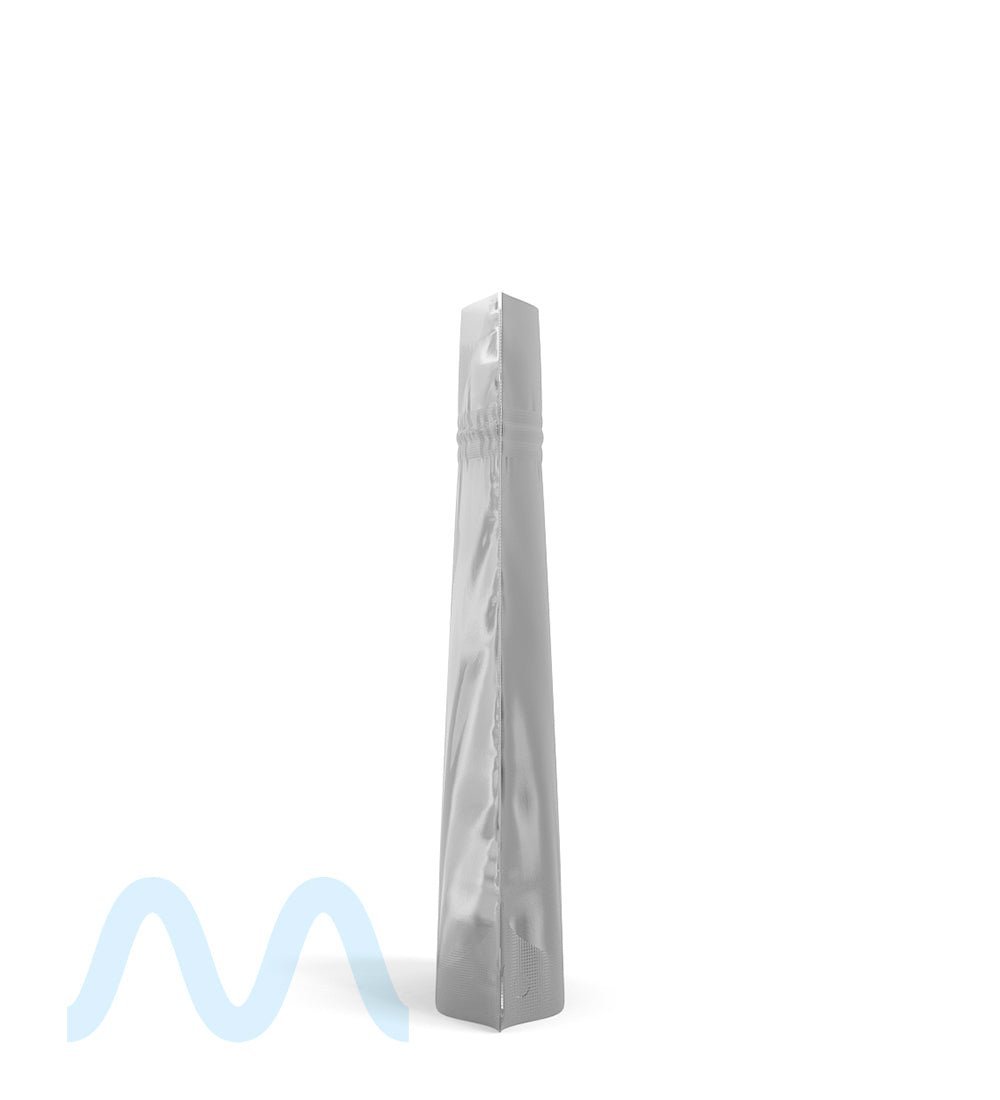
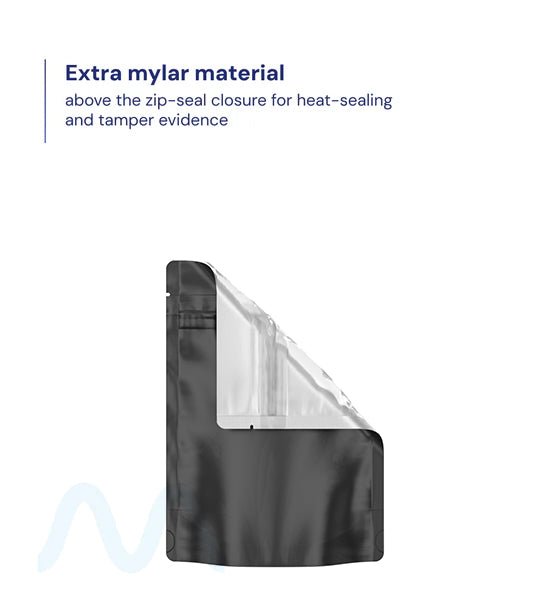
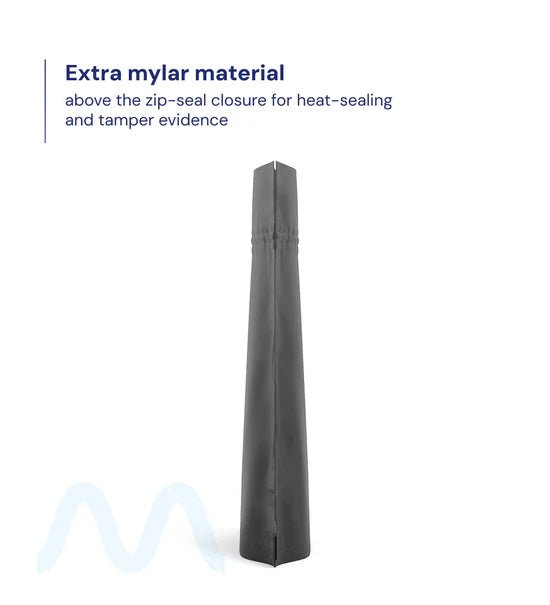
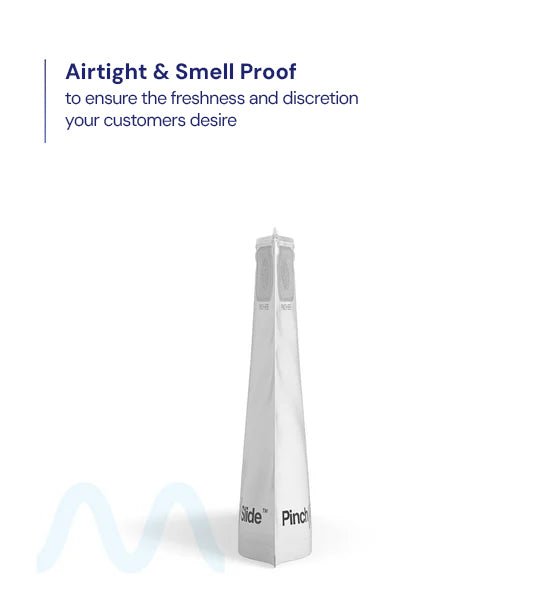
These supplement pouch bags typically feature barrier films to protect against moisture, oxygen, and light while reducing shipping weight and storage space compared to rigid containers.
Material Considerations for Vitamin Containers
The selection of materials for vitamin packaging directly impacts product stability, shelf life, and environmental footprint. Different vitamin formulations require specific barrier properties to maintain potency throughout their shelf life.
Plastic Options
- HDPE (High-Density Polyethylene): Excellent moisture barrier, good for moisture-sensitive vitamins
- PET (Polyethylene Terephthalate): Clear with good oxygen barrier properties
- PP (Polypropylene): High-temperature resistance, suitable for hot-fill applications
- PCR (Post-Consumer Recycled): Environmentally friendly options with varying percentages of recycled content
Glass Containers
Premium vitamin brands often choose glass packaging for its perceived quality and superior barrier properties. Glass vitamin containers offer:
- Complete impermeability to oxygen and moisture
- No chemical leaching concerns
- Premium shelf presence
- Infinite recyclability
However, glass containers typically come with higher costs for materials, shipping, and potential breakage.
Flexible Film Structures
Modern supplement packaging pouches utilize multi-layer film structures to provide specific barrier properties:
- Outer PET layer for durability and printability
- Aluminum foil or metallized film for oxygen and light barrier
- Inner polyethylene layer for product contact and heat-sealing
These materials can be combined in various configurations to meet the specific stability requirements of different vitamin formulations.
Wholesale Vitamin Packaging Advantages
Sourcing wholesale vitamin packaging offers significant benefits for supplement brands of all sizes. By purchasing containers in larger quantities, companies can:
- Reduce per-unit packaging costs
- Ensure consistent availability for production runs
- Maintain packaging consistency across product lines
- Access customization options at lower minimum order quantities
Working with specialized nutraceutical packaging suppliers provides access to industry-specific expertise and solutions designed for the unique requirements of vitamin products.
Volume-Based Pricing Structure
Wholesale vitamin packaging typically follows a tiered pricing model where per-unit costs decrease as order quantities increase. This structure allows growing brands to gradually access better pricing as their production volumes expand, improving margins and competitiveness.
Regulatory Compliance for Supplement Containers
Vitamin packaging must comply with various regulations that protect consumers and ensure product integrity. Key regulatory considerations include:
FDA Requirements
- All materials must be food-grade and safe for intended use
- Packaging must protect product integrity throughout shelf life
- Labels must meet specific content and format requirements
Child-Resistant Packaging
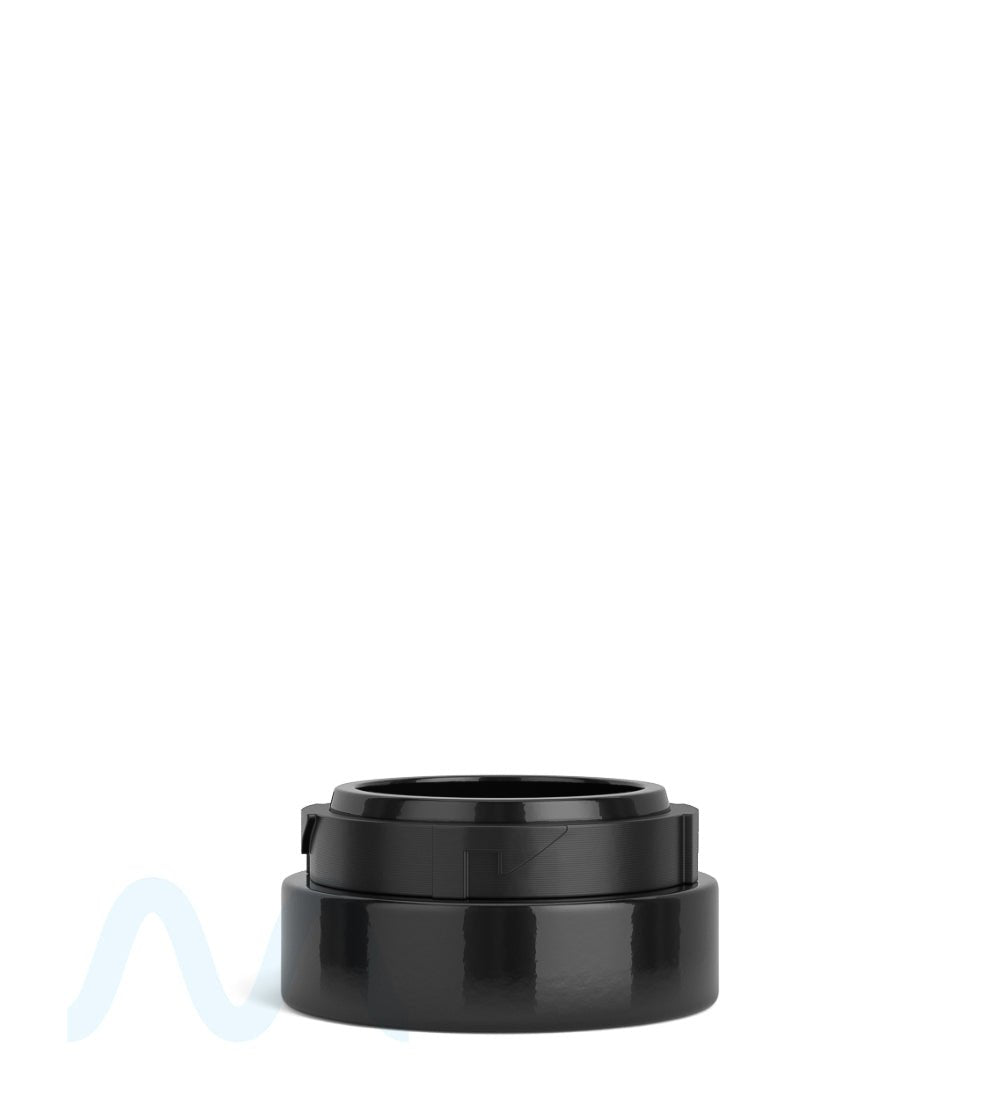
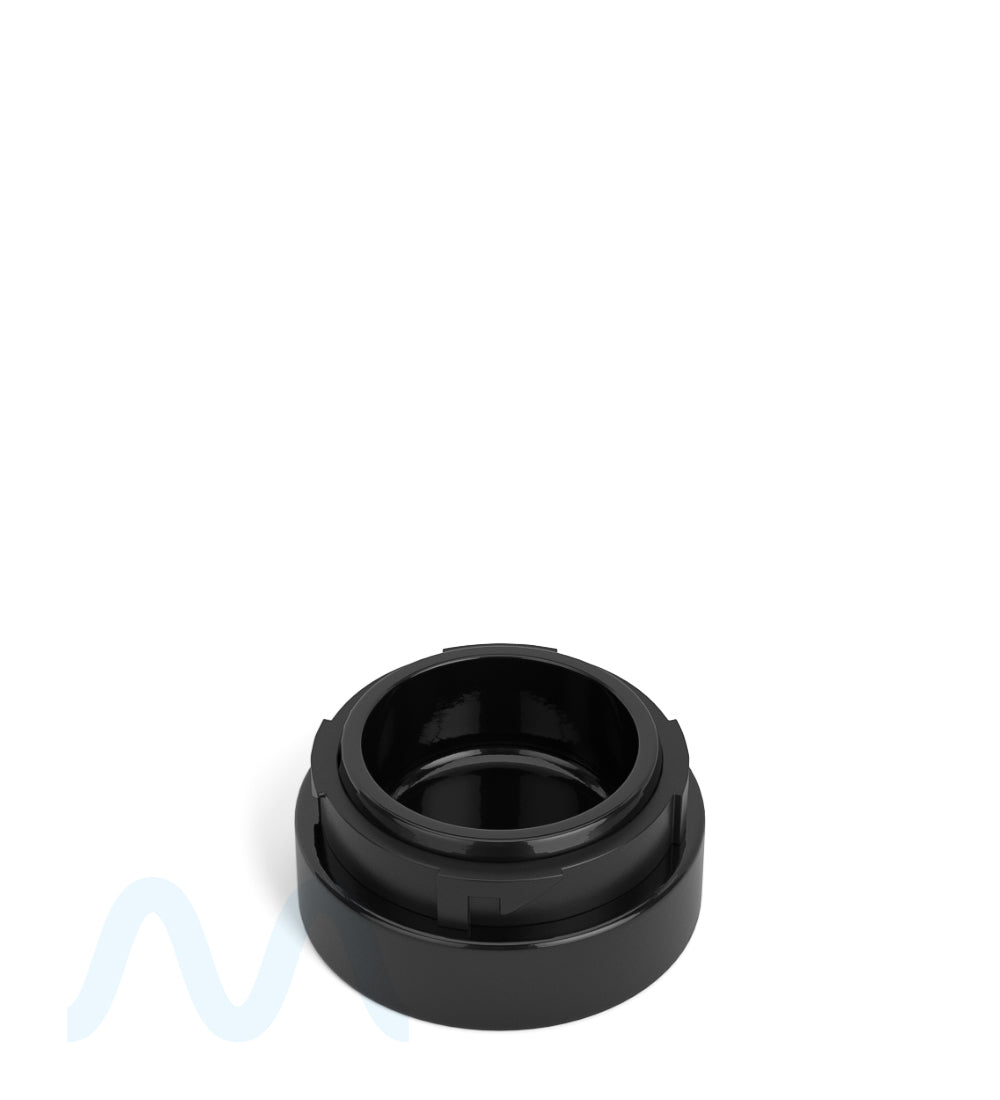
Many vitamin products, particularly those containing iron or other potentially harmful ingredients in large doses, require child-resistant closures that comply with the Poison Prevention Packaging Act (PPPA).
Tamper-Evident Features
To comply with FDA requirements, vitamin packaging typically includes tamper-evident features such as:
- Shrink bands or seals
- Inner foil seals
- Break-away caps
- Visible indicators of package opening
Working with experienced wholesale vitamin packaging suppliers ensures these compliance requirements are met without compromising brand aesthetics or user experience.
Packaging Innovations Driving Vitamin Industry Growth
The future of vitamin packaging continues to evolve with technological advancements and changing consumer preferences. Several key innovations are reshaping how brands approach their packaging strategies:
Sustainable Solutions
Environmental concerns are driving significant changes in vitamin packaging, including:
- Bio-based plastic alternatives derived from renewable resources
- Compostable flexible packaging options
- Refillable container systems
- Packaging made from ocean-bound plastic
These sustainable options help brands align with consumer values while reducing environmental impact.
Smart Packaging Technologies
Digital integration is creating new opportunities for vitamin brands to enhance consumer engagement:
- QR codes linking to verification systems and product information
- NFC tags enabling smartphone interaction
- Time-indicator technologies showing freshness
- Compliance-tracking features for daily dosing
These technologies transform vitamin packaging from passive containers into interactive tools that enhance the consumer experience and build brand loyalty.
For brands looking to stay competitive in the growing supplement market, selecting the right vitamin packaging partner is crucial. Whether you need protein packaging solutions or specialized containers for probiotics, working with suppliers who understand the unique requirements of nutraceutical products ensures both regulatory compliance and market success.