


Supplement Bottles

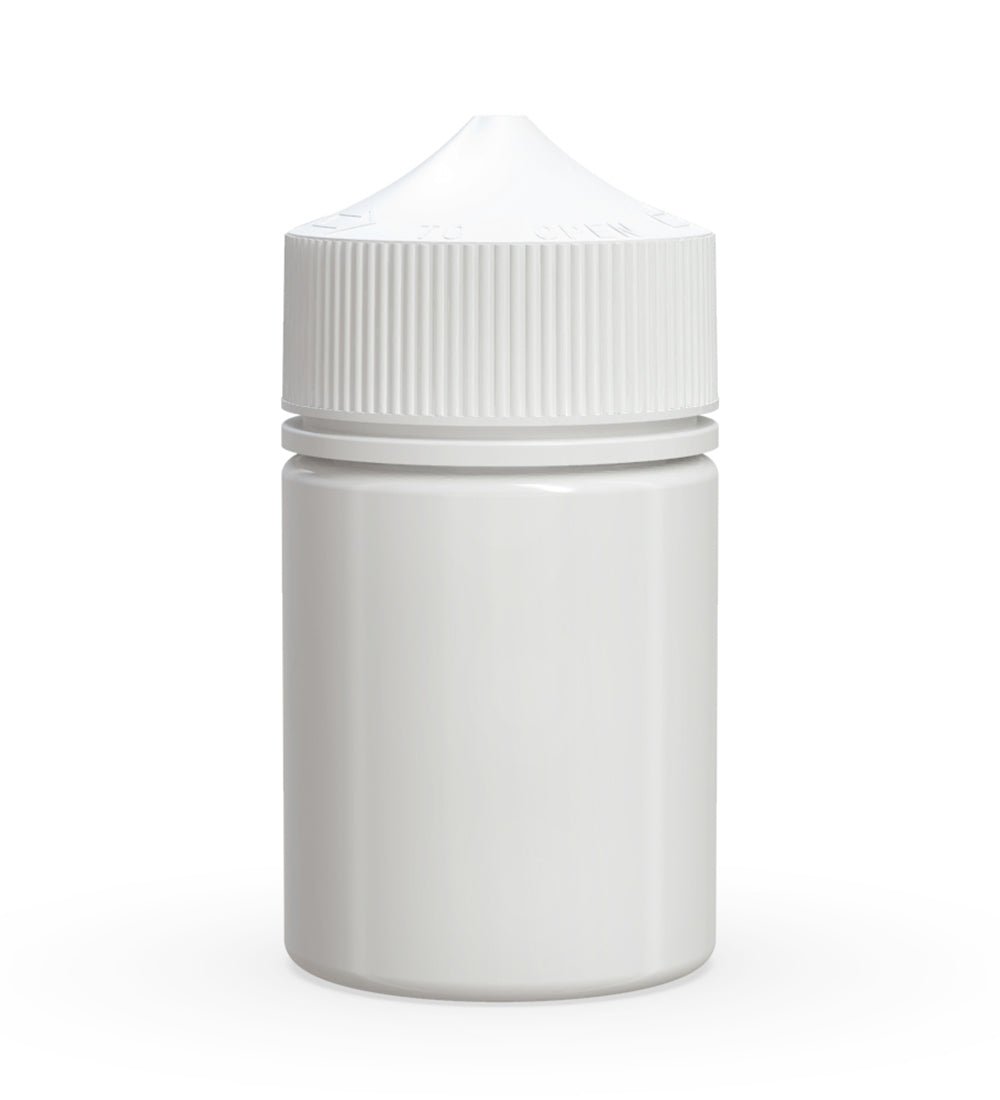
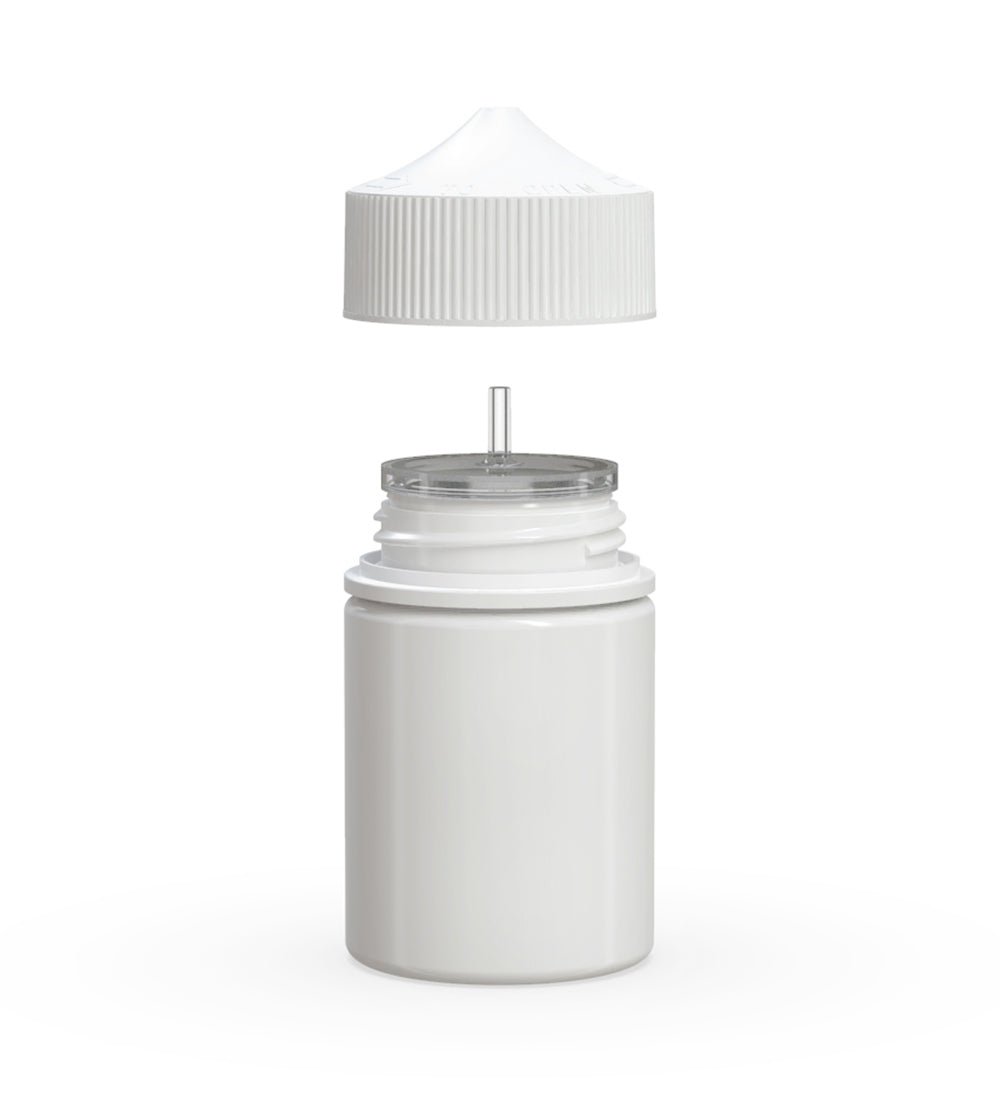
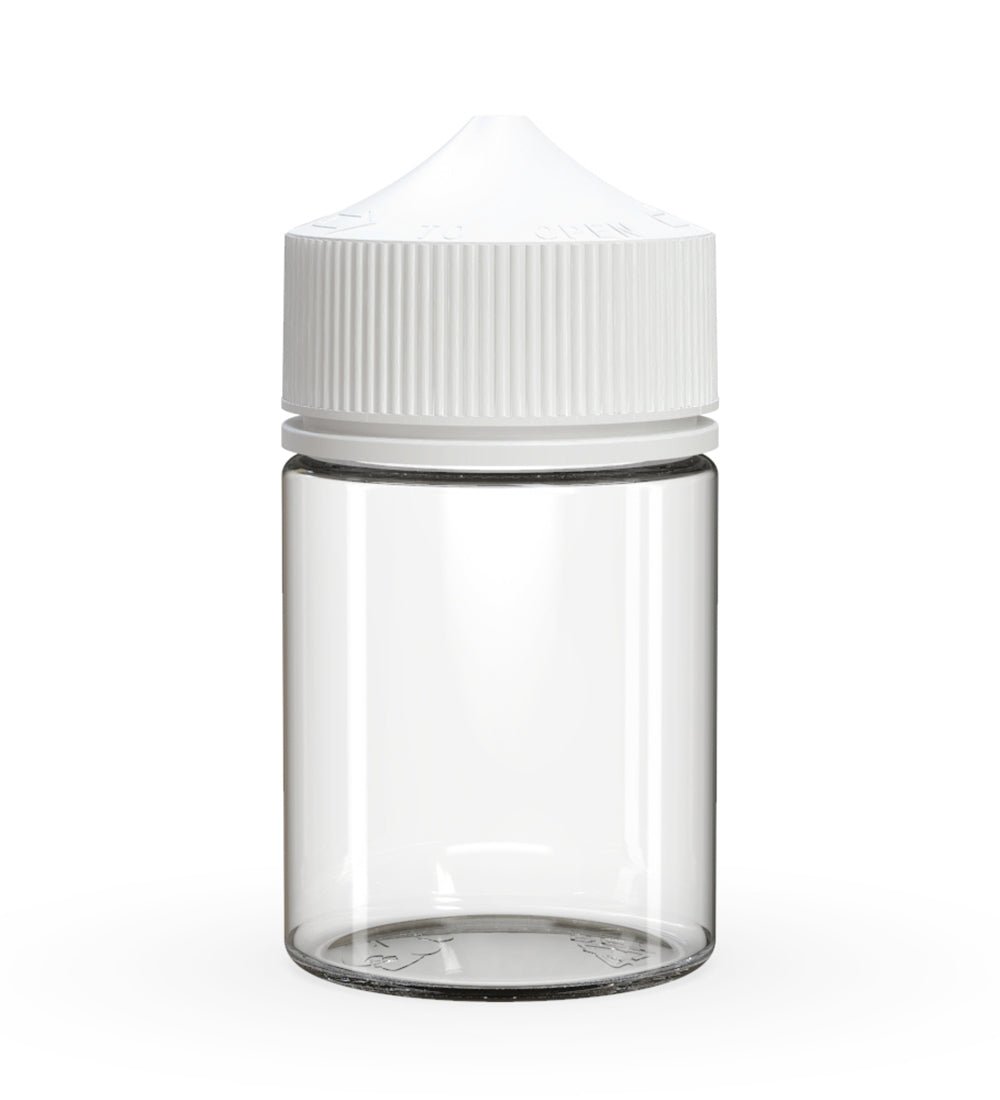
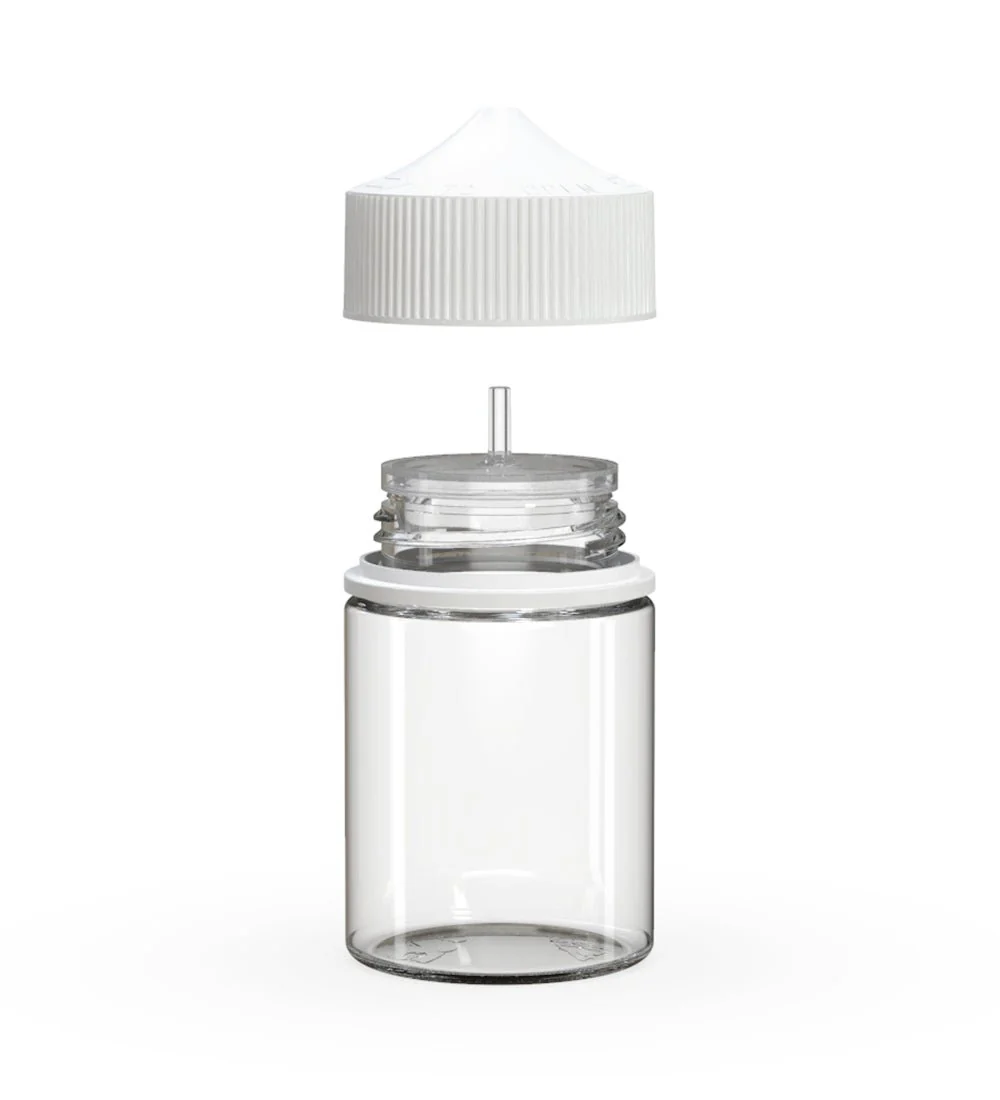
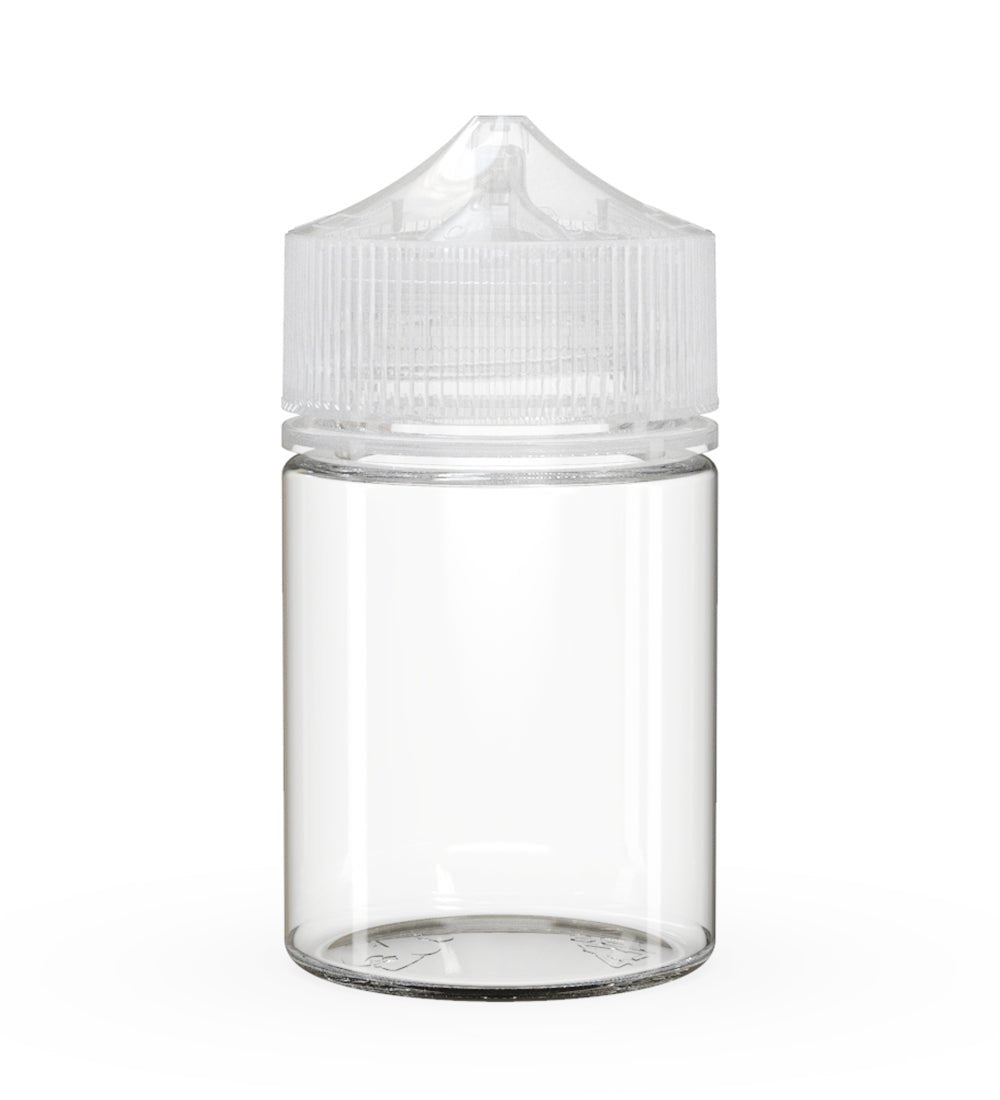
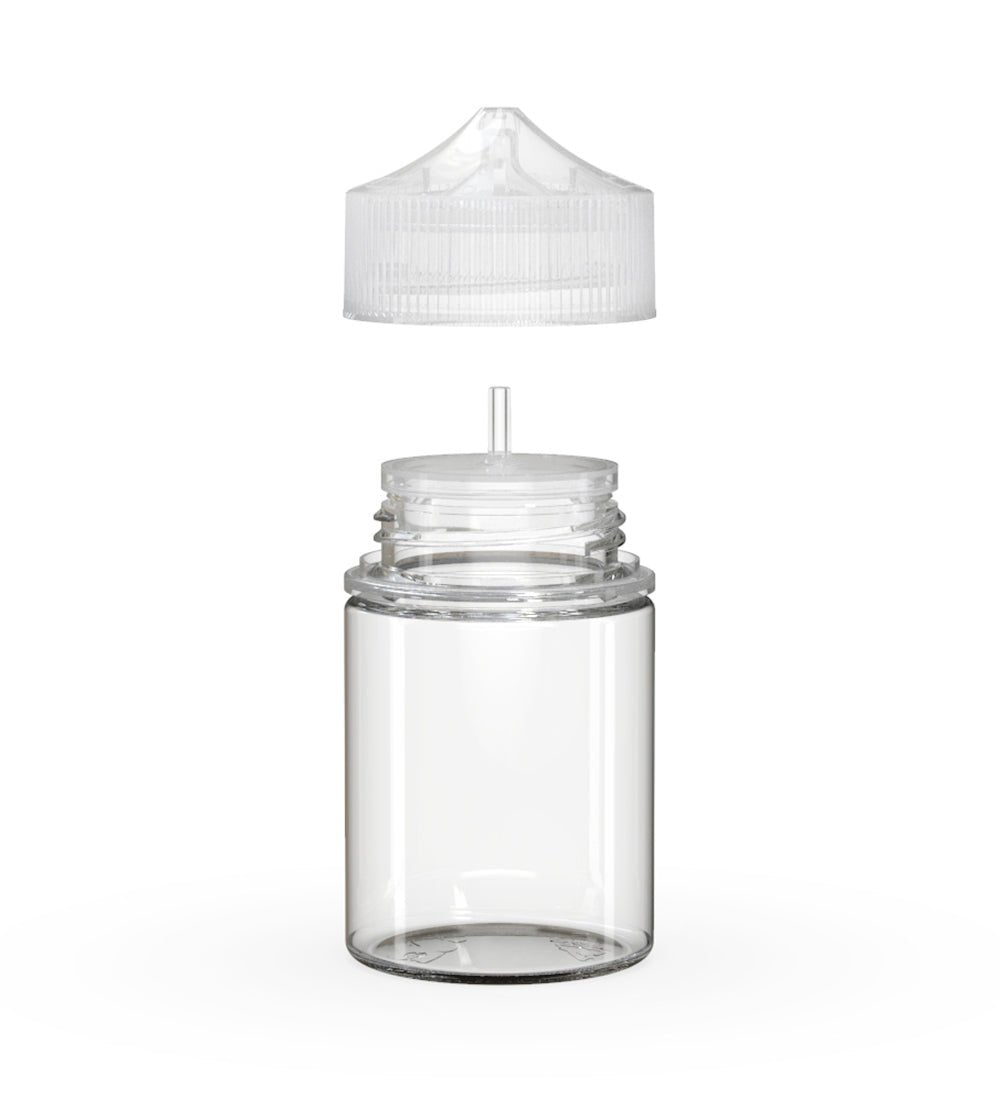
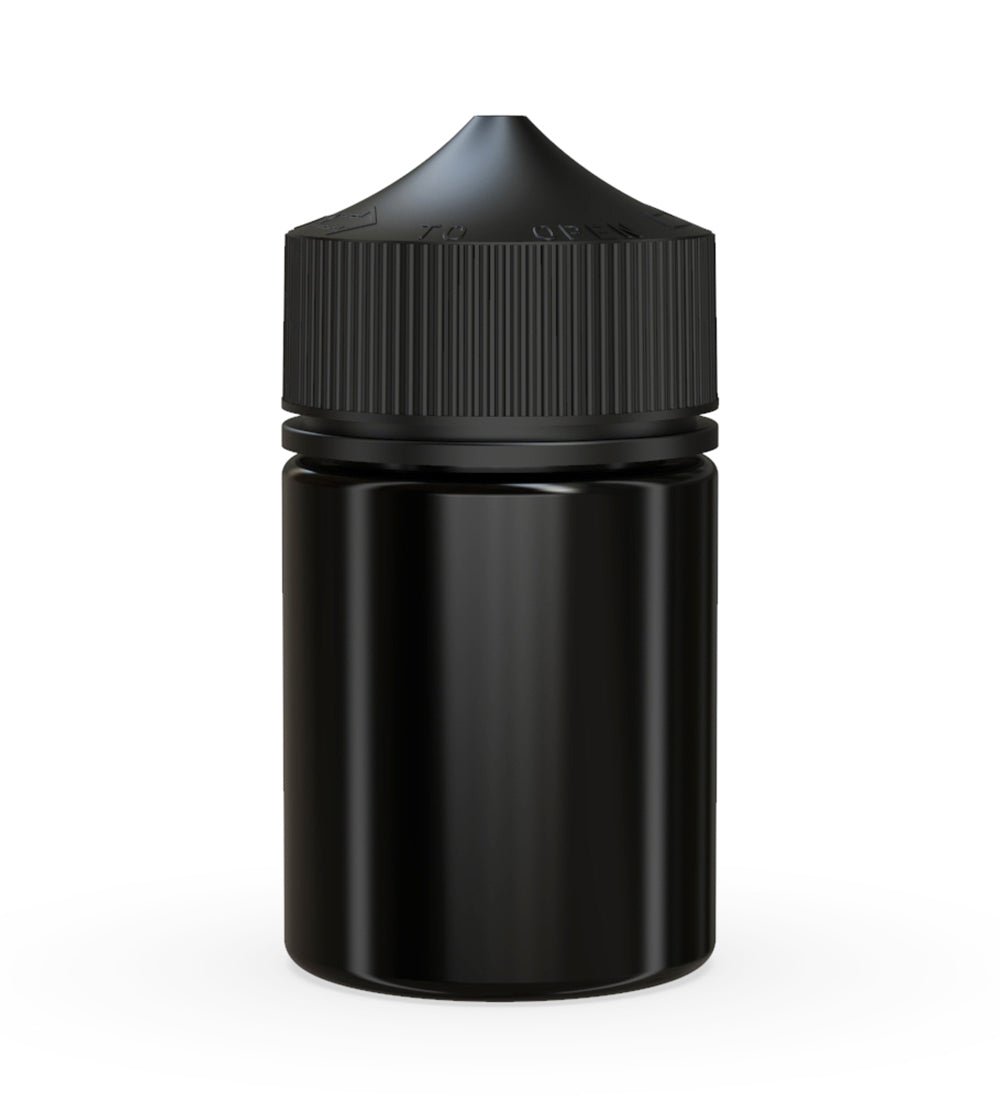
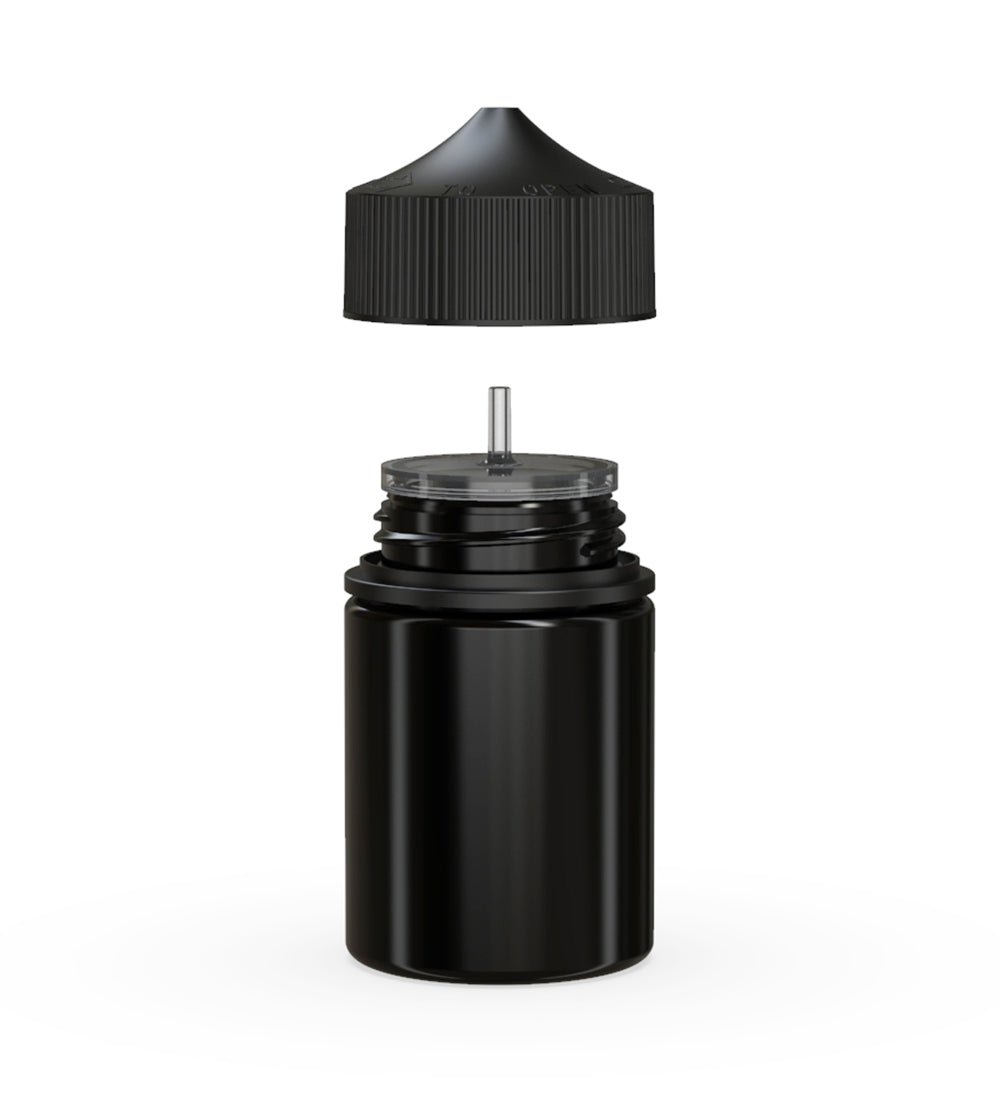
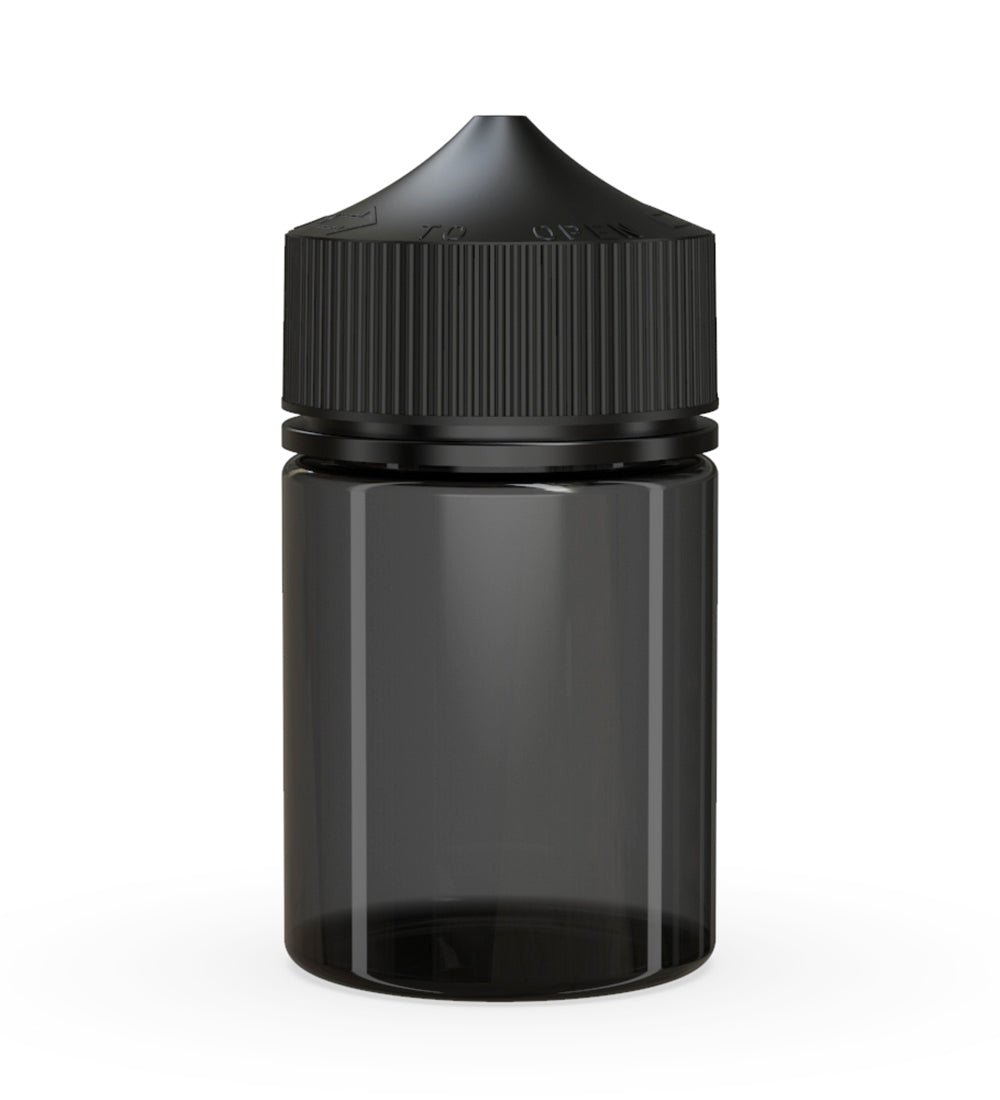
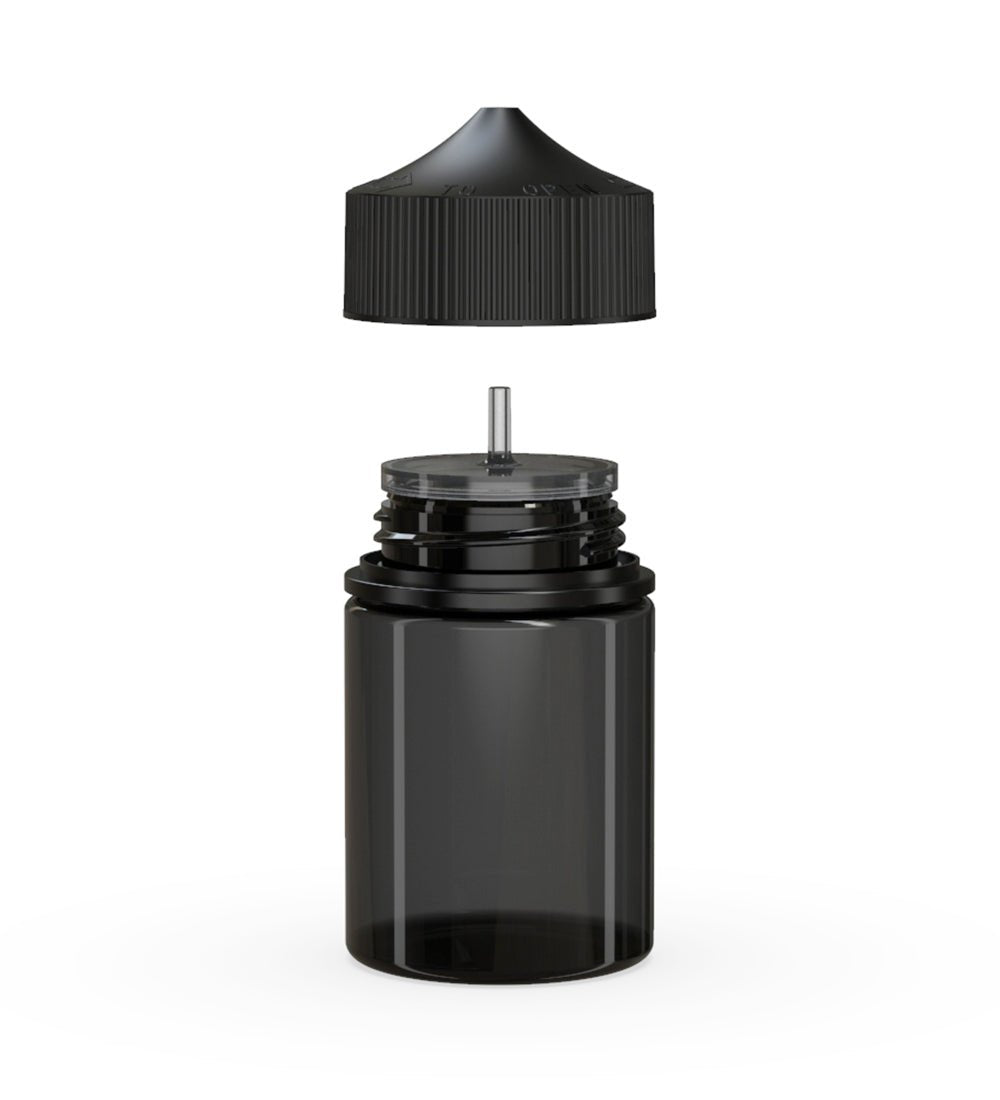
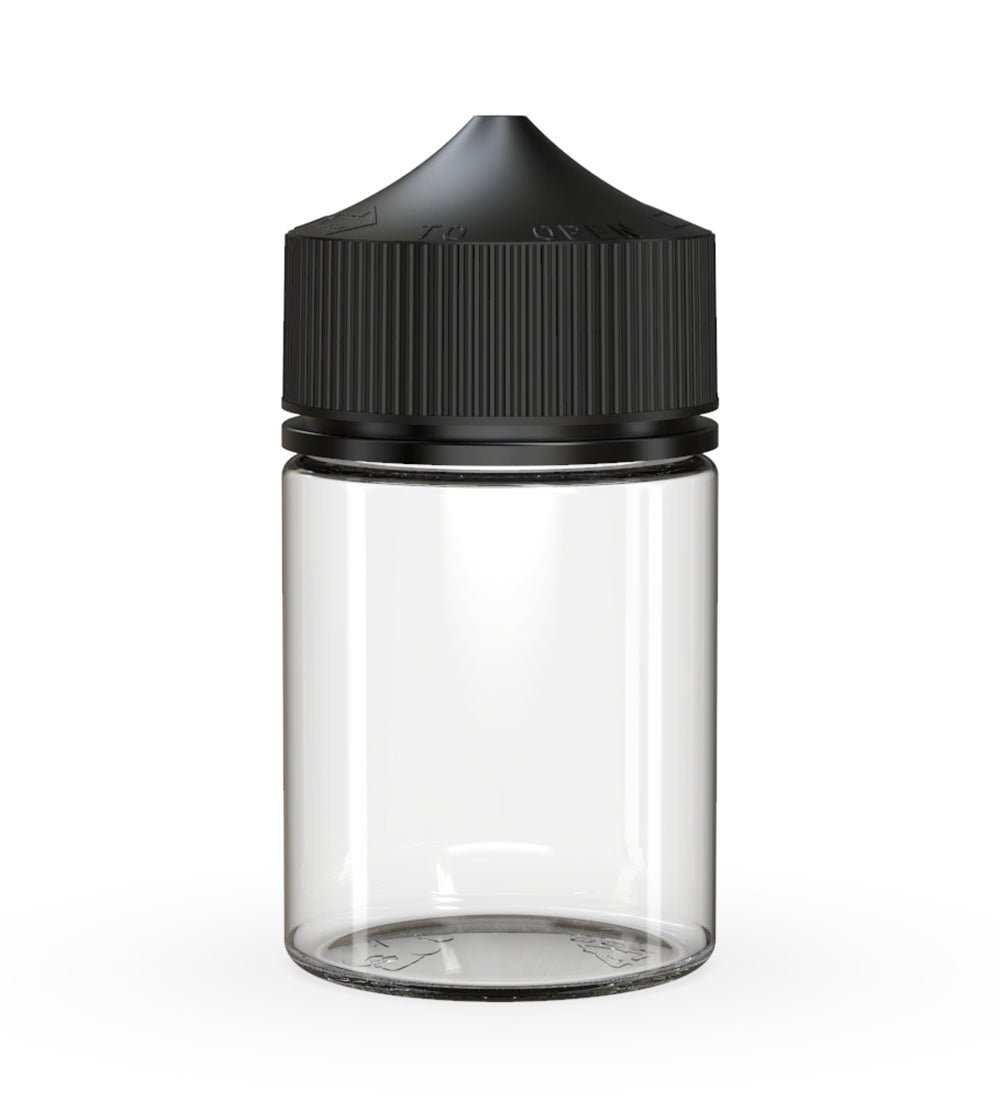
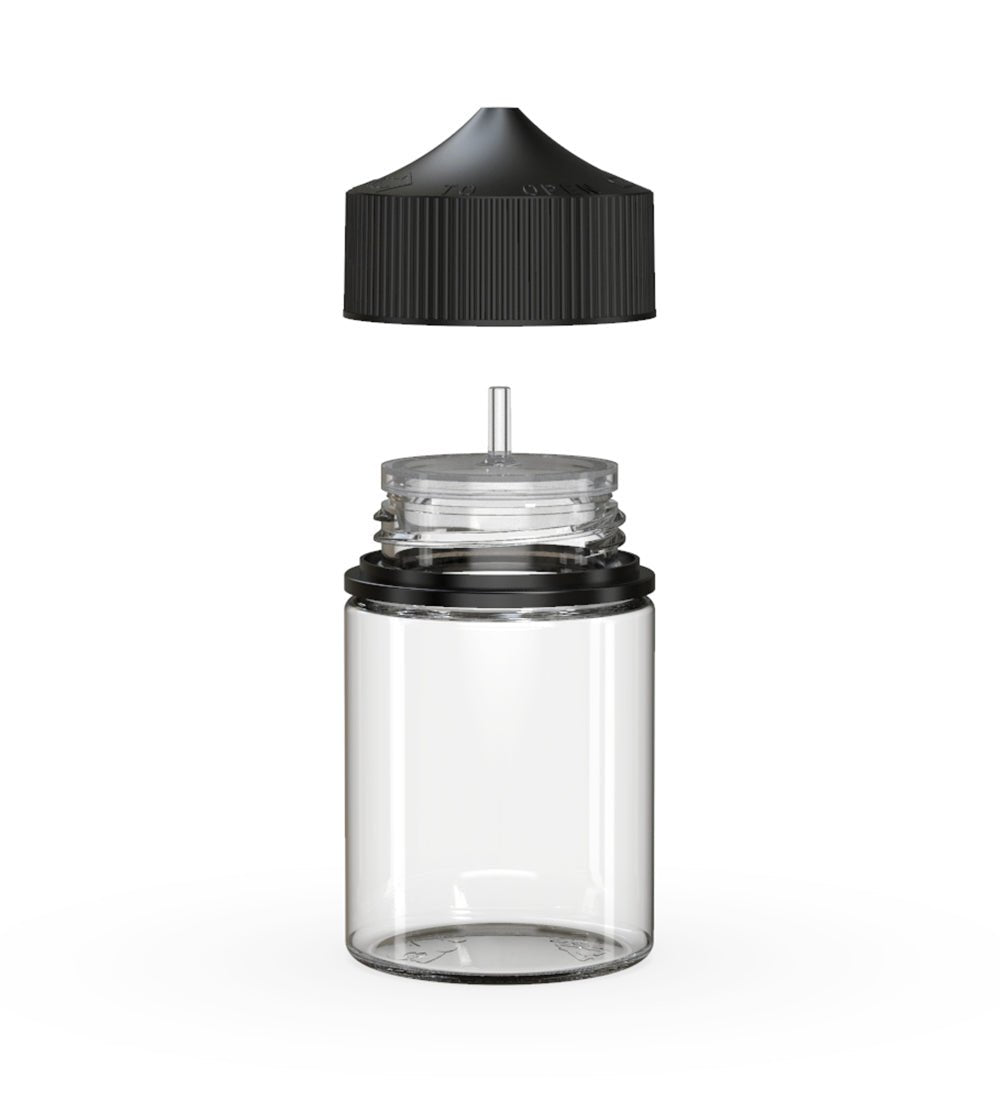
Learn About Supplement Bottles
Learn About Supplement Bottles
Table of Contents
- Supplement Bottles: Importance in Product Integrity and Brand Identity
- Material Options for Health Supplement Bottles
- Size and Capacity Considerations for Dietary Supplement Bottles
- Closure Systems and Safety Features
- Regulatory Compliance and Labeling Requirements
- Sustainable Packaging Trends in the Supplement Industry
Supplement Bottles: Importance in Product Integrity and Brand Identity
Supplement bottles serve as the primary container for health products, providing essential protection while communicating brand values and product benefits. These specialized containers are designed to maintain the potency, freshness, and safety of dietary supplements throughout their shelf life. The right supplement jars and bottles not only preserve product integrity but also create a memorable first impression for consumers.
When selecting bottles for supplements, manufacturers must consider multiple factors including material composition, moisture barriers, UV protection, and tamper-evidence features. Each element plays a critical role in protecting the active ingredients from degradation while ensuring consumer safety and regulatory compliance.
Health supplement bottles also function as powerful marketing tools, with their design, shape, and labeling contributing significantly to brand recognition and consumer trust. In the competitive nutraceutical market, packaging often serves as the first touchpoint between brands and potential customers, making strategic bottle selection a crucial business decision.
Material Options for Health Supplement Bottles
The material composition of dietary supplement bottles directly impacts product stability, shelf life, and environmental footprint. Each material offers distinct advantages for different supplement formulations and brand positioning strategies.
HDPE Plastic Bottles
High-density polyethylene (HDPE) remains one of the most popular choices for vitamin bottles and supplements due to its versatility and protective properties:
- Excellent moisture barrier protection
- Good chemical resistance
- Lightweight and impact-resistant
- Cost-effective for high-volume production
- Recyclable in most municipal systems
HDPE bottles are particularly well-suited for tablets, capsules, and powder formulations that require protection from moisture and physical damage during shipping and handling.
PET Plastic Bottles
Polyethylene terephthalate (PET) offers superior clarity and barrier properties, making it ideal for premium supplement packaging:
- Crystal-clear transparency
- Excellent oxygen and carbon dioxide barriers
- Lightweight with good impact resistance
- Compatible with various closure systems
- Widely recyclable
PET bottles allow consumers to see the product inside, which can be advantageous for colorful supplements or products where visual appeal adds value.
Glass Bottles
For premium dietary supplements, glass bottles offer unparalleled barrier properties and a perception of quality:
- Complete barrier against moisture and gases
- No chemical leaching concerns
- Available in clear or amber for UV protection
- Premium look and feel
- Infinitely recyclable
Glass is often selected for liquid supplements, essential oils, and premium formulations where product purity and brand positioning justify the higher packaging cost.
Size and Capacity Considerations for Dietary Supplement Bottles
Selecting the appropriate bottle size involves balancing product dosage, consumer preferences, and retail shelf requirements. The most common capacities for health supplement bottles include:
- 30-60 count bottles: Standard monthly supply for daily supplements
- 90-120 count bottles: Quarterly supply, often offering better value
- 150-300 count bottles: Bulk sizing for high-frequency supplements
- 2-32 oz liquid bottles: For liquid supplements, tinctures, and tonics
Beyond simple volume considerations, manufacturers must account for headspace requirements, which allow for proper filling operations while preventing tablets or capsules from breaking during transport. For powdered supplements, supplement pouch bags are increasingly popular alternatives to traditional bottles, offering flexible sizing and reduced shipping weight.
Closure Systems and Safety Features
The closure system of supplement bottles plays a critical role in product protection, consumer safety, and user experience. Modern supplement packaging incorporates various closure technologies:
Child-Resistant Closures
Many dietary supplements require child-resistant packaging to prevent accidental ingestion:
- Push-and-turn caps
- Squeeze-and-turn mechanisms
- Two-piece safety closures
These systems must balance safety with accessibility for the intended adult users, including those with dexterity limitations.
Tamper-Evident Features
To ensure product integrity and consumer confidence, supplement bottles typically include one or more tamper-evident features:
- Induction-sealed liners
- Shrink bands around caps
- Break-away rings on closures
- Interior foil seals
These security elements provide visible evidence of any tampering, supporting both consumer safety and brand protection.
Dispensing Features
Specialized supplements may benefit from advanced dispensing systems:
- Flip-top caps for powders
- Dropper inserts for liquid formulations
- Sprinkler tops for powdered products
- Pump dispensers for high-viscosity formulations
The right dispensing system can significantly enhance user experience and product differentiation in the competitive nutraceutical packaging landscape.
Regulatory Compliance and Labeling Requirements
Health supplement bottles must comply with various regulations governing both the container and the information presented on labels. In the United States, dietary supplements fall under FDA regulations that specify labeling requirements including:
- Supplement Facts panel with ingredient information
- Net quantity of contents
- Name and place of business of manufacturer, packer, or distributor
- Directions for use
- Warning statements when applicable
Beyond content requirements, labels must meet legibility standards and include specific formatting for certain elements. The bottle itself must be made from food-grade materials deemed safe for contact with supplements.
International distribution adds complexity, as different regions have varying requirements for supplement packaging. Working with experienced providers of health and wellness packaging can help navigate these regulatory challenges while maintaining brand consistency across markets.
Sustainable Packaging Trends in the Supplement Industry
As environmental concerns influence consumer purchasing decisions, the supplement industry is embracing sustainable packaging innovations for bottles and containers:
- Post-consumer recycled (PCR) plastics: Incorporating recycled content into new bottles
- Bioplastics: Plant-based alternatives to petroleum-derived plastics
- Lightweighting: Reducing material usage while maintaining structural integrity
- Refillable systems: Durable containers with economical refill options
- Alternative formats: Shifting from bottles to vitamin pouches for reduced material usage
Many brands are also adopting minimalist design approaches that reduce ink usage and simplify recycling processes. For protein supplements specifically, protein packaging solutions are evolving to include compostable options and recyclable components.
Sustainable packaging choices not only appeal to environmentally conscious consumers but can also reduce shipping costs and storage requirements through more efficient design. As the supplement industry continues to grow, selecting the right bottles and packaging systems becomes increasingly important for brands seeking to balance product protection, consumer convenience, regulatory compliance, and environmental responsibility.
Whether selecting traditional bottles, innovative jars, or flexible pouches, supplement brands must consider the entire lifecycle of their packaging from manufacturing through consumer use and eventual disposal. By partnering with specialized vitamin packaging providers, brands can develop container solutions that protect their formulations while expressing their values and meeting consumer expectations.