


Skincare Packaging





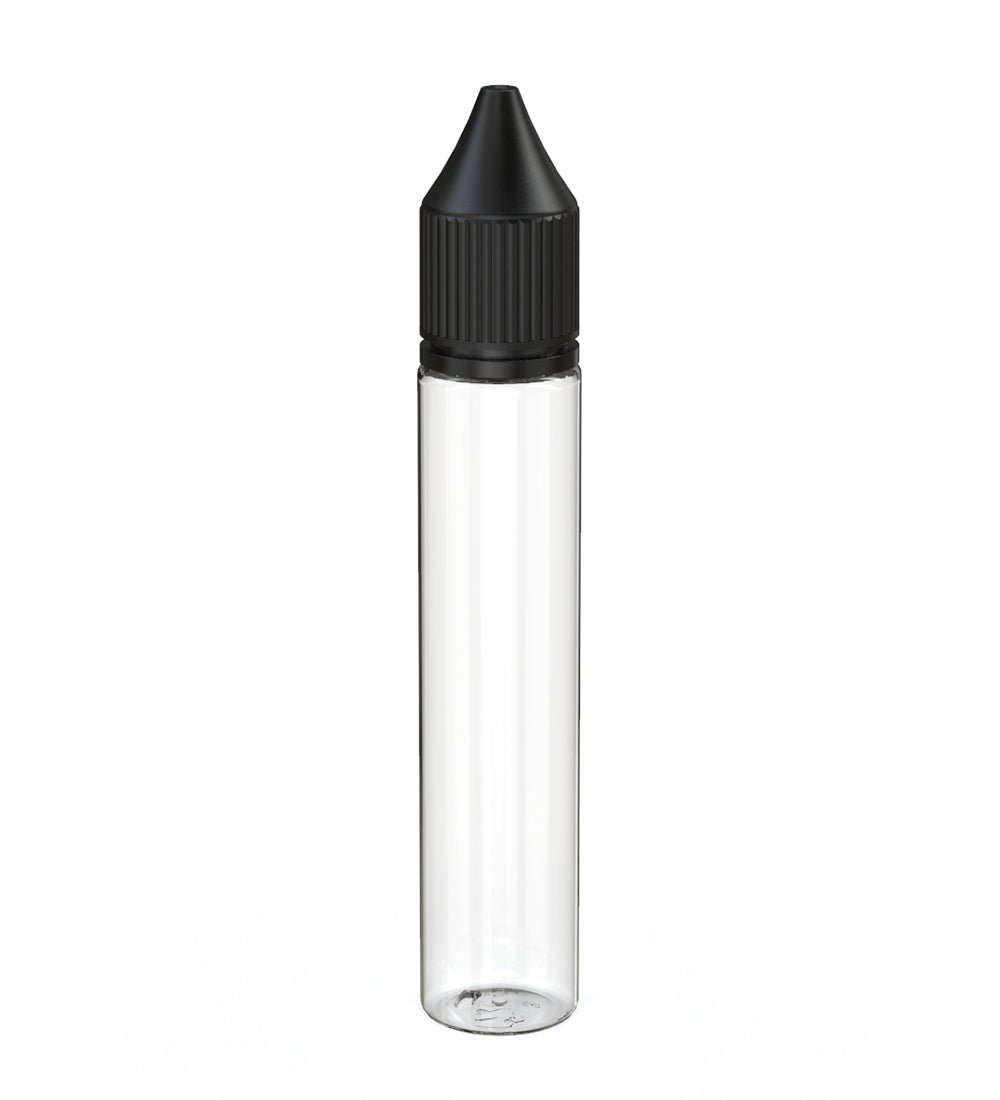
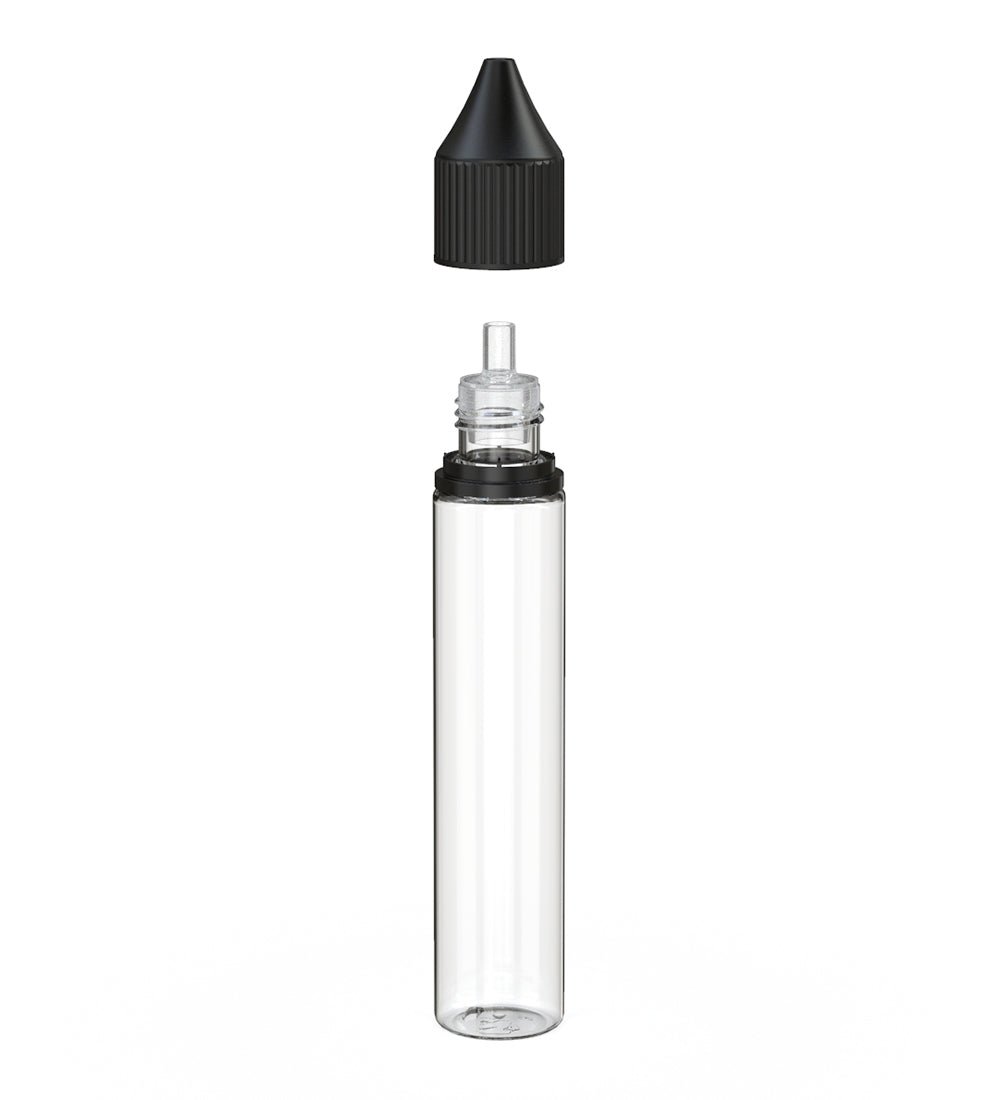
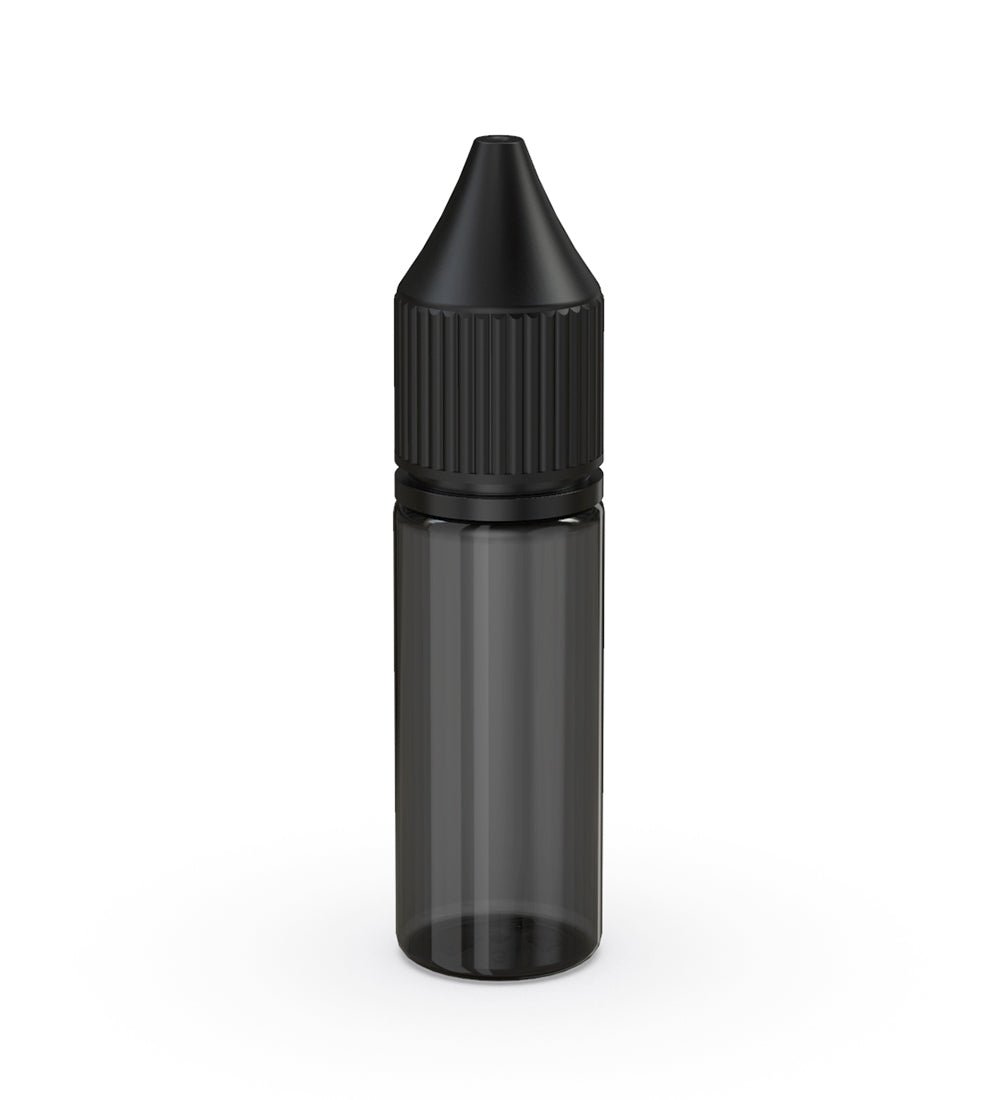
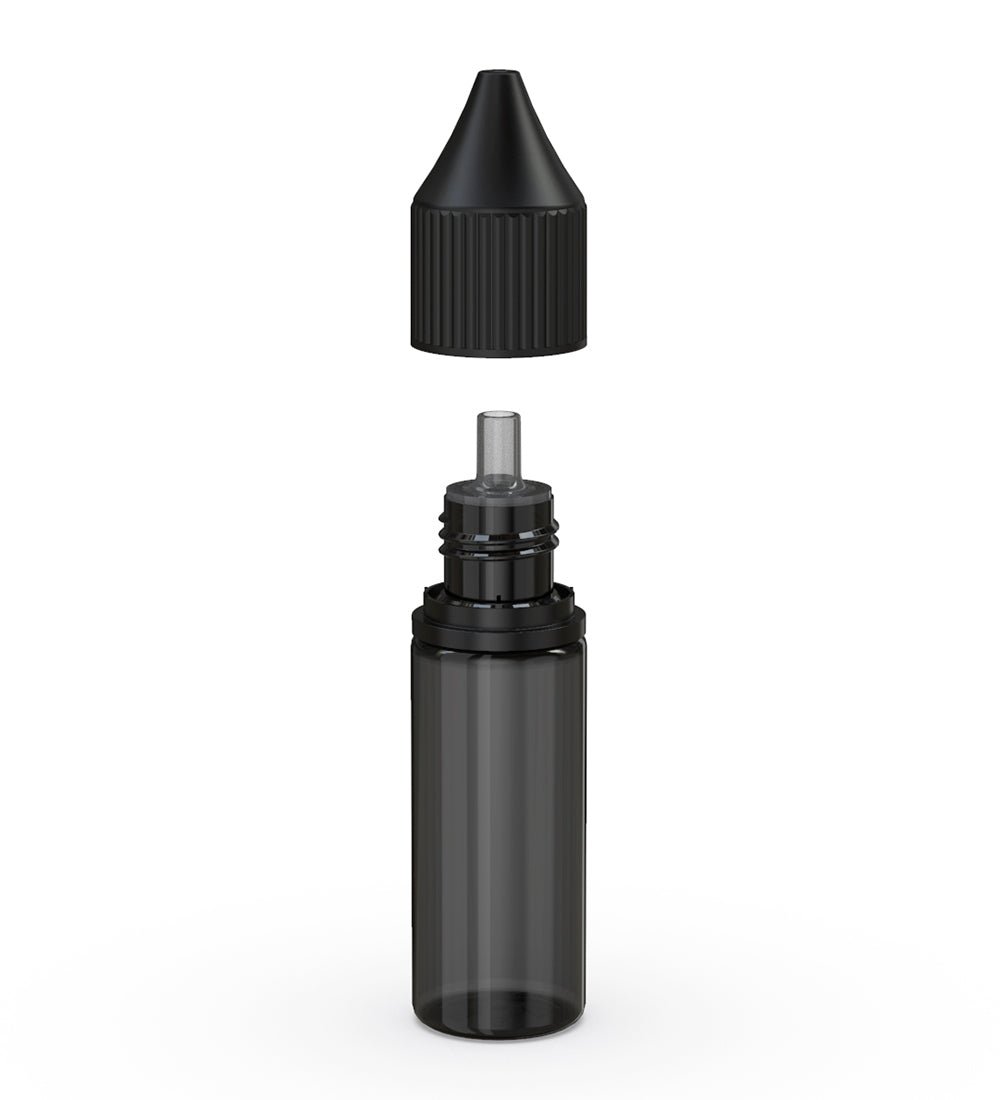
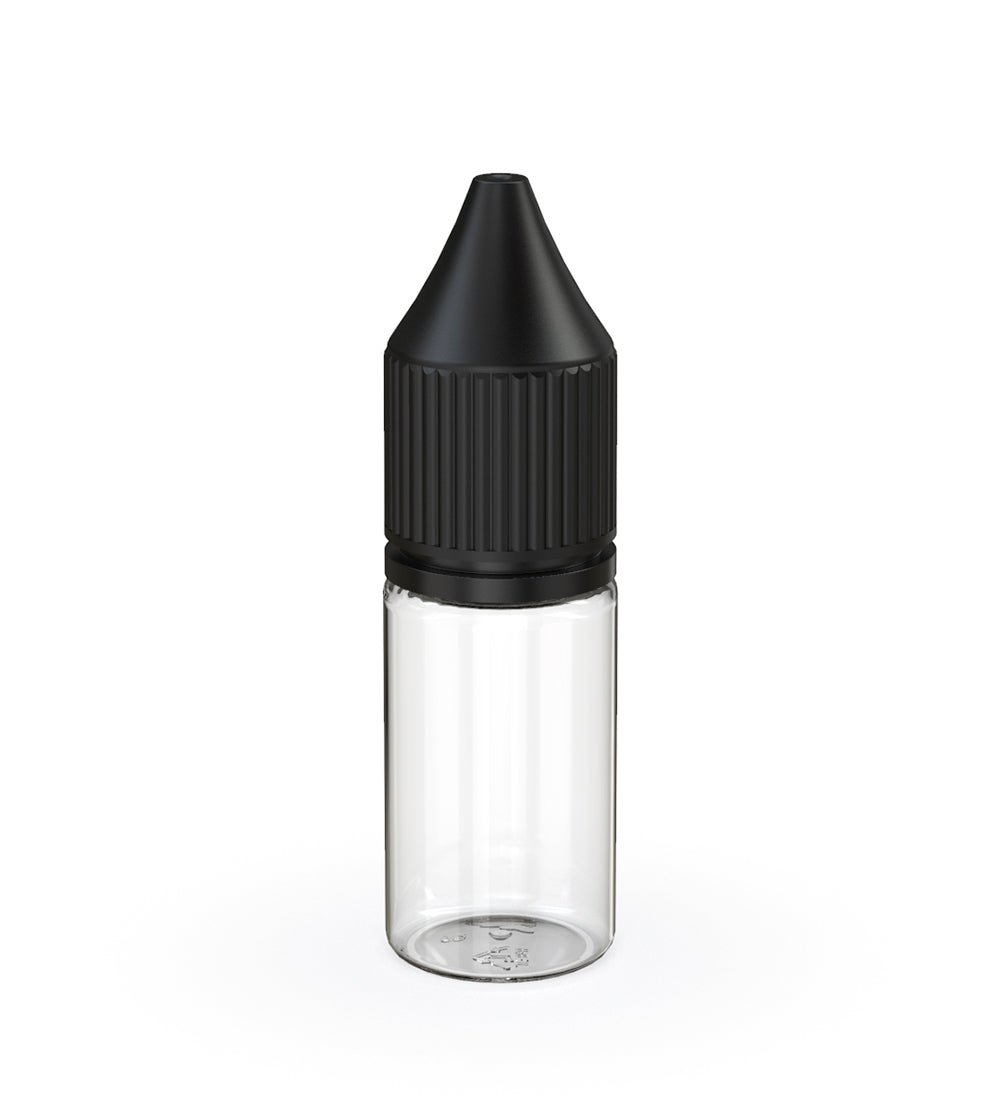
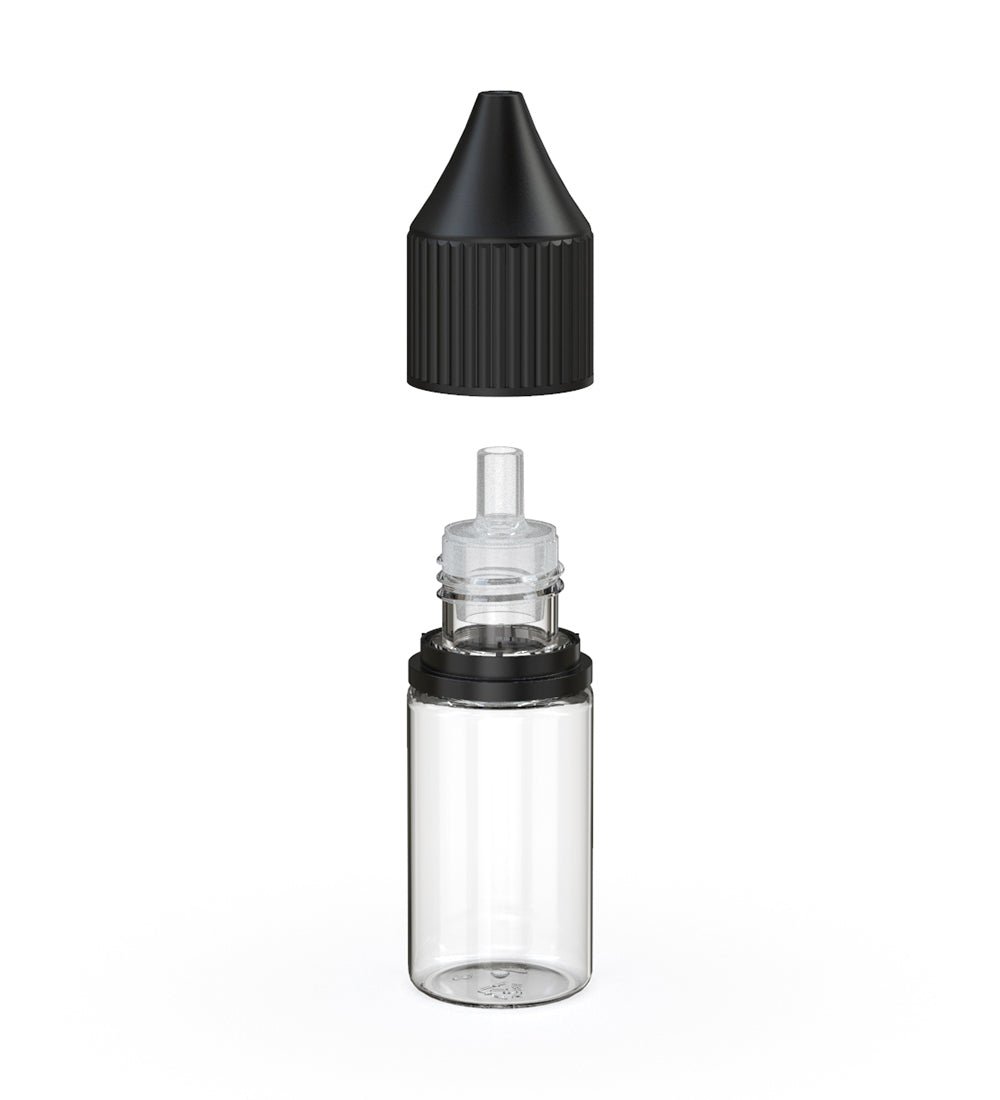
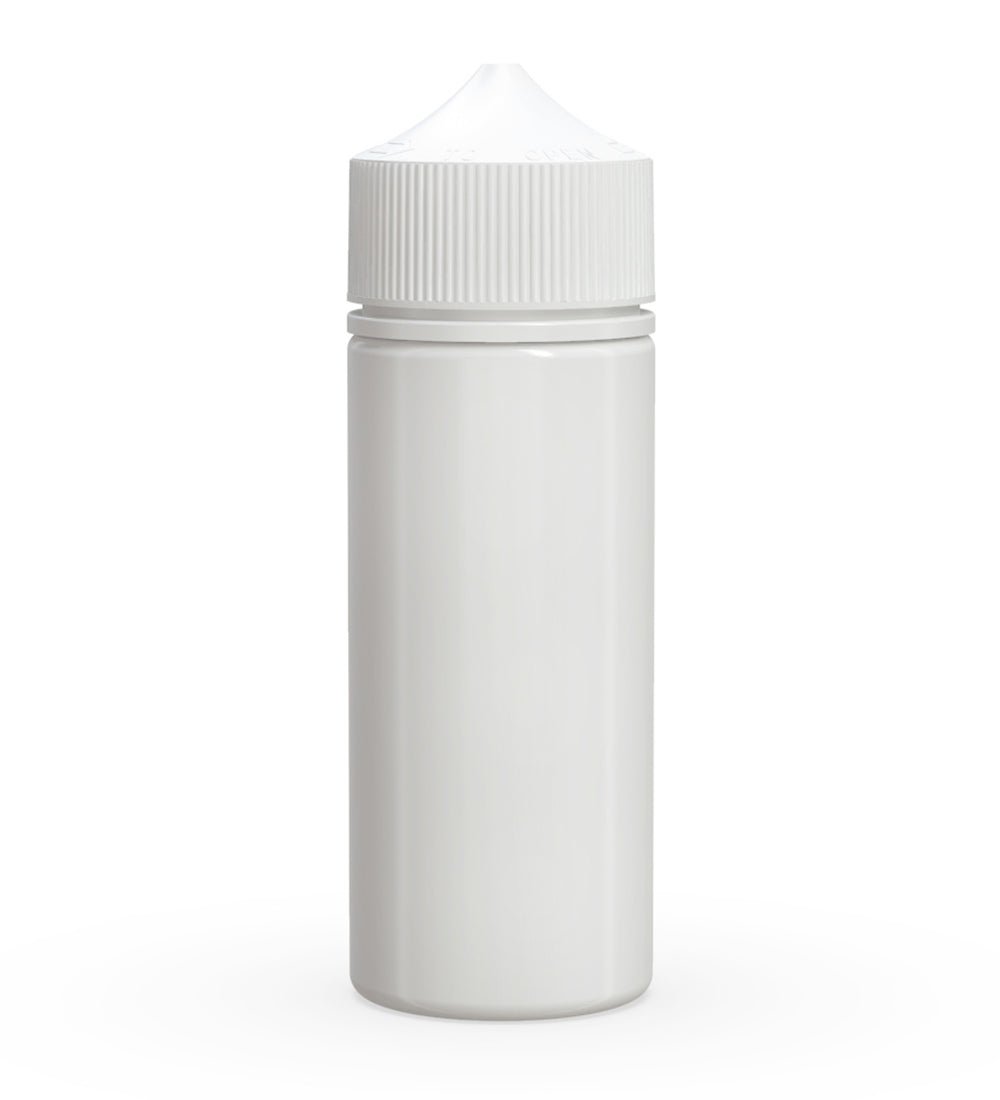
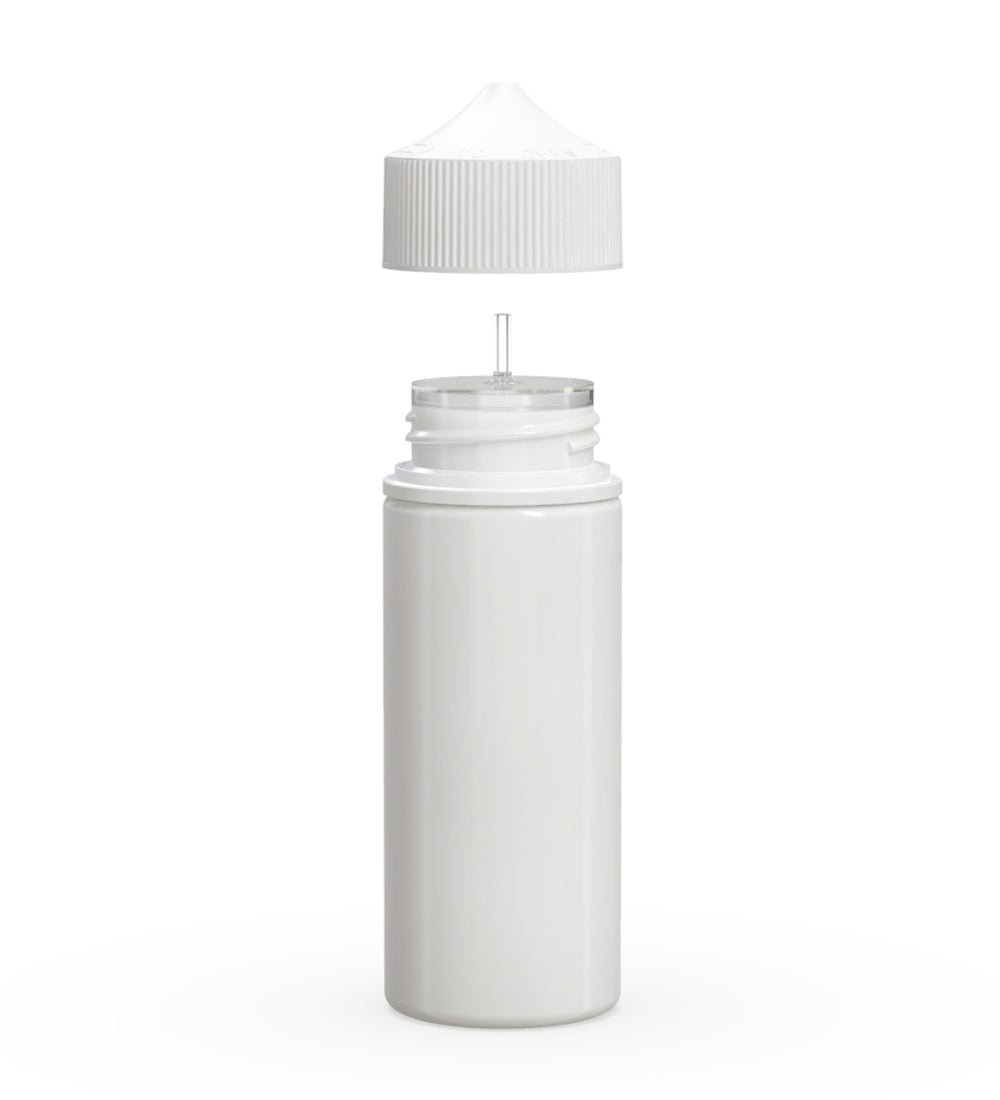
Learn About Skincare Packaging
Learn About Skincare Packaging
Table of Contents
Skincare Packaging Essentials for Modern Brands
Skincare packaging plays a critical role in product preservation, brand identity, and consumer experience. The right packaging solution protects formulations from contamination and degradation while communicating brand values and usage instructions. As the beauty industry continues to evolve, packaging for skin care products must balance functionality, aesthetics, and sustainability.
Modern skincare brands recognize that packaging is more than a container. It's the first physical touchpoint customers have with their products. Cosmetics packaging must preserve product integrity while creating an emotional connection with consumers. From airless pumps that prevent oxidation to dropper bottles that deliver precise amounts, each packaging format serves specific functional needs.
Key Considerations for Skincare Packaging
- Product protection from light, air, and contaminants
- Ease of use and application
- Brand alignment and visual appeal
- Regulatory compliance and labeling requirements
- Sustainability and environmental impact
For brands developing comprehensive skincare lines, consistency across beauty containers helps create a cohesive shelf presence. Whether developing facial serums, moisturizers, or cleansers, packaging continuity reinforces brand recognition and professionalism.
Eco-Friendly Skincare Packaging Solutions
Eco-friendly skincare packaging has evolved from a niche preference to a mainstream expectation. Today's consumers increasingly select products based on environmental credentials, making sustainable packaging a competitive advantage. Brands can choose from various eco-conscious materials including recycled plastics, bioplastics, glass, aluminum, and paper-based alternatives.
Sustainable packaging solutions include:
- Post-consumer recycled (PCR) plastics
- Biodegradable or compostable materials
- Refillable containers and systems
- Minimalist designs that reduce material usage
- Easily recyclable mono-materials
The transition to eco-friendly skincare packaging often requires careful consideration of material properties. For example, body care packaging must maintain product stability while meeting sustainability goals. Brands can start with incremental changes, such as switching to PCR content or reducing packaging components, before implementing more comprehensive sustainable solutions.
Luxury Skincare Packaging: Elevating Brand Perception
Luxury skincare packaging communicates premium positioning through sophisticated materials, finishes, and design elements. High-end brands invest in distinctive packaging to justify premium pricing and create memorable unboxing experiences. From weighty glass jars to custom closures, luxury packaging signals quality and exclusivity.
Premium packaging elements include:
- Heavy-weight glass components
- Metal accents and closures
- Special finishes like soft-touch coatings or metallization
- Custom shapes and silhouettes
- Secondary packaging with special effects
Cosmetic jars for luxury brands often feature double-walled construction, creating a substantial feel while protecting sensitive formulations. Similarly, cream packaging for premium products may incorporate airless technology to preserve active ingredients while delivering a sophisticated user experience.
Container Types for Various Skincare Formulations
Different skincare formulations require specific container types to maintain efficacy and facilitate application. Understanding the compatibility between product formulation and packaging material is essential for product stability and shelf life.
Jars and Pots
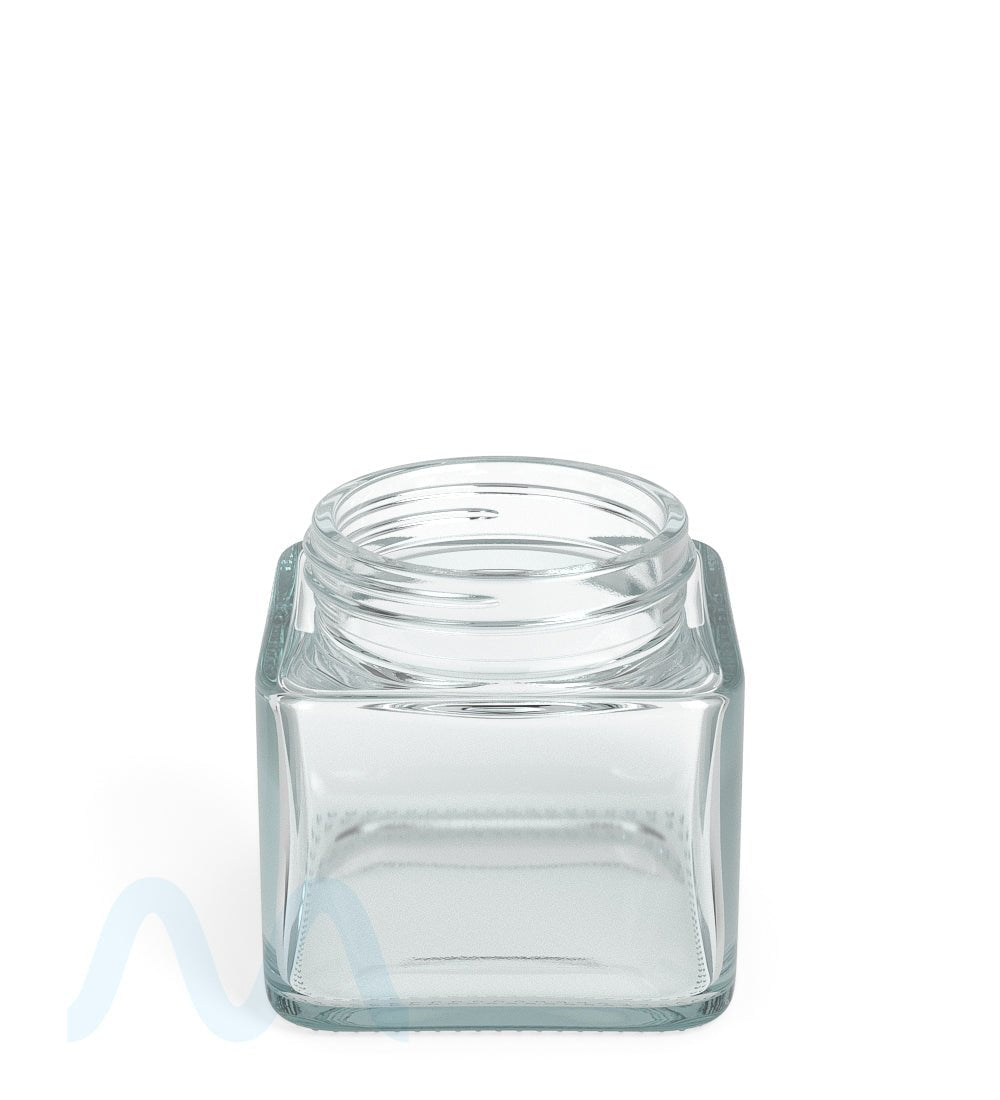
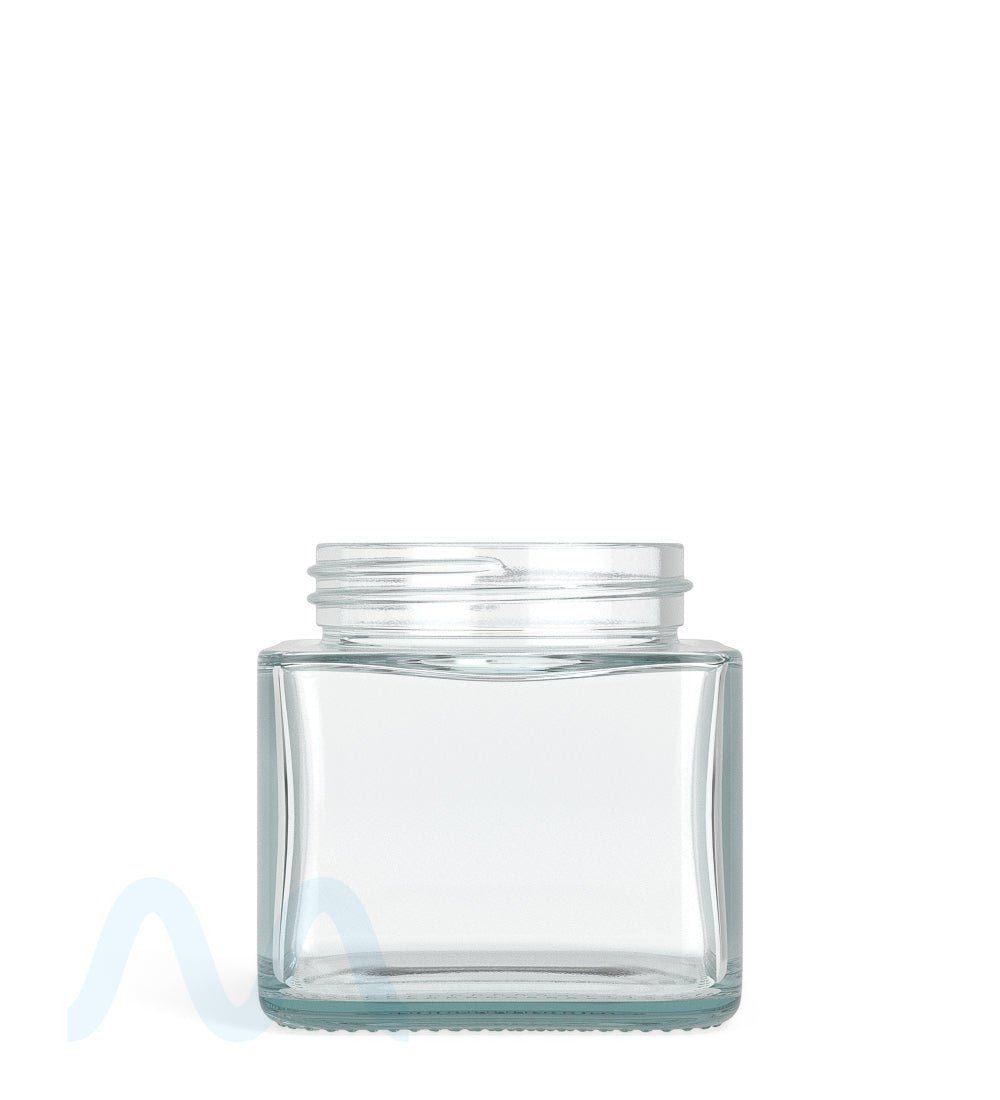
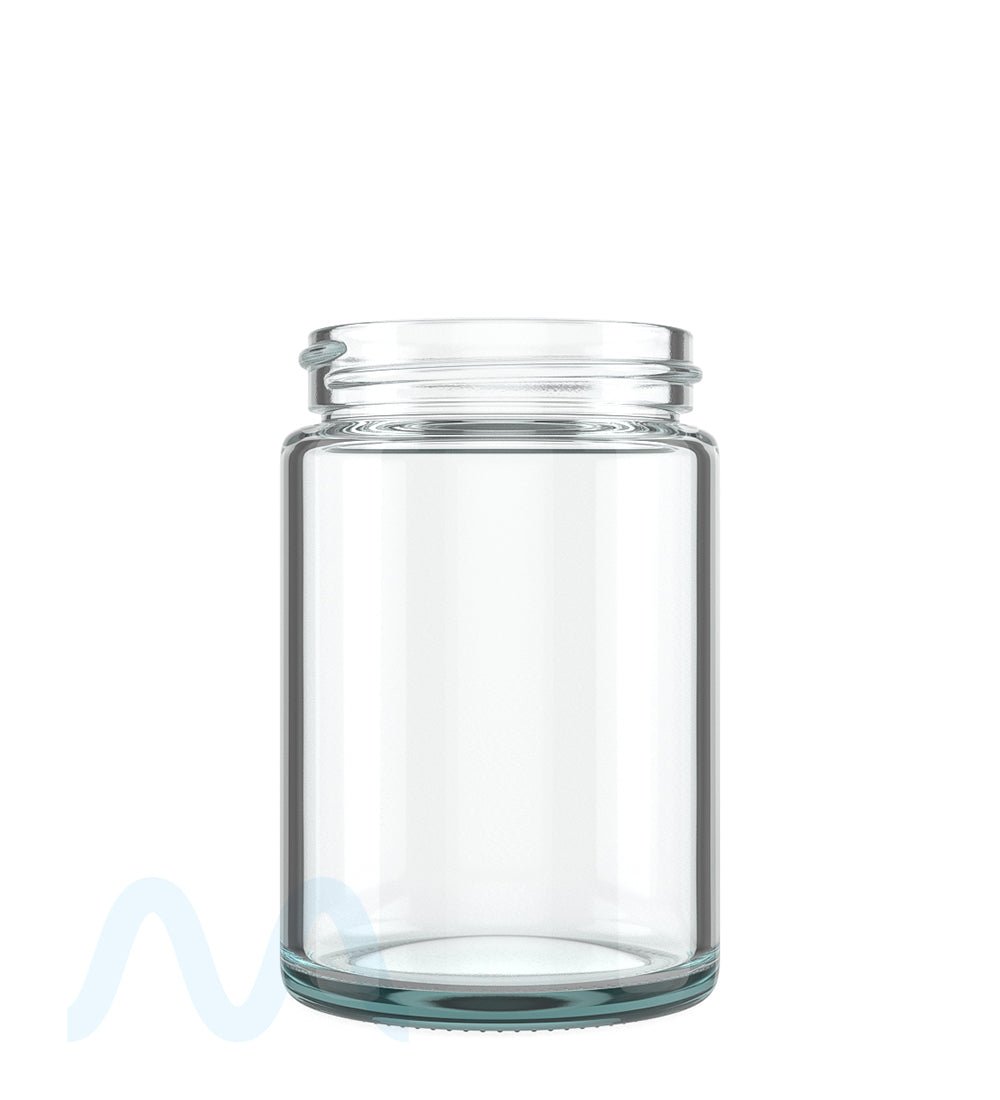
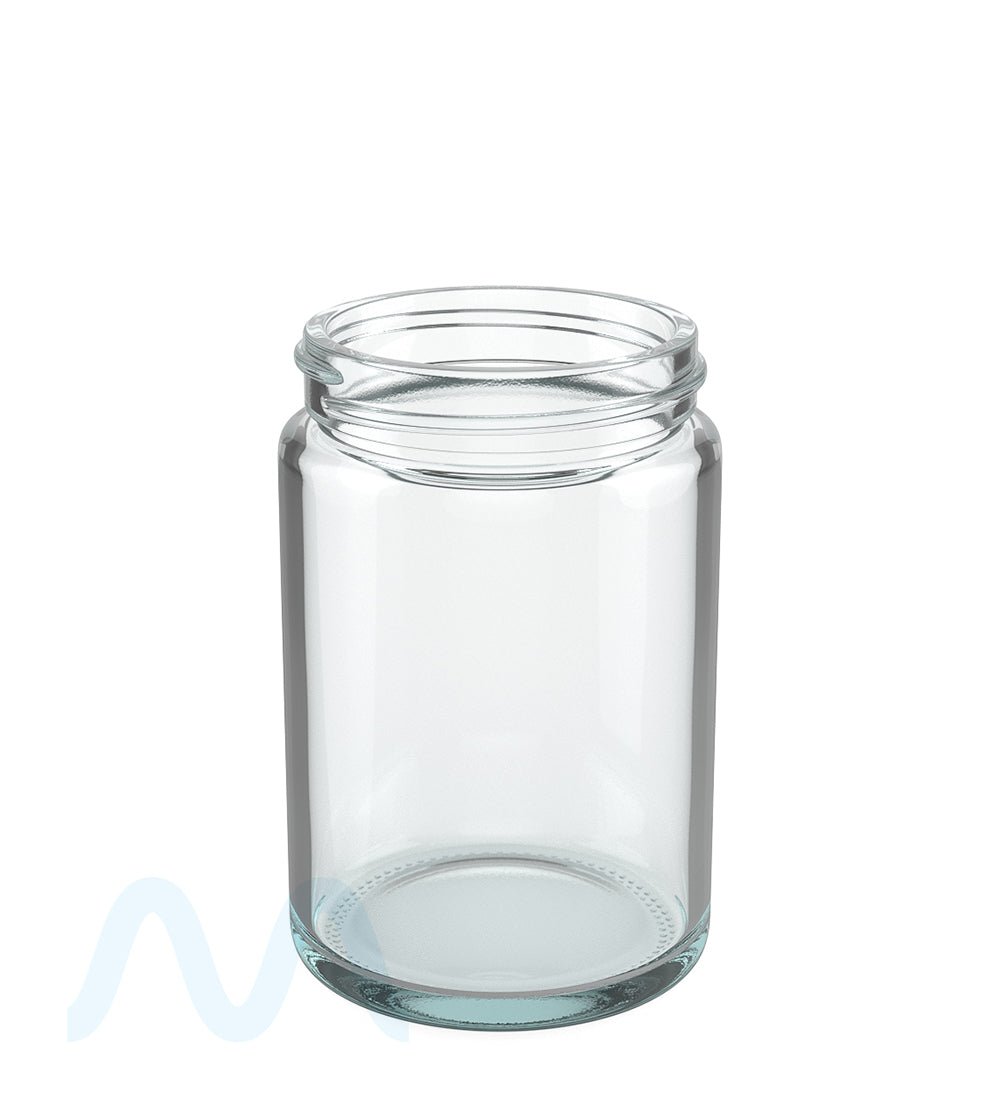
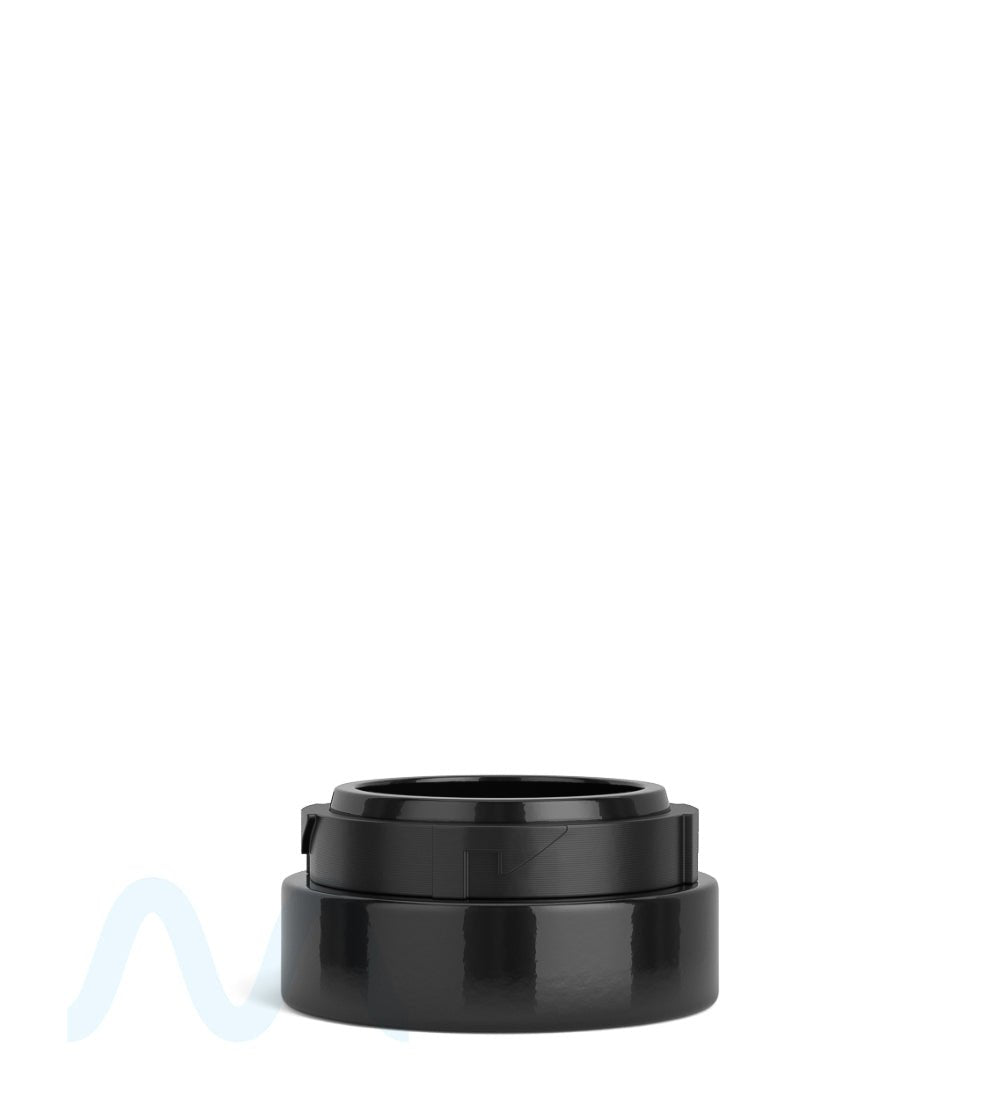
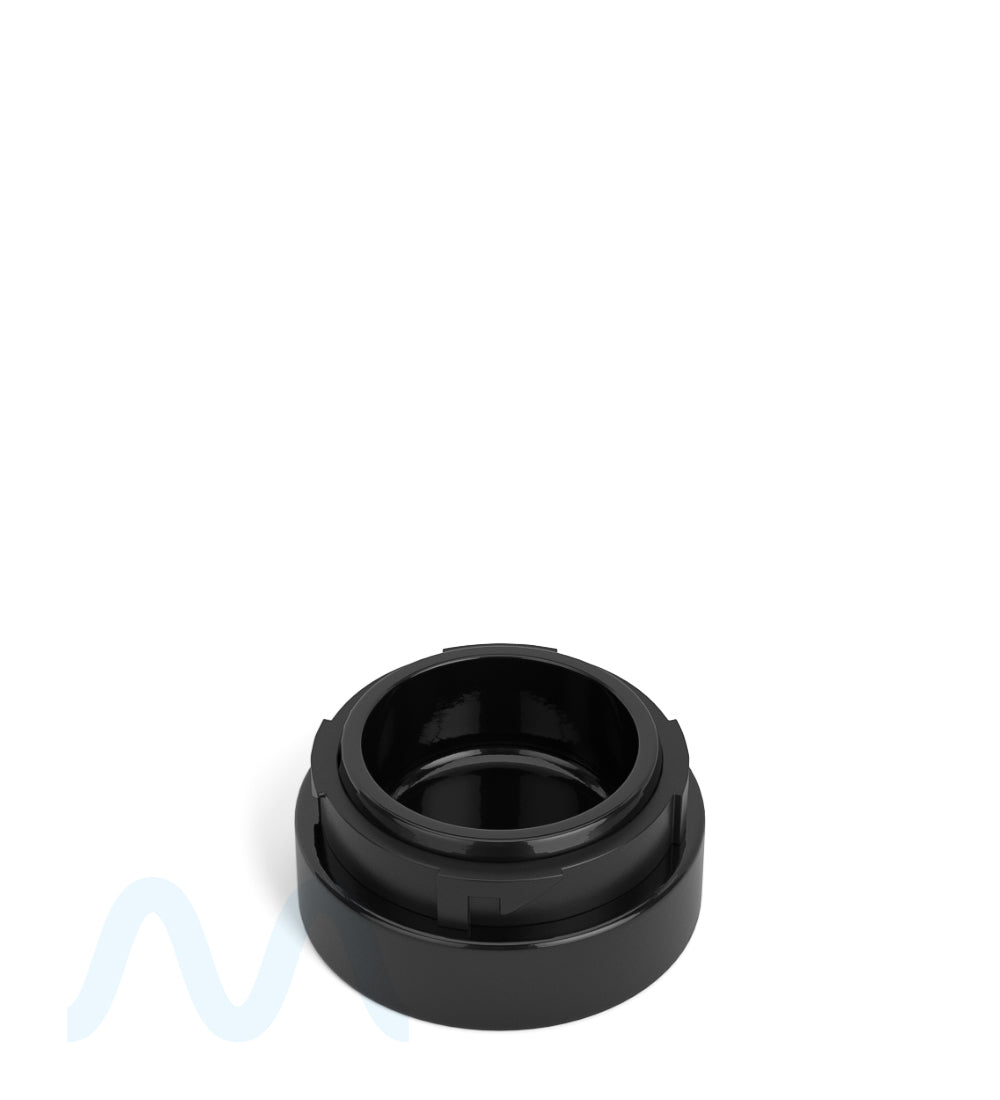
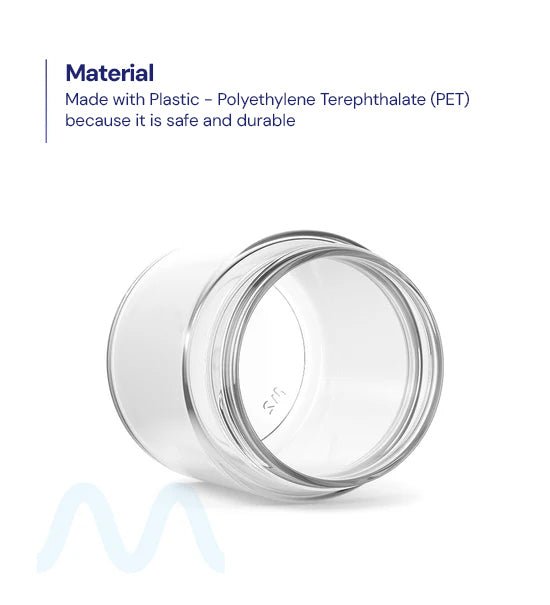
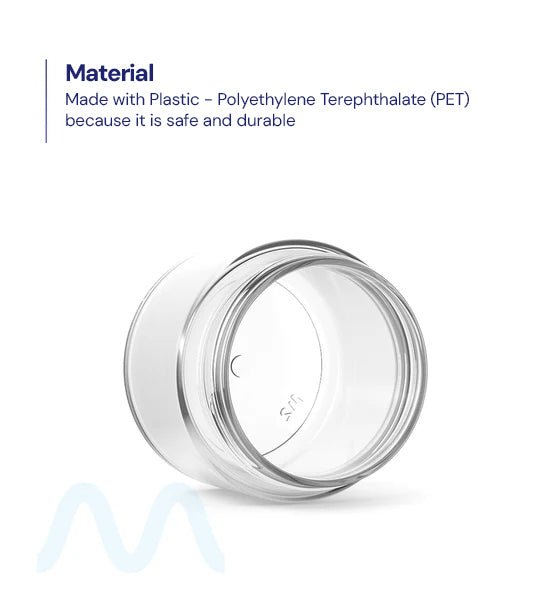
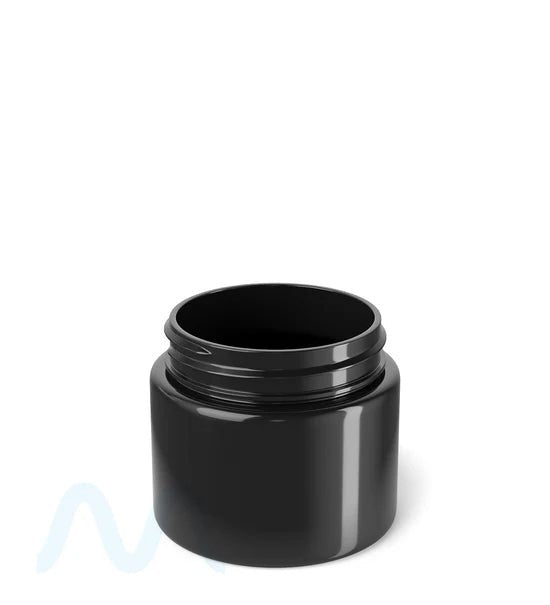
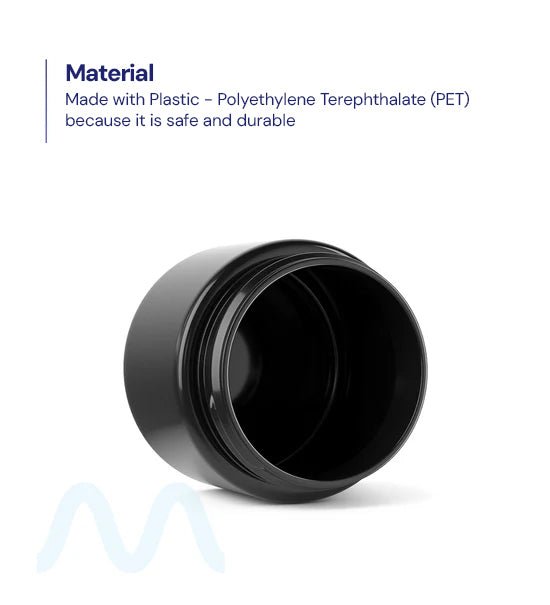
Skincare jars remain popular for thick creams and masks. They provide easy access to product and can be manufactured from glass or plastic. For body products, body butter packaging typically uses wide-mouth jars that accommodate thicker formulations and allow for comfortable application.
Bottles and Tubes
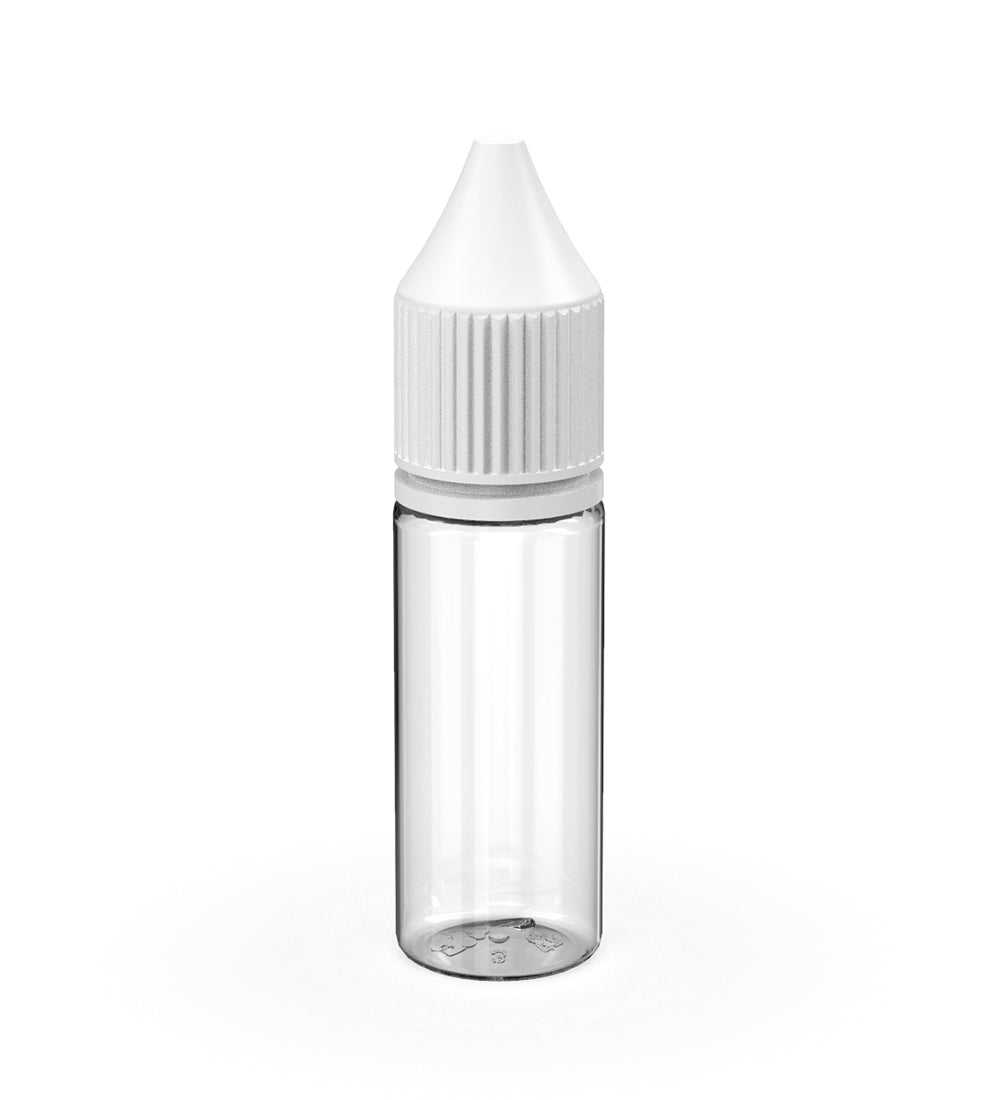
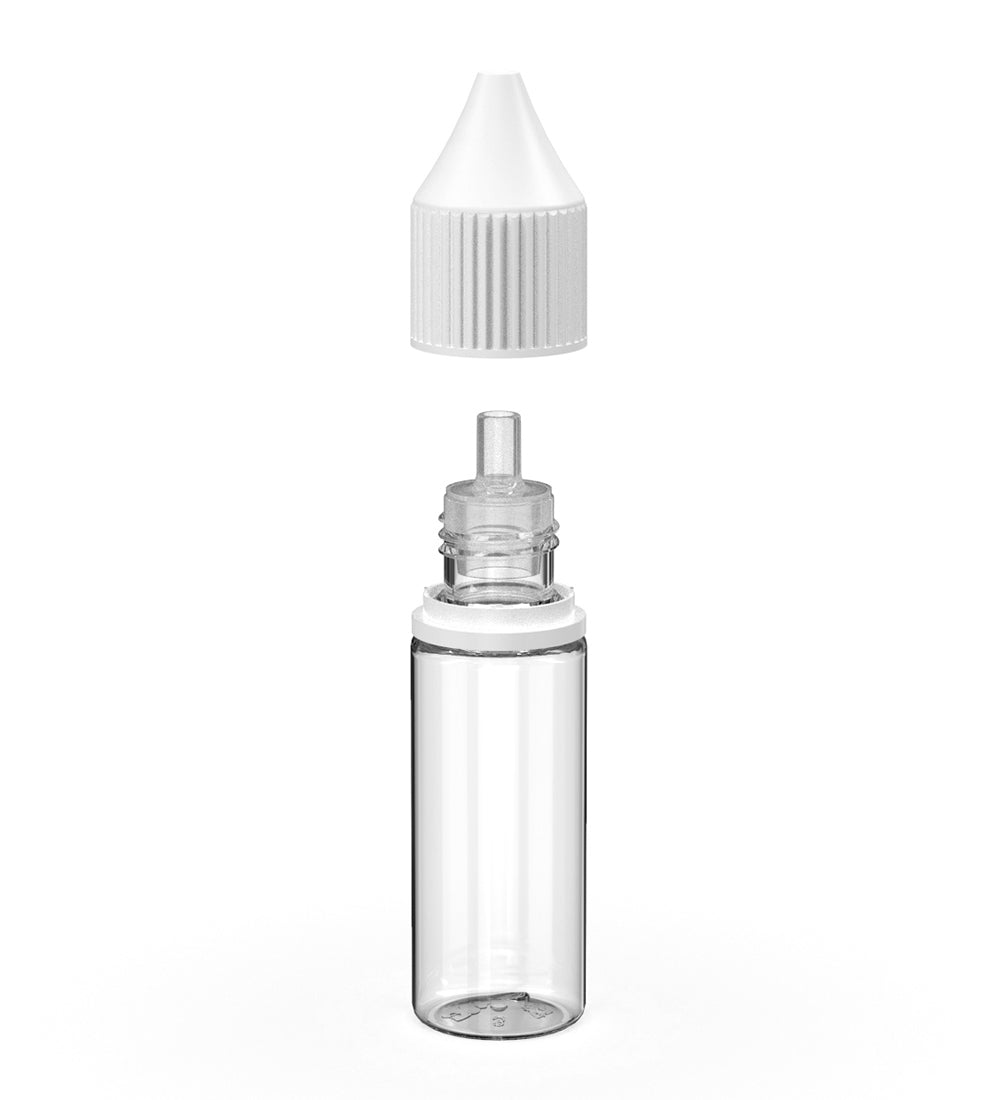
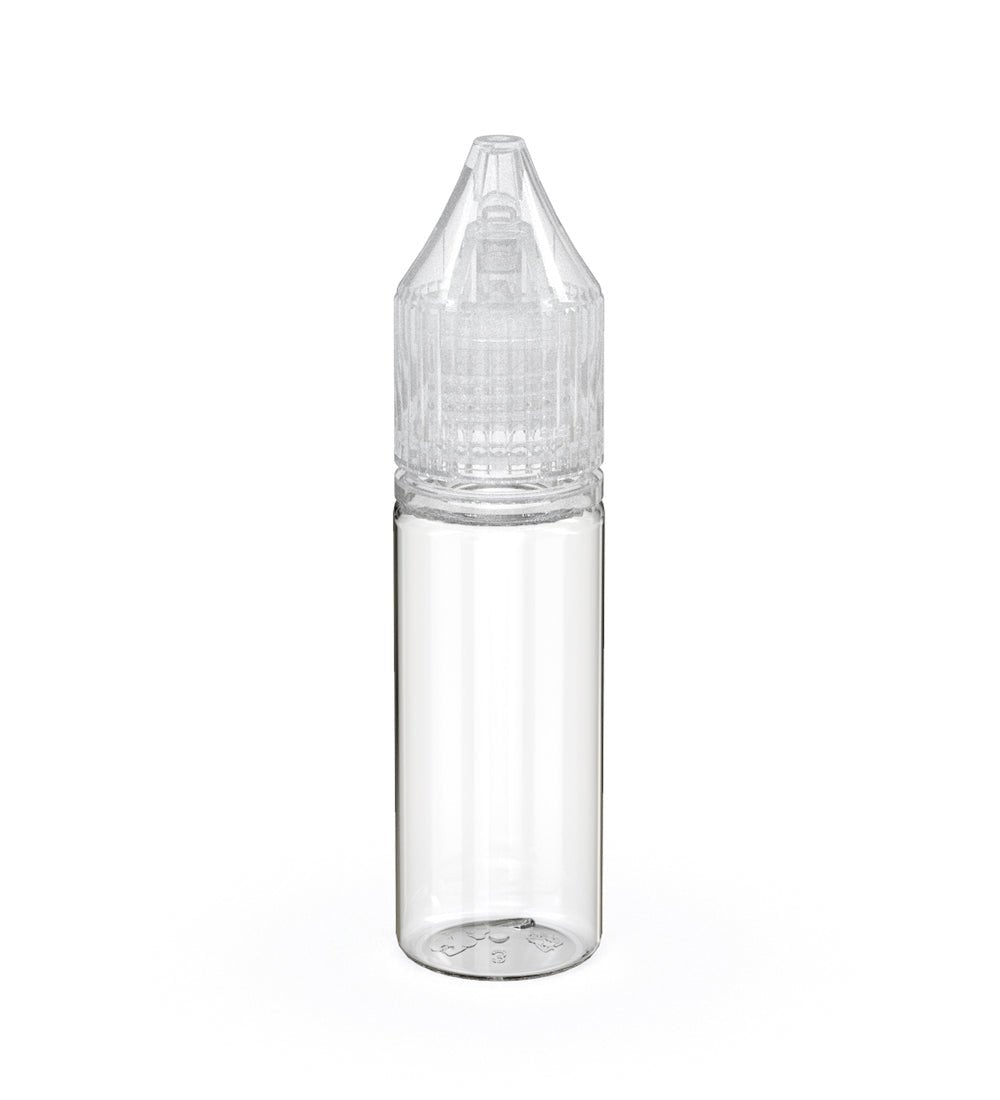
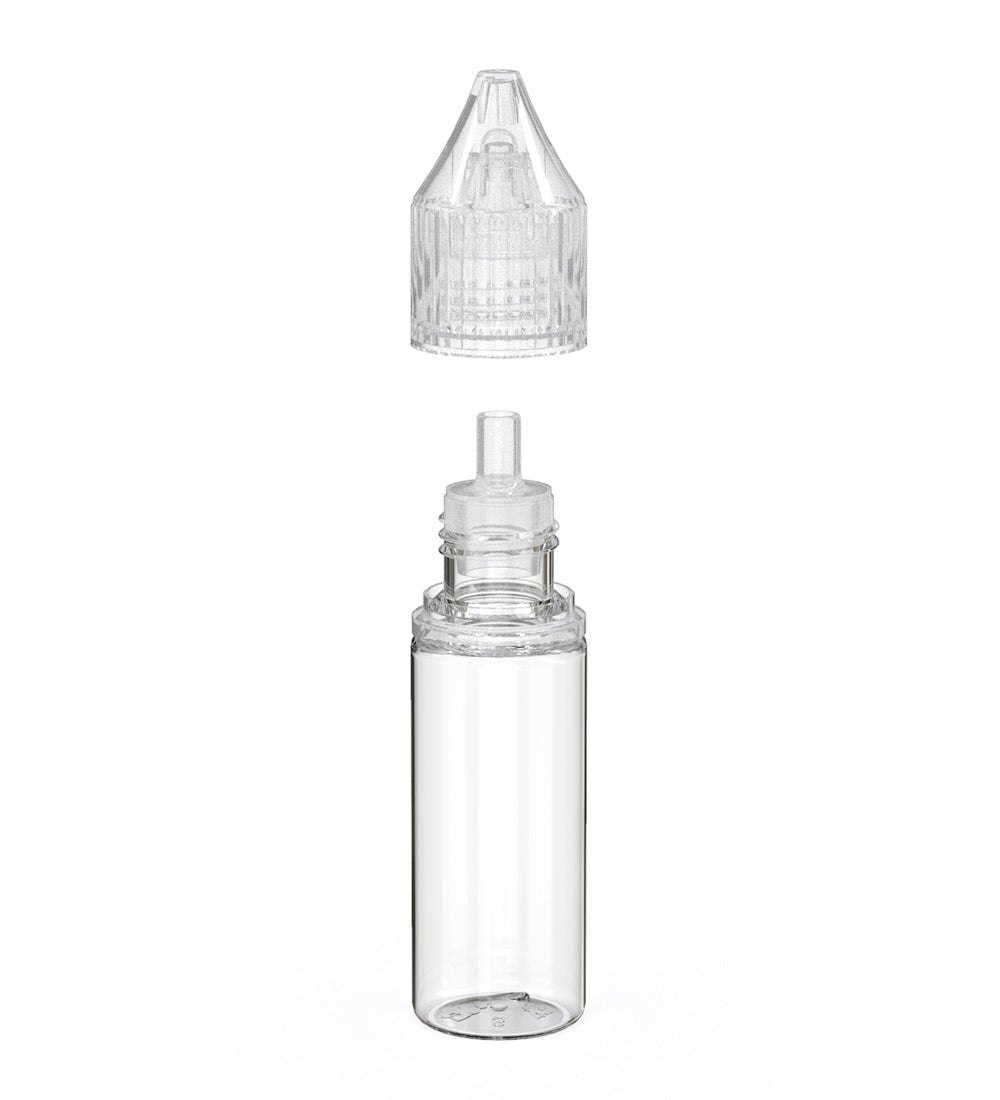
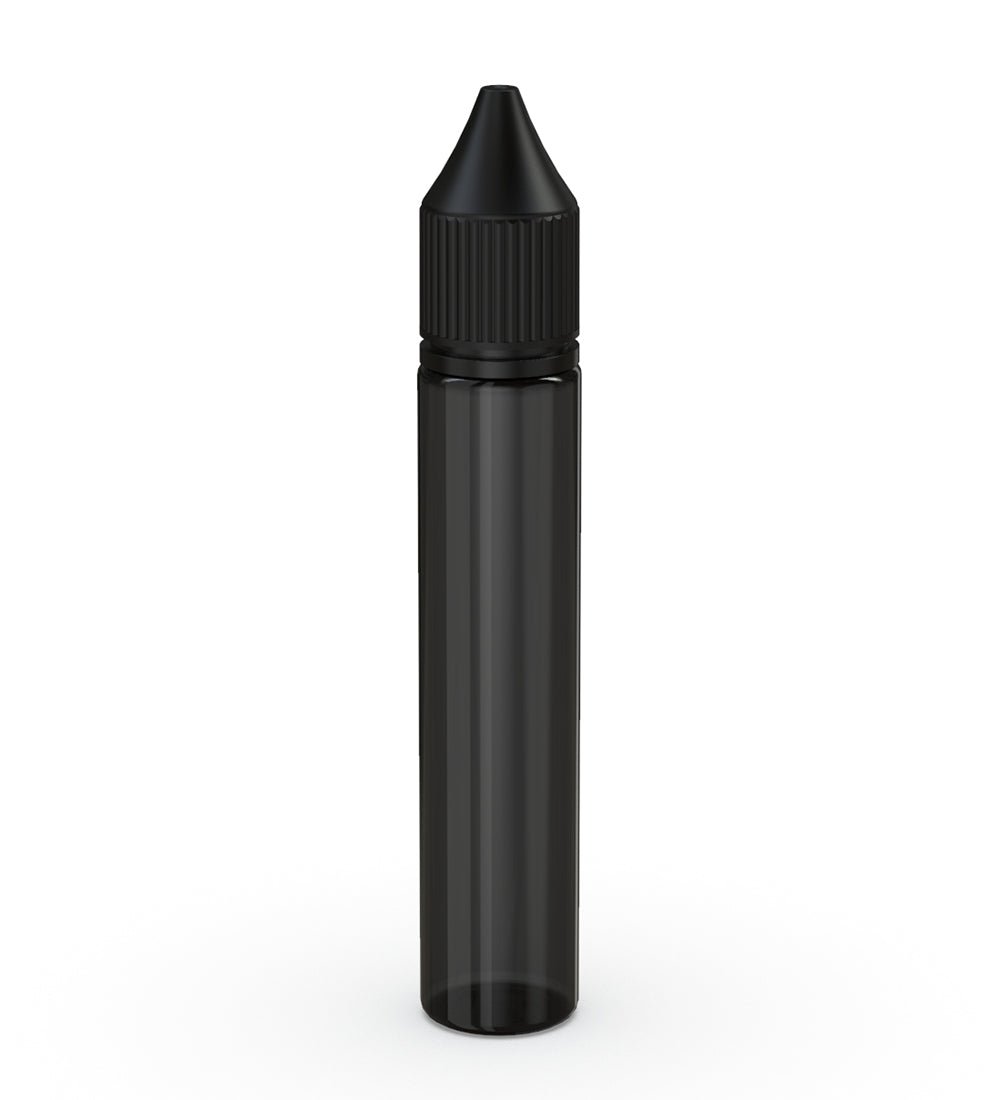
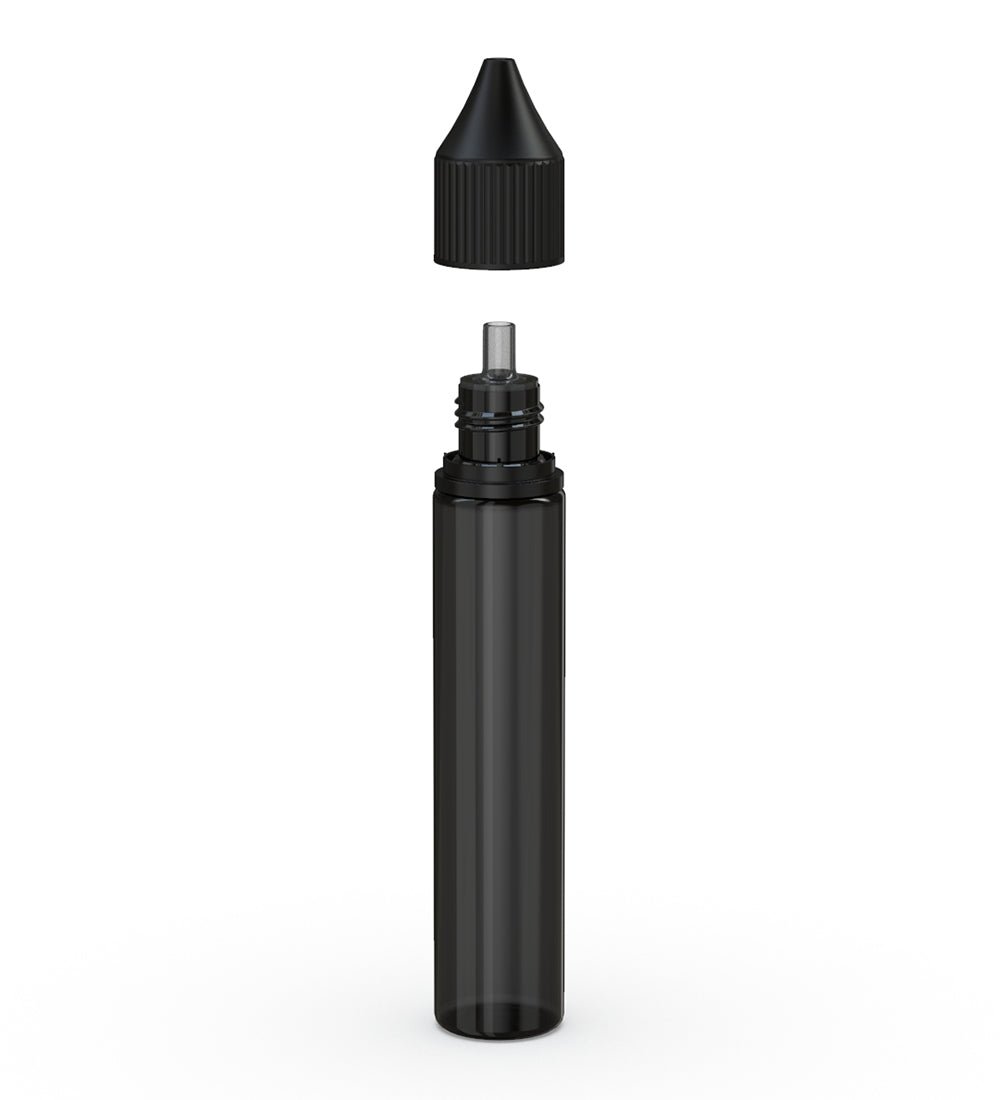
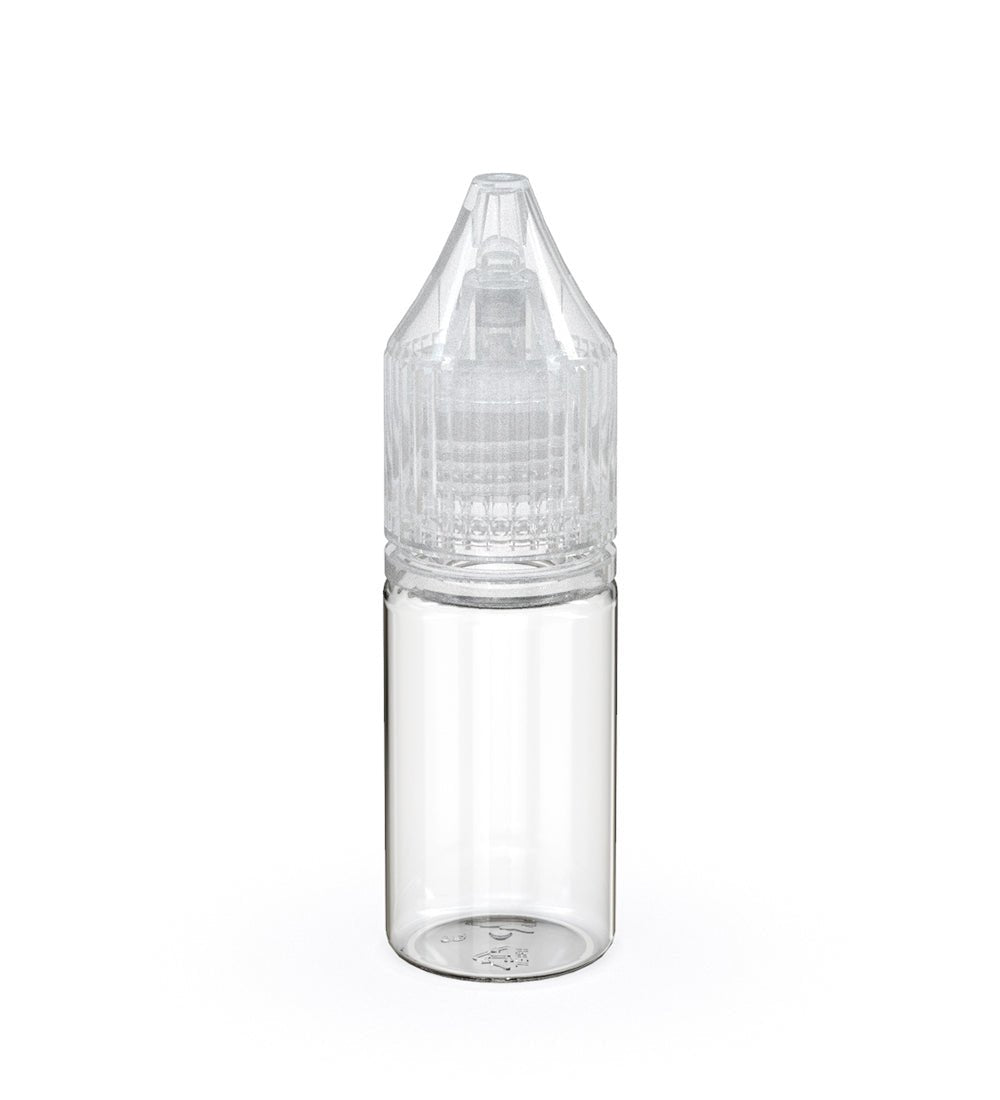
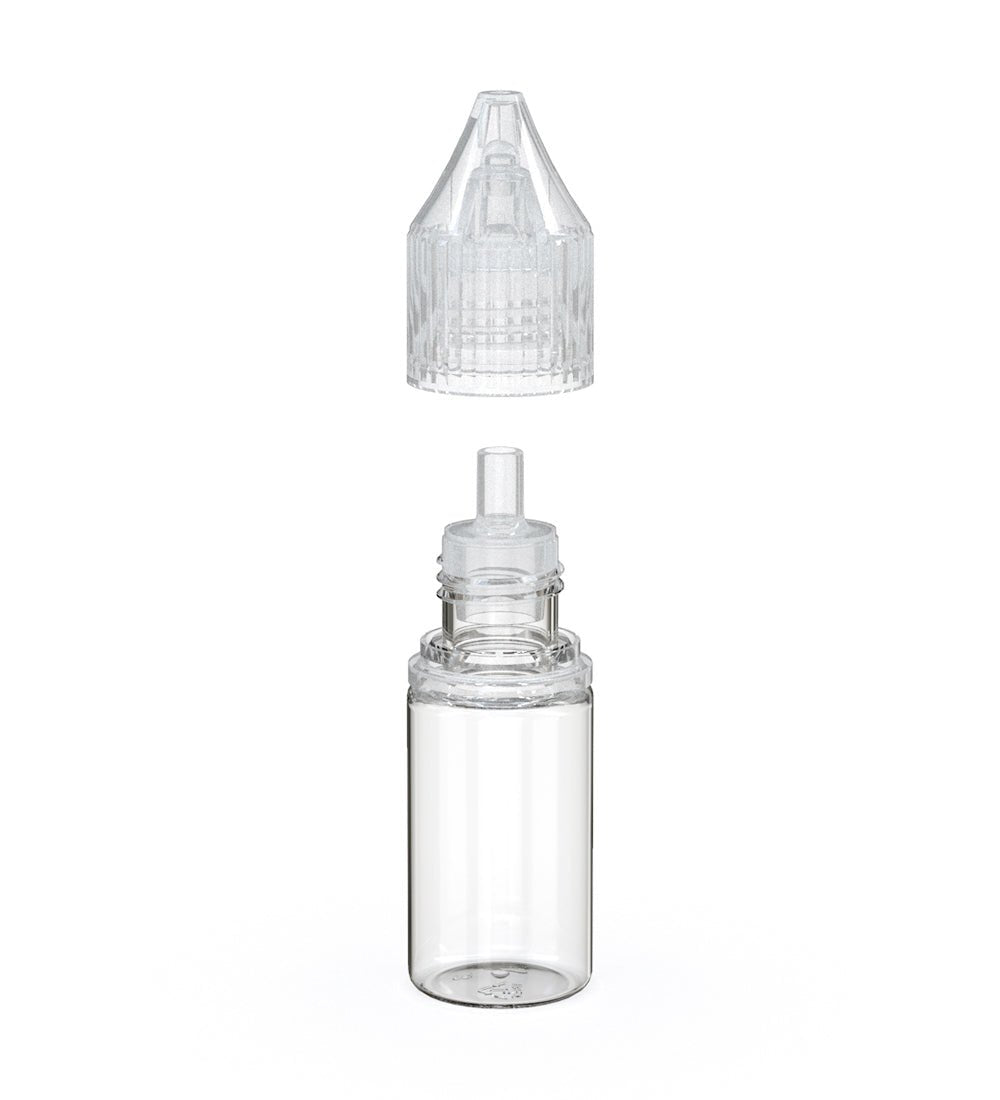
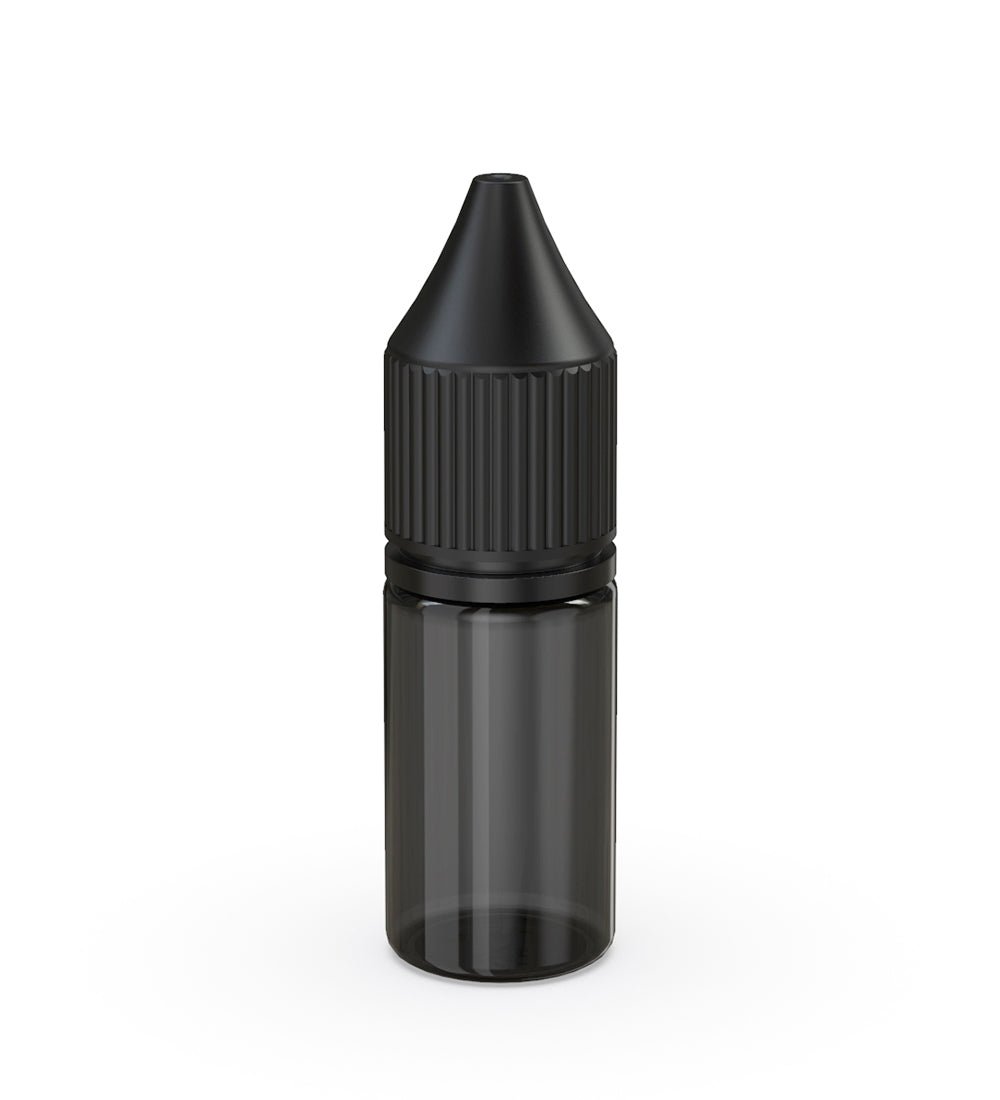
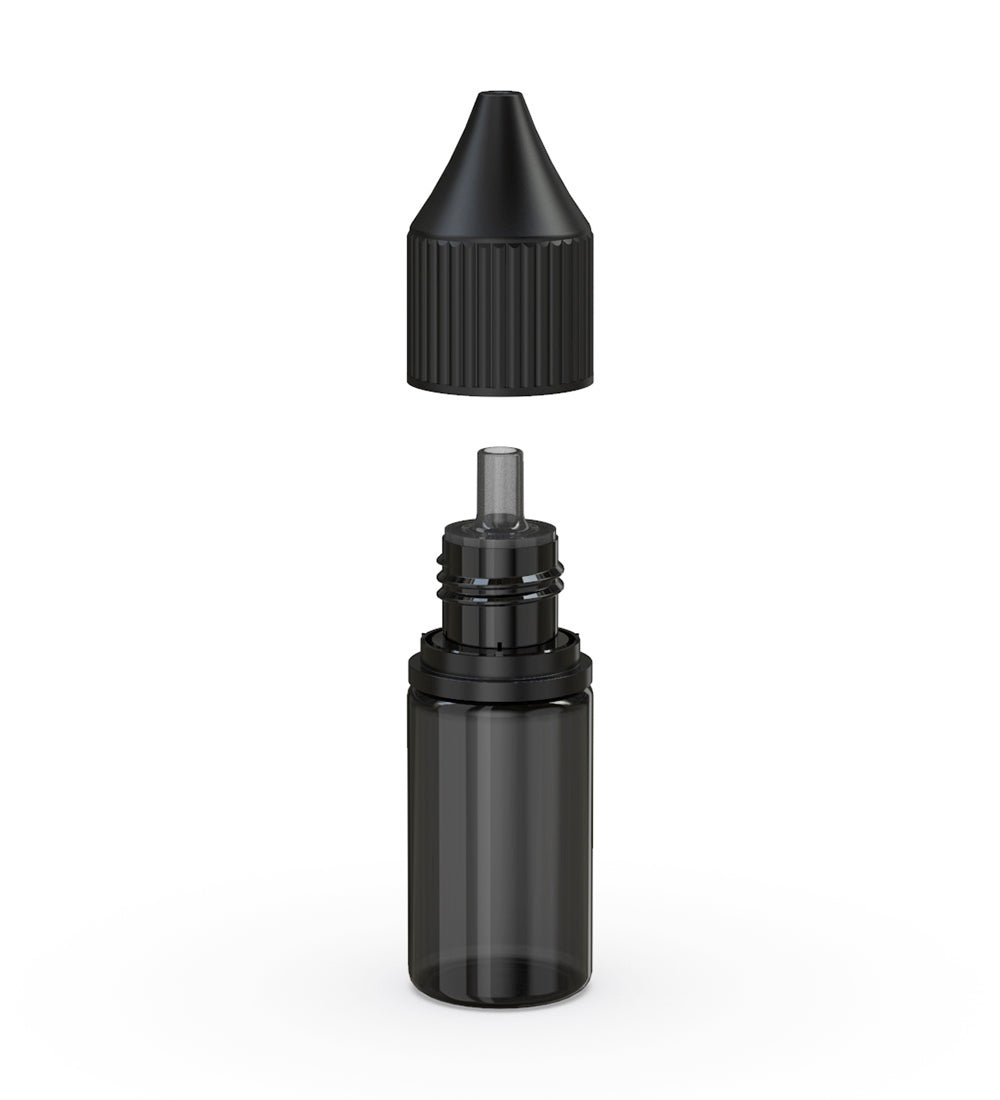
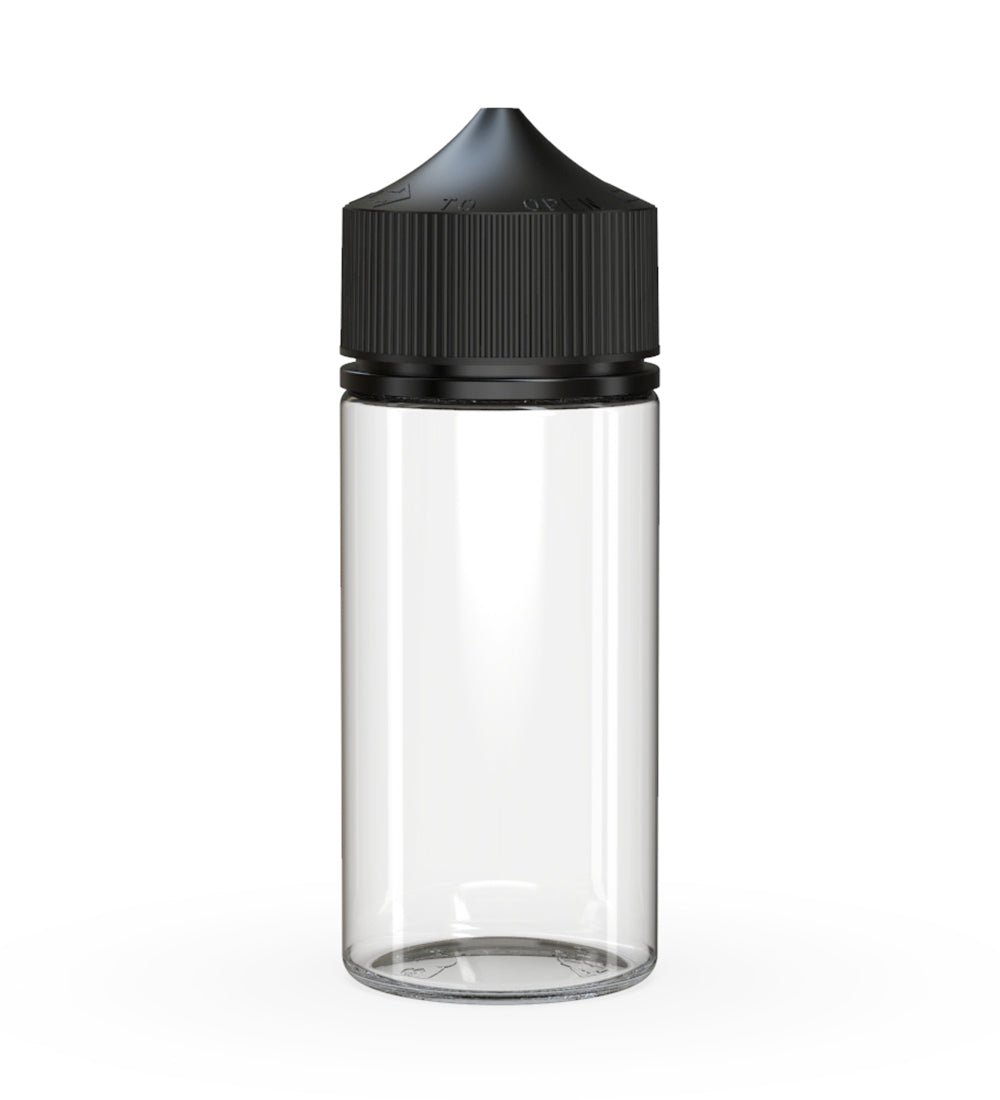
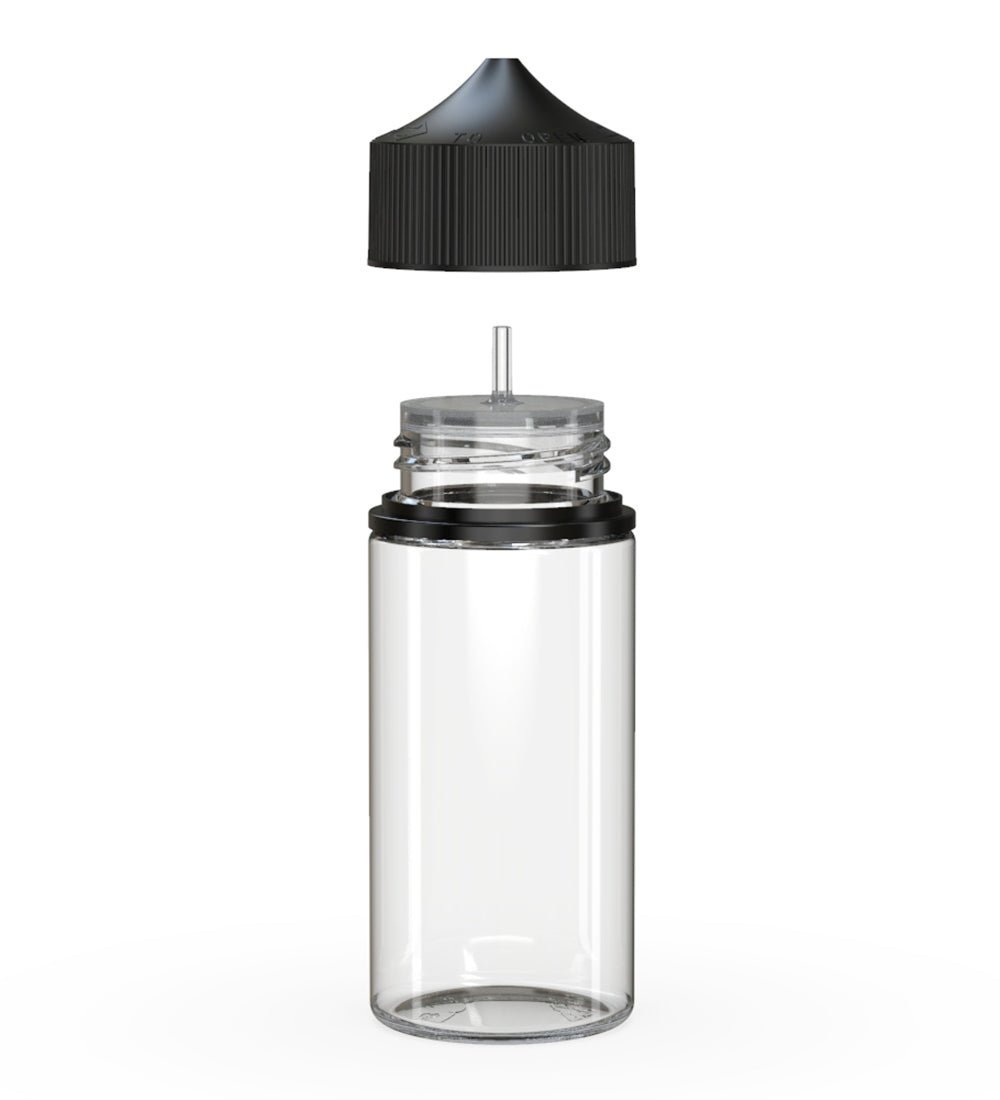
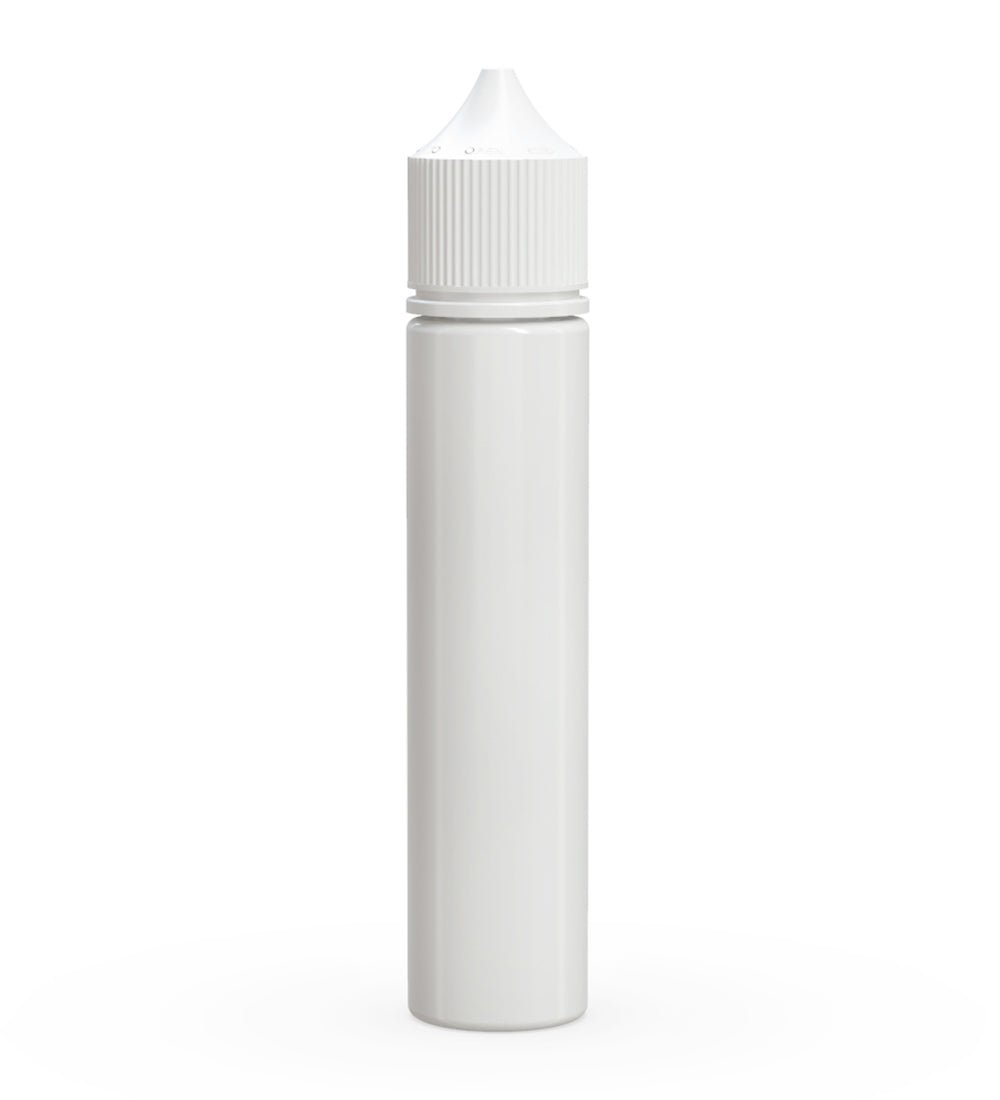
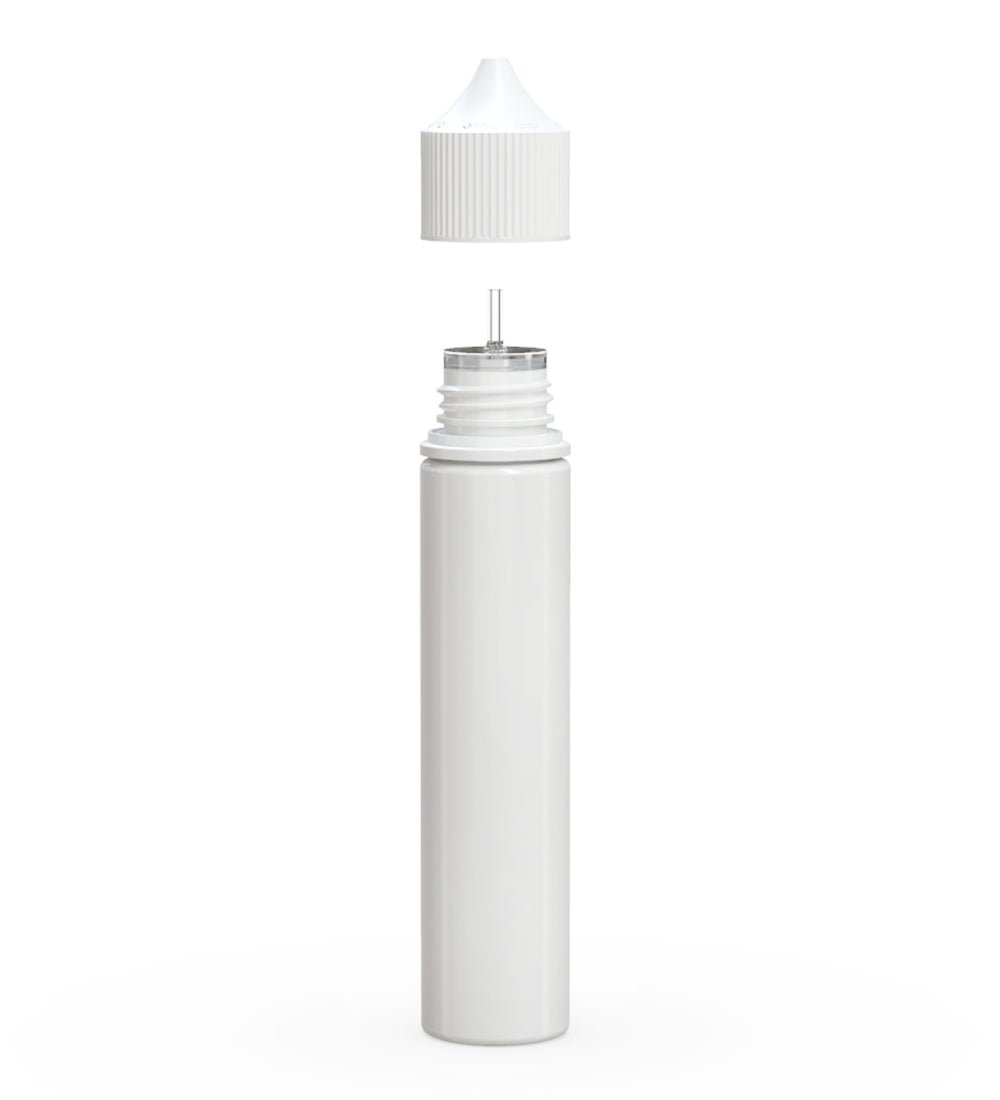
Liquid products like cleansers and toners work well in bottles with dispensing caps. For targeted treatments, serum droppers provide precise application. Meanwhile, moisturizer packaging often utilizes tubes or pump bottles for convenient dispensing without contamination.
Specialized Containers
Some skincare products require specialized packaging. Hand cream packaging typically features portable tubes or pots, while lip balm packaging must be compact and easily carried. For color cosmetics that bridge skincare and makeup, makeup containers need to protect formulations while showcasing the product.
Advantages of Wholesale Skincare Packaging
Purchasing wholesale skincare packaging offers numerous benefits for brands of all sizes. From cost savings to consistent availability, working directly with packaging suppliers helps streamline operations and improve margins.
Cost Efficiency
Wholesale pricing significantly reduces per-unit costs compared to small-batch purchasing. As order quantities increase, brands can negotiate better pricing, allowing for improved margins or competitive retail pricing. This economy of scale is particularly important for growing brands looking to maintain profitability while expanding distribution.
Consistency and Reliability
Working with a dedicated wholesale packaging partner ensures consistent quality and availability. This reliability becomes increasingly important as brands scale production and enter new markets. A steady supply of packaging components prevents production delays and maintains brand consistency across product lines.
Customization Options
Many wholesale packaging suppliers offer customization services, from color matching to complete custom designs. These options allow brands to create distinctive packaging without the high minimums typically required by manufacturers. For emerging brands, this flexibility provides a pathway to unique packaging without overwhelming investment.
When selecting makeup packaging or fragrances packaging from wholesale suppliers, brands should consider future scaling needs and ensure their partner can accommodate growth.
Packaging Trends Shaping the Future of Skincare
The skincare packaging landscape continues to evolve with emerging technologies, changing consumer preferences, and increasing environmental awareness. Staying informed about these trends helps brands remain competitive and responsive to market demands.
Smart Packaging Technologies
Interactive elements like QR codes, NFC tags, and temperature indicators are becoming more common in skincare packaging. These technologies enhance consumer engagement by providing authentication, usage instructions, and personalized content. As consumers become more tech-savvy, expectations for digital integration with physical products will increase.
Minimalist Design
Clean, minimalist aesthetics continue to dominate skincare packaging design. This trend aligns with both sustainability goals (by reducing unnecessary elements) and contemporary design preferences. Brands like hair care packaging increasingly embrace simplified visual language to stand out in crowded markets.
Material Innovation
New packaging materials continue to emerge, from ocean-bound plastics to mushroom-based alternatives. These innovations offer brands fresh ways to demonstrate environmental commitment while maintaining product protection. Similarly, advances in barrier technologies allow soap packaging and other water-based products to utilize more sustainable materials without compromising shelf life.
For brands looking to remain at the forefront of the industry, packaging innovation represents a significant opportunity to differentiate products and connect with conscious consumers. By balancing aesthetics, functionality, and sustainability, skincare brands can create packaging that not only protects products but also strengthens brand identity and consumer loyalty.