


Beauty Containers


Learn About Beauty Containers
Learn About Beauty Containers
Table of Contents
Beauty Containers for Brand Differentiation
Beauty containers serve as the first physical touchpoint between consumers and products, making them crucial for brand identity and product protection. The right packaging can elevate a formula from ordinary to premium through strategic design and material selection. In the competitive beauty market, distinctive beauty packaging creates shelf presence and communicates brand values before the product is even tested.
For emerging and established brands alike, selecting appropriate containers involves balancing aesthetics, functionality, and budget considerations. Wholesale containers for beauty products offer cost-effective solutions while maintaining quality standards necessary for formula stability and consumer satisfaction.
The container selection process requires understanding product viscosity, ingredient sensitivity, application methods, and target market expectations. Each product category, from serums to body butters, demands specific packaging attributes to preserve efficacy and enhance user experience.
Key Packaging Considerations
- Formula compatibility with container materials
- Dispensing mechanism functionality
- Protection from light, air, and contamination
- Brand aesthetic alignment
- Regulatory compliance requirements
Empty beauty containers provide the canvas for brand storytelling through color, shape, texture, and finishing details. Whether minimalist or ornate, packaging communicates positioning and influences consumer perception of product quality.
Types of Empty Beauty Containers
The beauty industry utilizes diverse container formats tailored to specific product types and consumer preferences. Each format offers distinct benefits for formula protection, application precision, and user experience.
Jars and Pots
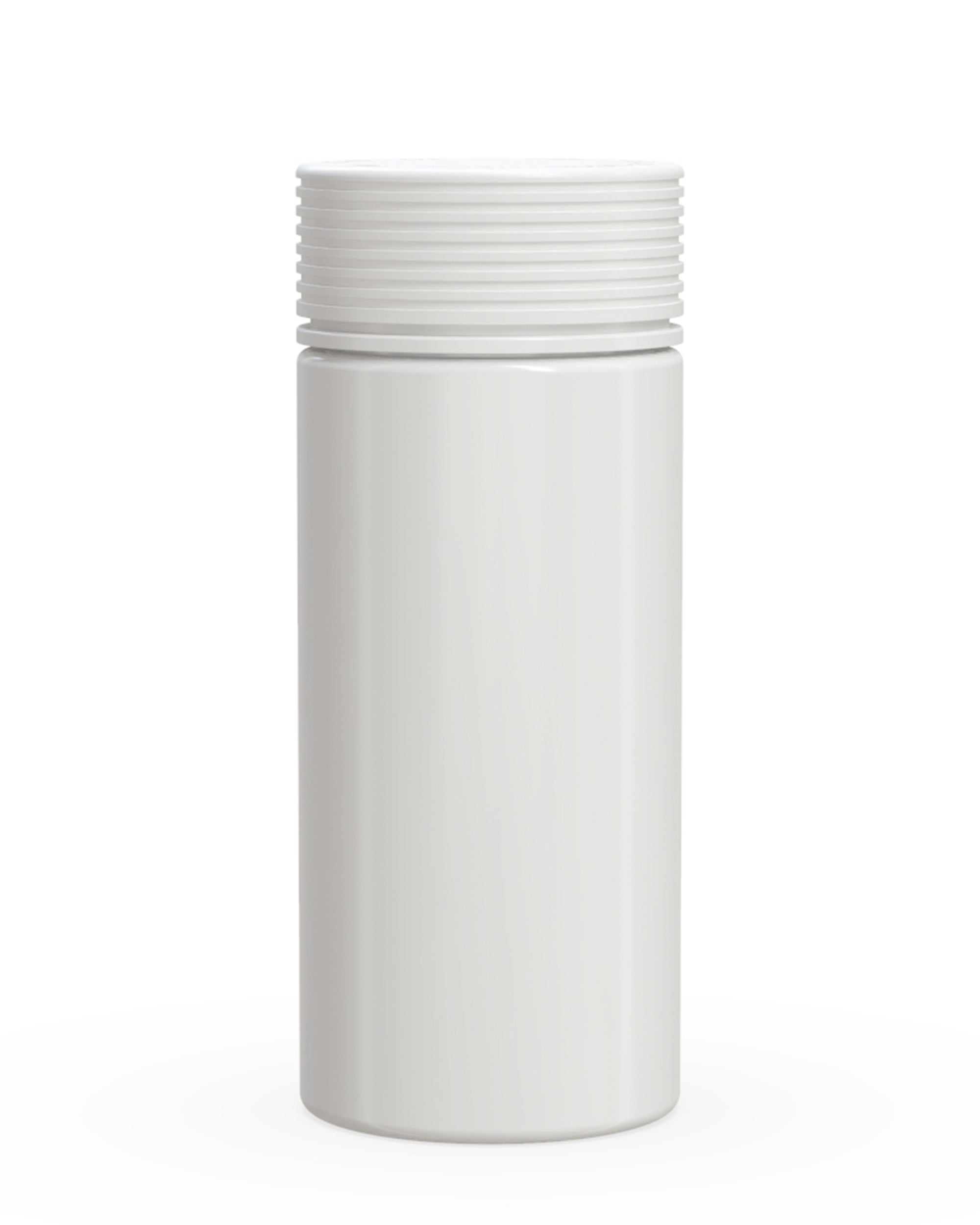
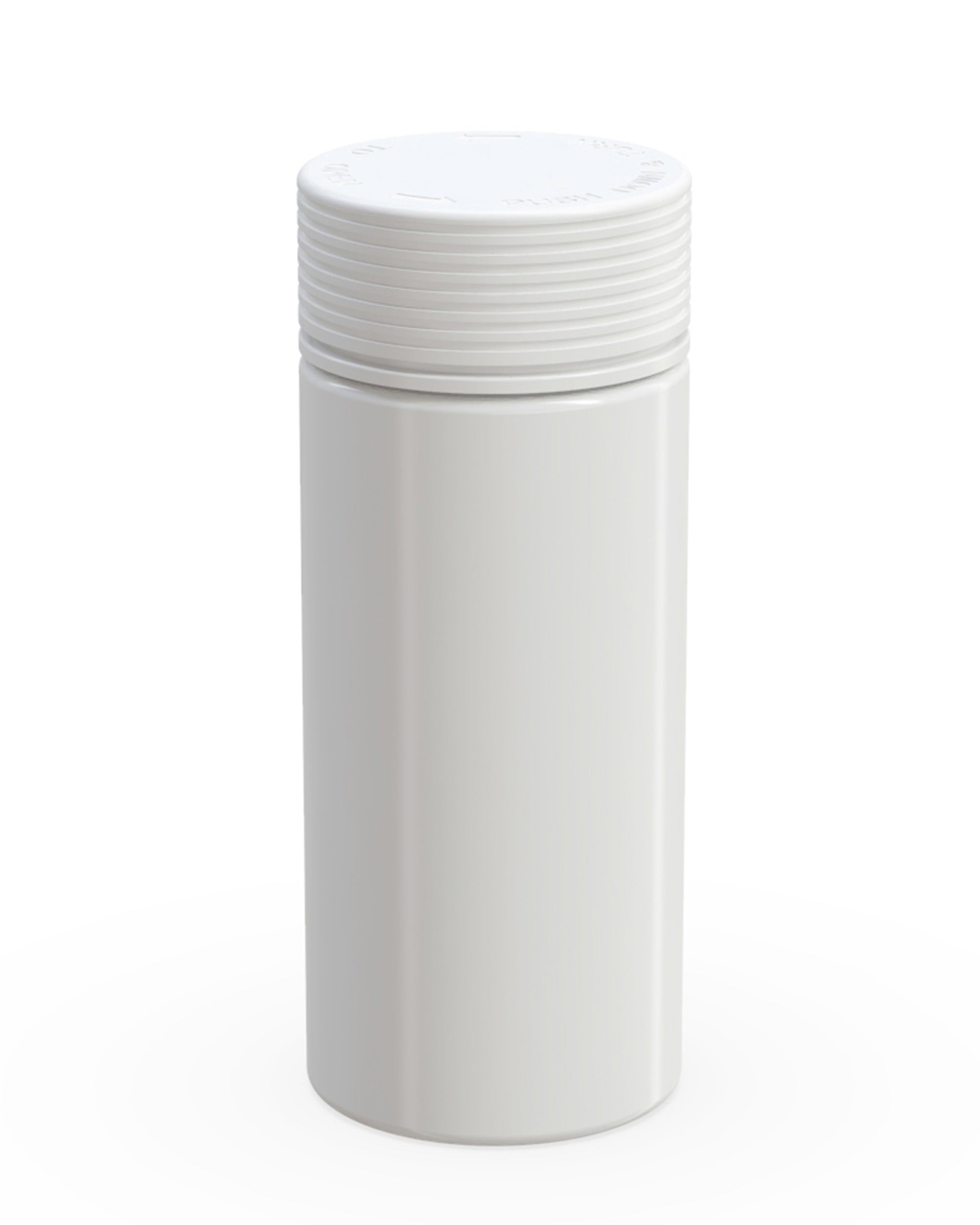
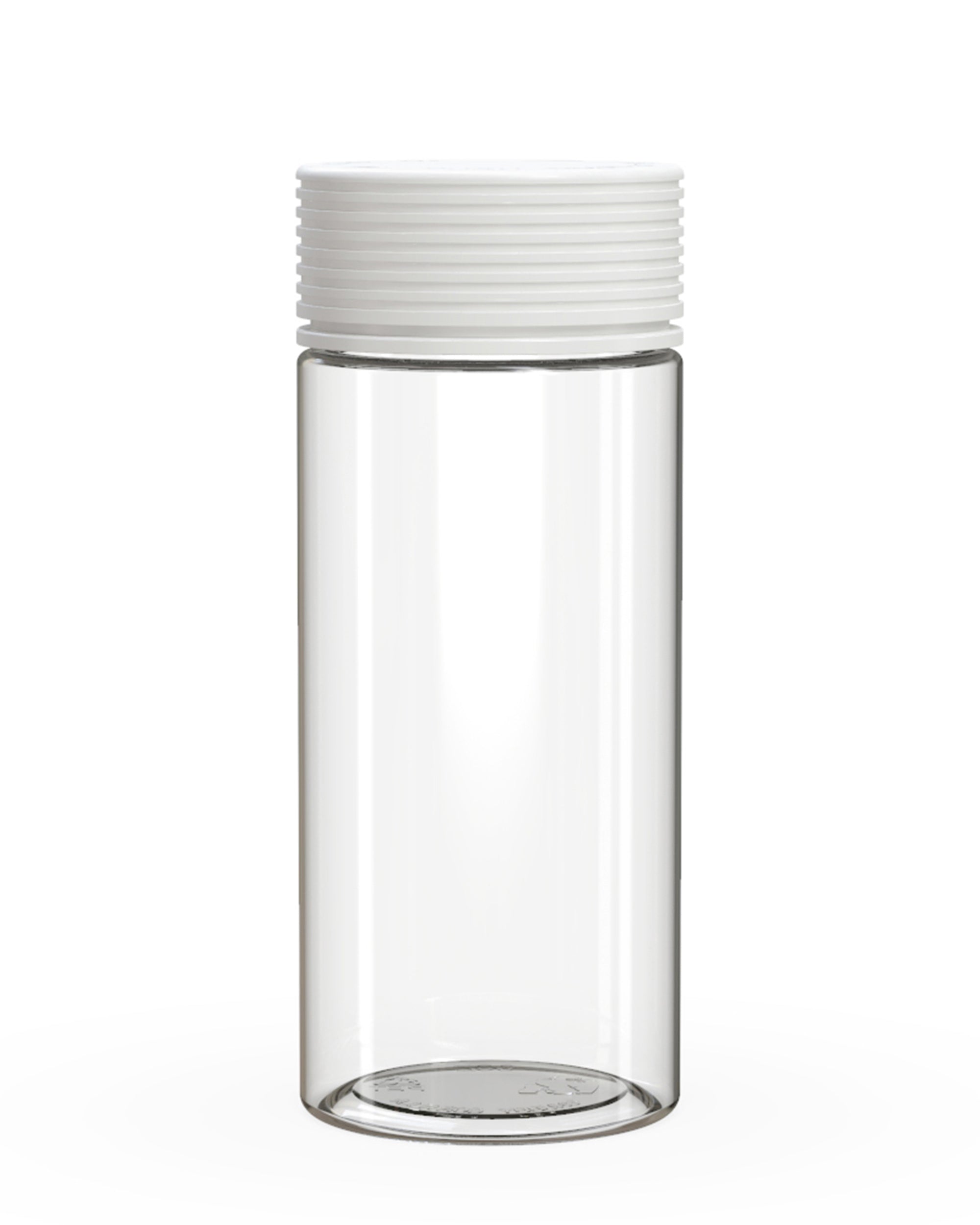
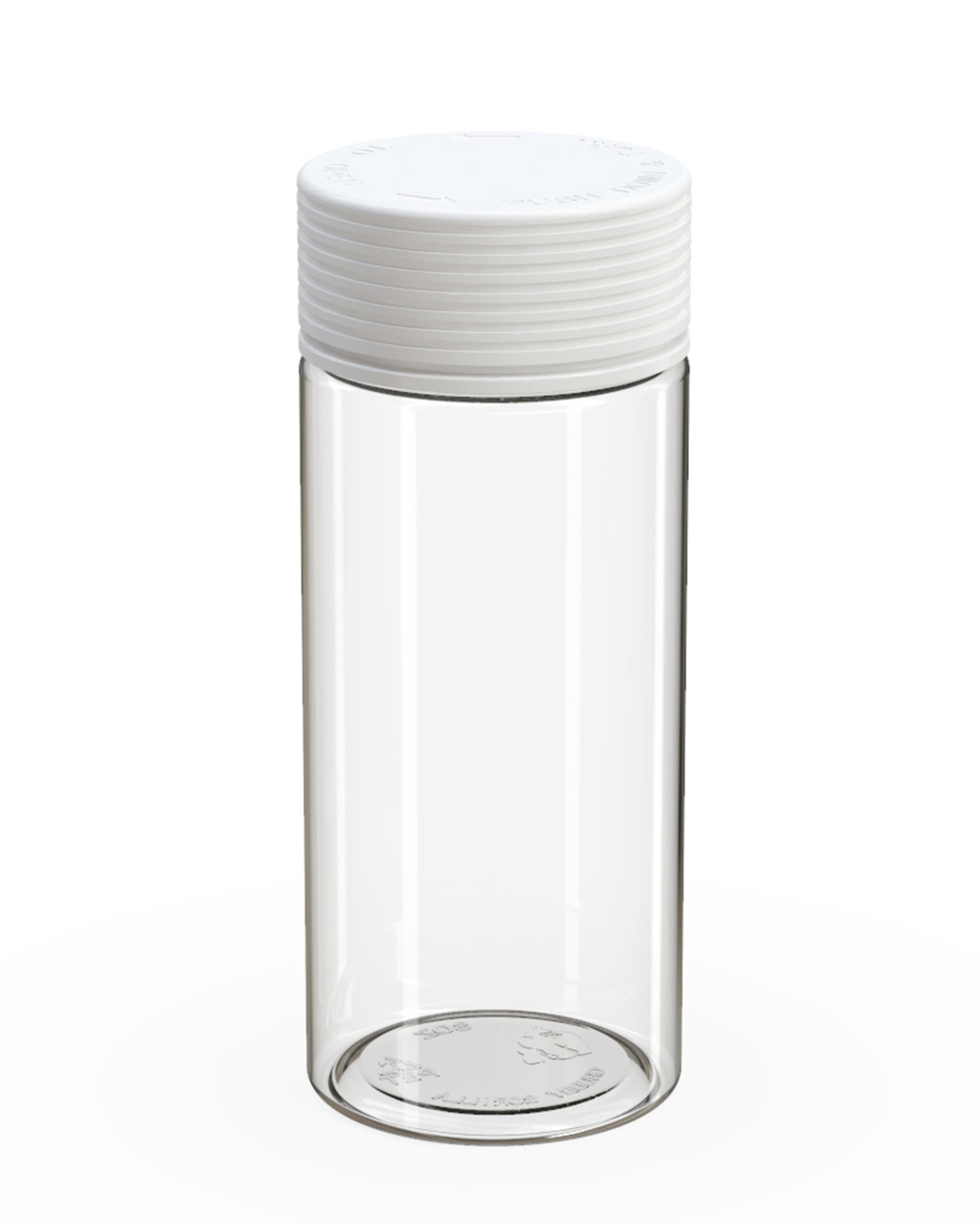
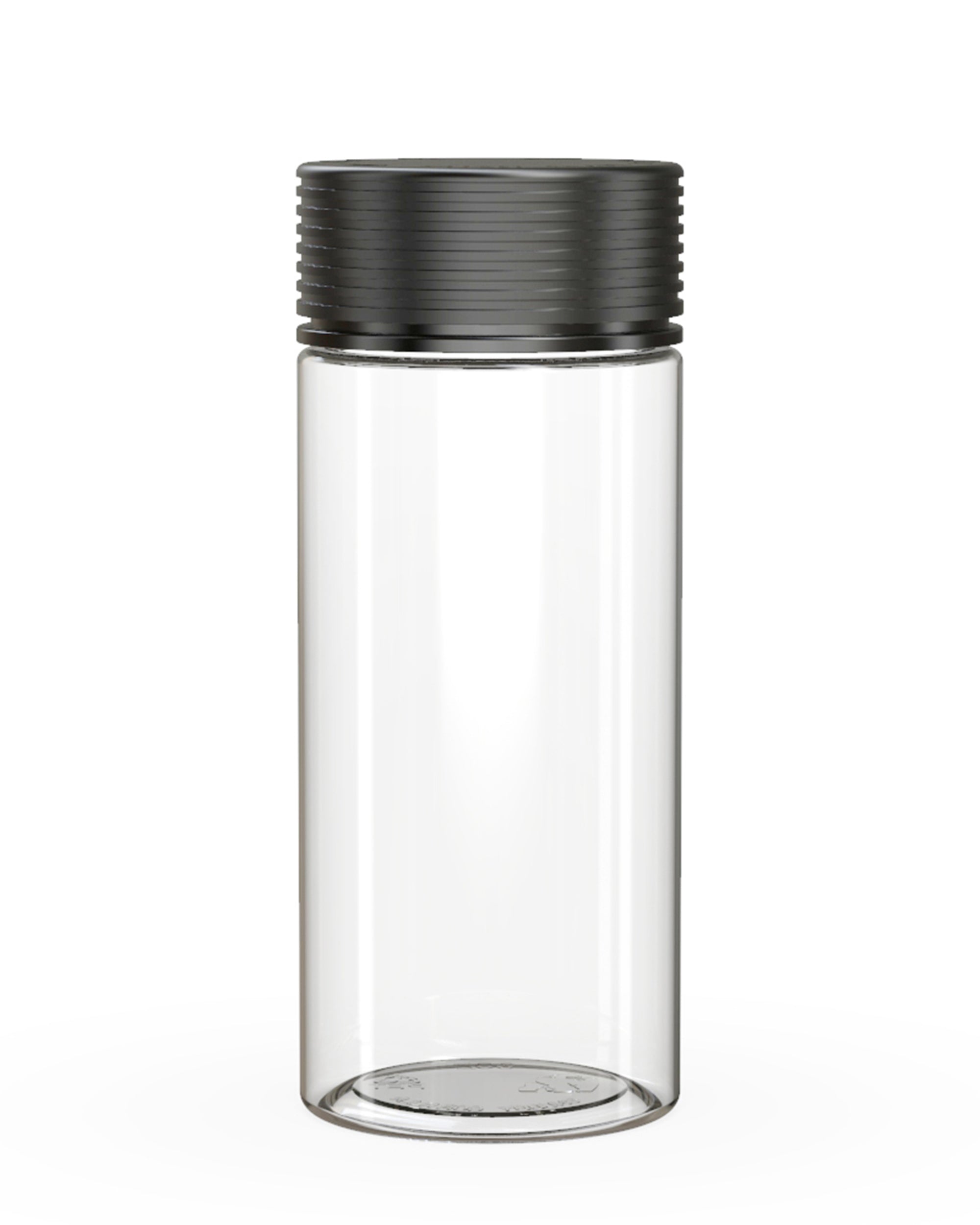
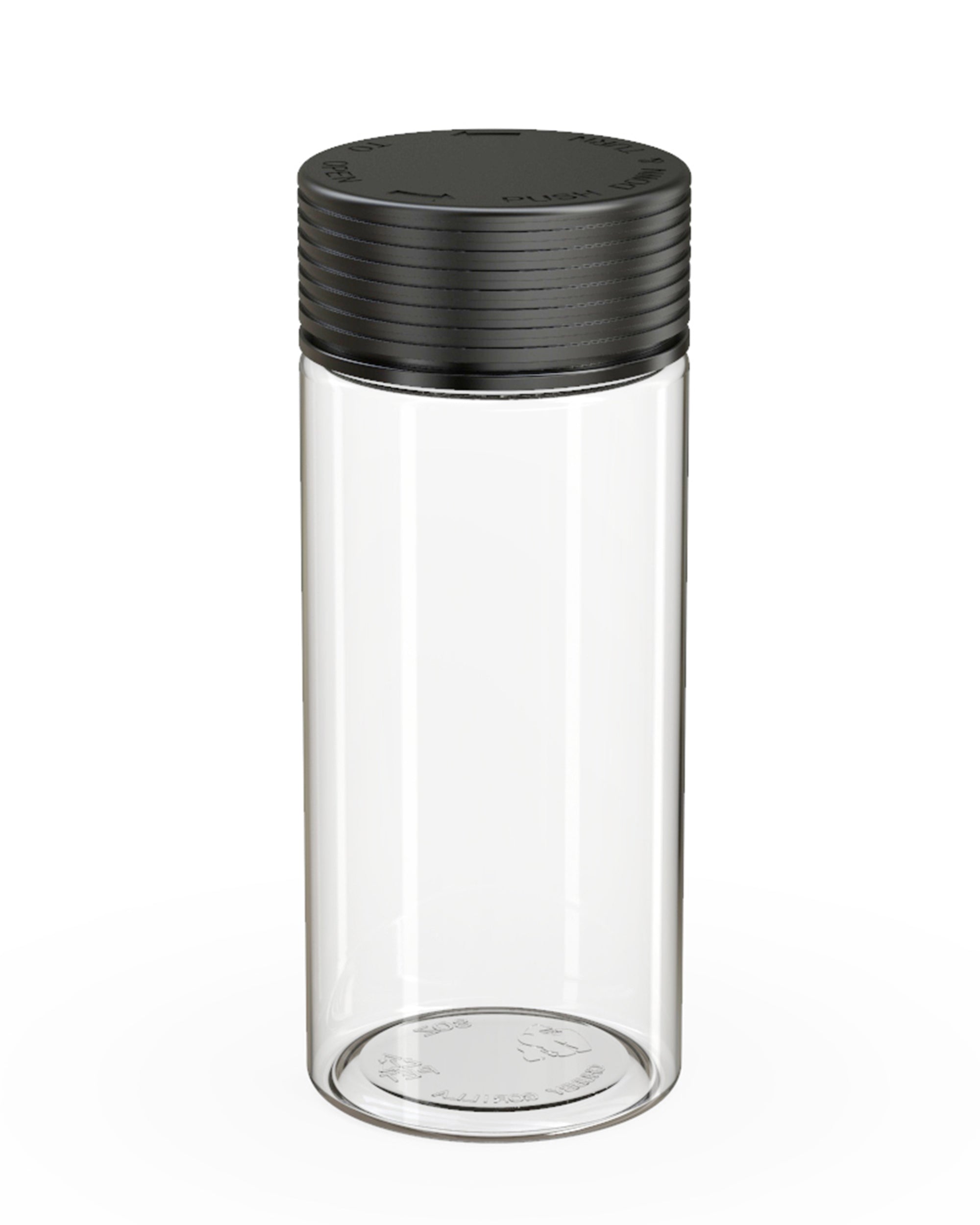
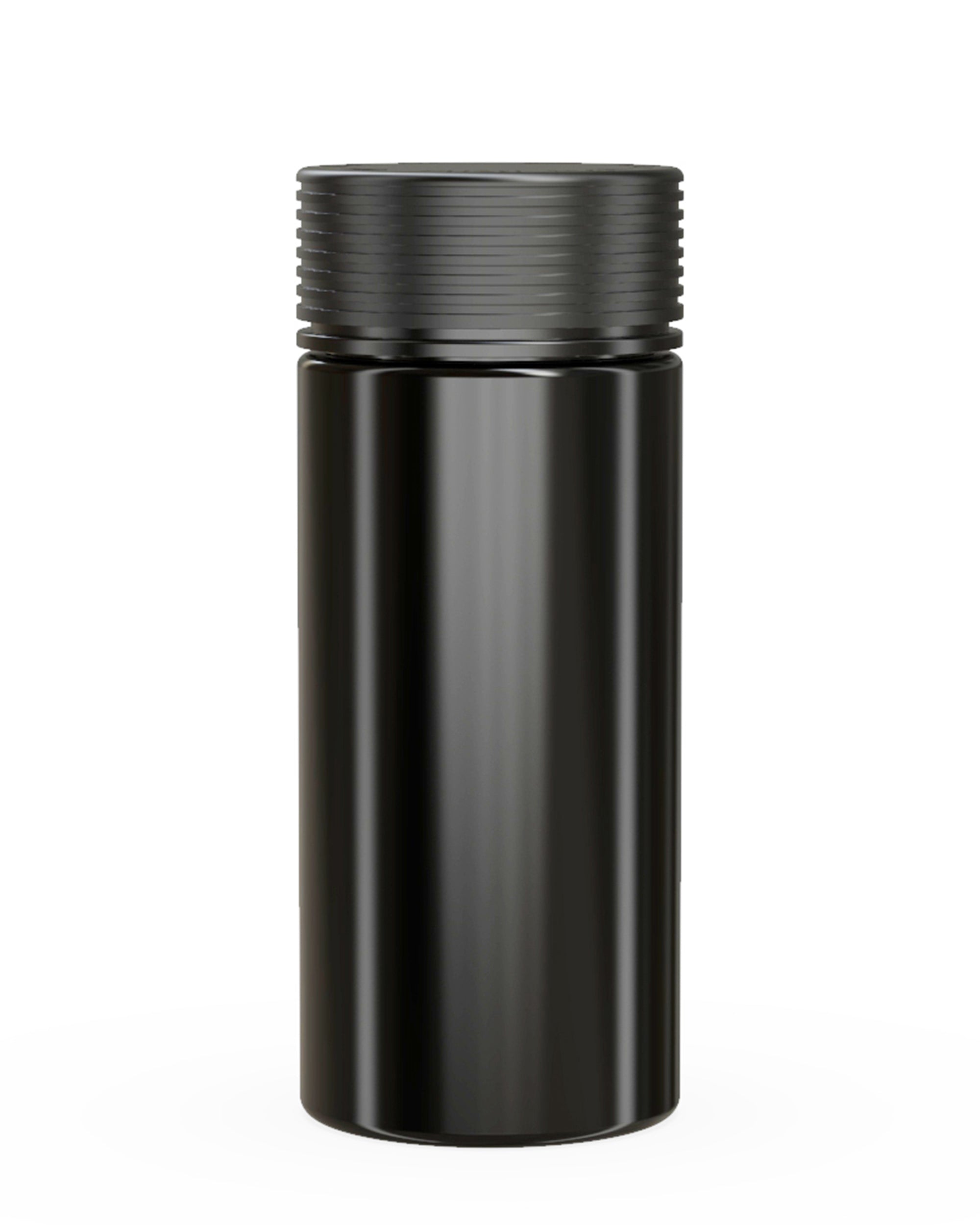
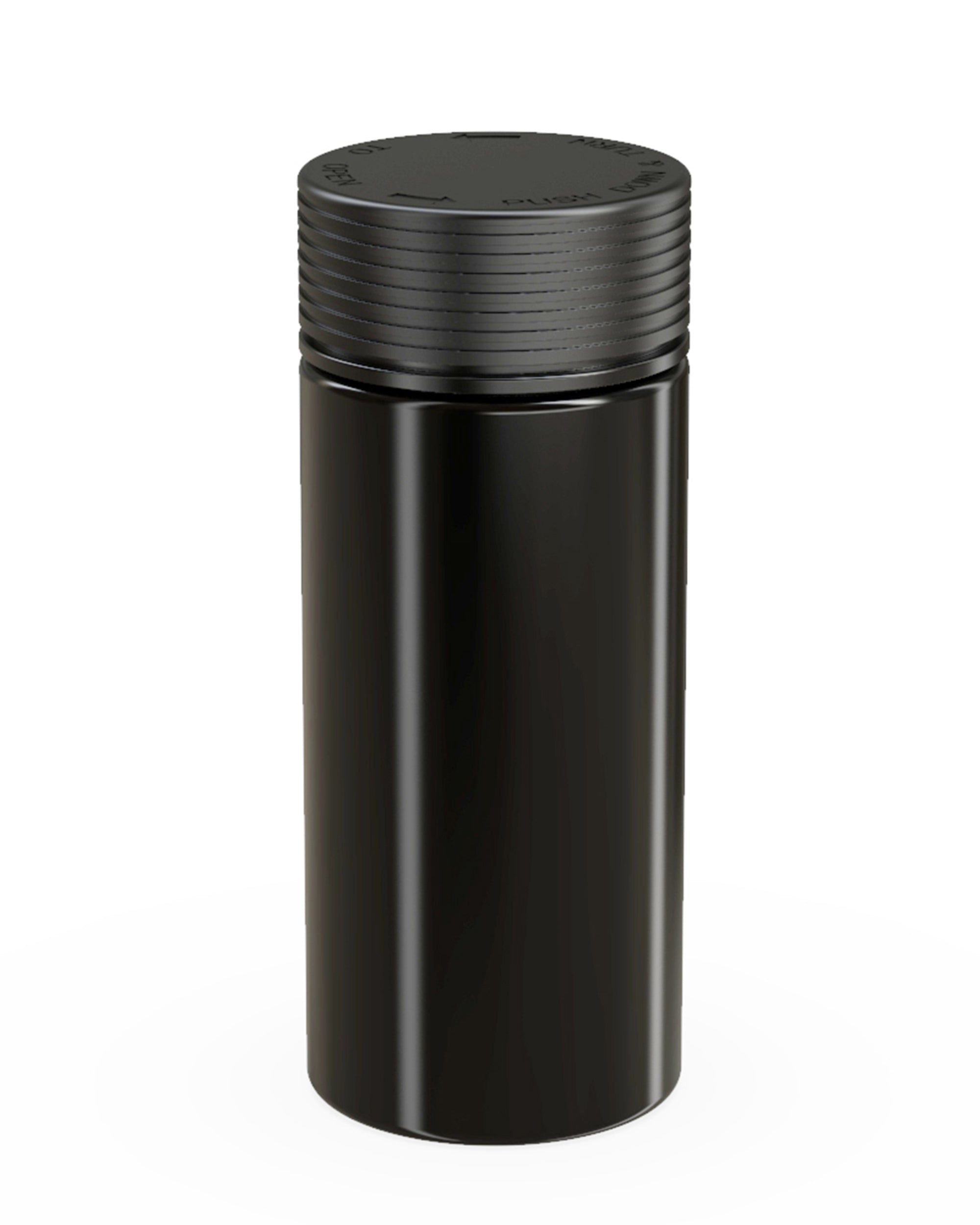
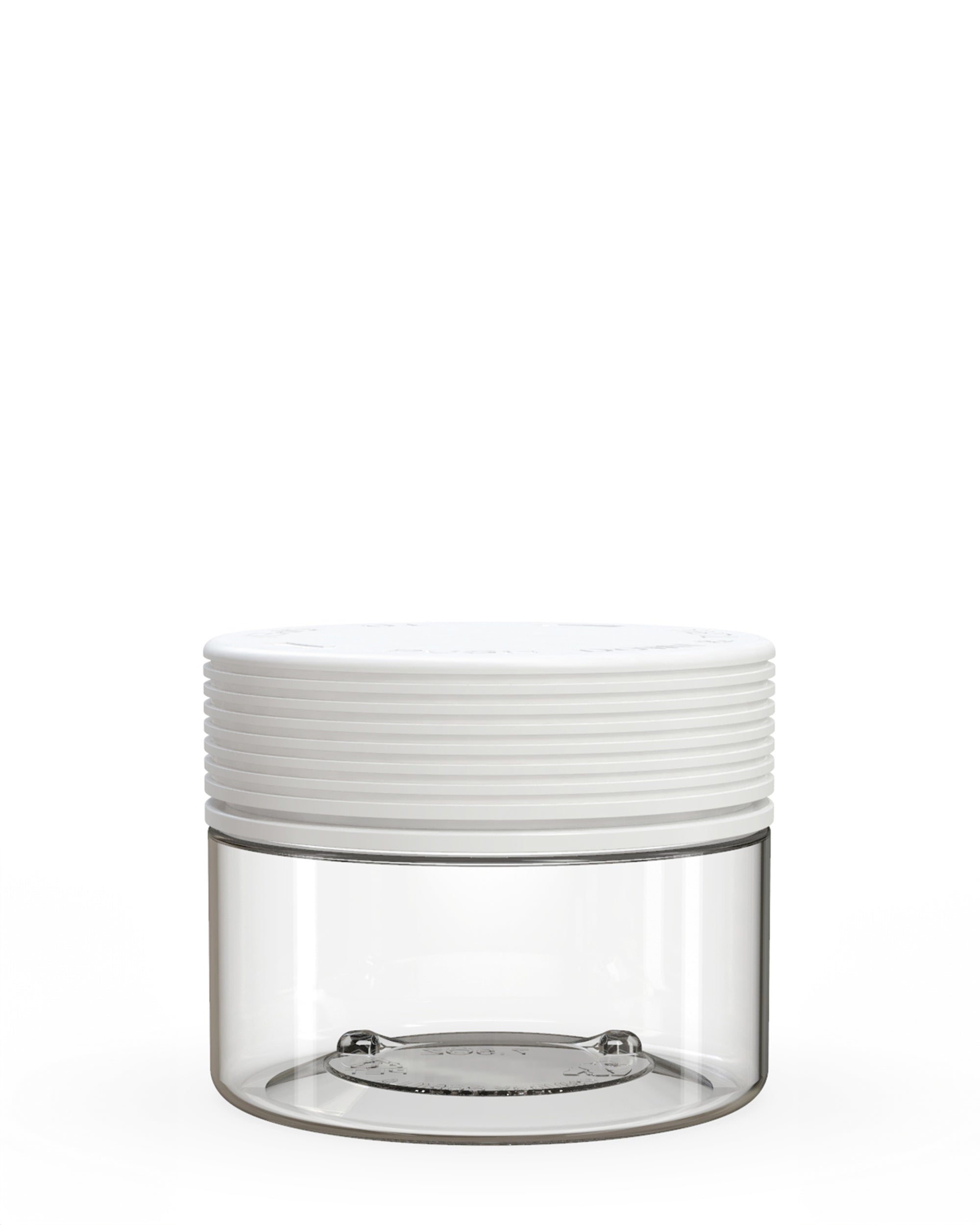
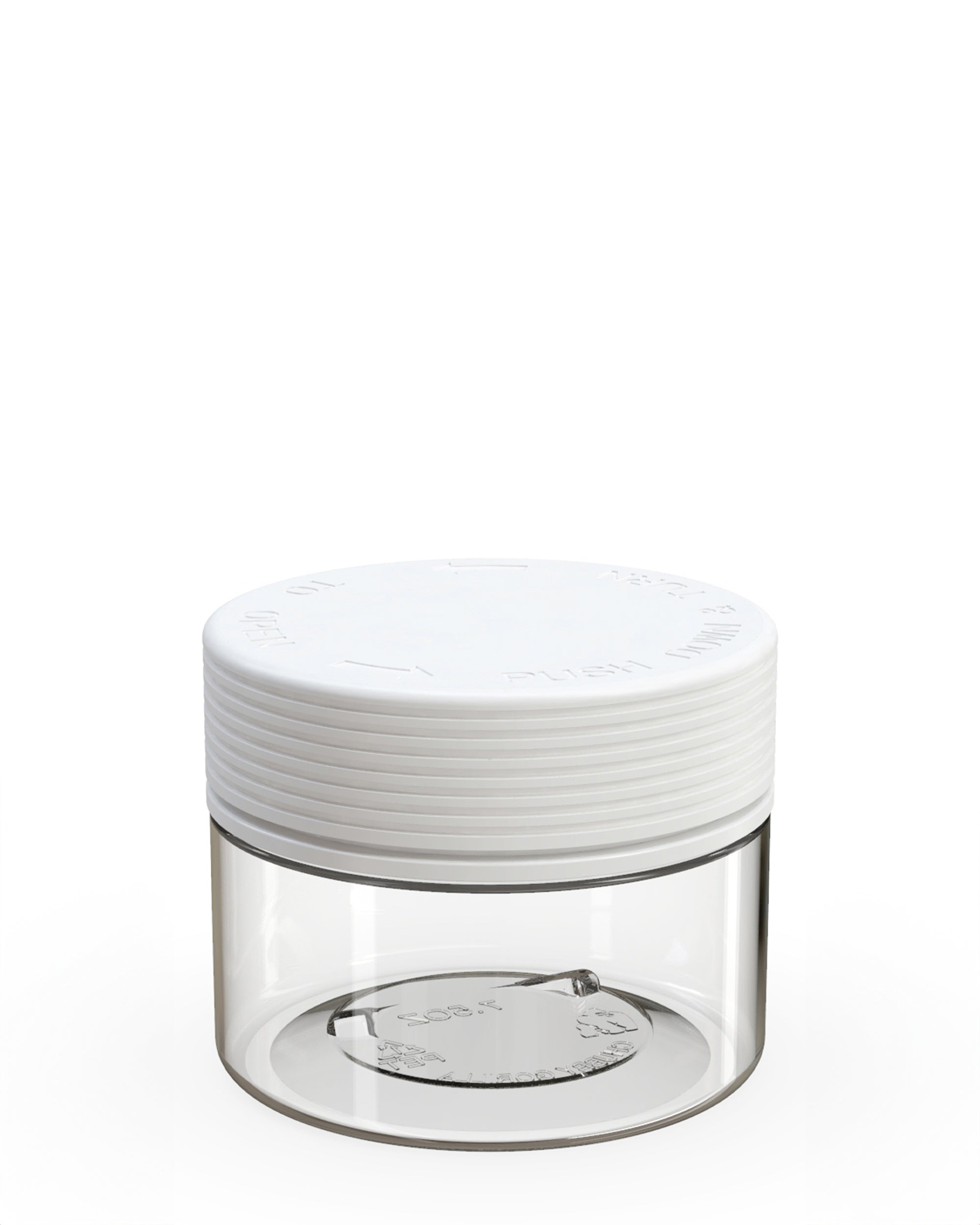
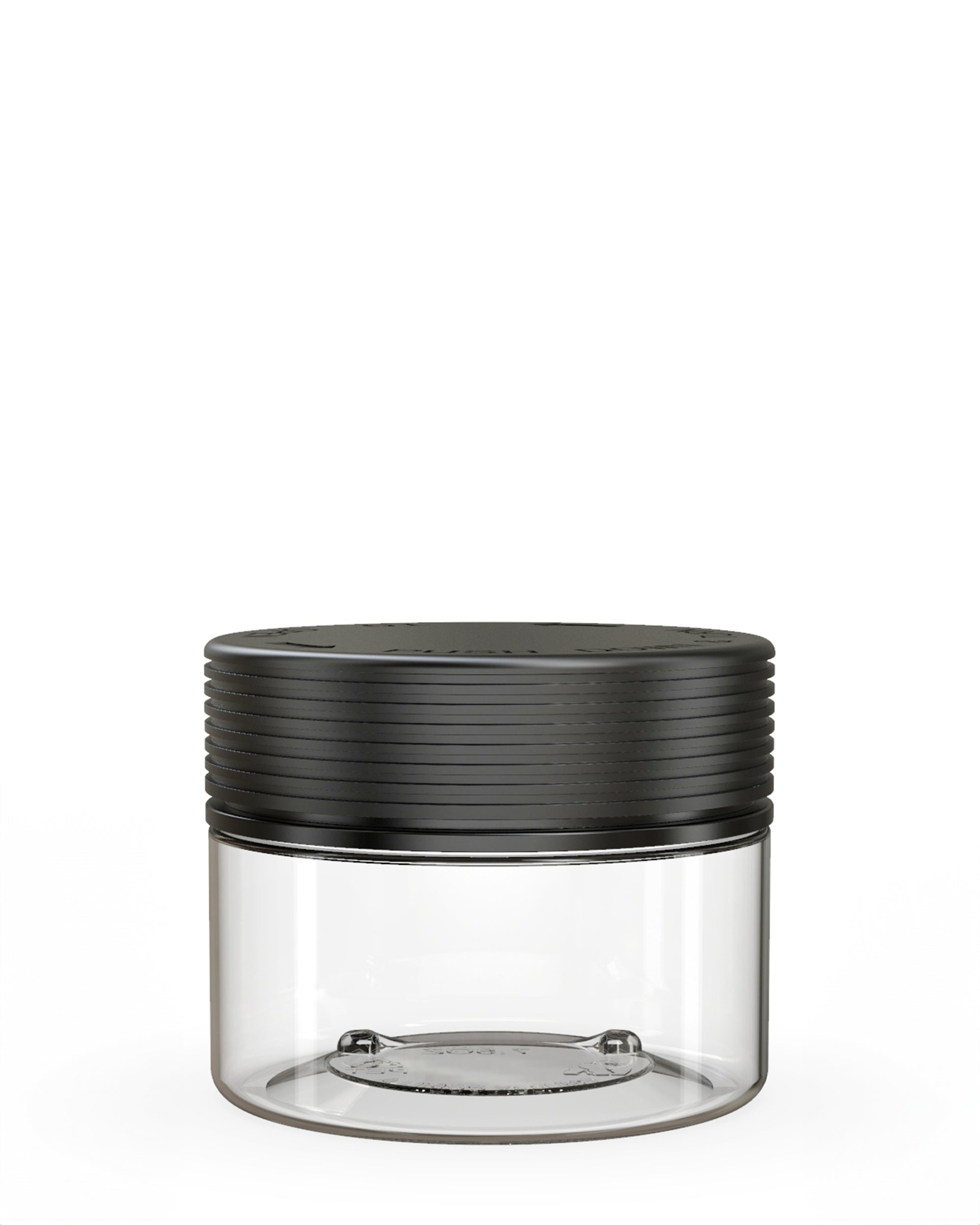
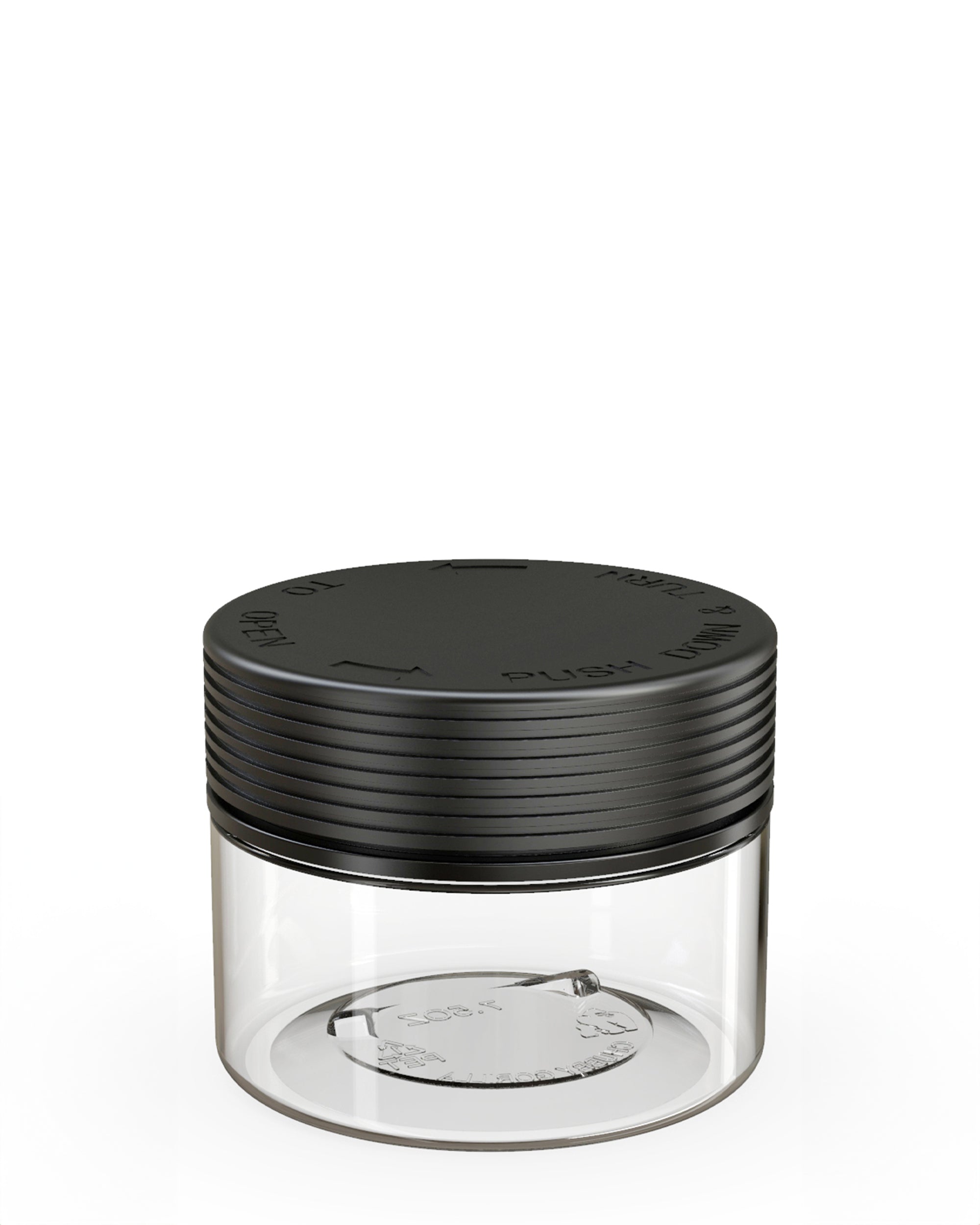
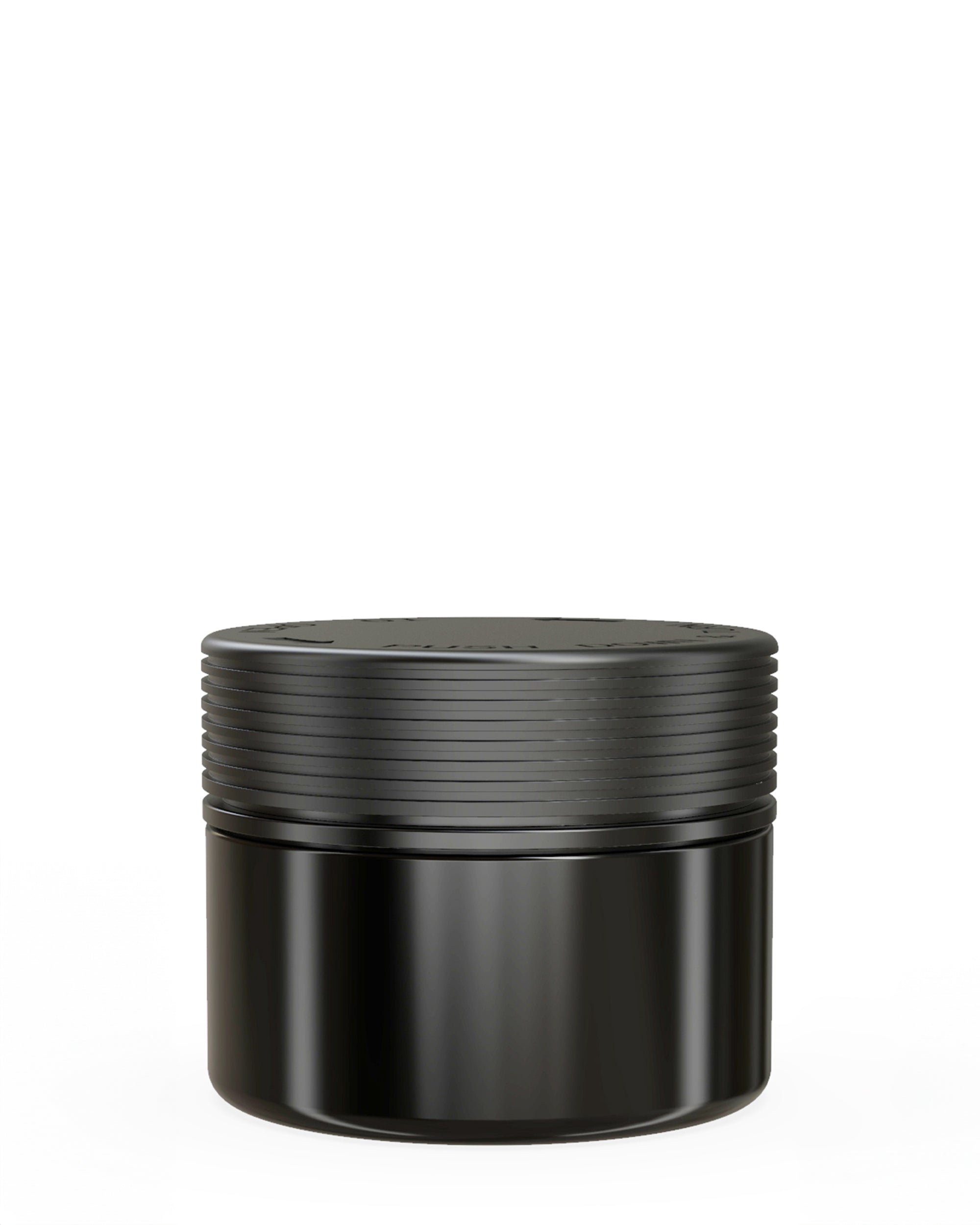
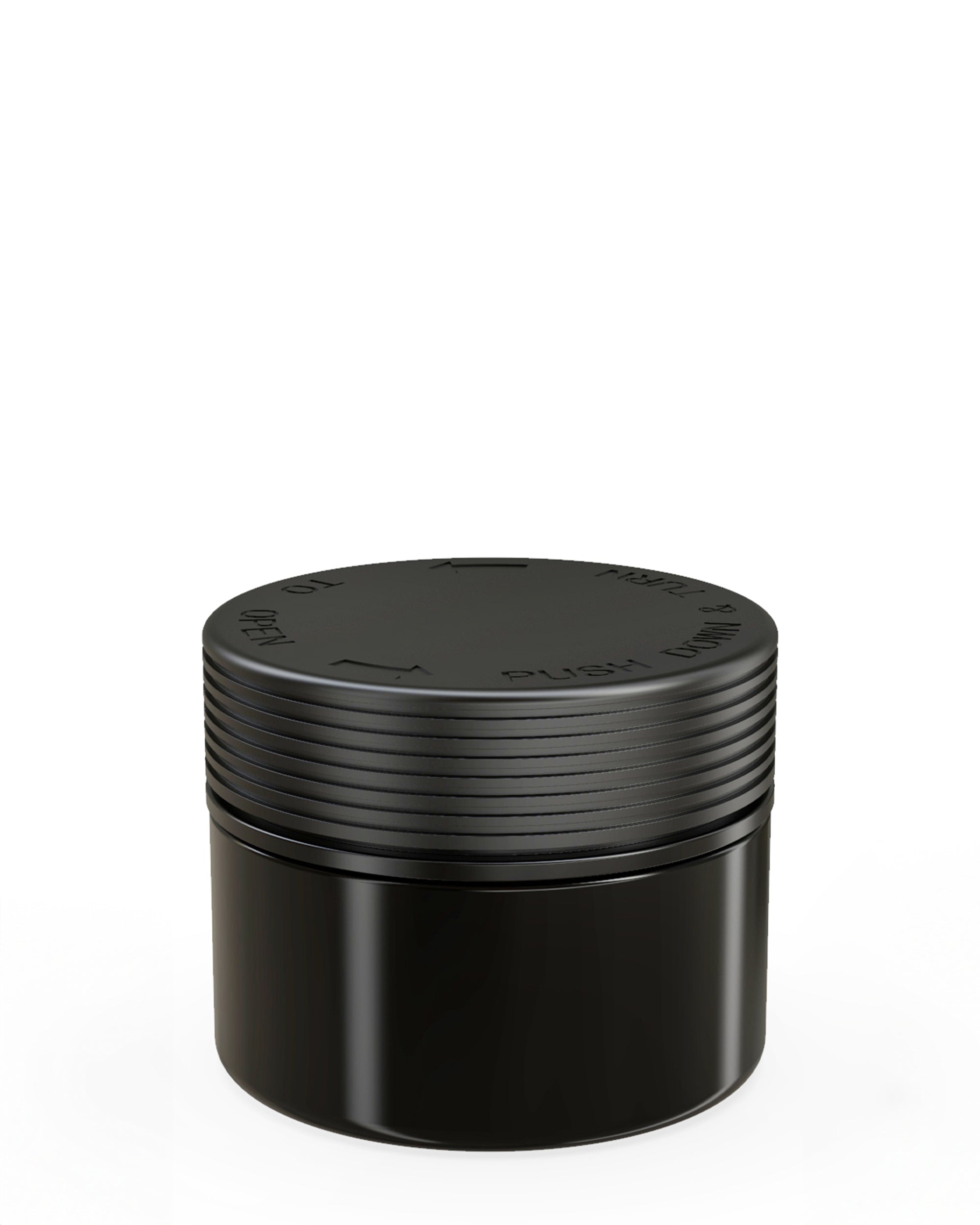
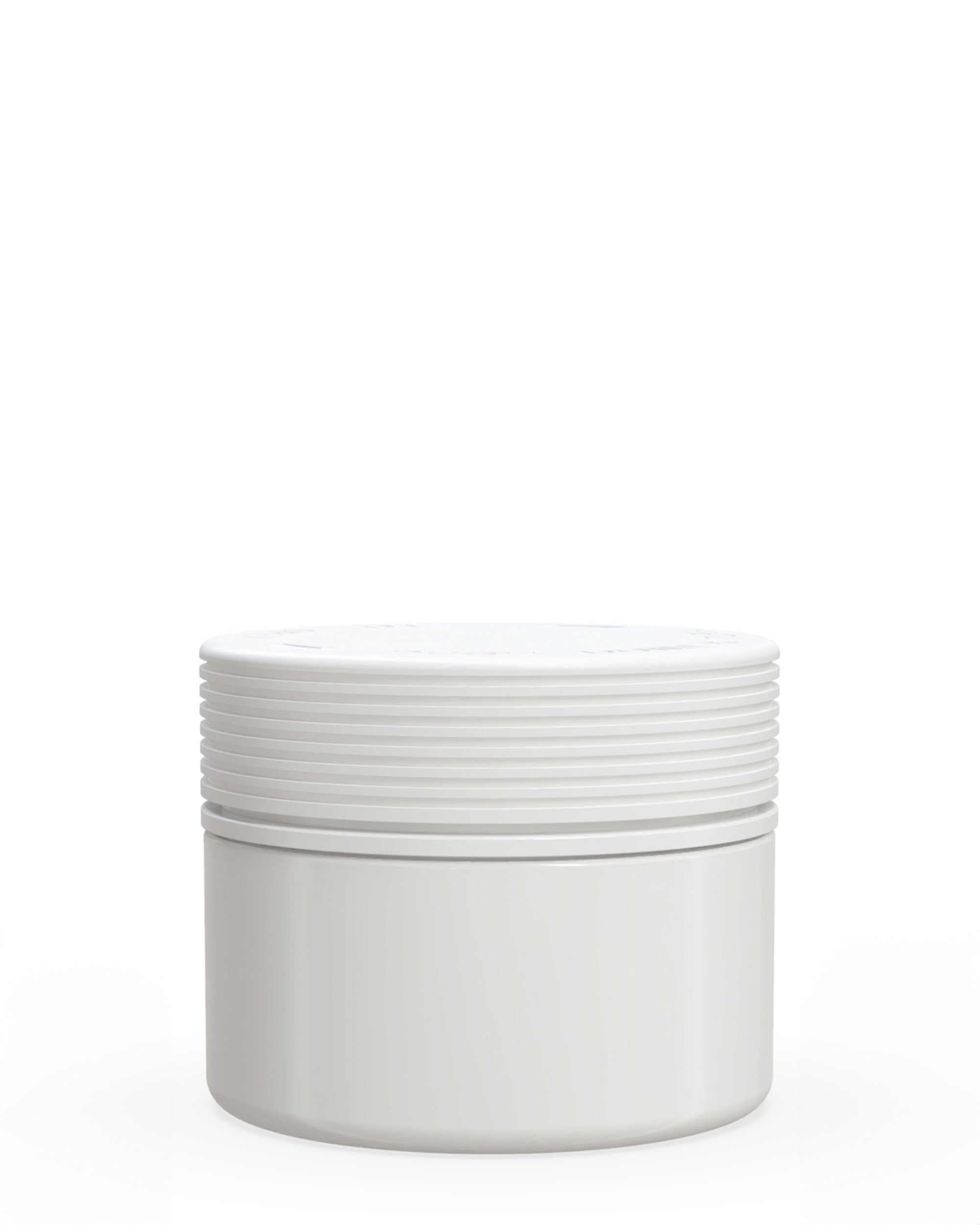
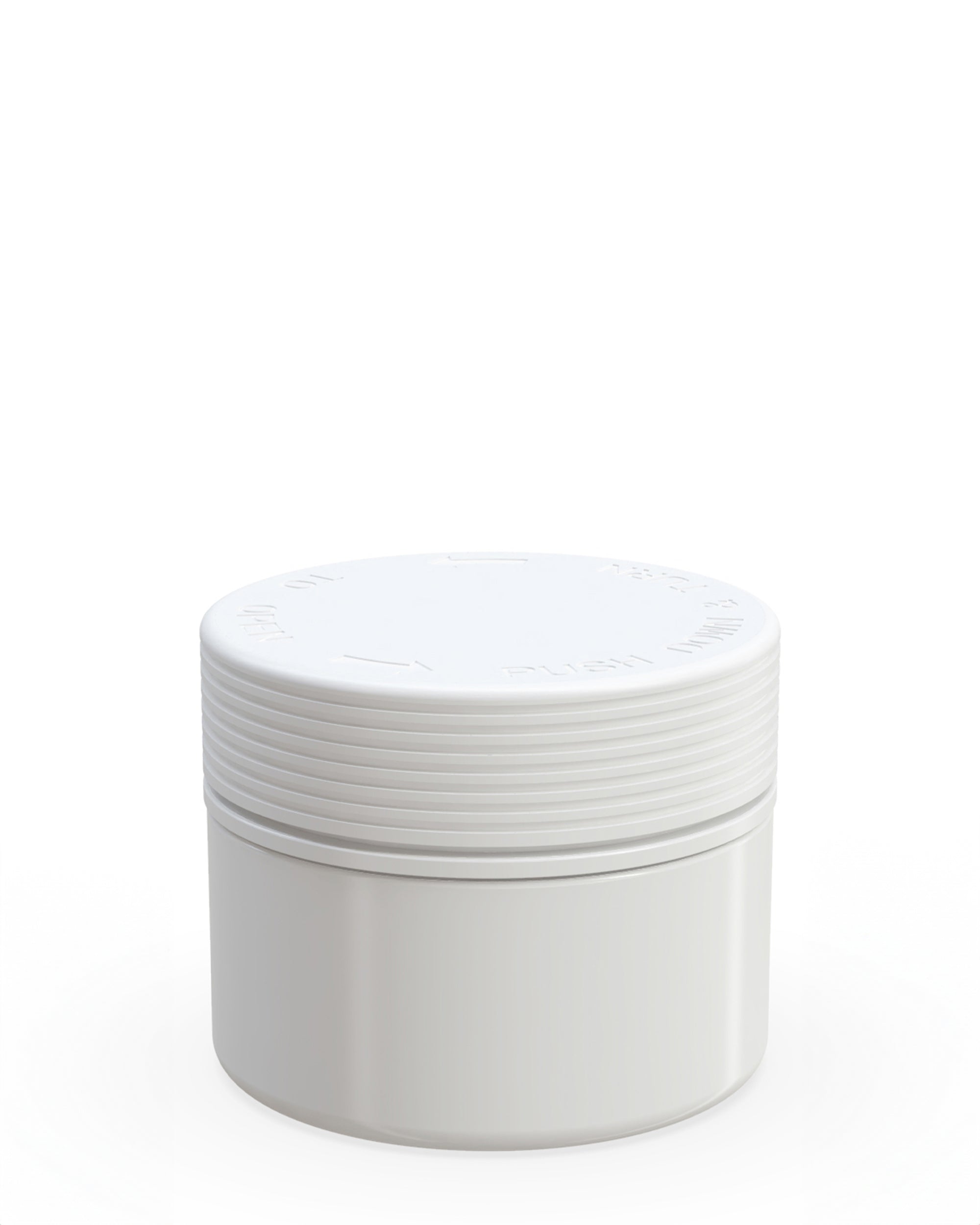
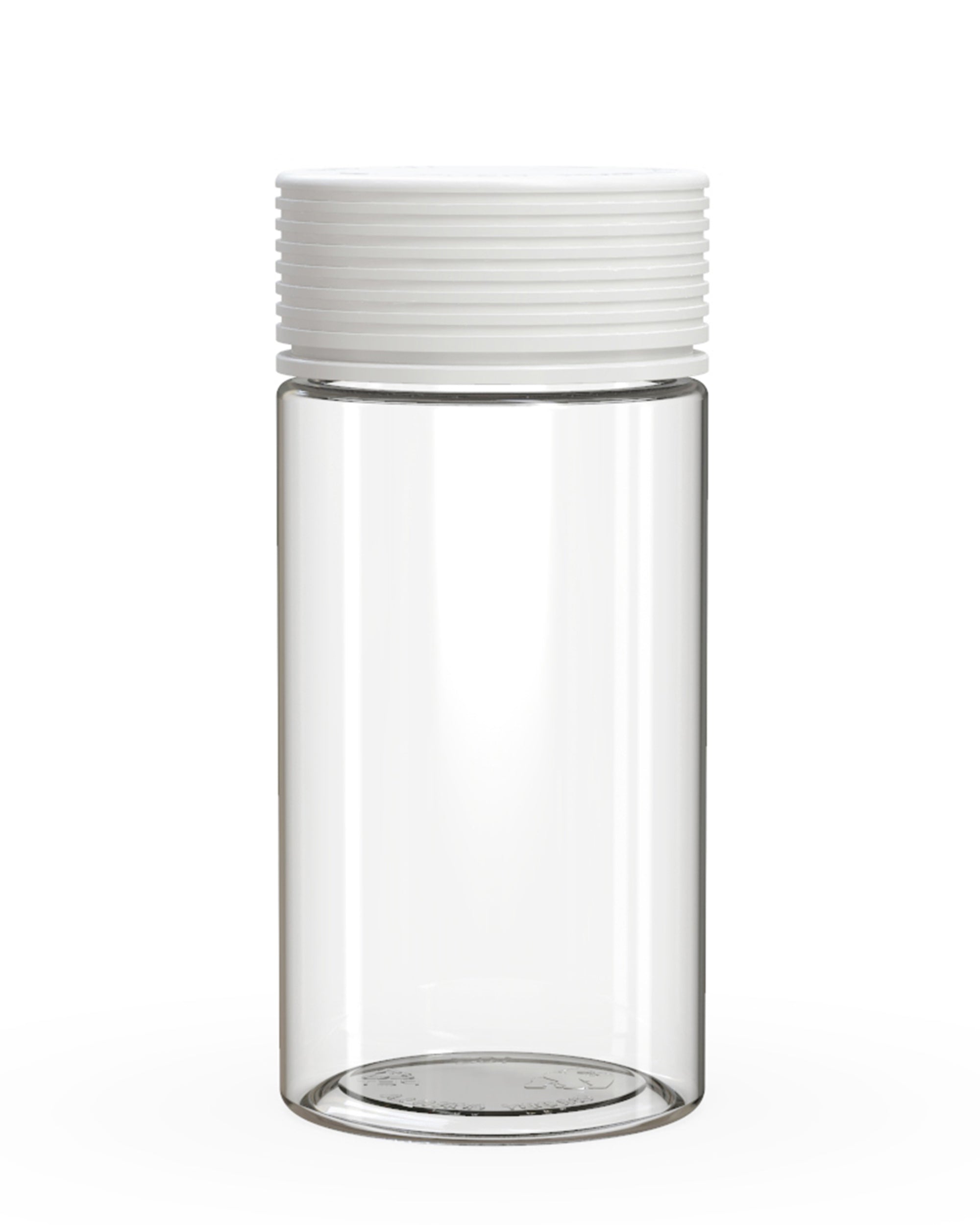
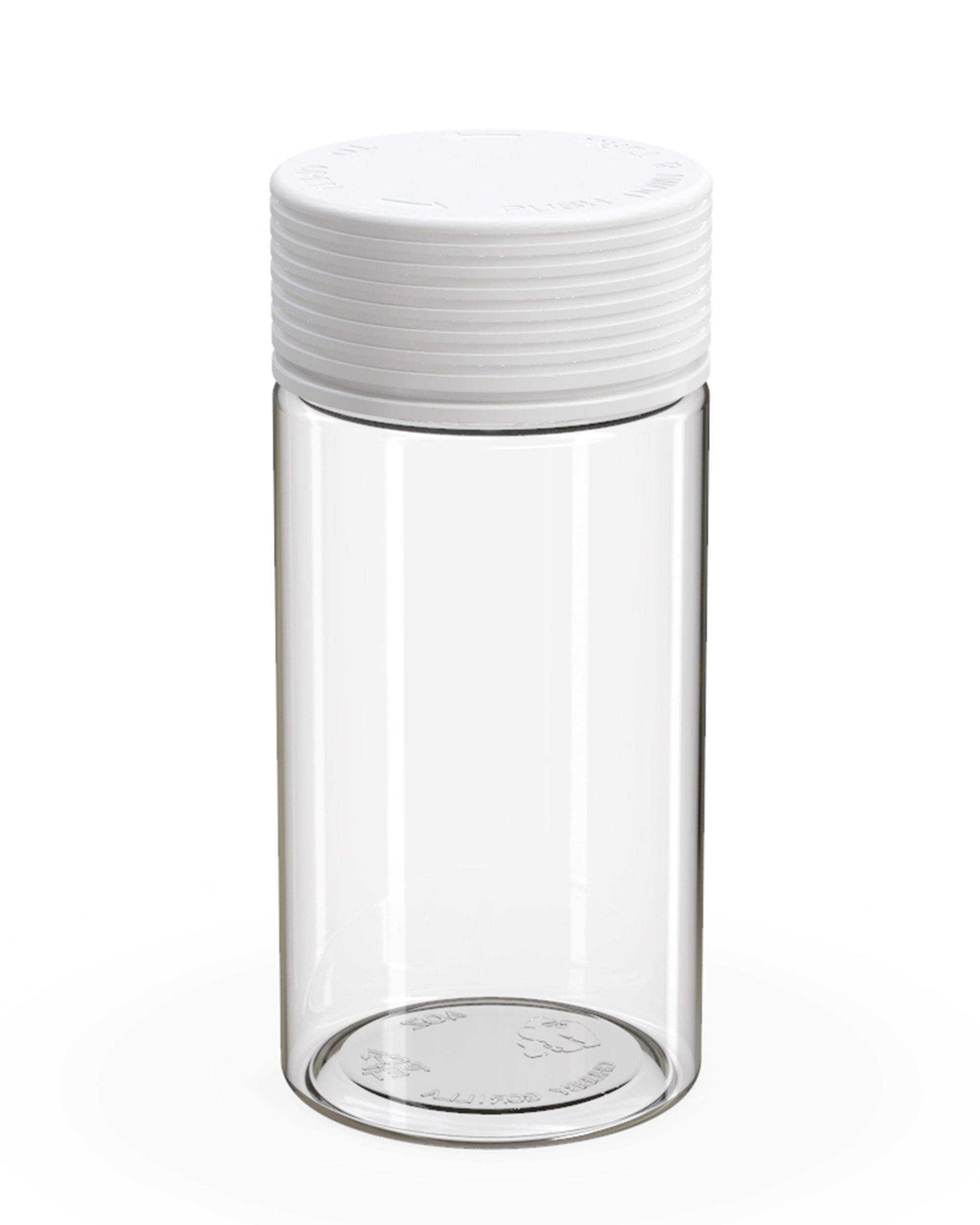
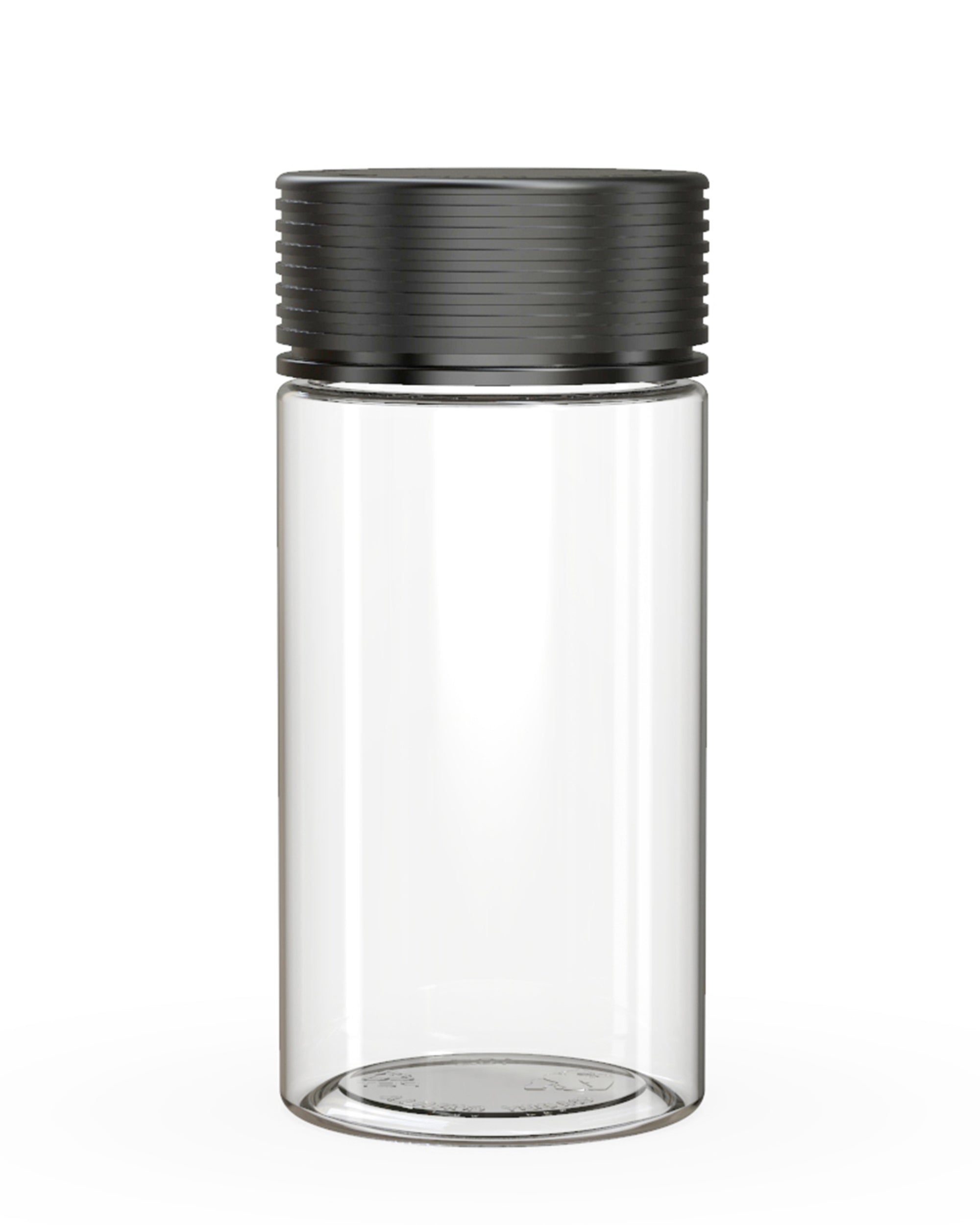
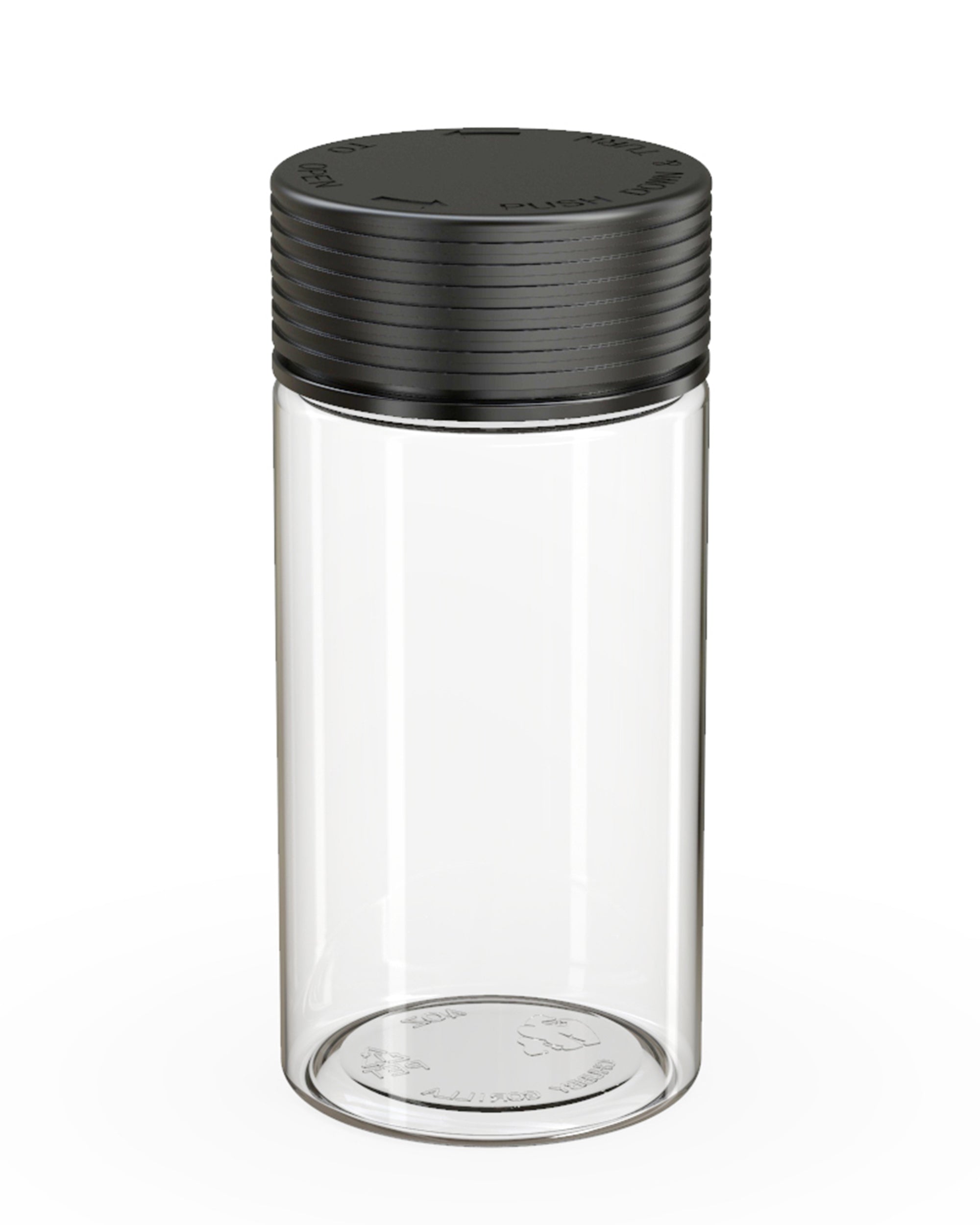
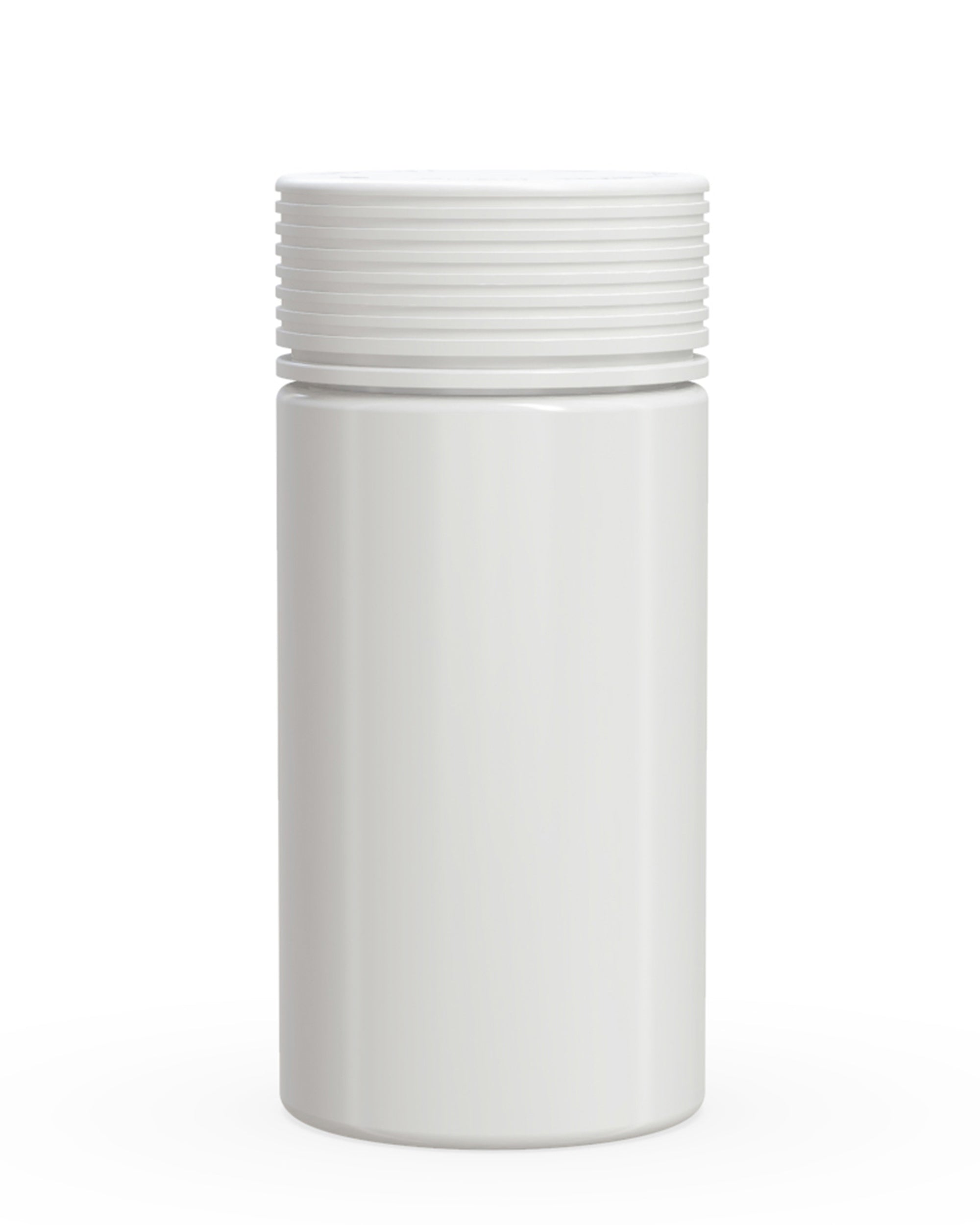
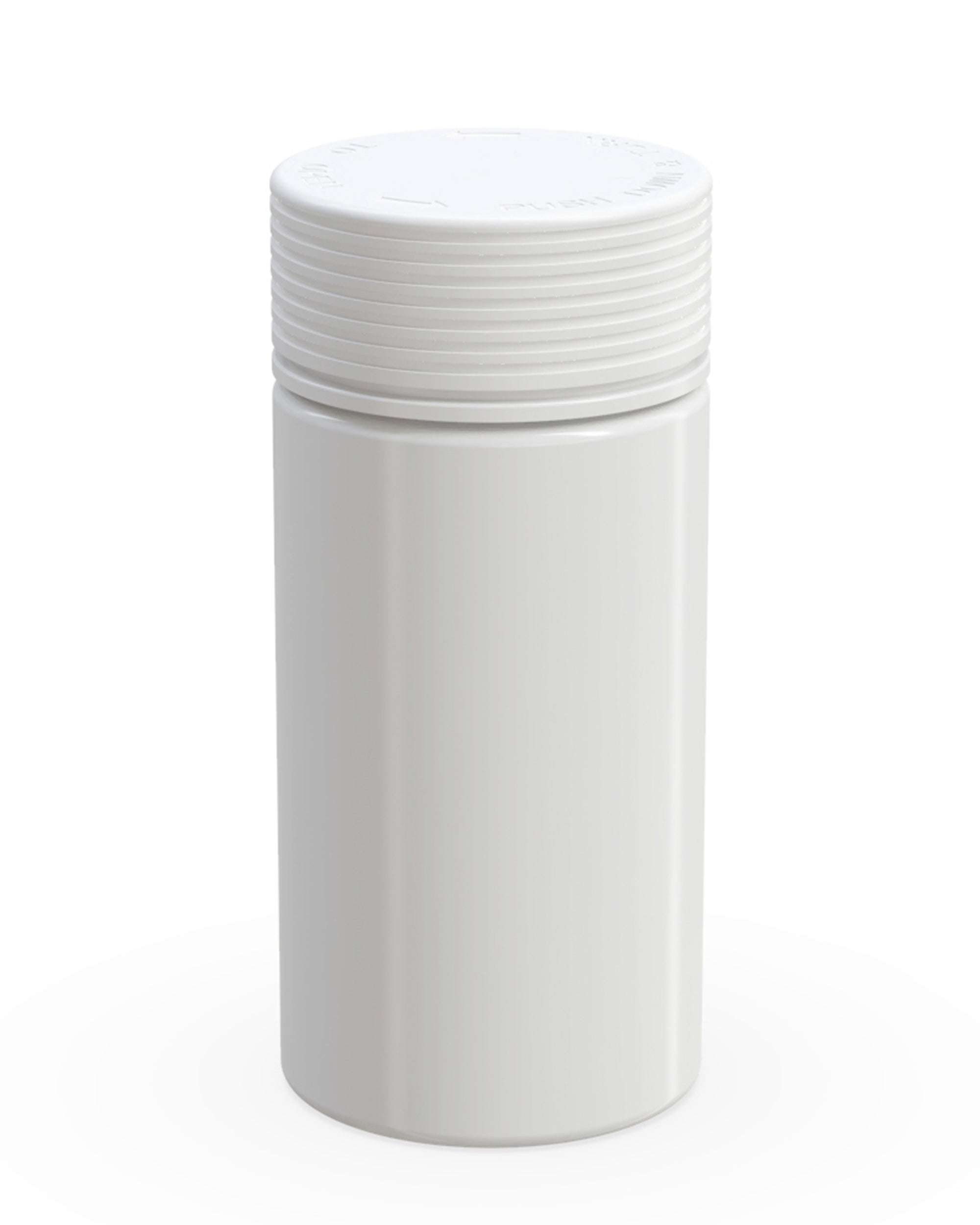
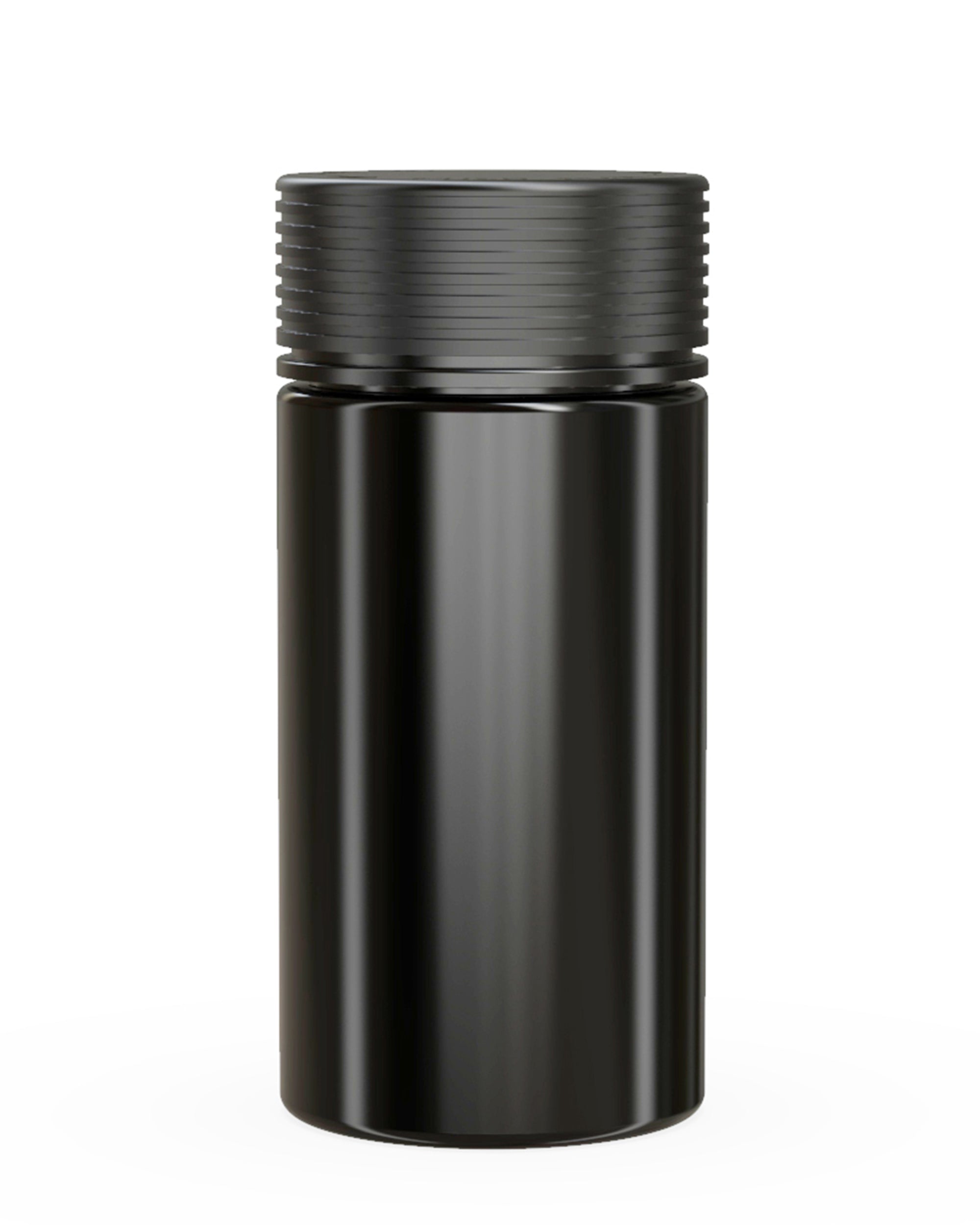
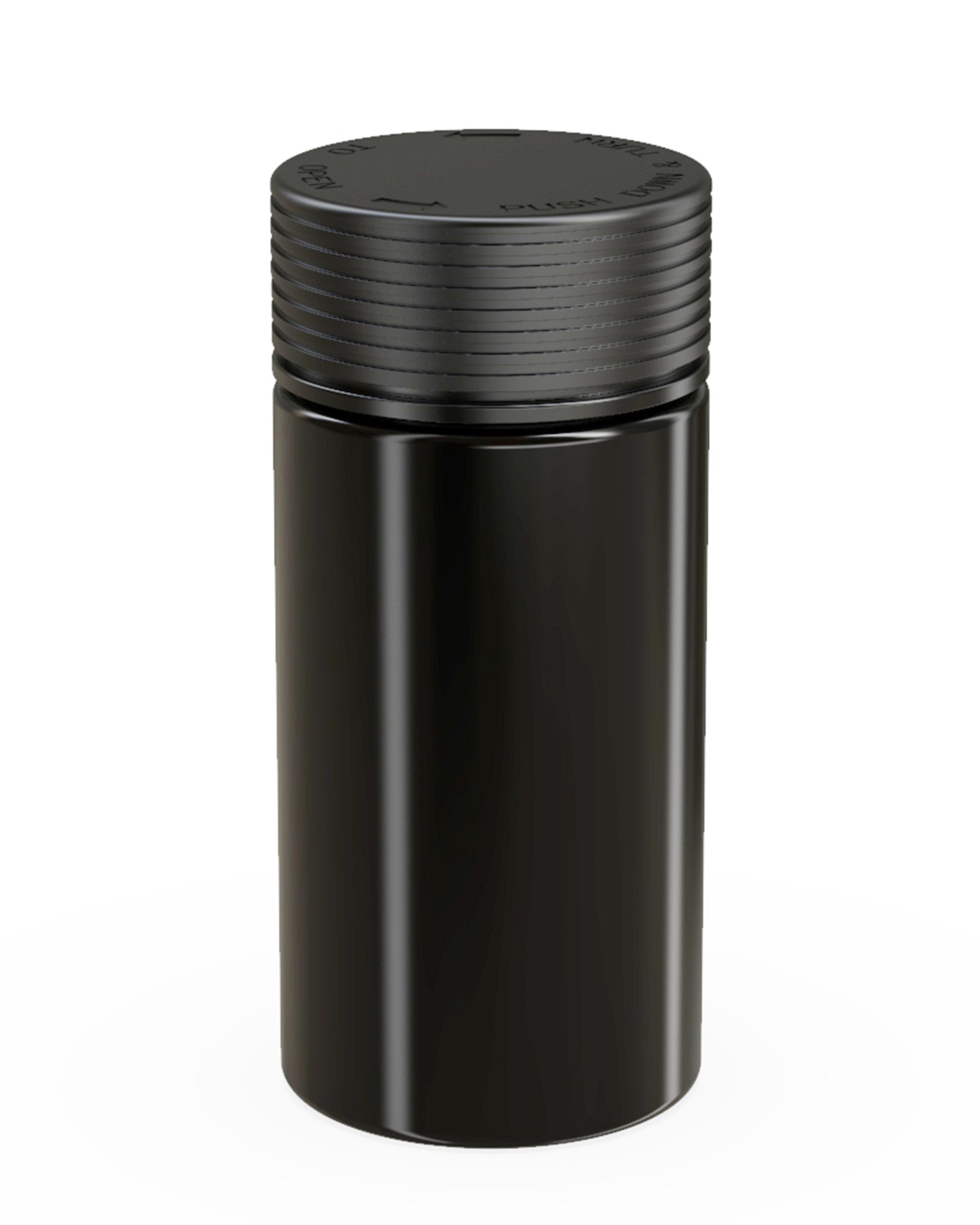
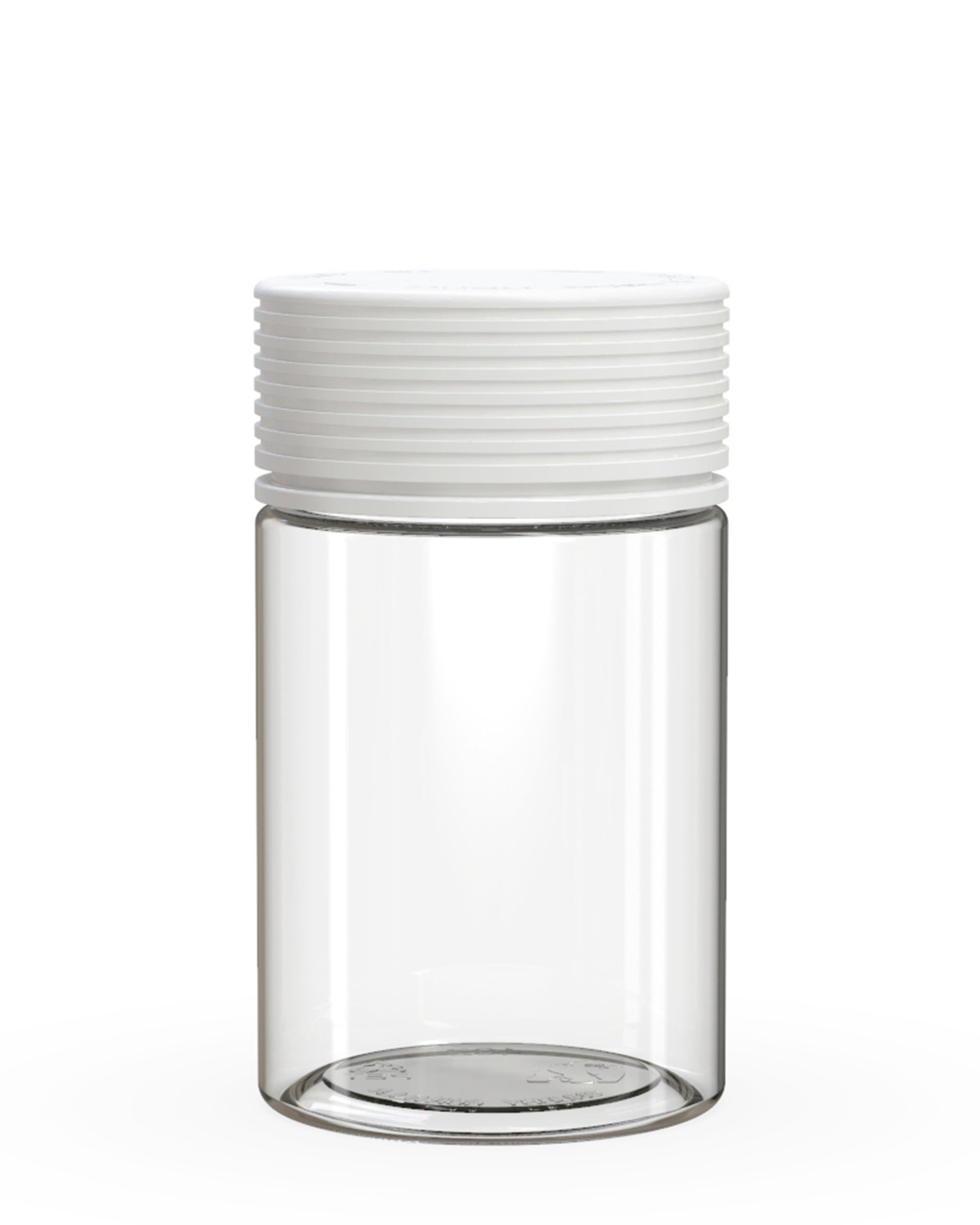
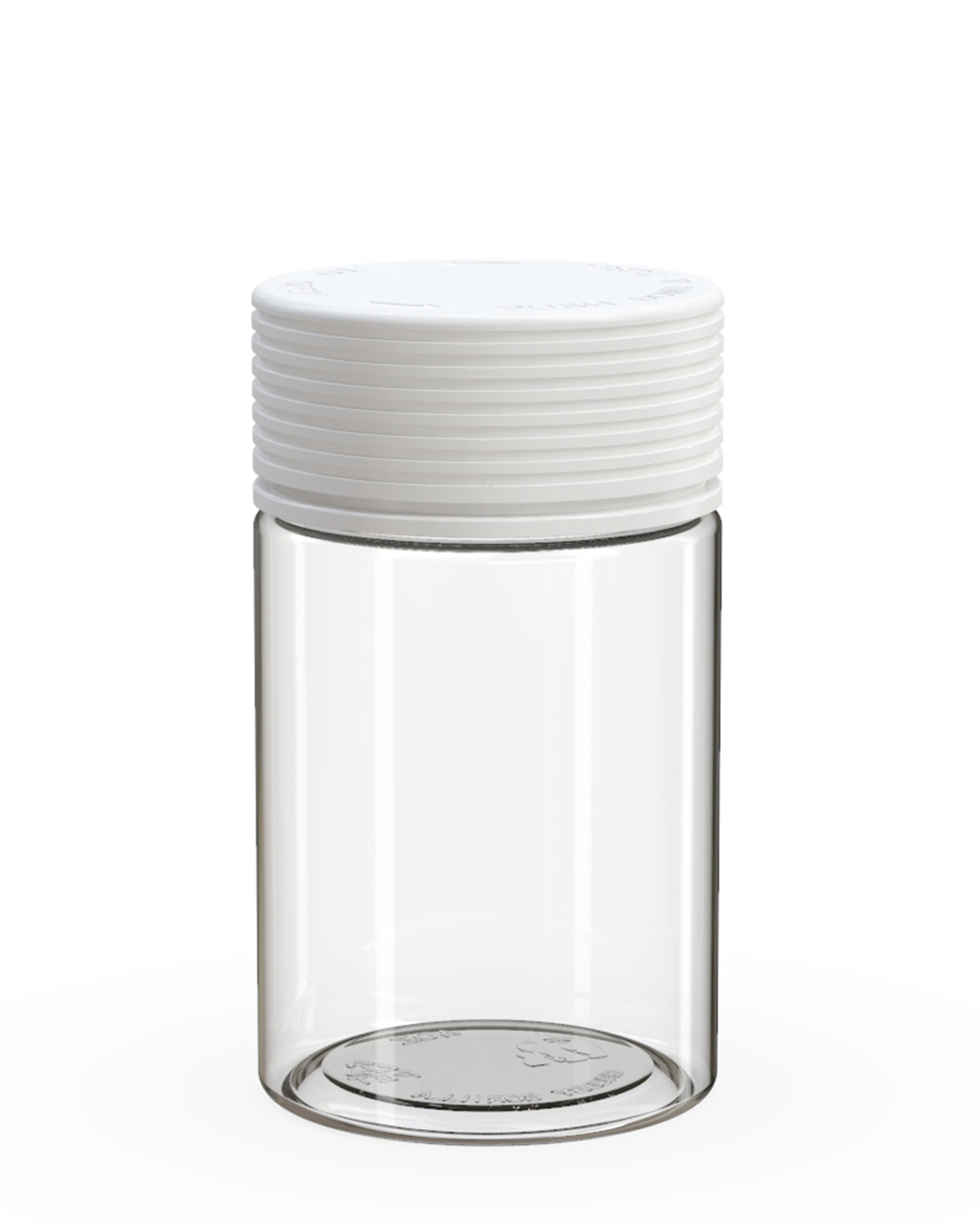
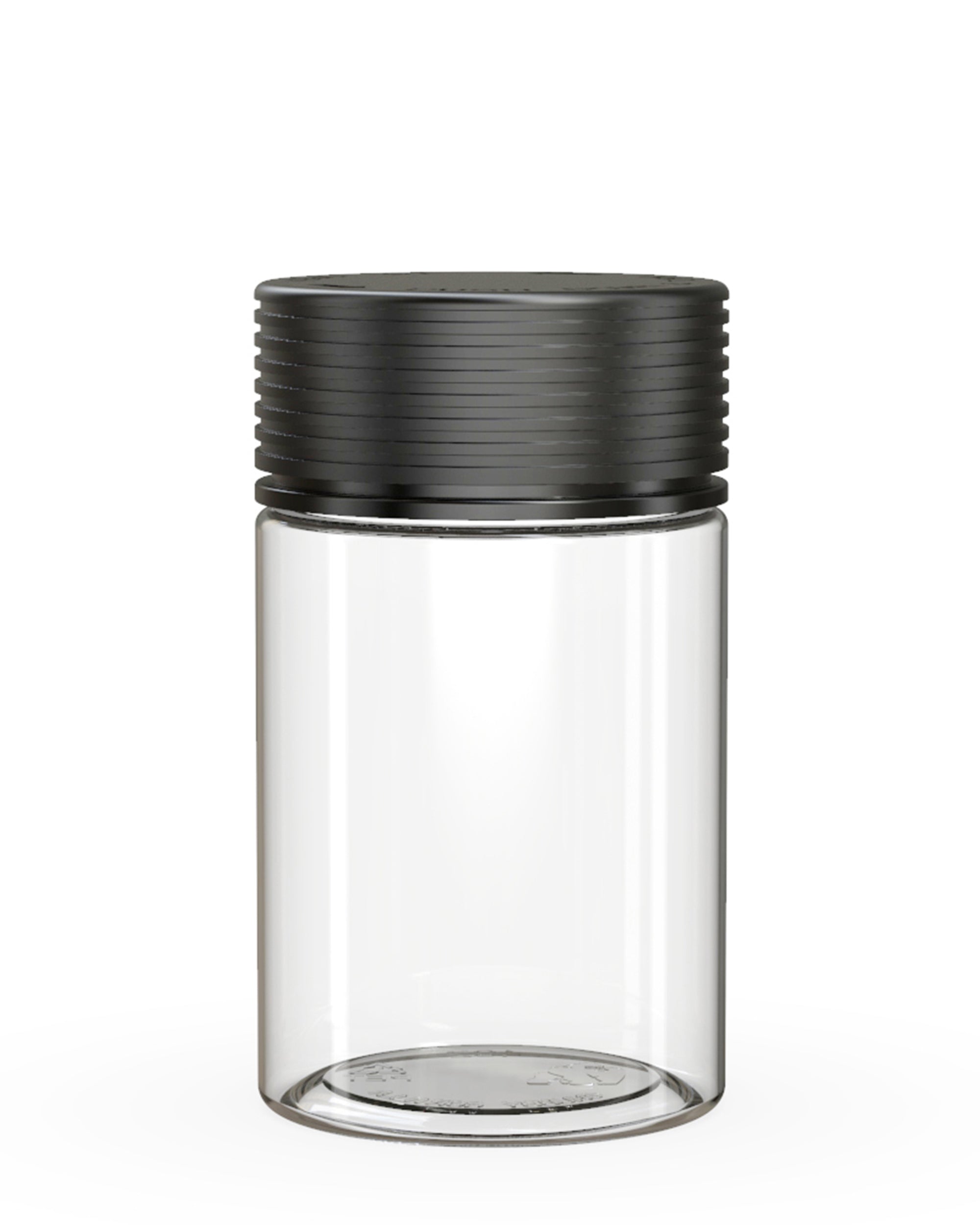
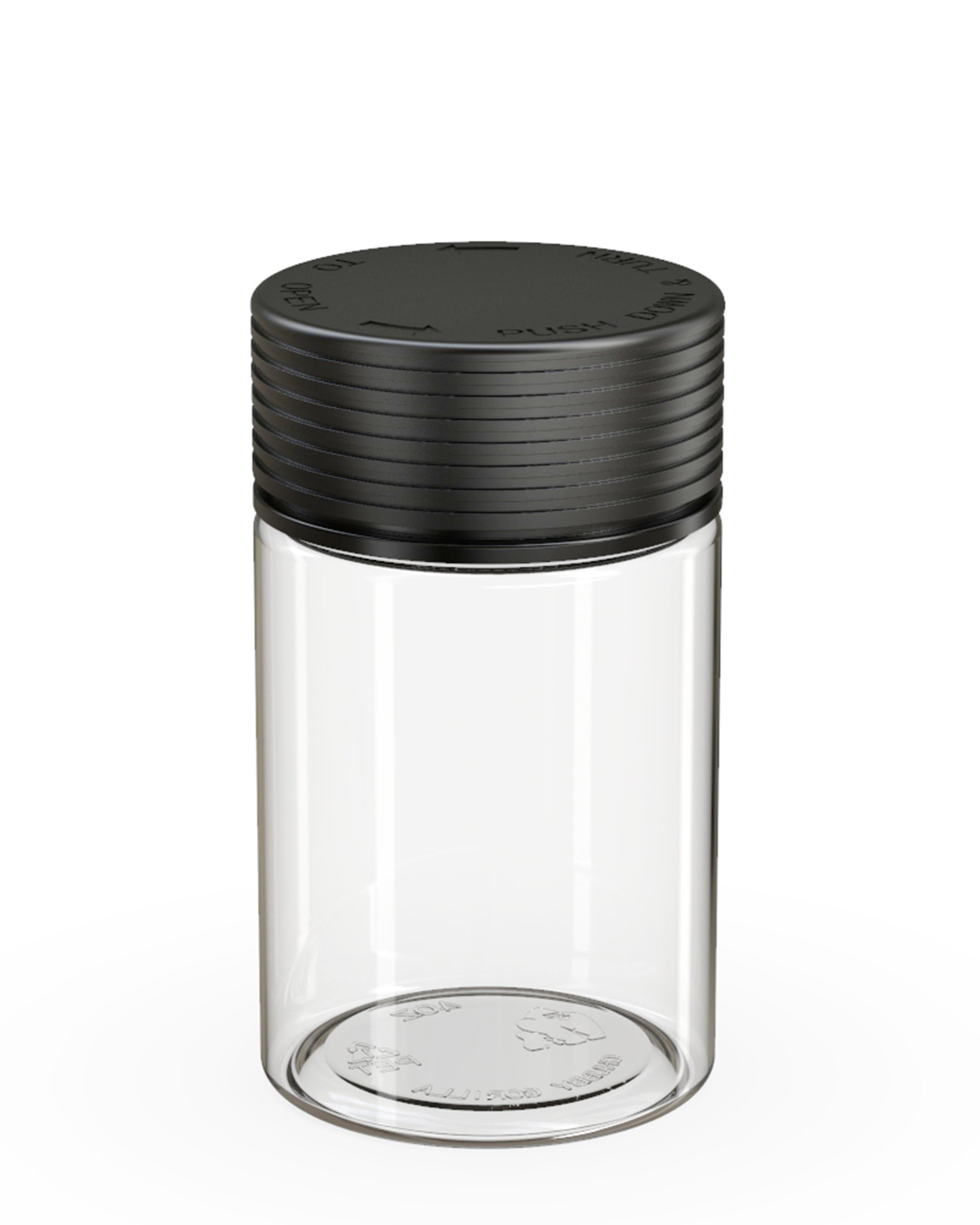
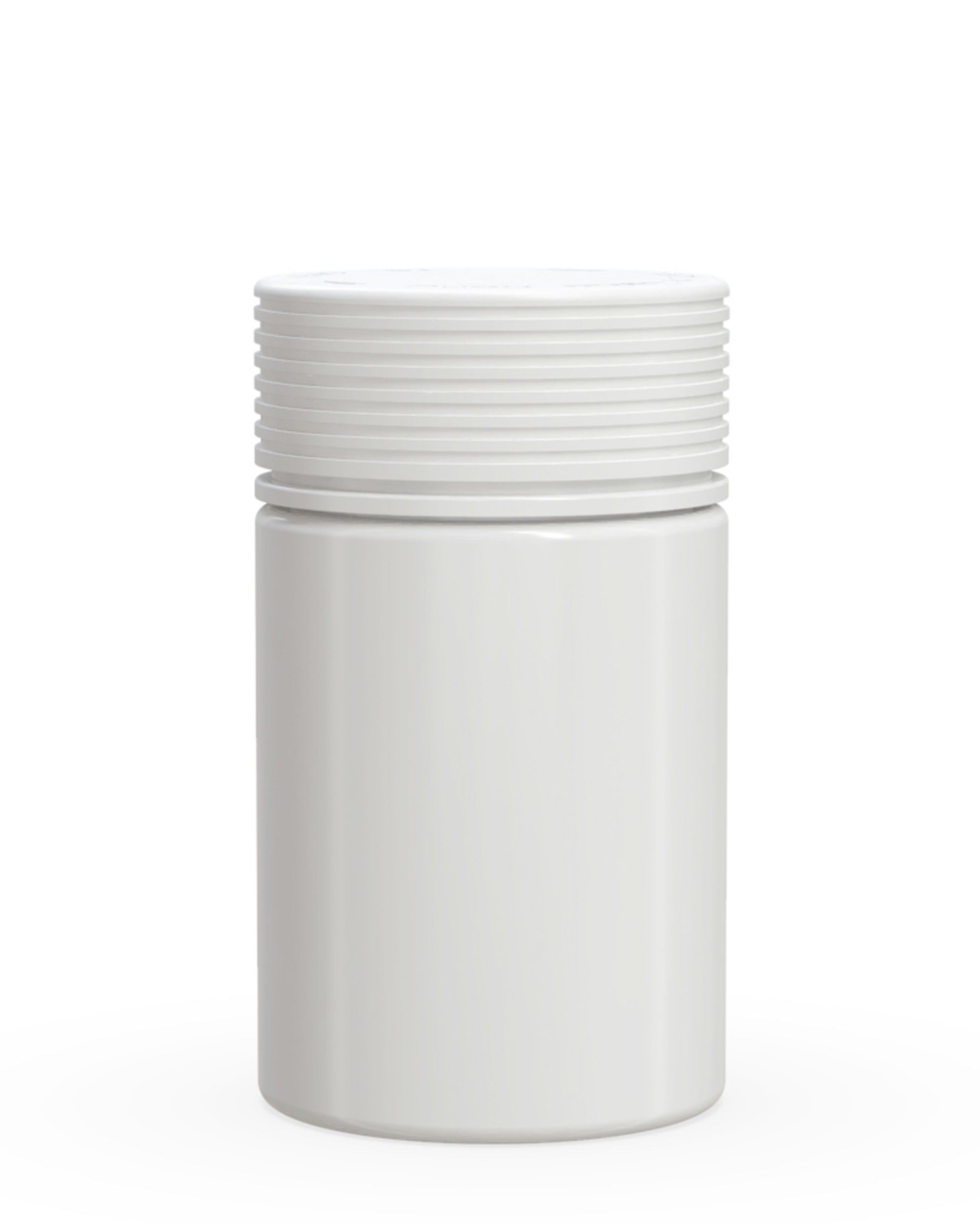
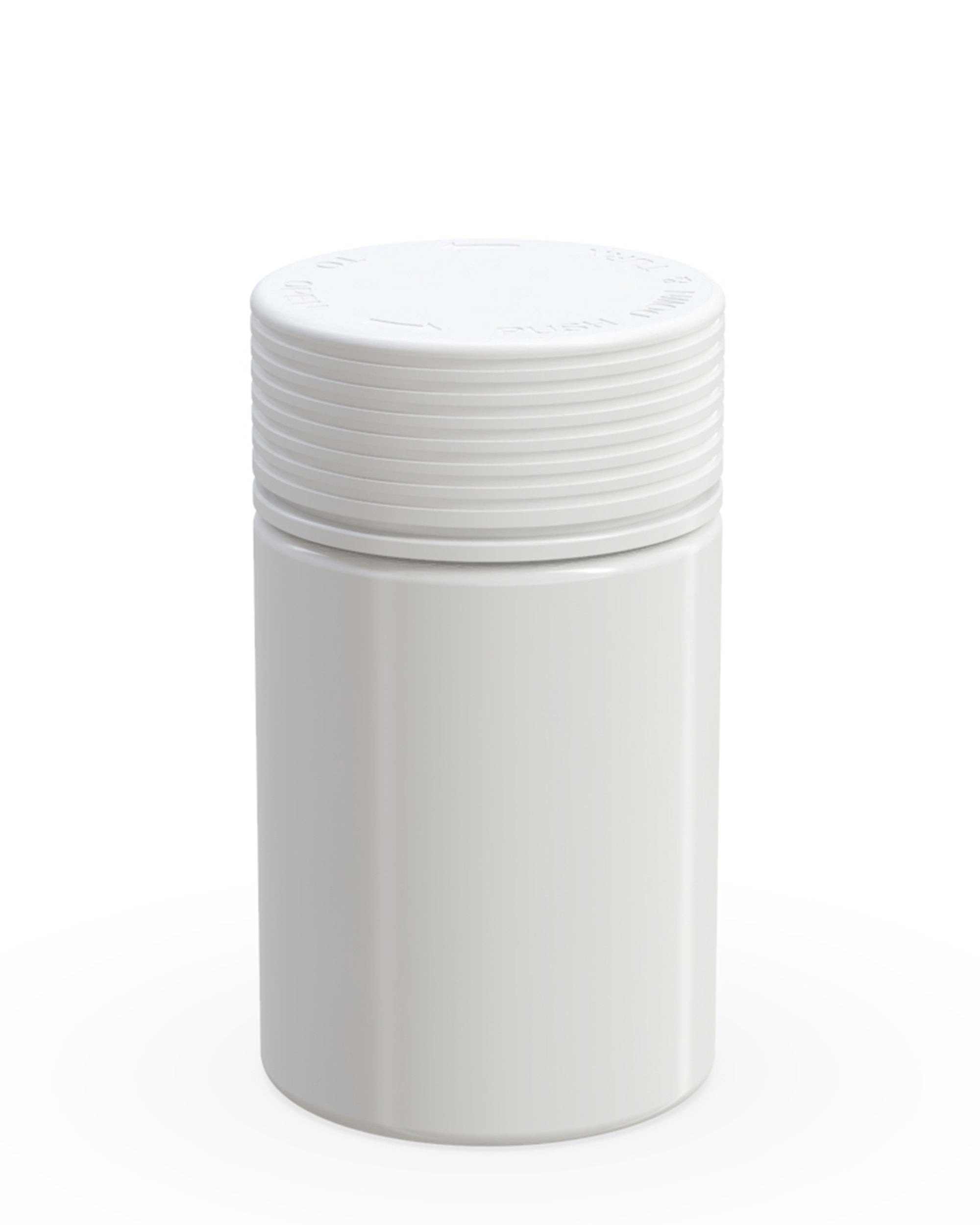
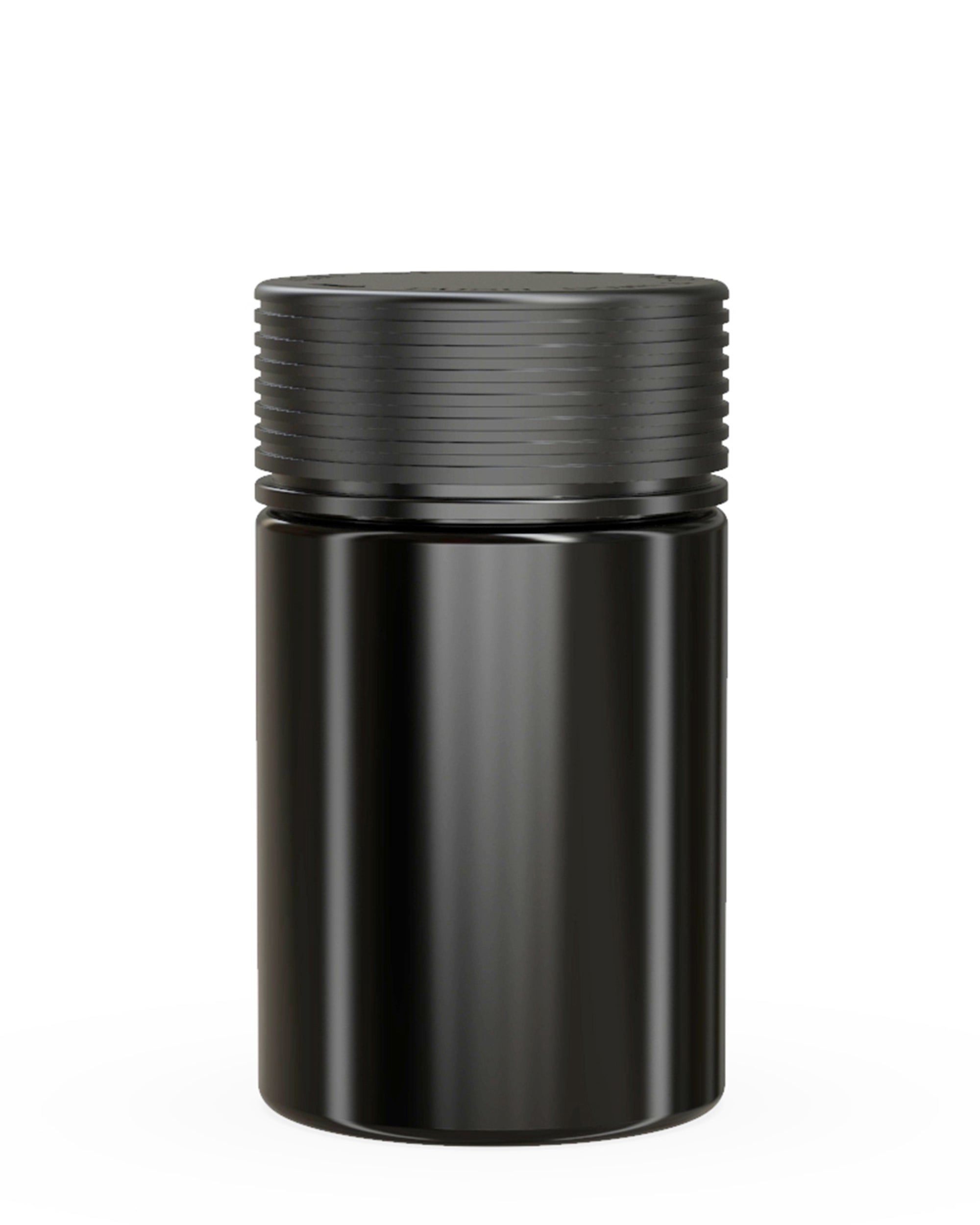
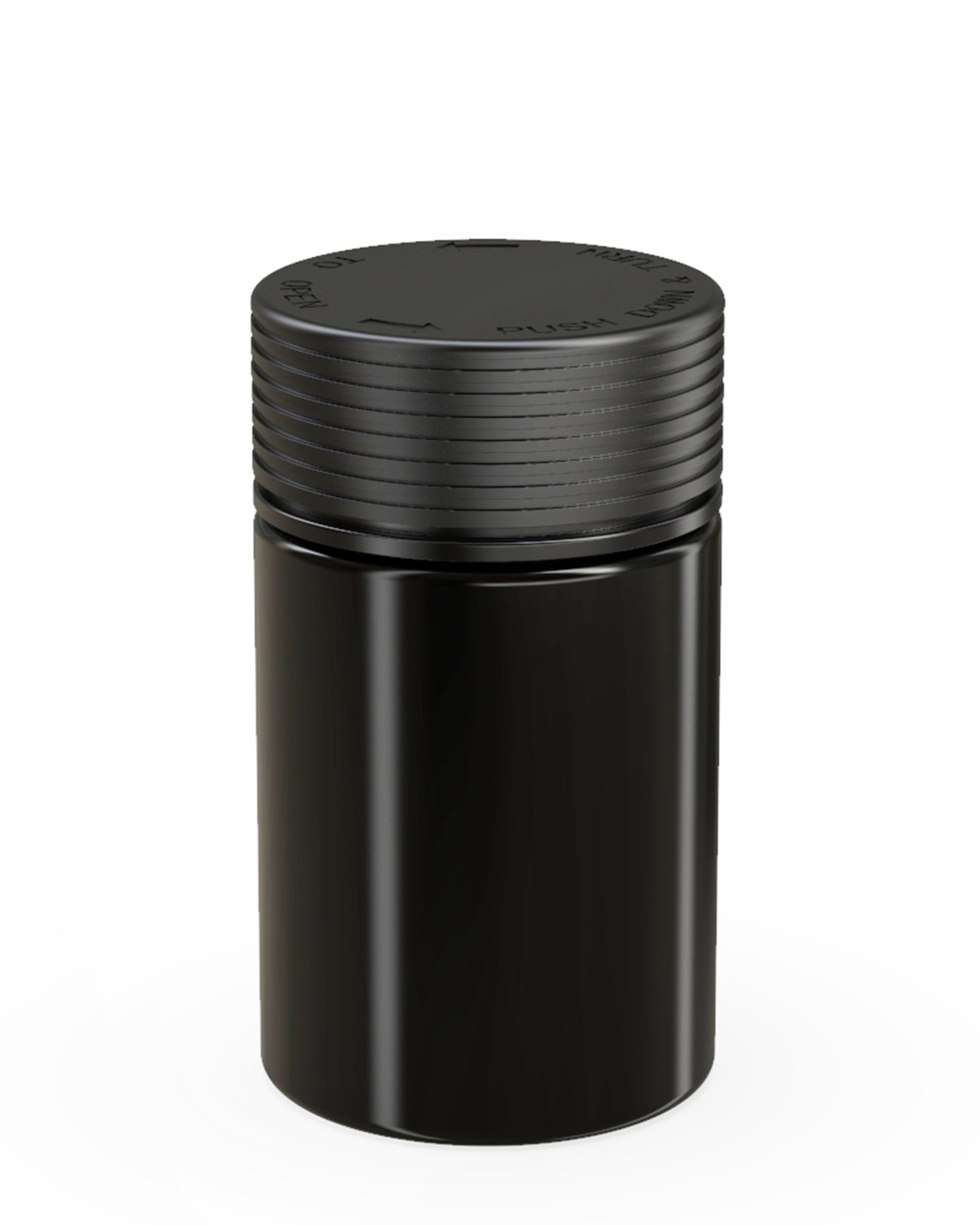
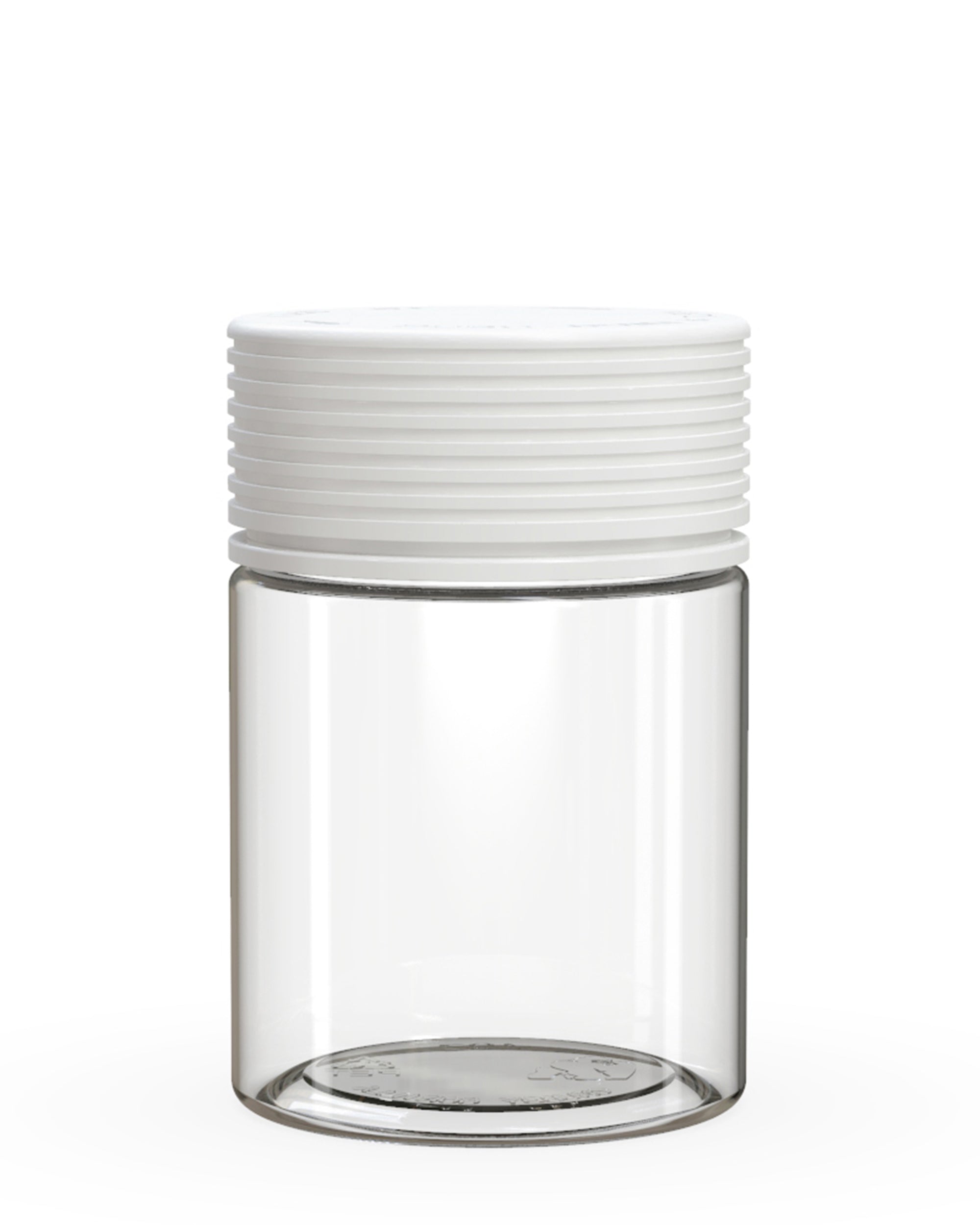
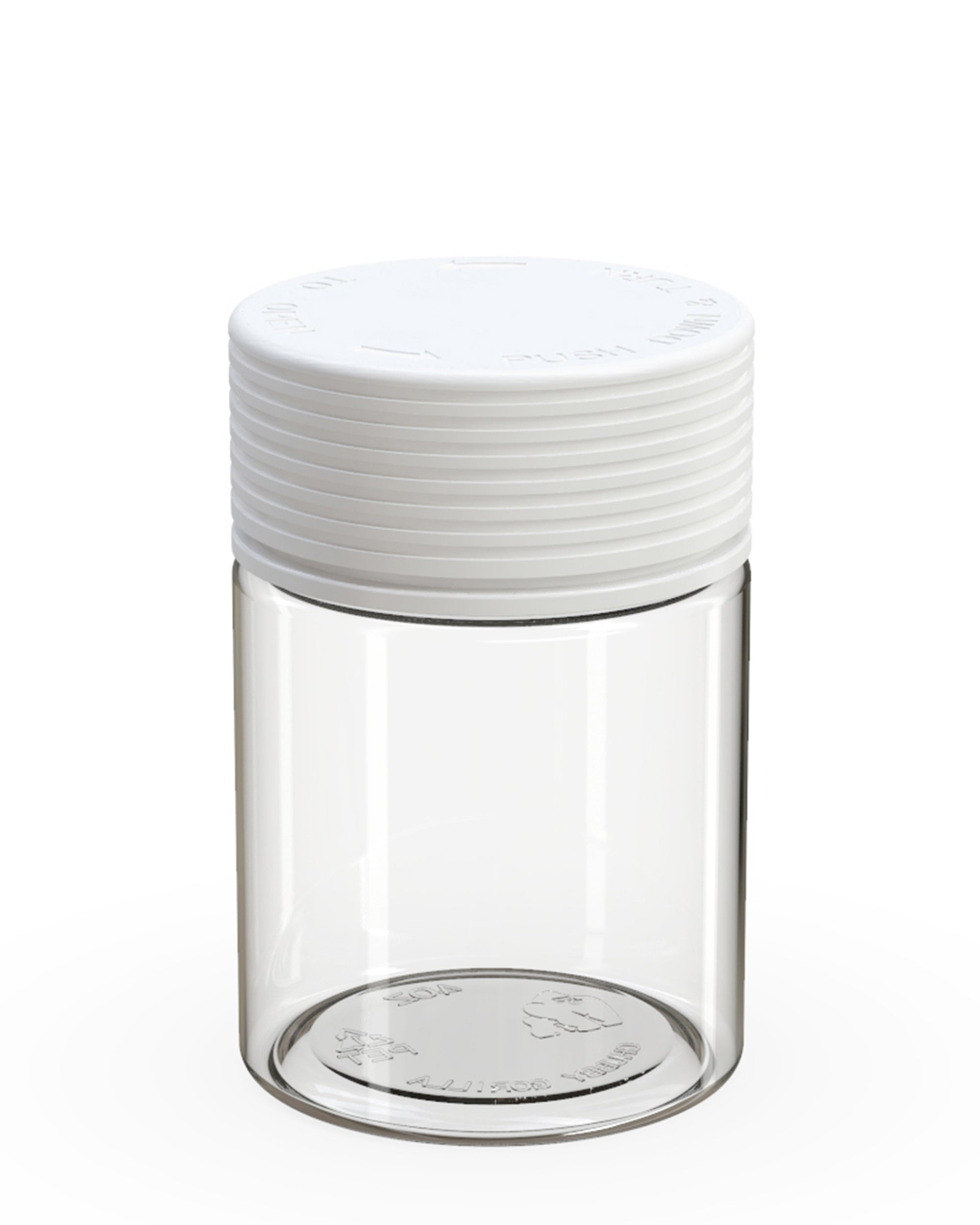
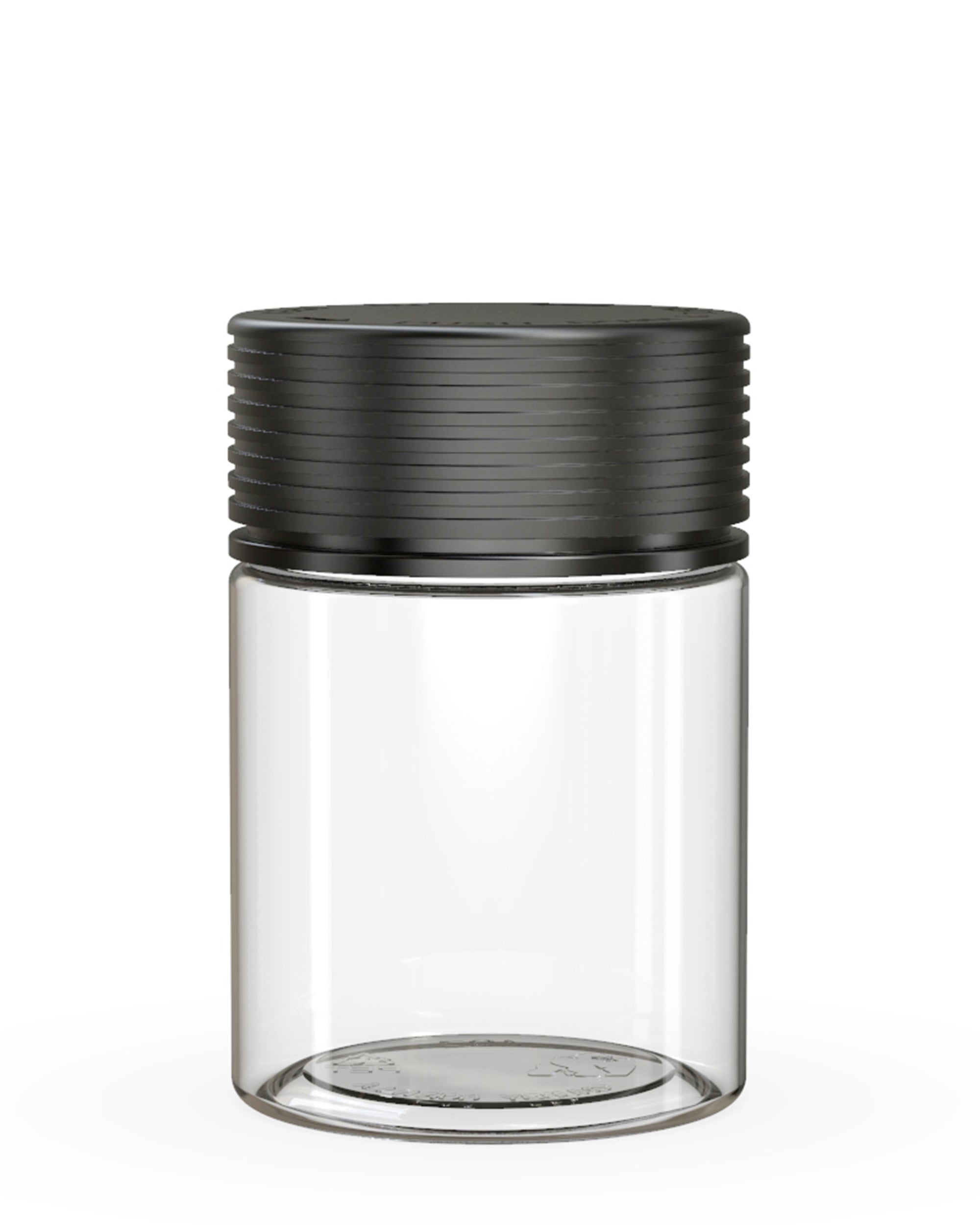
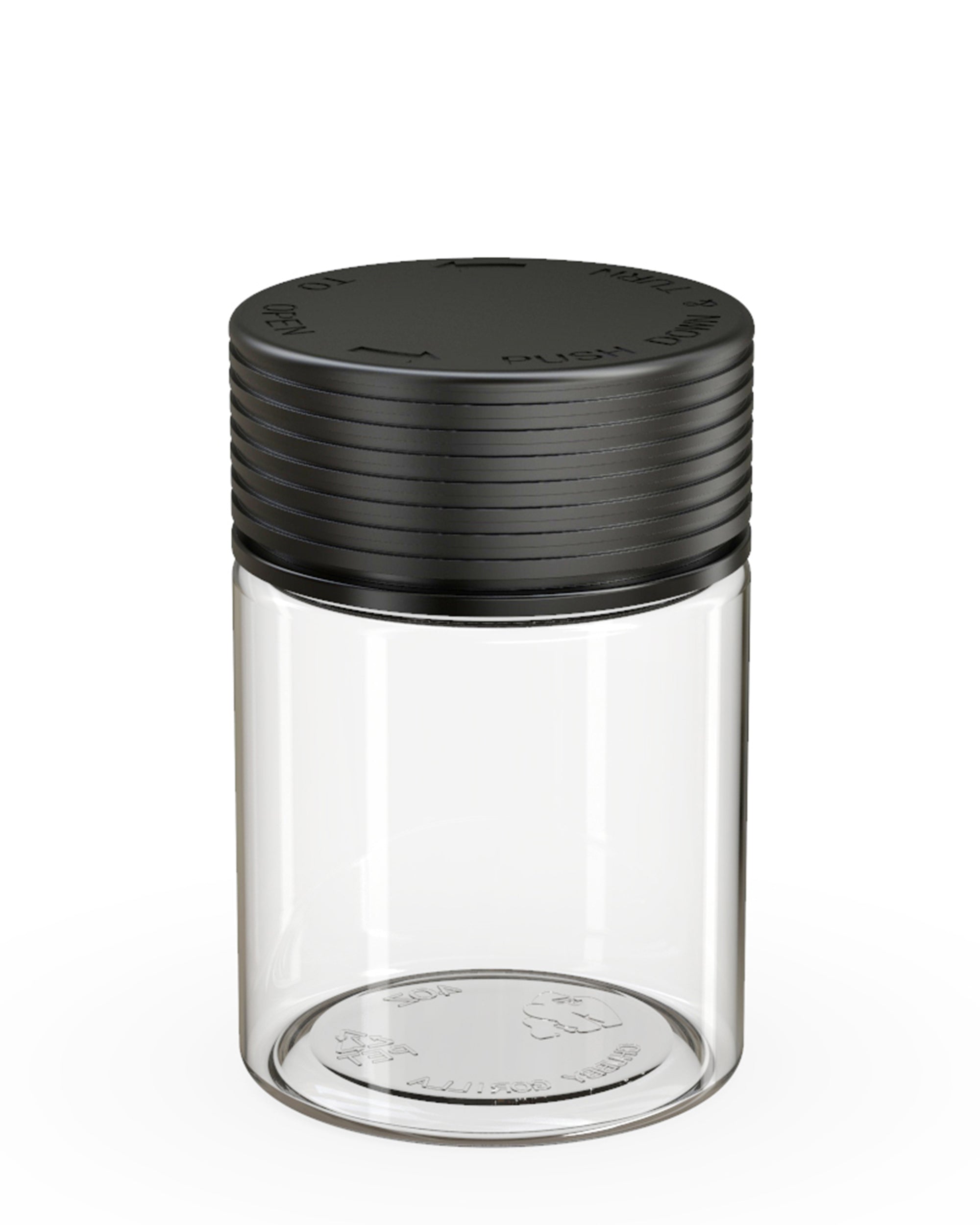
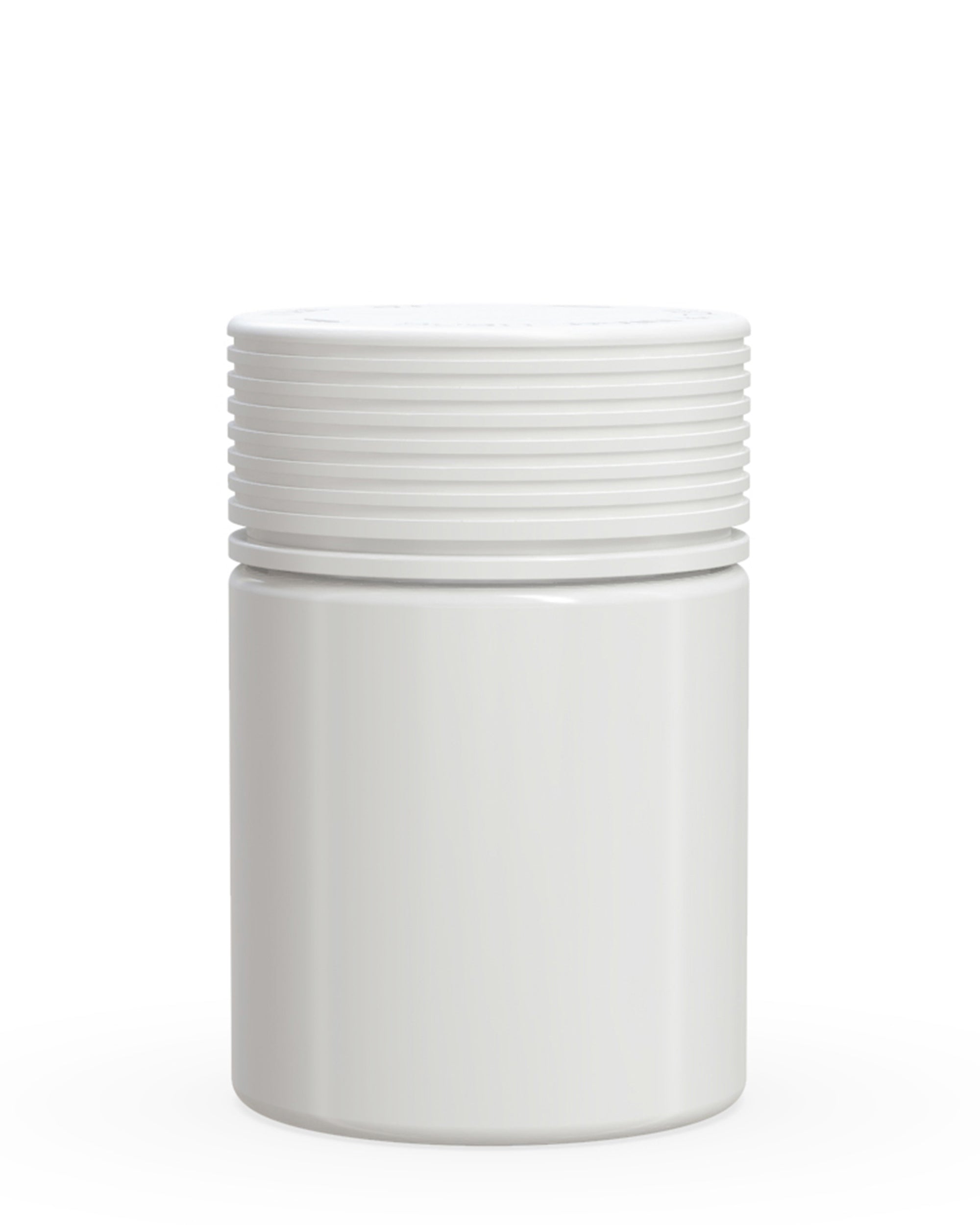
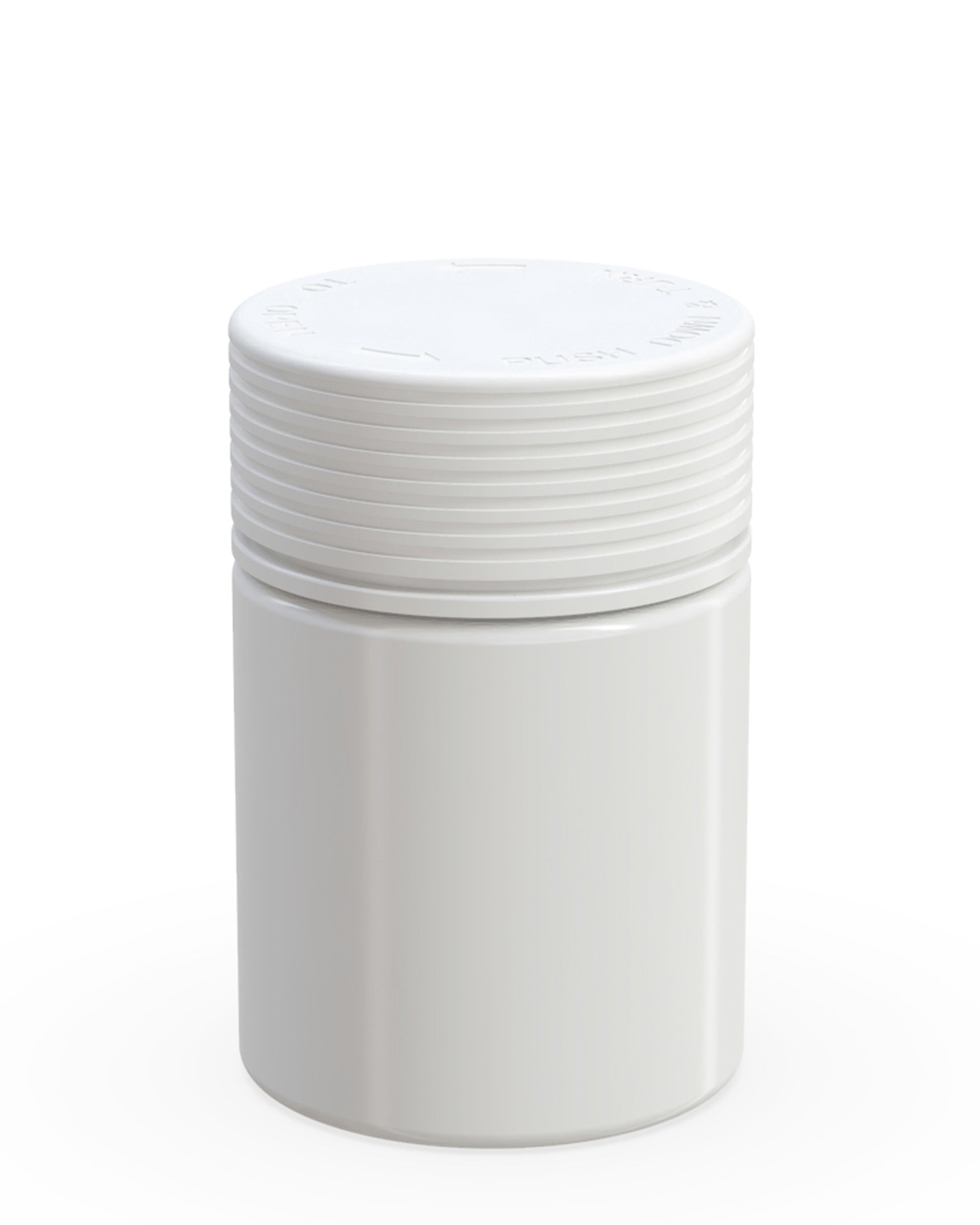
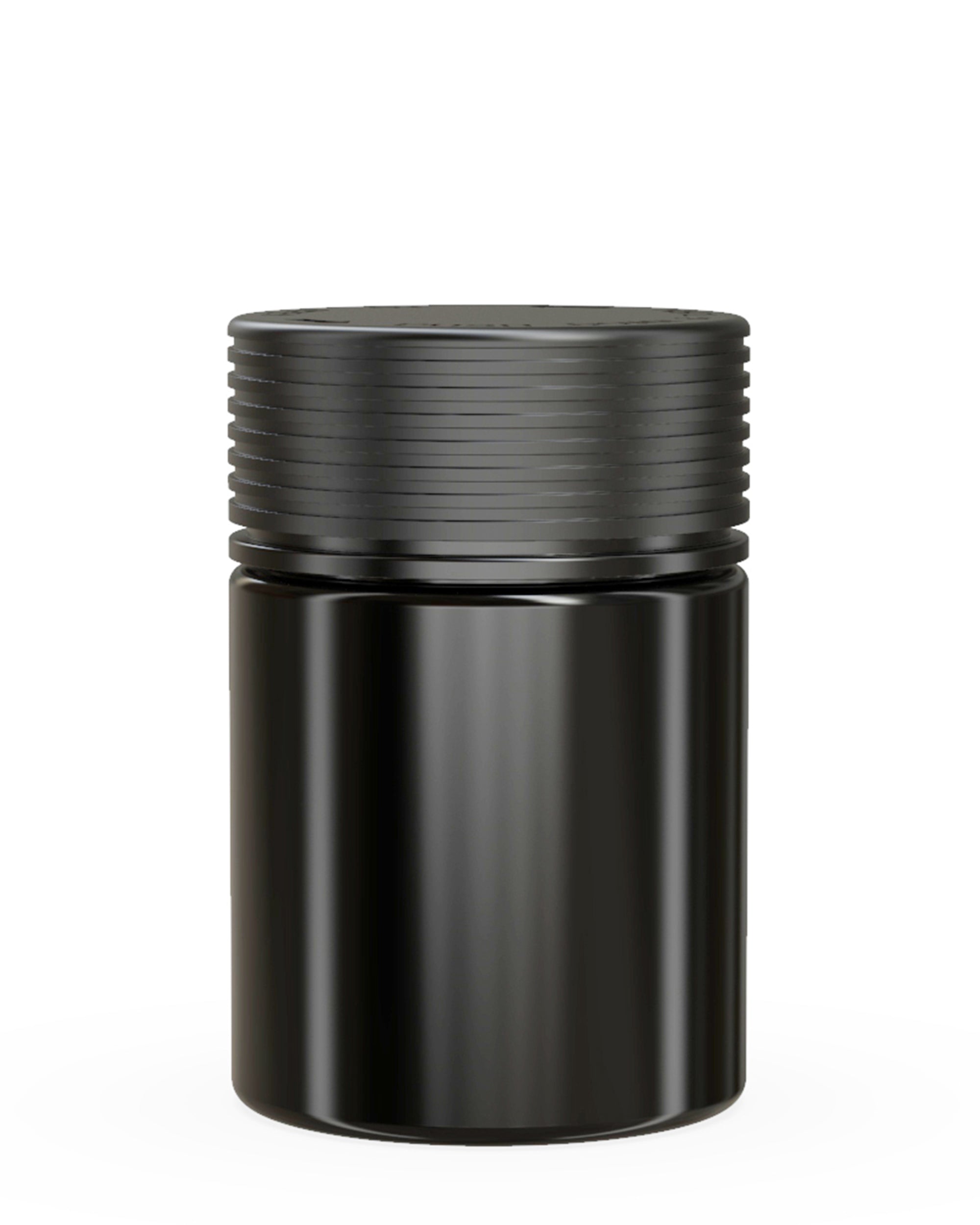
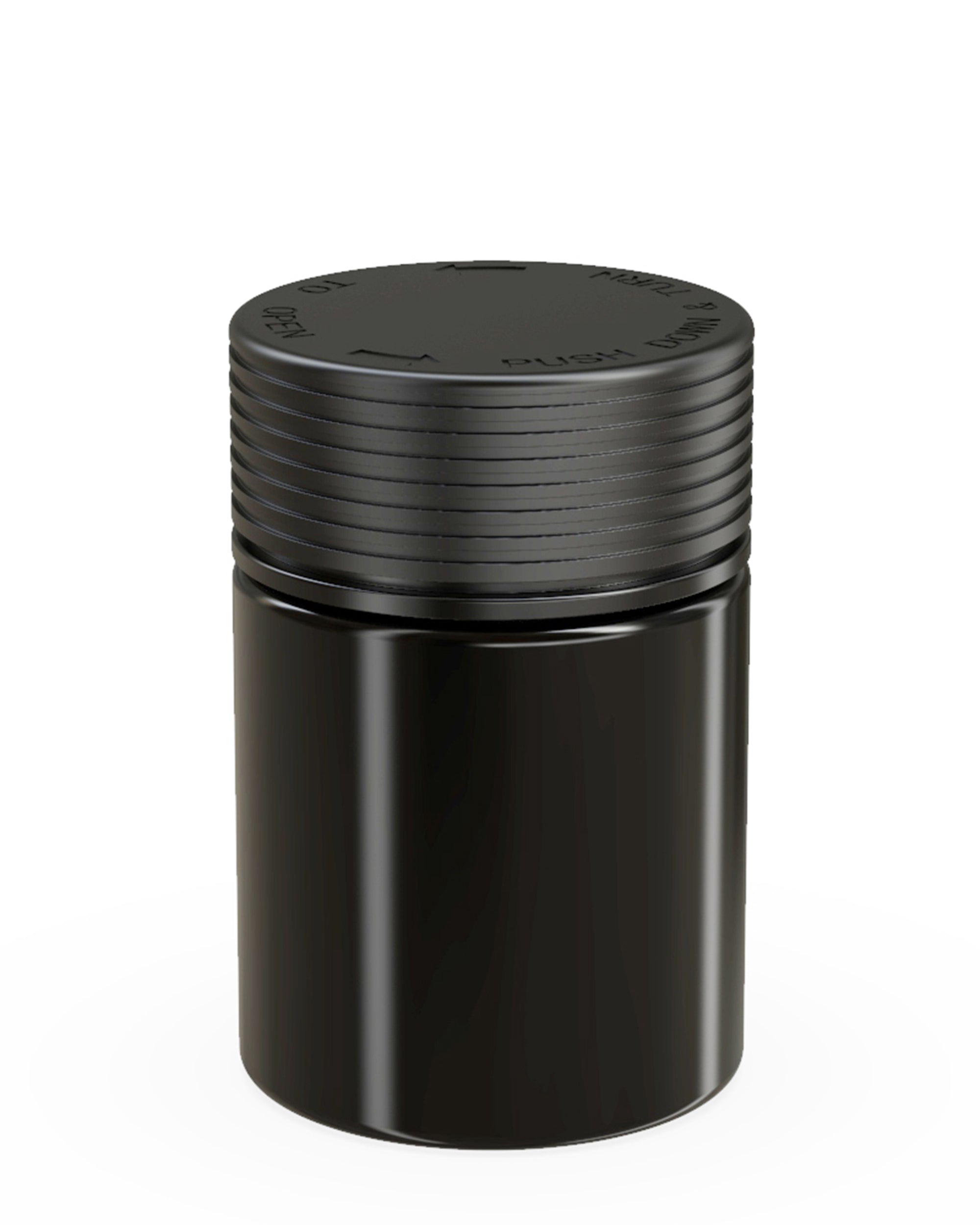
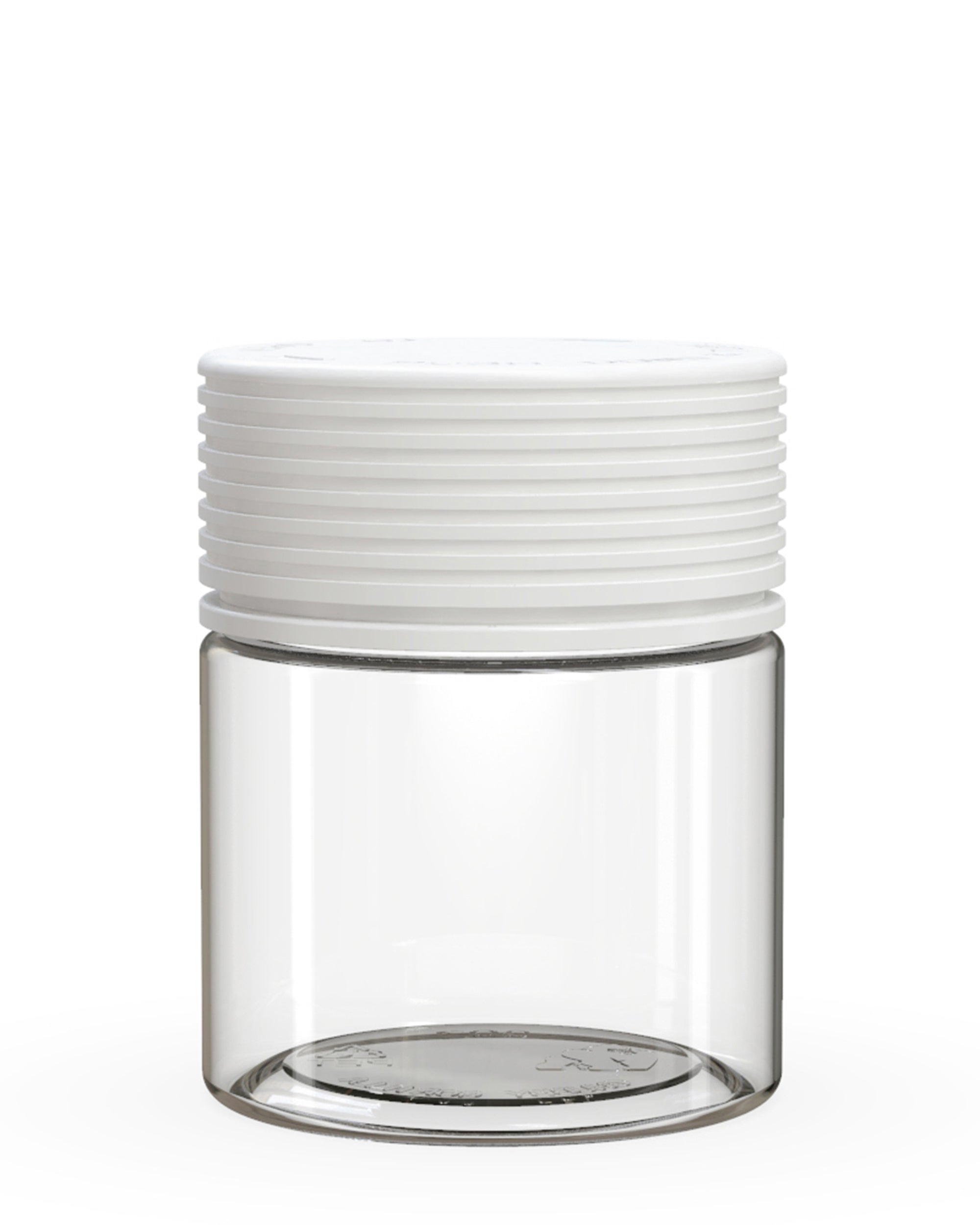
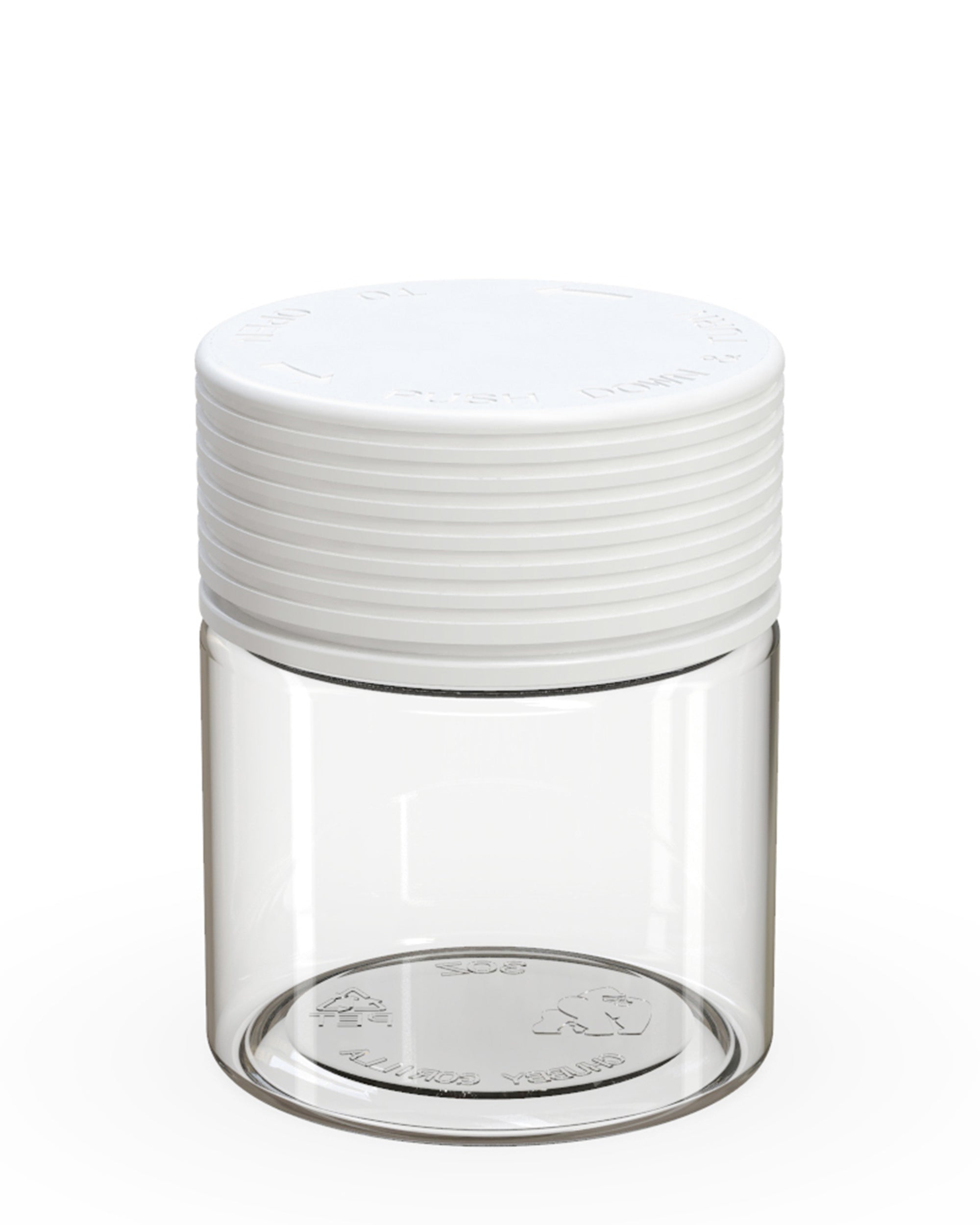
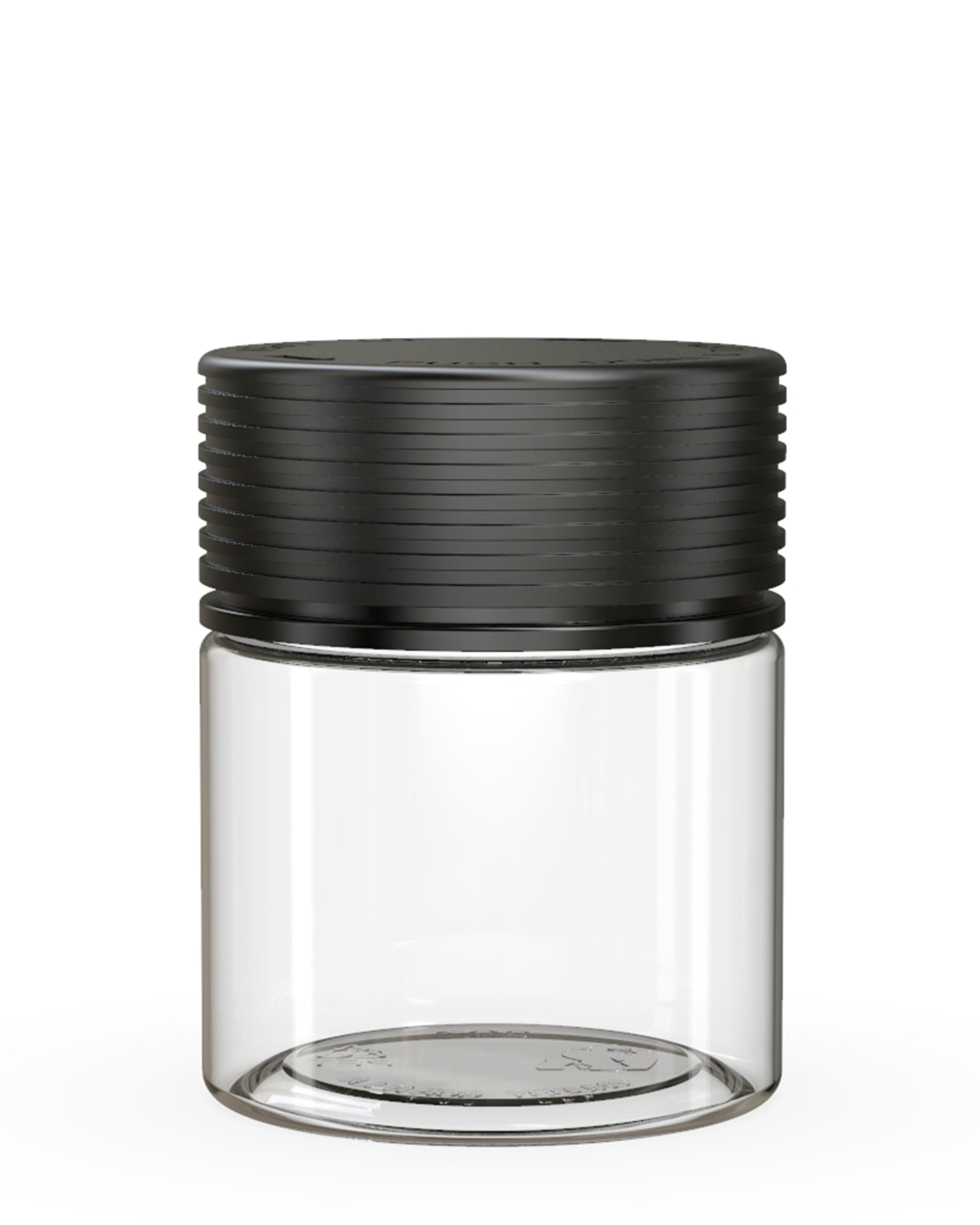
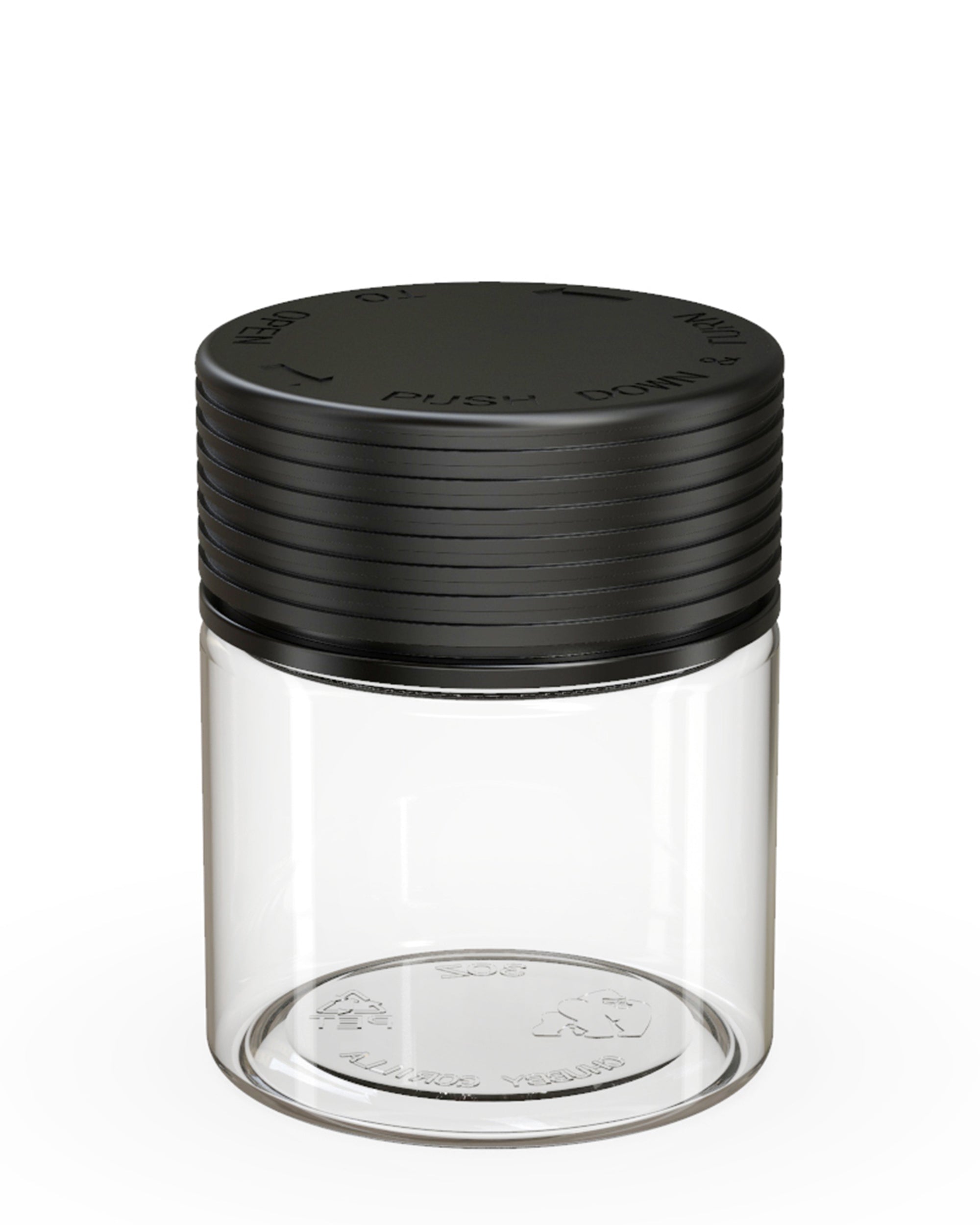
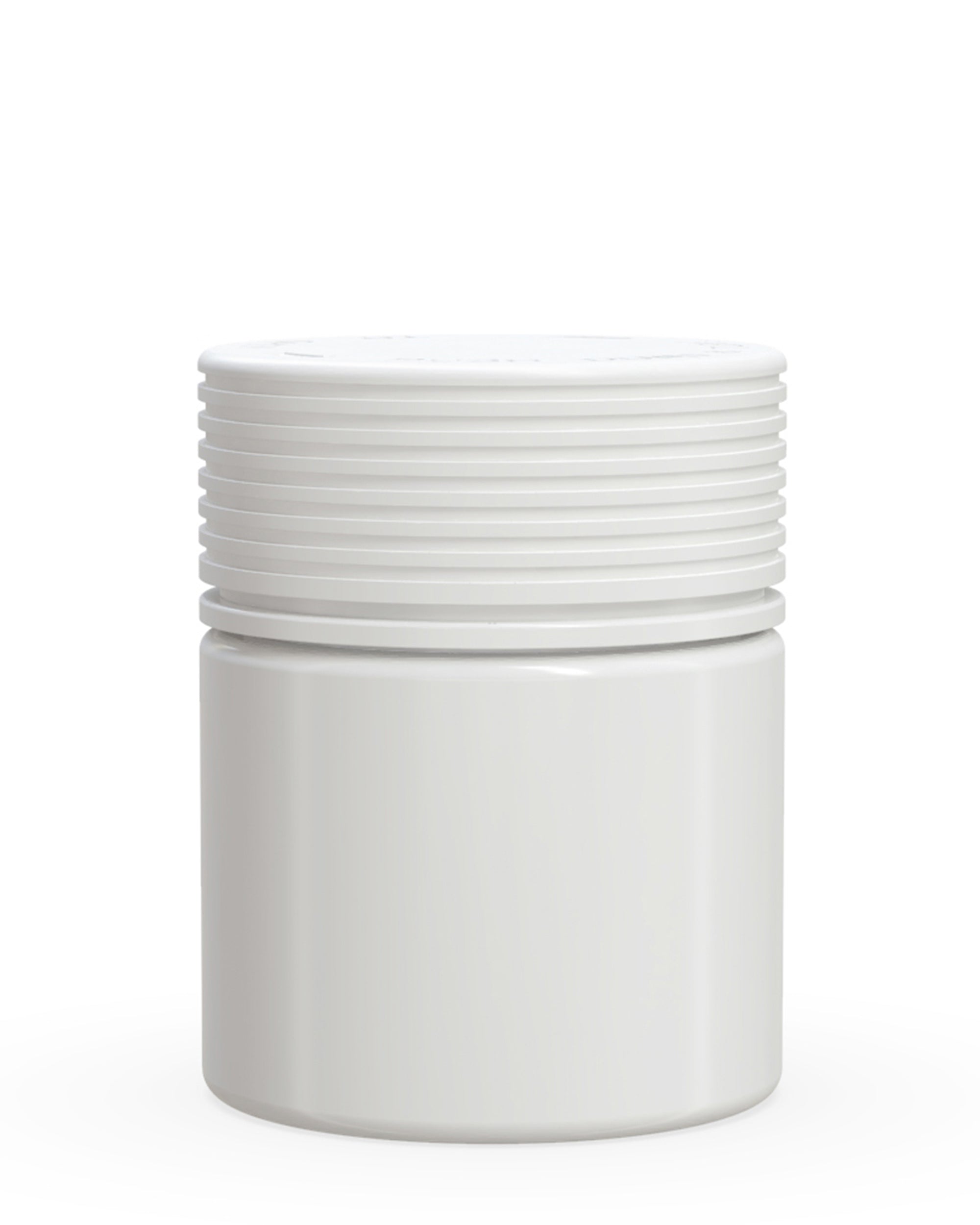
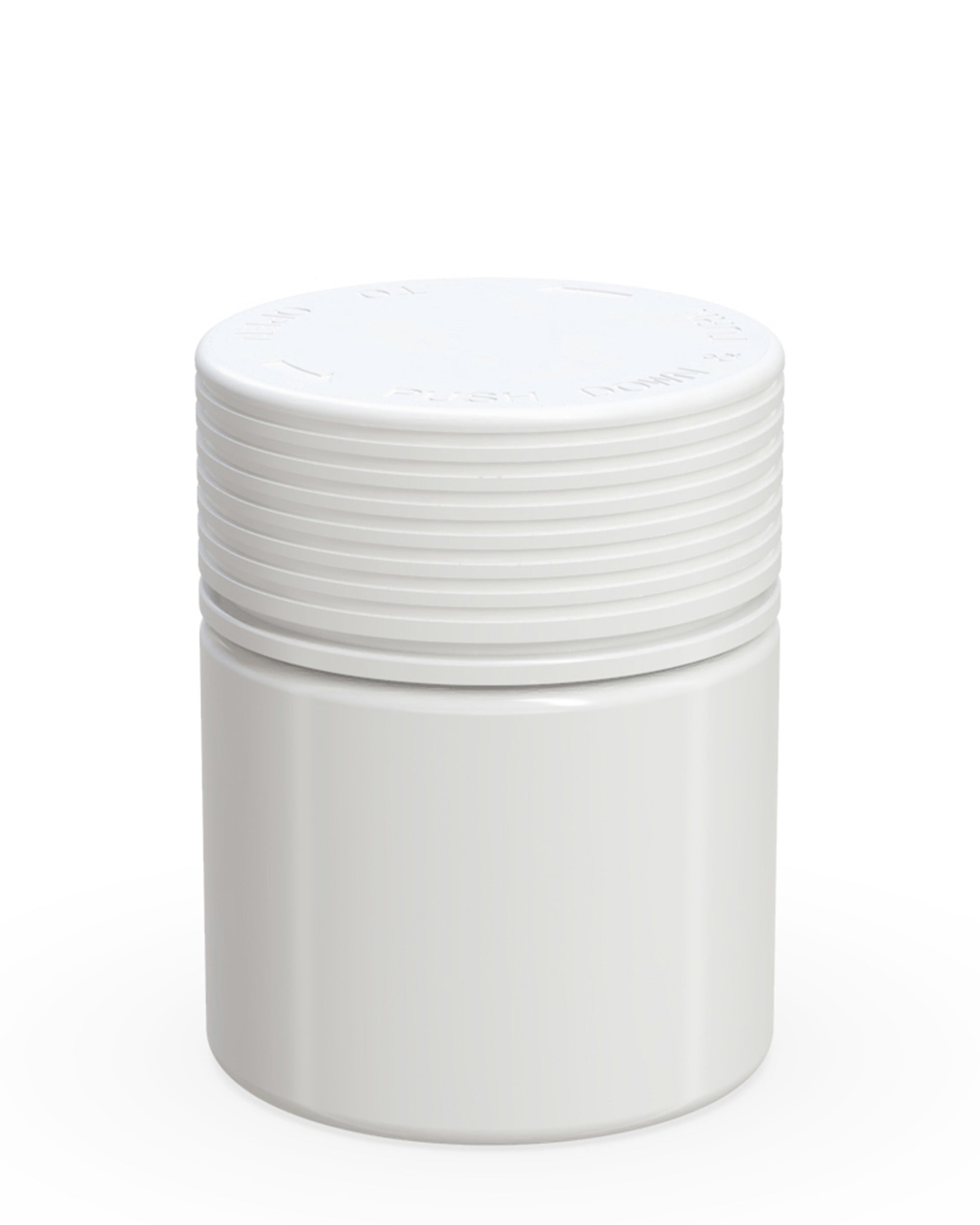
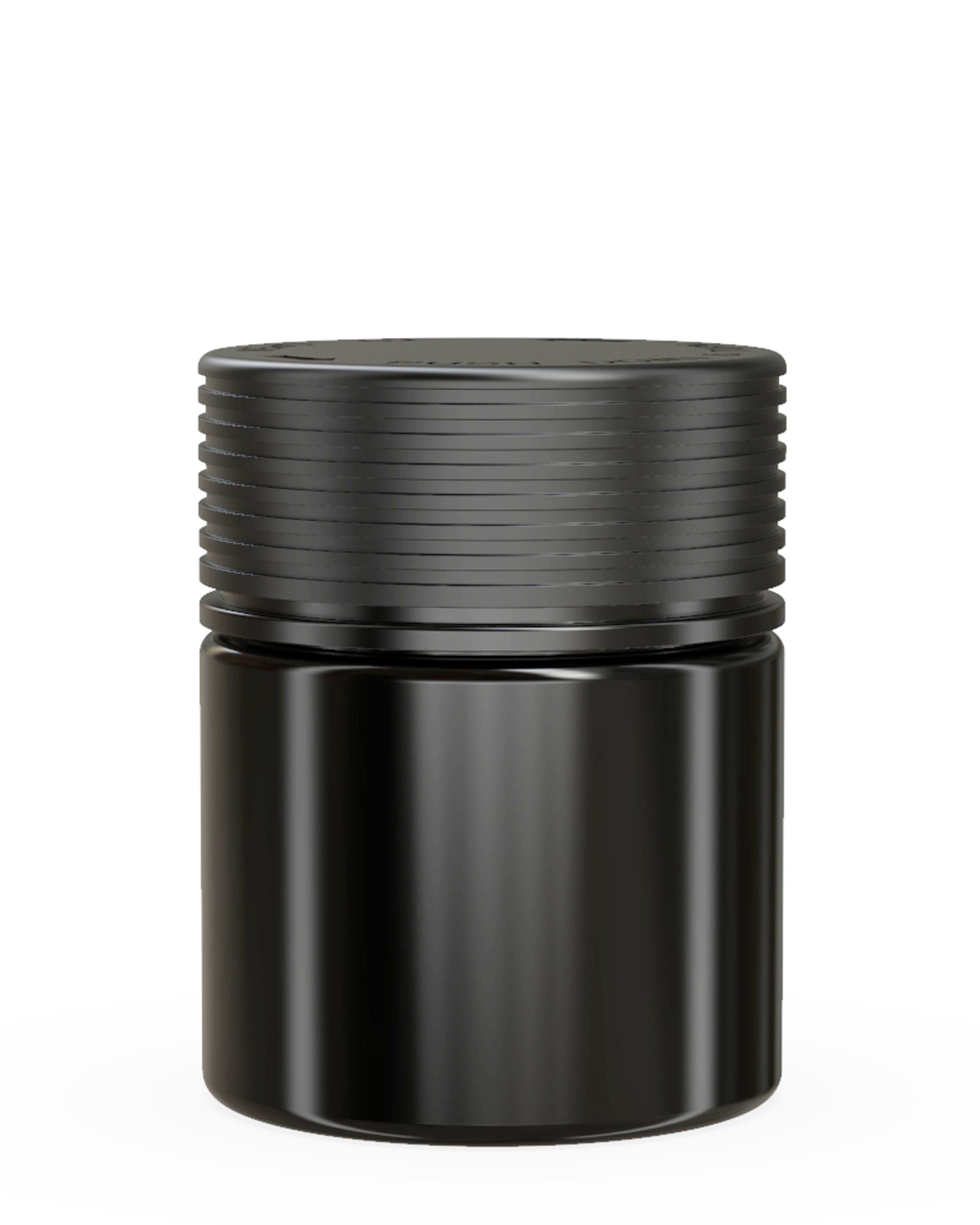
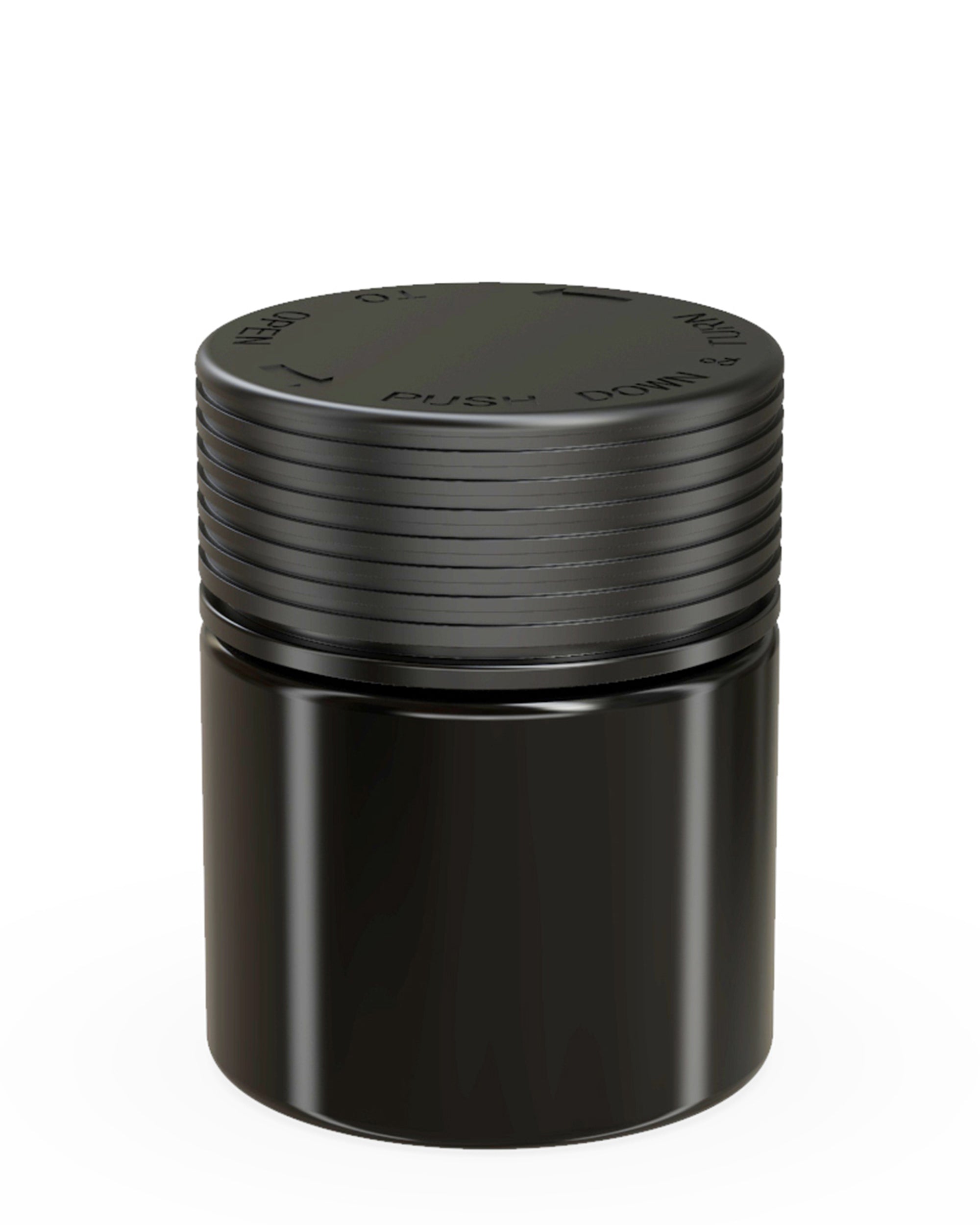
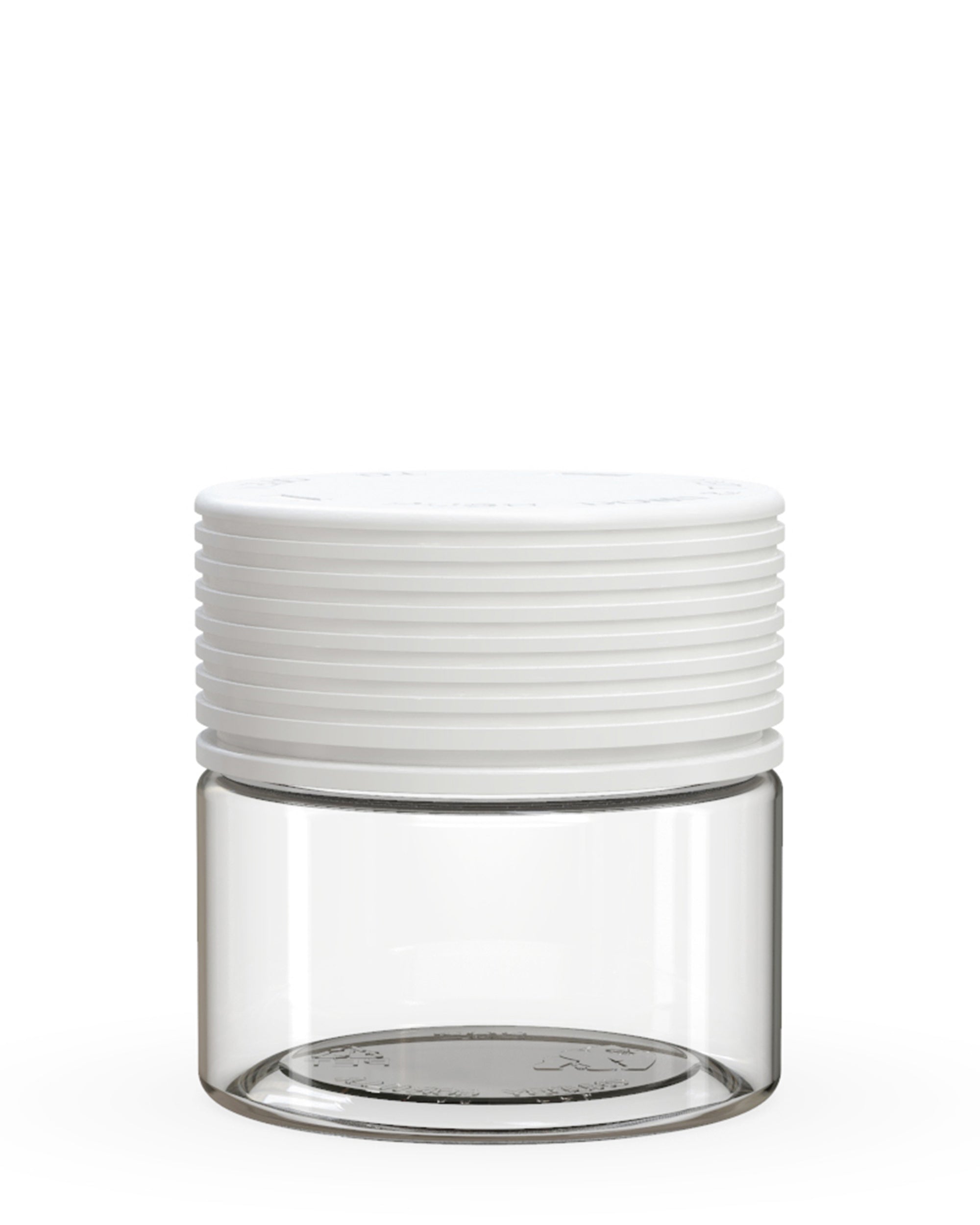
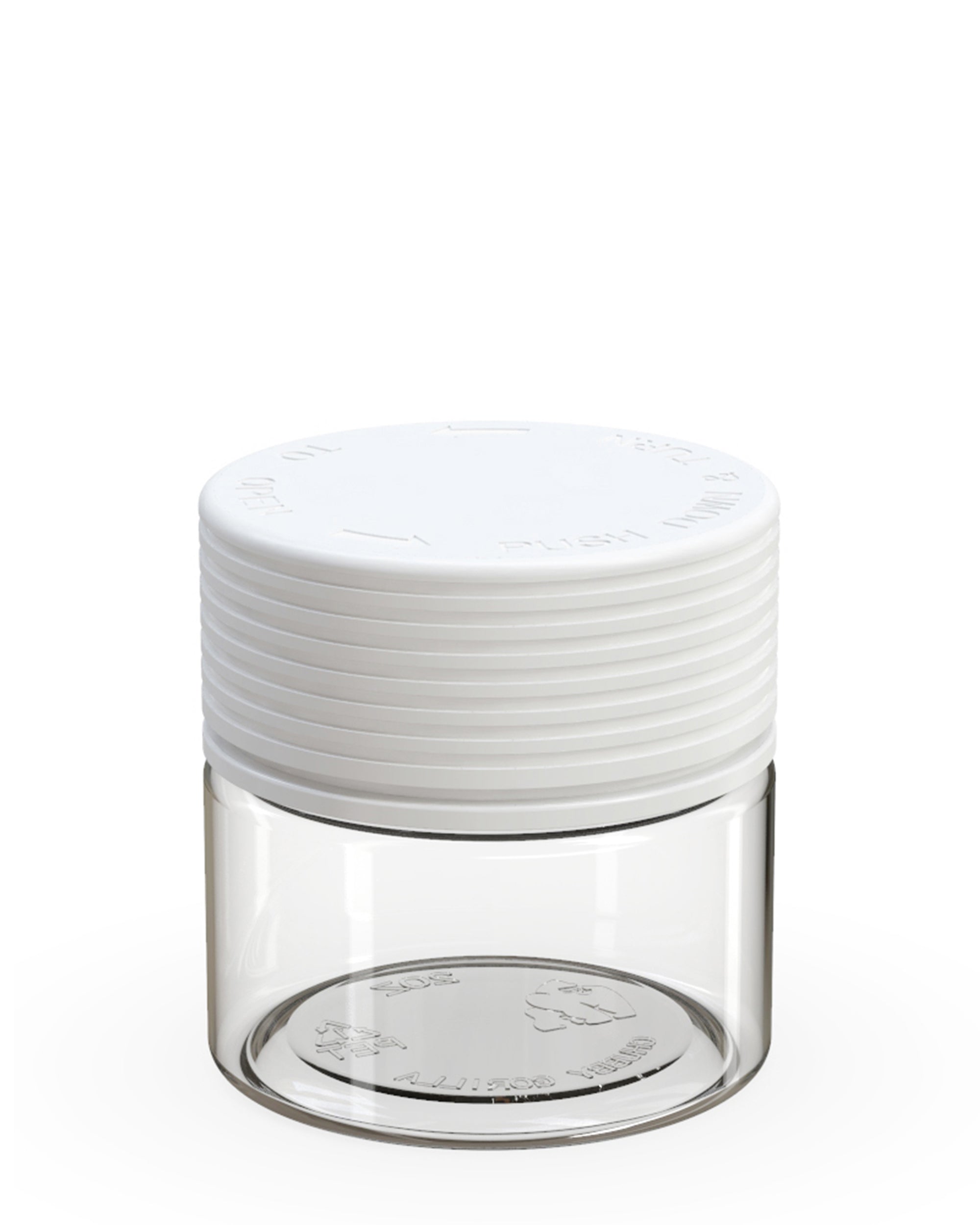
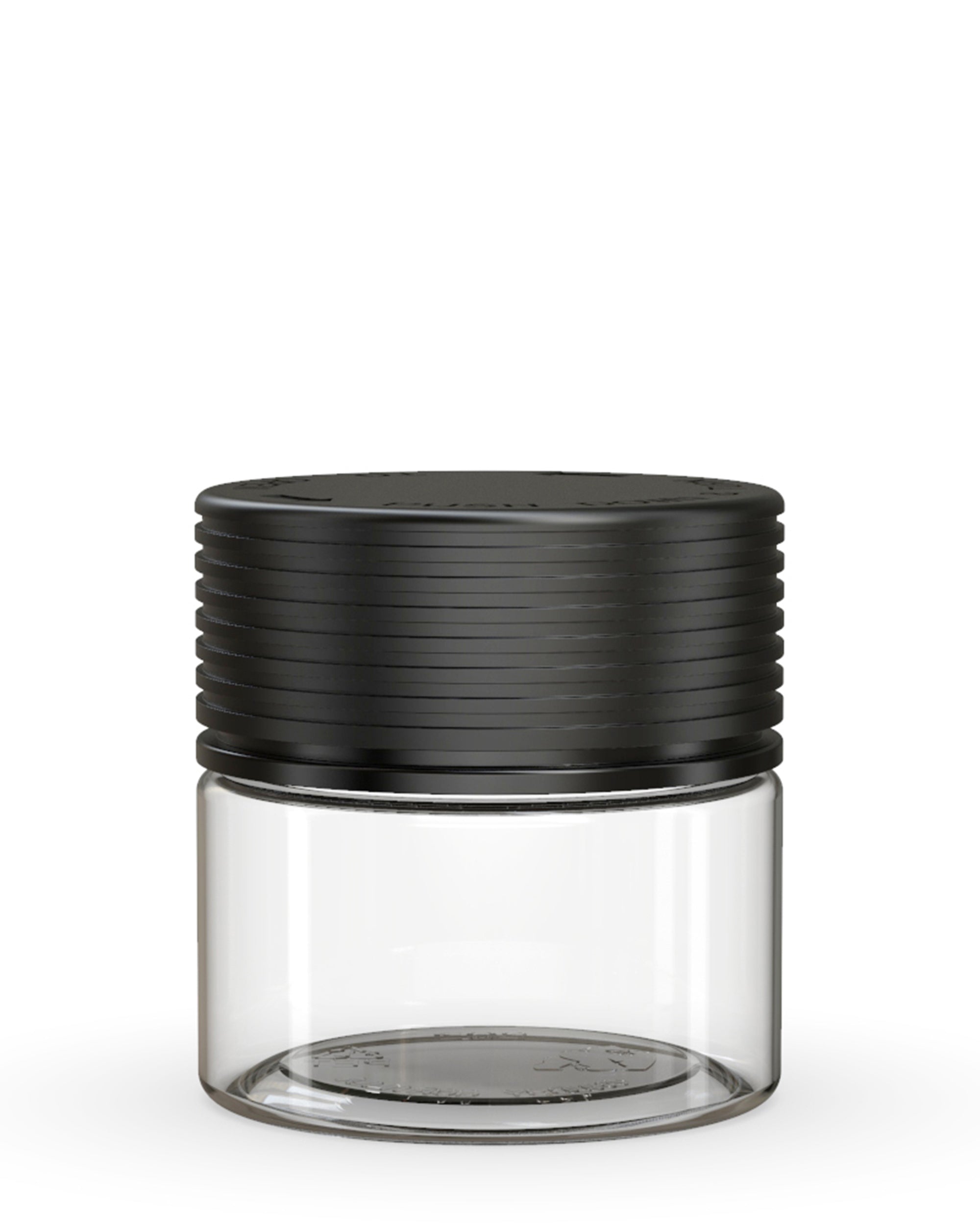
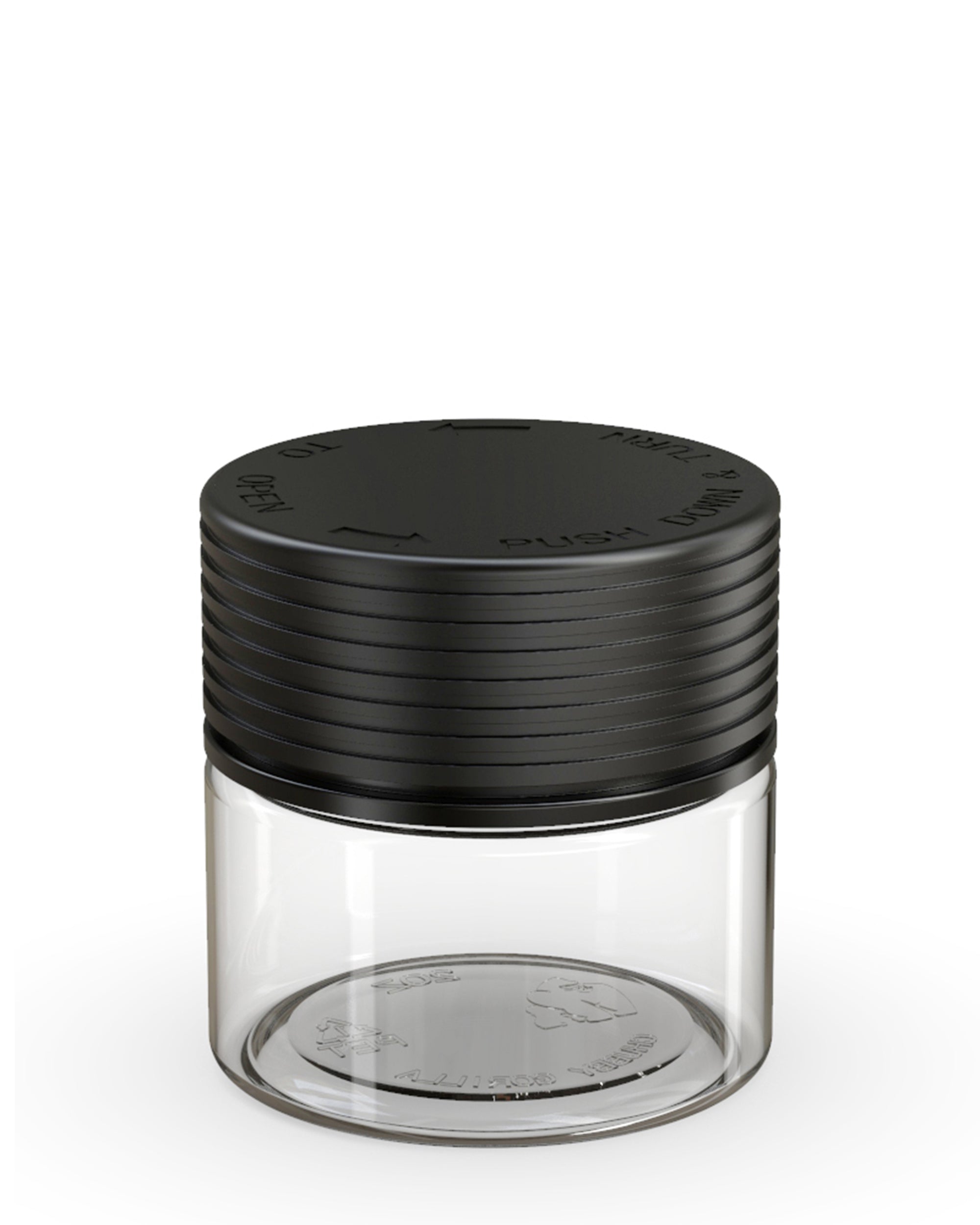
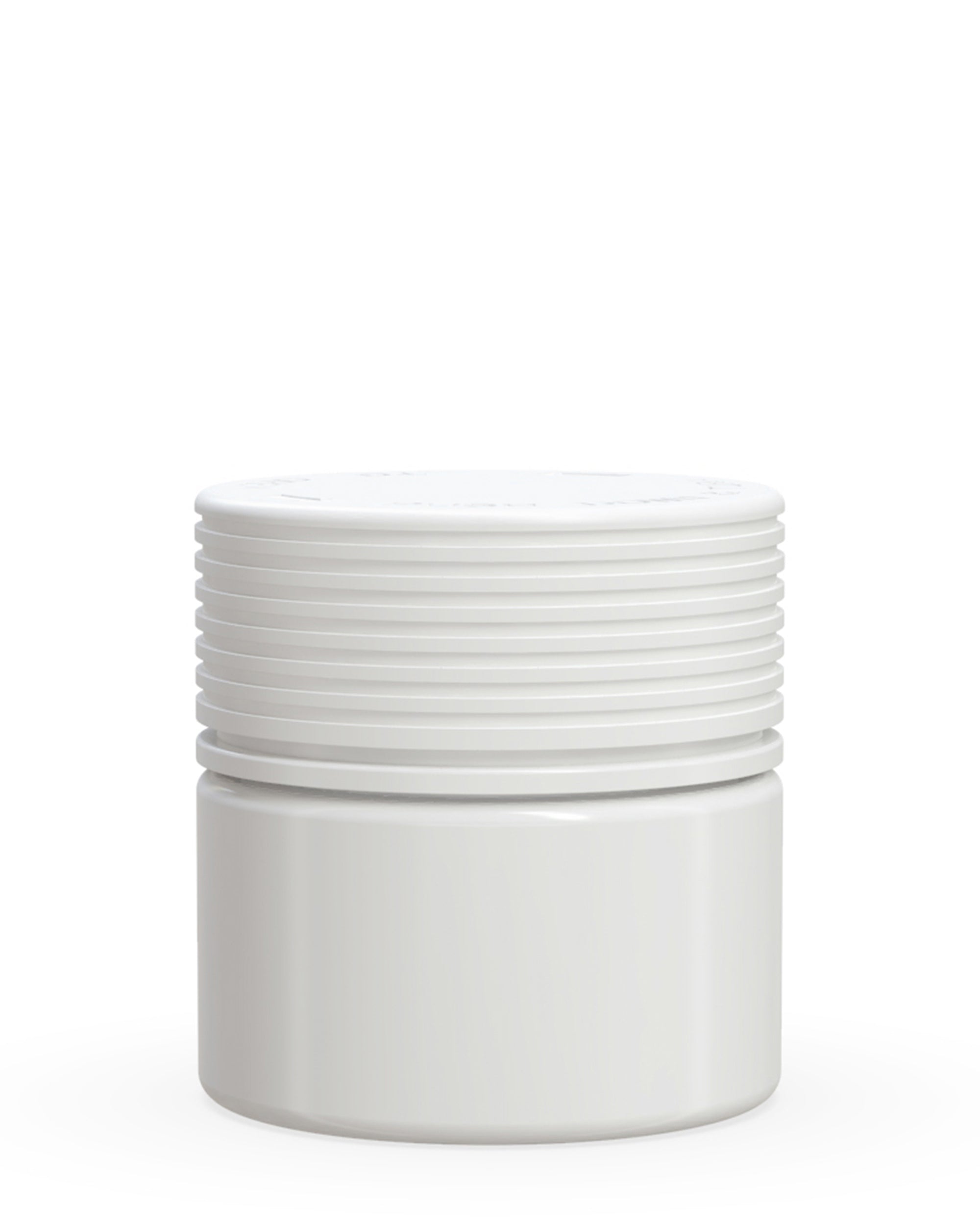
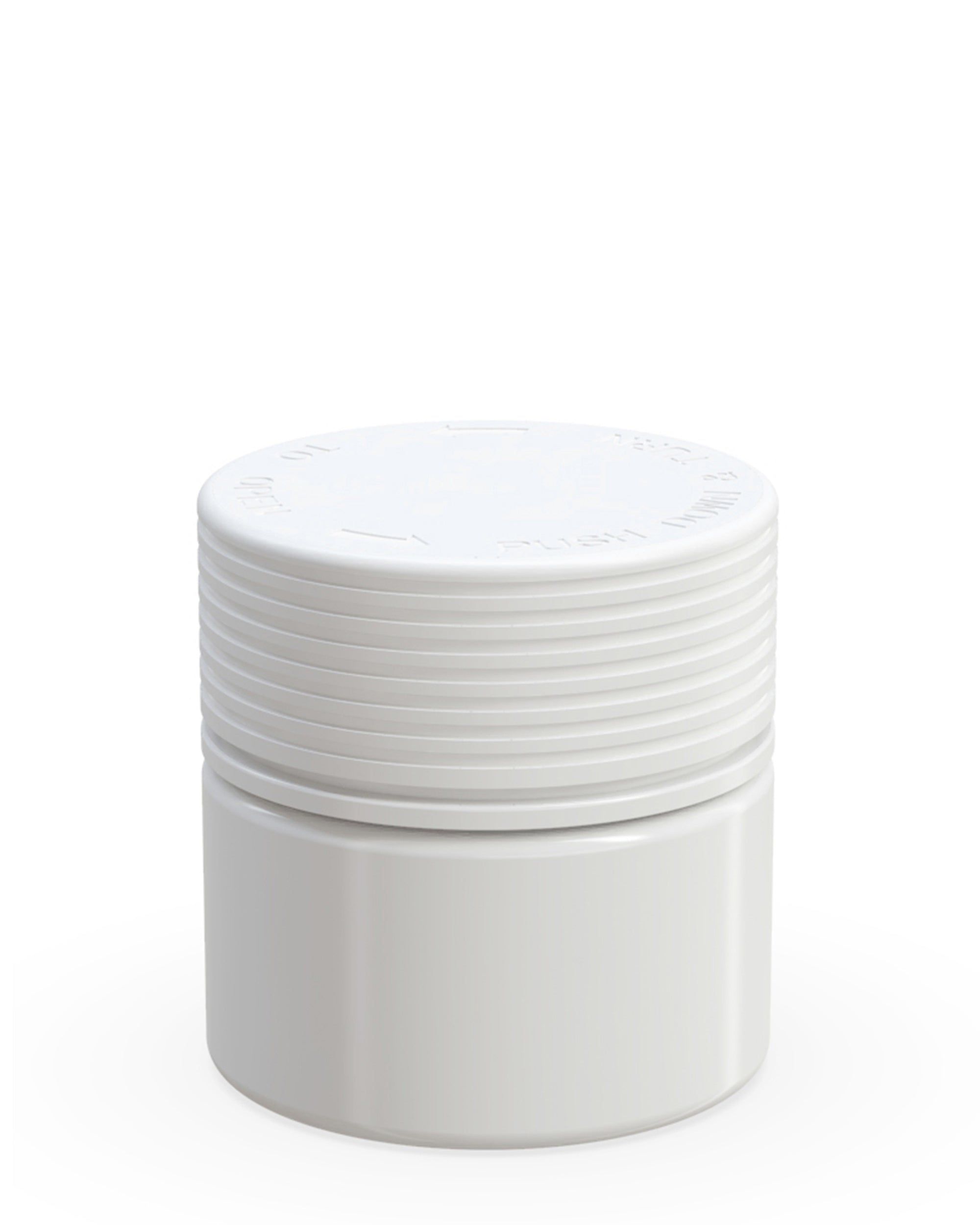
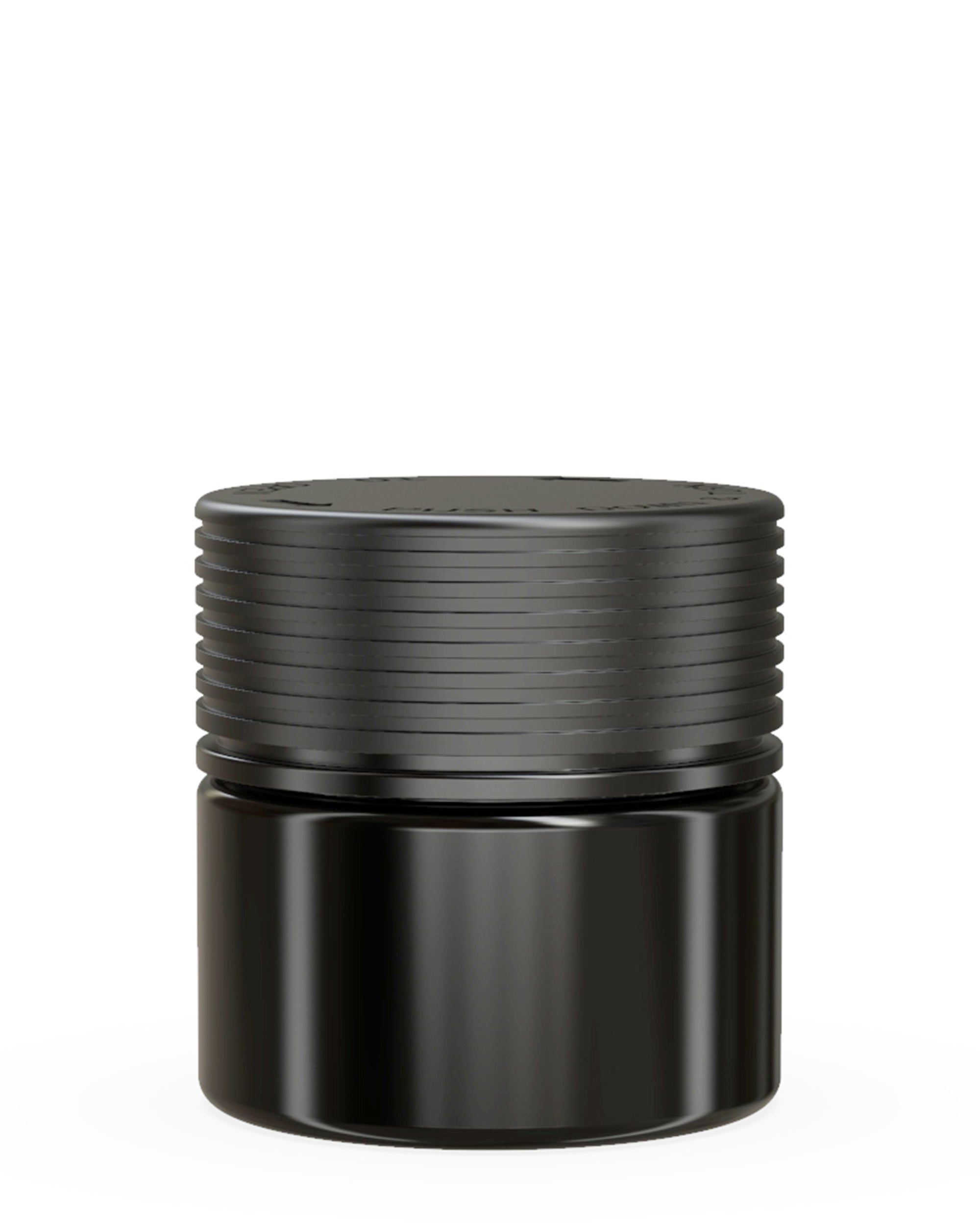
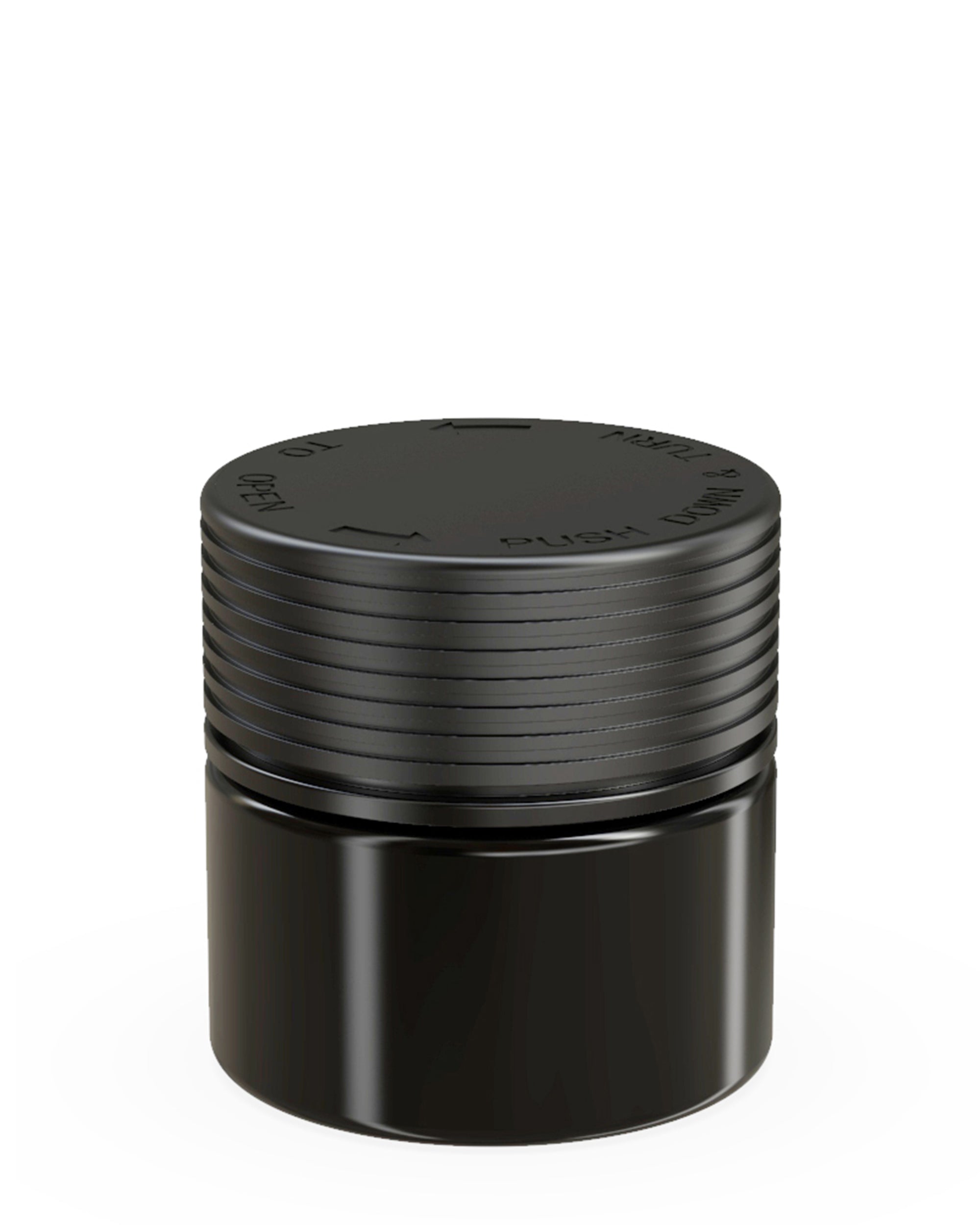
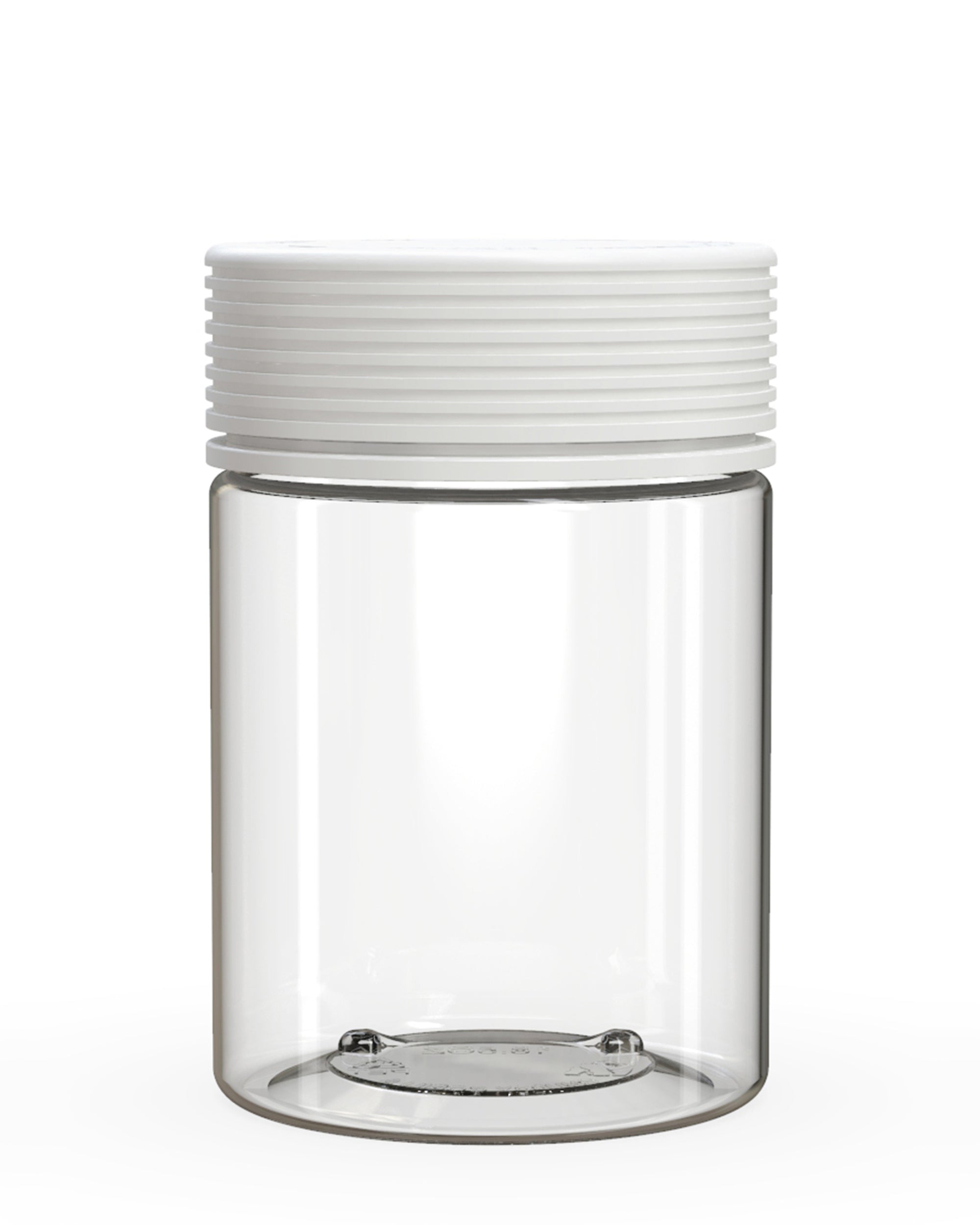
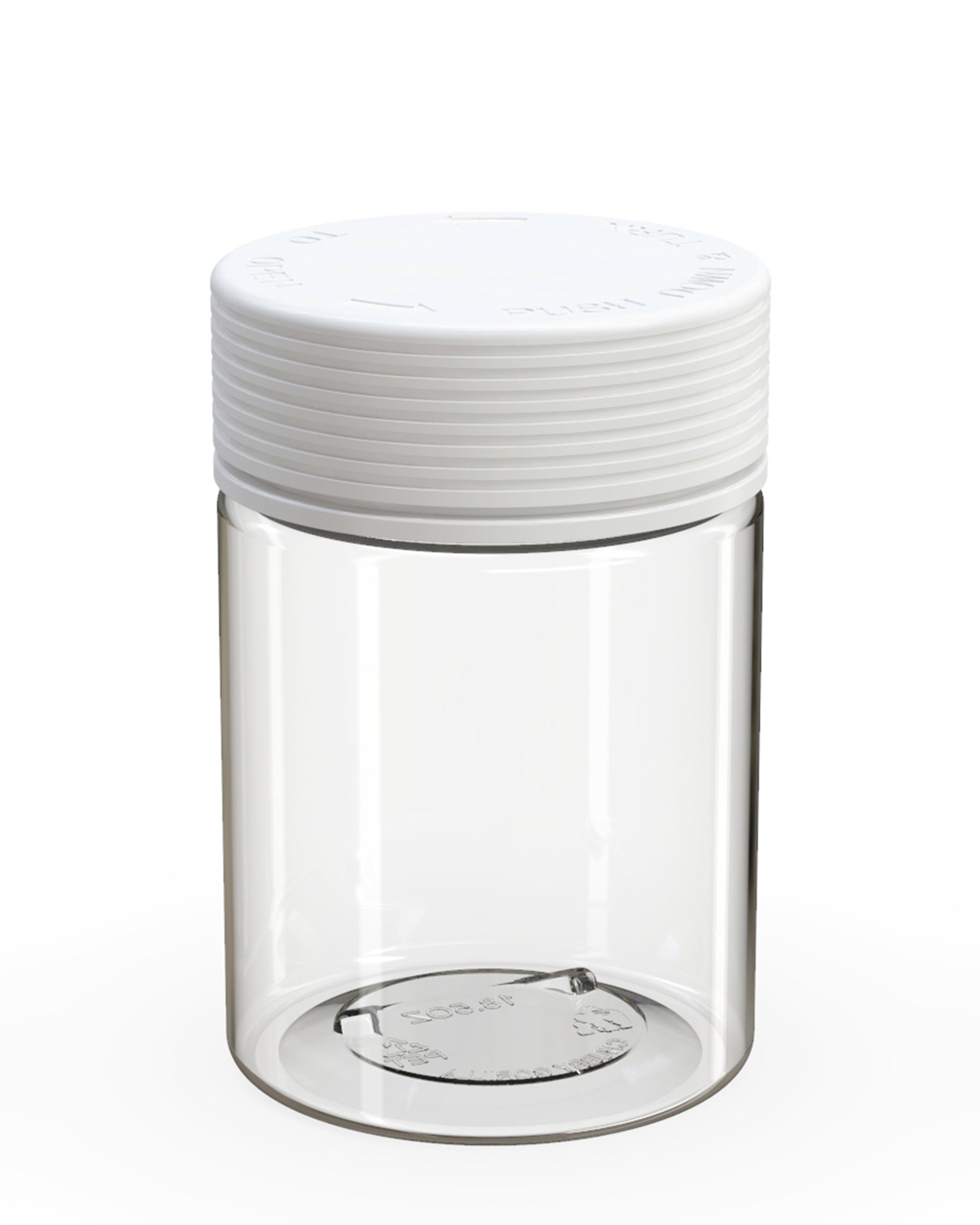
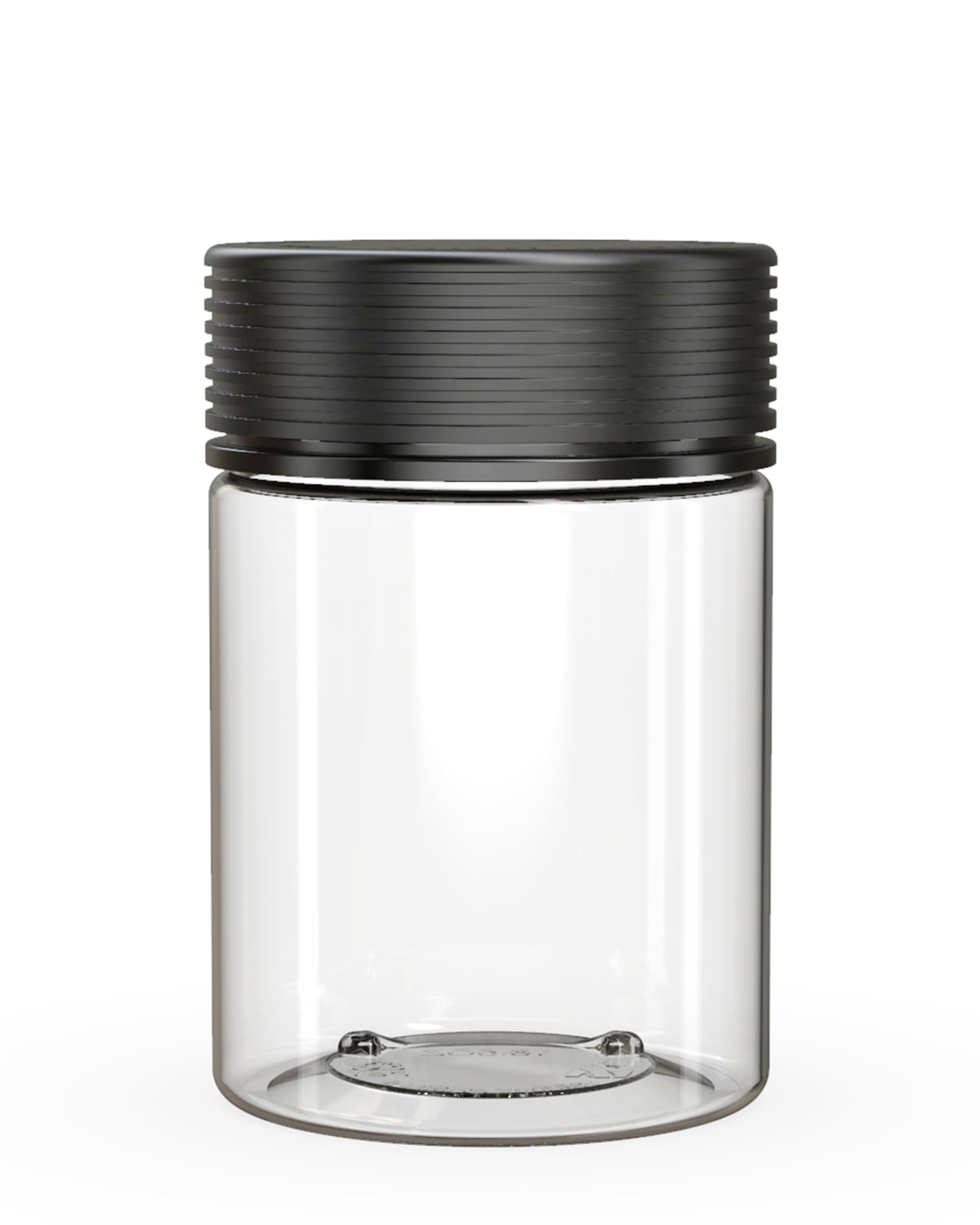
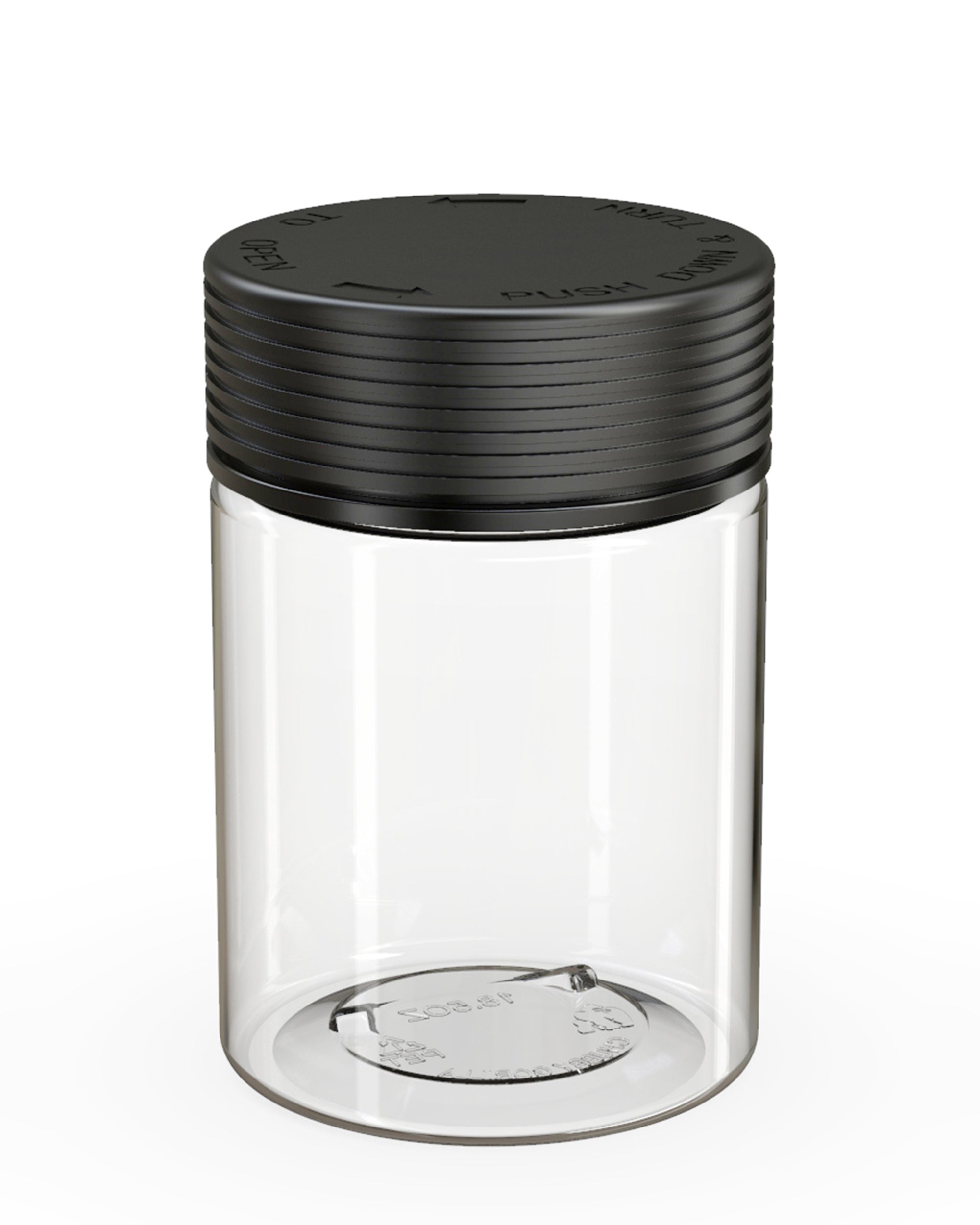
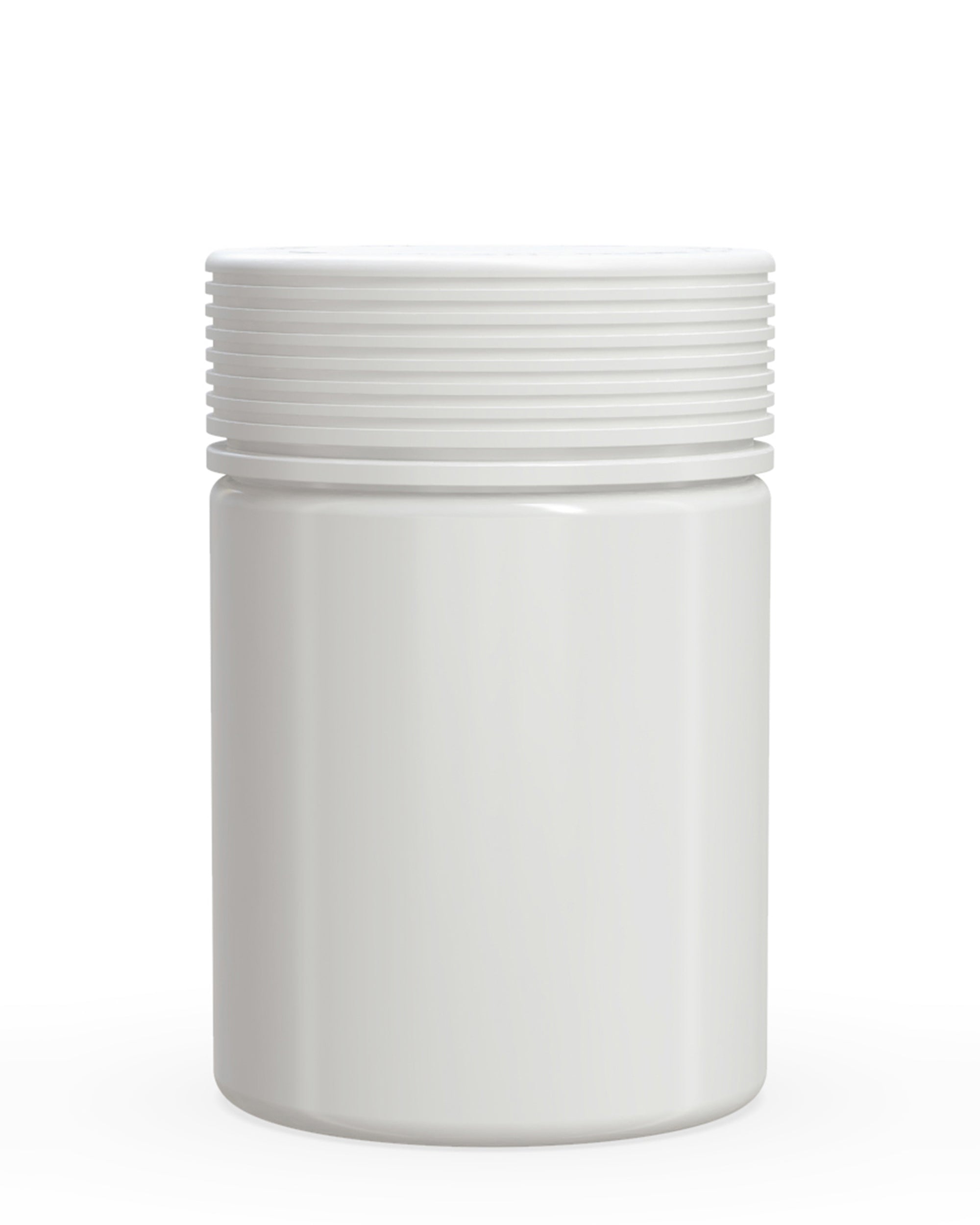
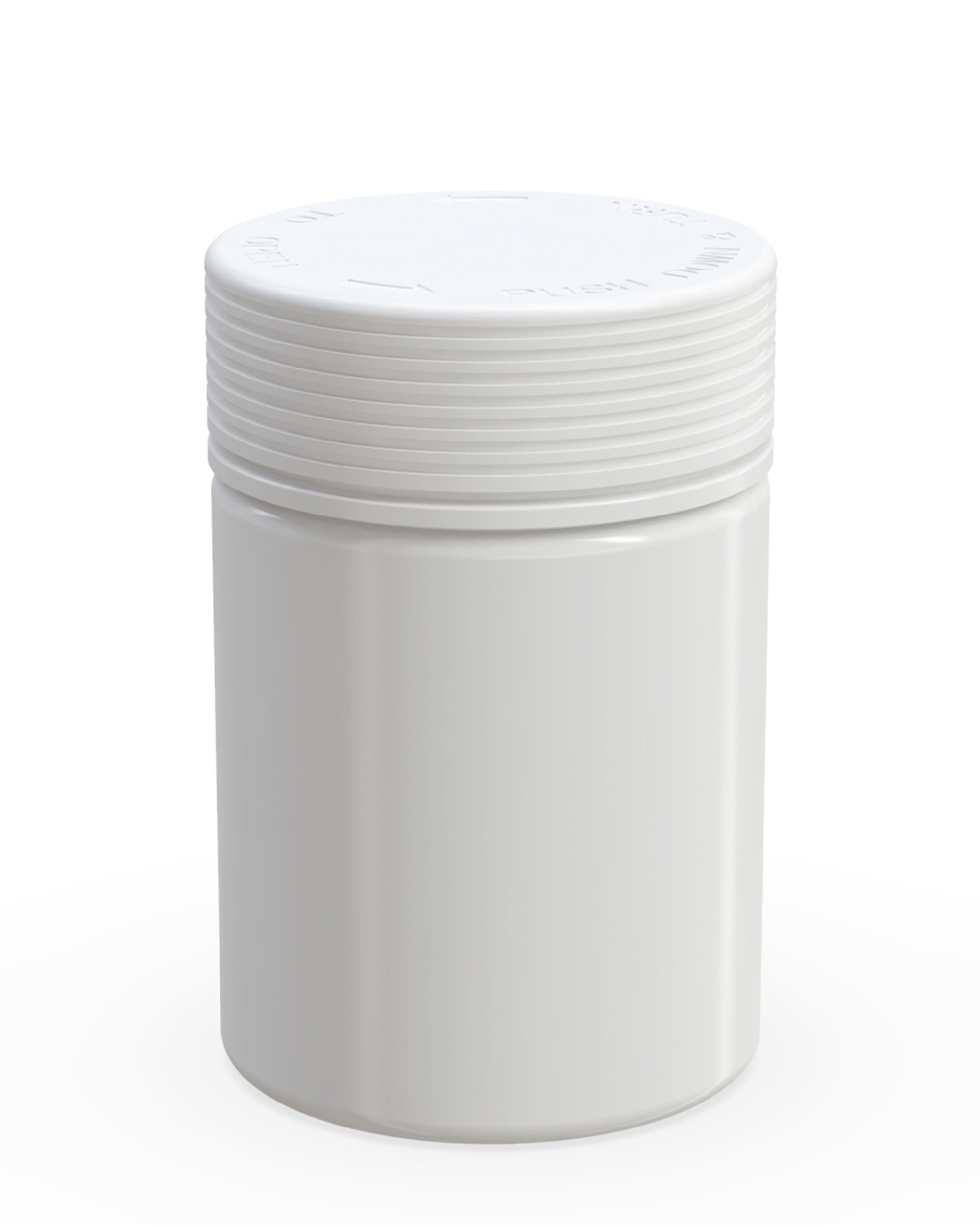
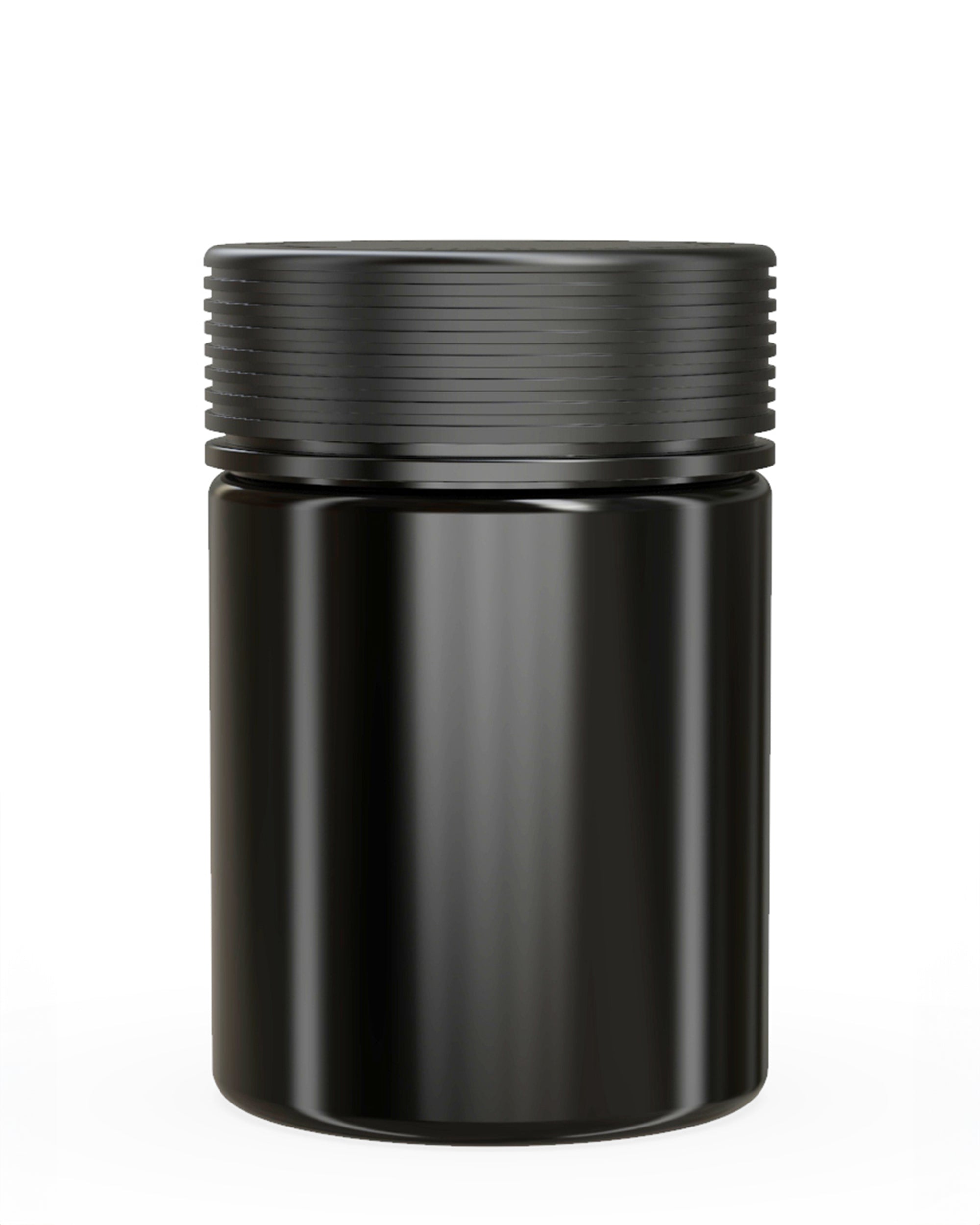
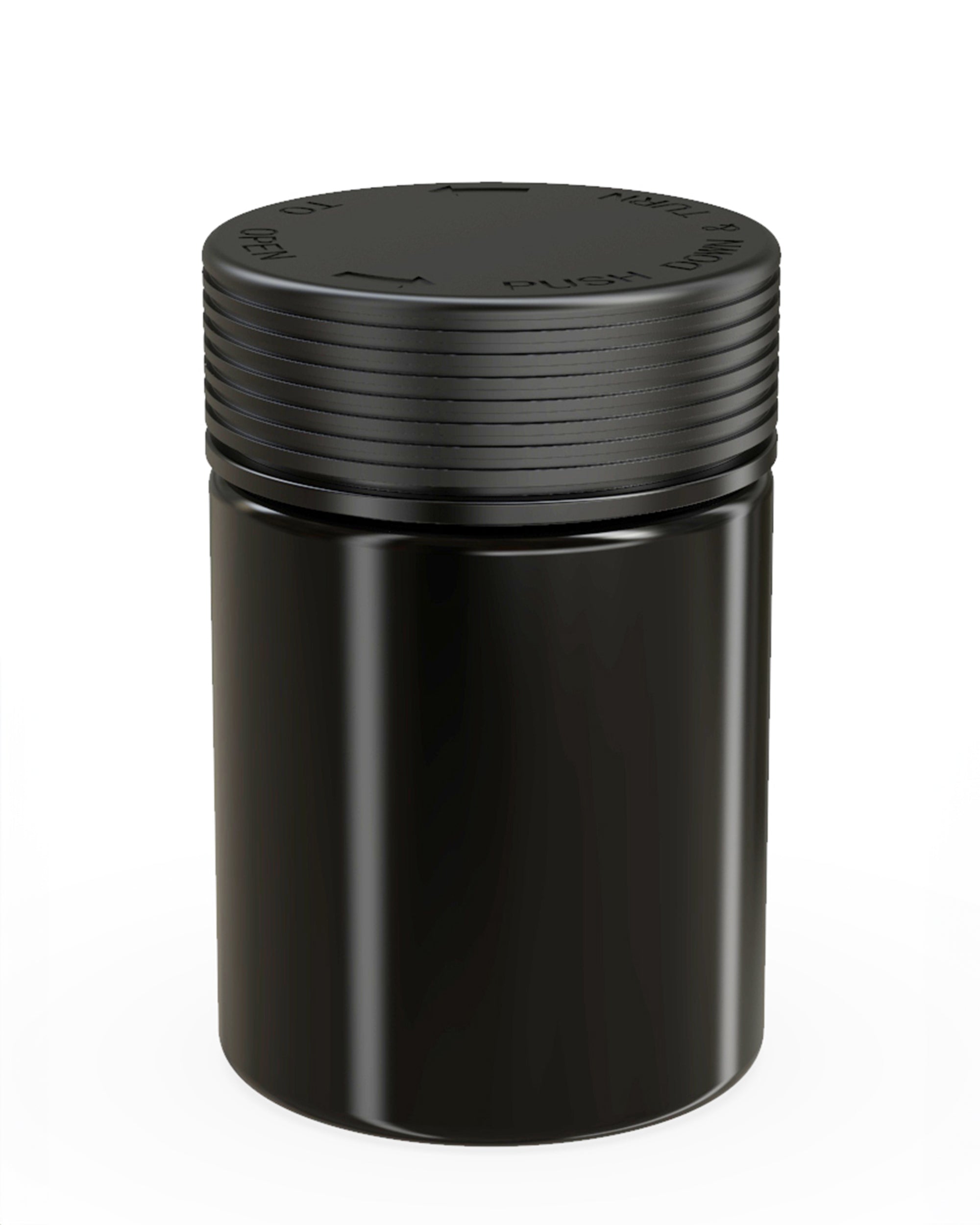
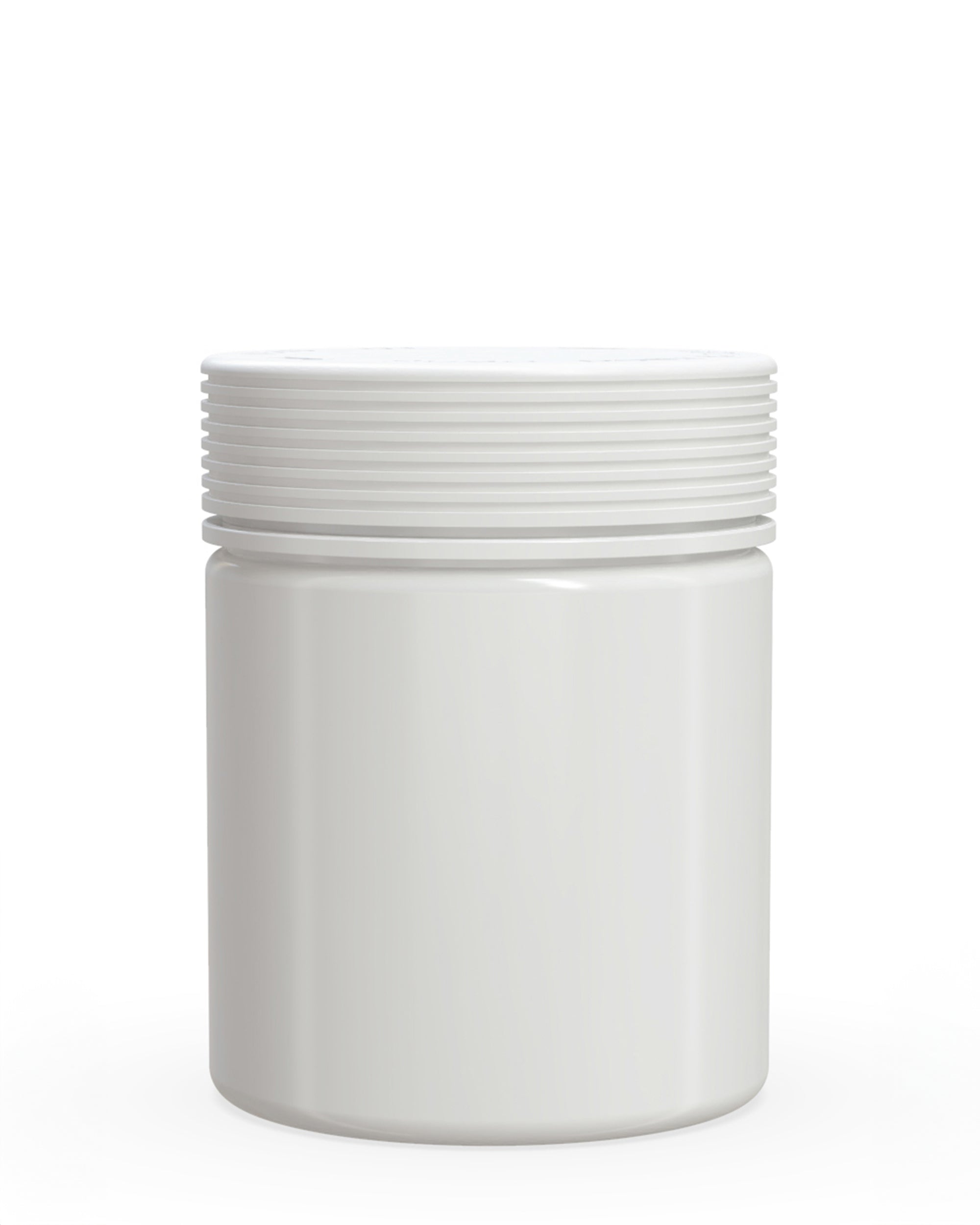
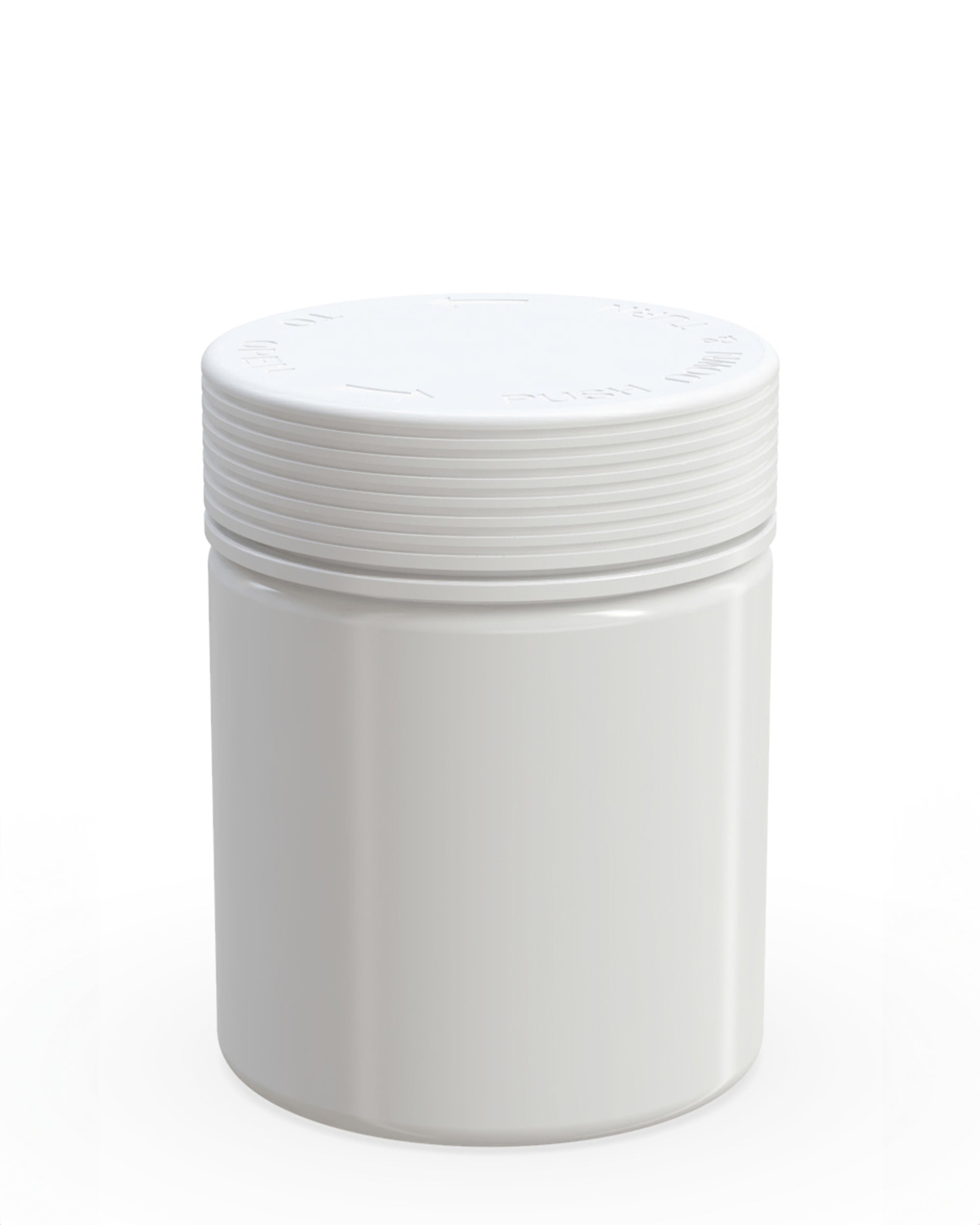
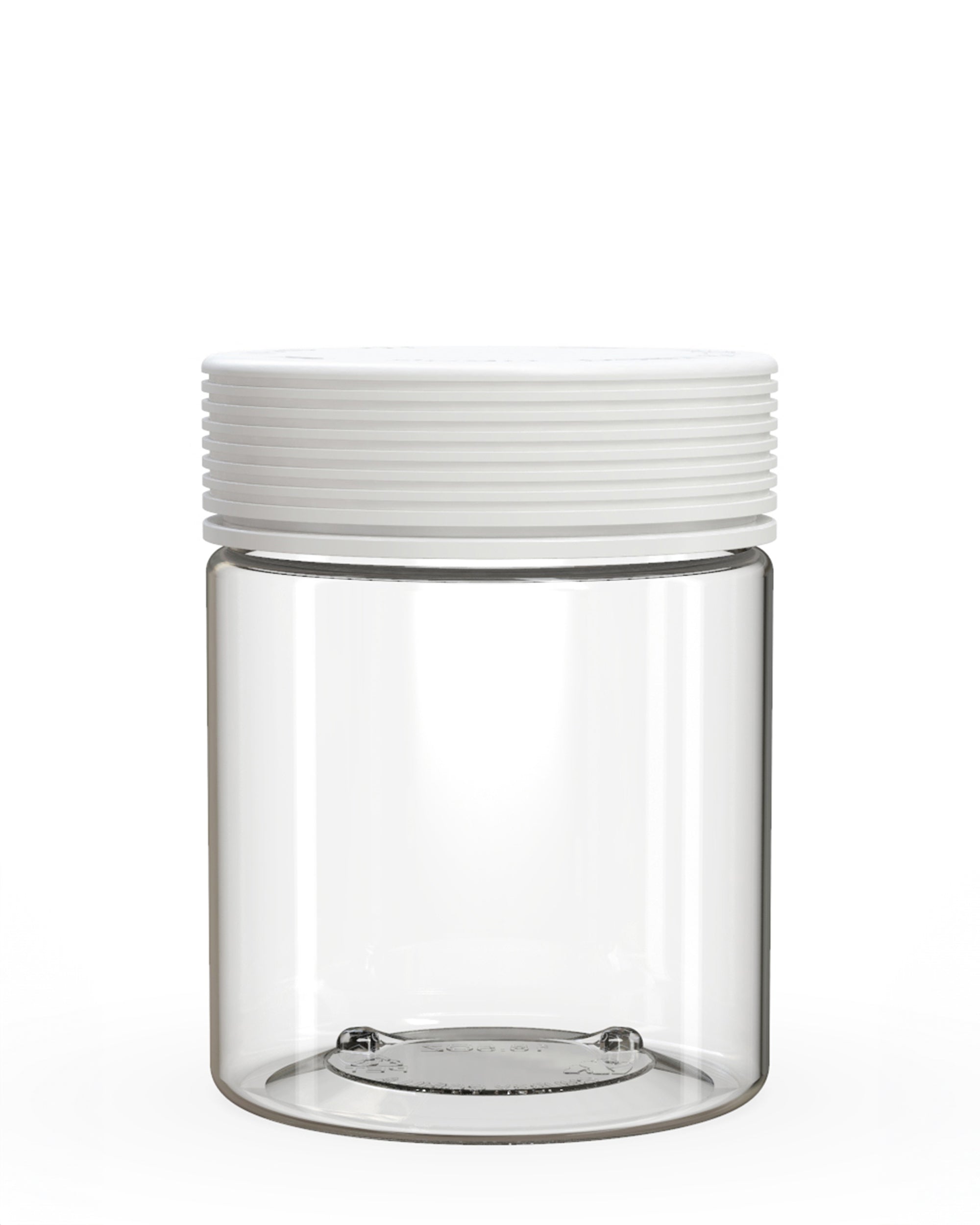
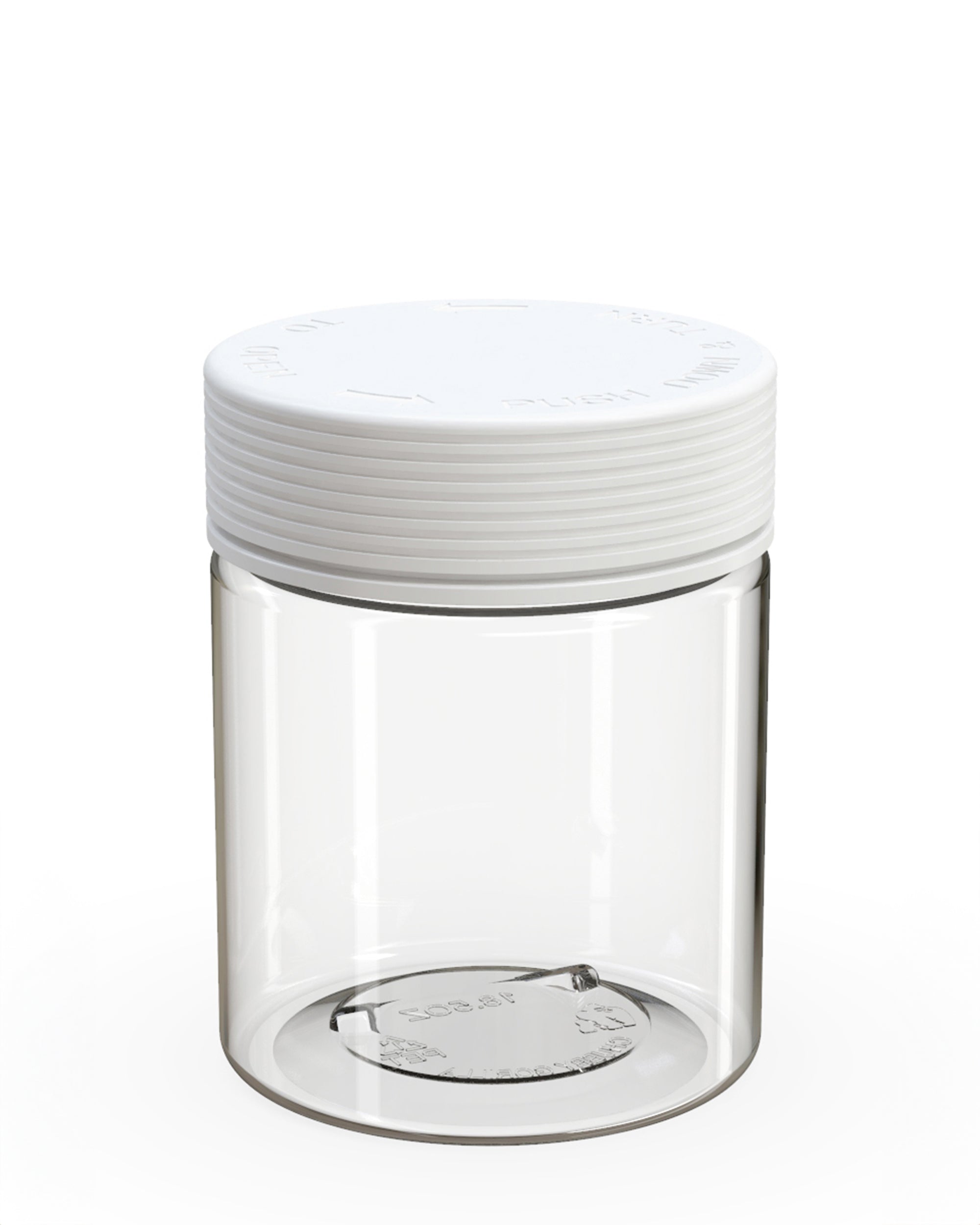
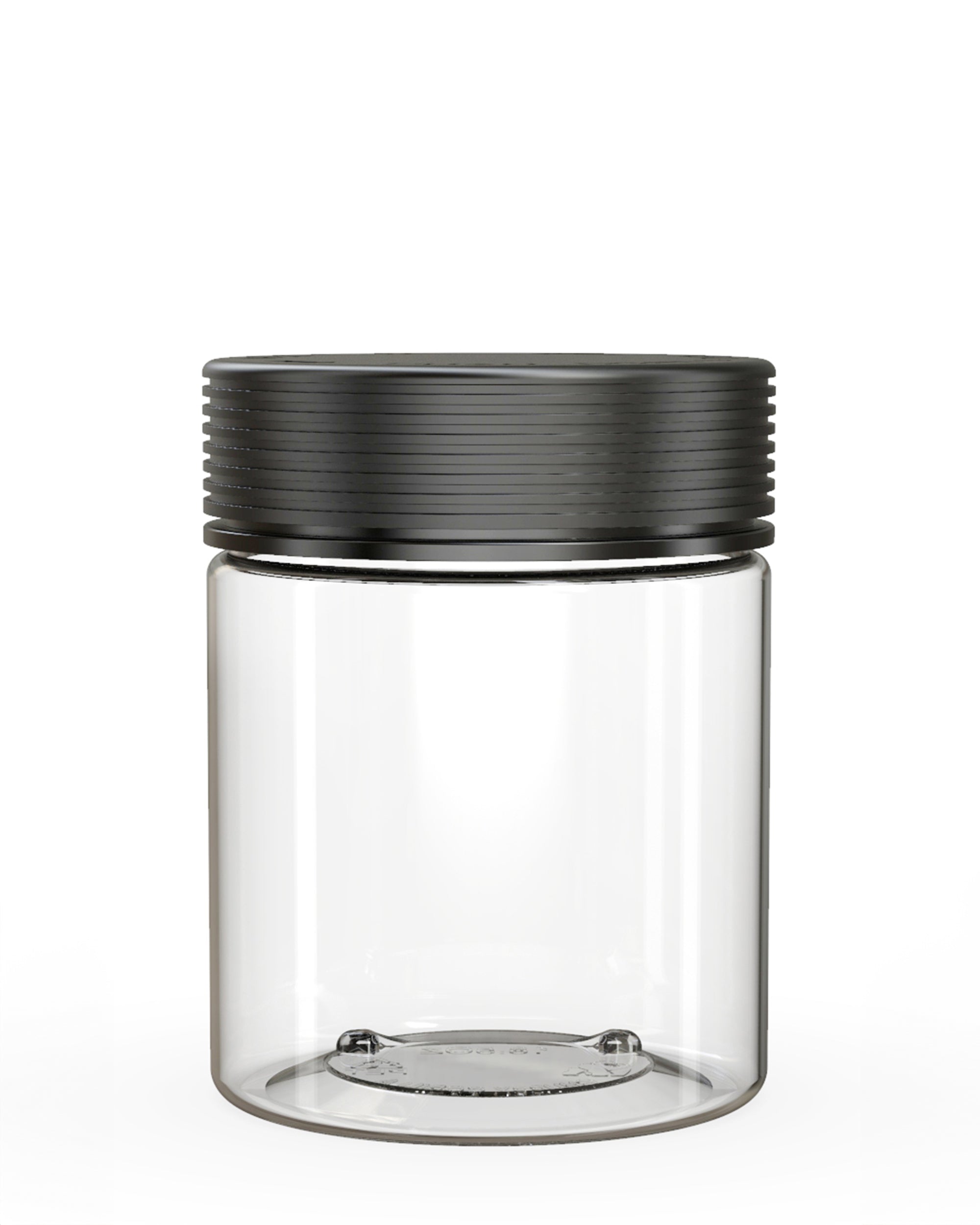
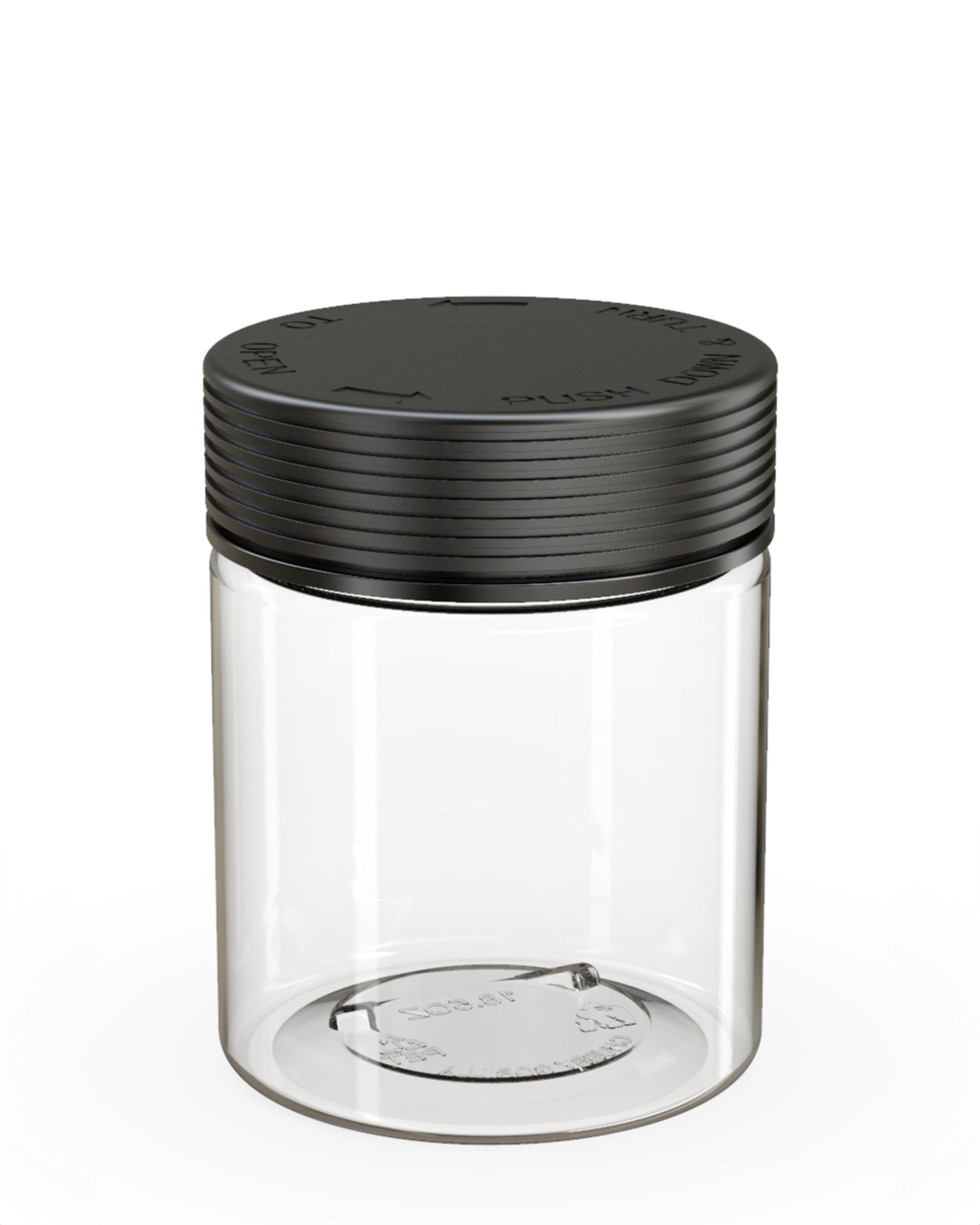
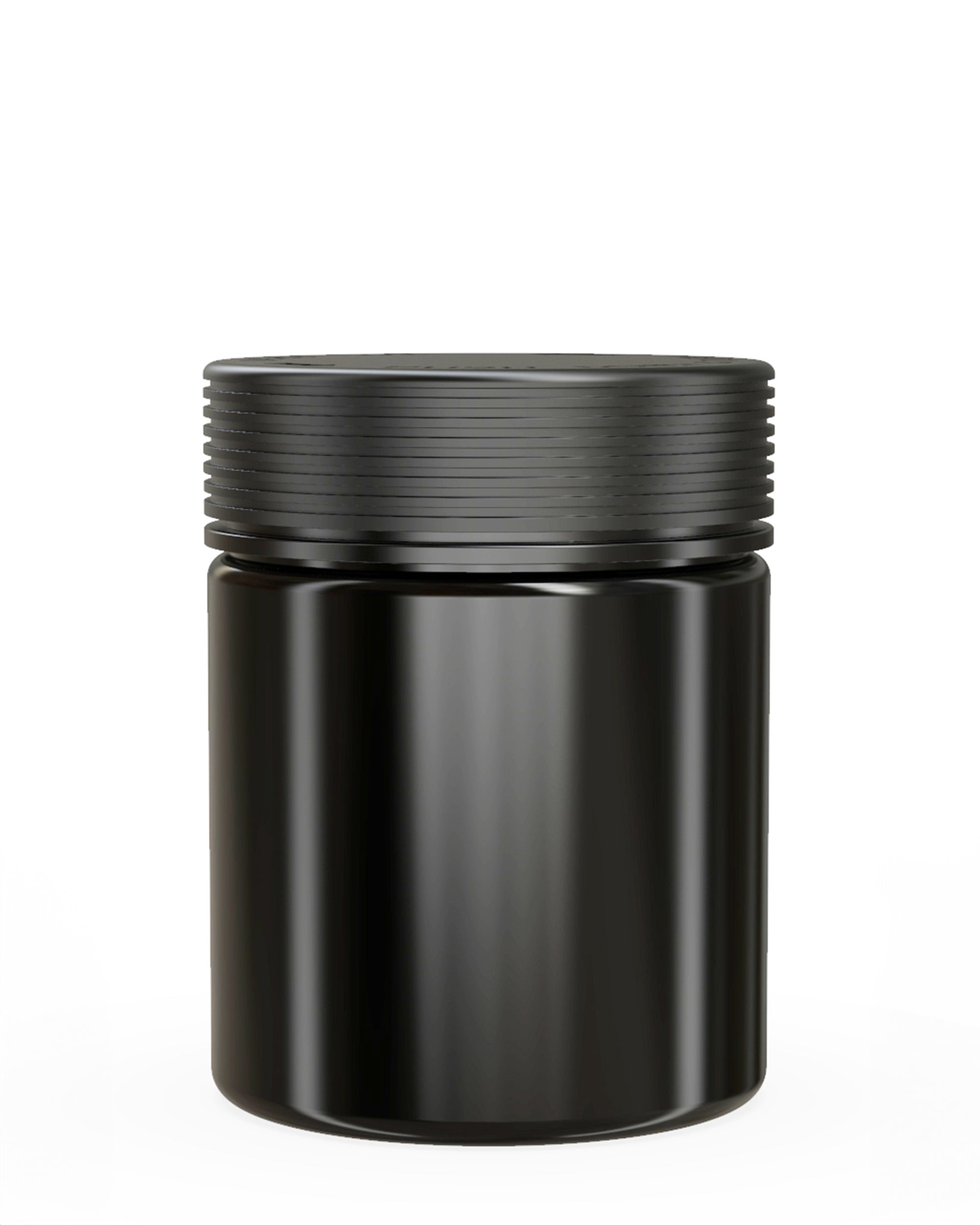
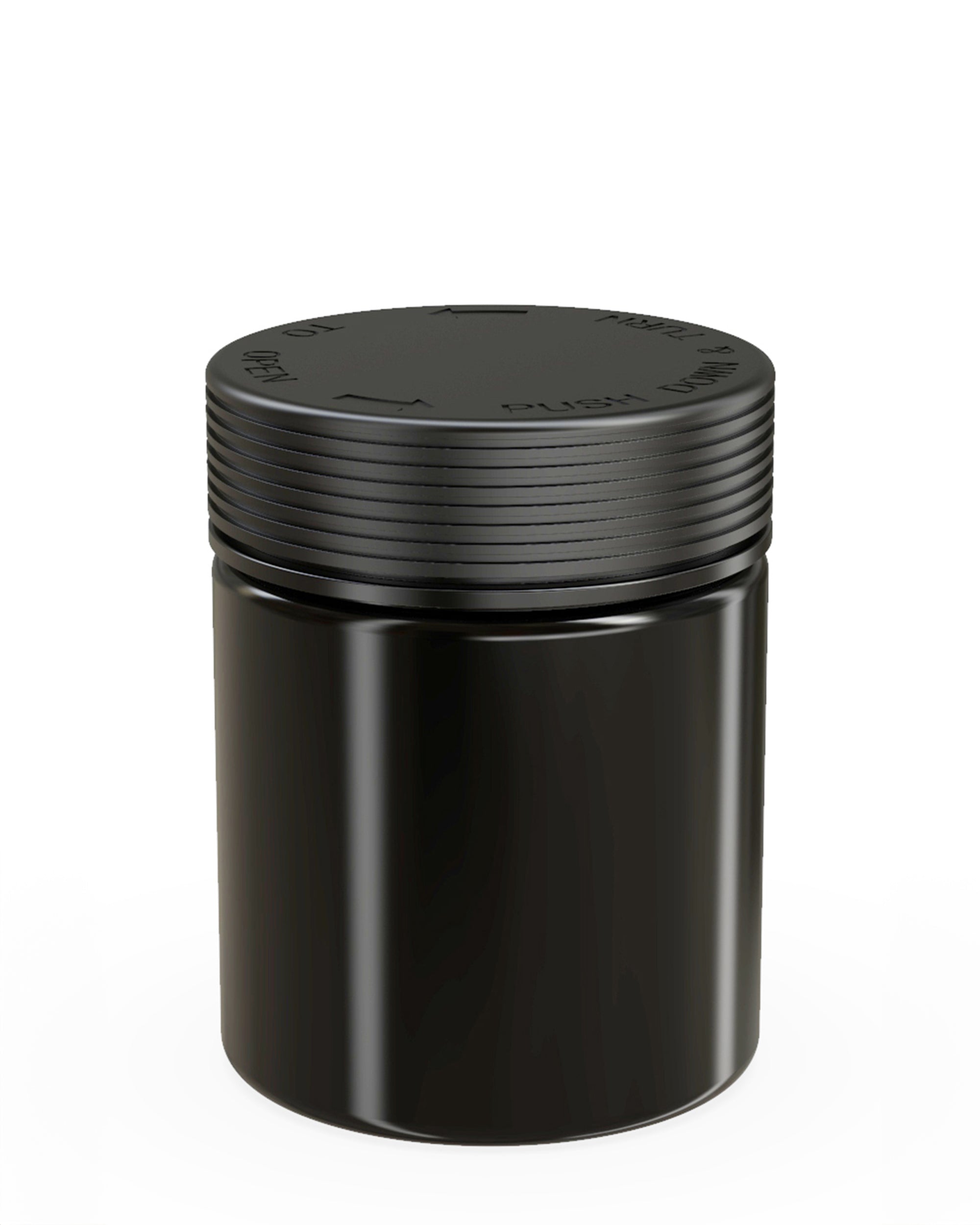
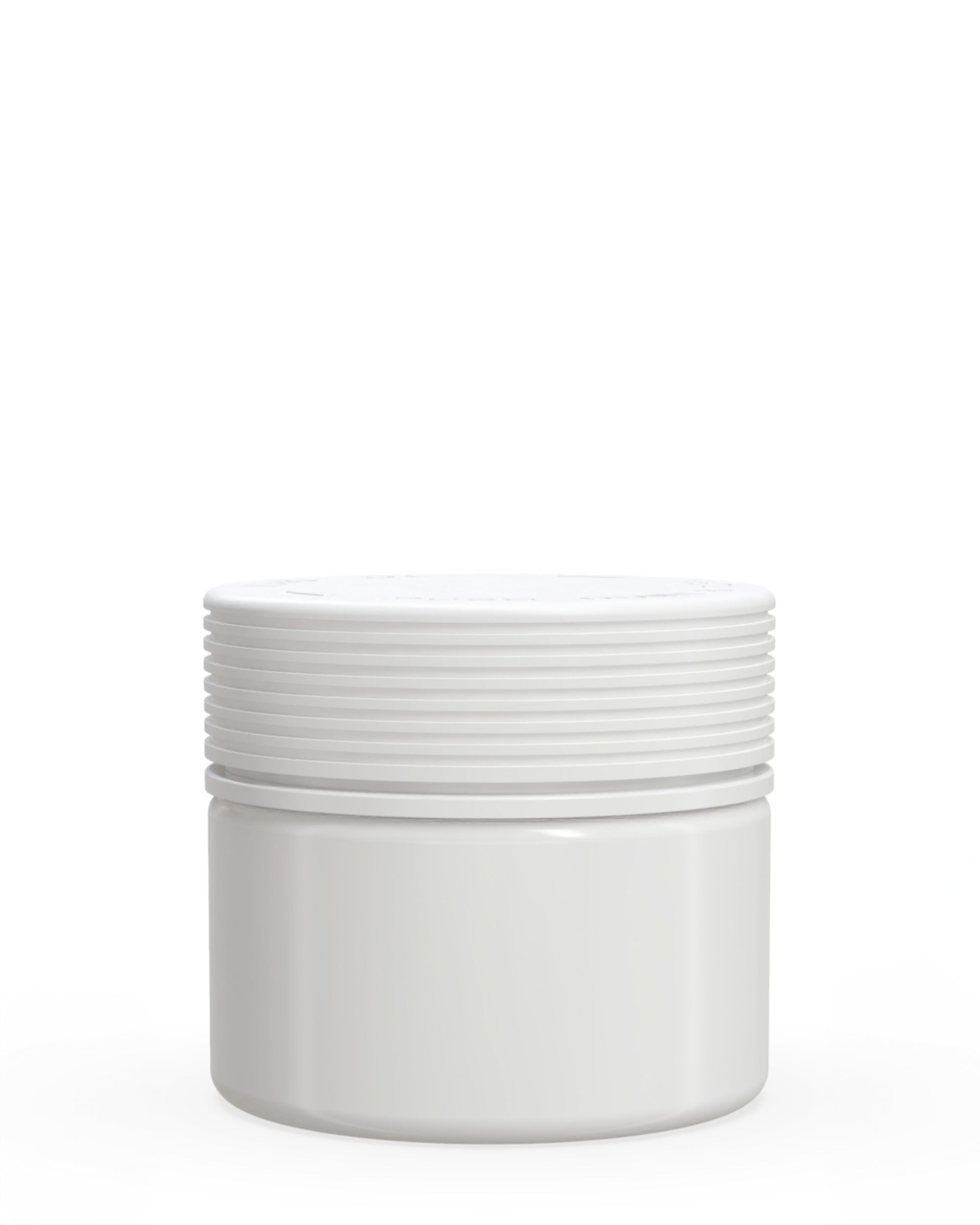
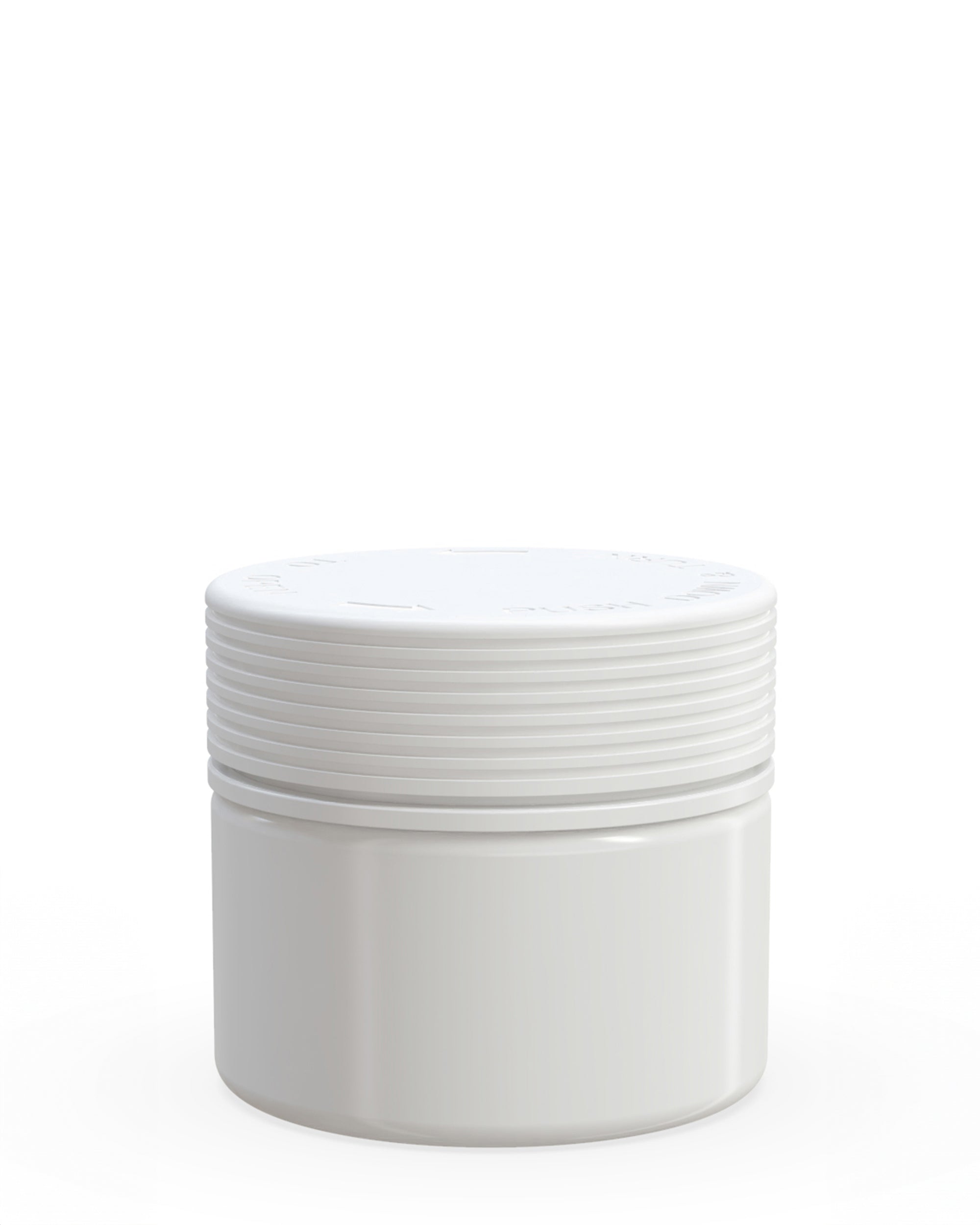
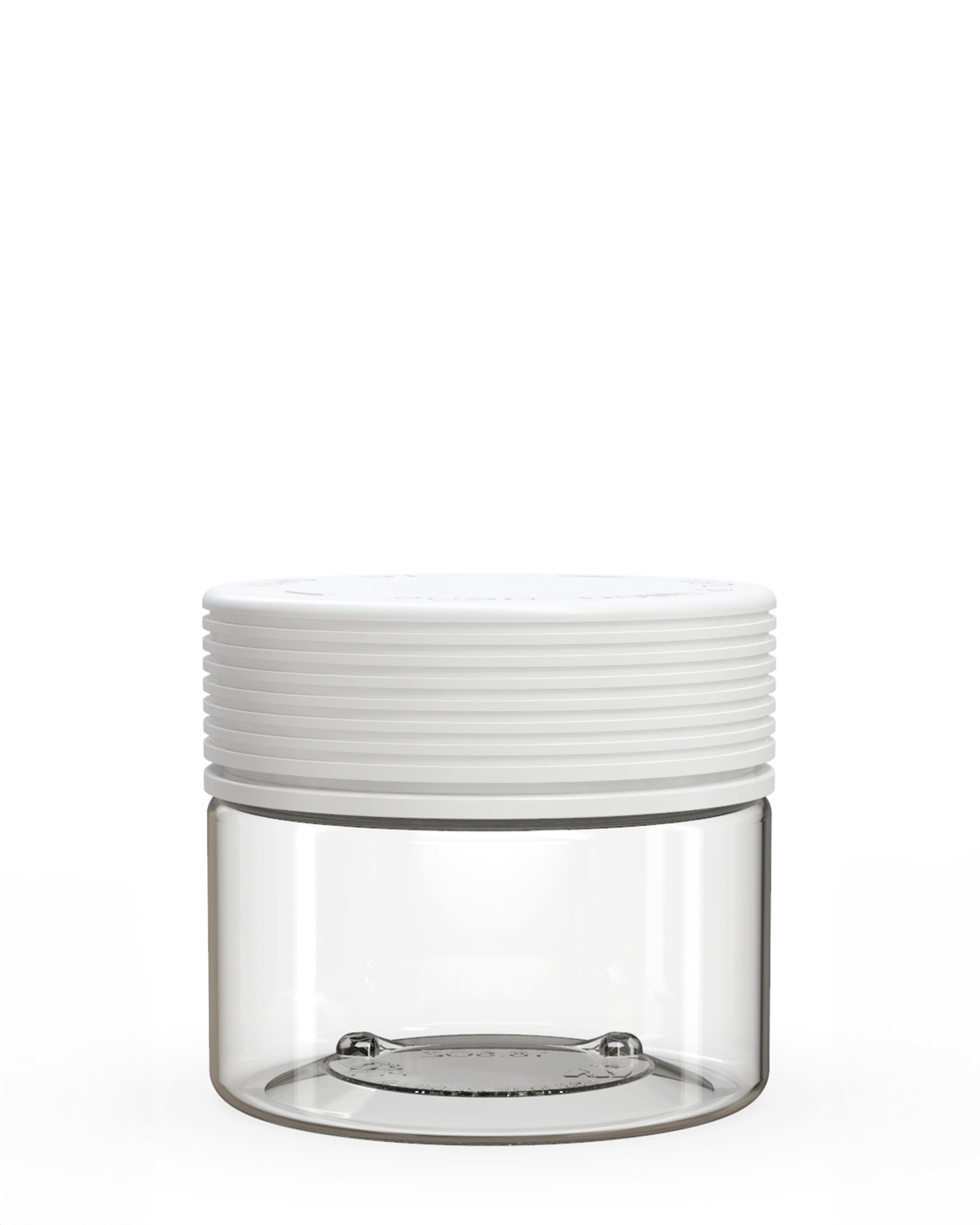
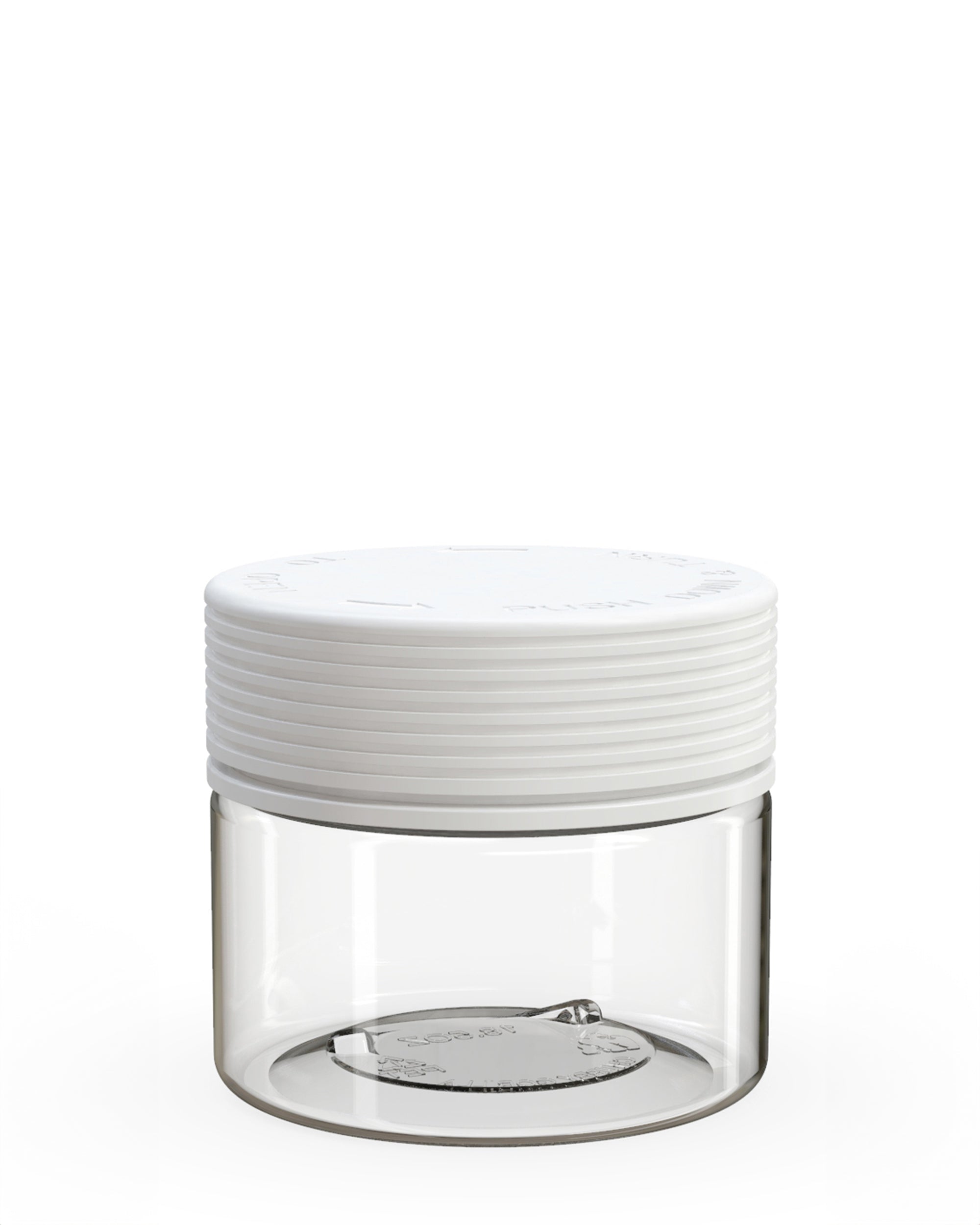
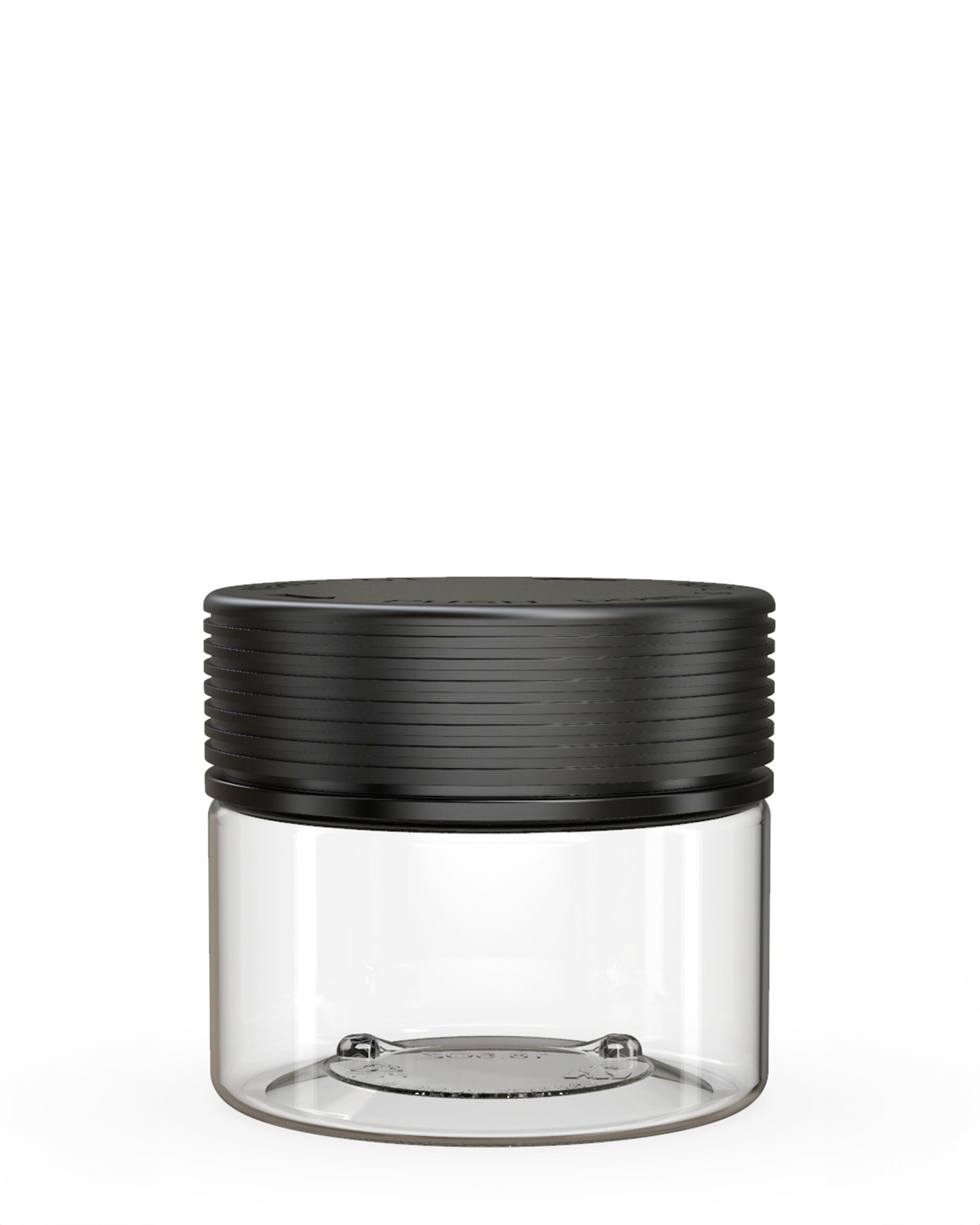
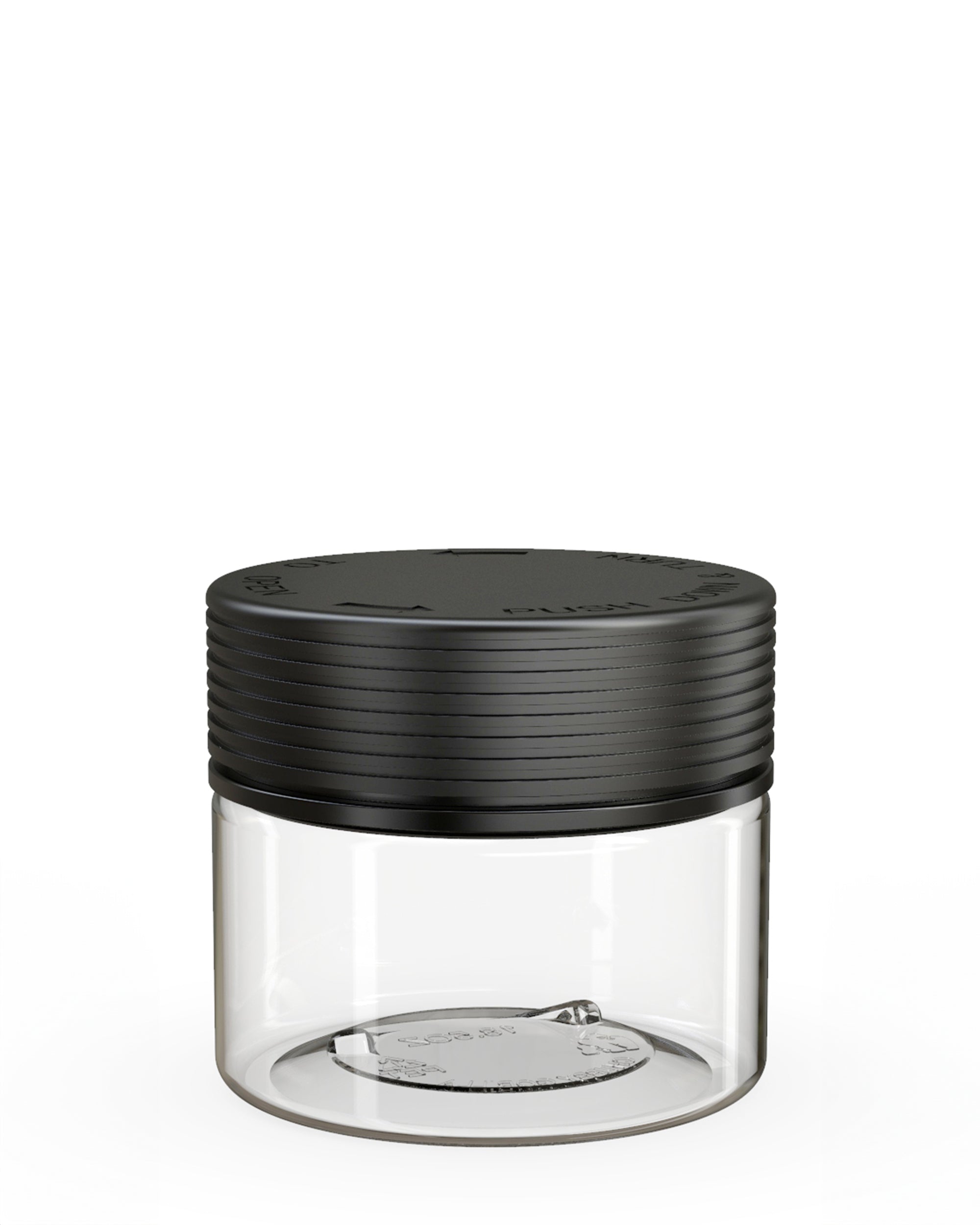
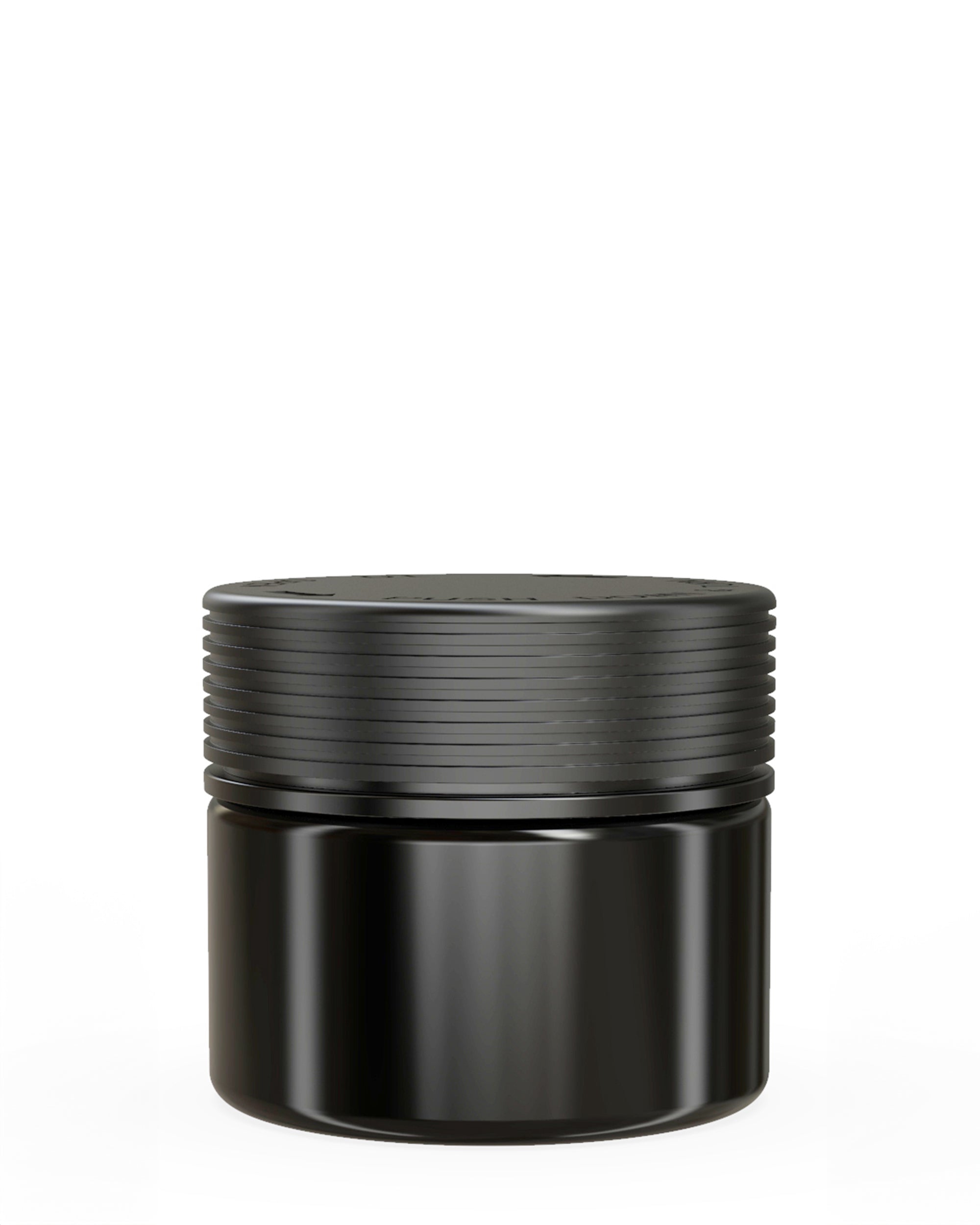
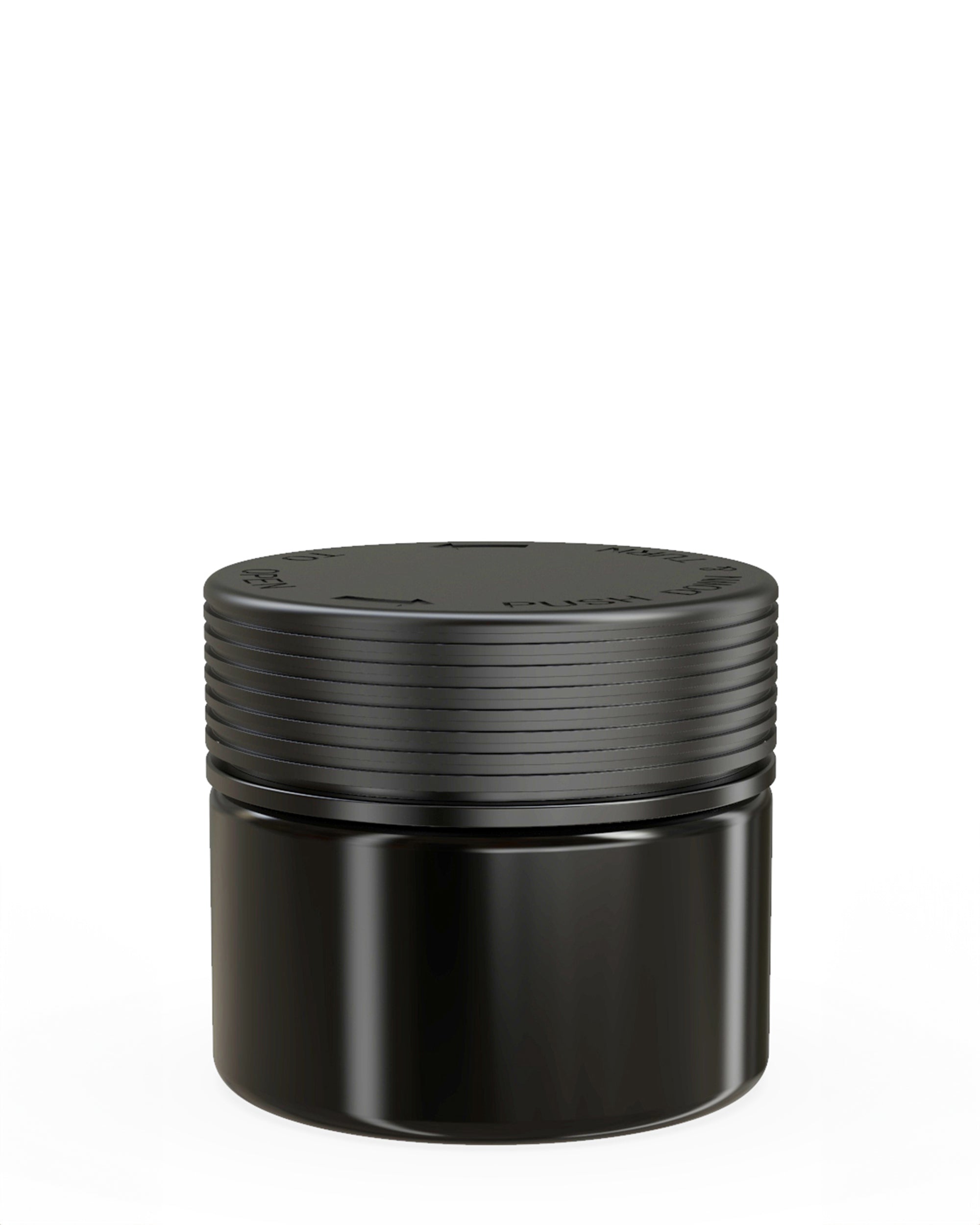
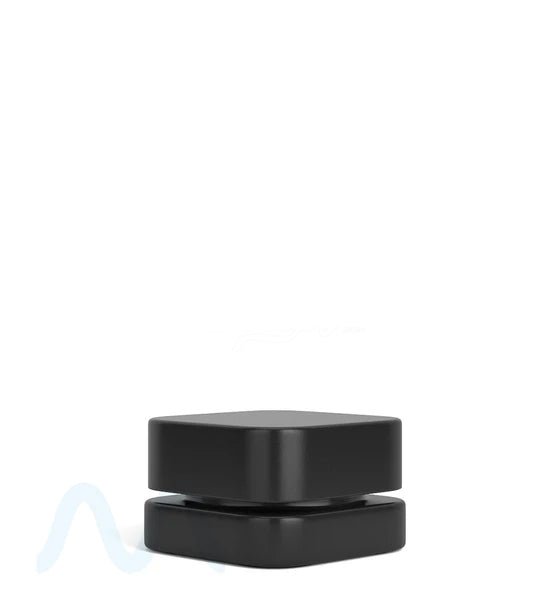
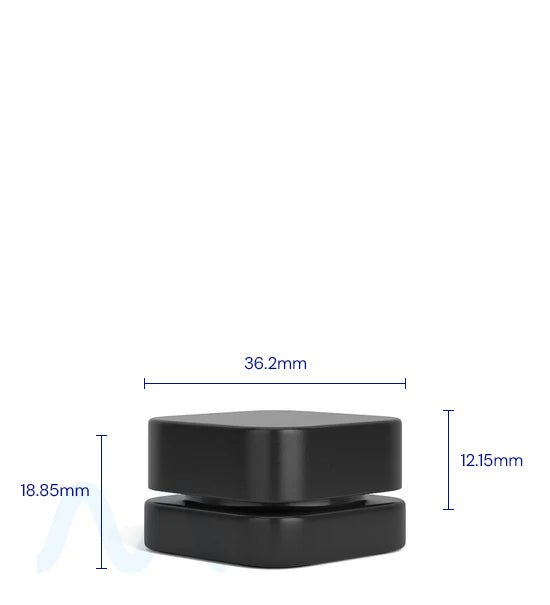
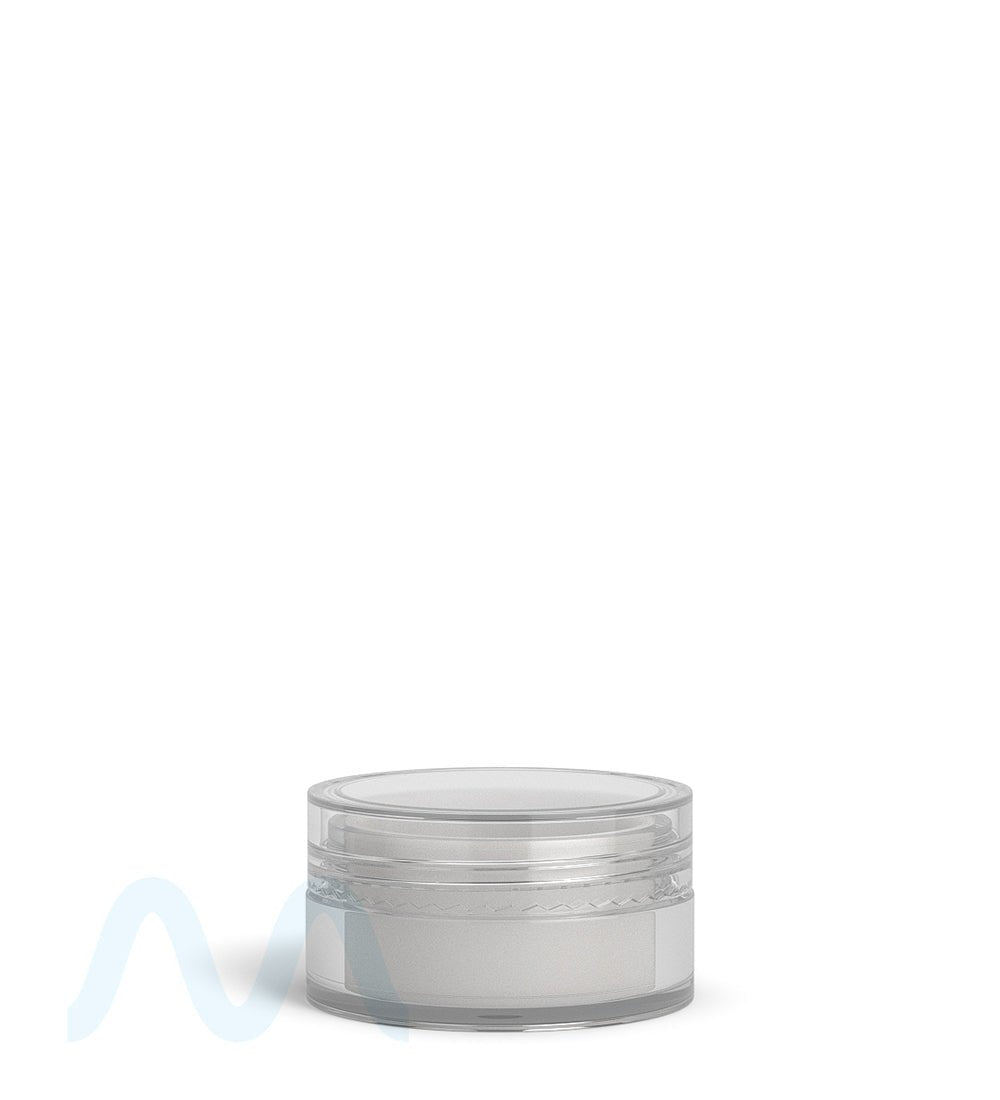
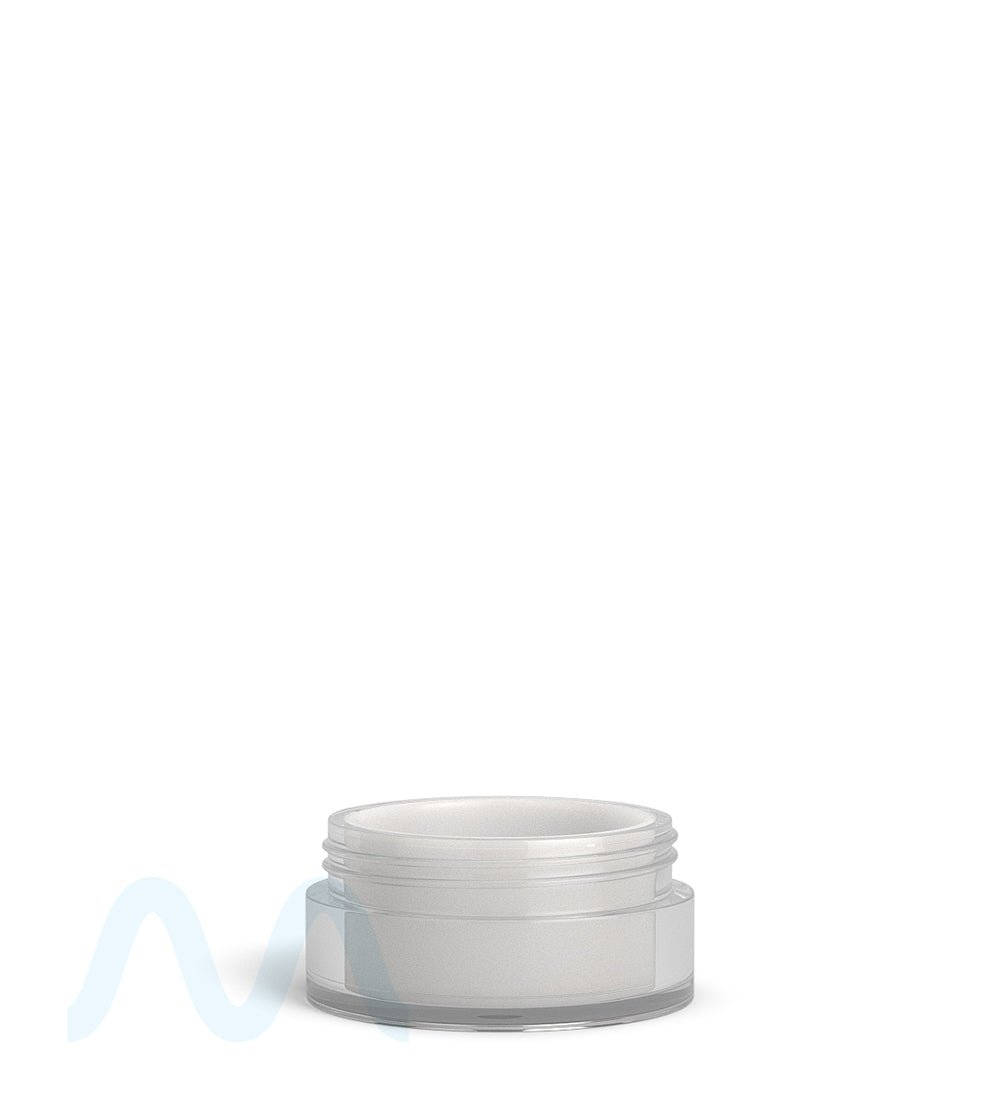
Cosmetic jars remain popular for thicker formulations like body butter packaging and cream packaging. Available in various materials from glass to acrylic, jars provide easy product access and can be designed with double walls or airless technology to extend shelf life. Sizes typically range from delicate 5ml sampling jars to generous 200ml containers for body products.
Bottles and Tubes
Liquid products benefit from controlled dispensing through bottles with various closure systems:
- Pump bottles for lotions and foundations
- Dropper bottles for serums and oils
- Spray bottles for toners and setting sprays
- Squeeze tubes for cleansers and masks
Serum bottles often feature glass construction with dropper applicators for precise dispensing of potent formulations. Meanwhile, lotion packaging typically employs plastic bottles with pumps for convenient one-handed application.
Specialty Containers
Certain beauty categories require specialized packaging solutions:
- Lip balm packaging includes twist-up tubes and small pots
- Lip gloss packaging features tubes with wand applicators
- Perfume packaging emphasizes decorative glass bottles with atomizers
- Makeup containers span from compacts to mascara tubes
Each specialty container addresses unique functional requirements while offering opportunities for brand distinction through custom details.
Material Considerations for Beauty Packaging
Material selection significantly impacts product stability, sustainability profile, and perceived value. Different materials offer varying benefits for beauty containers.
Glass Containers
Glass remains preferred for premium skincare packaging due to its exceptional barrier properties and luxurious weight. Benefits include:
- Chemical inertness preventing formula interaction
- Superior oxygen barrier properties
- Recyclability and premium perception
- Compatibility with heat sterilization
However, glass presents challenges including weight, fragility, and higher shipping costs. Many brands reserve glass for their premium lines or smaller products like skincare containers for serums and treatments.
Plastic Options
Plastic offers versatility, durability, and cost advantages for many beauty applications:
- PET (Polyethylene Terephthalate): Transparent, recyclable, good for water-based products
- HDPE (High-Density Polyethylene): Chemical resistant, suitable for oils and surfactants
- PP (Polypropylene): Heat resistant, ideal for hot-fill products
- PETG: Offers glass-like clarity with plastic durability
Plastic dominates categories requiring durability and lightweight properties, including hair care packaging and body care packaging.
Selecting Wholesale Containers for Beauty Products
Sourcing wholesale containers for beauty products requires balancing multiple factors to ensure successful product launches and line extensions. Volume purchasing offers significant cost advantages but requires careful planning.
Minimum Order Quantities
Wholesale beauty containers typically come with minimum order quantities (MOQs) that vary based on:
- Container type and complexity
- Material specifications
- Customization requirements
- Supplier relationships
New brands may benefit from suppliers offering lower MOQs for standard containers, allowing for testing before committing to larger quantities. As production scales, higher MOQs become more economically feasible.
Customization Options
Empty beauty containers can be customized through various techniques:
- Color matching to brand specifications
- Silk screening or hot stamping for logos
- Custom closures and applicators
- Decorative elements like metallization or soft-touch coatings
Customization costs decrease at scale, making wholesale purchasing advantageous for established brands with consistent packaging needs. For makeup packaging and hand cream packaging, distinctive visual elements often justify the investment in custom components.
Lead Times and Inventory Management
Successful beauty brands develop strategic approaches to inventory management, considering:
- Production lead times (typically 8-12 weeks for custom packaging)
- Seasonal demand fluctuations
- Storage capacity and costs
- Reorder points based on sales velocity
Many brands adopt hybrid approaches, maintaining stock of standard containers while planning custom packaging for flagship products or seasonal collections.
Sustainability Trends in Beauty Packaging
The beauty industry is experiencing a significant shift toward sustainable packaging solutions in response to consumer demand and environmental concerns. Brands seeking eco-friendly empty beauty containers now have expanding options.
Sustainable innovations in beauty packaging include:
- Post-consumer recycled (PCR) plastic components
- Refillable and reusable container systems
- Biodegradable and compostable materials for soap packaging and other suitable products
- Mono-material designs that simplify recycling
- Reduced packaging weight and volume
These advancements allow brands to align with consumer values while reducing environmental impact. Many suppliers now offer minimum percentages of recycled content in standard container lines, making sustainability more accessible at wholesale volumes.
When evaluating sustainable options for beauty containers, brands should consider full lifecycle impacts, including manufacturing processes, transportation efficiency, end-of-life recyclability, and consumer behavior. Transparent communication about packaging choices builds consumer trust and reinforces brand values.
As technology advances, the performance gap between conventional and sustainable packaging continues to narrow, allowing brands to make responsible choices without compromising product protection or aesthetic appeal. This evolution represents a fundamental shift in how beauty products are packaged and presented to increasingly environmentally conscious consumers.