


Body Butter Containers


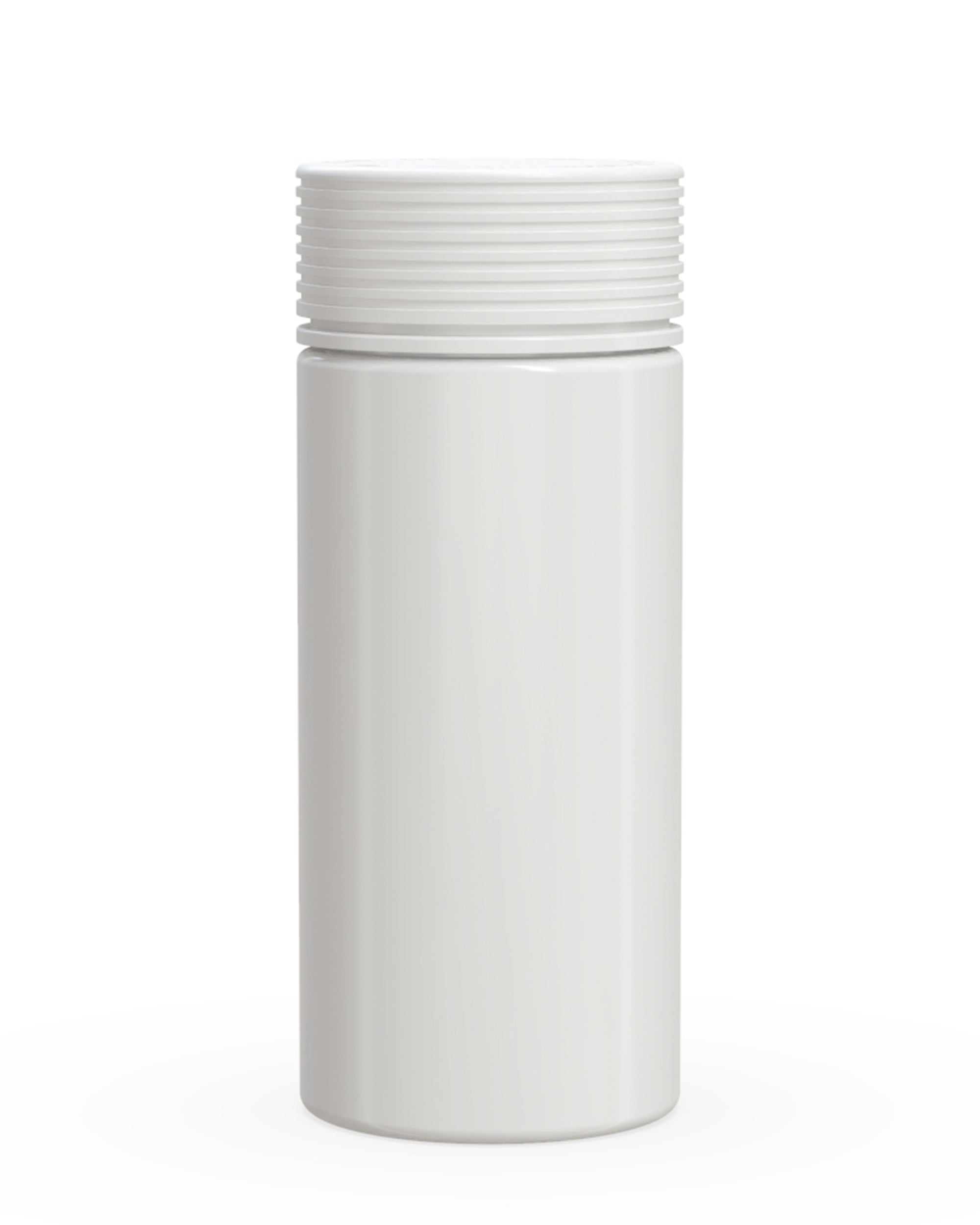
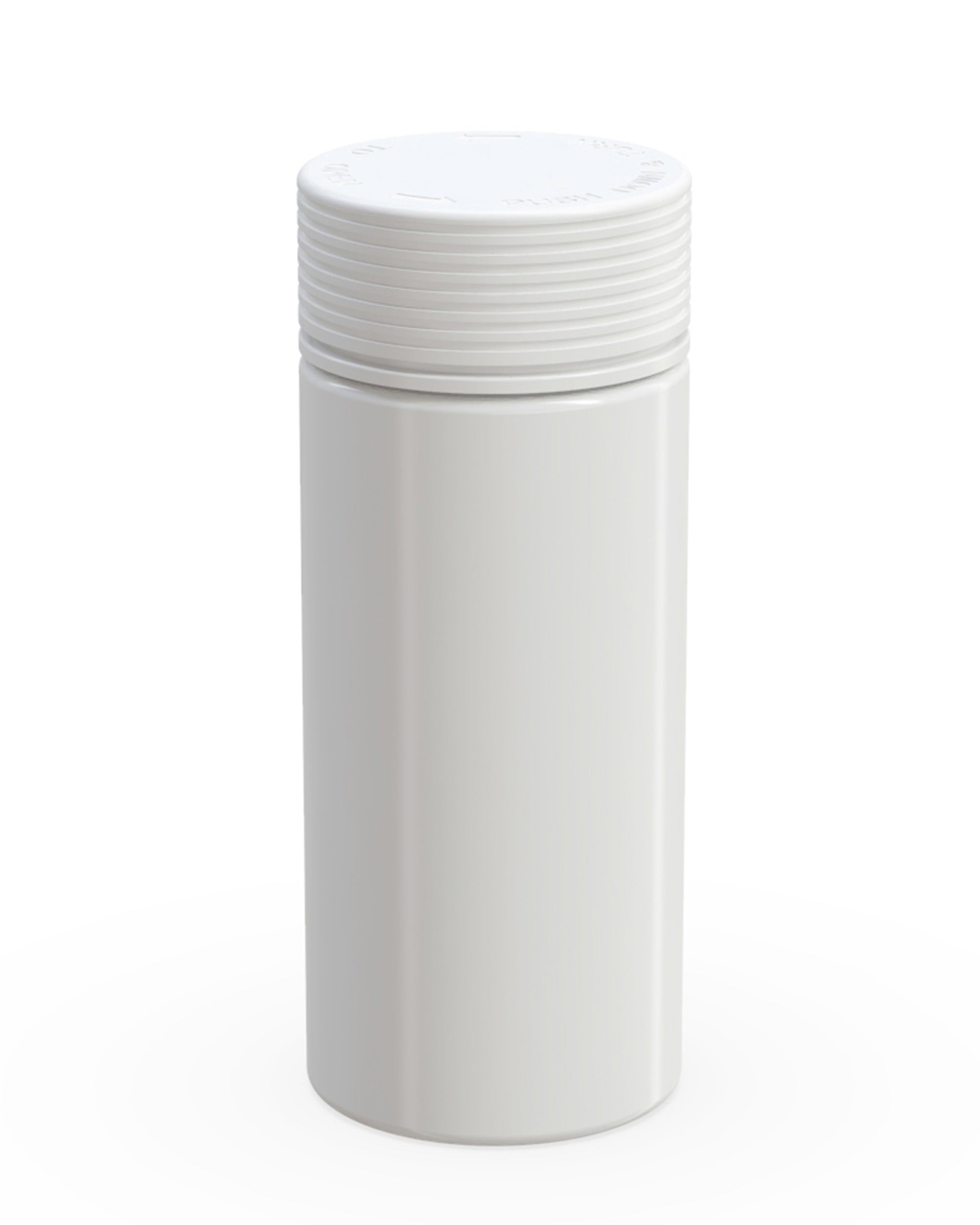
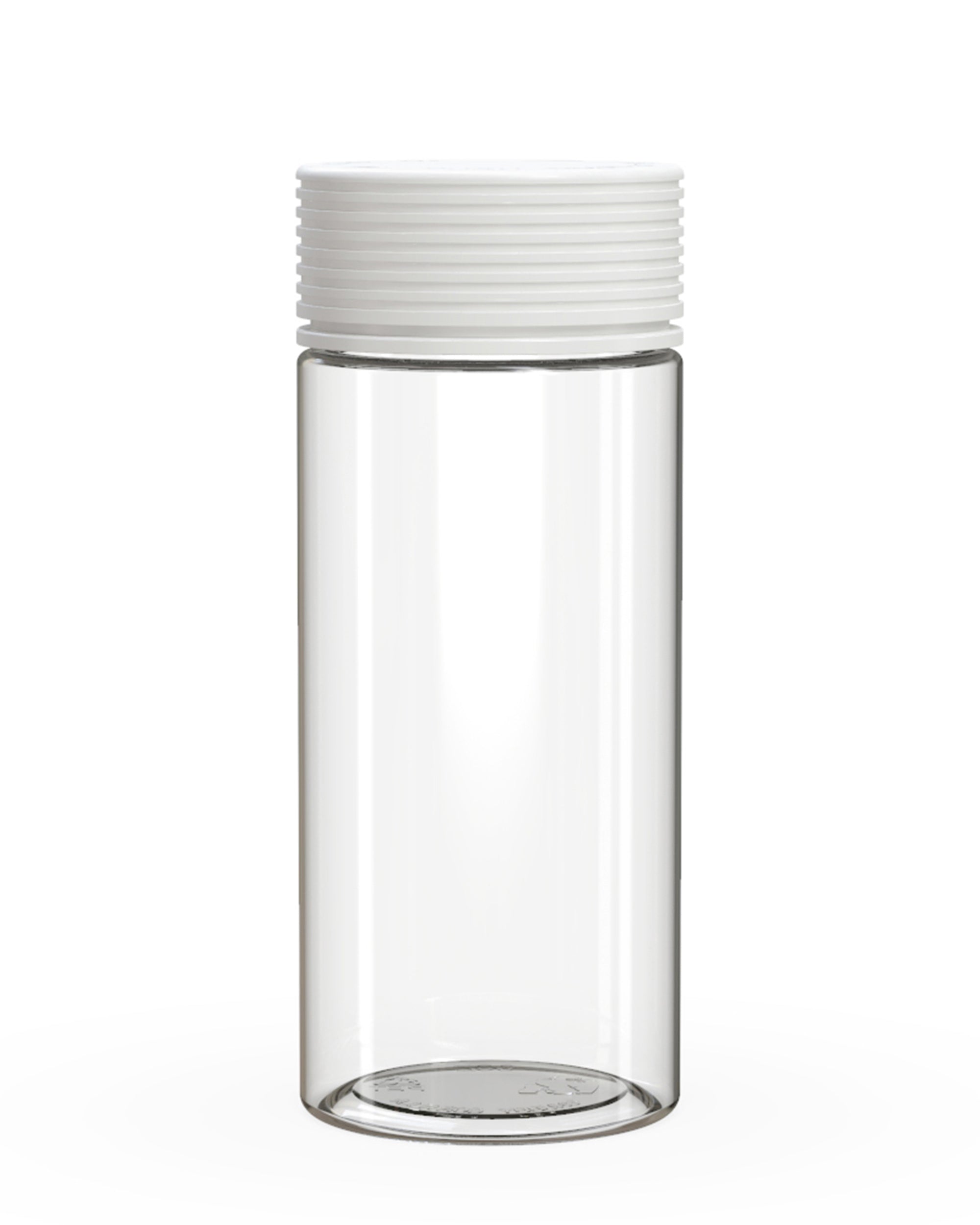
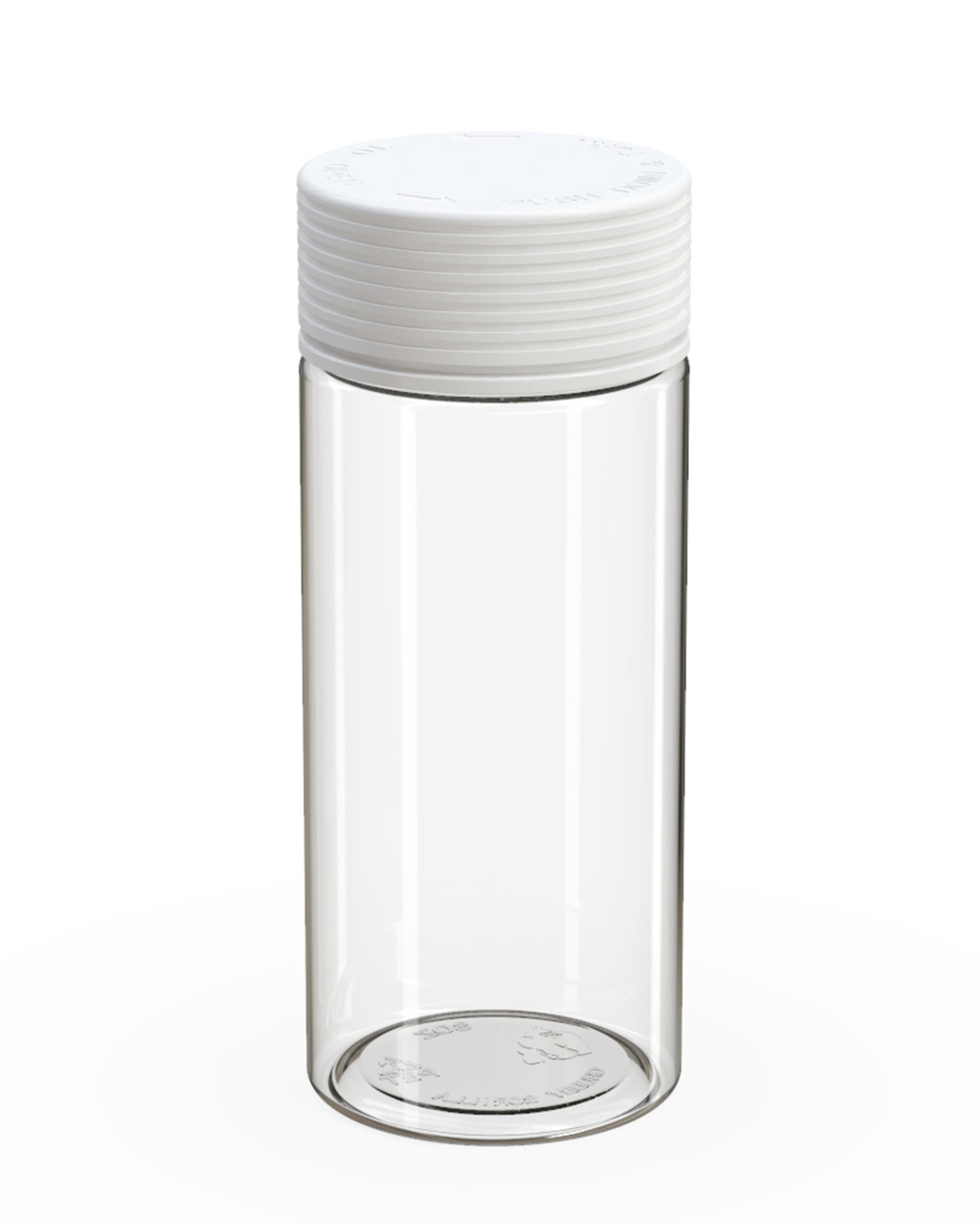
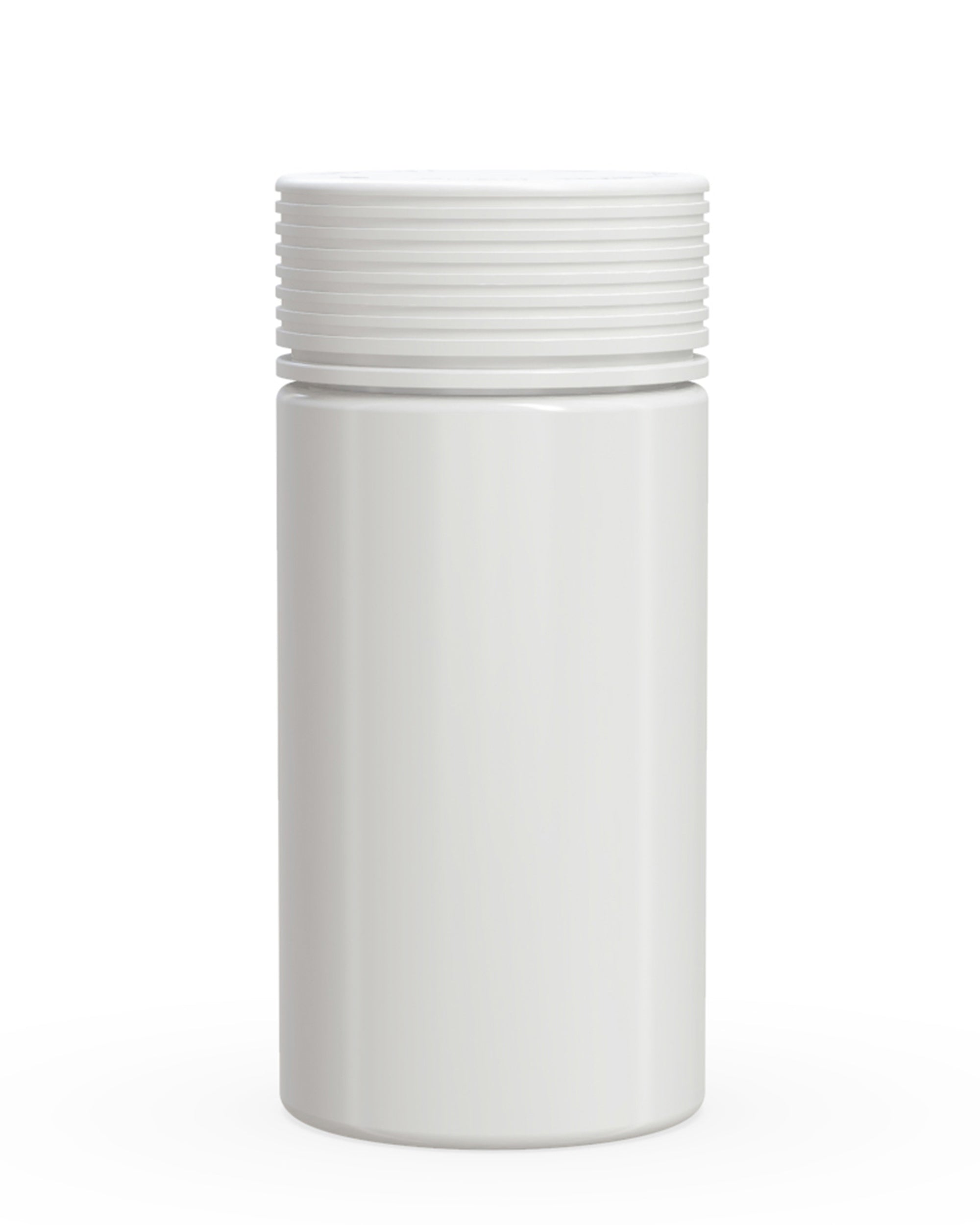
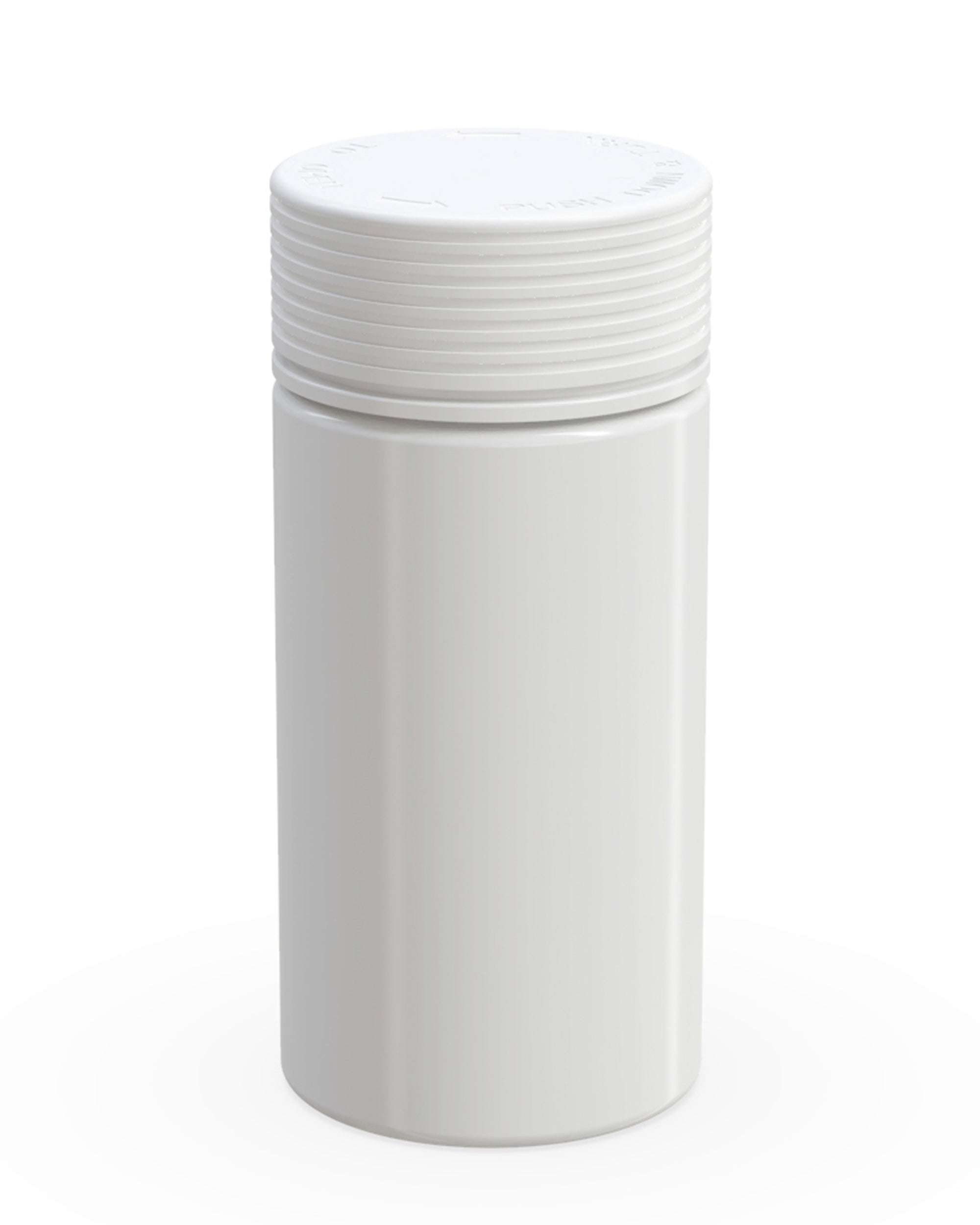
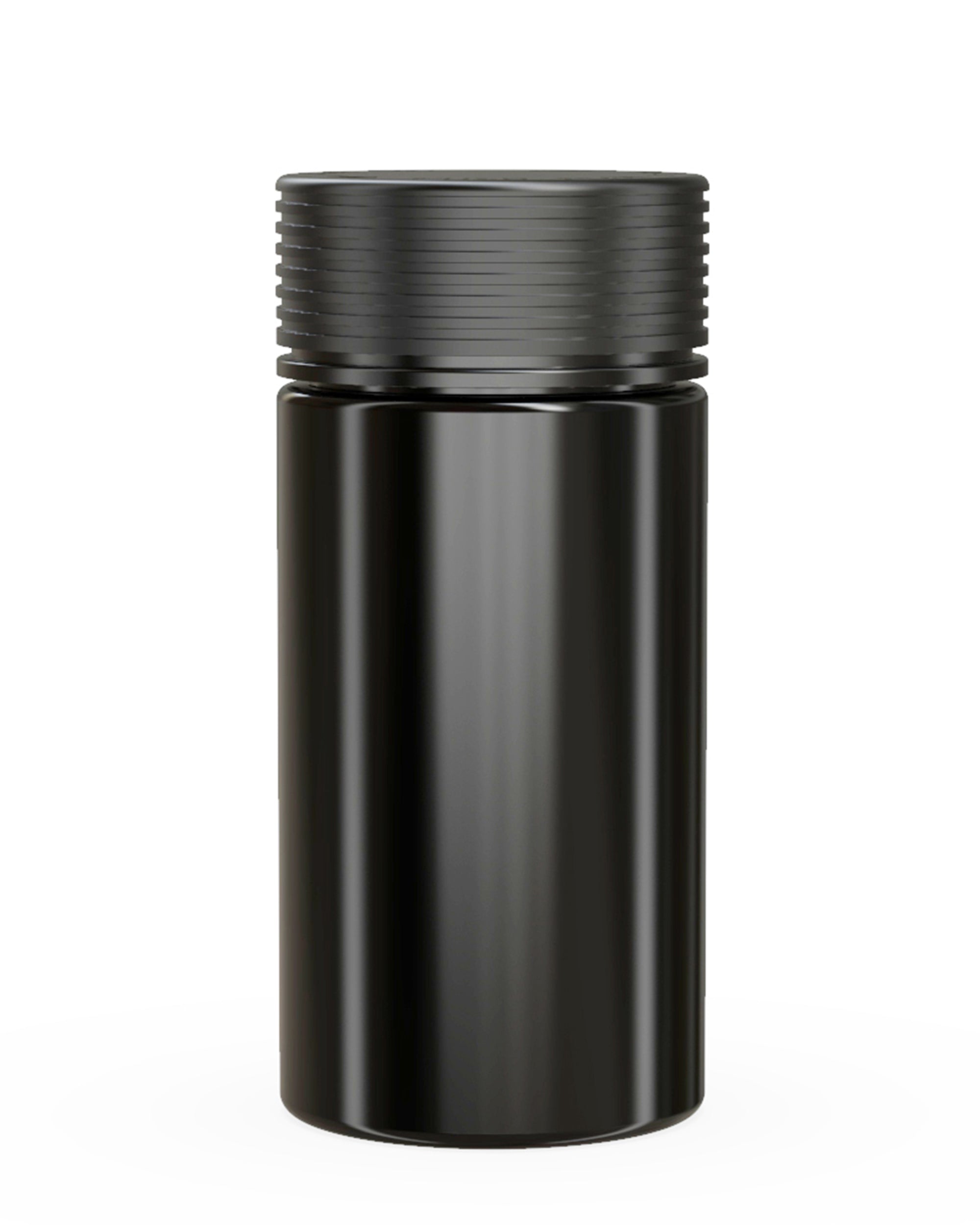
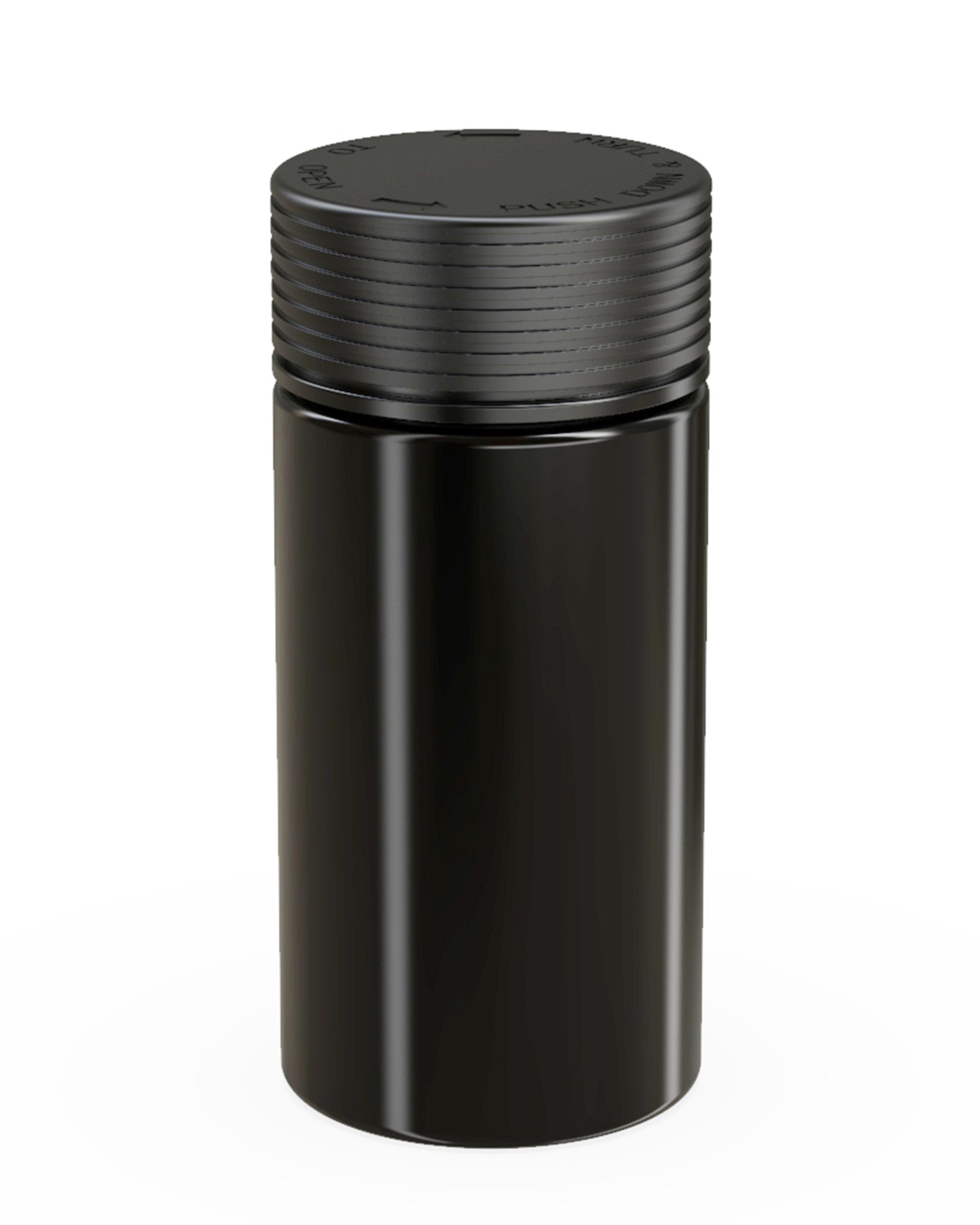
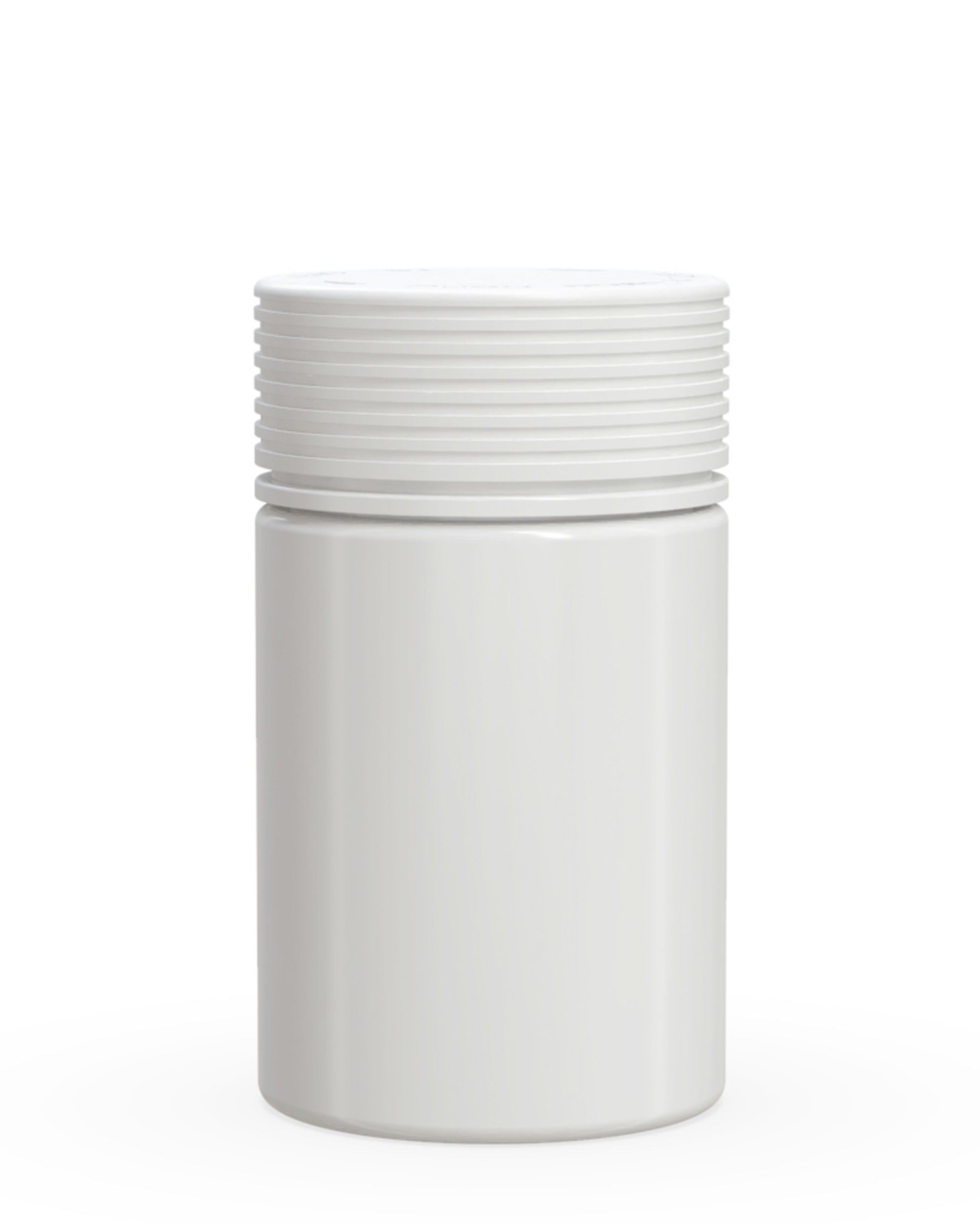
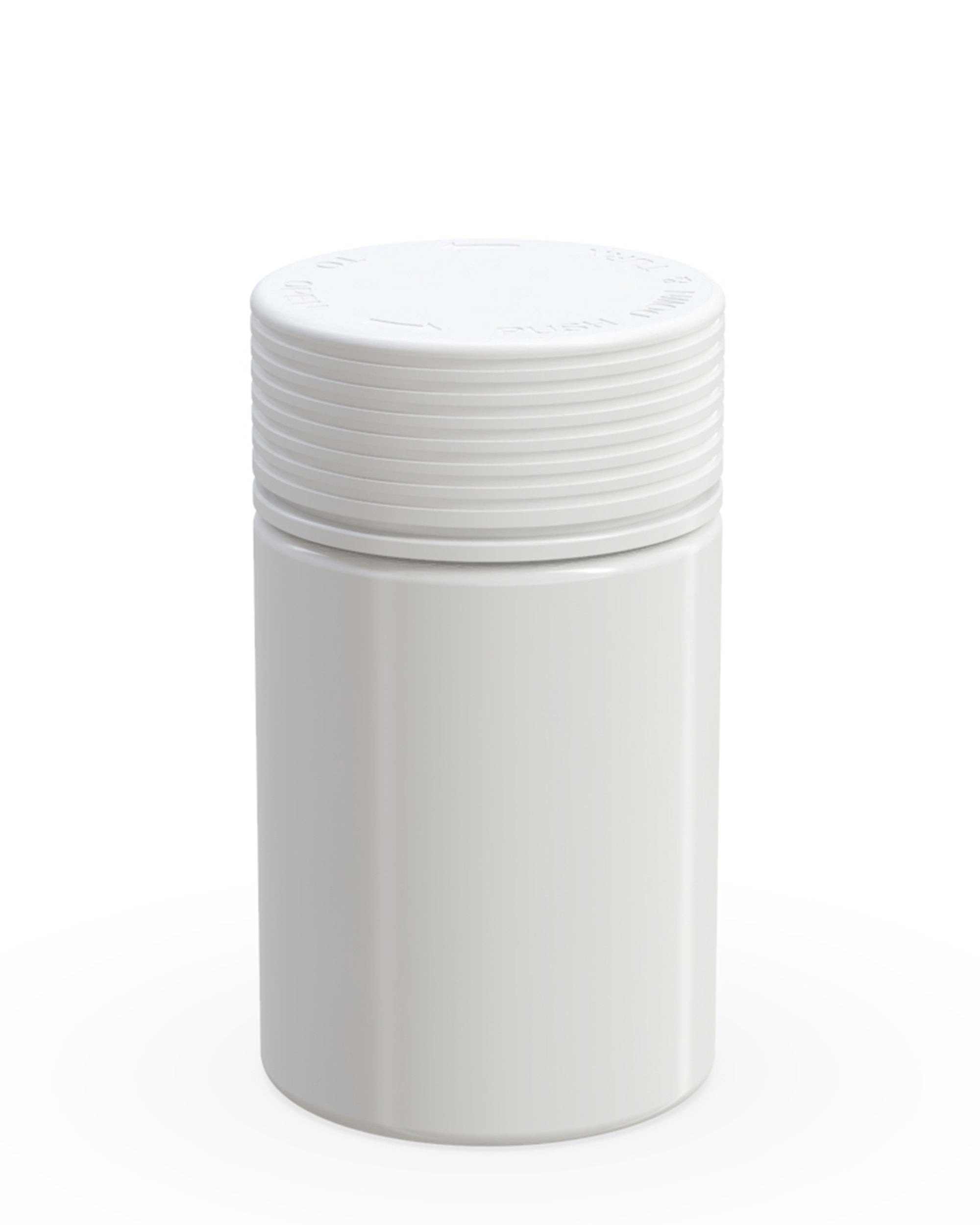
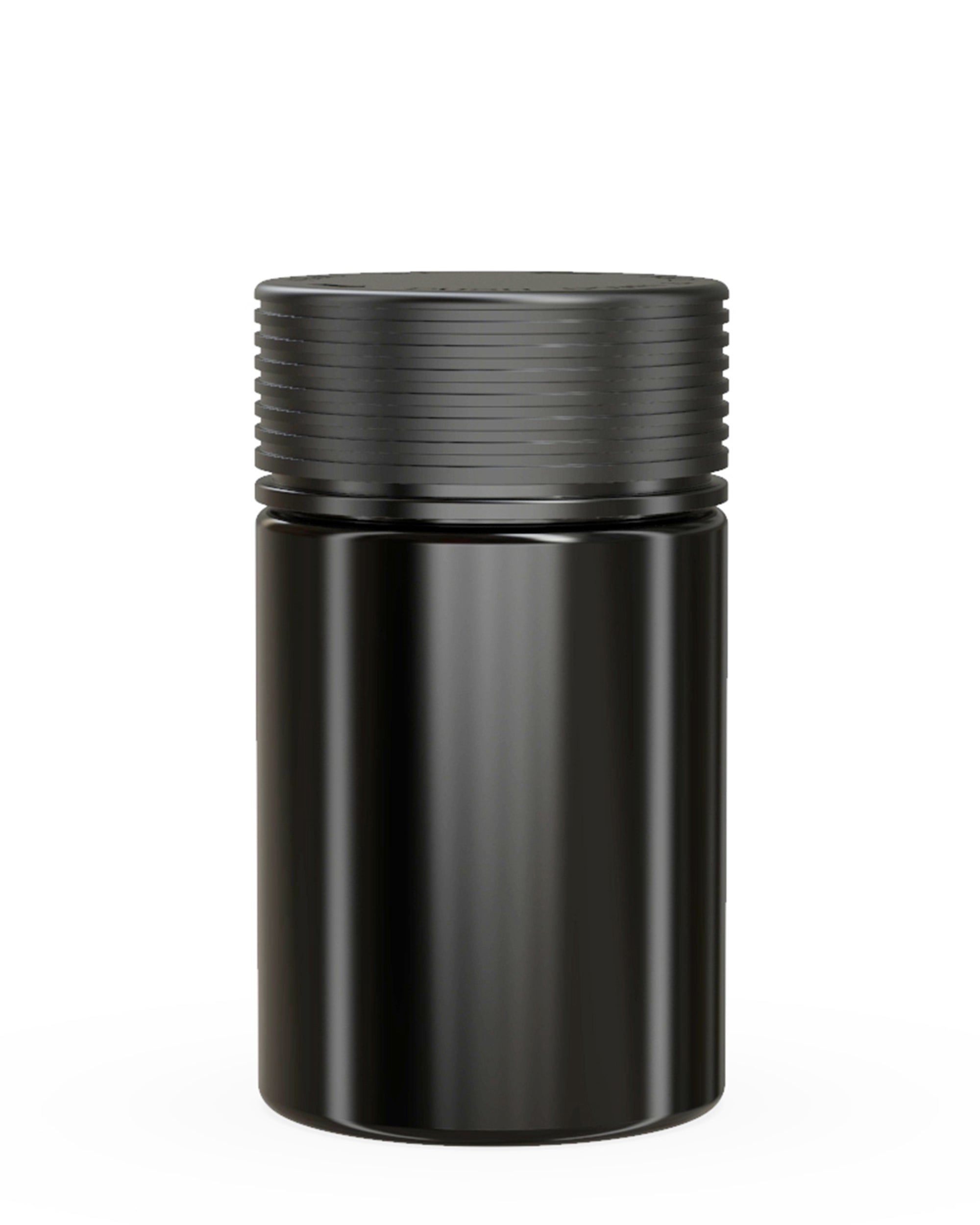
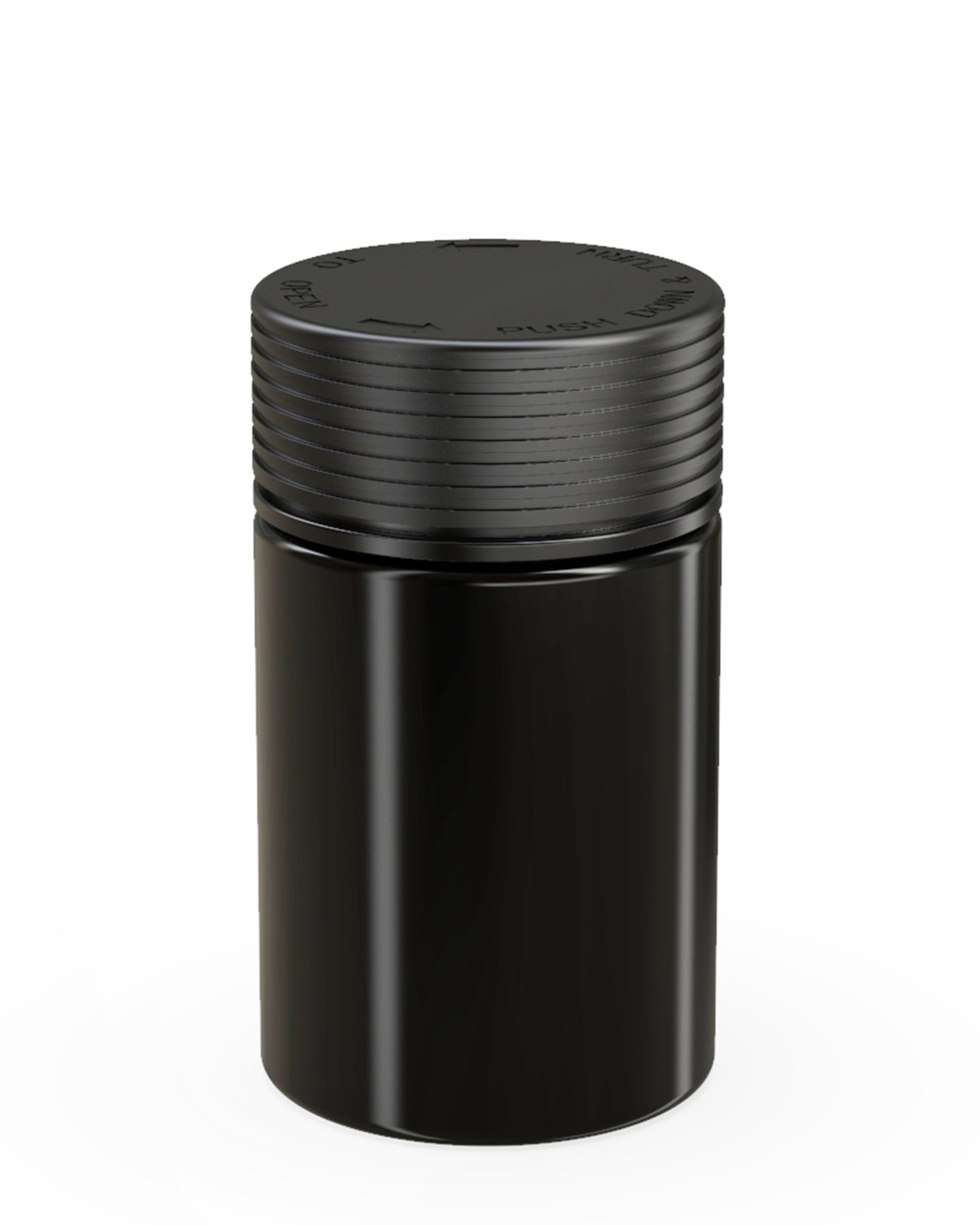
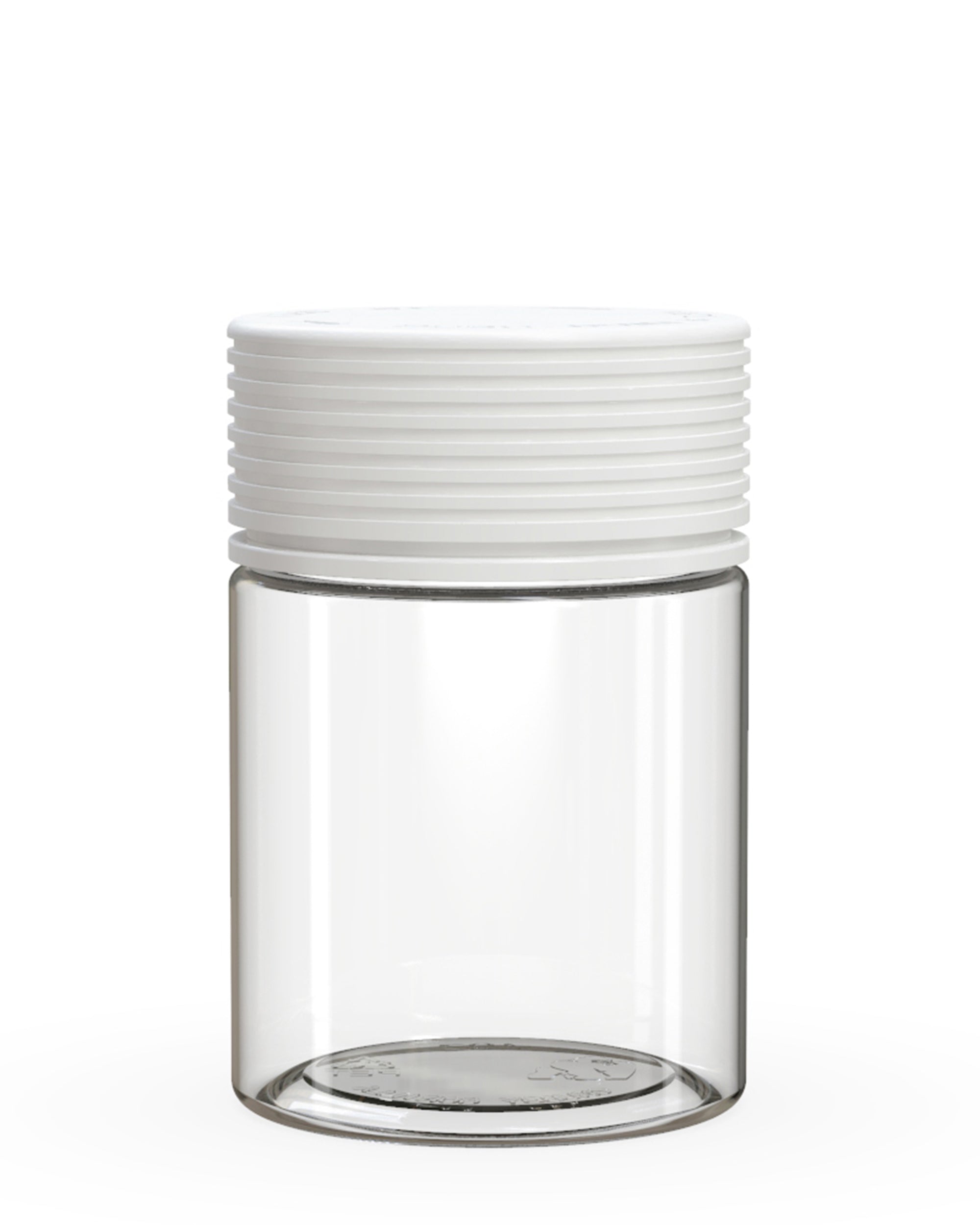
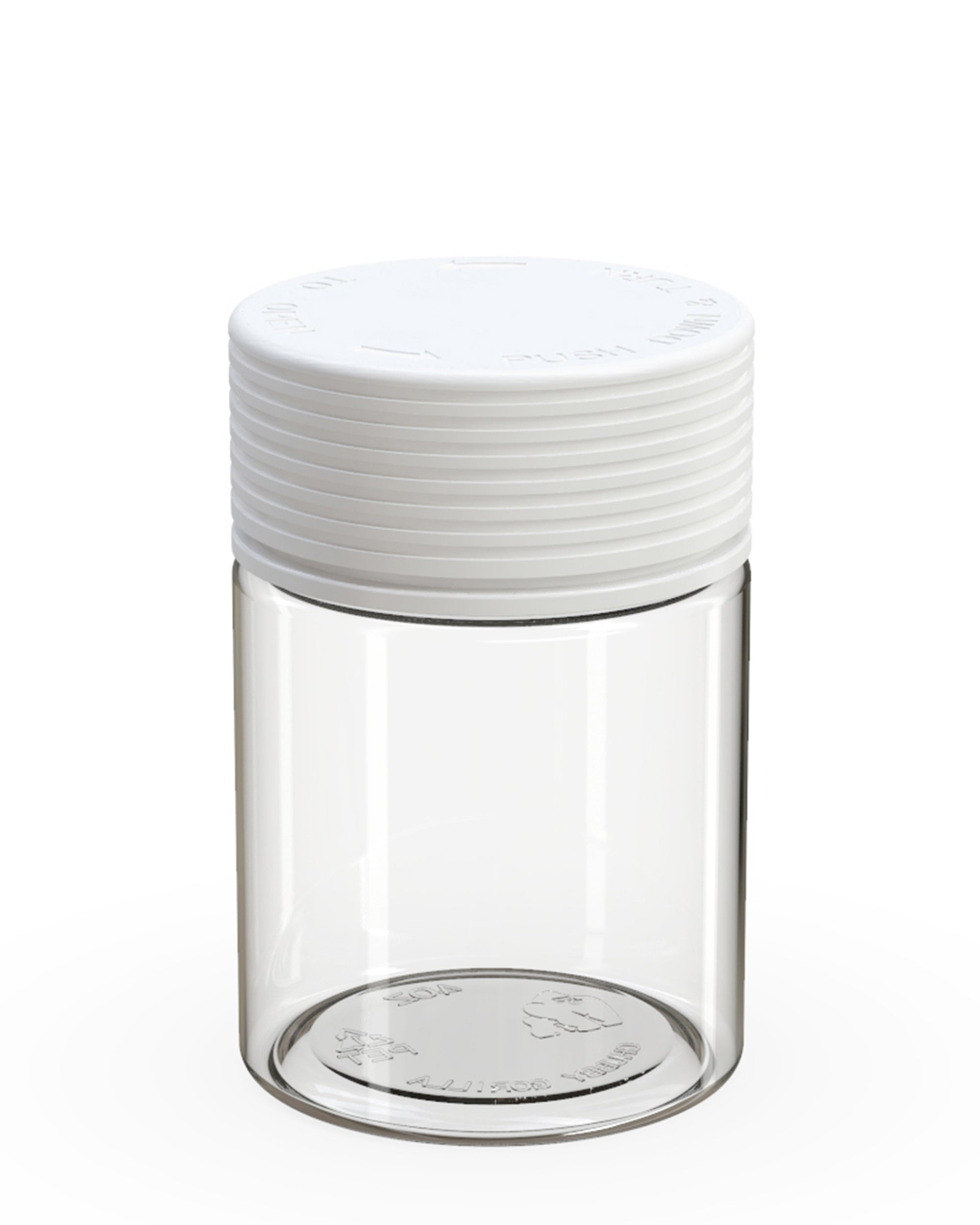
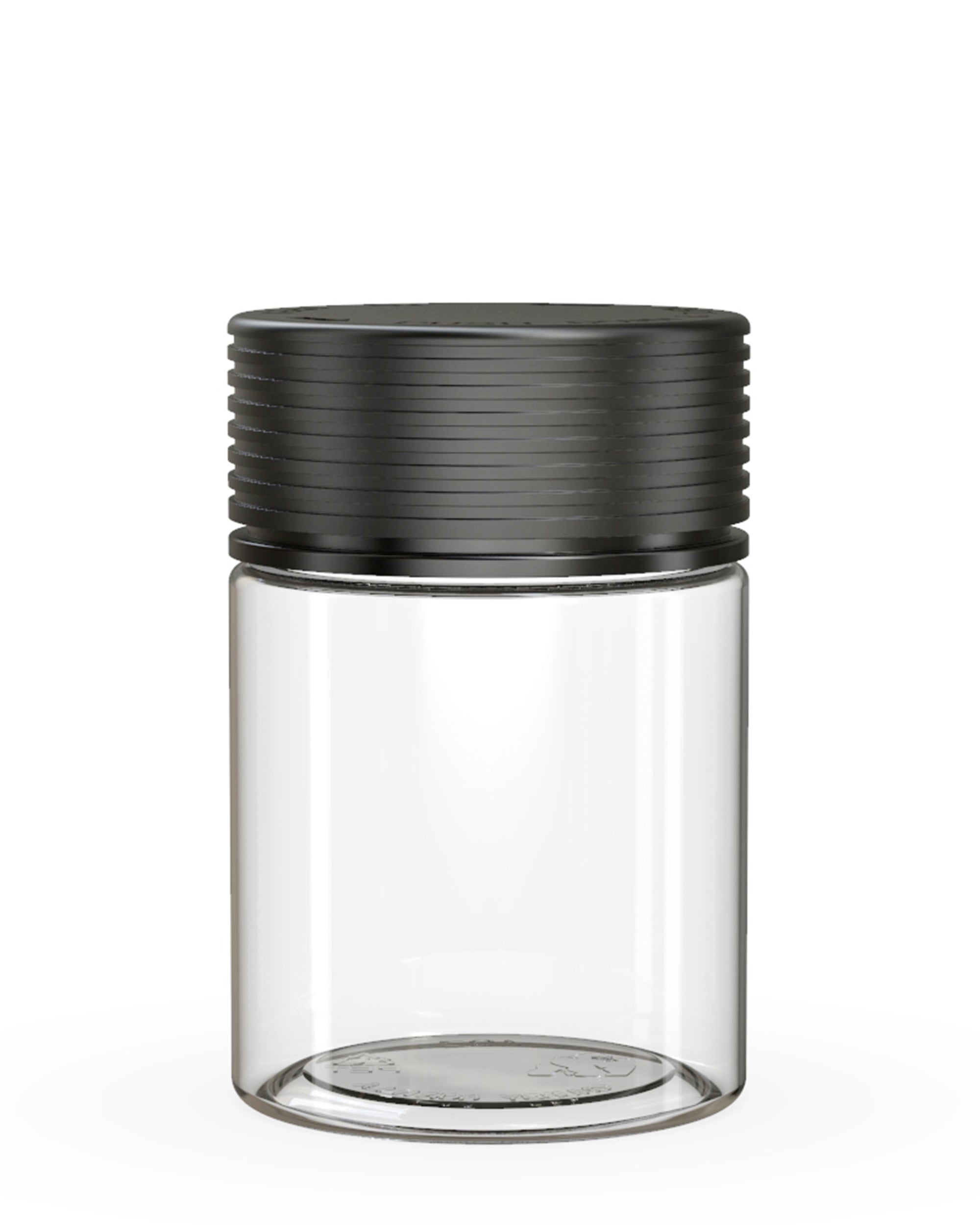
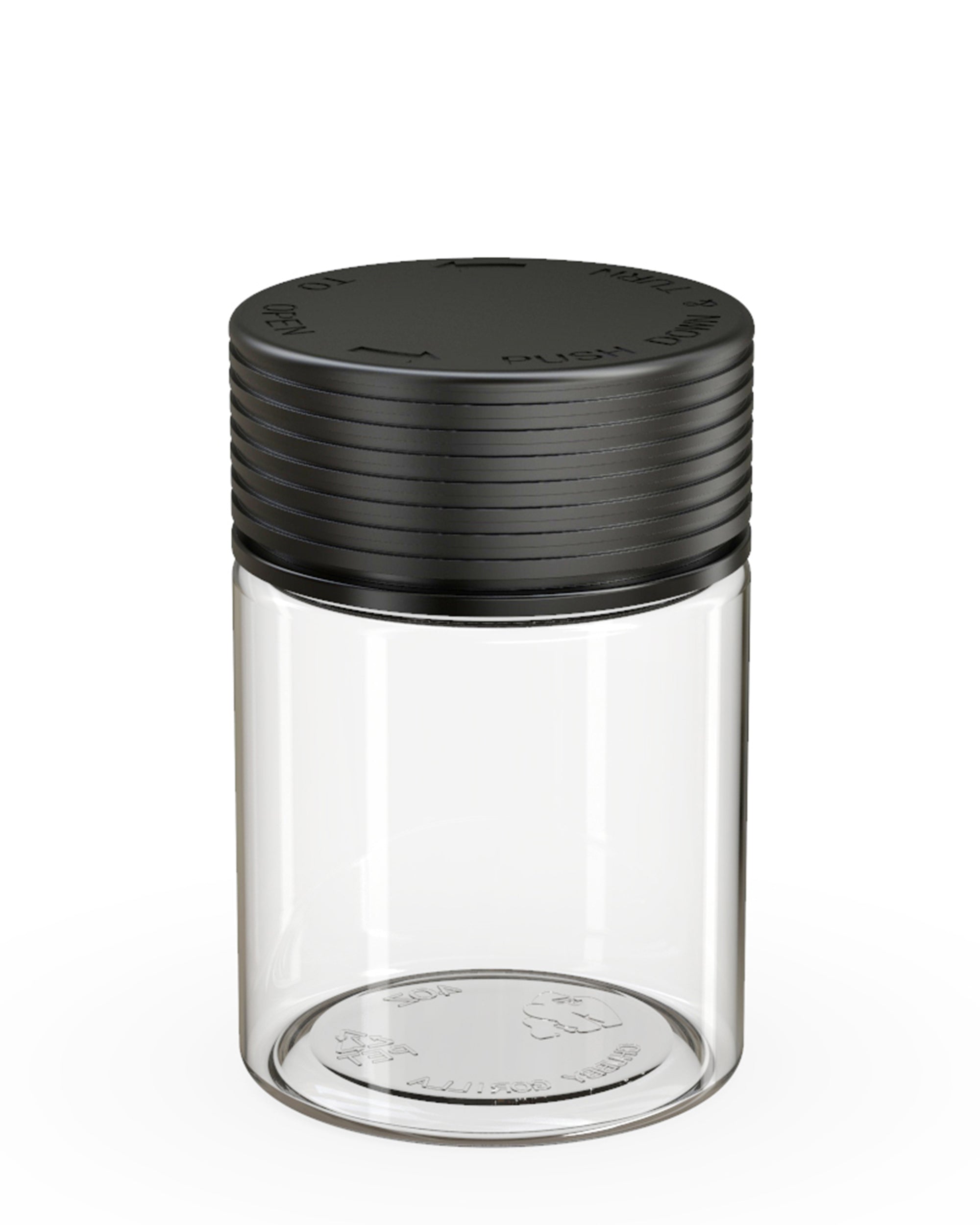
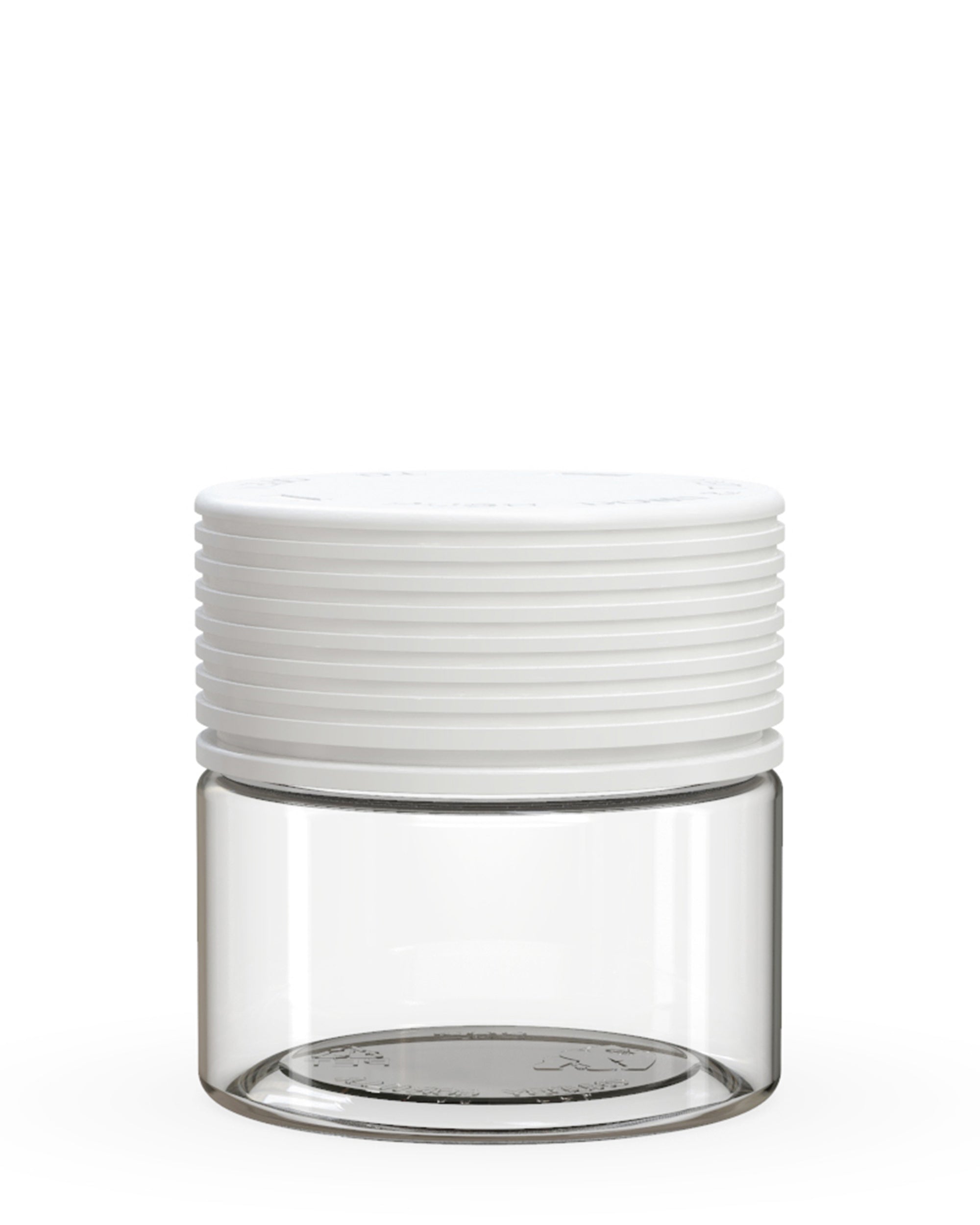
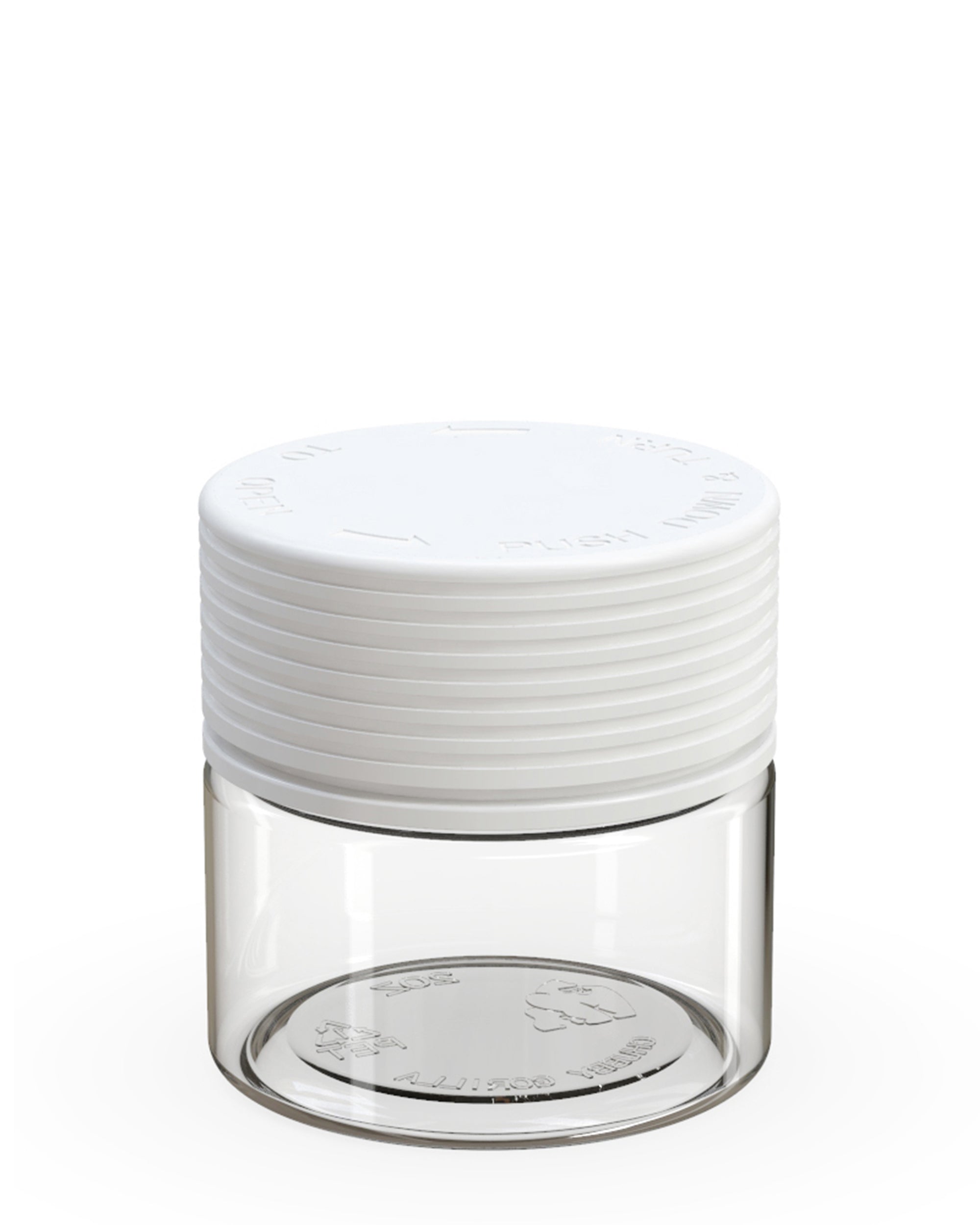
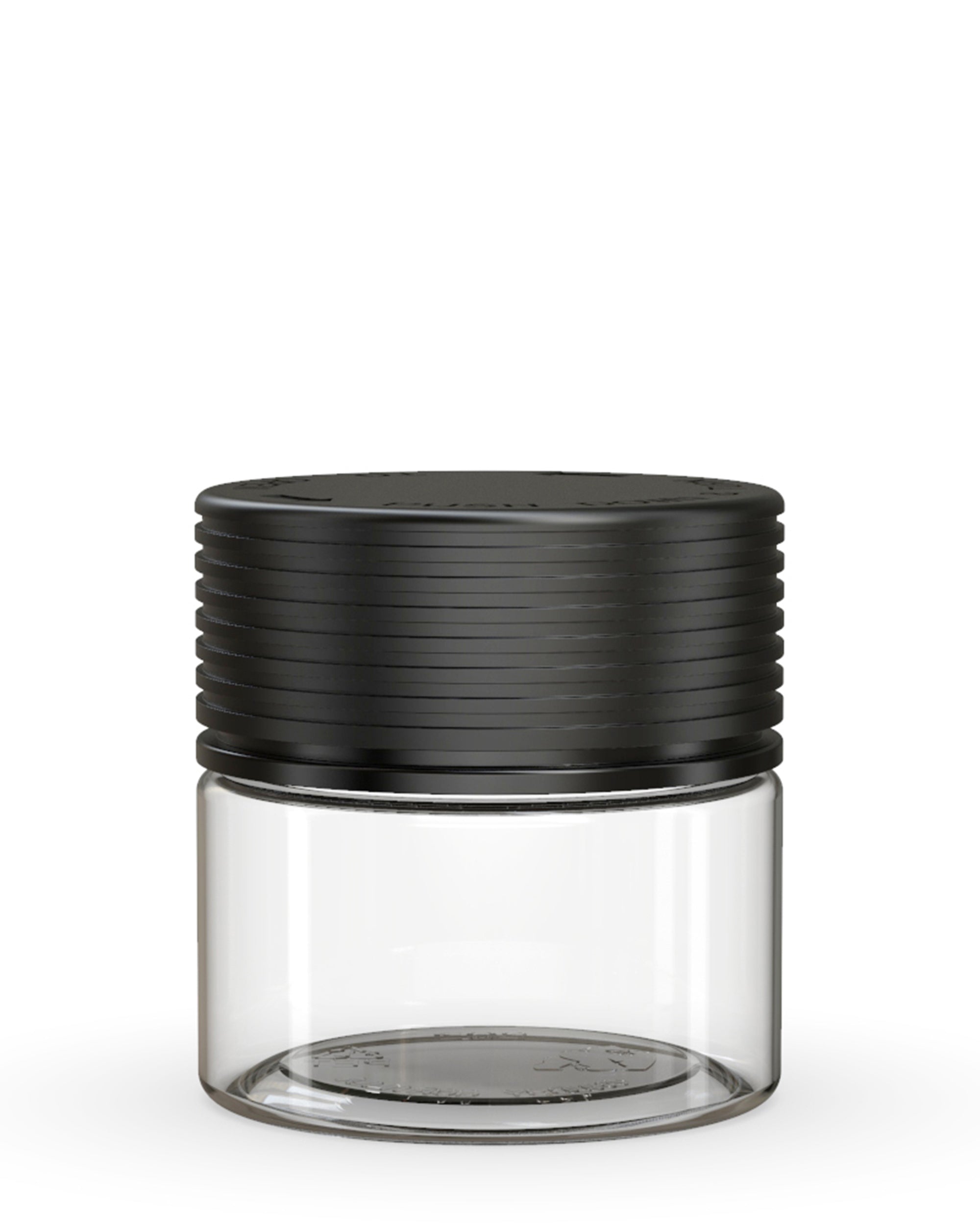
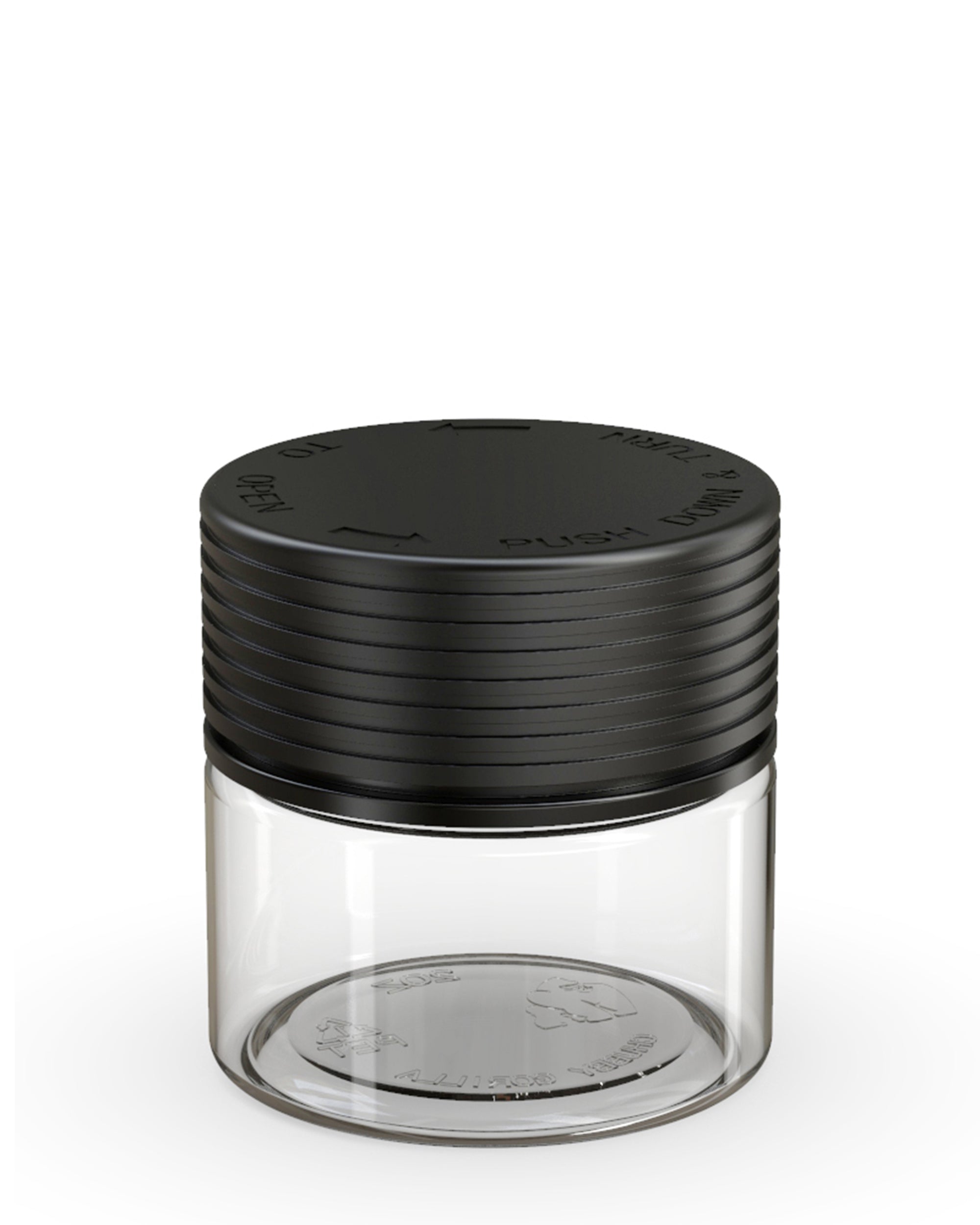
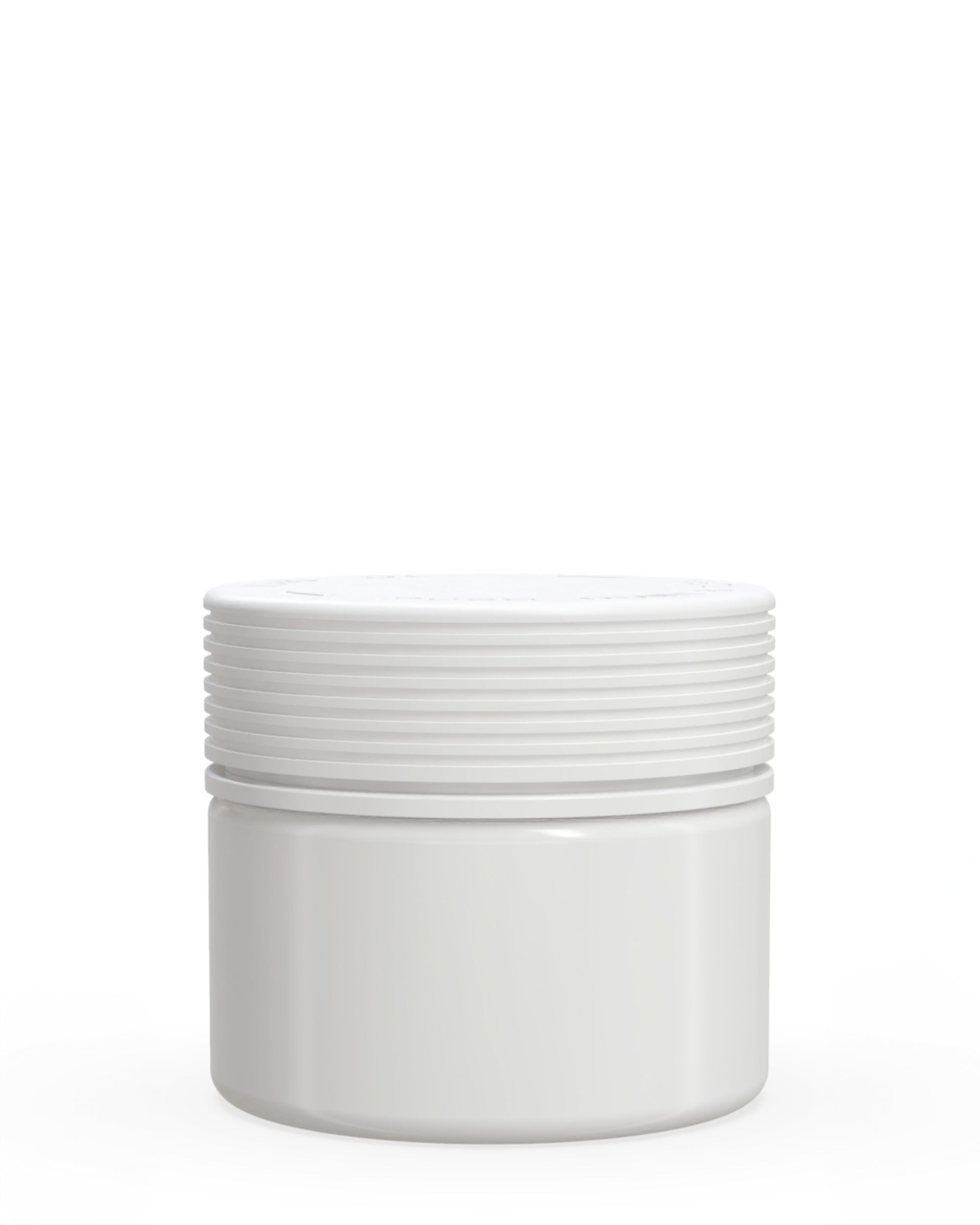
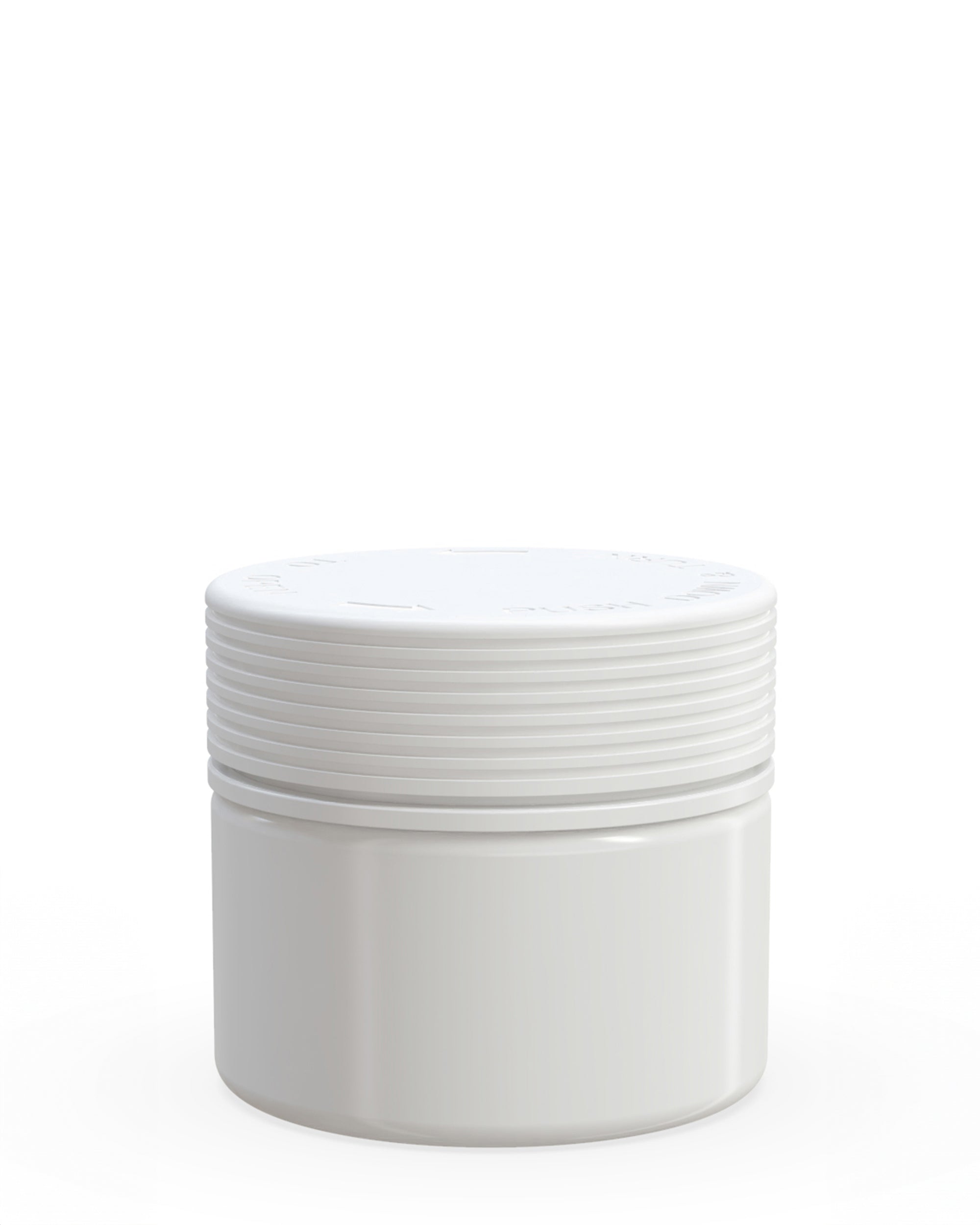
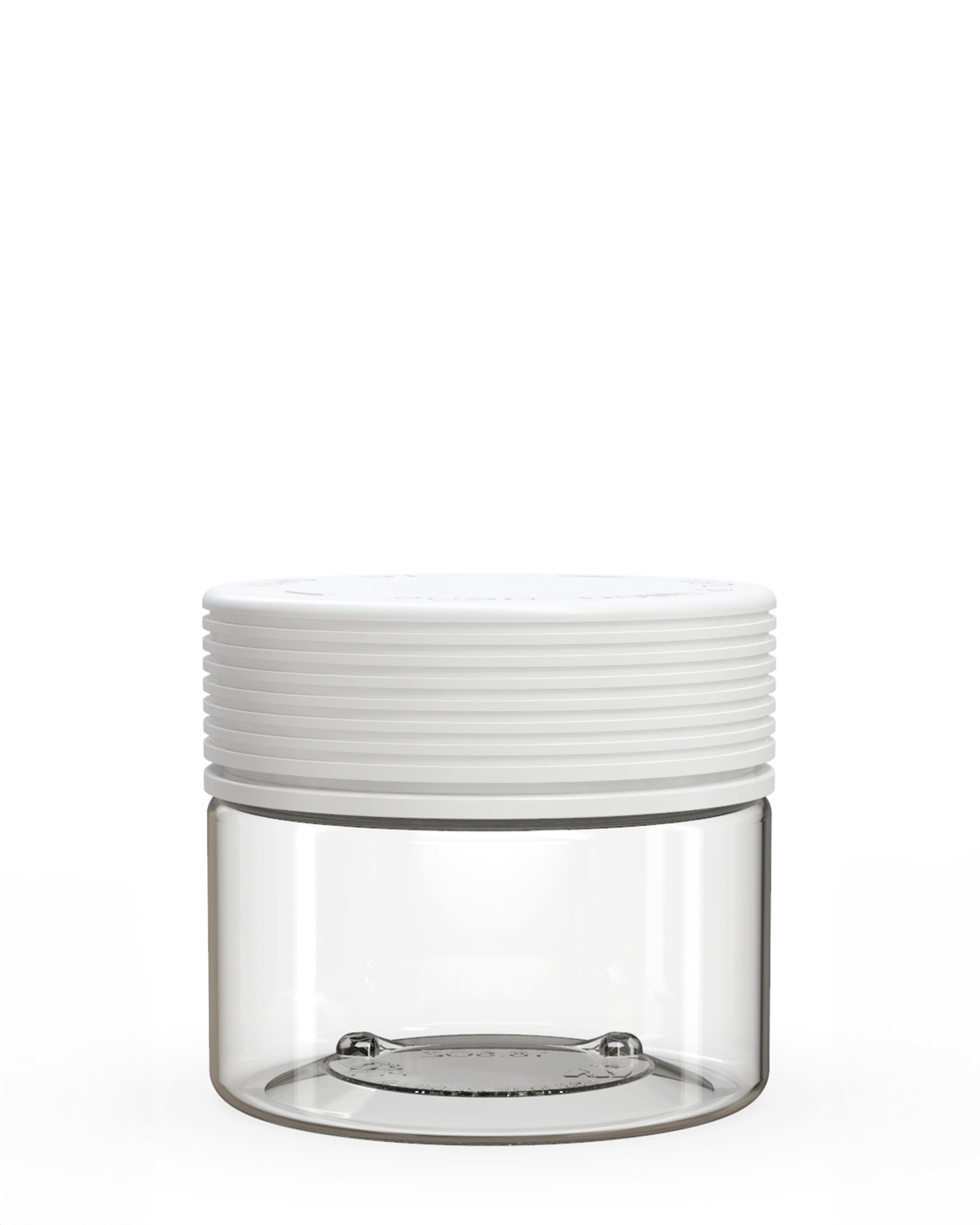
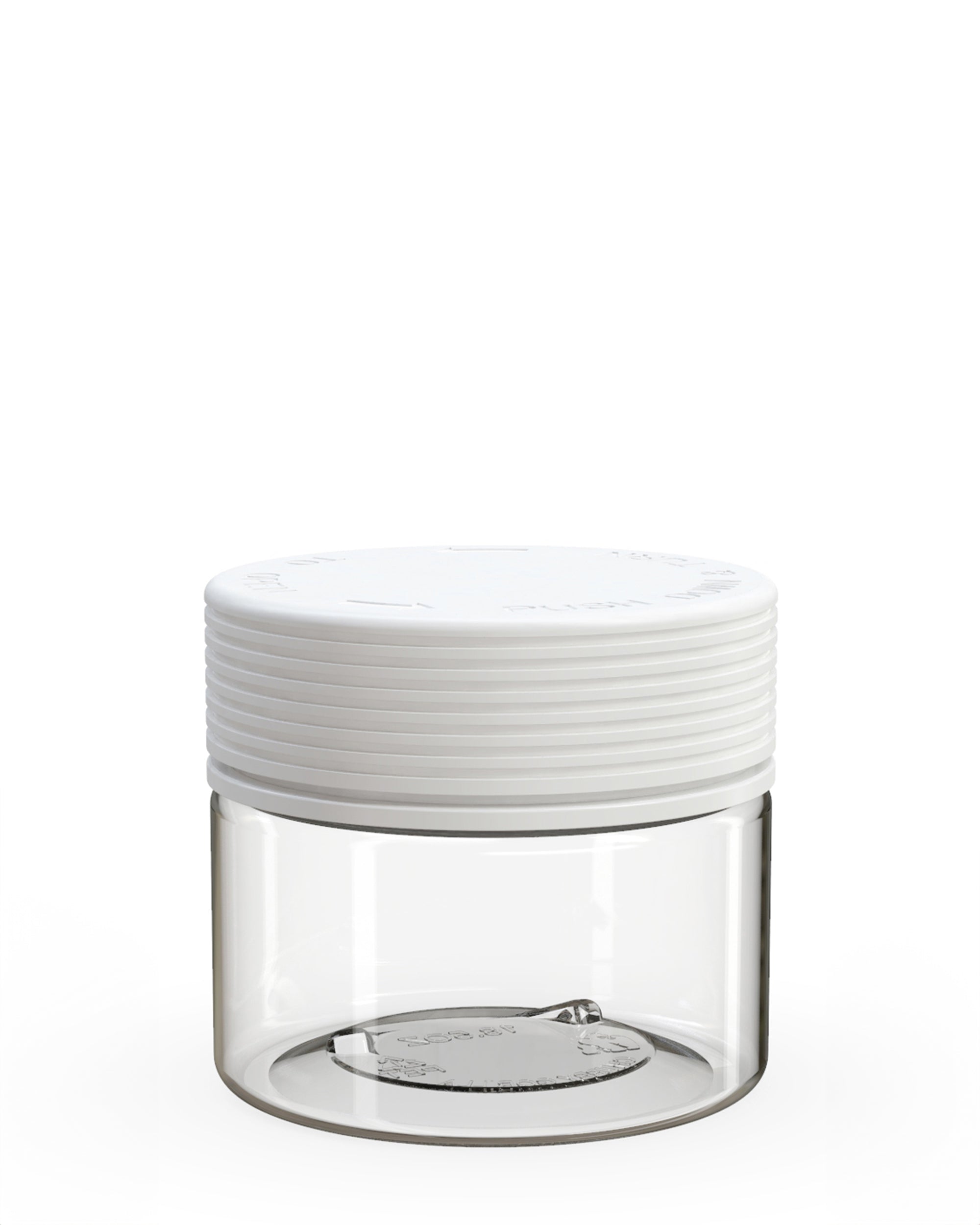
Learn About Body Butter Containers
Learn About Body Butter Containers
Table of Contents
Body Butter Packaging Essentials
Body butter packaging plays a crucial role in preserving product integrity while enhancing brand perception. These specialized containers must balance functionality with aesthetic appeal to attract customers in the competitive beauty market. Quality beauty packaging for body butters requires careful consideration of material properties, closure systems, and visual design elements.
Empty containers for body butter must address several critical requirements. First, they need to protect the product from environmental factors like air, light, and temperature fluctuations that can compromise formulation stability. Second, they must facilitate easy product access and application without contamination. Finally, they should reflect the brand identity and product positioning through appropriate design cues.
The right packaging solution depends on factors including product consistency, ingredient sensitivity, target audience, and distribution channels. Whether selecting from standard options or developing custom containers, brands must ensure their body butter packaging aligns with both practical needs and marketing objectives.
Types of Body Butter Containers
Body butter containers come in various formats, each offering distinct advantages for different product types and brand requirements. The most common options include:
Jars and Tubs
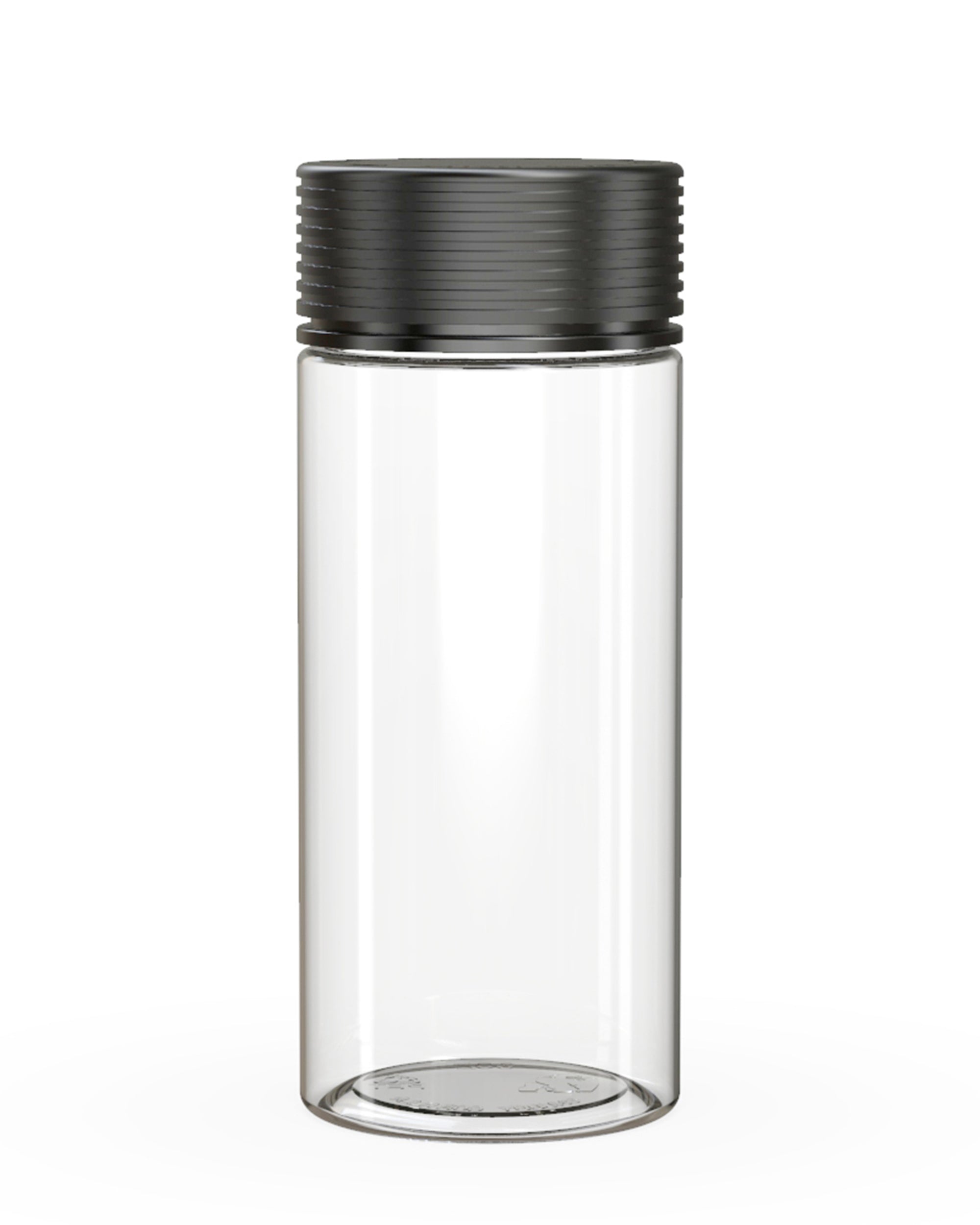
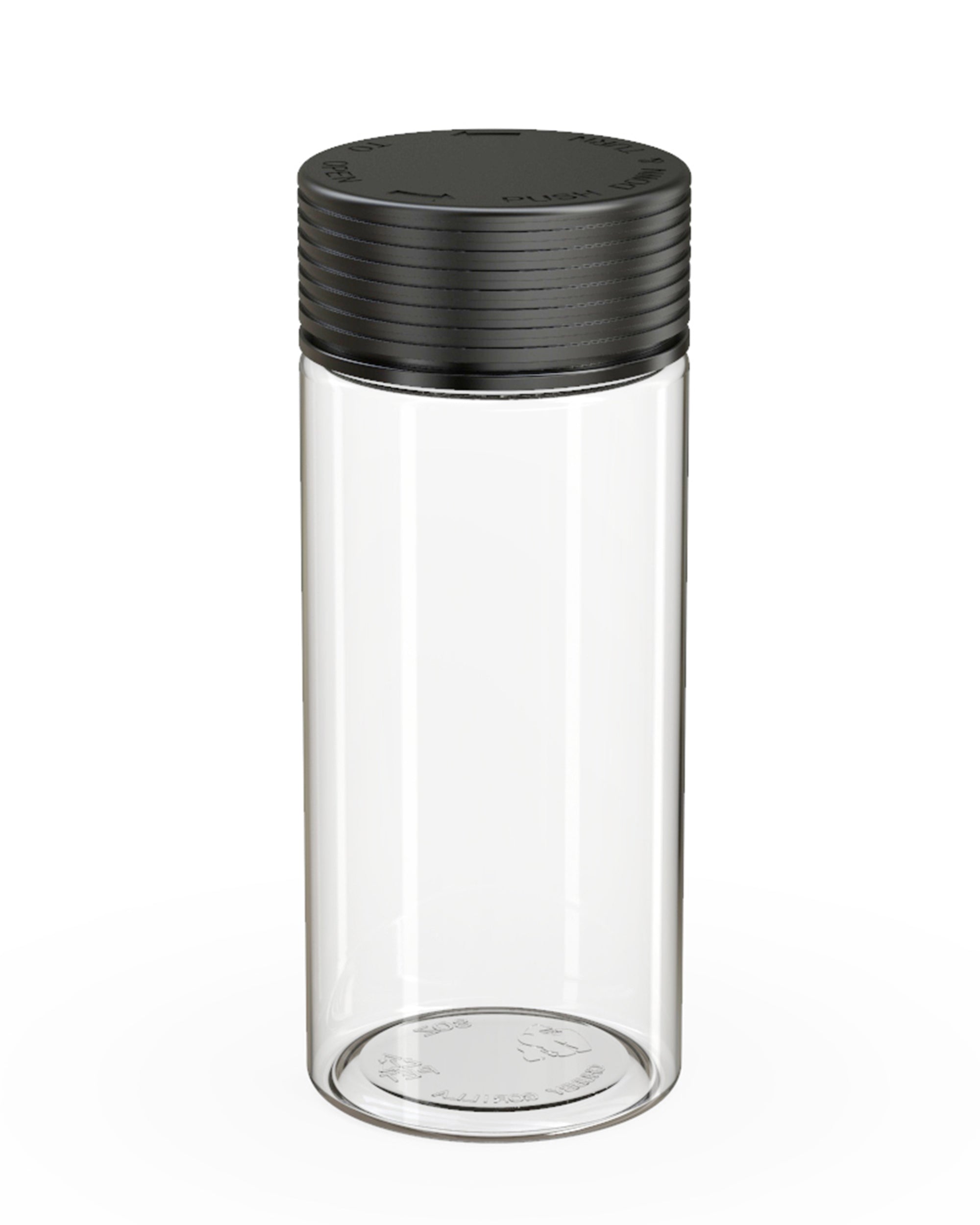
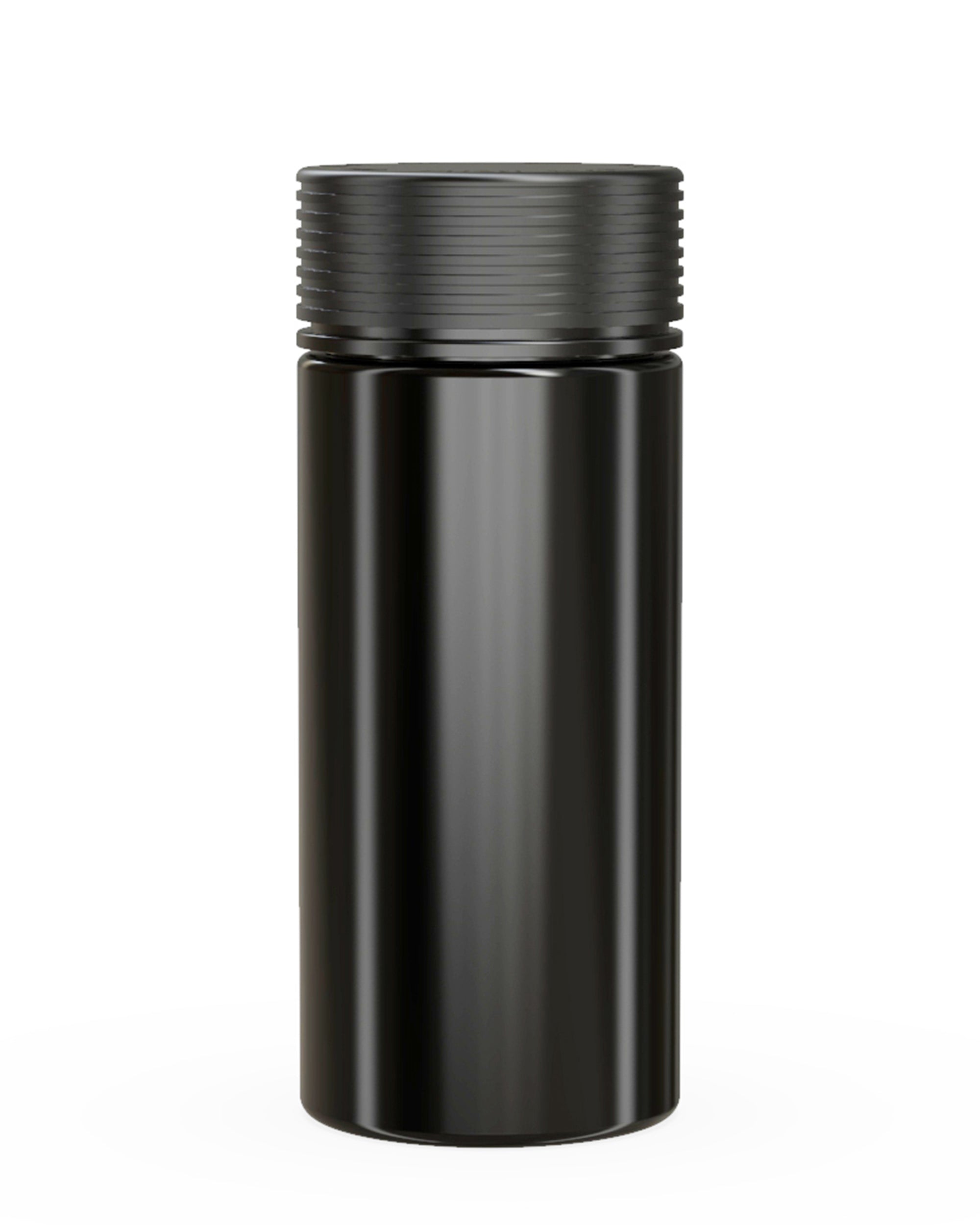
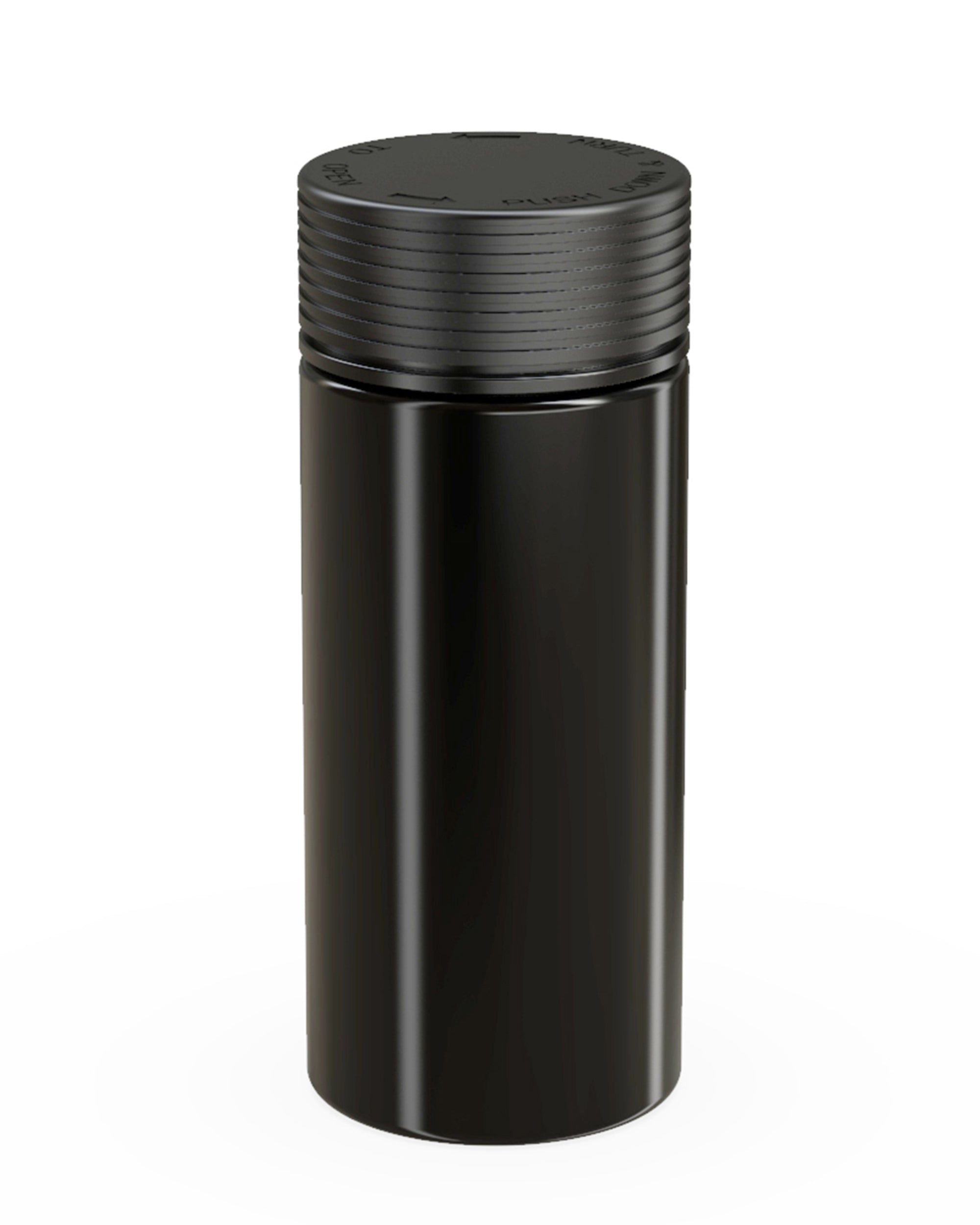
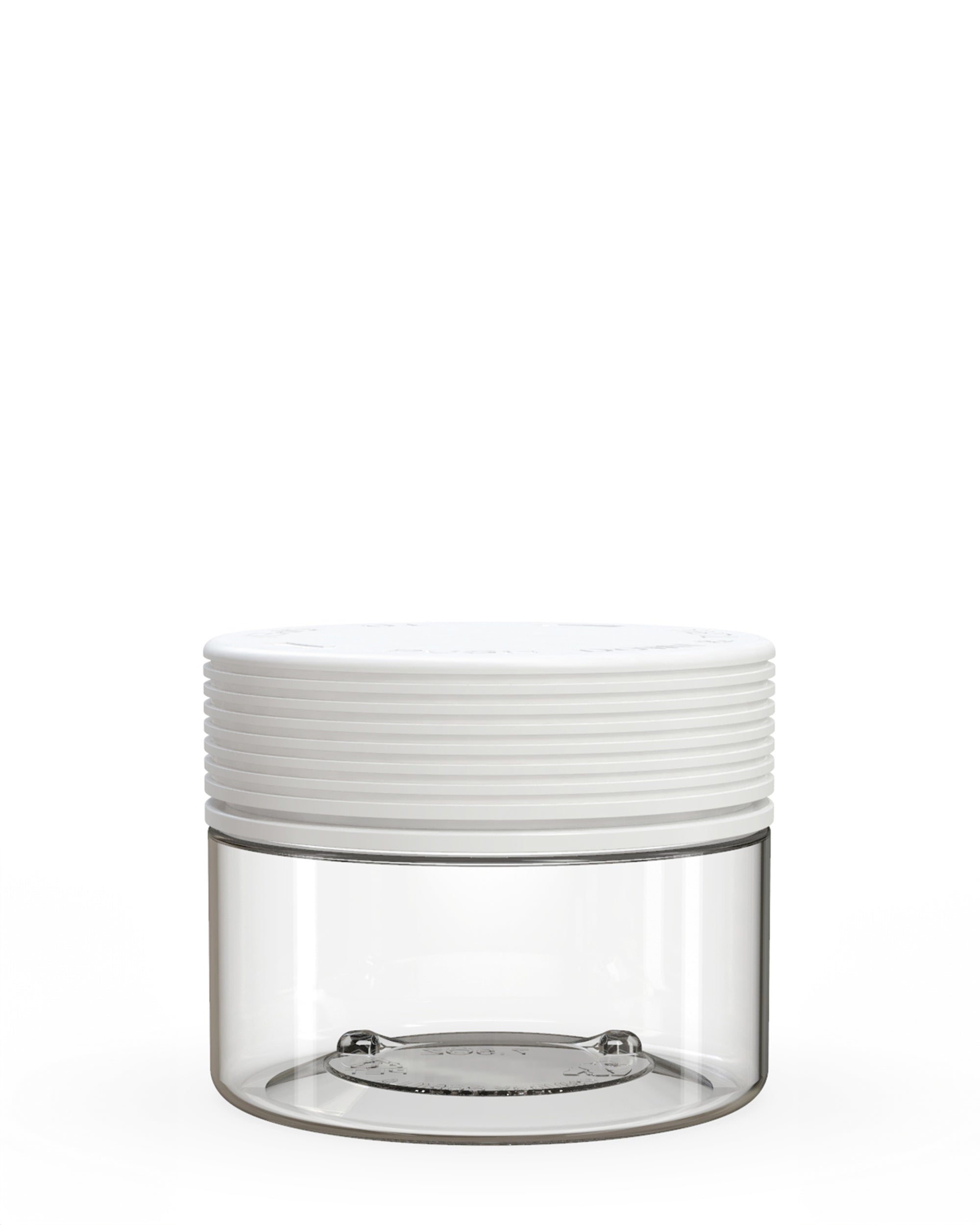
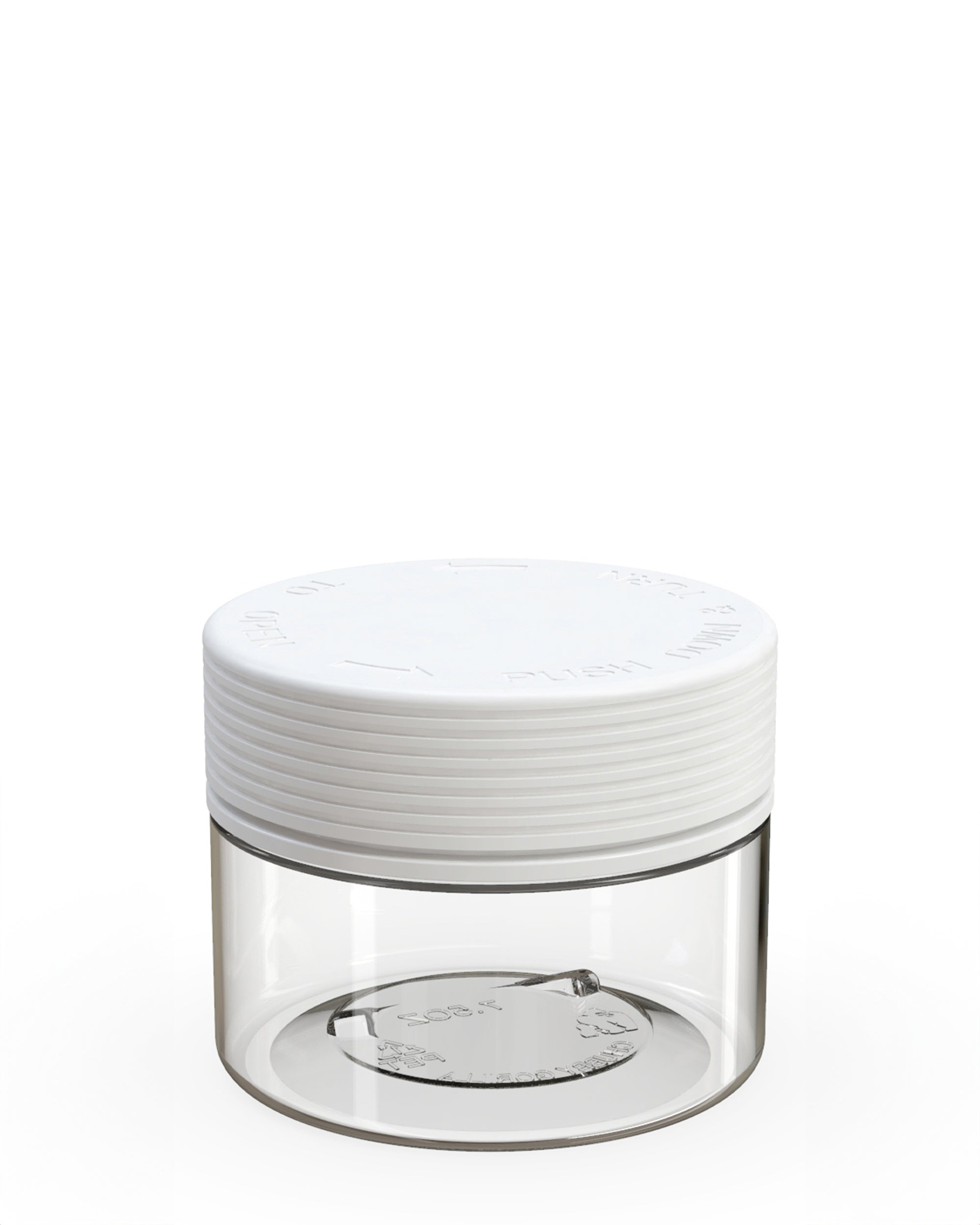
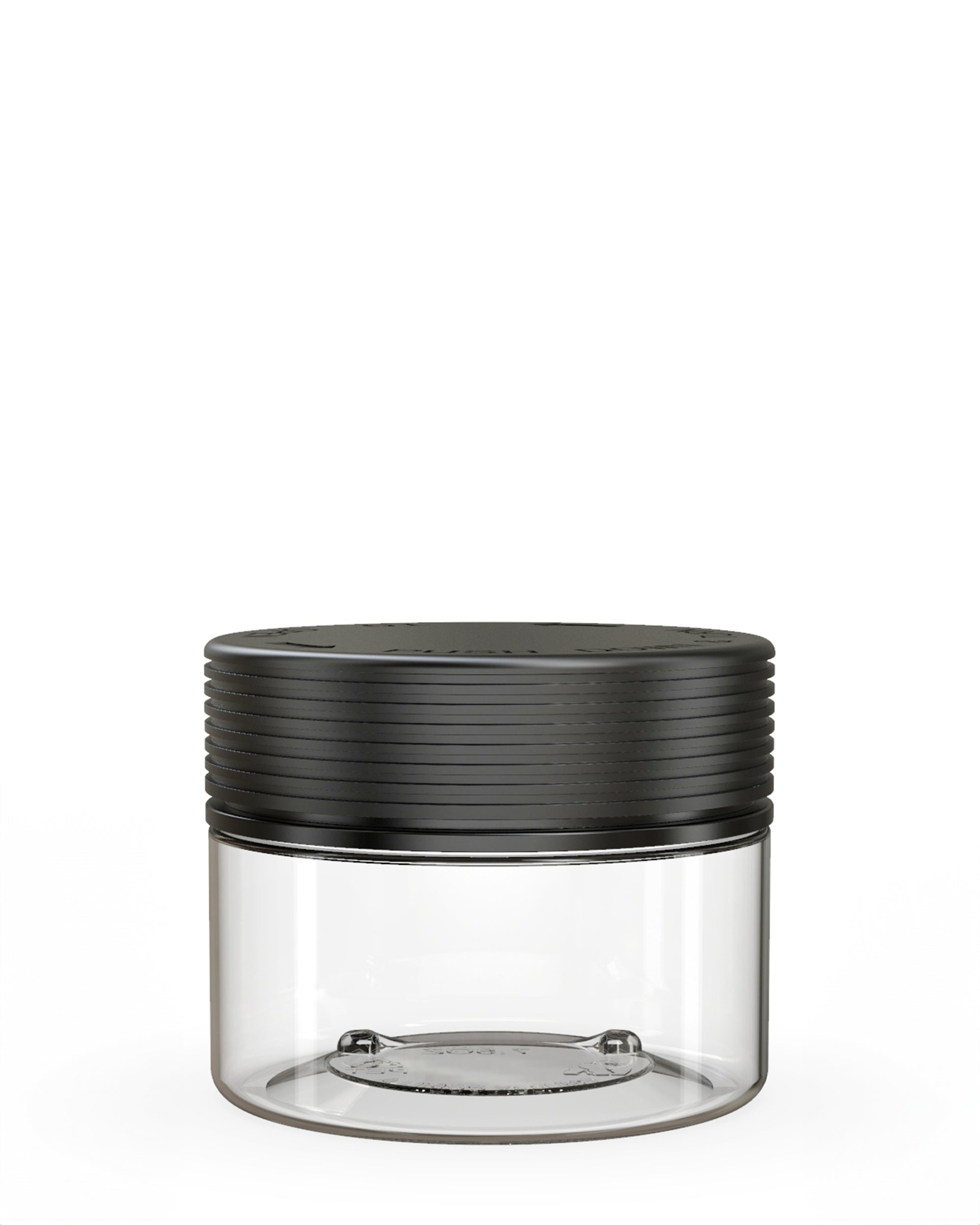
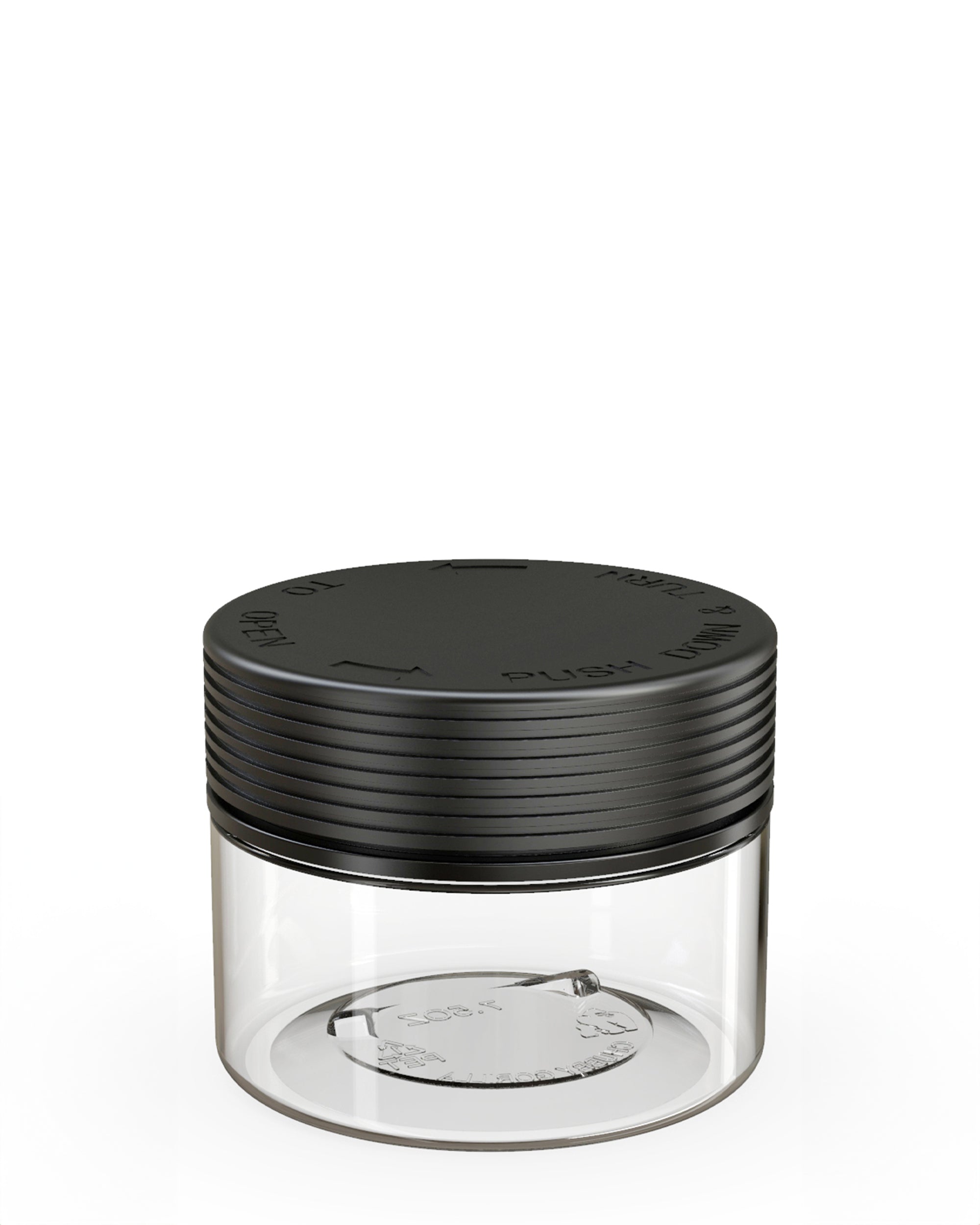
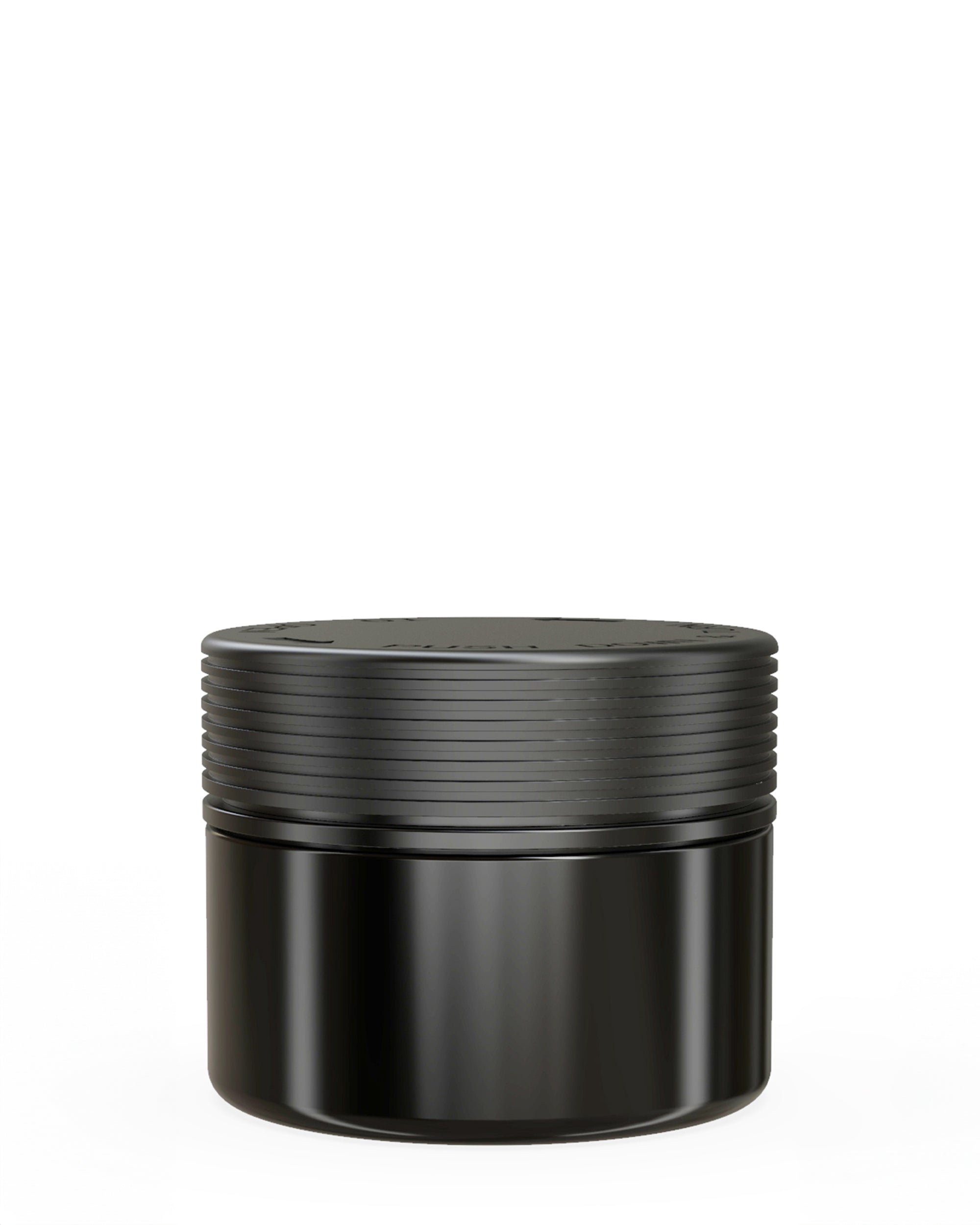
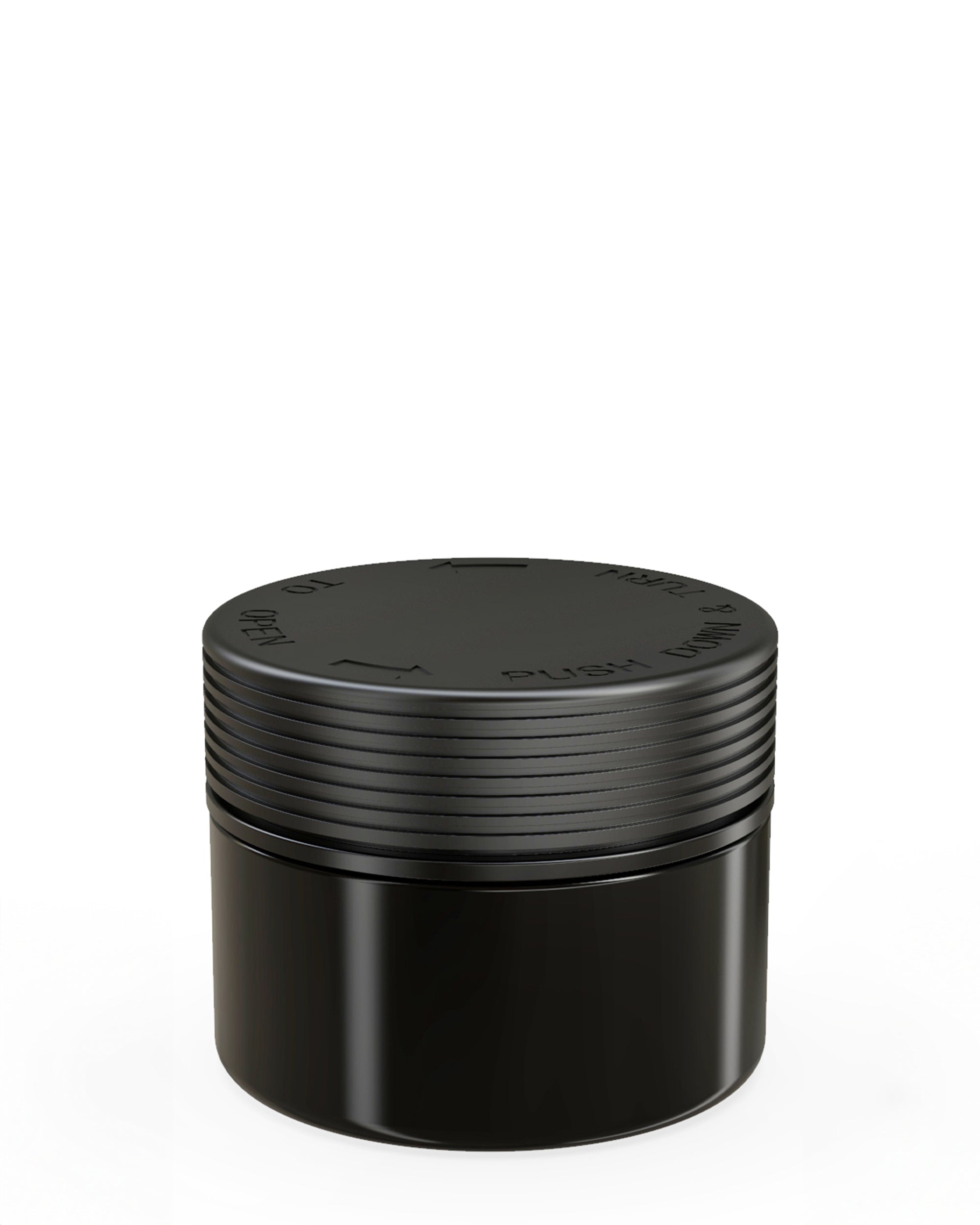
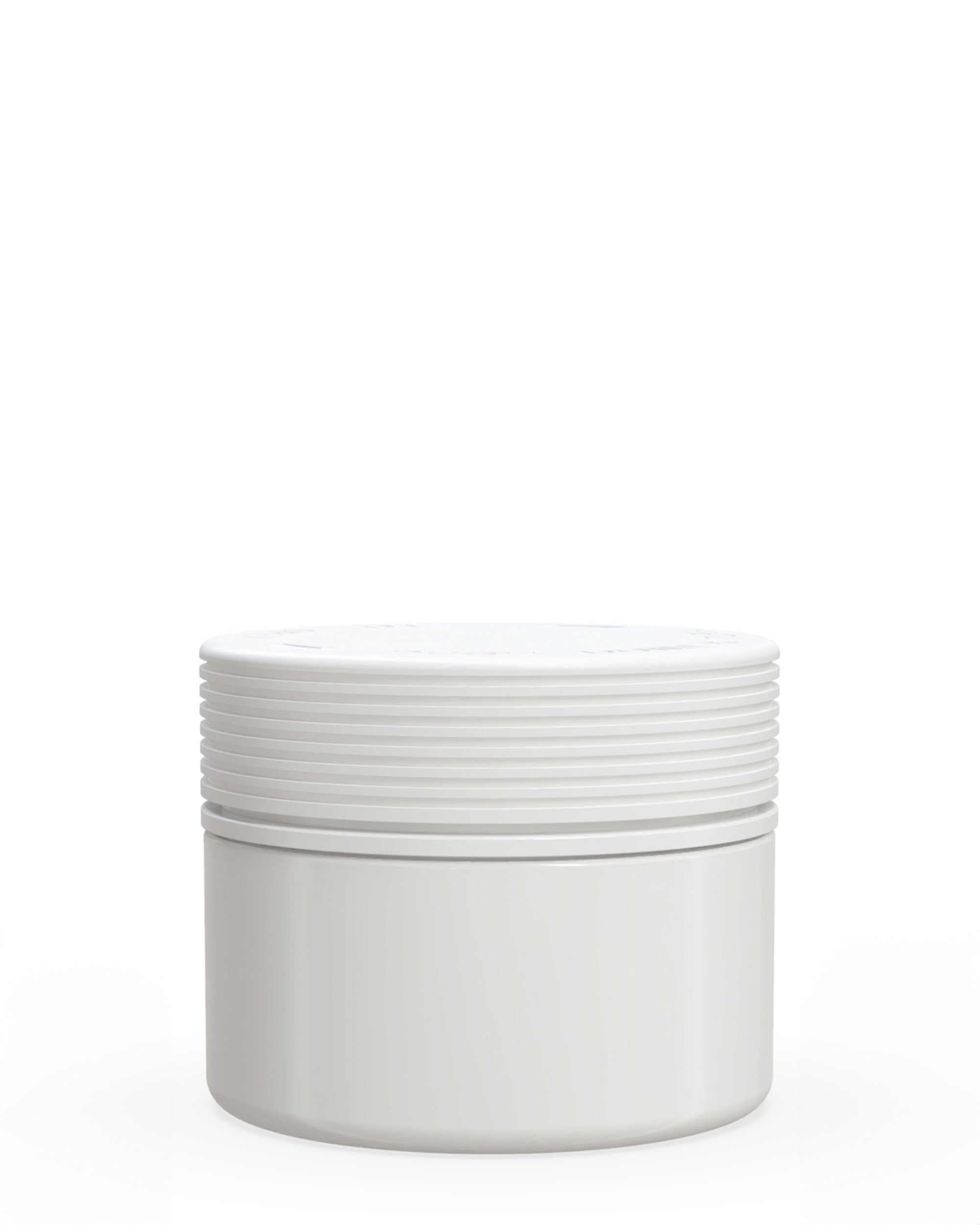
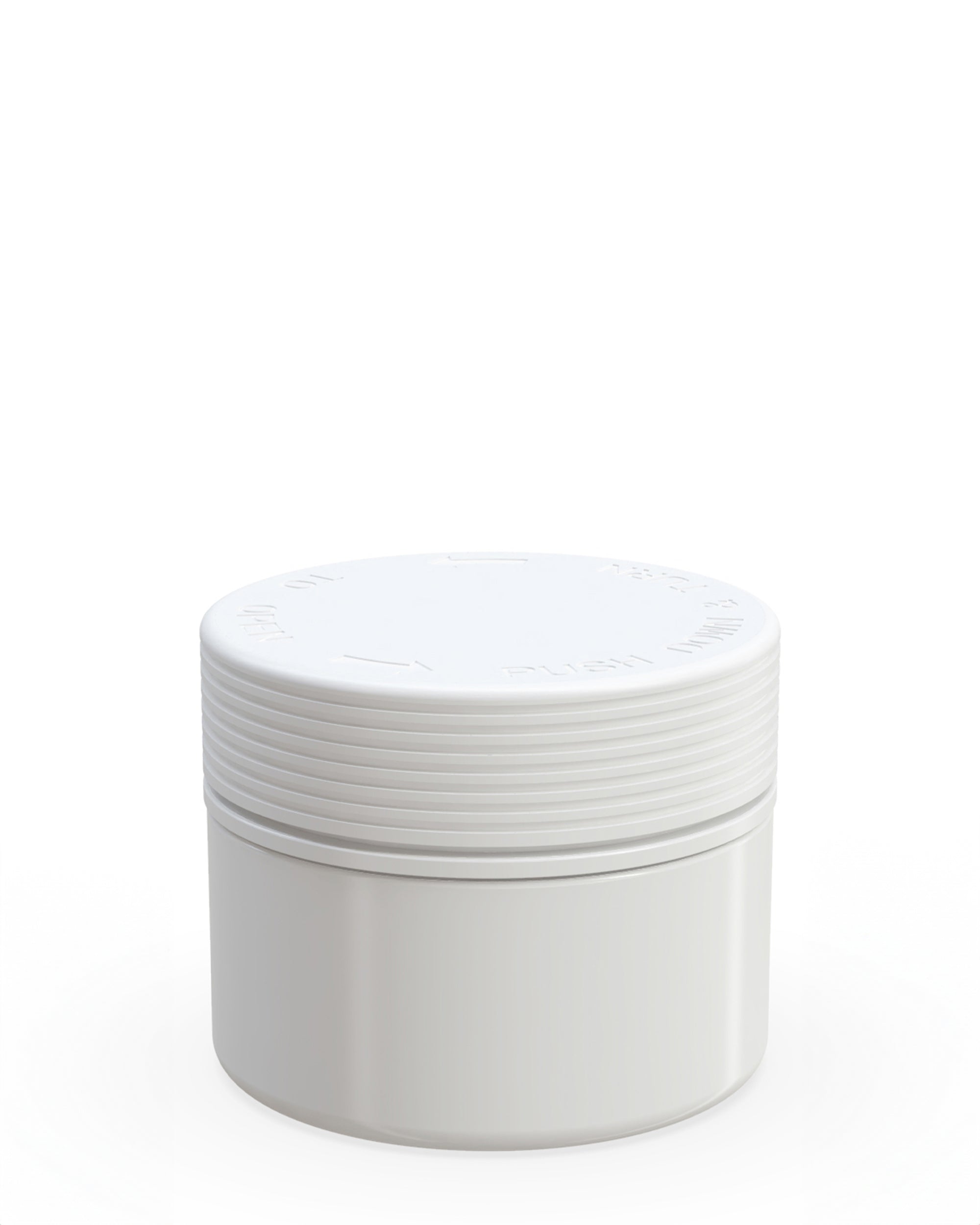
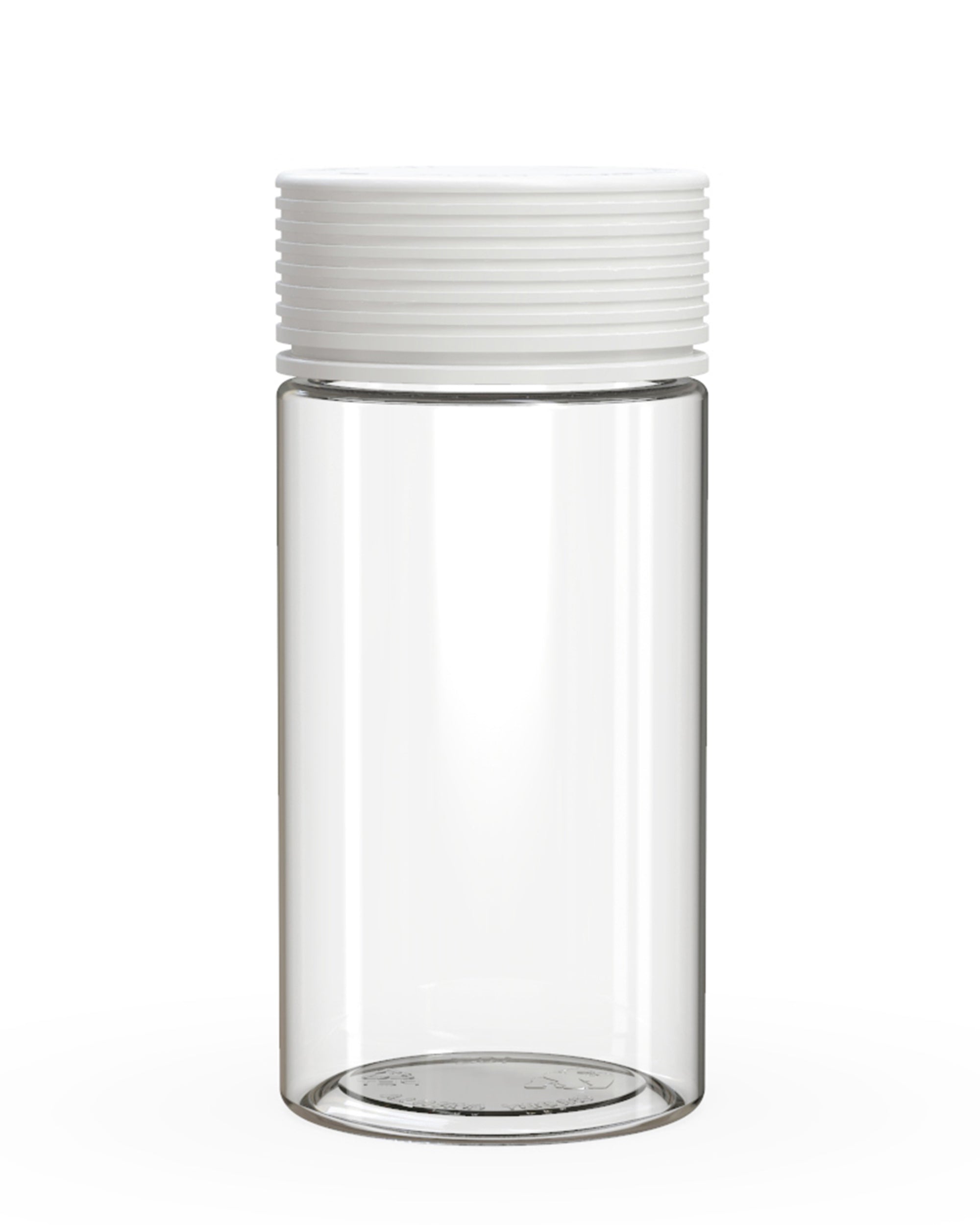
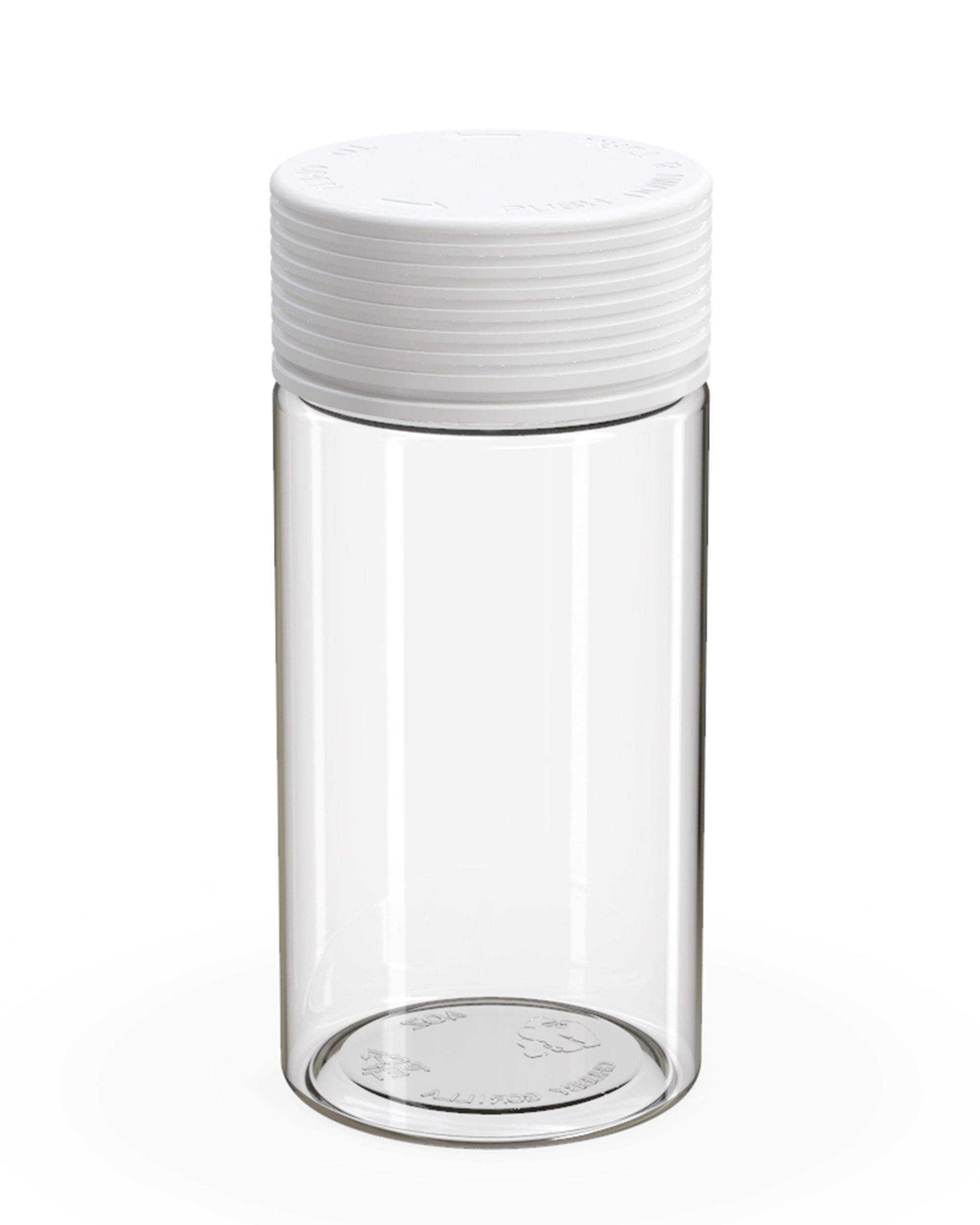
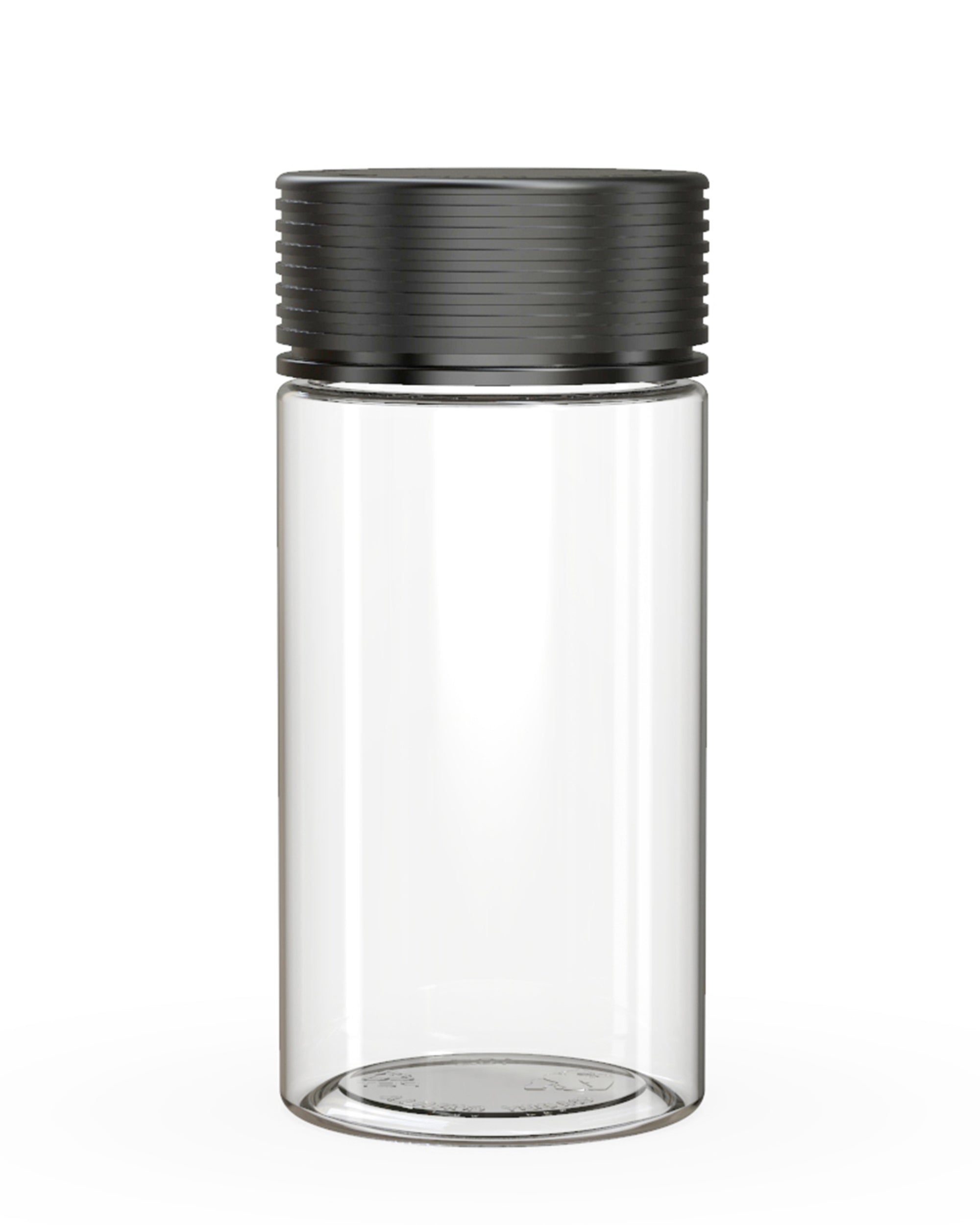
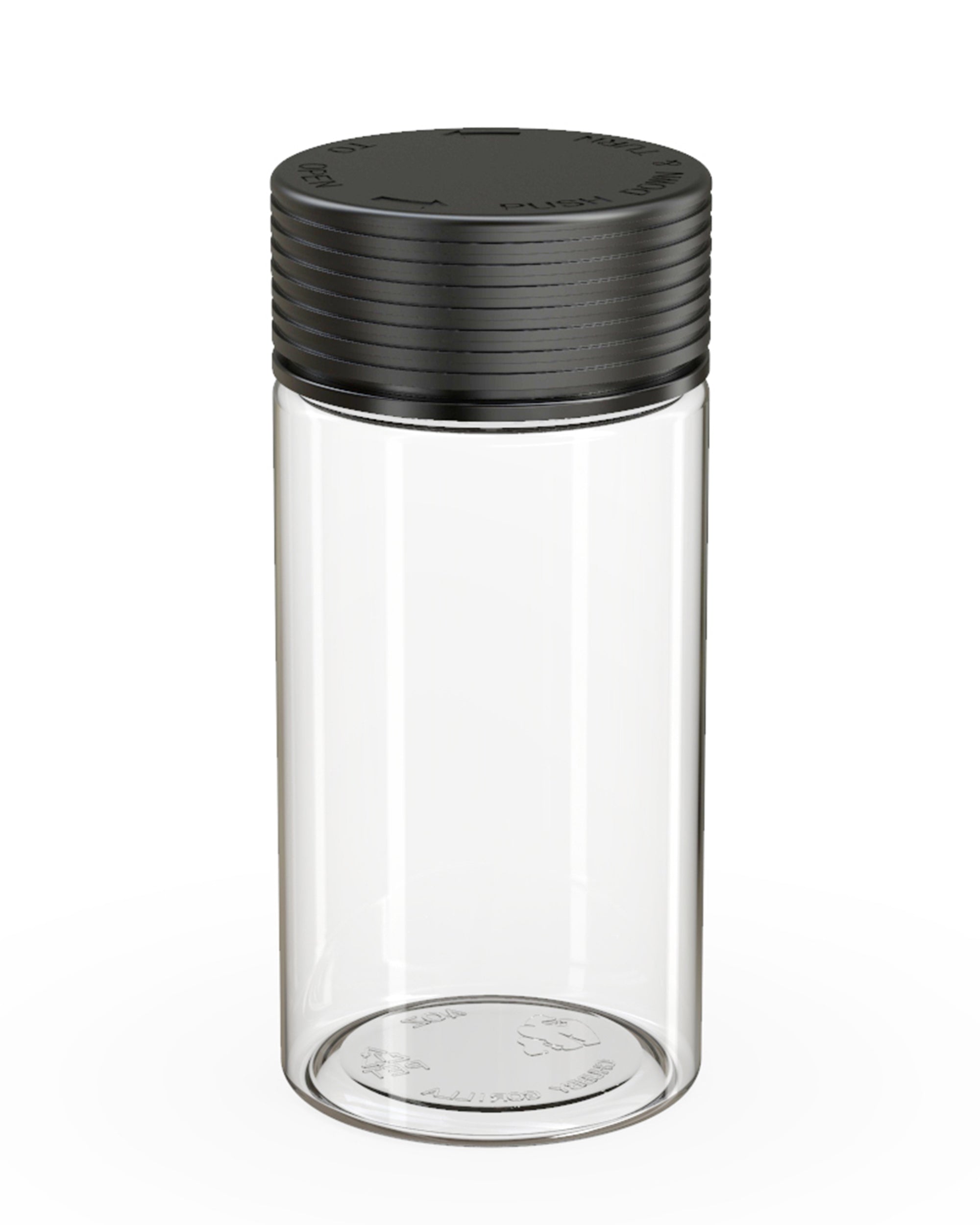
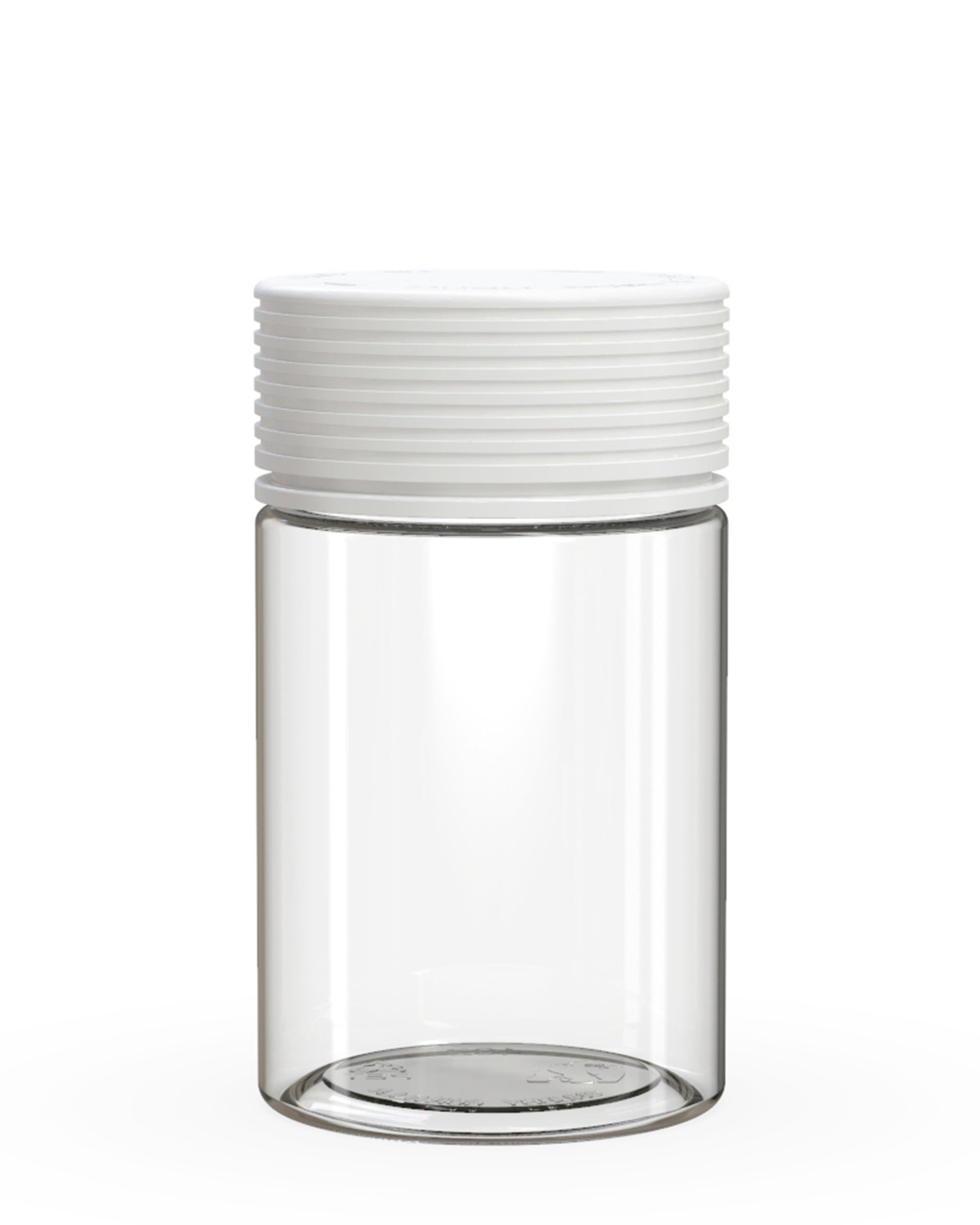
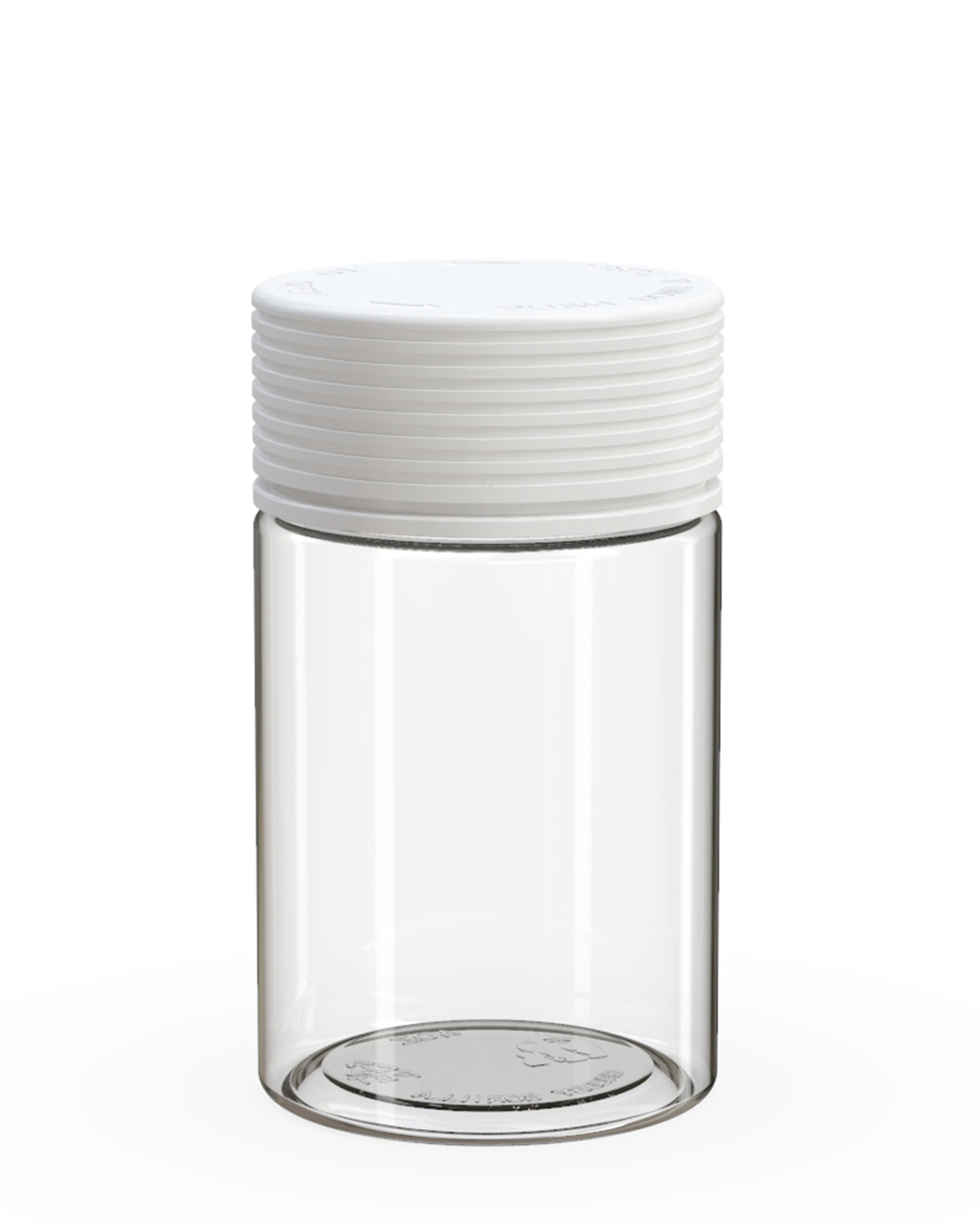
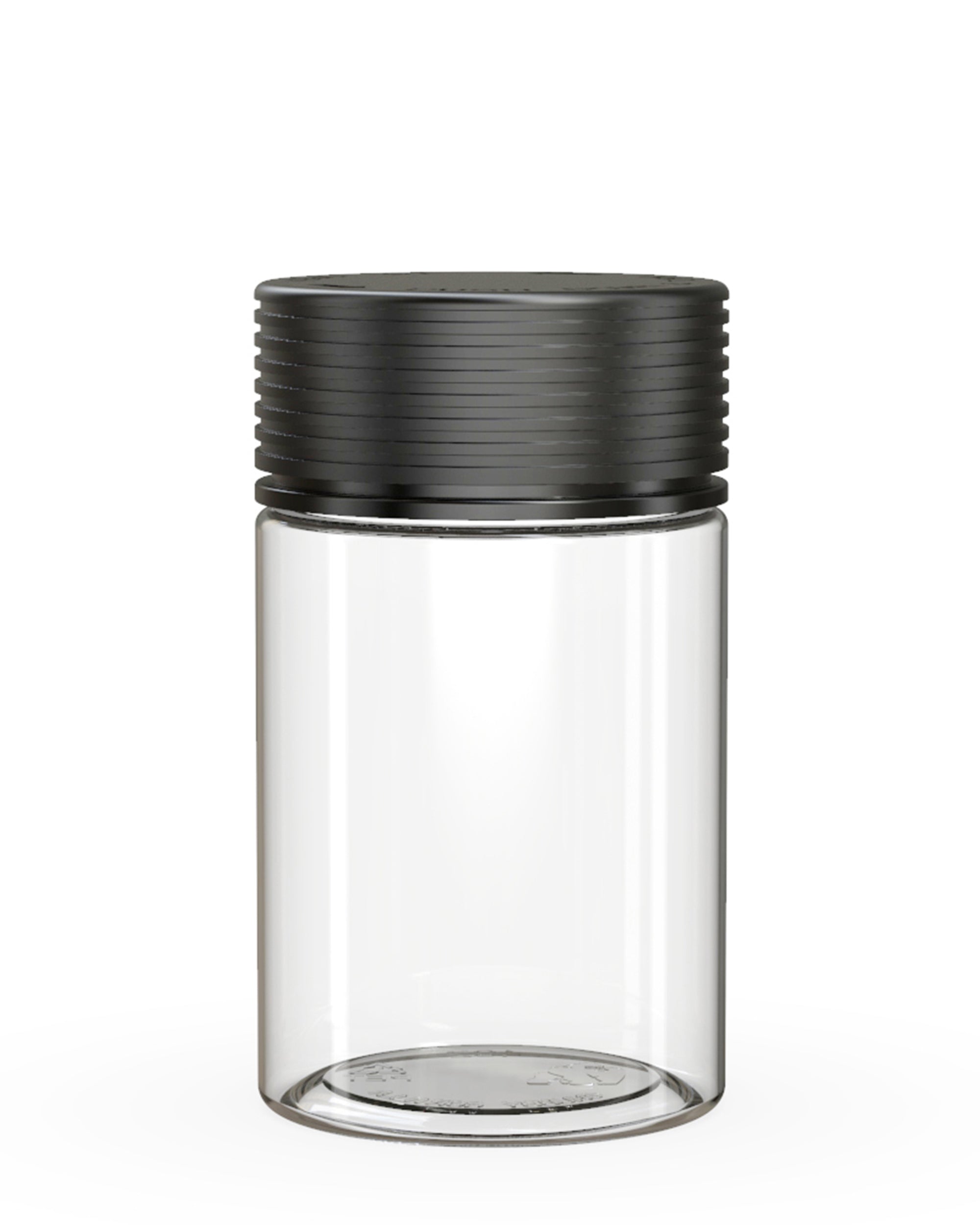
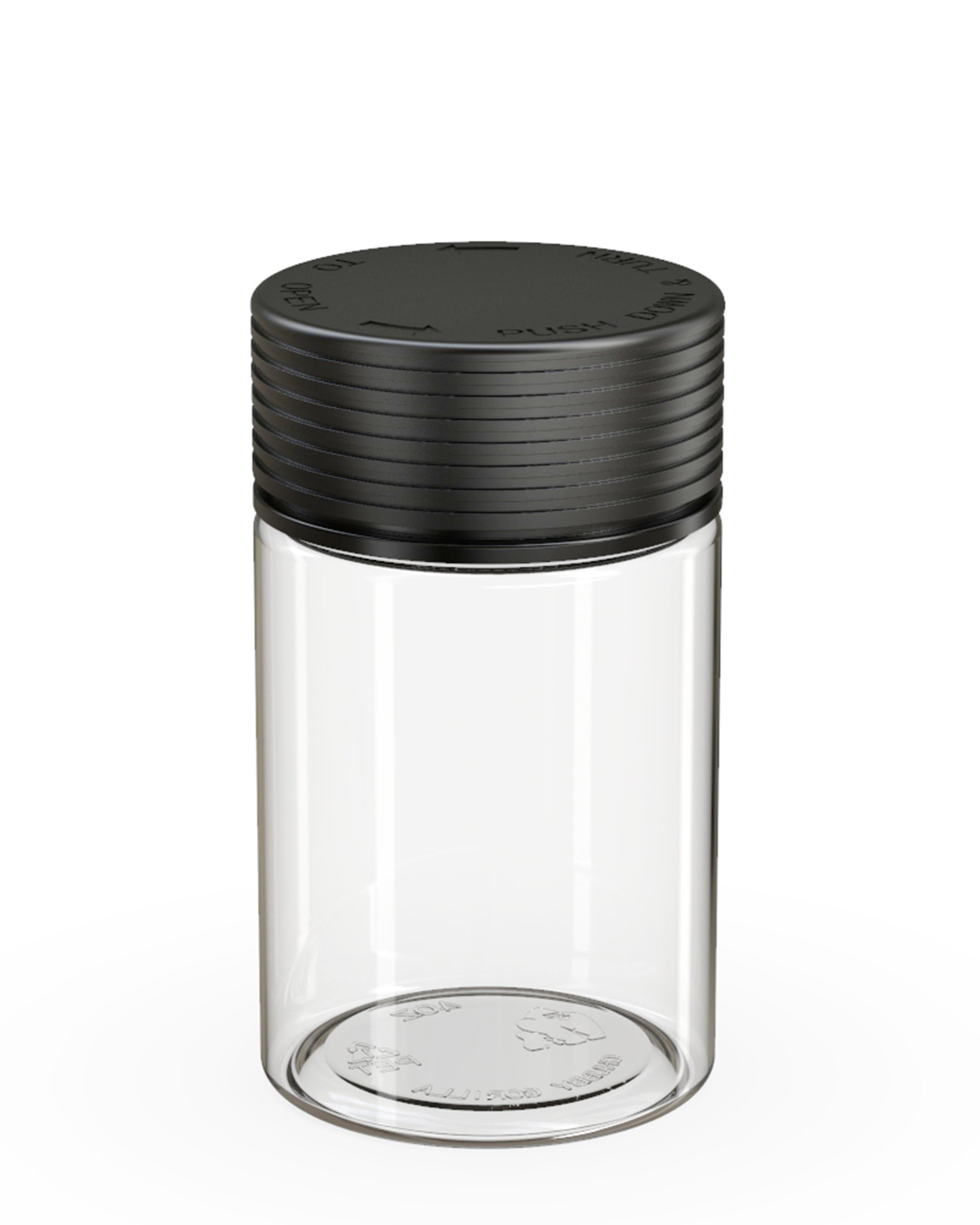
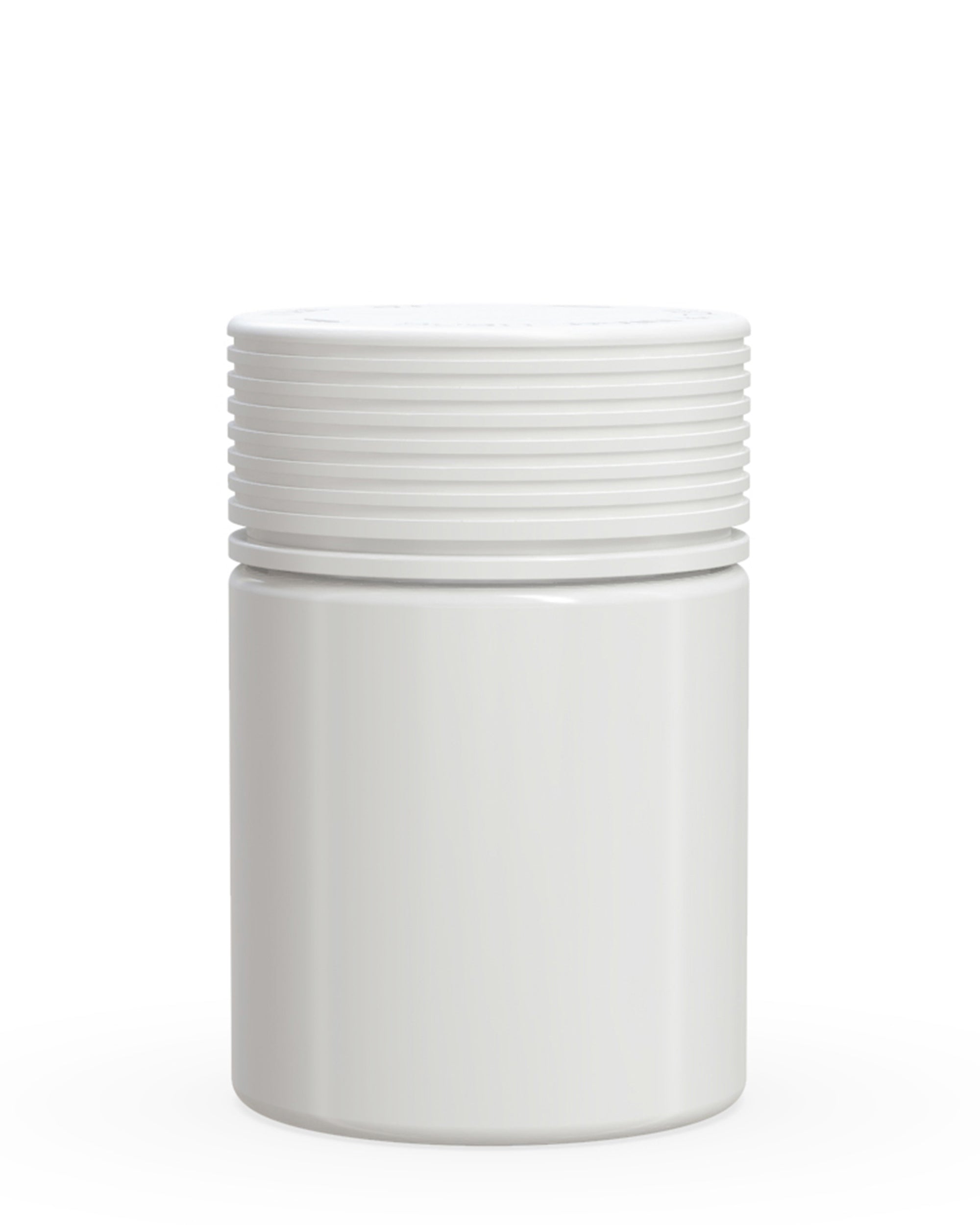
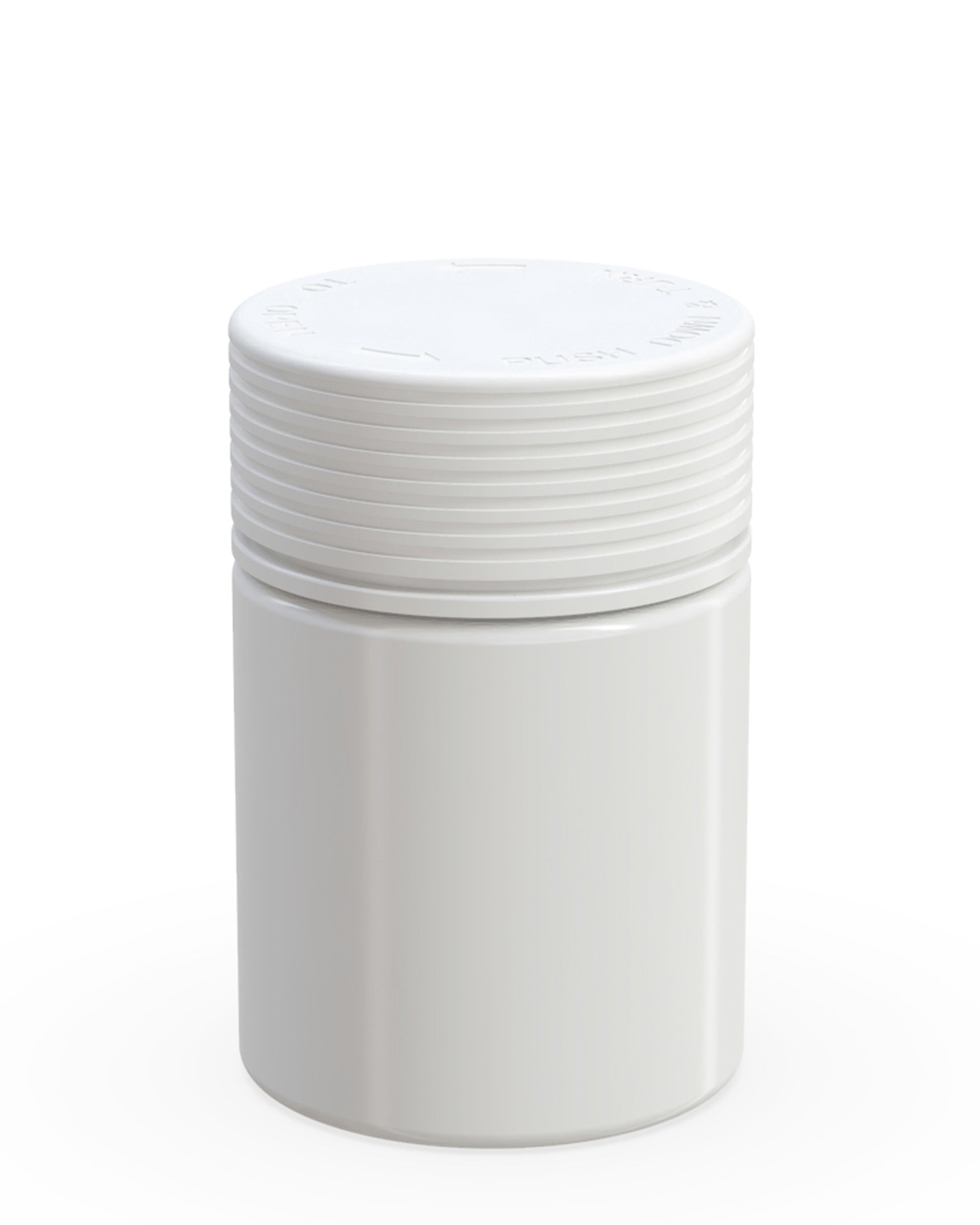
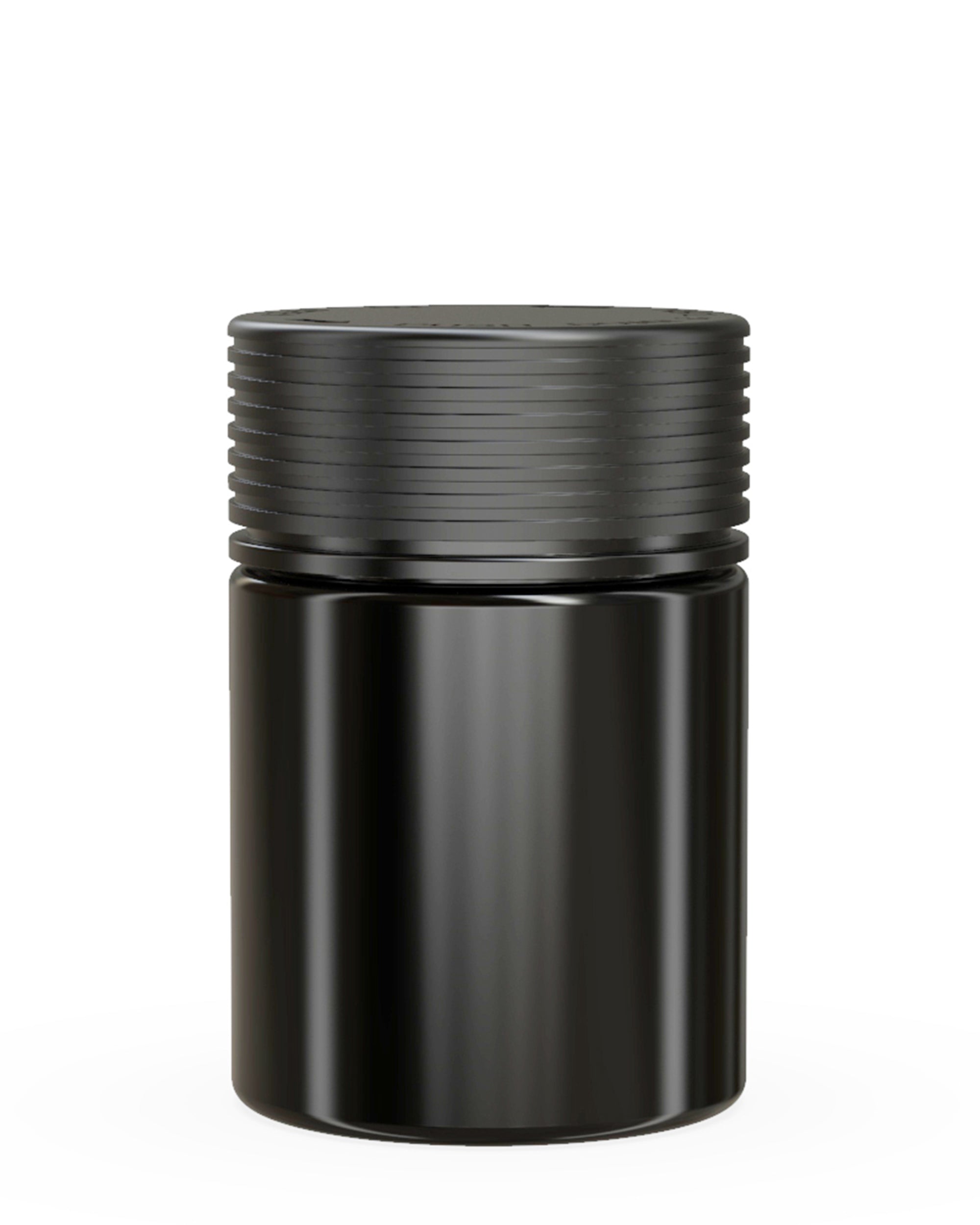
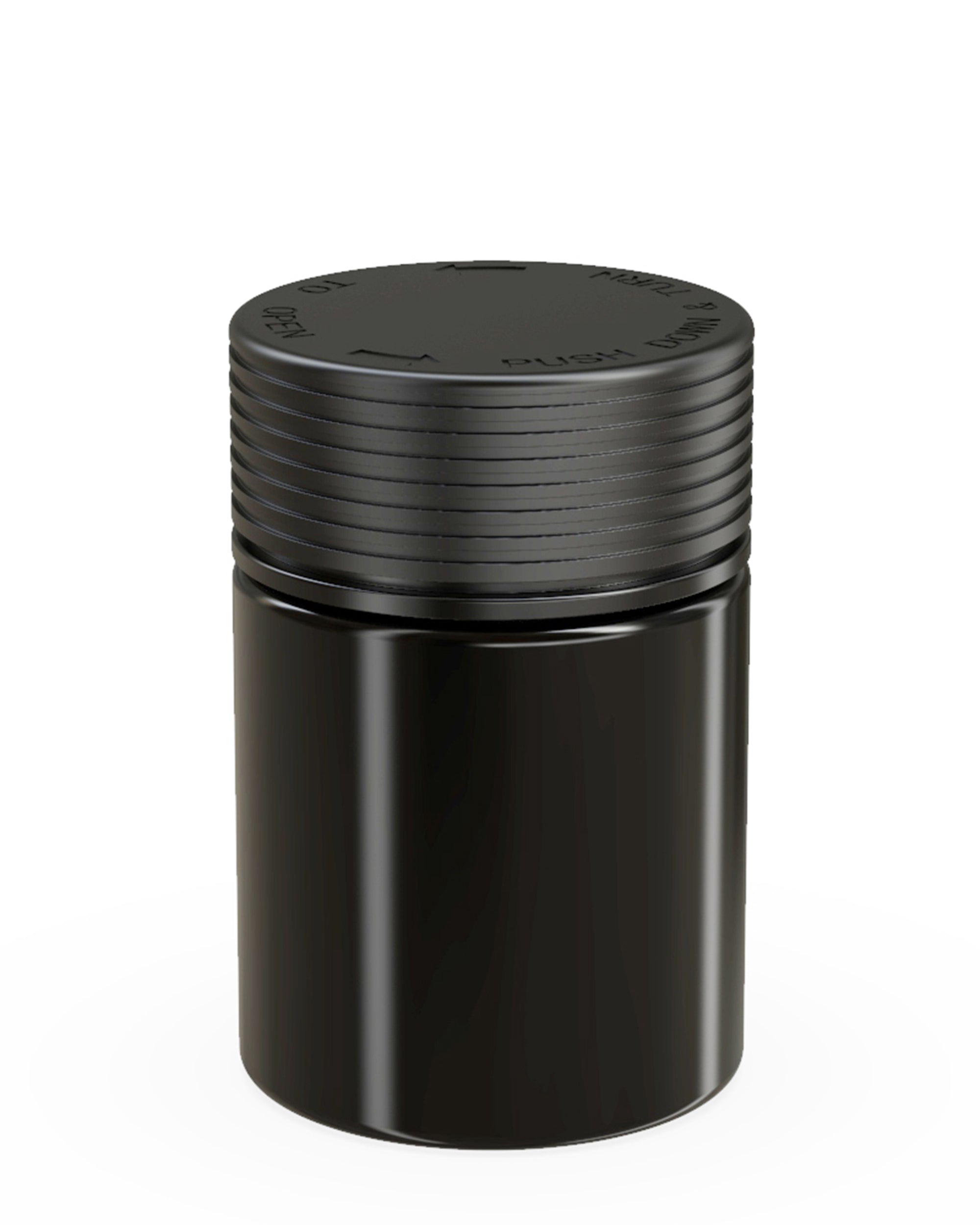
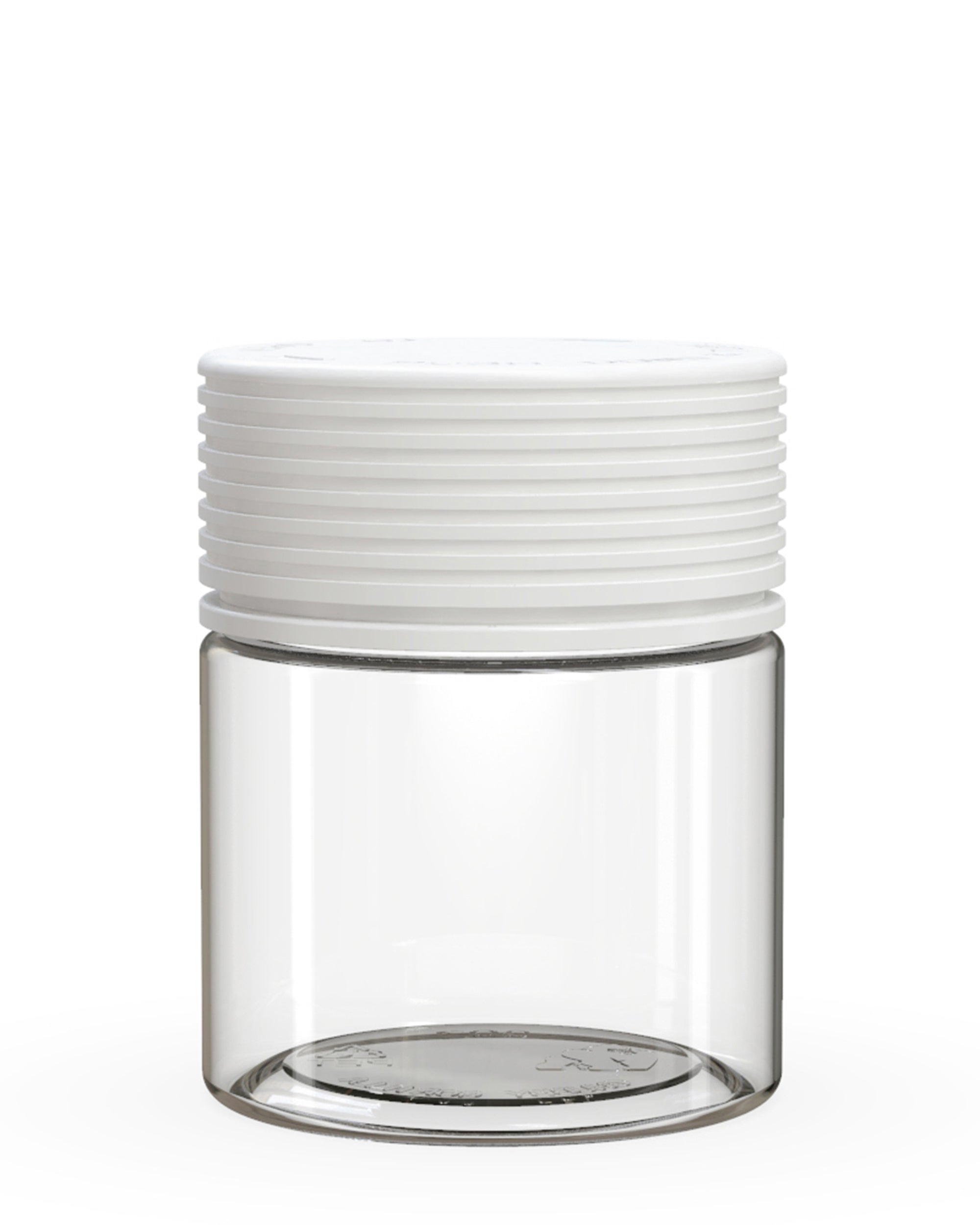
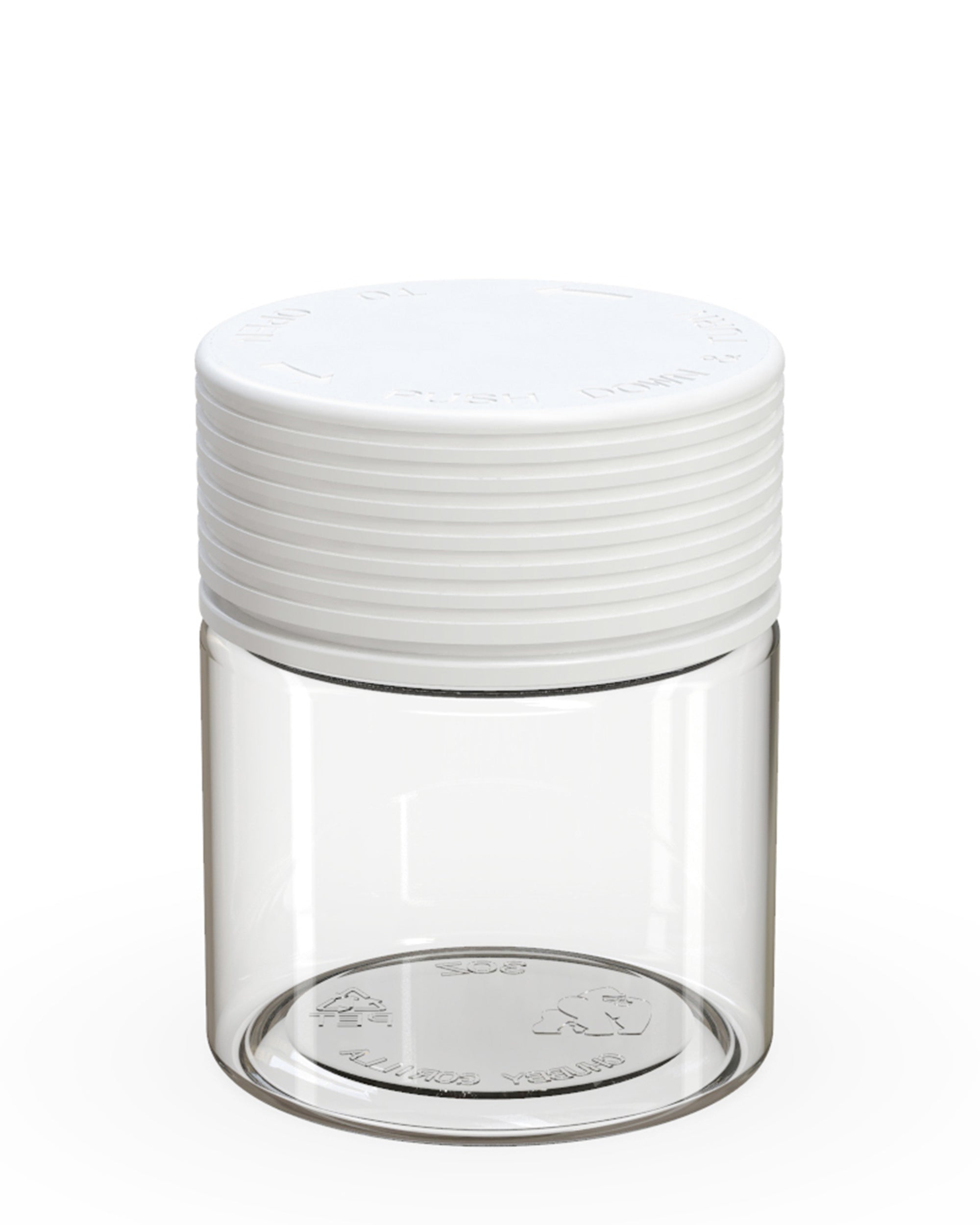
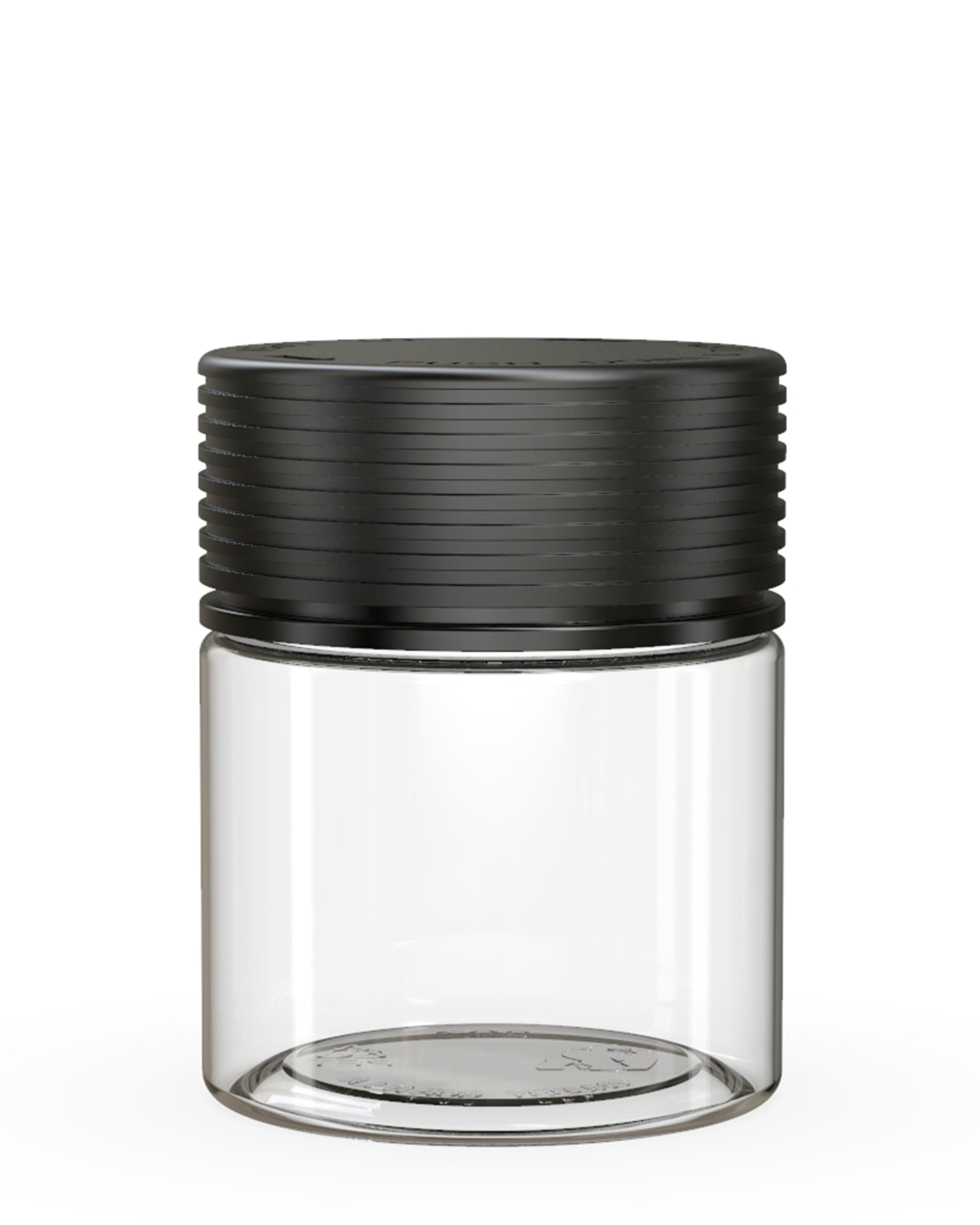
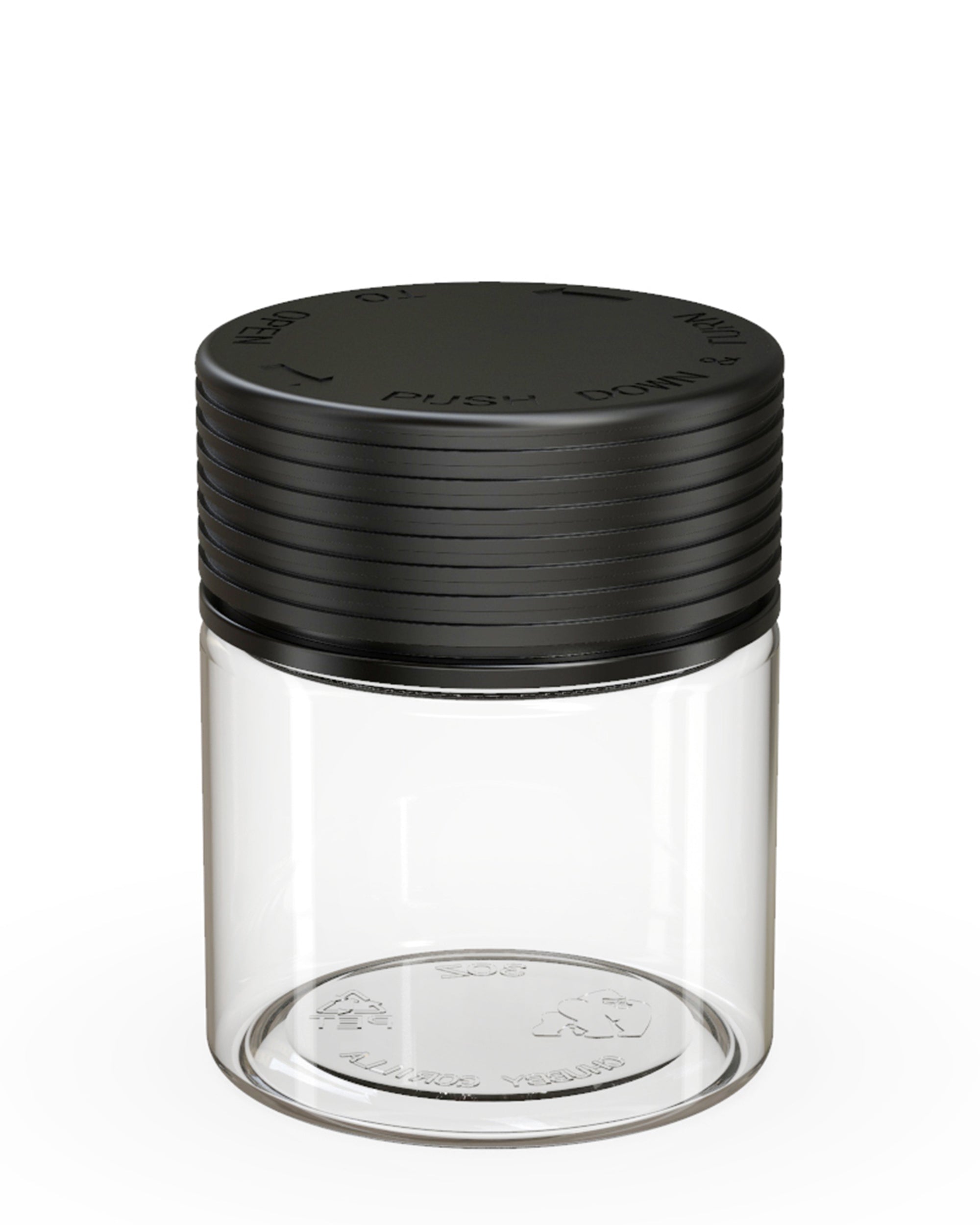
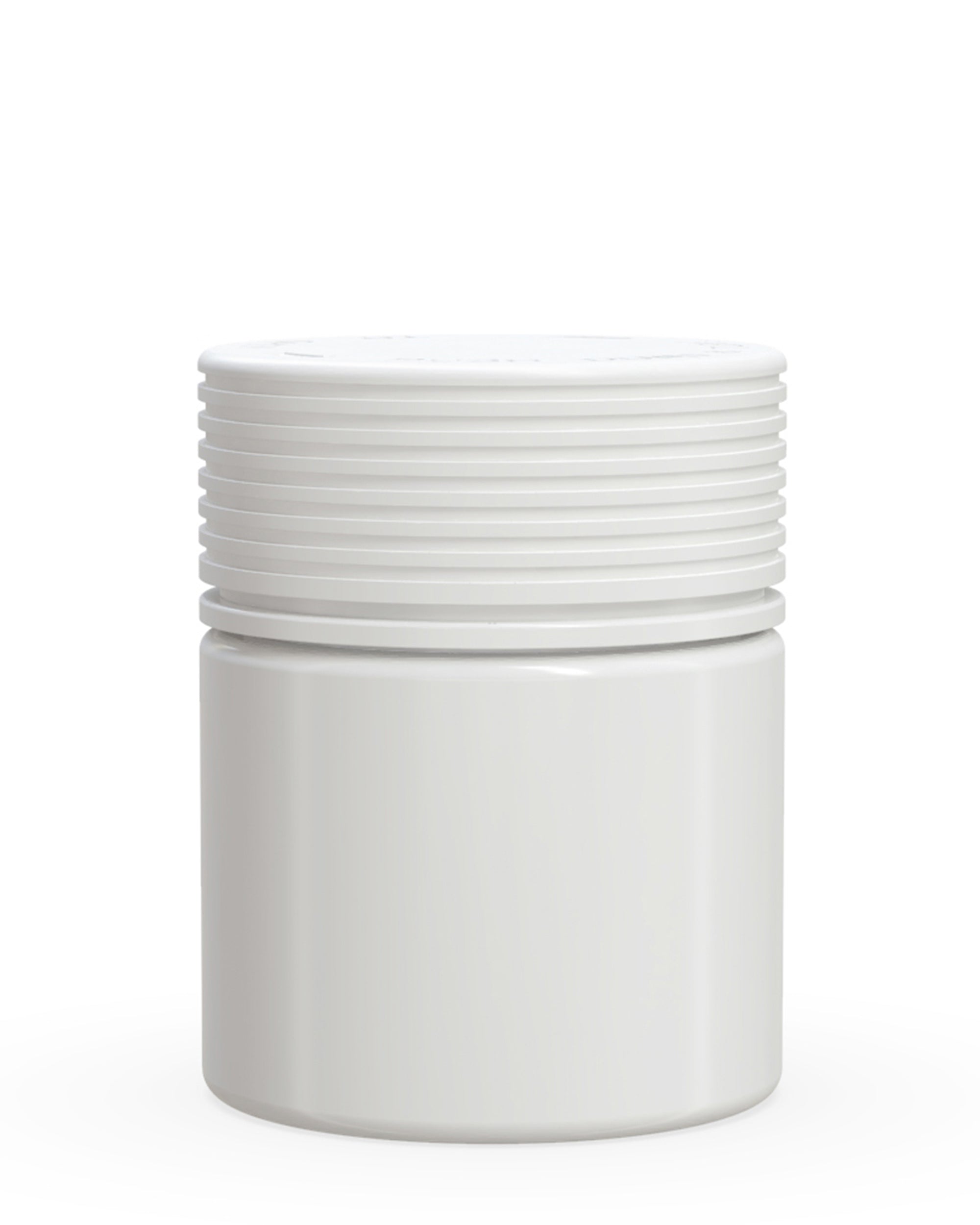
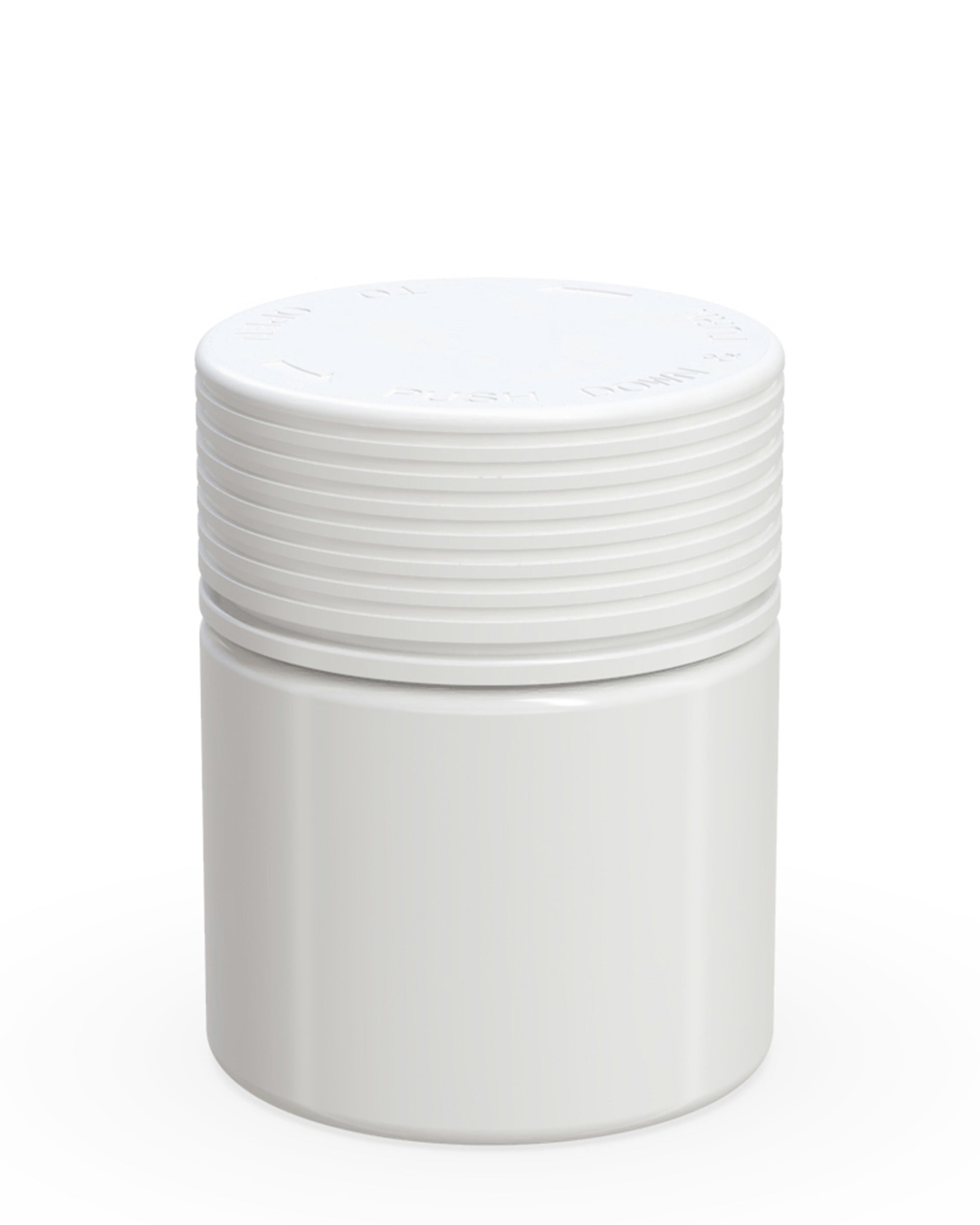
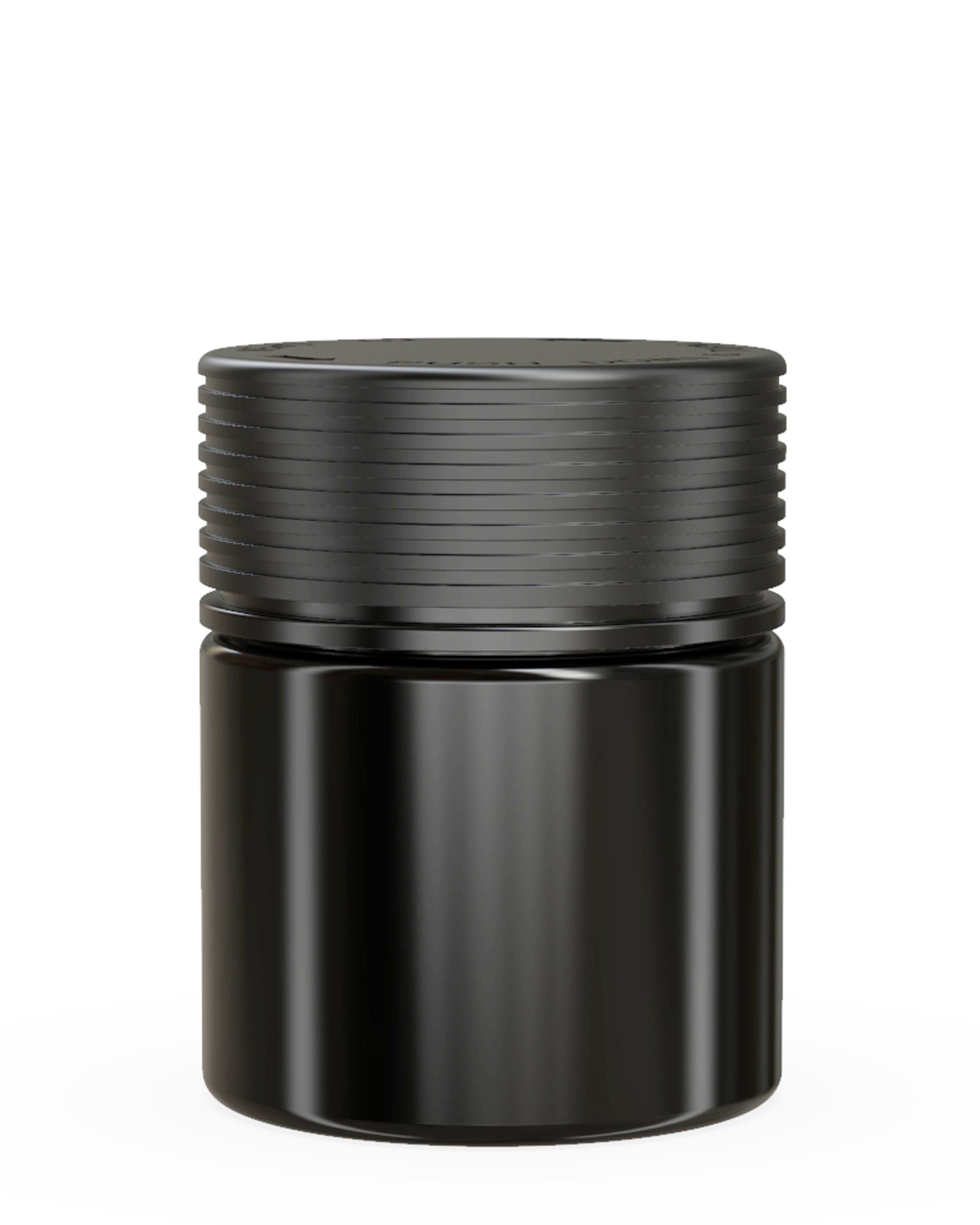
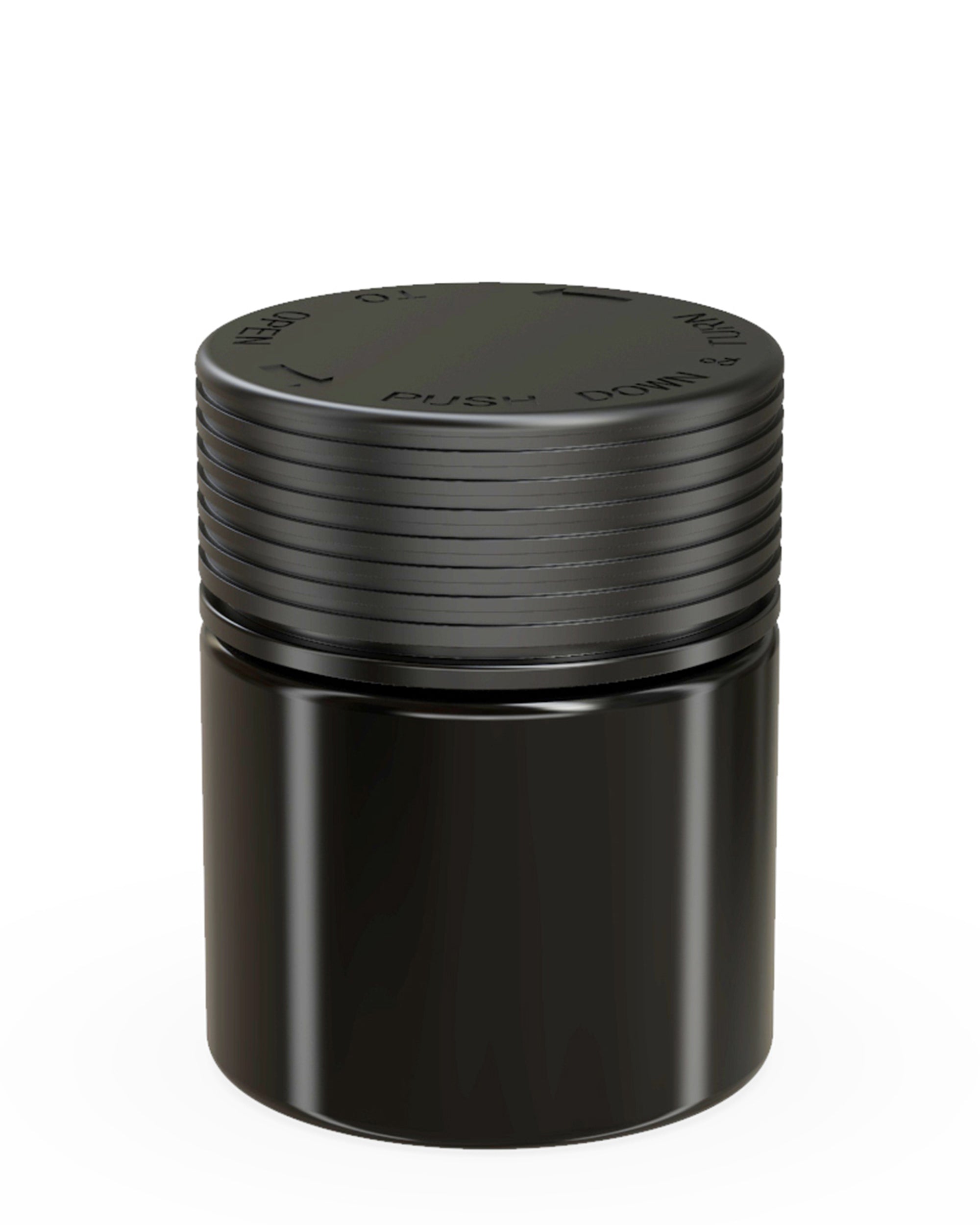
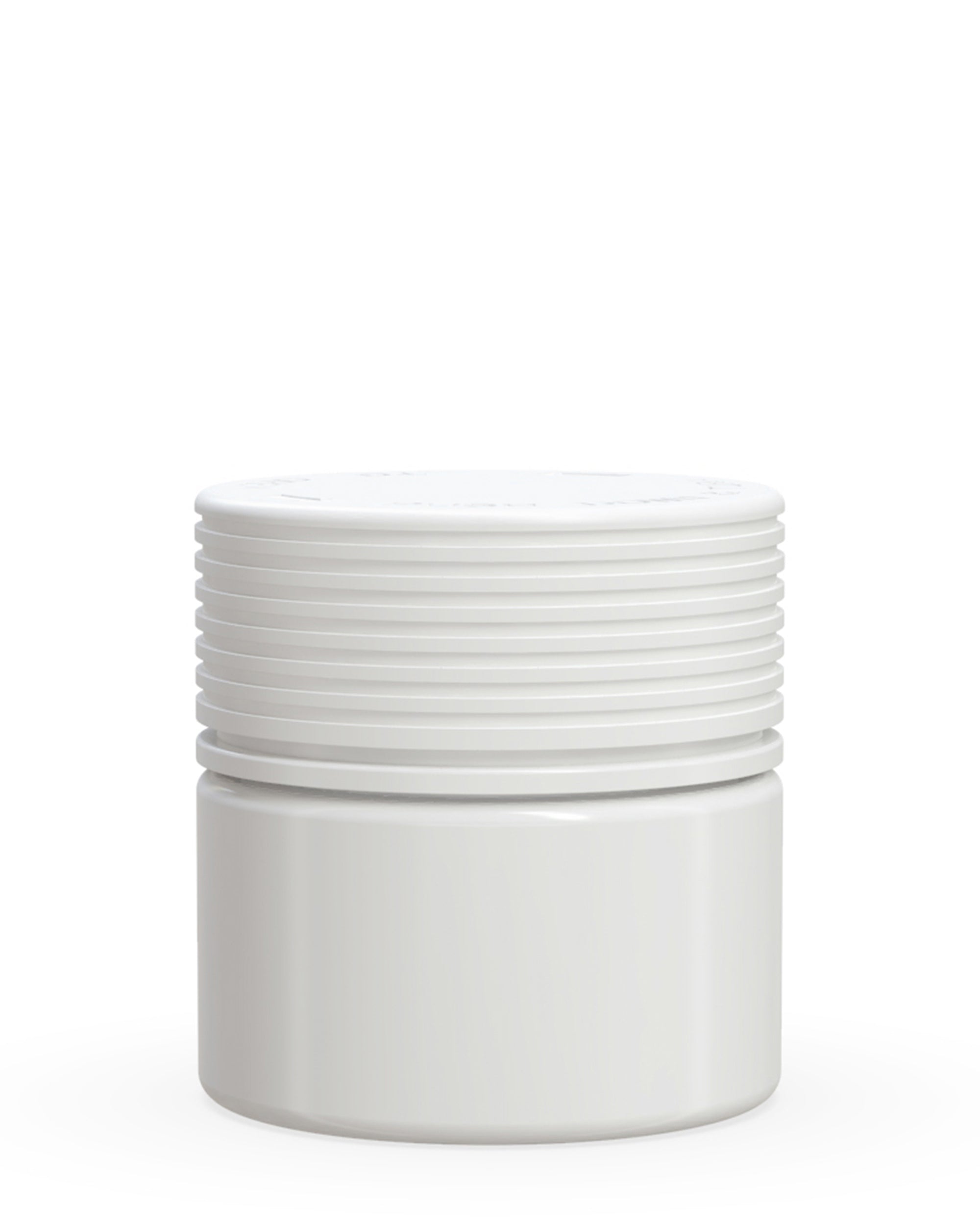
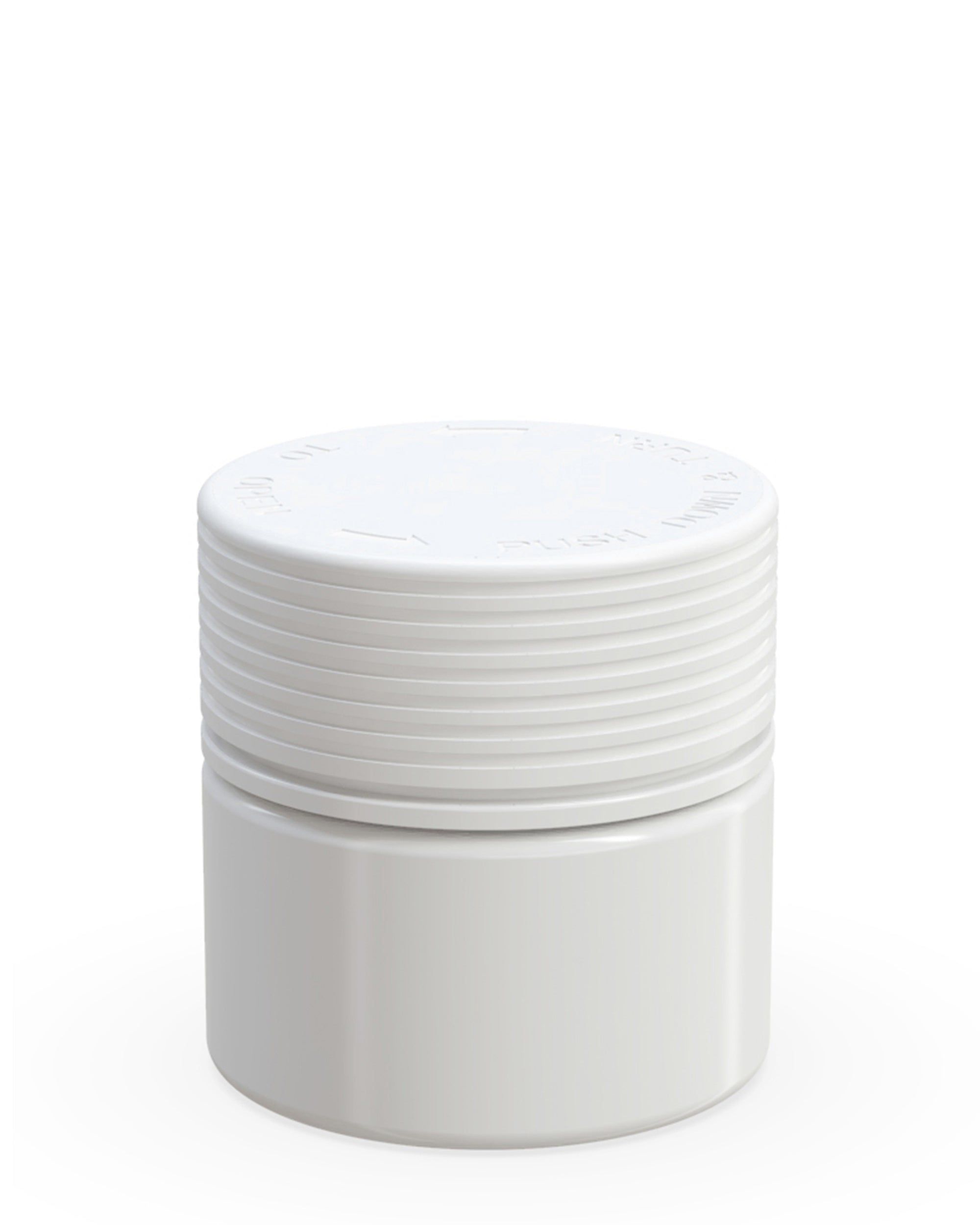
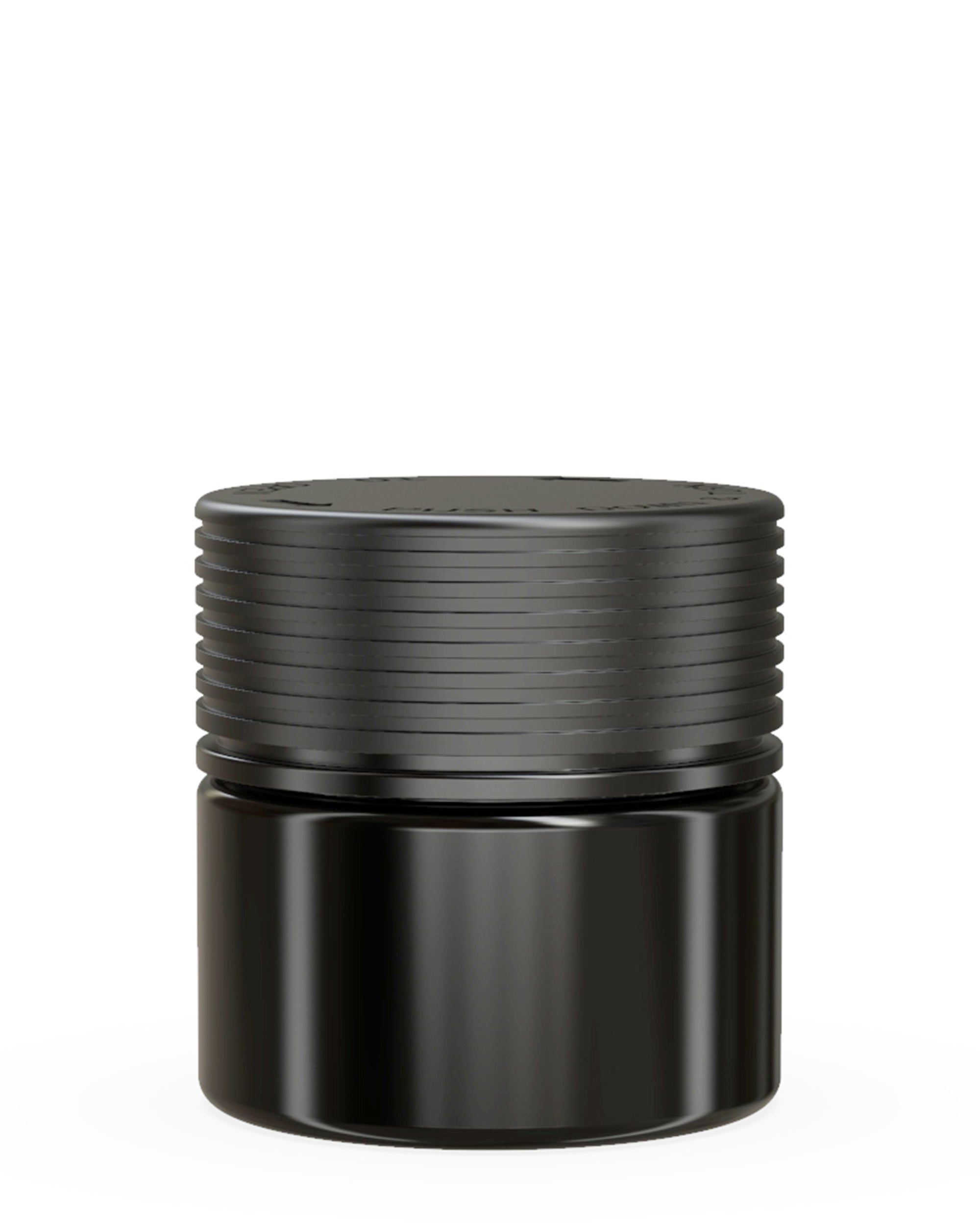
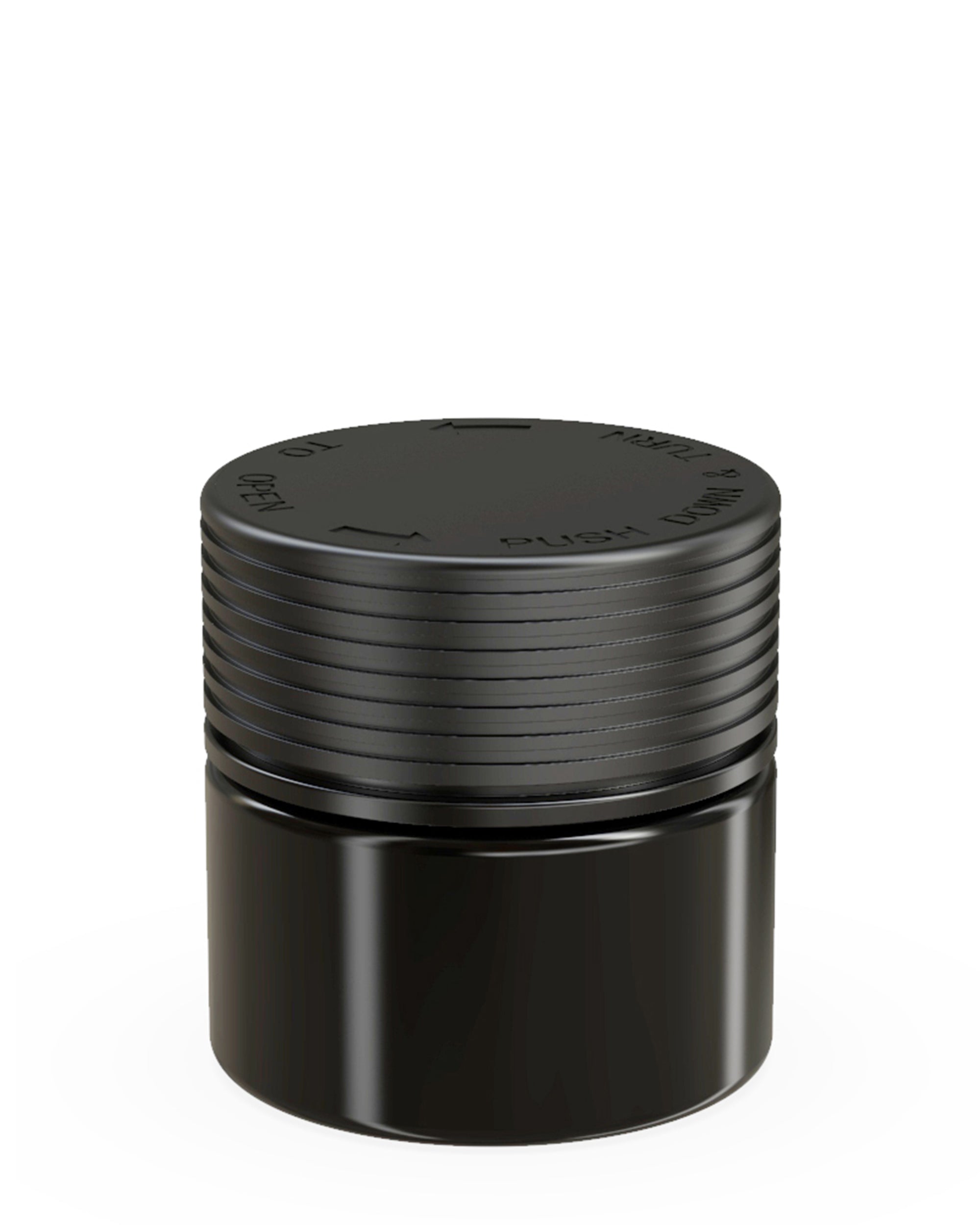
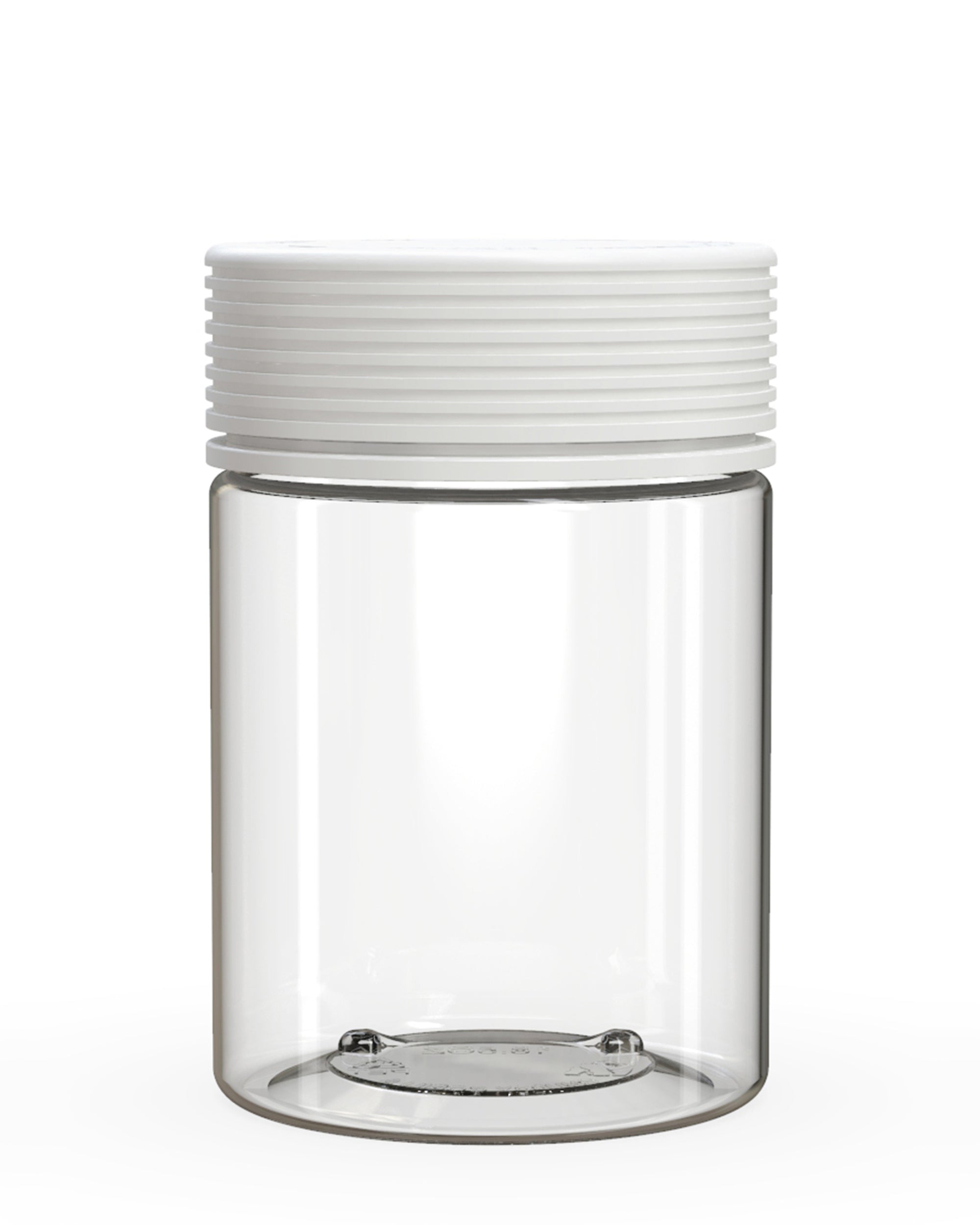
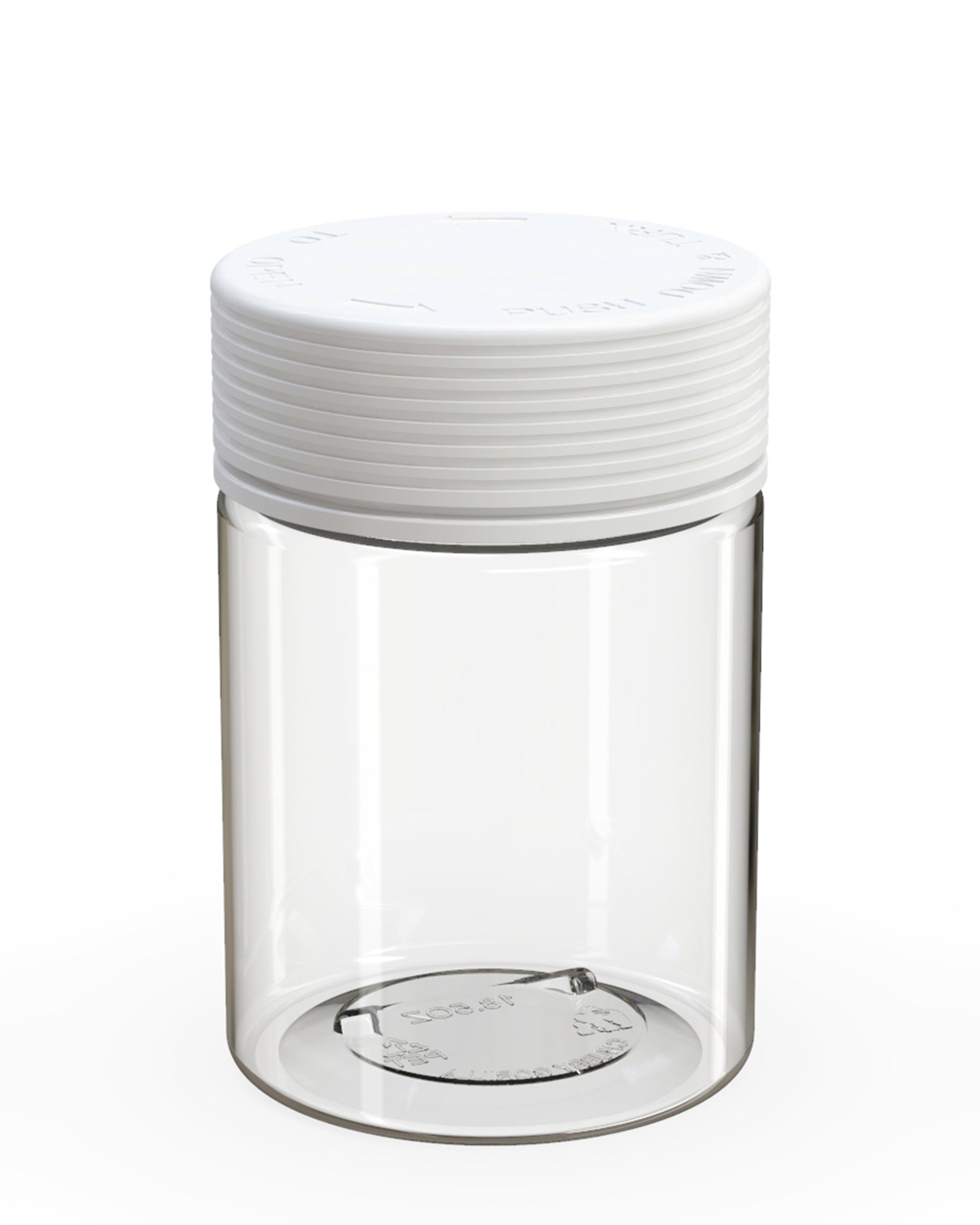
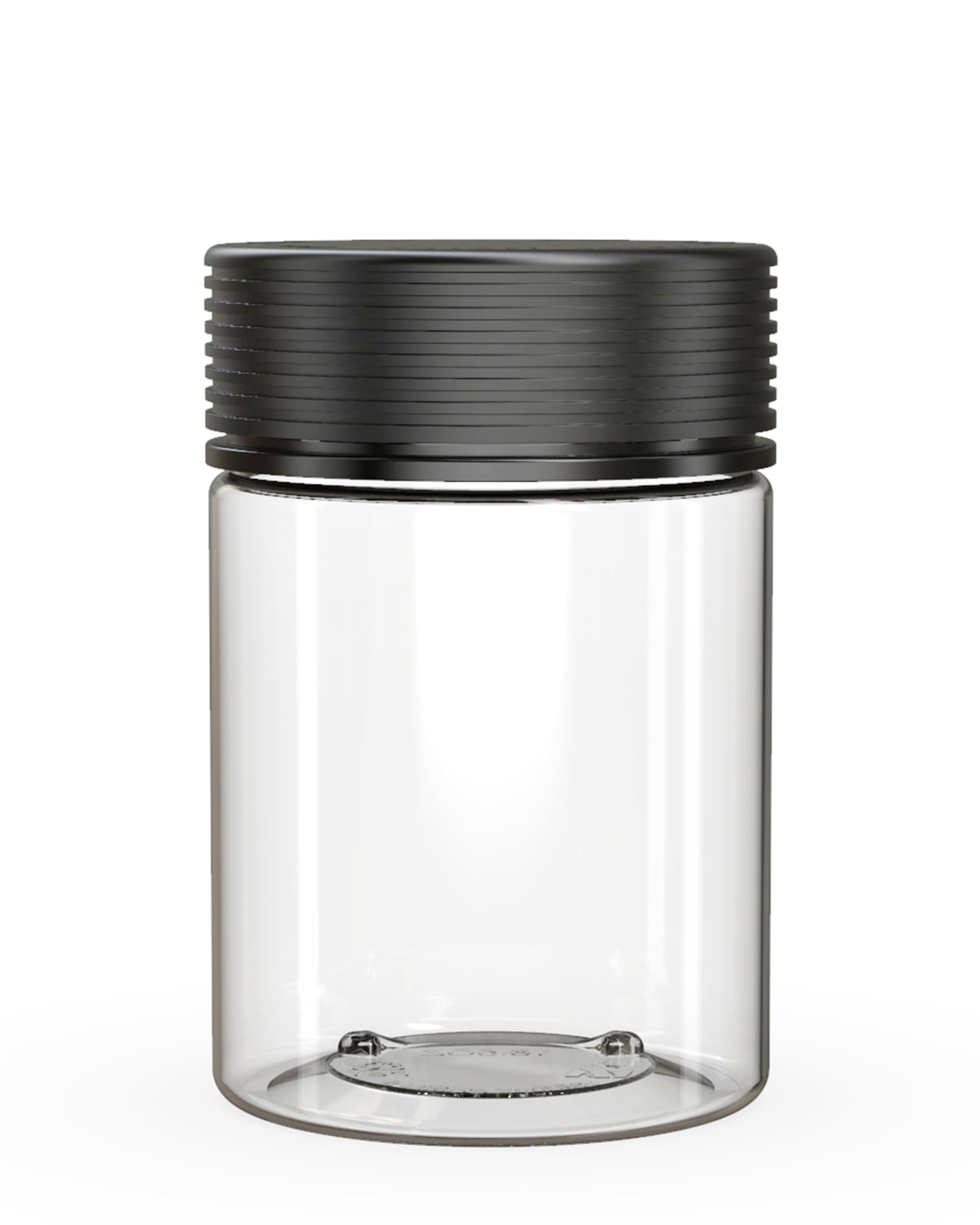
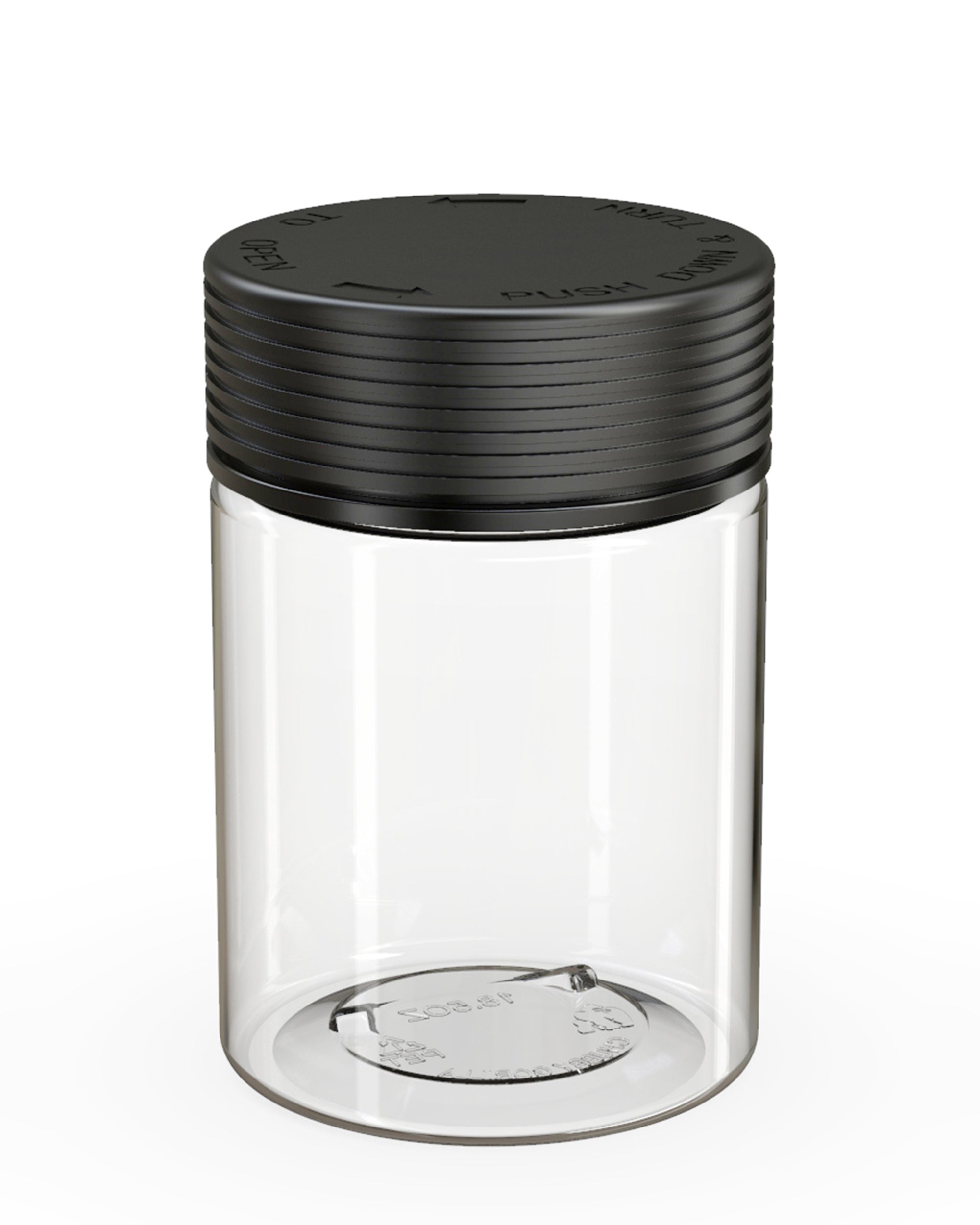
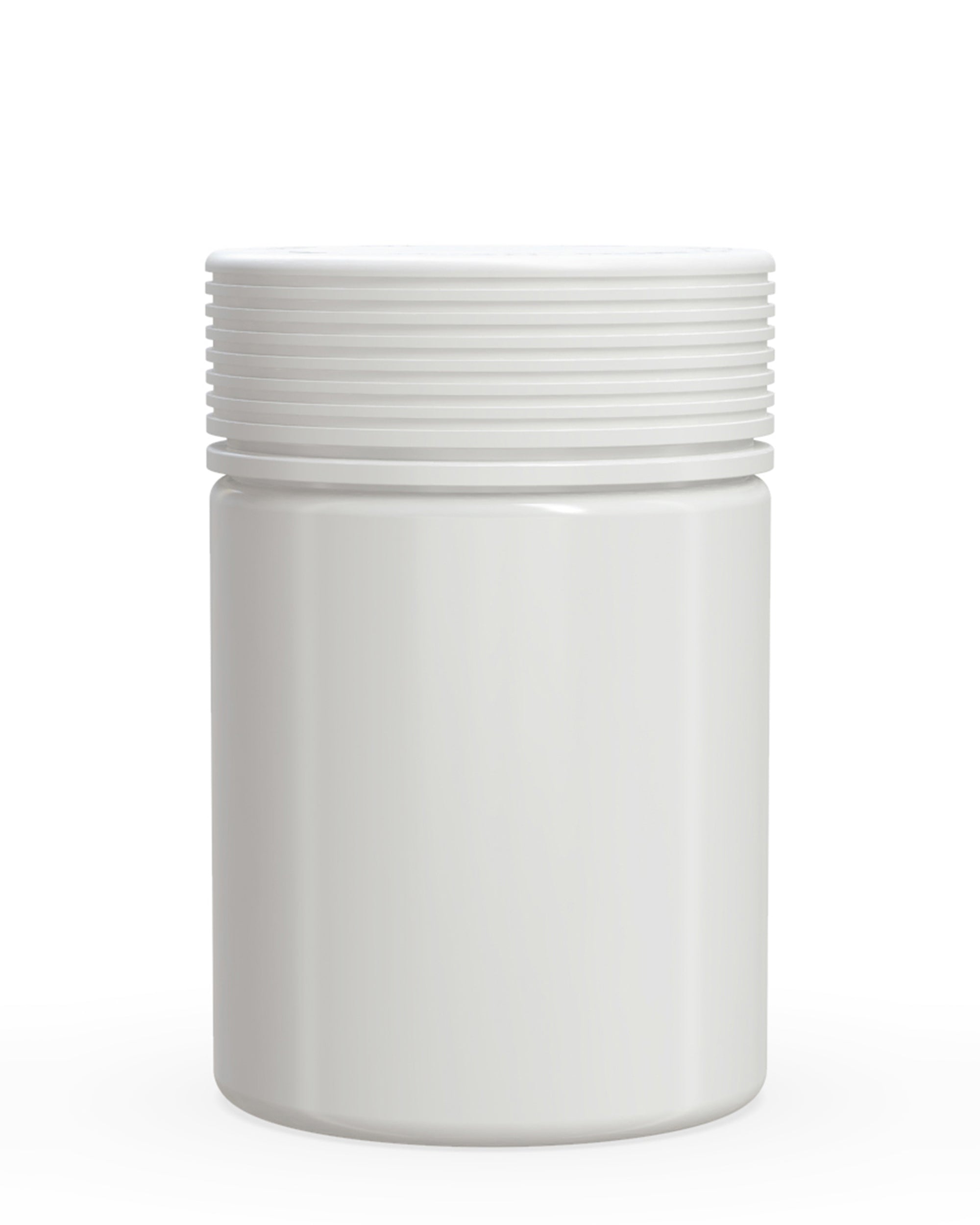
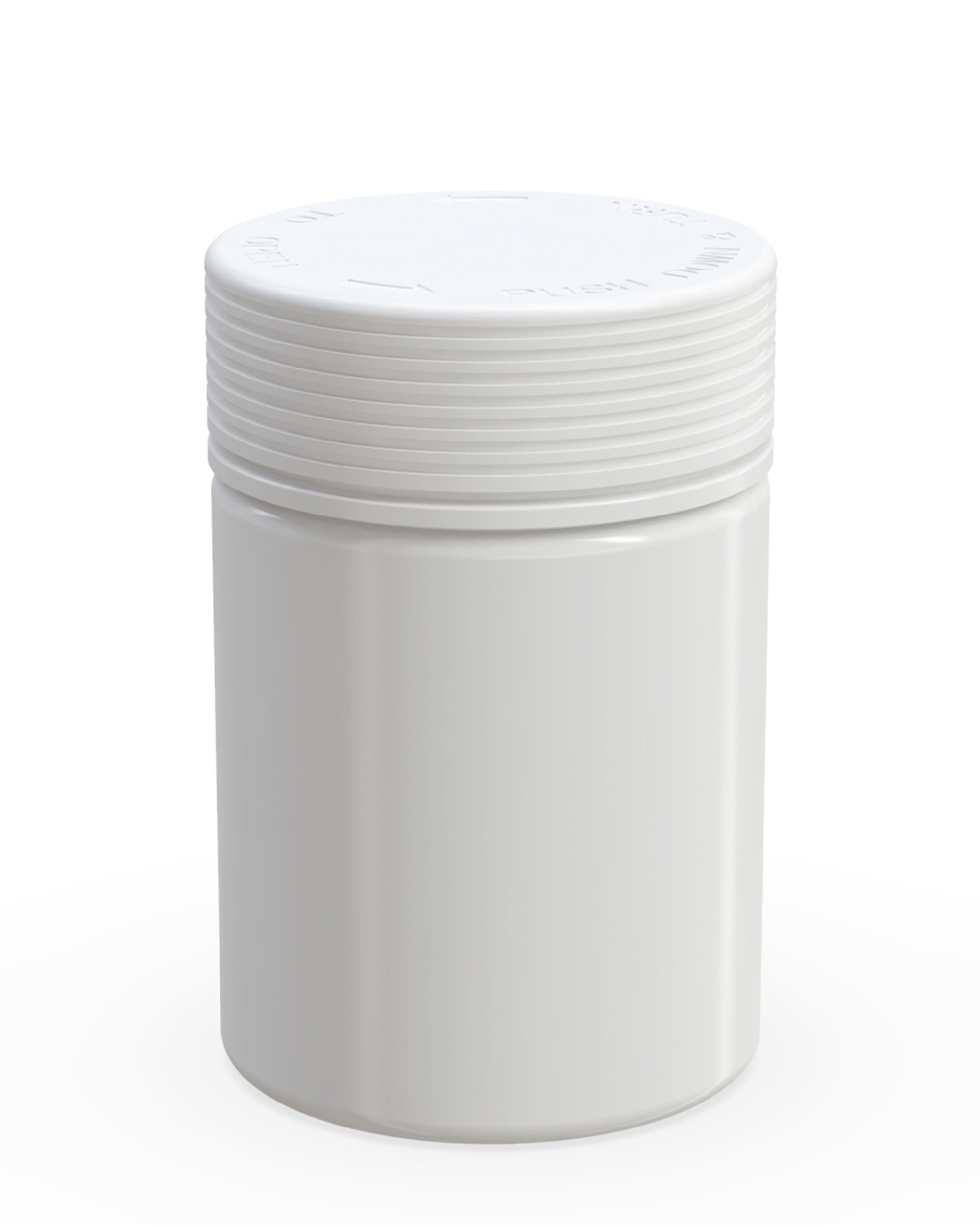
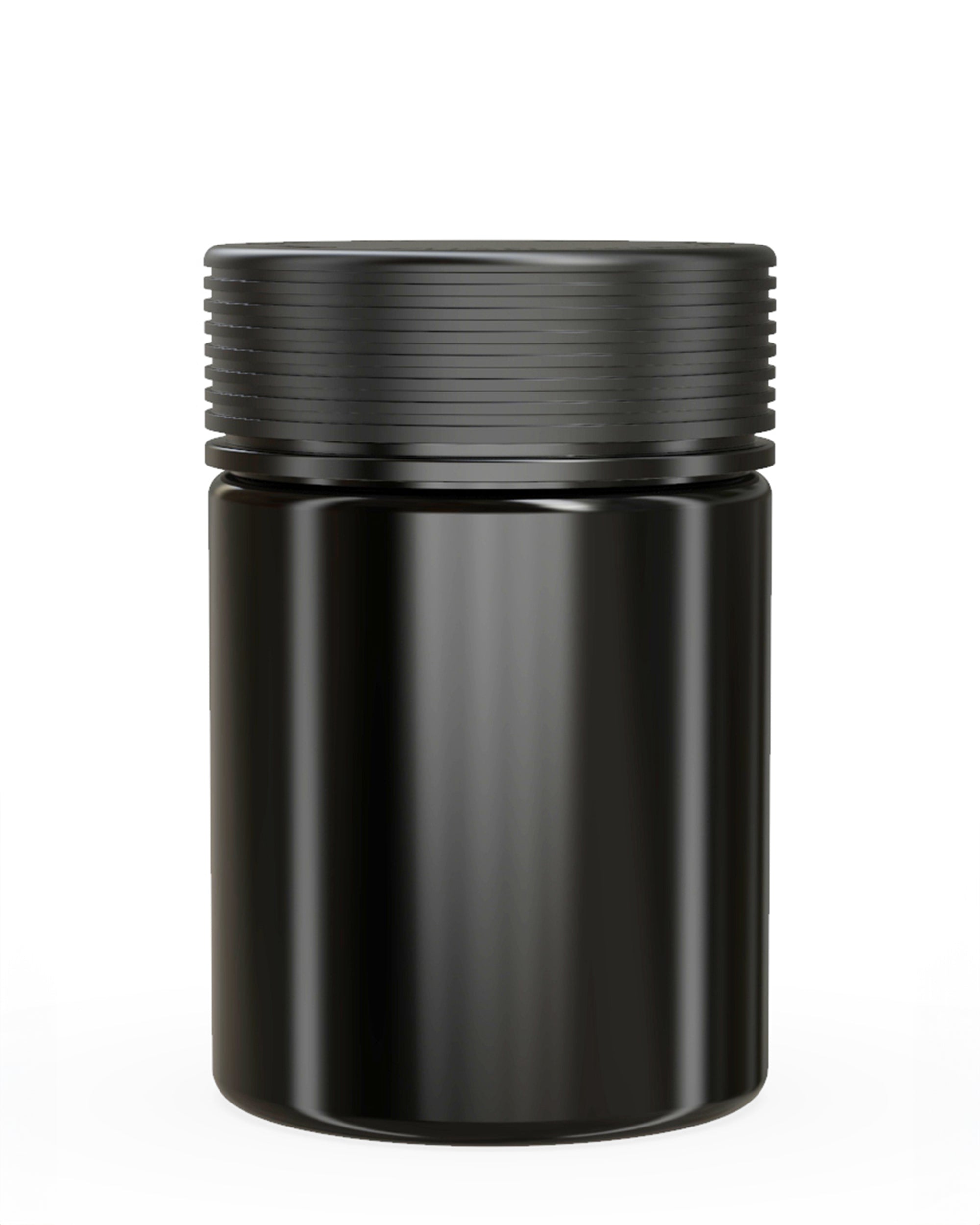
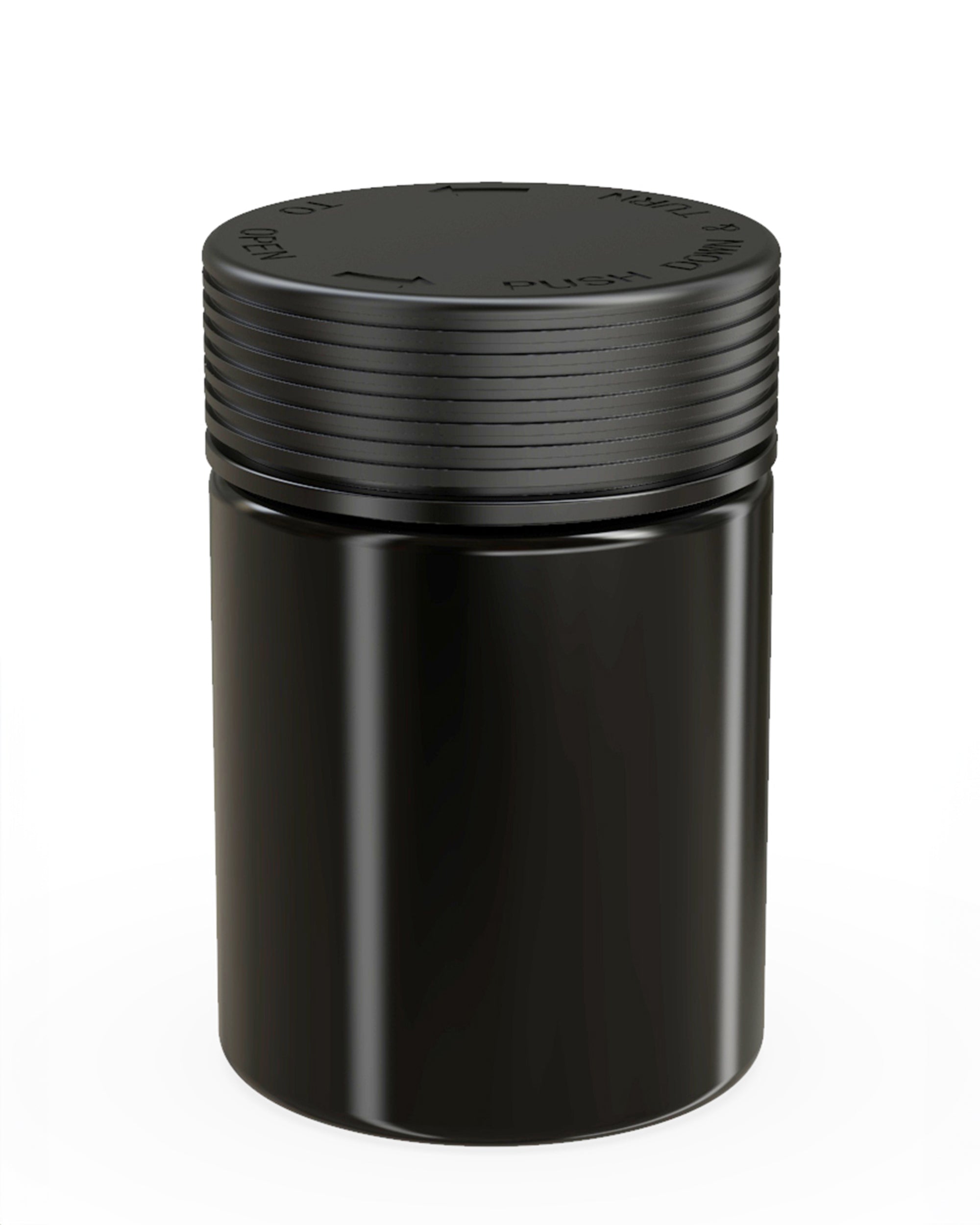
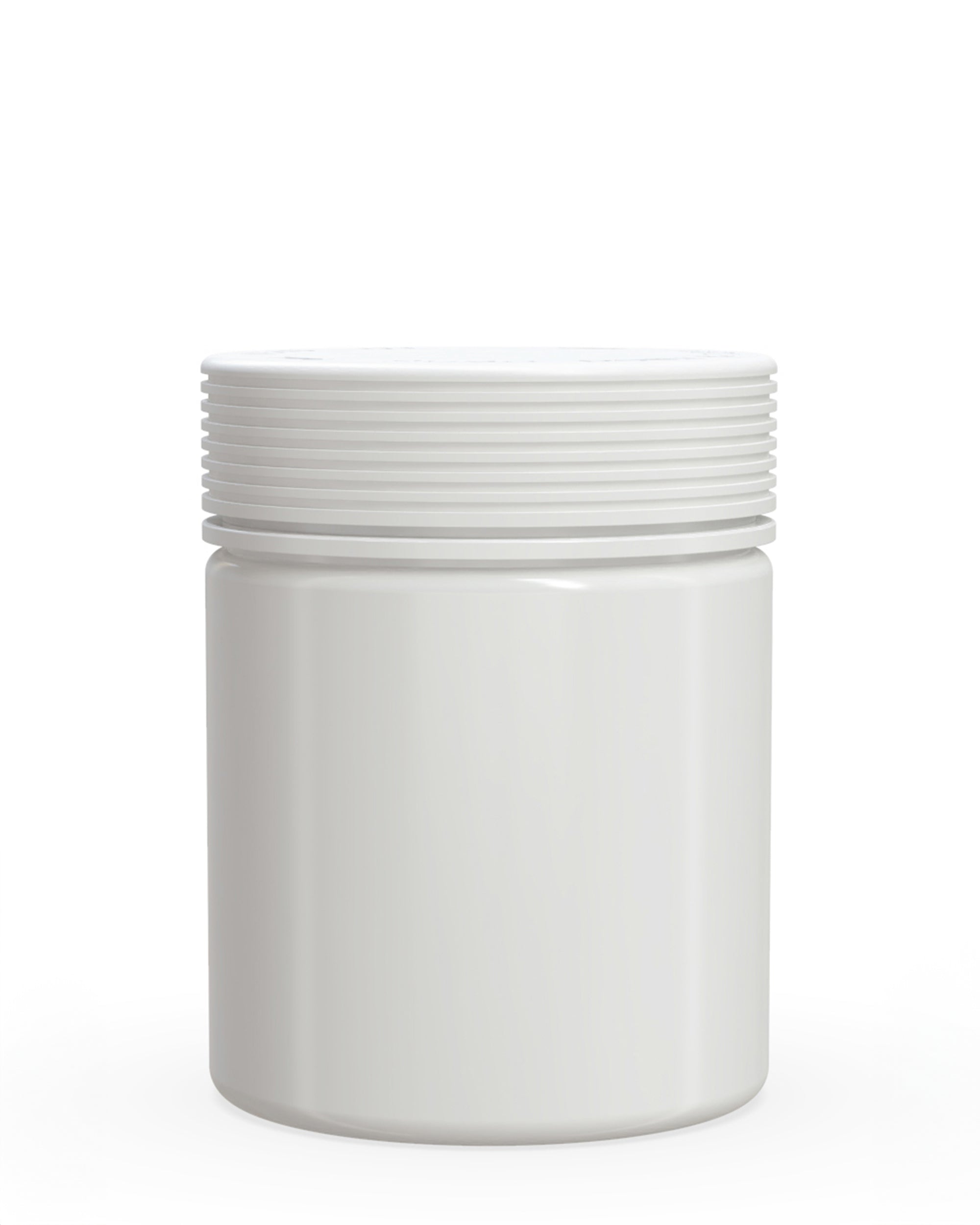
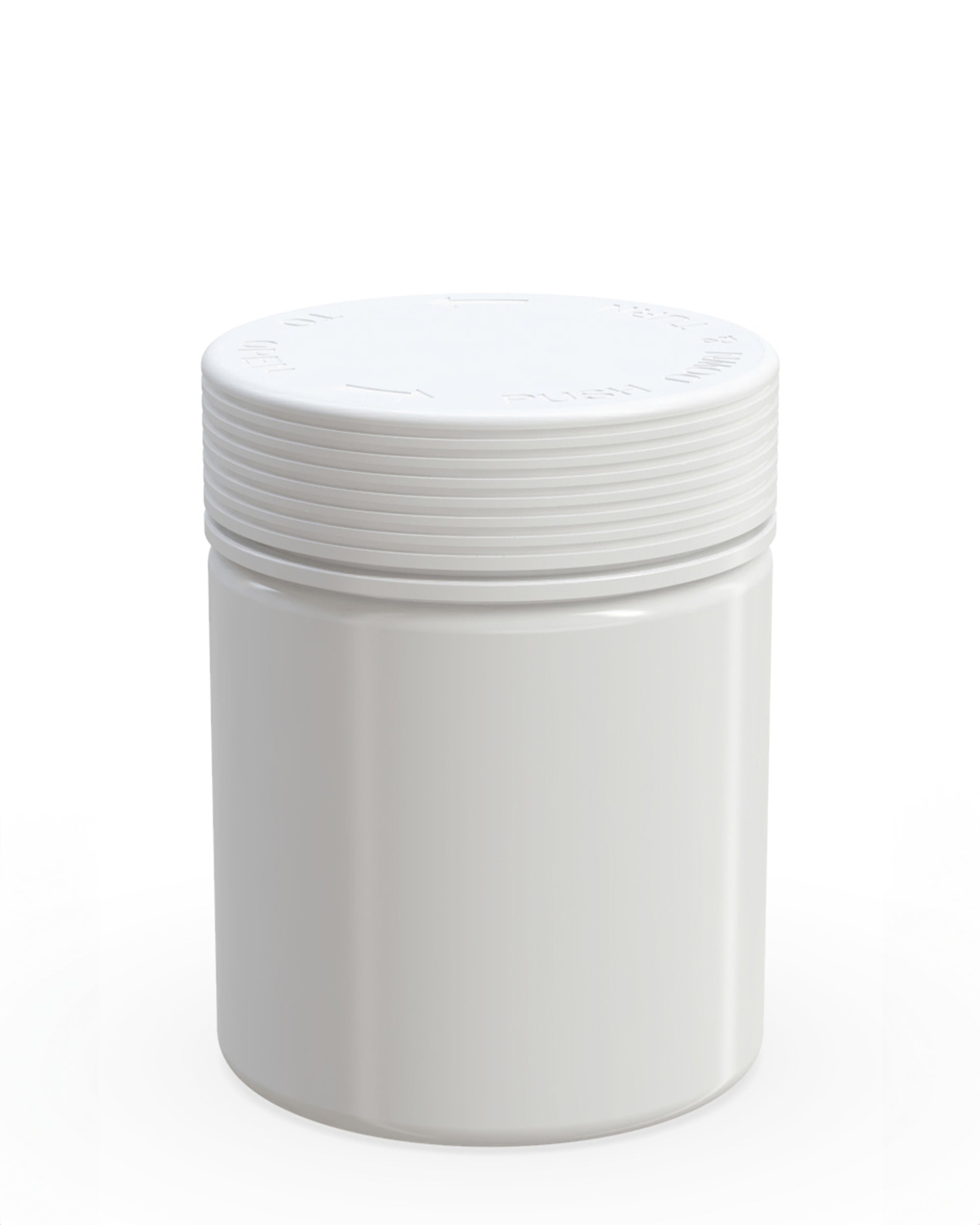
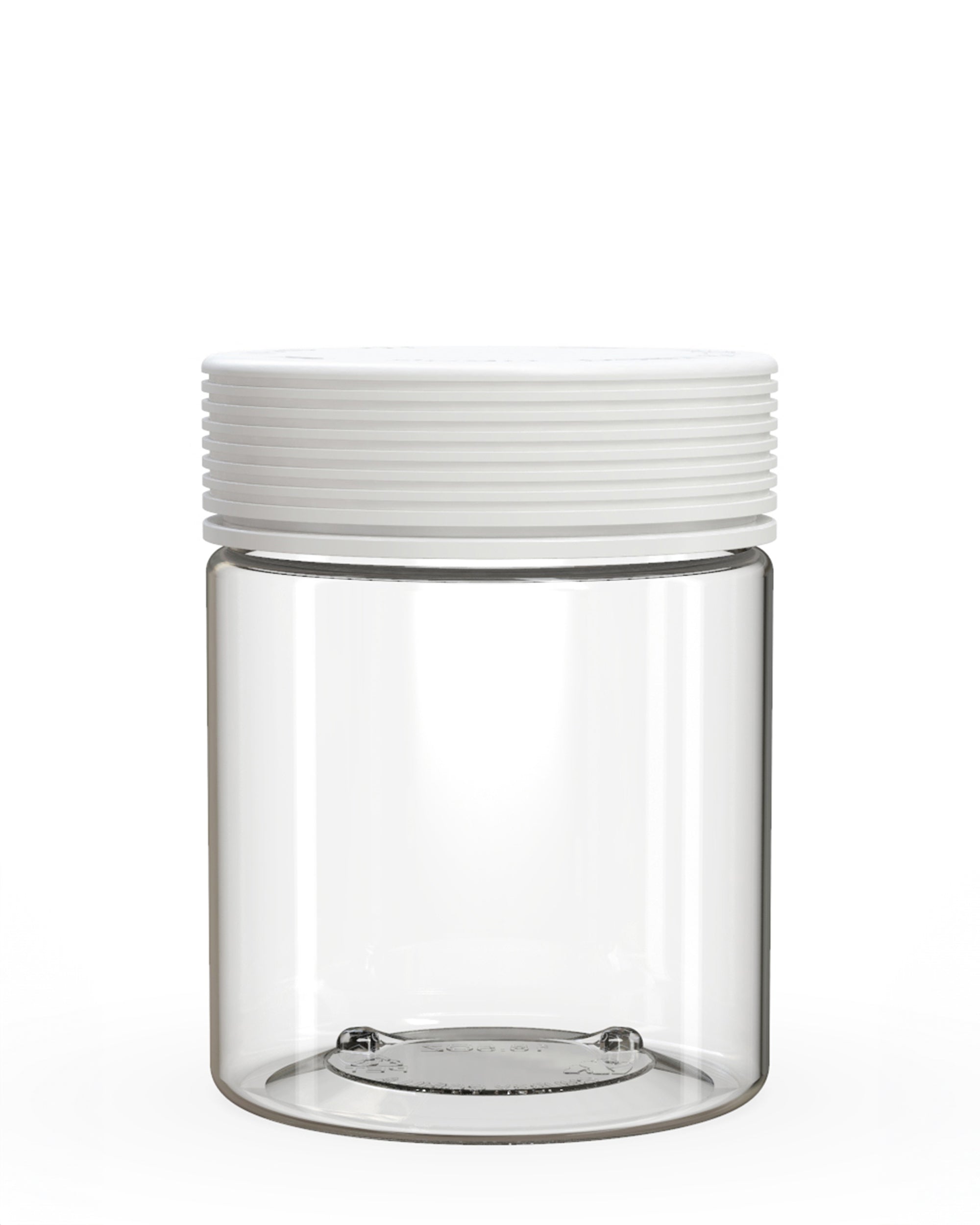
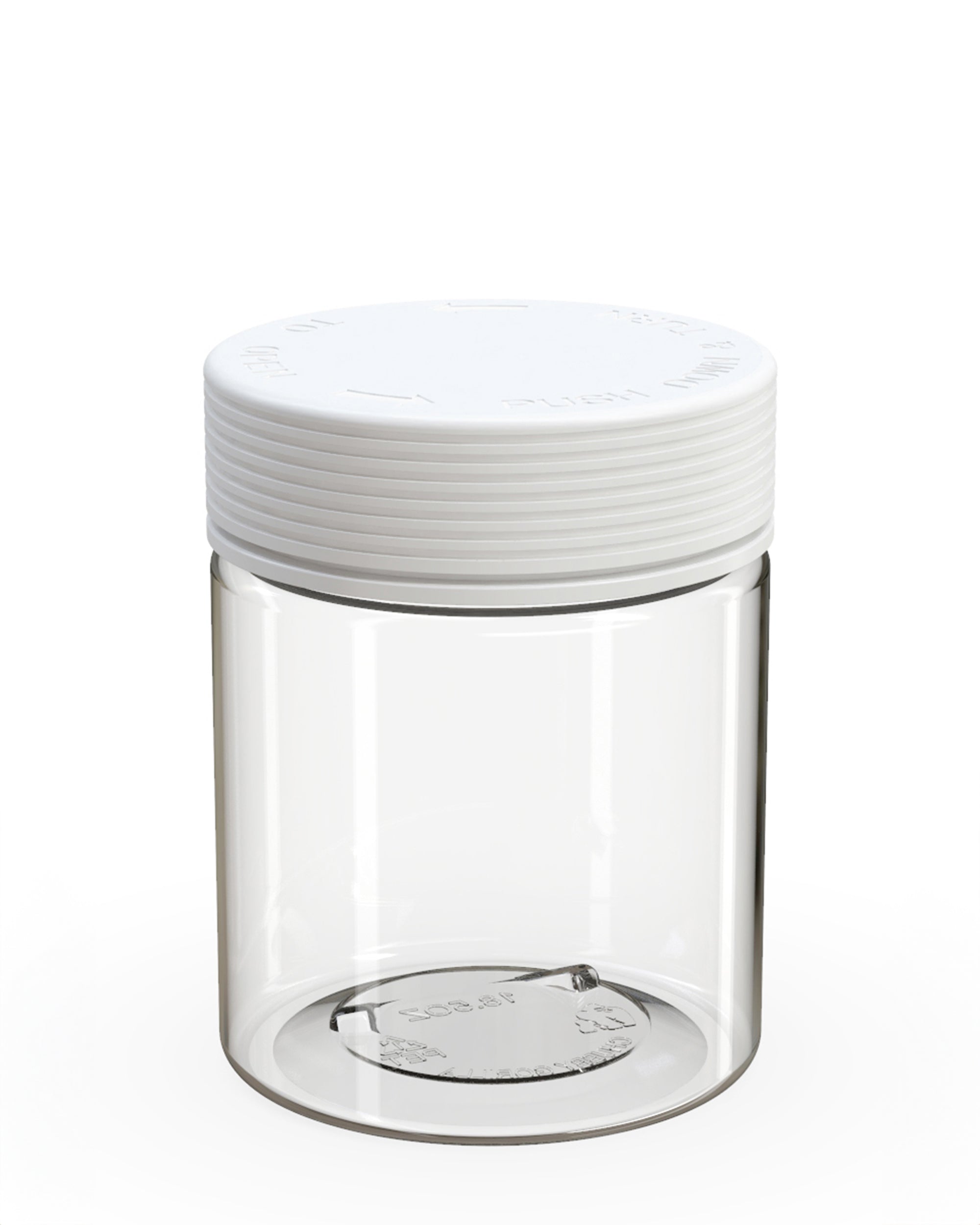
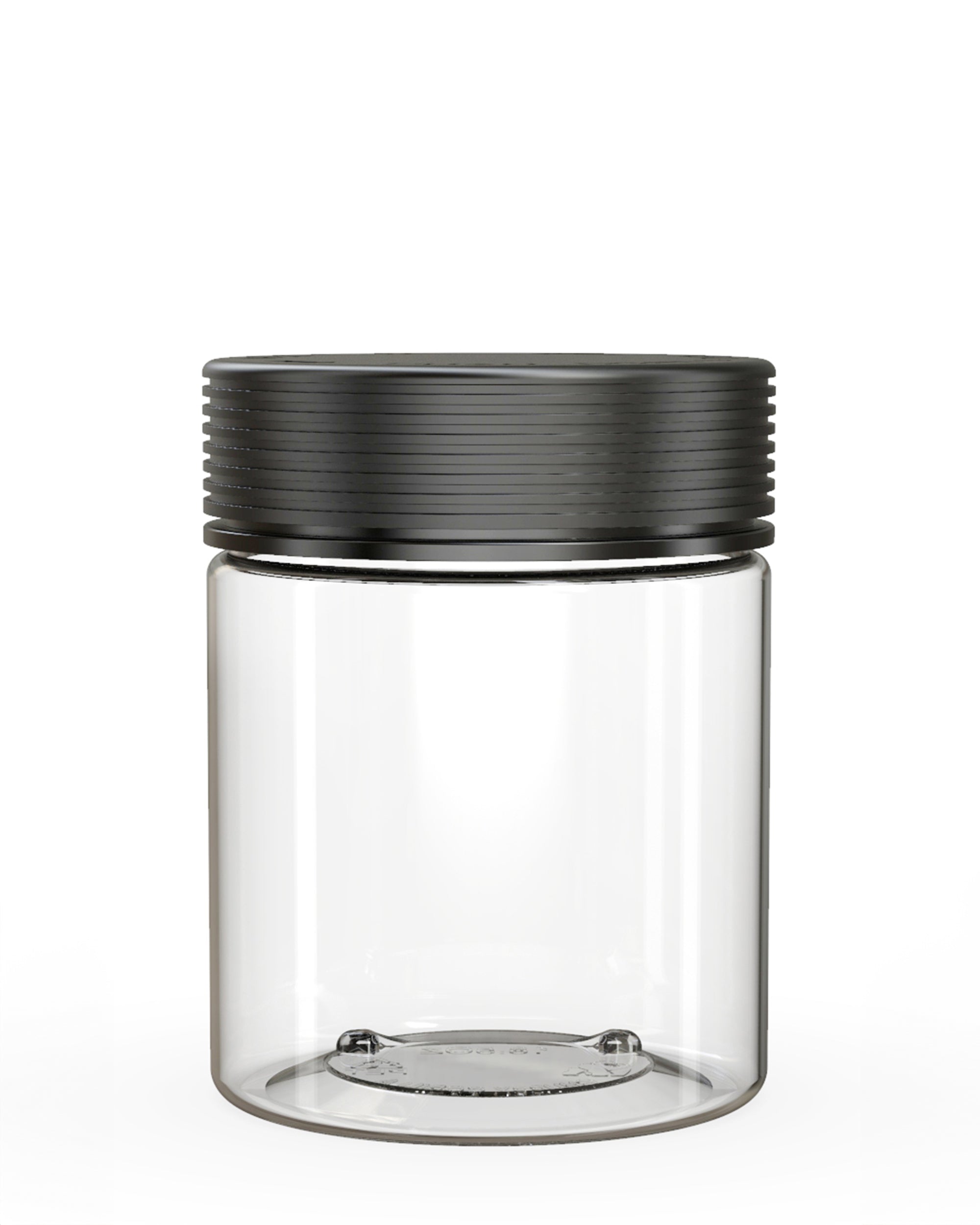
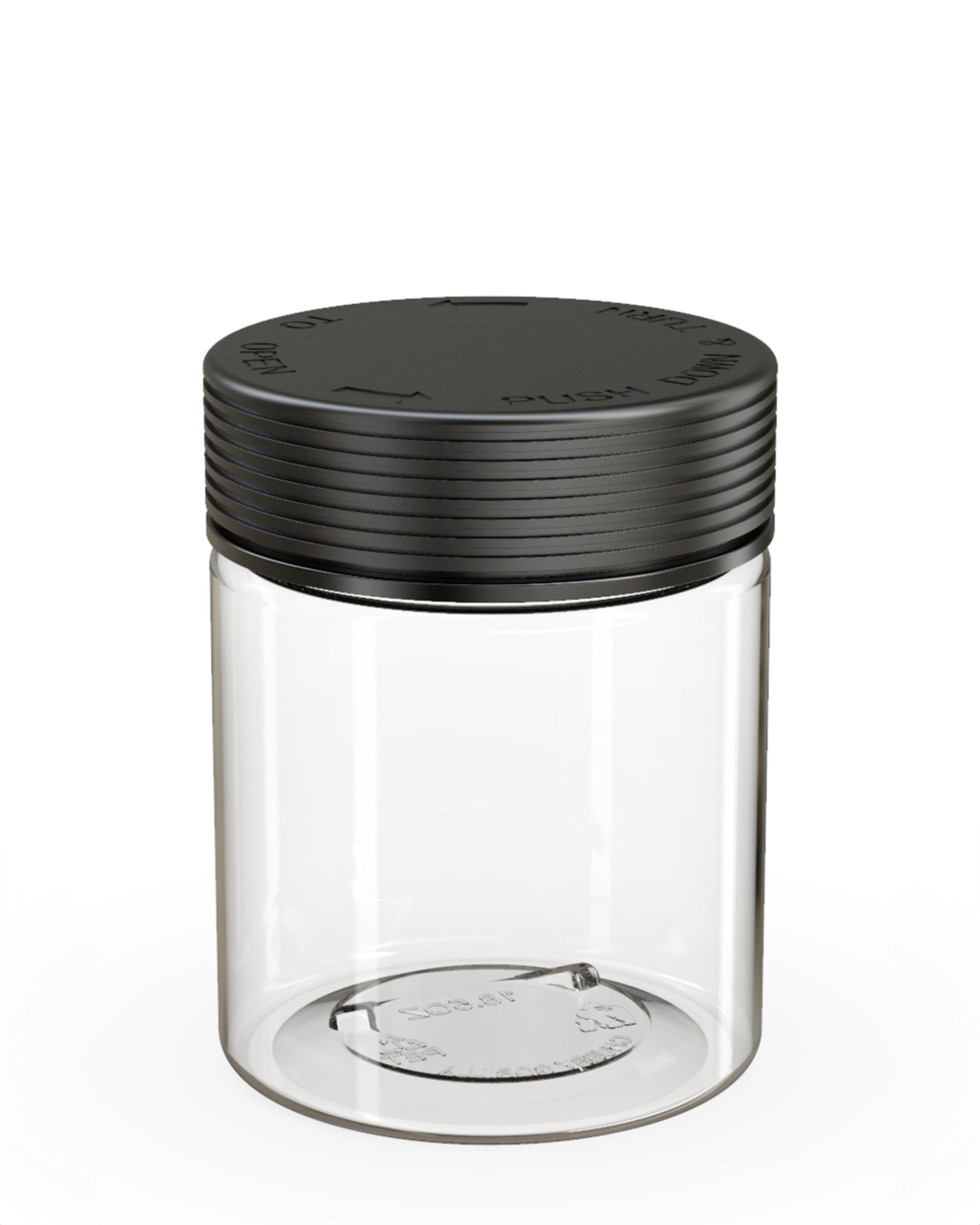
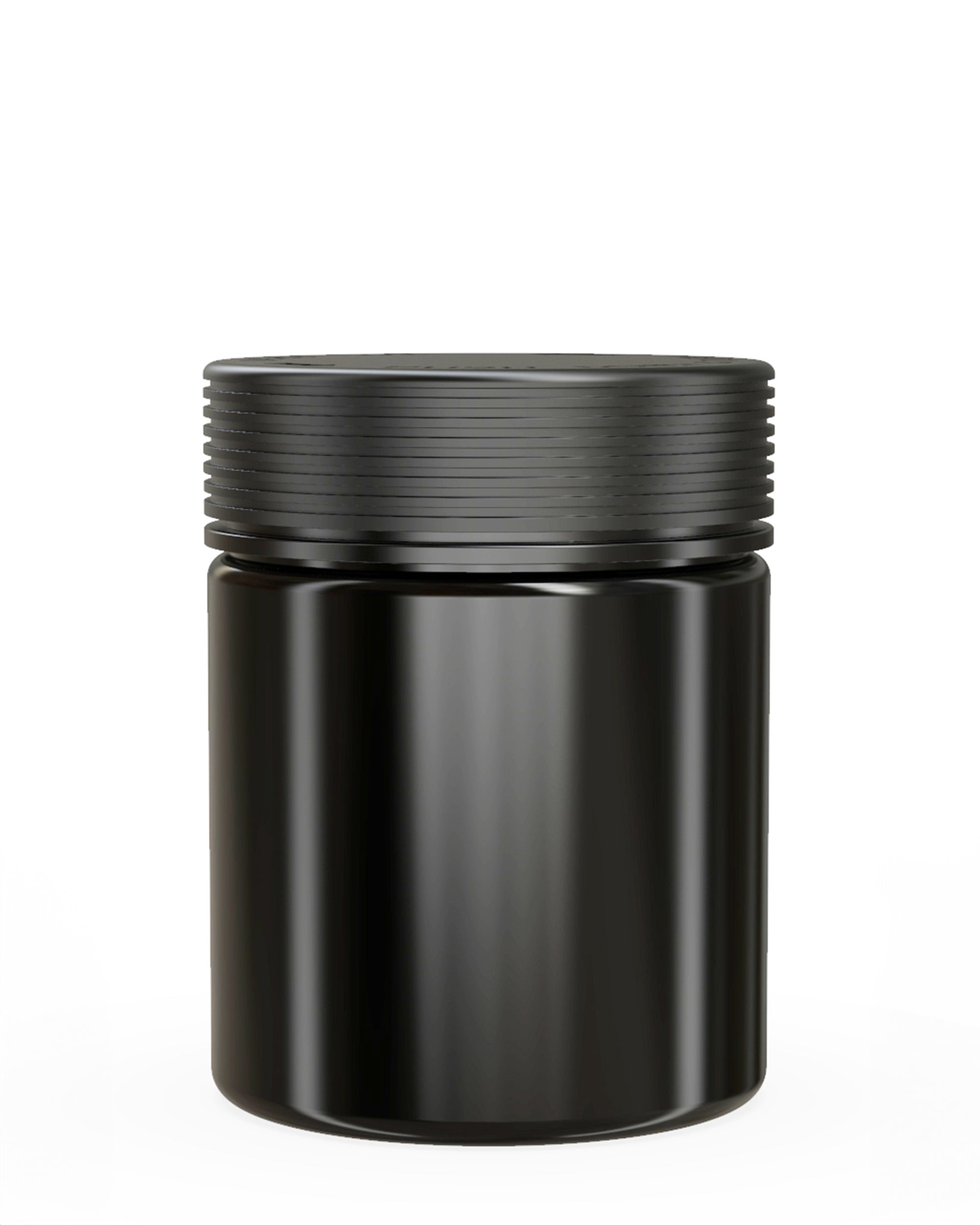
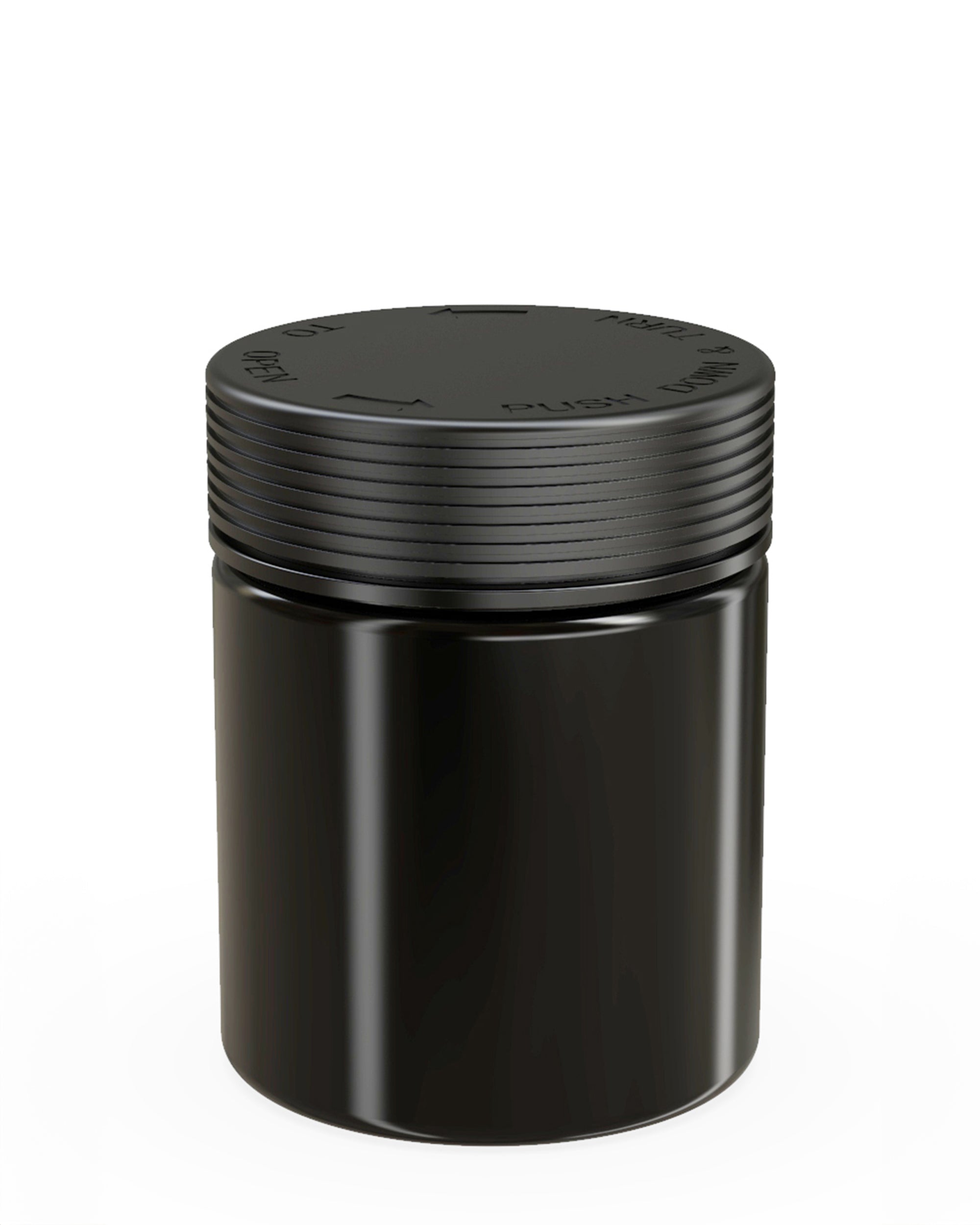
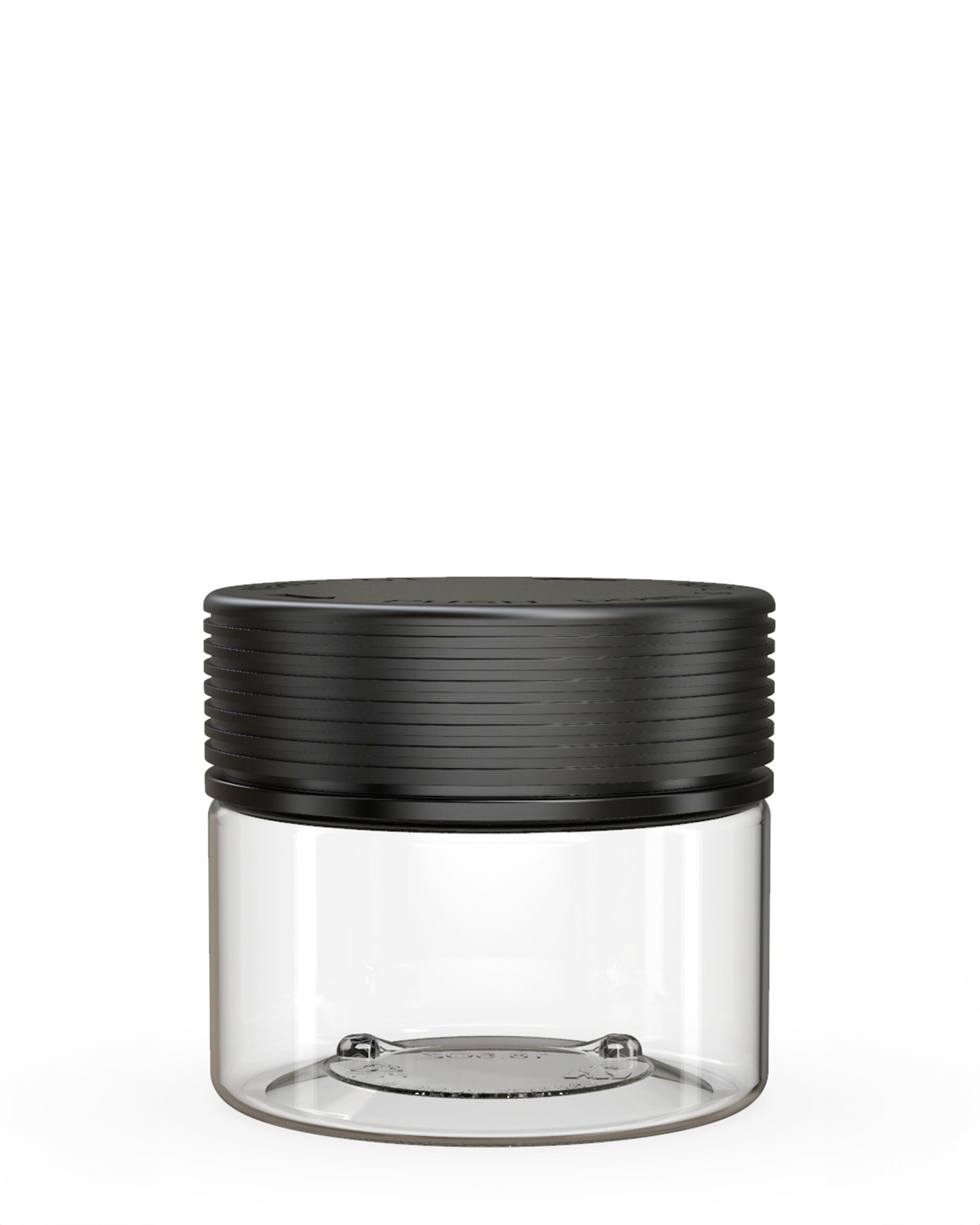
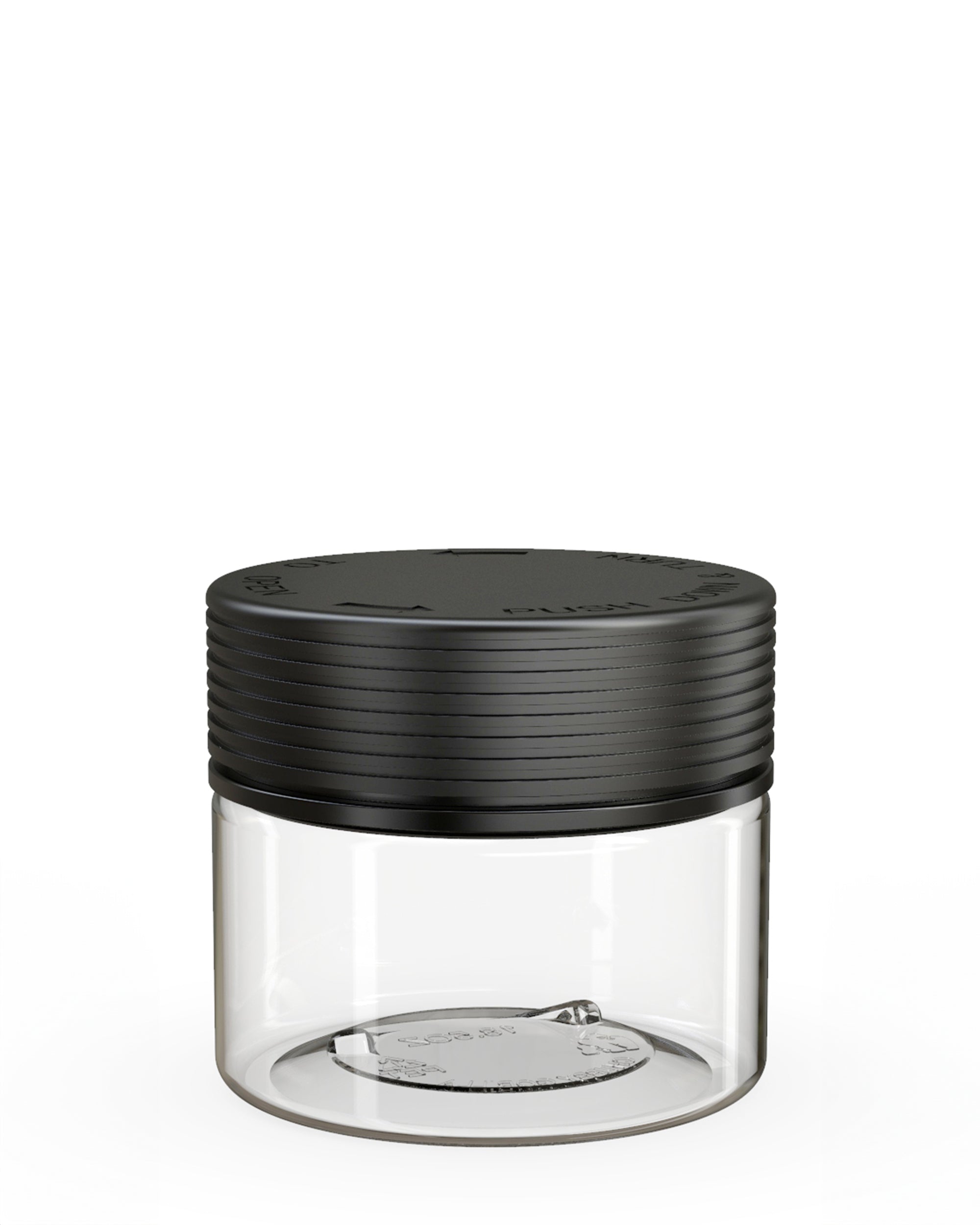
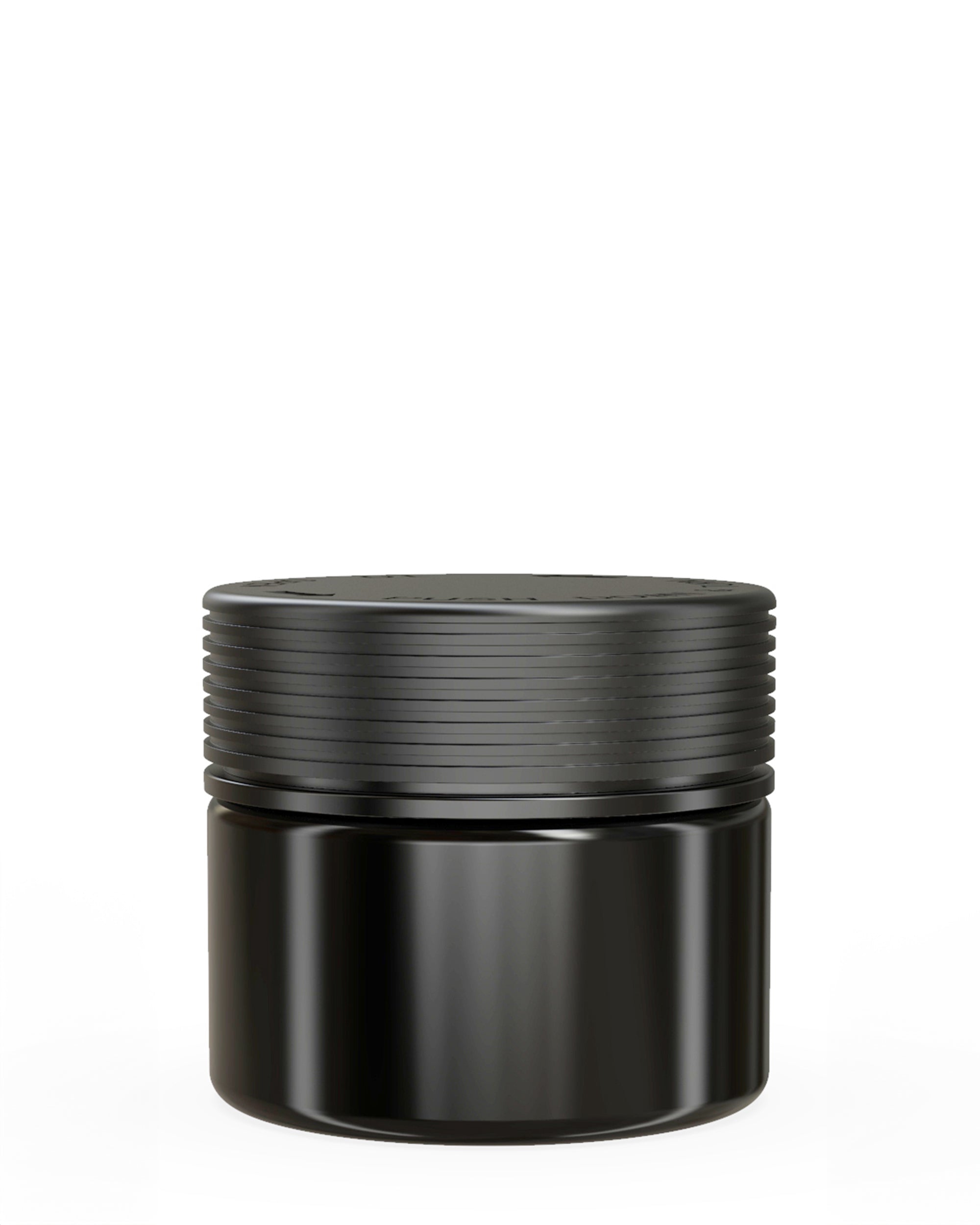
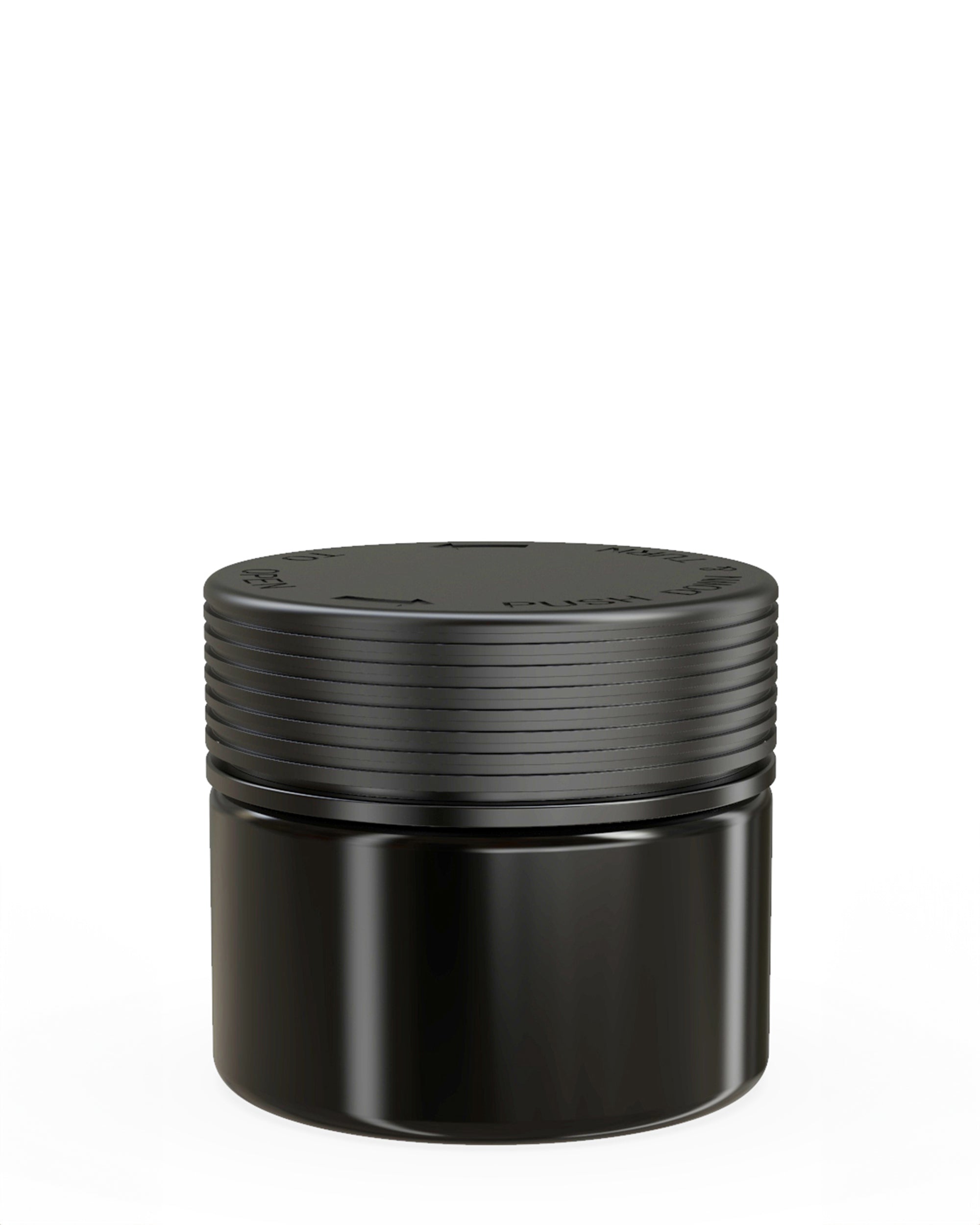
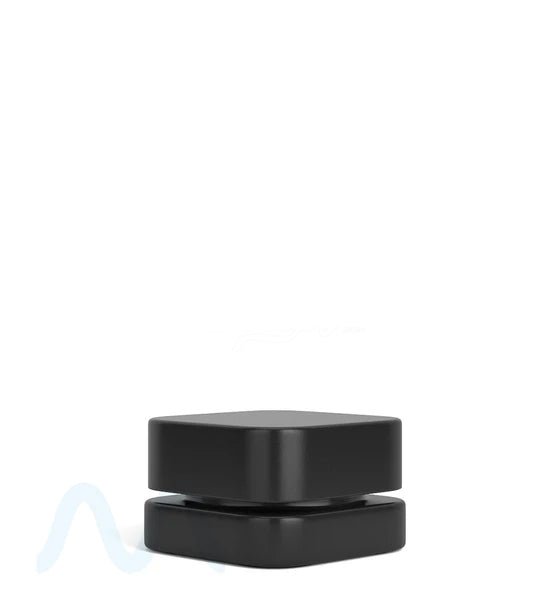
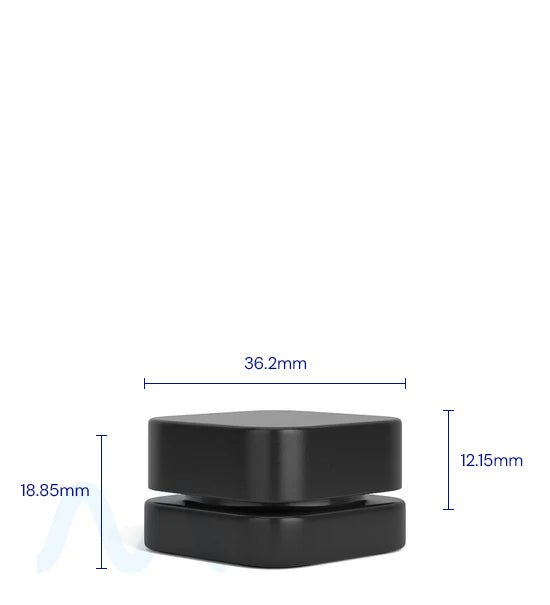
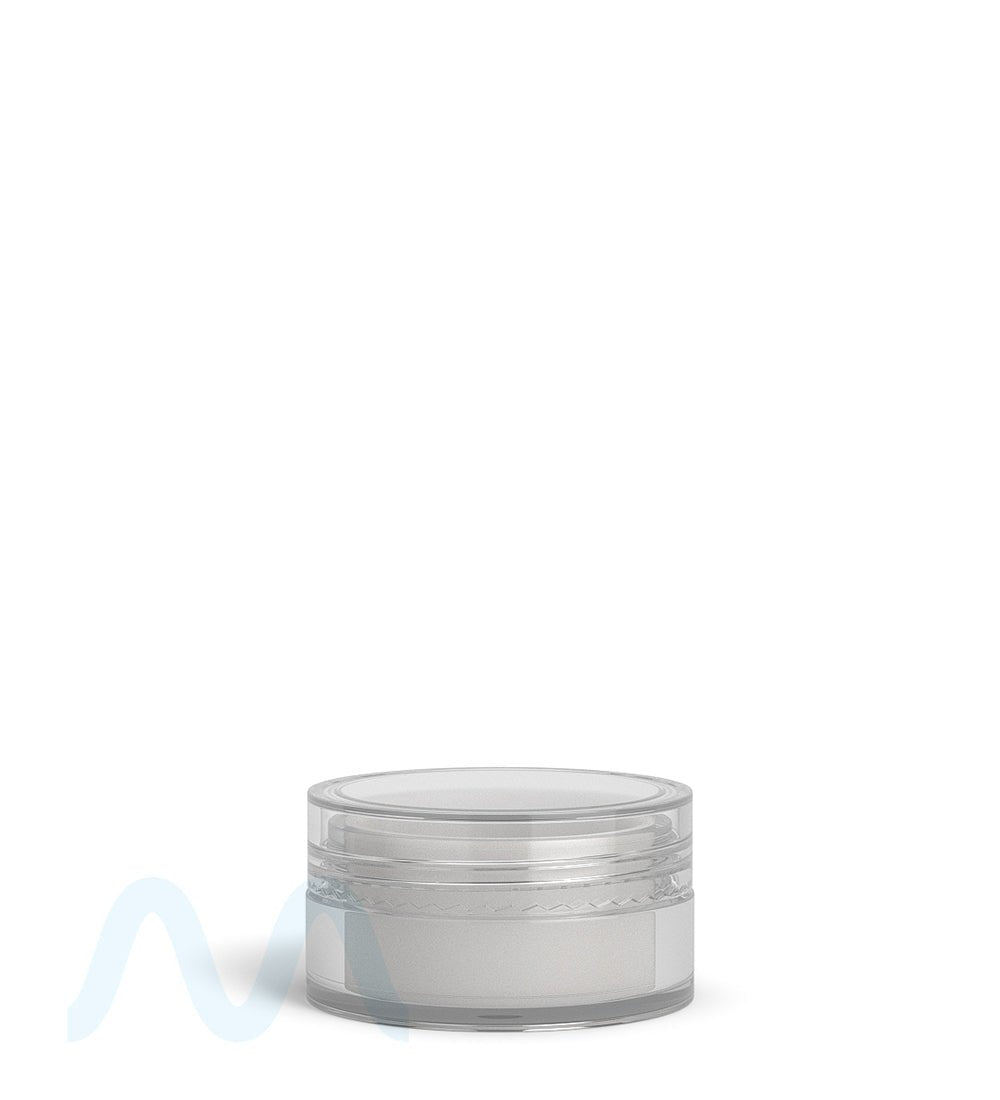
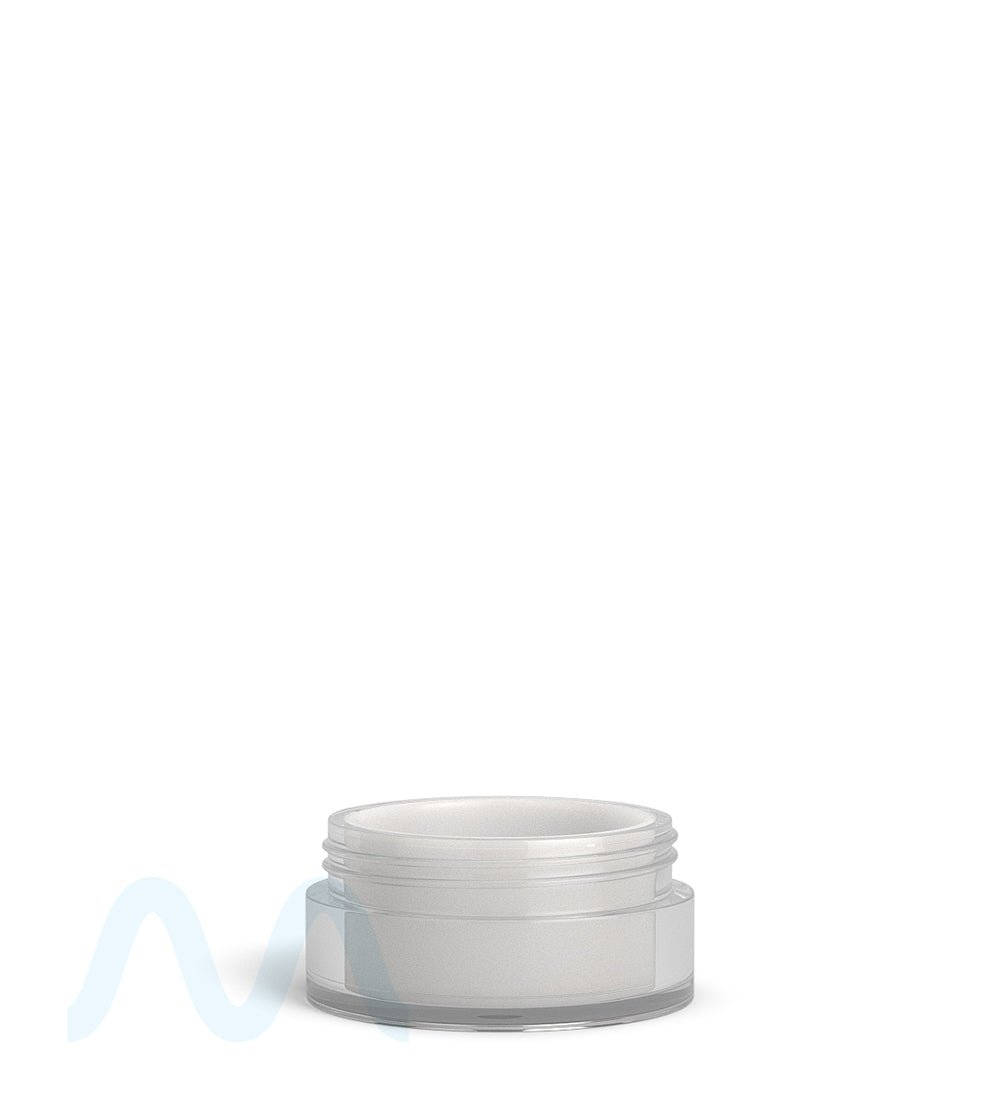
Wide-mouth jars remain the most popular choice for body butters due to their accessibility and premium feel. Available in various capacities from 1oz to 16oz, these cosmetic jars allow consumers to easily scoop product with fingers or applicators. Glass jars convey luxury and sustainability, while plastic options offer practical benefits including lighter weight and reduced breakage risk.
Tubes and Bottles
For less viscous body butter formulations, squeeze tubes and pump bottles provide convenient, mess-free dispensing. These formats minimize product exposure to air and contaminants, potentially extending shelf life. They also align with on-the-go usage occasions, making them popular for travel sizes and active consumers.
Airless Containers
Premium body butters increasingly utilize airless dispensing systems that protect sensitive ingredients from oxidation. These sophisticated containers use vacuum pressure to dispense product without introducing air into the remaining contents. While more expensive than conventional options, airless systems can justify their cost through extended product stability and reduced preservative requirements.
When selecting from these options, brands should consider how container type affects not only product preservation but also the overall user experience. The tactile qualities of beauty containers significantly impact consumer perception and can influence repurchase decisions.
Material Considerations for Body Butter Packaging
The material composition of body butter containers directly affects product compatibility, sustainability profile, and brand positioning. Common materials include:
Plastic Options
- PET (Polyethylene Terephthalate): Clear, recyclable, and compatible with most body butter formulations
- PP (Polypropylene): Chemical-resistant, heat-tolerant, and suitable for hot-fill processes
- HDPE (High-Density Polyethylene): Durable, moisture-resistant, and often used for squeeze containers
Glass Containers
Glass offers superior chemical stability and premium aesthetics but comes with higher weight and breakage concerns. Many luxury body butter brands select glass jars to communicate product quality and environmental responsibility. Glass containers are available in various colors to provide UV protection for sensitive formulations.
Alternative Materials
Emerging options include bioplastics derived from renewable sources, aluminum containers offering infinite recyclability, and hybrid materials combining sustainability with performance benefits. These alternatives often appeal to eco-conscious consumers seeking body care packaging that aligns with their values.
Material selection should account for compatibility with product ingredients, especially essential oils and active compounds that may interact with certain packaging materials. Conducting stability testing with actual packaging is essential to ensure container materials do not compromise product integrity over the intended shelf life.
Wholesale Body Butter Packaging Benefits
Sourcing wholesale body butter packaging offers significant advantages for brands of all sizes. By purchasing in larger quantities, companies can:
- Reduce per-unit costs, improving overall product margins
- Ensure packaging consistency across production batches
- Secure priority manufacturing slots with packaging suppliers
- Minimize inventory stockouts that could disrupt production
For emerging brands, wholesale purchasing may initially seem daunting due to higher upfront investment. However, the long-term benefits typically outweigh these concerns. Many suppliers offer tiered pricing structures that provide cost advantages even at moderate volumes, making wholesale options accessible to growing businesses.
When evaluating wholesale body butter packaging suppliers, consider factors beyond unit price, including minimum order quantities, lead times, quality control processes, and customization capabilities. Reliable suppliers should provide material certifications, compliance documentation, and samples for testing before large-scale orders.
Custom Branding for Body Butter Containers
Empty containers for body butter become powerful marketing tools when enhanced with strategic branding elements. Customization options include:
Decoration Methods
- Screen printing: Cost-effective for simple designs with limited colors
- Hot stamping: Creates metallic or holographic effects for premium positioning
- Digital printing: Enables photorealistic imagery and gradient effects
- Labeling: Offers flexibility with paper, film, or specialty label materials
Beyond basic logo application, consider how texture, color, and finishing techniques can differentiate your packaging. Soft-touch coatings create a velvety feel that enhances perceived value, while metallic accents can highlight premium positioning. These tactile elements complement visual branding to create a multisensory experience.
Custom shapes and closures further distinguish products on crowded retail shelves. While custom molds require significant investment, they create proprietary packaging that competitors cannot easily replicate. For brands with more modest budgets, standard containers with unique closure colors or distinctive labels can achieve differentiation without custom tooling costs.
Sustainability in Body Butter Packaging
Environmental considerations increasingly influence body butter packaging decisions as consumers demand more sustainable options. Key sustainability approaches include:
Material Reduction
Lightweight containers that use less material while maintaining structural integrity reduce environmental impact and shipping costs. Many suppliers now offer thin-wall jar options that maintain the appearance of traditional containers while using significantly less plastic.
Recycled Content
Post-consumer recycled (PCR) materials reduce virgin resource consumption. PCR plastic and glass options are increasingly available for salve packaging and body butter containers, though they may have color limitations or slight appearance variations compared to virgin materials.
Refill Systems
Innovative refill options allow consumers to reuse outer containers while purchasing product refills in minimal packaging. These systems significantly reduce packaging waste over the customer lifetime while building brand loyalty through repeated engagement.
When implementing sustainable packaging initiatives, brands must balance environmental benefits with practical considerations including product protection, regulatory compliance, and consumer acceptance. Clear communication about sustainability features helps consumers understand and value these efforts.
Packaging Innovations Driving Body Butter Sales
Forward-thinking body butter brands leverage packaging innovations to create competitive advantage and enhance consumer experience. Current trends reshaping the market include:
- Smart packaging with QR codes linking to product information, usage tutorials, or loyalty programs
- Sensory packaging incorporating texture, scent, or interactive elements that engage multiple senses
- Personalization options allowing consumers to customize packaging with names or special messages
- Dual-chamber systems that separate ingredients until use, enabling new formulation possibilities
These innovations transform body butter packaging from mere containers into experience enhancers that build deeper connections with consumers. By thoughtfully integrating such features, brands can command premium pricing while delivering meaningful value beyond the product itself.
As the body care market evolves, packaging will continue playing an increasingly strategic role in product differentiation and brand storytelling. Successful brands will view skincare packaging, including body butter containers, not as a cost center but as a critical investment in consumer relationships and brand equity.