


Eco-Friendly Tubes
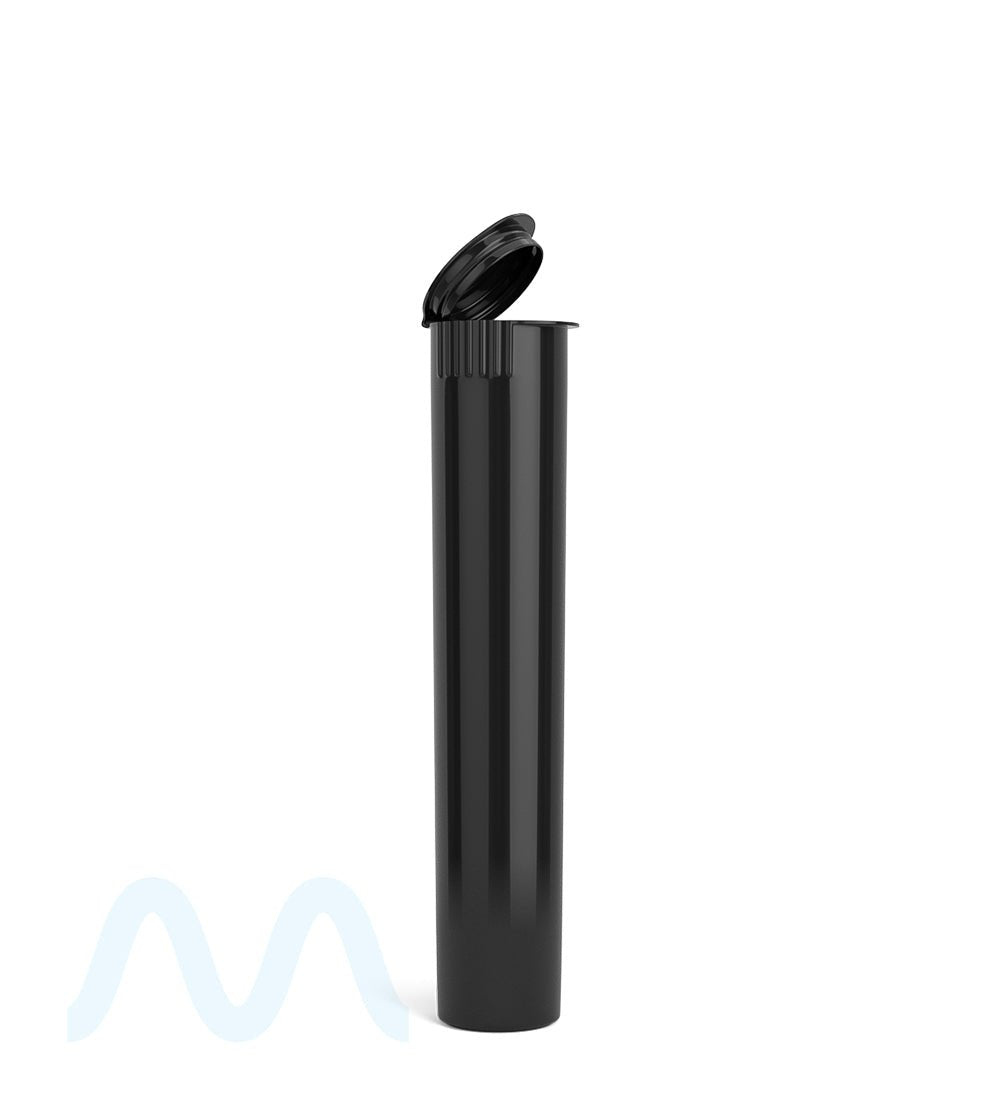
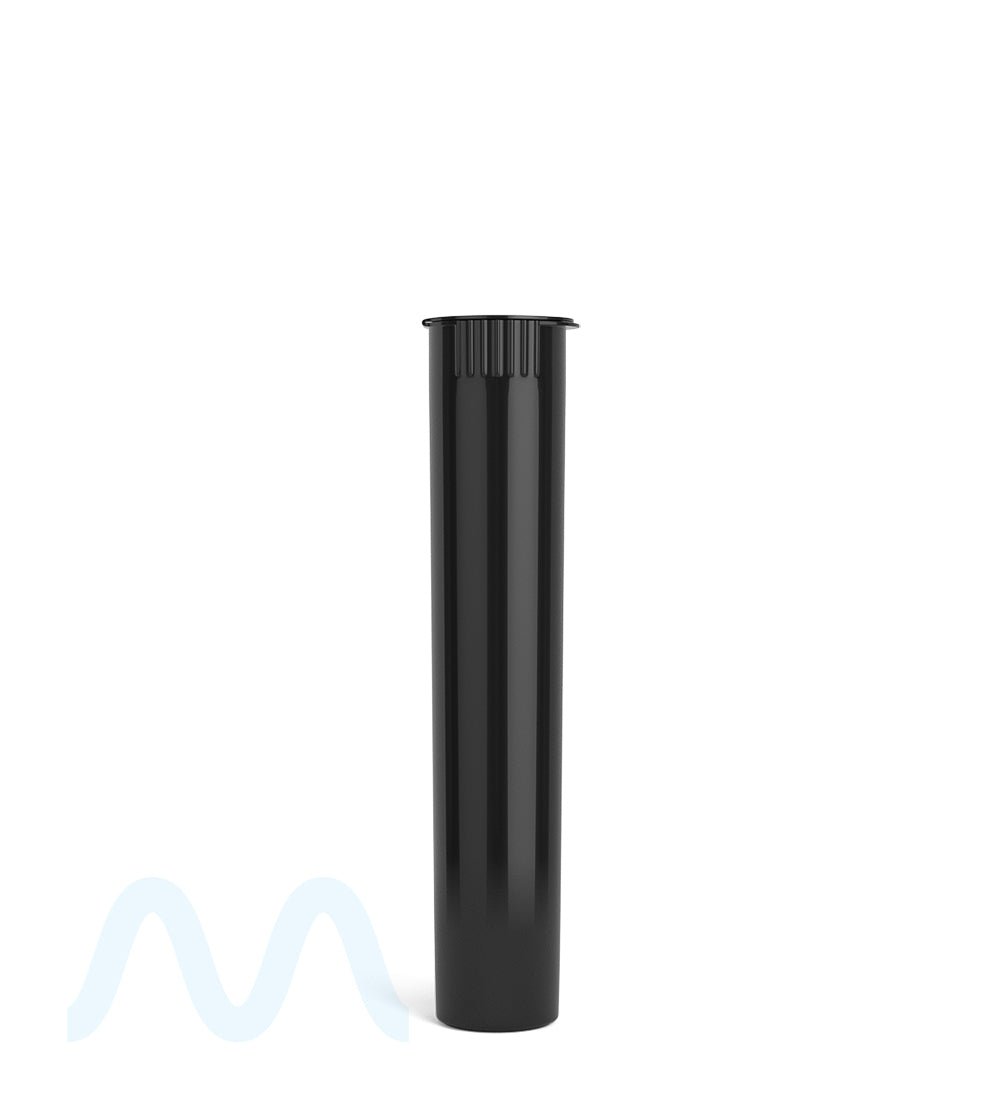
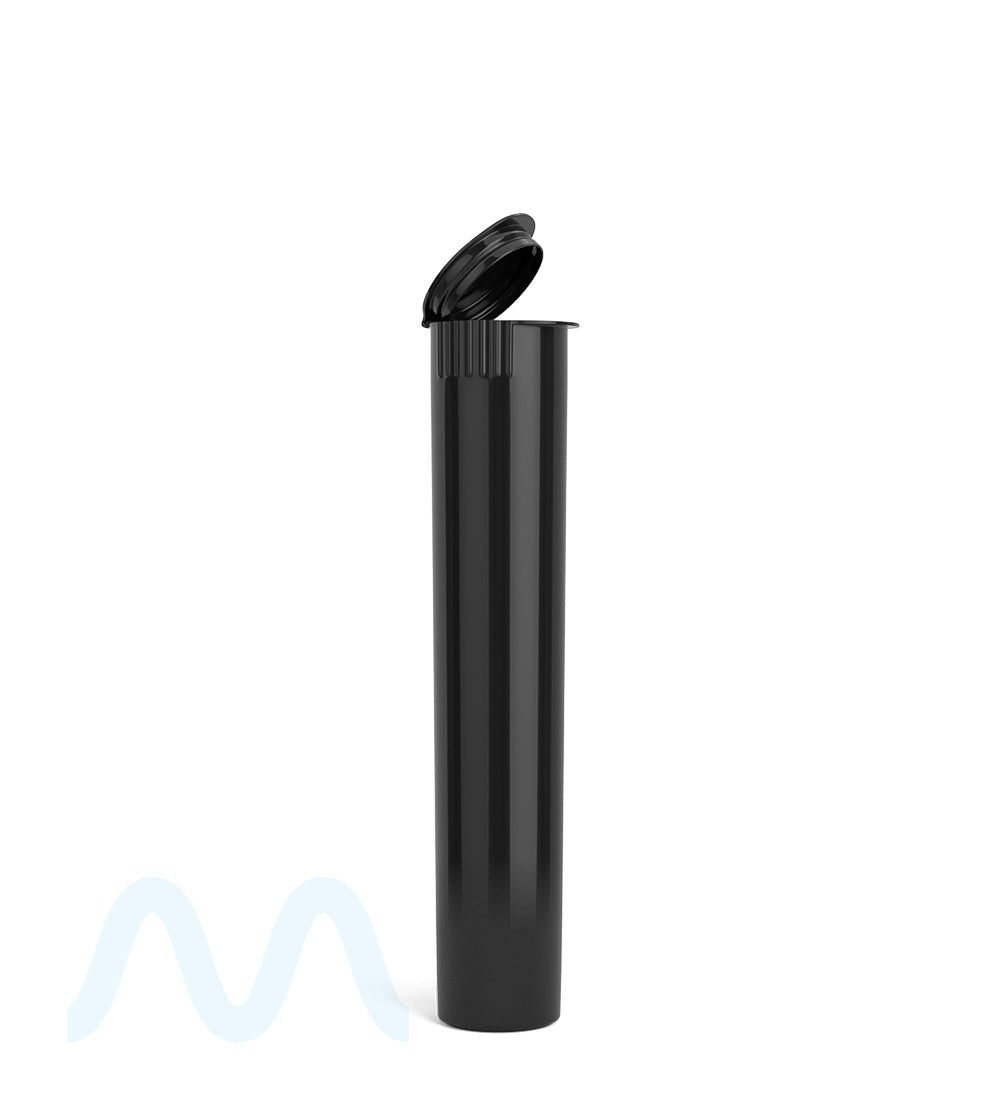
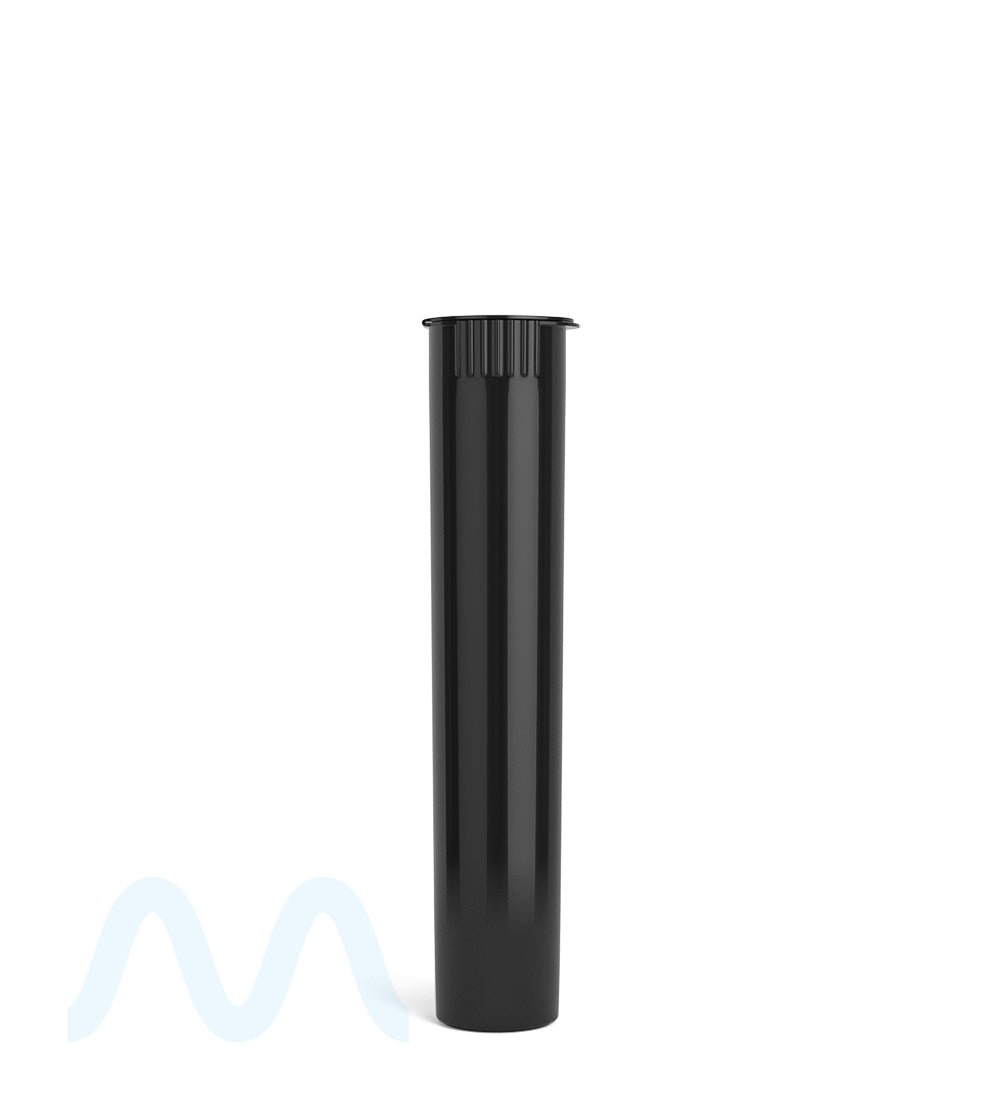
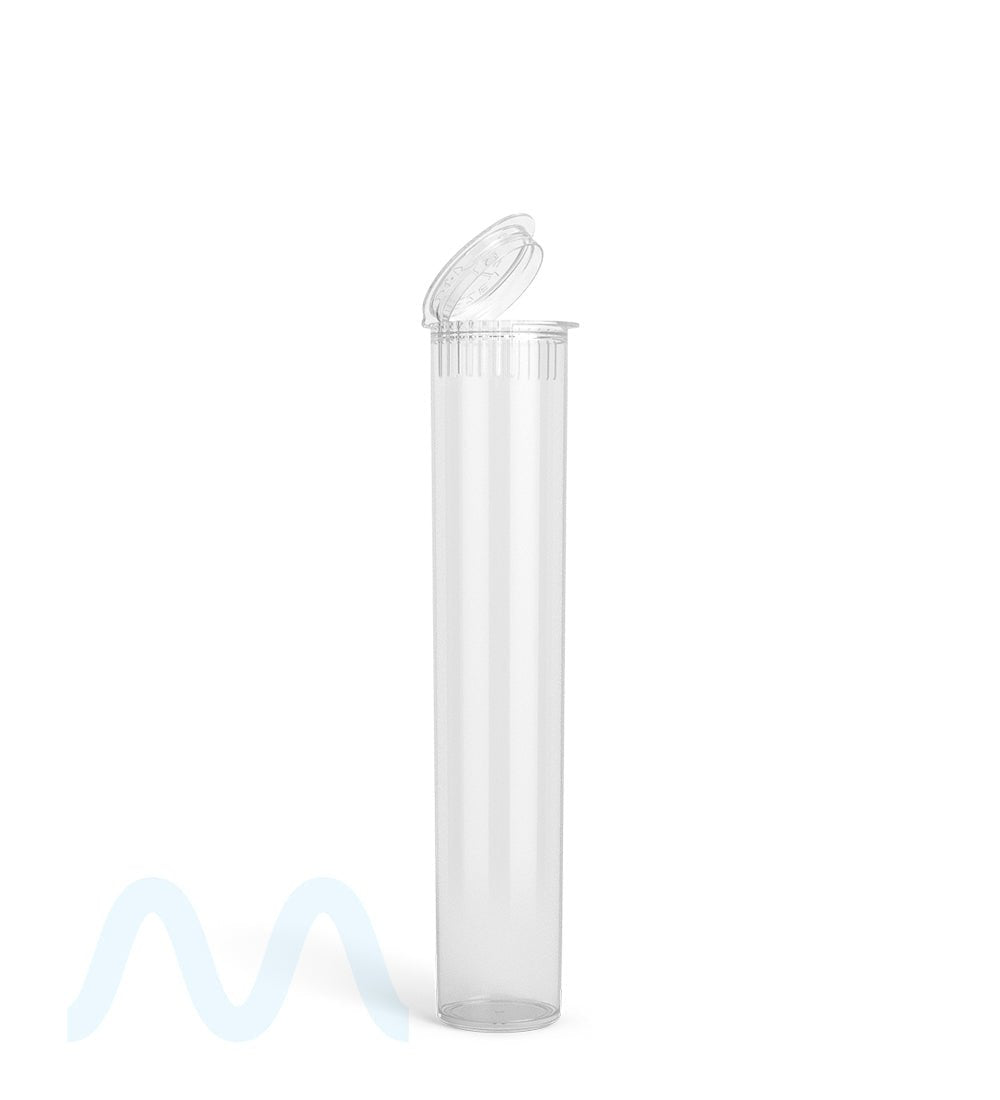
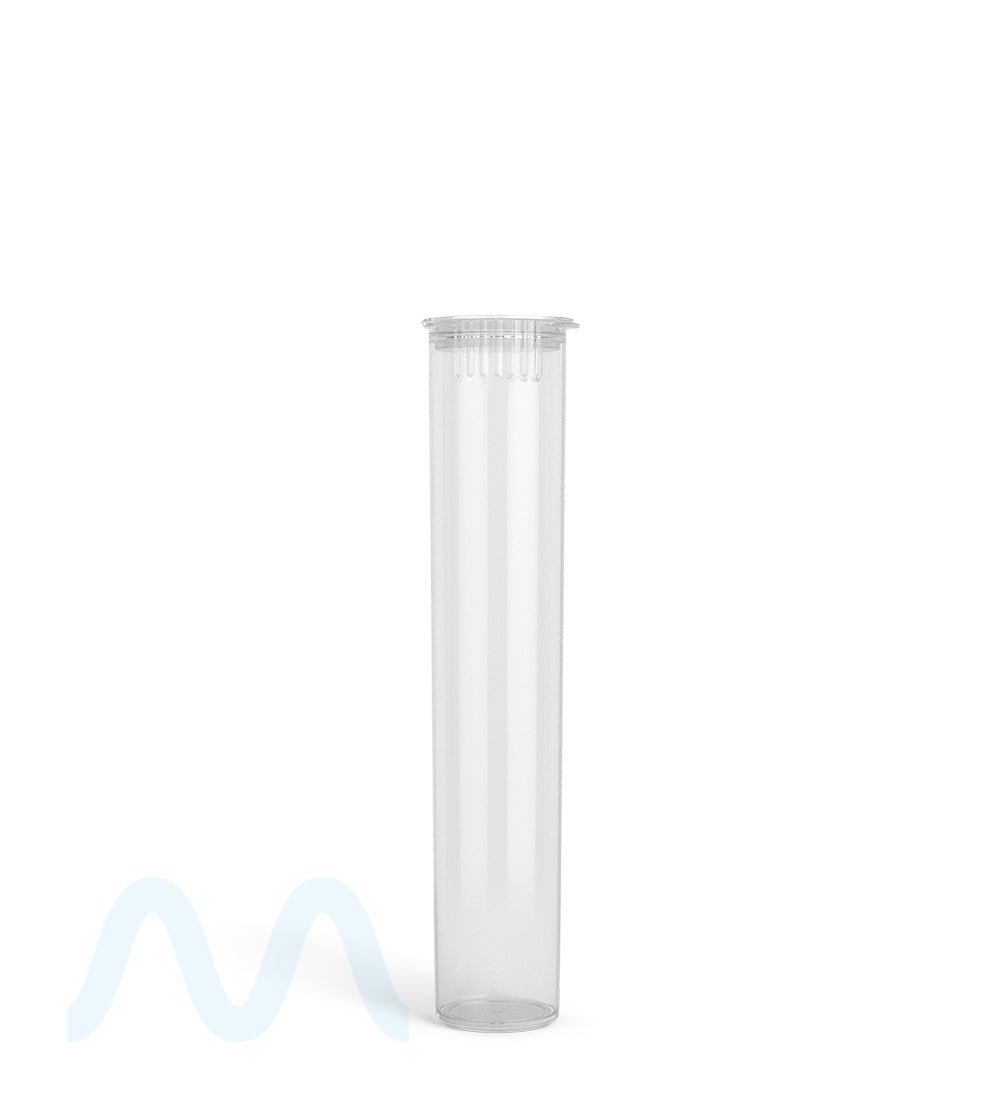
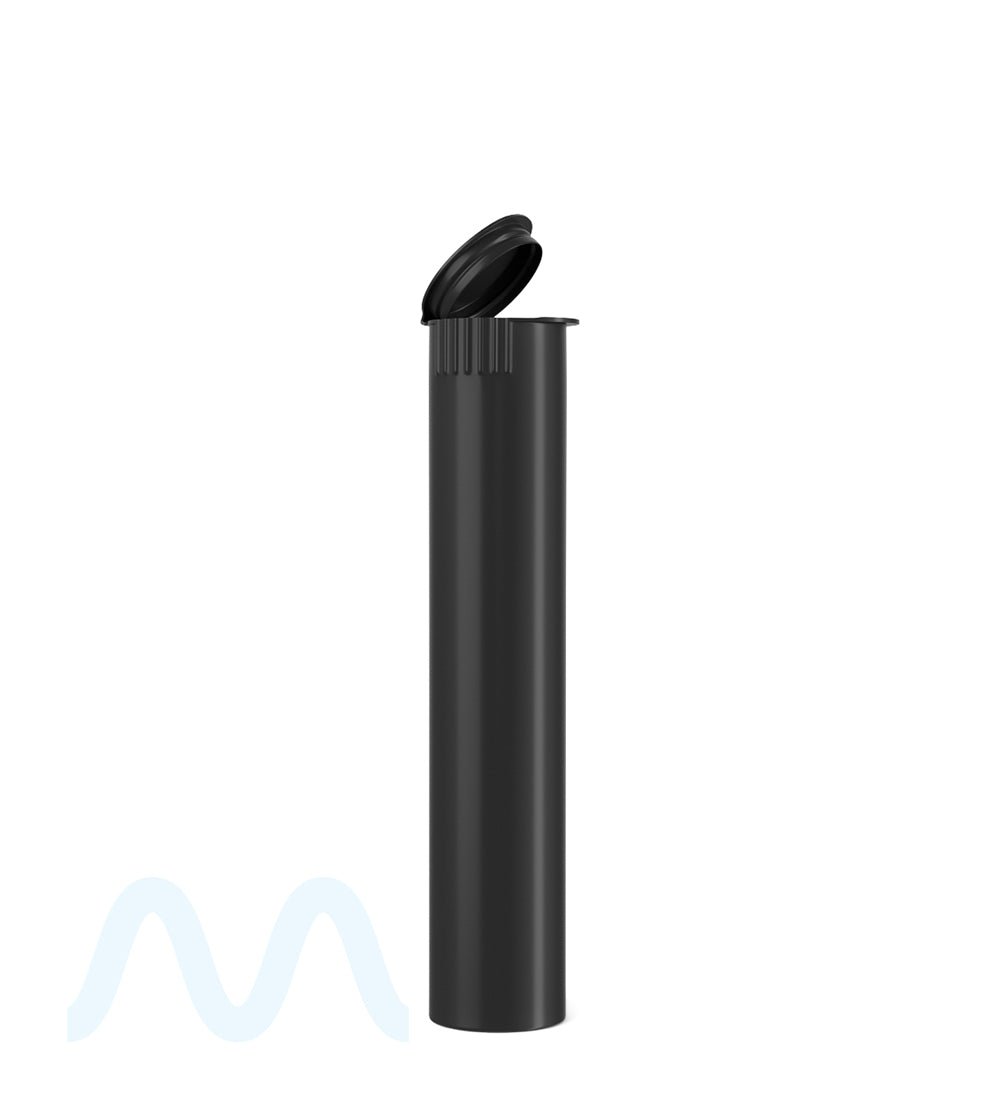
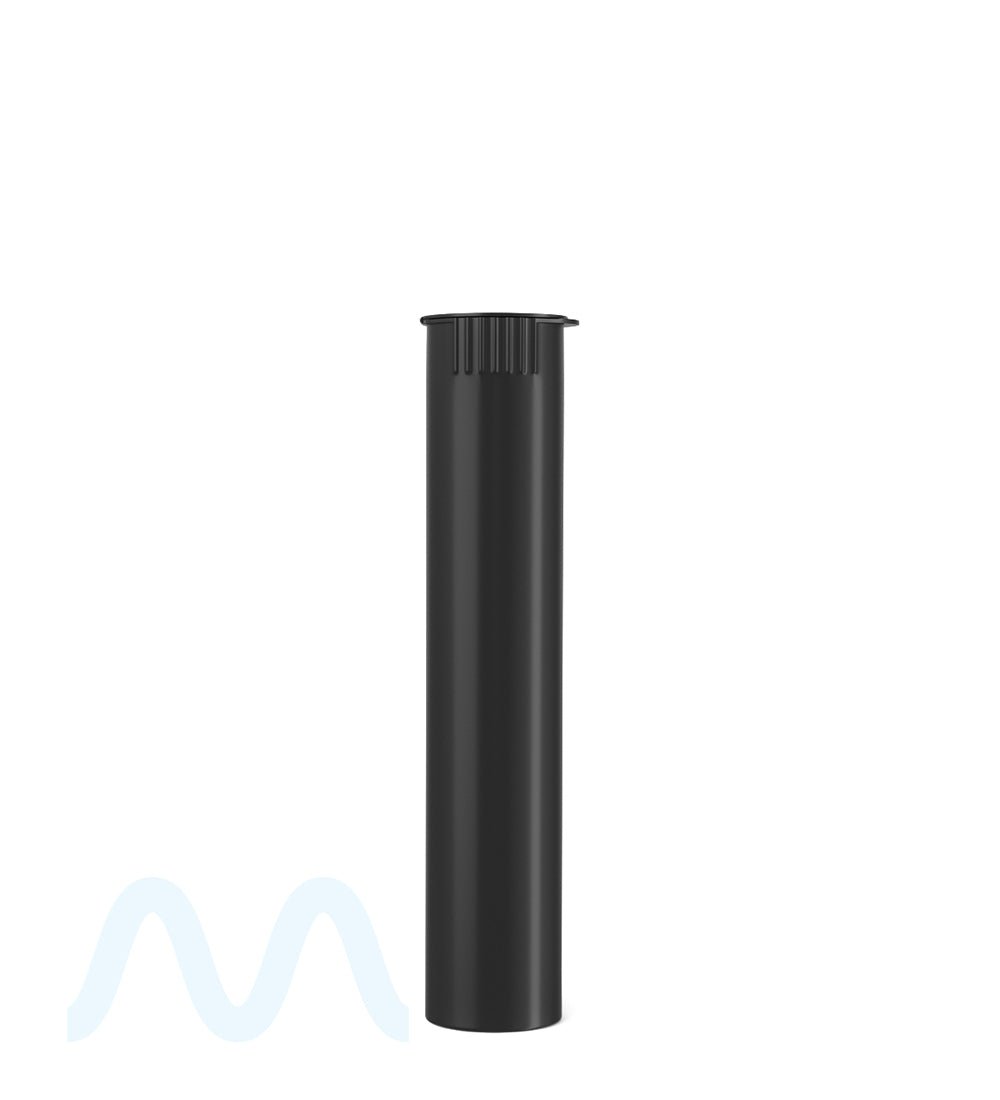
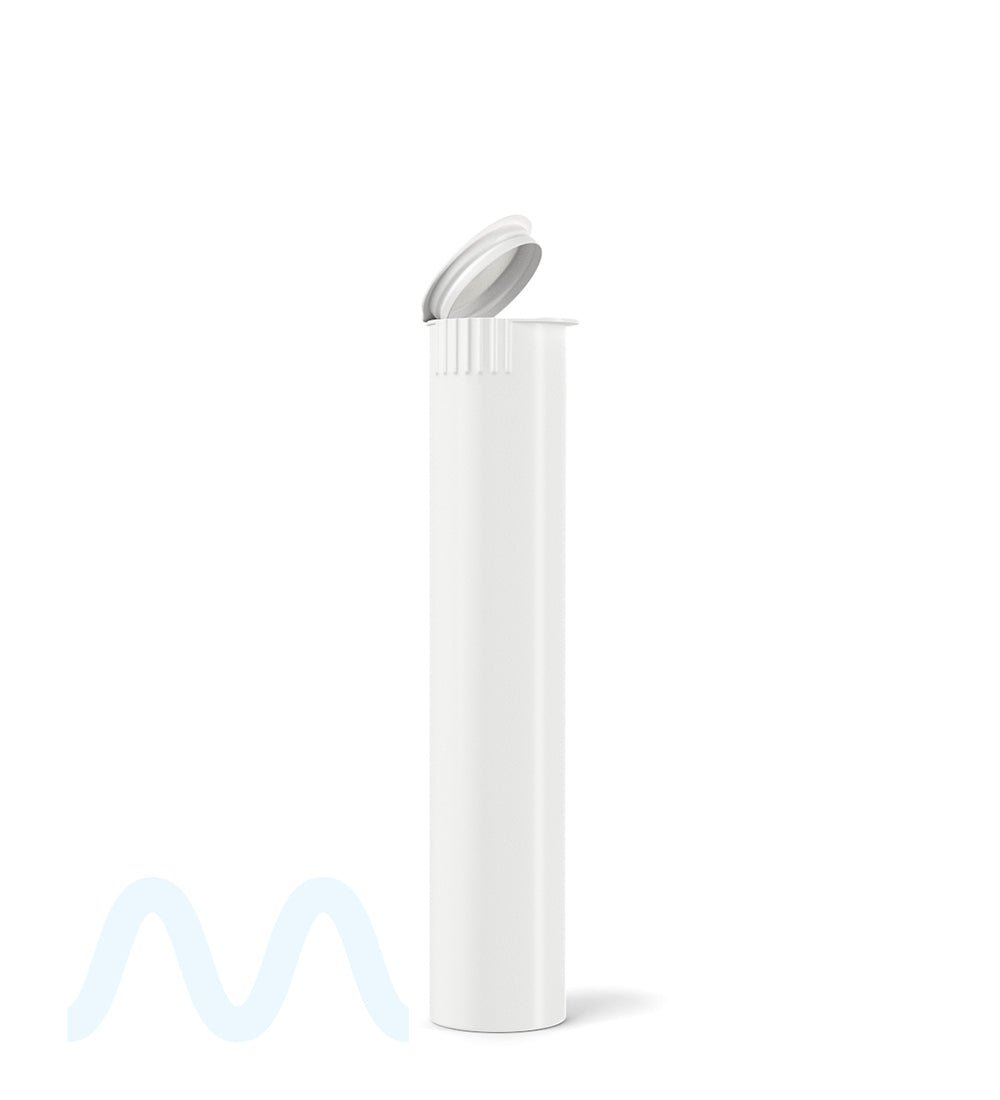
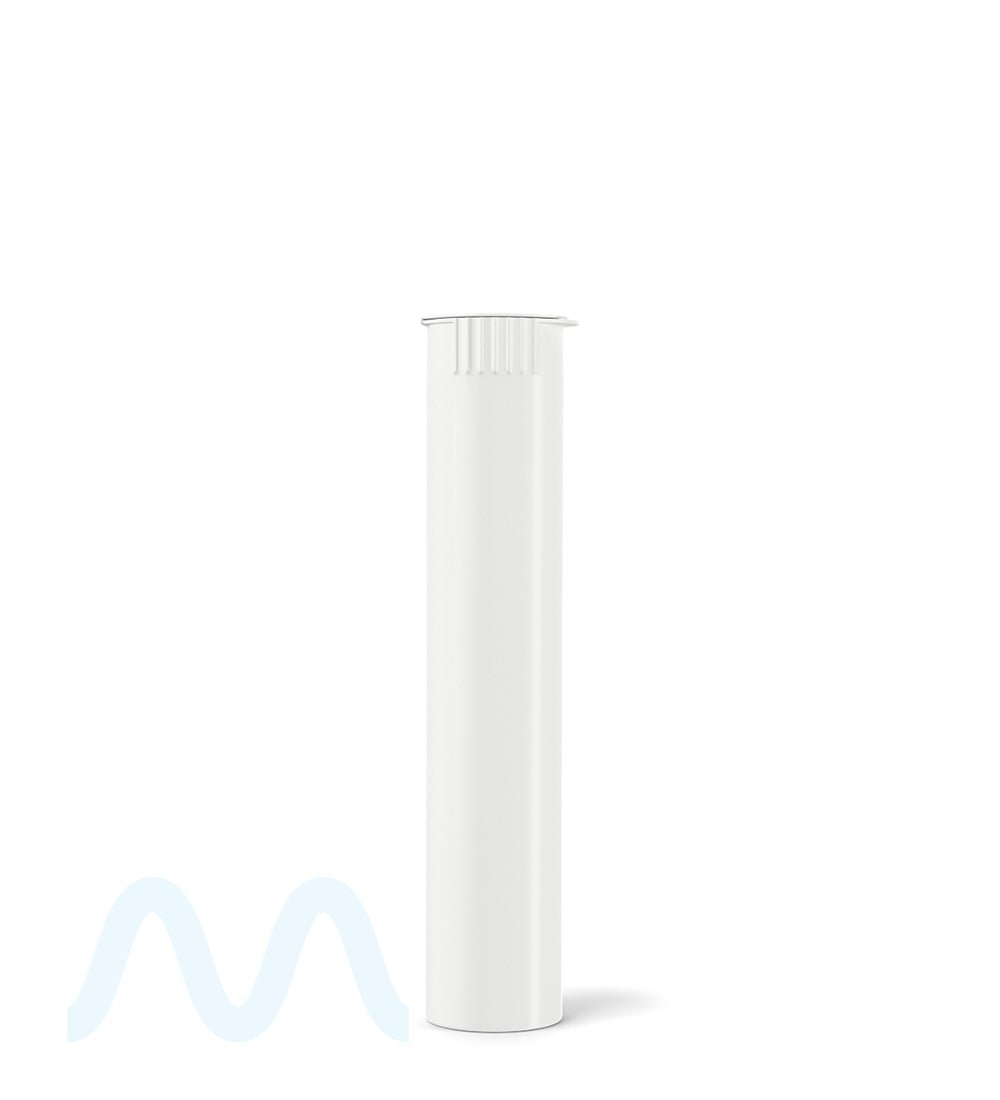
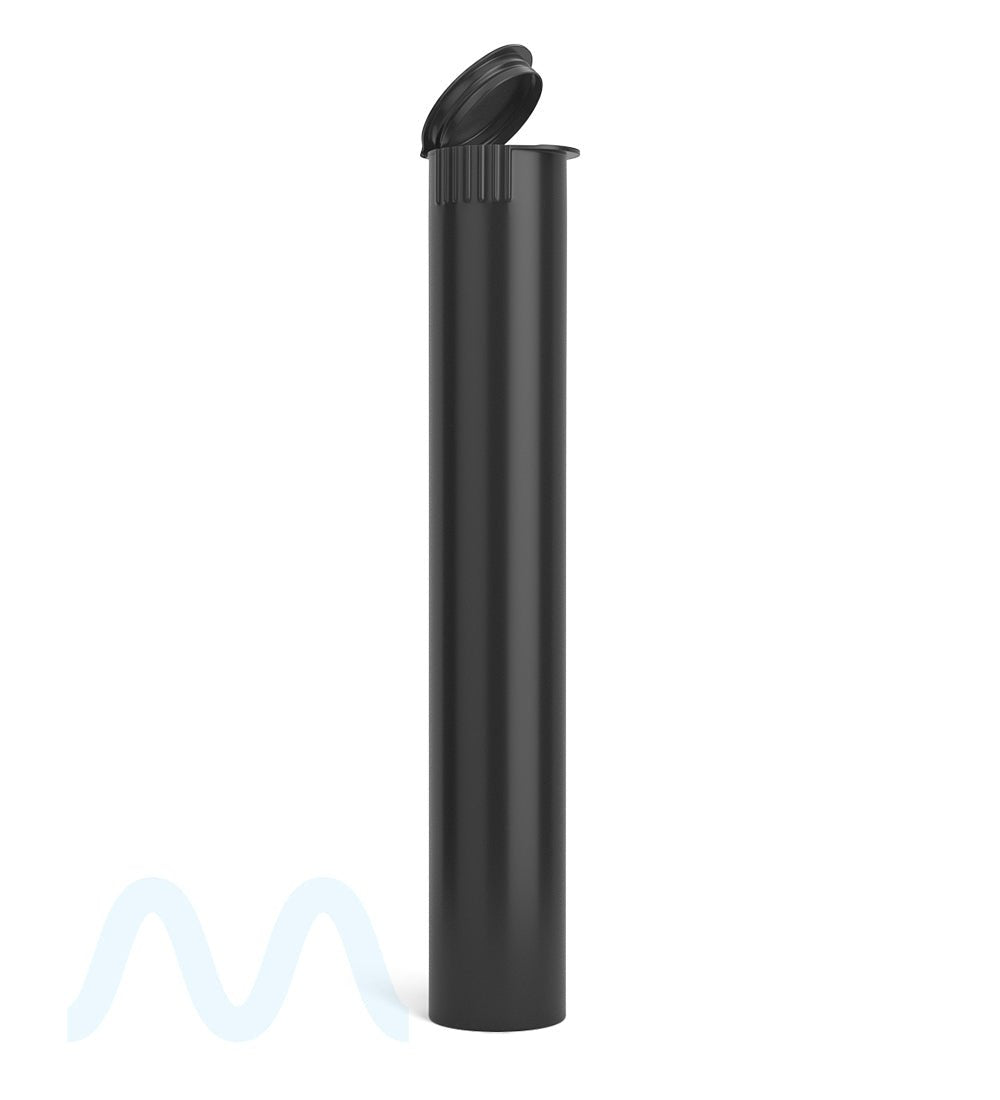
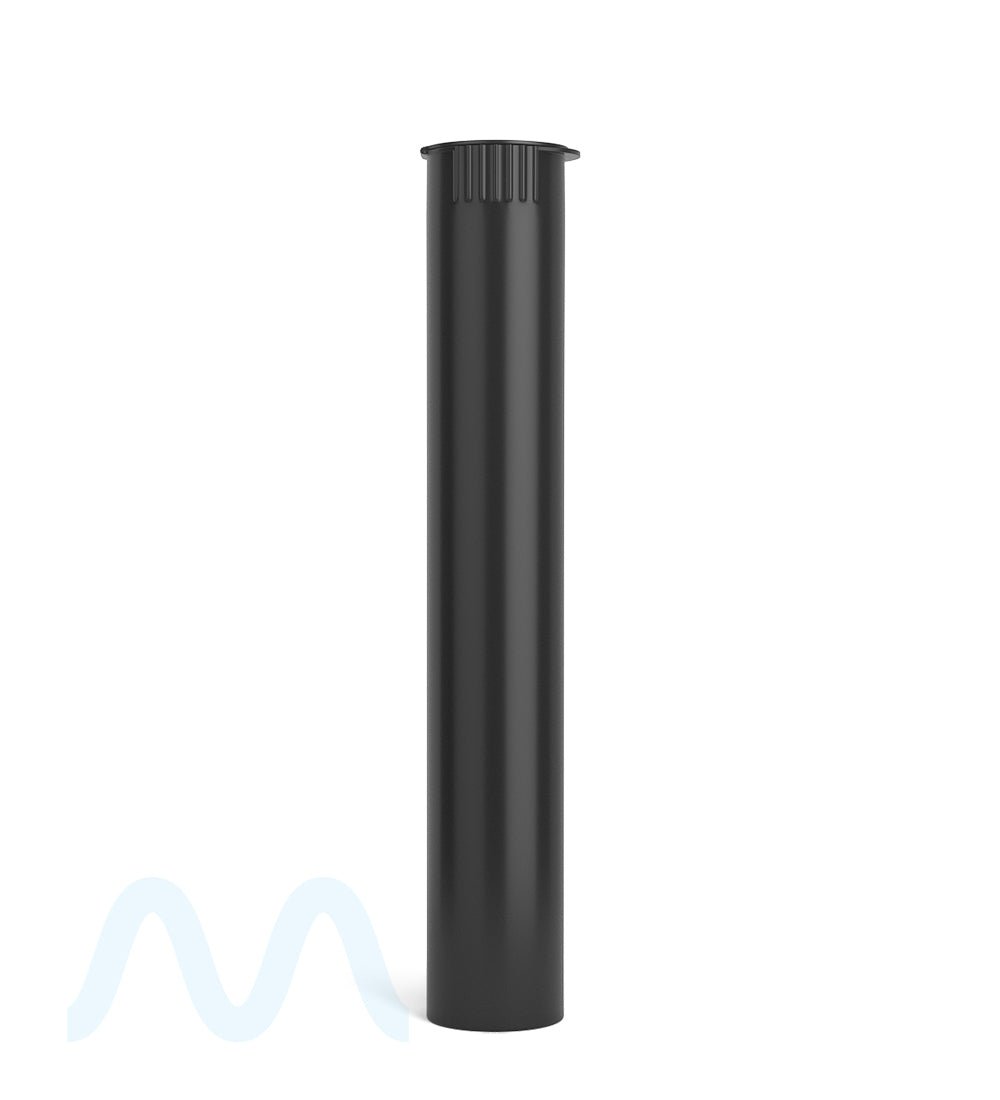
Discover our premium collection of eco-friendly tubes made from biodegradable and recyclable materials. These sustainable options preserve product freshness while reducing environmental impact. Available in various sizes and colors, our tubes offer the perfect balance of functionality and environmental responsibility for conscious brands.

DTCRBB-PCR
/
DTCRBB-OP-PCR
/
DTCRC-OP-PCR
/
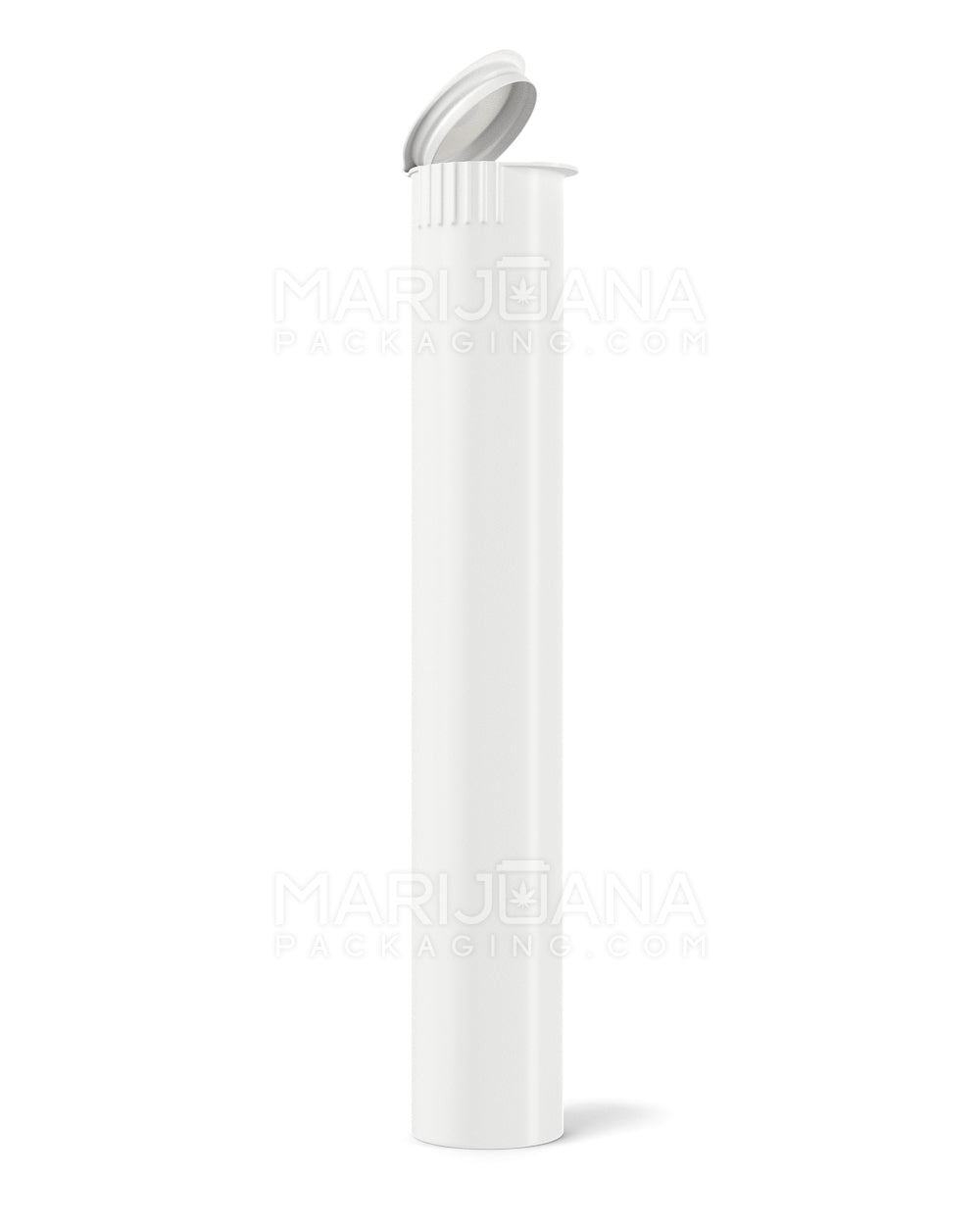
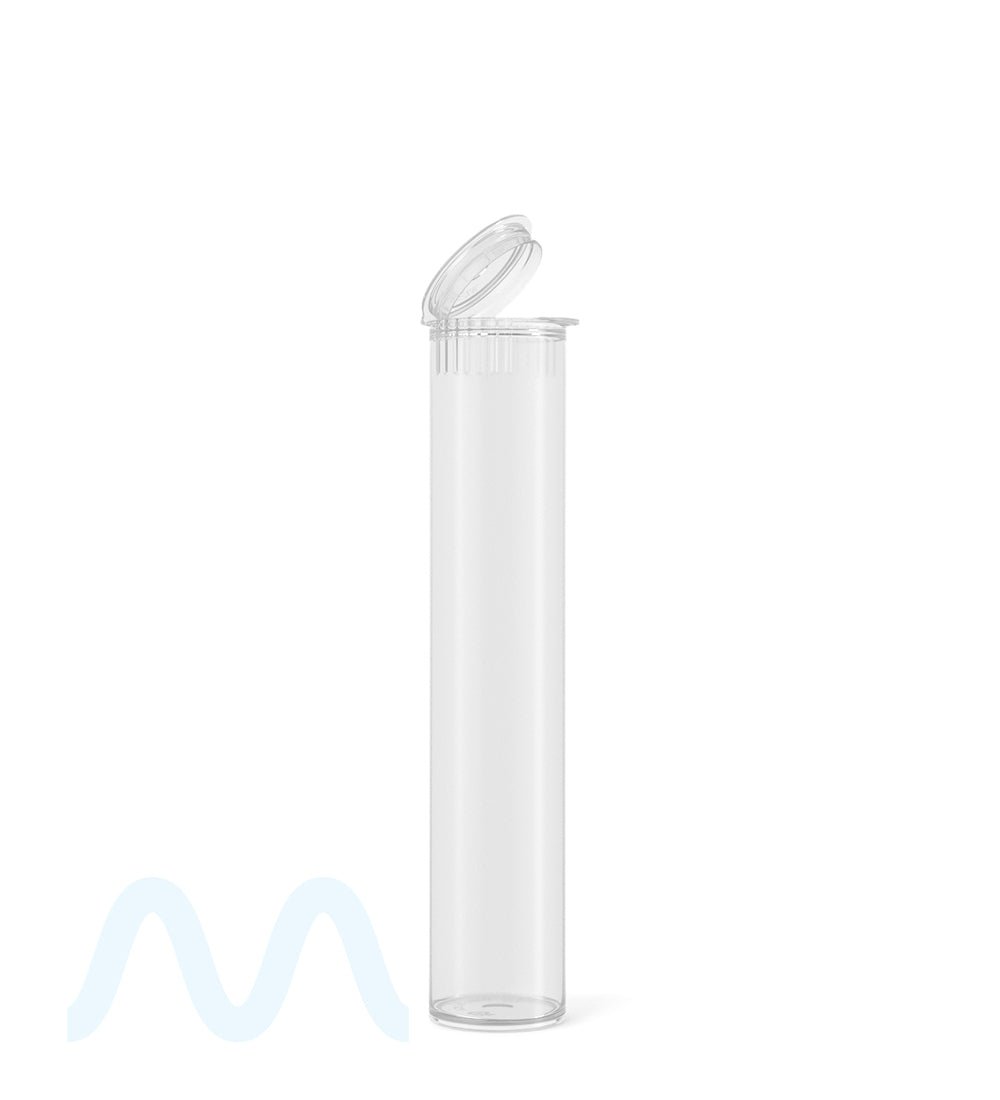
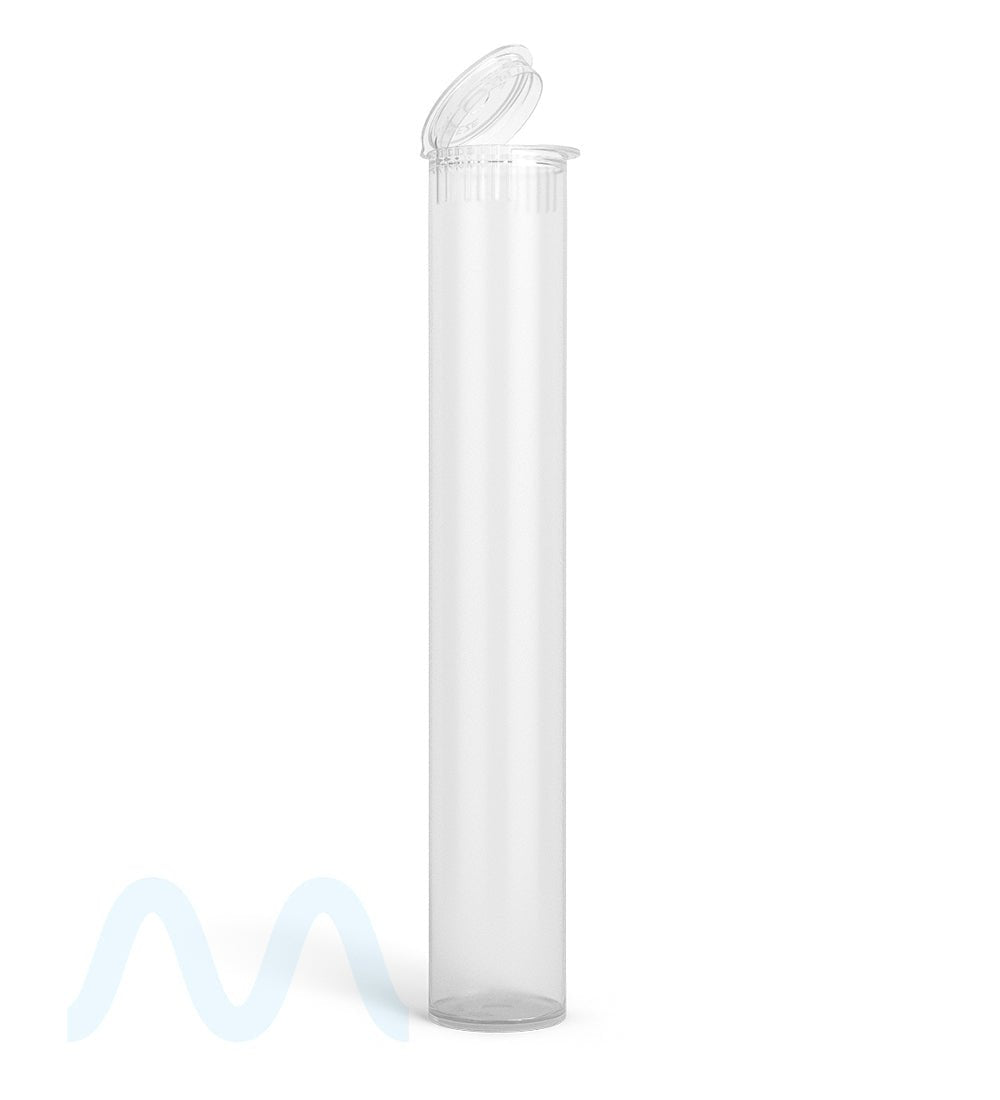
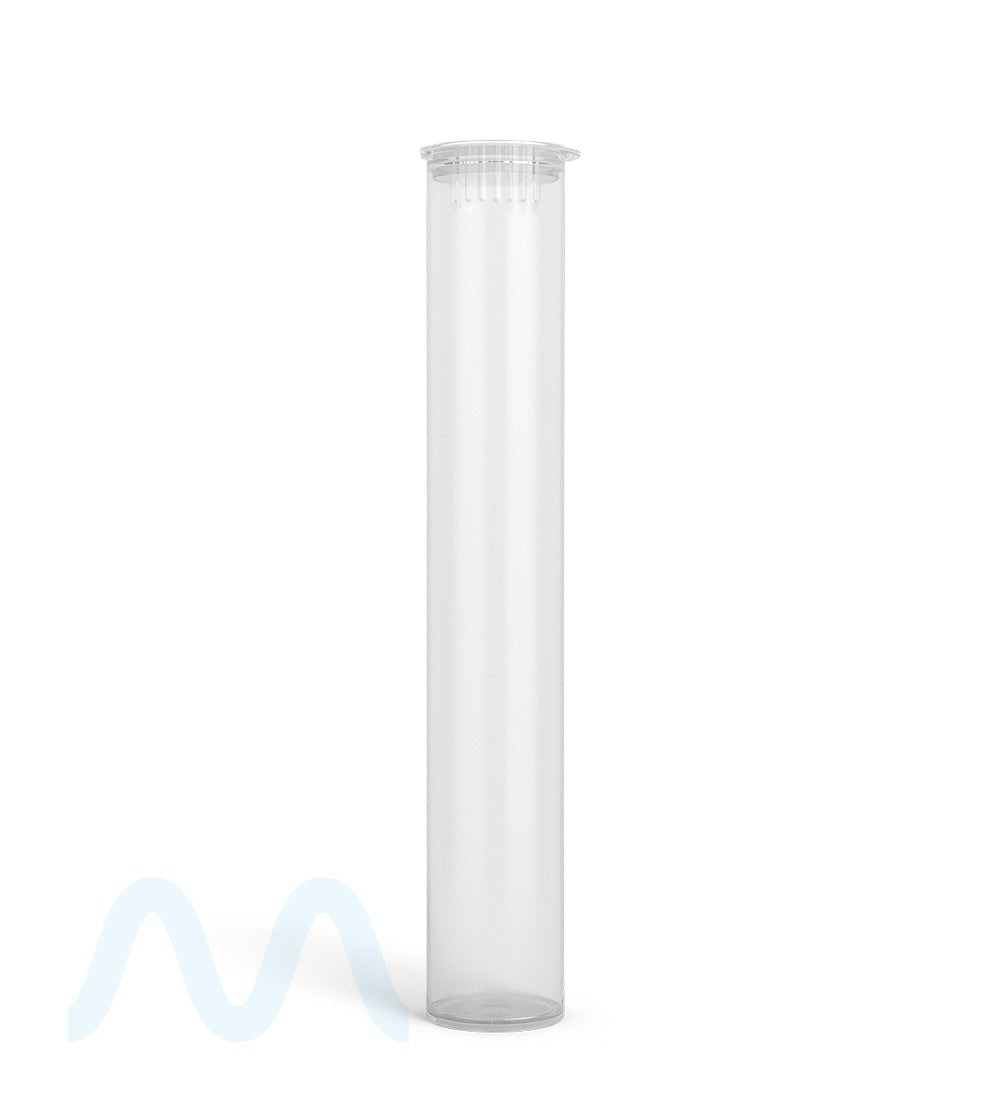
.
.
What materials are used in sustainable eco-friendly tubes?
What materials are used in sustainable eco-friendly tubes?
The materials that are commonly used include paperboard, recycled paper, and bio-plastics. They usually vary based on the intended use of the tube and desired properties. However, the emphasis is always on reducing environmental impact.
Are these tubes biodegradable or recyclable?
Are these tubes biodegradable or recyclable?
Some tubes are biodegradable while others are recyclable. This mostly depends on their materials. Paper-based tubes are readily recyclable in most paper recycling streams. Similarly, tubes made from bio-plastics are biodegradable.
Do eco-friendly tubes provide the same durability as plastic?
Do eco-friendly tubes provide the same durability as plastic?
While eco-friendly tubes might not always match the exact level of impact resistance as conventional plastic, they can still offer excellent durability for many applications. The strength and protective qualities depend on the materials and construction techniques used. For instance, thicker paperboard or specialized linings can enhance durability. Eco-friendly tubes are often more than sufficient for products like cosmetics and dry goods.
Can eco-friendly tubes be sealed for freshness?
Can eco-friendly tubes be sealed for freshness?
Yes. Eco-friendly tubes can be effectively sealed to maintain freshness. Manufacturers use various methods, including specialized caps, to create airtight barriers. The choice of sealing method often depends on the product being packaged.